Imagine nearly every living thing on Earth being wiped out in what amounts to a cosmic instant. Not just the big, famous creatures. Everything. Plants, insects, fish, microscopic organisms, the whole living web of life on our planet, hanging by an almost impossibly thin thread. That is precisely what happened roughly 252 million years ago, in an event so catastrophic, so total in its destruction, that scientists gave it a name that needs no decoration: the Great Dying.
Most people have heard of the asteroid that finished off the dinosaurs. That event, dramatic as it was, pales in comparison to what you’re about to discover. The Permian-Triassic extinction was a different beast entirely. It reshaped the course of evolution forever, and the echoes of it still influence every living creature alive today, including you. Let’s dive in.
The Scale of Destruction: What the Numbers Actually Mean
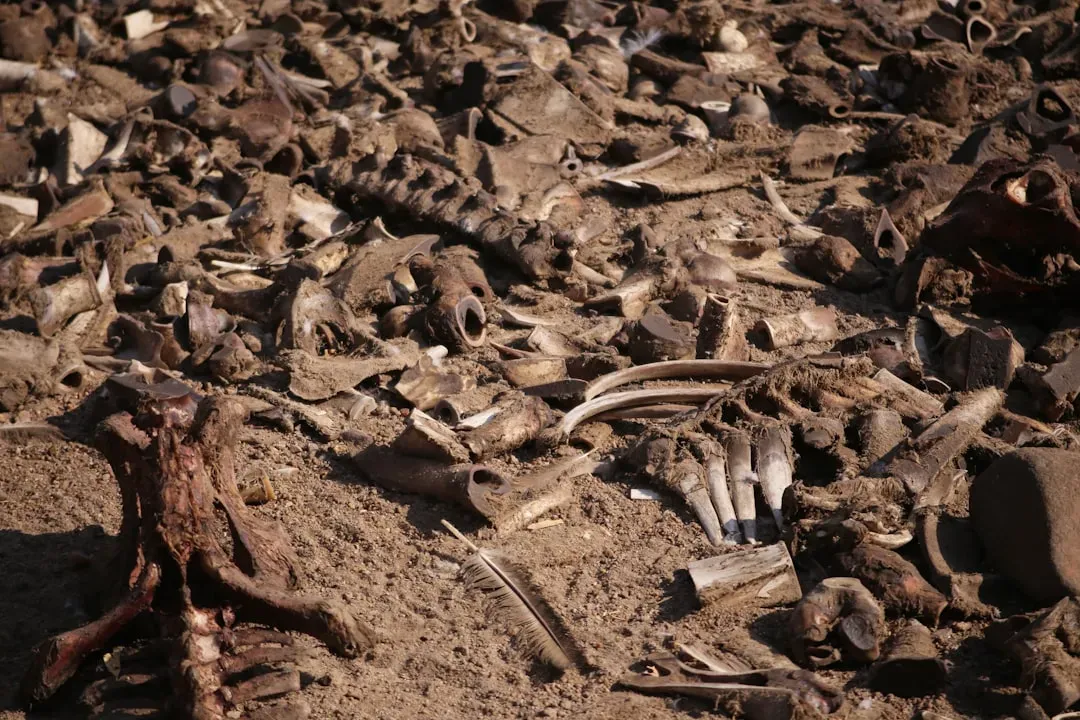
The Permian-Triassic extinction event, colloquially known as the Great Dying, occurred approximately 251.9 million years ago at the boundary between the Permian and Triassic geologic periods. It is Earth’s most severe known extinction event, with the extinction of roughly half of all biological families, nearly two-thirds of all genera, about four-fifths of all marine species, and around seventy percent of terrestrial vertebrate species. Let that sink in for a moment. This wasn’t just a bad season for wildlife.
The Permian-Triassic extinction eliminated up to nearly all species on Earth and over half of all families of living things. In fact, geologists often refer to this event as the Great Dying. This extinction hit plants, terrestrial animals, marine animals, and even bacteria so badly that it rewrote Earth’s evolutionary history. Think of it like burning down not just one library, but almost every library on Earth simultaneously, with only a few scorched pages surviving to tell the story.
A World Called Pangaea: The Stage Already Set for Disaster
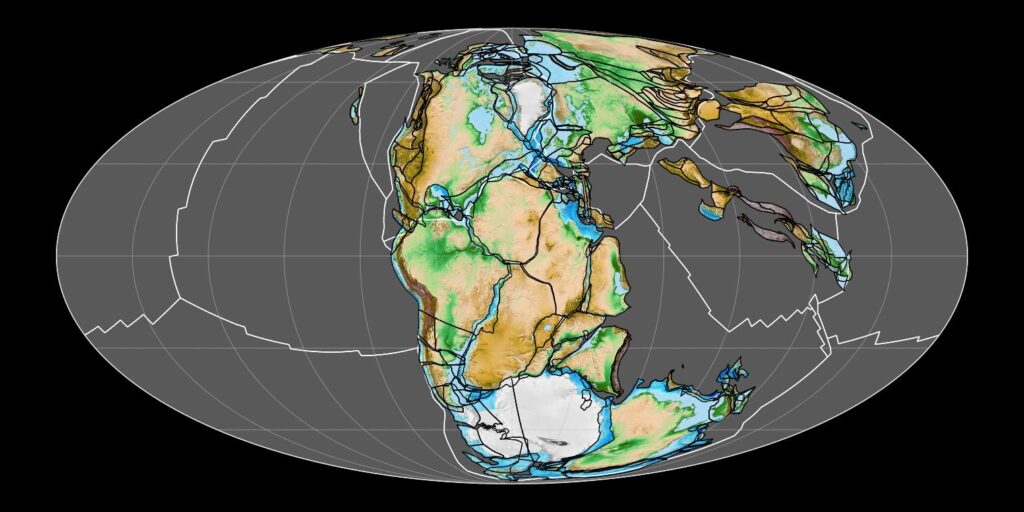
The Permian period that ended with this extinction was a prehistoric geologic period that began about 299 million years ago. During it, all land on Earth was united as a supercontinent called Pangaea. The landmass had formed from multiple large land areas known as the continents in modern times, and it covered an immense area of Earth’s surface with dramatically different climates across its numerous regions. It’s a strange picture to imagine, honestly. One colossal landmass surrounded by one colossal ocean.
The Permian was already a somewhat turbulent period for life because the ever-wandering continental plates had drifted into one another, forming the supercontinent of Pangaea. The formation of Pangaea had a number of effects on climate and environment, including the reduction of coastline and shallow marine habitats. The removal of these rich environments led to a rapid reduction in diversity, but this in itself does not explain the Great Dying, because the dramatic loss of life at the end of the Permian is very sharply observed and not the result of a long, slow decline. Something else, something far more violent, was coming.
The Siberian Traps: Earth’s Own Killing Machine
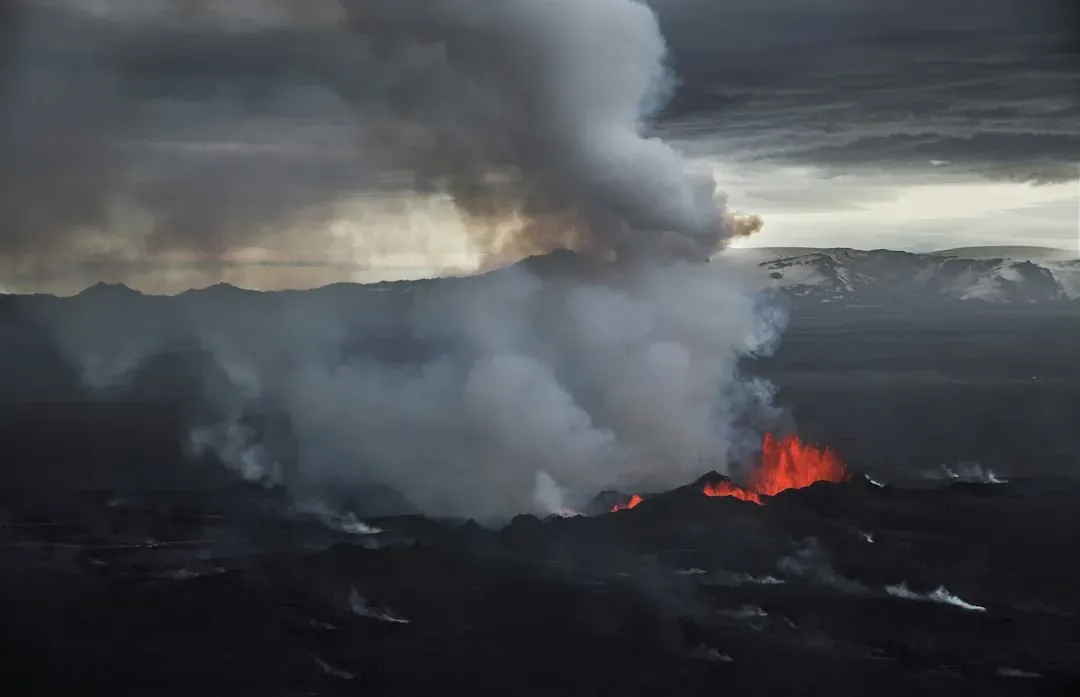
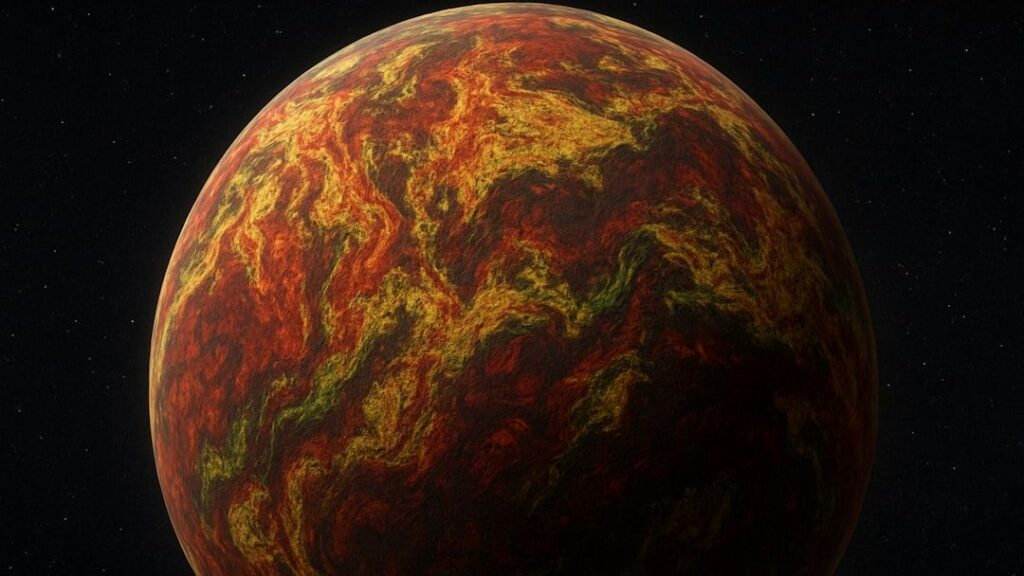
The scientific consensus is that volcanism drove the Great Dying, specifically from the Siberian Traps, a volcanic region in what is now Siberia. When the Siberian Traps erupted some 252 million years ago, they engulfed about 5 million square kilometers in lava and obliterated an area half the size of the United States. That is almost too enormous to visualize. Picture a volcanic catastrophe so large it would swallow all of western North America today.
Most theories about this extinction event include a series of violent volcanic eruptions that occurred in modern Siberia. These explosions sent lava flowing over millions of miles of land, and the eruptions themselves emitted intense heat, sulfur dioxide, and carbon dioxide into the atmosphere. The volcanic eruptions caused numerous problems for life on Earth. The sulfur dioxide and carbon dioxide poisoned the air with harmful chemicals. The ash and soot from the explosions also blocked sunlight, preventing plants from being able to grow. The death of most plants then disrupted entire food chains. It was a domino effect of extinction, each collapse triggering the next.
Ocean Catastrophe: When the Seas Turned Deadly
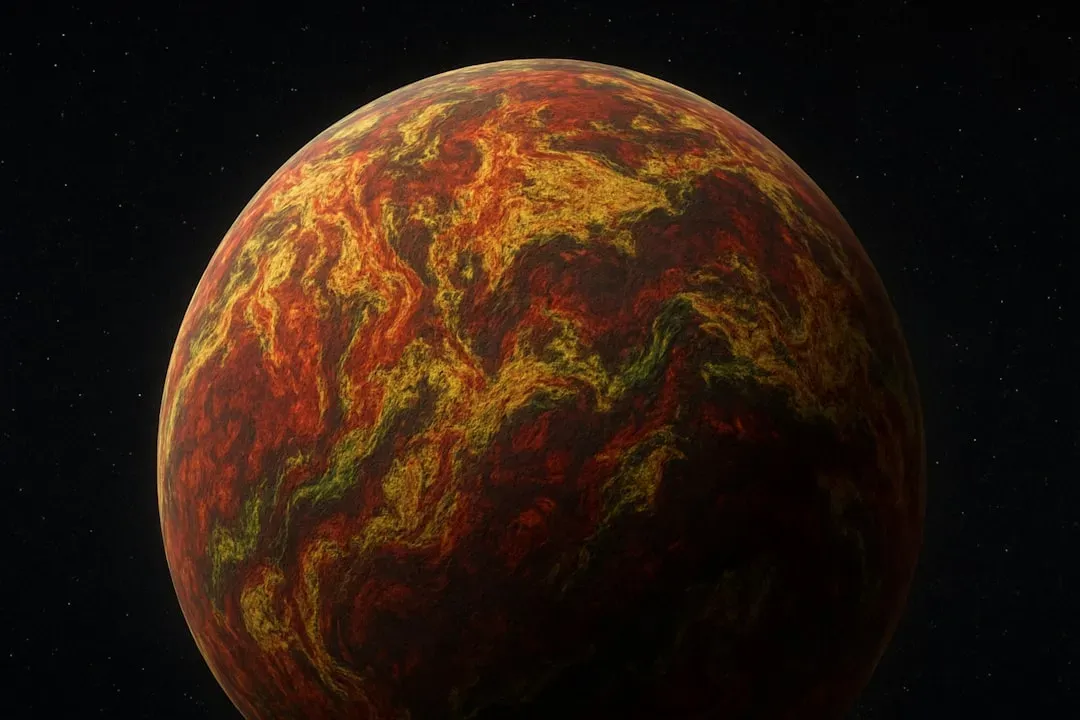
Research on the effects on marine animals shows that a greater percentage of marine animals survived in the tropics than at the poles. The color of the ocean water during that period reflects a temperature change, with some areas experiencing the most severe warming. At the top sat the supercontinent Pangaea, with massive volcanic eruptions emitting carbon dioxide. The oceans, in other words, were being cooked from above and suffocated from within at the same time. That is a brutal combination.
In most extinction scenarios, warming is seen as a key component in driving ocean anoxia and the associated loss of marine habitat at the end of the Permian. There is considerable palaeontological evidence to support this notion. In South China, the first phase of extinction saw many surviving foraminifers migrate to deeper waters, a trend reasonably interpreted as a response to avoid lethally hot surface waters. Similarly, some equatorial species undertook long-distance migration to the cooler water of high latitude locations during the Permo-Triassic transition. It’s a haunting image. Ancient creatures fleeing in slow motion, nowhere left to go.
Who Survived and How: Life’s Razor-Thin Thread
The groups with the highest survival rates generally had active control of circulation, elaborate gas exchange mechanisms, and light calcification. More heavily calcified organisms with simpler breathing apparatuses suffered the greatest loss of species diversity. Essentially, the survivors were those flexible enough to tolerate a world that had become almost unrecognizable. Stubbornness and adaptability were the only currency that mattered.
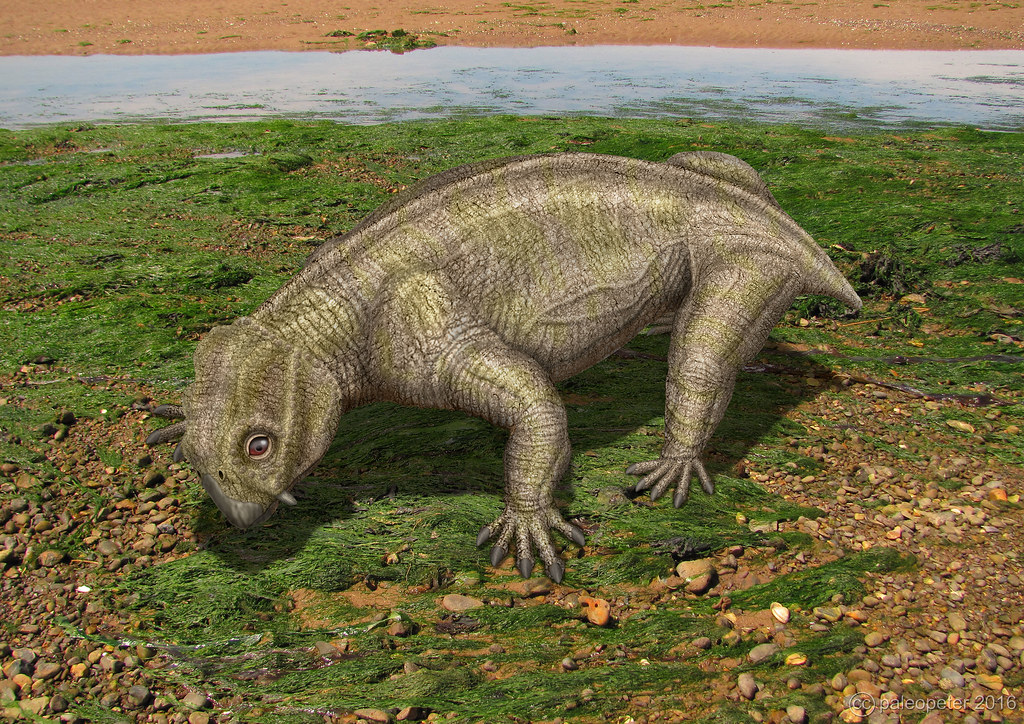
Lystrosaurus, a pig-sized herbivorous dicynodont therapsid, constituted as much as ninety percent of some earliest Triassic land vertebrate fauna. The dicynodont genus is often used as a biostratigraphic marker for the extinction event. The evolutionary success of Lystrosaurus in the aftermath is believed to be attributable to its grouping behaviour and tolerance for extreme and highly variable climatic conditions. Other likely factors behind the success of Lystrosaurus included an extremely fast growth rate and early onset of sexual maturity. I think there is something genuinely inspiring about that. One stubborn little creature, looking a bit like an ugly bulldog with tusks, inheriting a ravaged Earth.
The Long Road Back: Recovery That Took Millions of Years
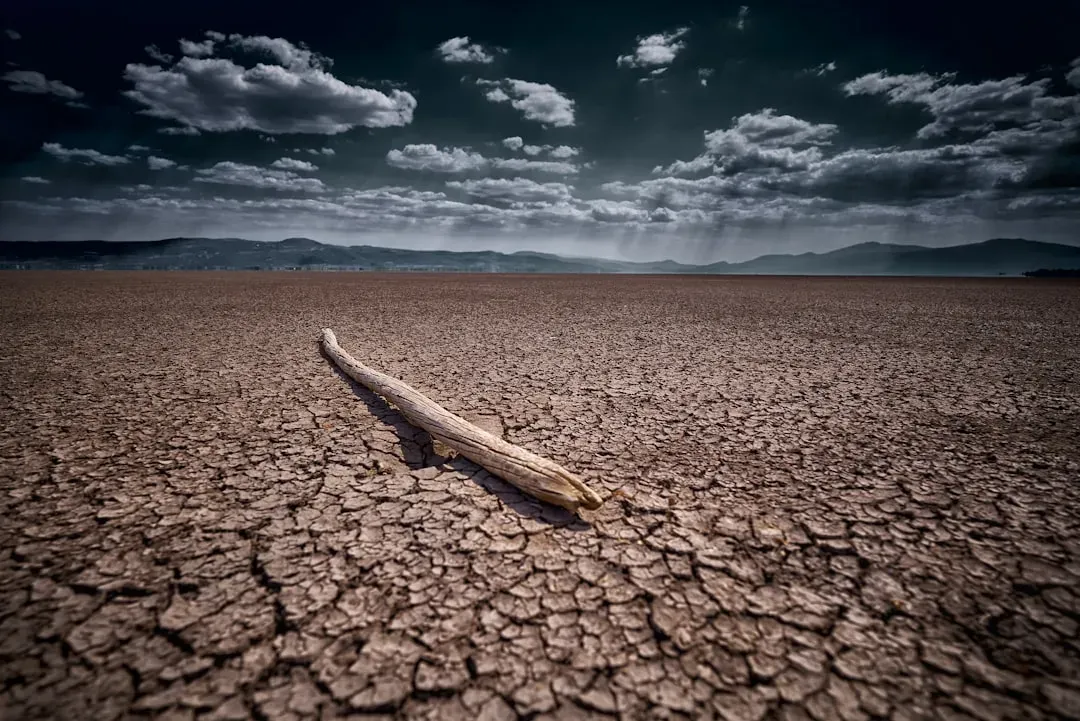
The speed of the recovery from the extinction is disputed. Some scientists estimate that it took around ten million years until the Middle Triassic, due both to the severity of the extinction and because grim conditions returned periodically for another five million years. However, studies near Paris, Idaho showed a relatively quick rebound in a localized Early Triassic marine ecosystem, taking around two million years to recover, suggesting that the impact of the extinction may have been felt less severely in some areas than others. Recovery, it turns out, was anything but uniform or clean.
Prior to the extinction, about two-thirds of marine animals were sessile and attached to the sea floor. During the Mesozoic, only about half of the marine animals were sessile while the rest were free-living. Analysis of marine fossils from the period indicated a decrease in sessile suspension feeders such as brachiopods and sea lilies, and an increase in more complex mobile species such as snails, sea urchins, and crabs. Before the Permian mass extinction event, both complex and simple marine ecosystems were equally common. After recovery from the mass extinction, the complex communities outnumbered the simple communities by nearly three to one. In a strange and almost poetic way, the Great Dying made life on Earth tougher, faster, and more complex. Destruction, it seems, can be the unlikely architect of innovation.
Conclusion: What the Great Dying Teaches Us Today
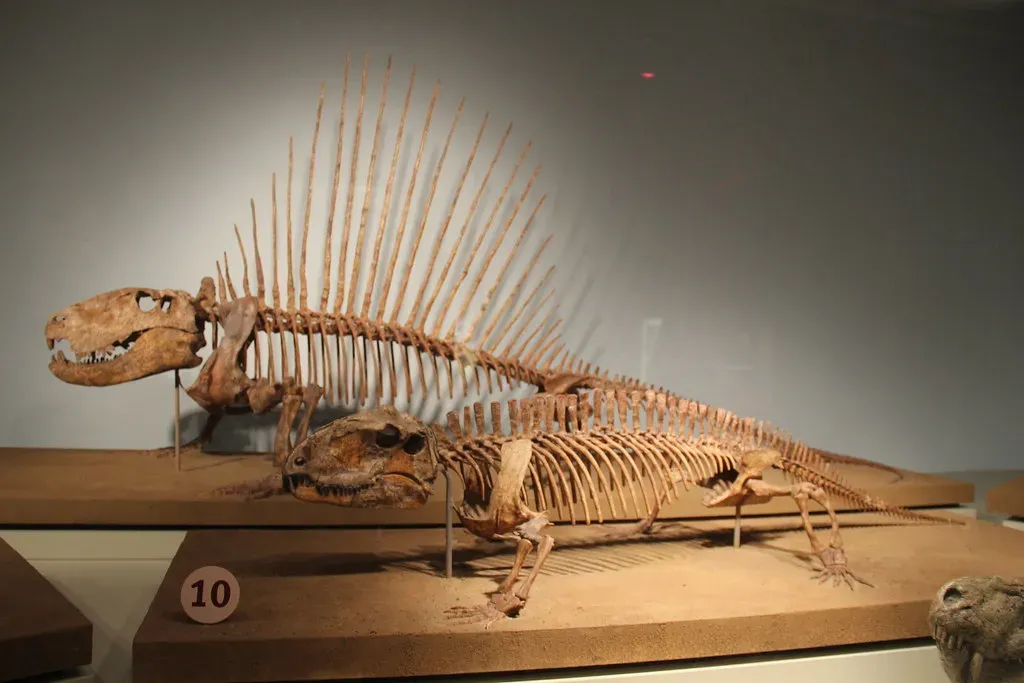
The Permian-Triassic extinction event is not just ancient history. It is a vivid, sobering reminder of how fragile the balance of life actually is. Everything that has existed since the Permian-Triassic extinction evolved from the roughly four percent of species that survived. That includes you, your family, and every creature you have ever loved or feared. All of us are descendants of survivors who clung to existence by the slimmest of margins.
Honestly, the most striking thing about the Great Dying is not the scale of the loss, but what came after it. Life did not simply vanish. It scrambled, adapted, and rebuilt. It created entirely new ecosystems from the ashes of the old ones. The planet took millions of years to recover, but it did recover. The extinction event marked the transition from the Permian to the Triassic period, facilitating the emergence of new life forms, including early ancestors of dinosaurs and various marine species such as crabs and lobsters. Looking at the world we live in now, filled with such staggering biodiversity, perhaps the most powerful question we can carry forward is this: knowing what Earth survived once, what are we willing to do to protect what it has built since? What do you think? Share your thoughts in the comments below.