Let’s be real. Life in 2026 feels busier than ever. Between work demands, endless notifications, and the constant pressure to keep up with everything, it’s no wonder stress has become your uninvited daily companion. You might think you need hours of meditation or a weekend retreat to find some relief, but here’s the thing: you don’t.
What if you could tap into a calmer, more centered version of yourself using techniques that take just minutes a day? Research shows that mindfulness is a simple and practical way to lower stress, improve focus and support overall health. The practices you’re about to discover aren’t complicated or time consuming. They’re refreshingly straightforward. So let’s explore how you can transform your relationship with stress, one mindful moment at a time.
Start With Your Breath
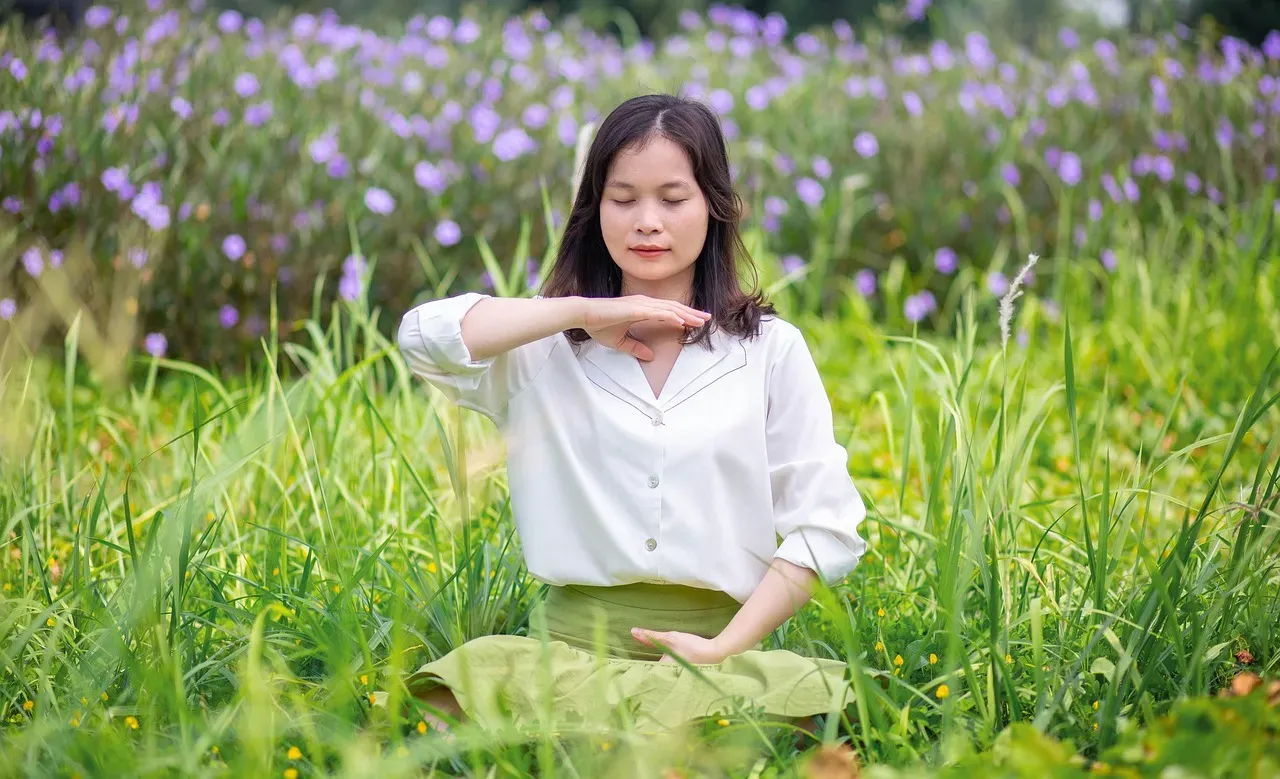
Your breath is always with you, making it the perfect anchor when stress starts to spiral. One of the easiest ways to reduce stress is to simply focus your attention on your breath. It’s a form of “entry level” meditation that anyone can do. You don’t need fancy equipment or a special room. Just a few moments of attention.
This calming breathing technique for stress, anxiety and panic takes just a few minutes and can be done anywhere. You will get the most benefit if you do it regularly, as part of your daily routine. Try sitting comfortably and placing one hand on your belly. Breathe in slowly through your nose, feeling your abdomen expand. Then exhale gently through your mouth, letting tension melt away with each breath. Even three conscious breaths can shift your entire nervous system from fight-or-flight mode to a state of calm.
The beauty of breathwork lies in its accessibility. Practicing mindful breathing can help you access the part of your nervous system that allows you to reduce stress and think more clearly, which will keep you safer and eliminate the overwhelmed feeling that often accompanies anxiety and panic. When your mind wanders during the day, your breath becomes a gentle reminder to return to the present moment. It’s like having a reset button you can press anytime, anywhere.
Practice The Body Scan
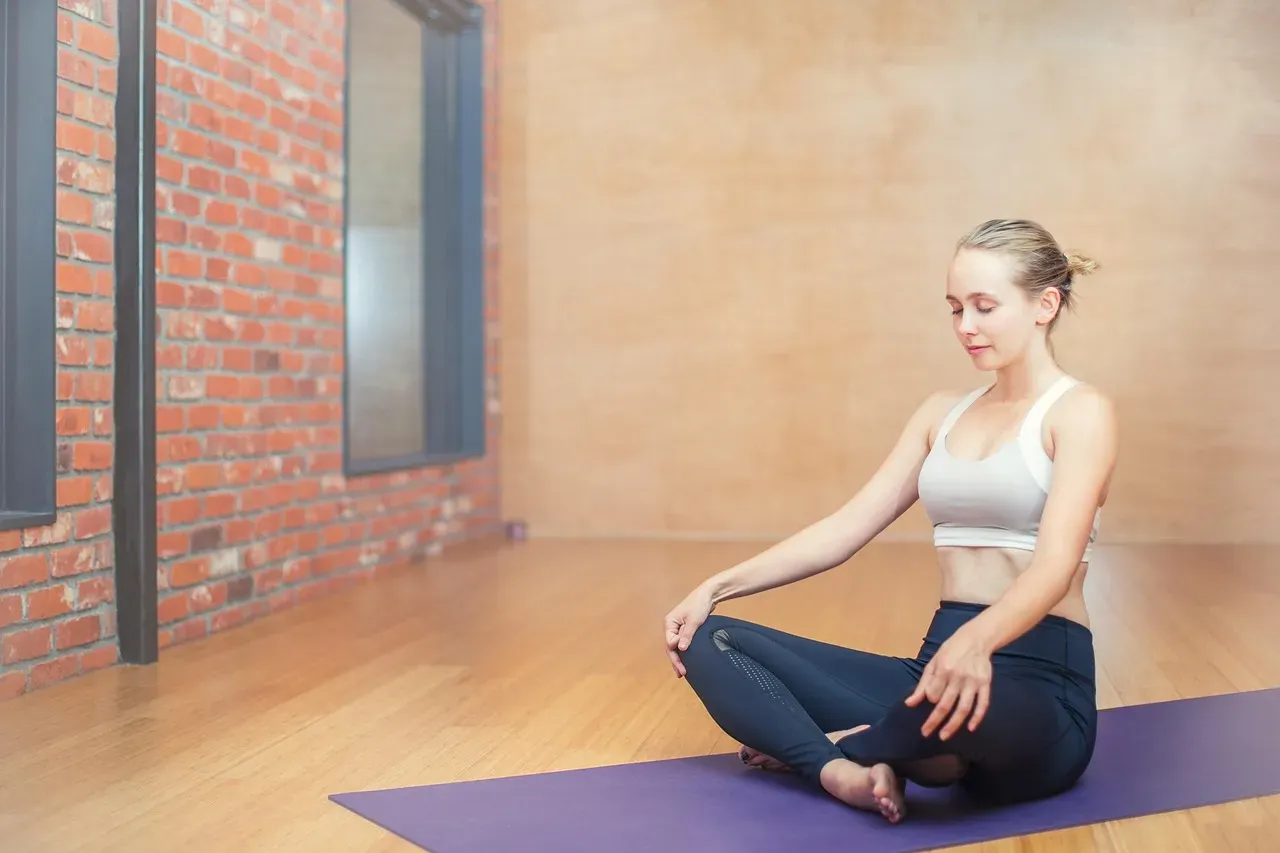
Have you noticed how stress tends to hide in your shoulders, jaw, or lower back? Your body stores tension in ways you might not even realize until it becomes uncomfortable. In deep relaxation, we may take time to visit each part of our body in turn – the forehead, the jaw, the shoulders, arms, hands, belly, and so on – gently allowing that part of our body to release any tension that is there. Relaxation brings peace, happiness and creativity. This simple awareness practice can be profoundly healing.
The body scan works because it reconnects your mind with physical sensations you’ve been ignoring. You can do this lying down before sleep or sitting in your office chair during a break. Start at your toes and slowly move your attention upward through your body. Notice areas of tightness without judgment. Simply acknowledge them, breathe into those spaces, and imagine the tension dissolving.
It is possible to incorporate it into our daily life – taking a moment to completely put down our burdens after a long day at work, or scanning our body for a few minutes before we go to sleep. In challenging situations, 5 or 10 minutes of full attention on our breathing and body, in the sitting or lying position, can be very helpful and give us the space and clarity we need to continue. Think of it as giving your body permission to let go of what it’s been holding onto all day.
Bring Mindfulness To Everyday Activities

Mindfulness starts to get really interesting when we can learn to integrate it into everyday life. Remember, mindfulness means to be present, in the moment. This doesn’t require adding another task to your already packed schedule. Instead, it’s about transforming activities you already do into opportunities for presence and peace.
Consider your morning coffee or tea. Rather than scrolling through your phone while drinking it, try focusing entirely on the experience. Notice the warmth of the cup in your hands, the aroma rising from the liquid, the first sip touching your tongue. Transform meals into a richer experience by pausing to breathe before eating, tuning into your hunger cues, and savoring each bite. This practice helps you enjoy food more fully and respond to your body’s true needs. It sounds almost too simple, doesn’t it? Yet this shift from autopilot to awareness can be surprisingly powerful.
You can also practice mindful walking. During your walks, shift your focus to the sensations of movement – the rhythm of your steps, the feeling of the ground beneath your feet. This practice can turn a routine activity into a meditative experience. Even washing dishes or brushing your teeth becomes meditation when you fully engage with the sensations involved. The key is choosing one or two daily activities and committing to doing them with complete attention.
Set A Daily Intention

How often do you rush into your day without pausing to consider how you want to show up? Start your day with a brief, intentional routine before distractions arise. Sit quietly, take deep breaths, and set a clear intention – such as being kind or patient – which you revisit throughout the day. This simple morning ritual can dramatically change your experience of the hours that follow.
Your intention doesn’t need to be elaborate or profound. It might be as straightforward as “I will respond rather than react today” or “I choose to notice three beautiful things.” The power comes from consciously deciding how you want to navigate your day before the chaos begins. When you set an intention, you create a mental anchor that helps you stay grounded when stress inevitably appears.
Maybe you want to step out as your most compassionate self or let go of self-limiting fear. Think of something you want to nurture in your life, and promise yourself to give it mindful attention as you go about your day. Throughout the day, gently remind yourself of this intention. It becomes a thread of awareness weaving through your experiences, helping you maintain perspective even during challenging moments. I know it sounds a bit abstract, but give it a week and notice the difference.
Create Pause Points Throughout Your Day

The constant rush from one task to another keeps your stress response perpetually activated. Throughout the day, pause for a few moments to check in with yourself. Close your eyes, take a deep breath, and notice any tension or stress. This short break can help you reset and approach tasks with a clearer mind. These micro-breaks might seem insignificant, but they compound throughout the day to create substantial relief.
Choose three activities you do daily as triggers for mindful pauses. Maybe it’s sitting down at your desk, opening your email, or getting into your car. Each time you do one of these actions, stop for just thirty seconds. Take three slow breaths. Notice how your body feels. Check in with your emotional state without trying to change anything. Just observe.
Regular, daily practice is recommended to feel the full benefits. But even short moments of mindfulness throughout the day can be helpful. The accumulation of these brief pauses creates space between stimulus and response. Instead of reacting automatically to stress, you develop the capacity to choose your response. This repetition strengthens the brain’s ability to manage stress, allowing individuals to respond thoughtfully rather than react impulsively in high-pressure situations. Over time, mindfulness becomes a powerful tool for emotional regulation, resilience and overall well-being. It’s honestly like training a muscle, except the muscle is your mind.
Conclusion
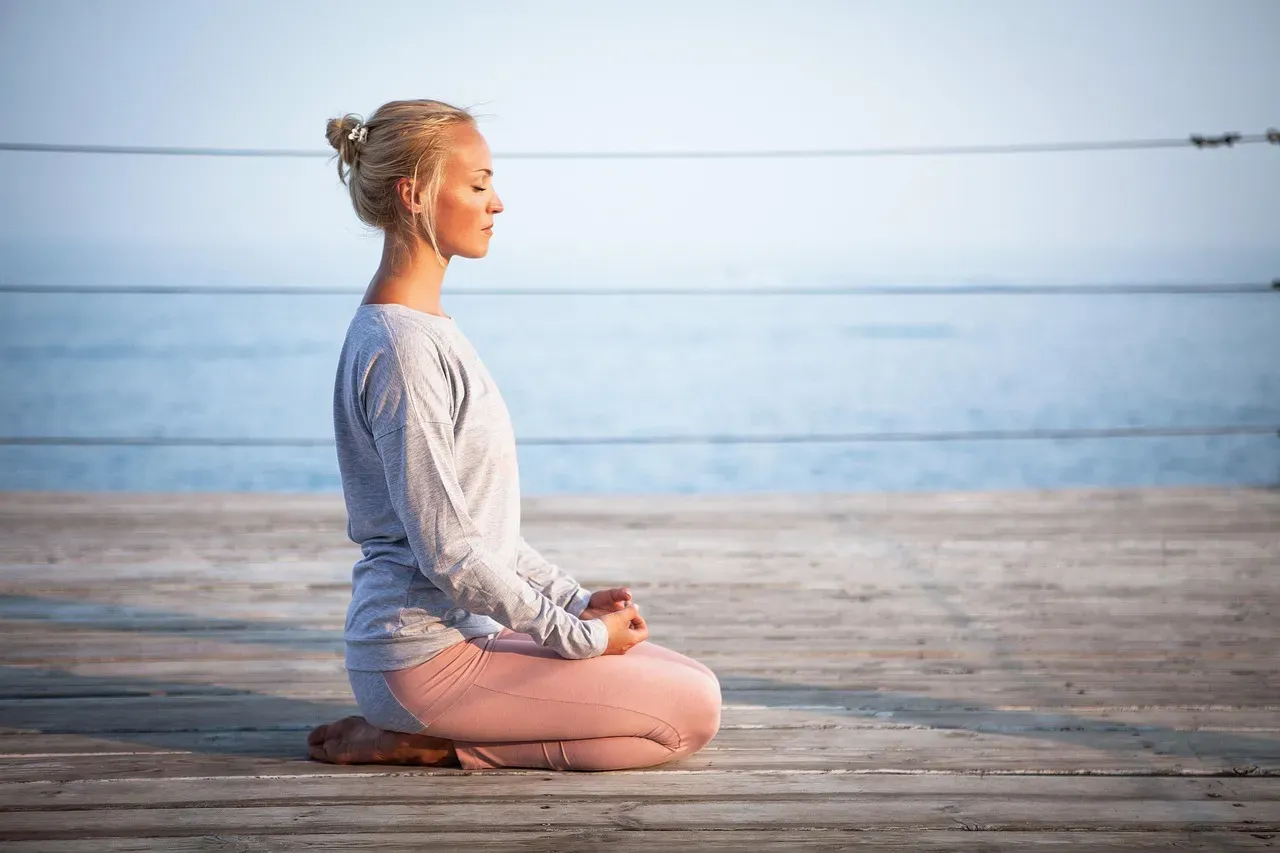
Mindfulness calms the nervous system. This reduces the body’s stress hormone, cortisol. The five practices you’ve just explored aren’t magic solutions that eliminate stress entirely. Life will still throw challenges your way. What changes is your capacity to meet those challenges without becoming overwhelmed by them.
The remarkable thing about mindfulness is that it doesn’t require you to be perfect or to dedicate hours of your day. Research shows that even 10 minutes of mindfulness makes a positive difference. Start with just one of these practices. Maybe tomorrow morning, you’ll take three mindful breaths before checking your phone. Perhaps you’ll eat one meal this week with complete attention. Small steps lead to meaningful transformation.
Remember, you already have everything you need to begin this journey. Your breath, your body, and your awareness are always available to you. The power to reduce your daily stress isn’t somewhere out there waiting to be found. It’s already within you, simply waiting to be activated through these simple, accessible practices. What will you try first?