You’ve probably felt it before. That nagging guilt when you decline yet another social invitation because you’d rather stay home with a book. Or the subtle judgment in someone’s eyes when you mention you spent the weekend alone and loved every minute of it. Our culture worships connection and busyness to the point where solitude often feels like a dirty secret.
Let’s be honest though. Something transformative happens when you give yourself permission to be alone. Not lonely, mind you, but genuinely alone by choice. Recent research is finally catching up to what many of us have intuitively known for years: solitude isn’t just acceptable, it’s essential. It’s not about escaping from the world but rather reconnecting with yourself in ways that constant social engagement simply doesn’t allow.
The Hidden Science Behind Your Brain in Solitude
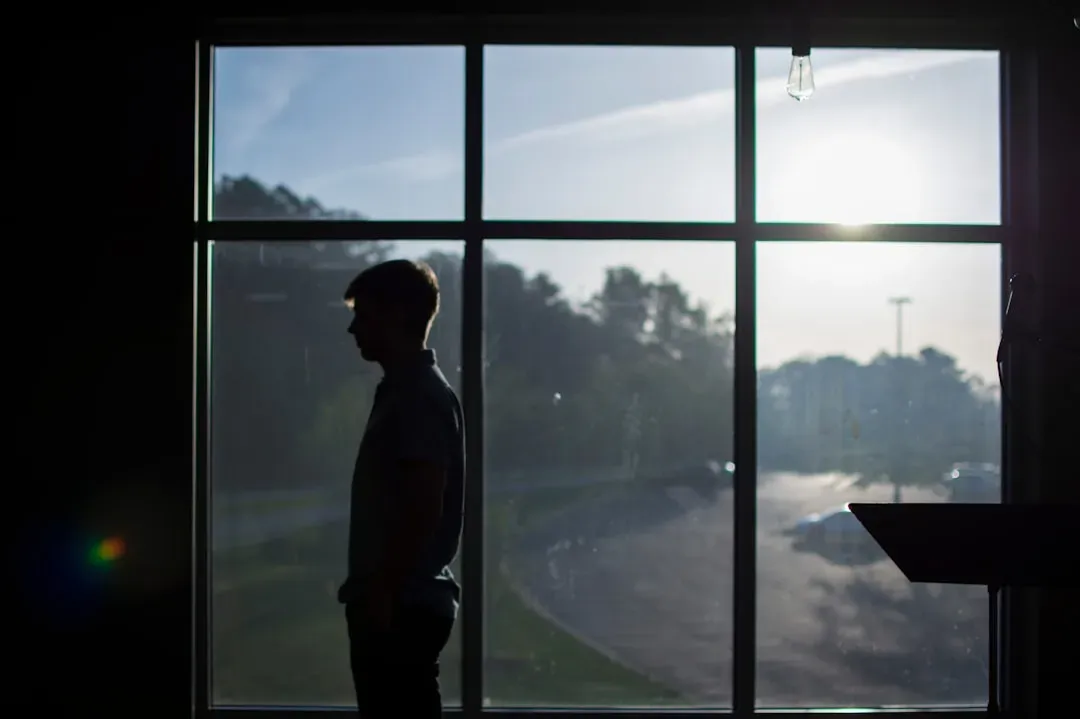
When you step away from social interactions and settle into solitude, your brain doesn’t simply power down or go idle. Instead, it shifts into a different mode, allowing you to process thoughts, analyze experiences, and engage in deep thinking that triggers creativity. Think of it like switching gears in a car.
Brain scans using fMRI technology have shown that when people are in solitude, their brain activity shifts to what’s known as the default mode network, which is associated with self-referential thoughts, daydreaming, and autobiographical memory. These aren’t frivolous mental activities either. They’re crucial for creative thinking and problem-solving in ways that our socially engaged brain simply can’t replicate.
Research by the University of California has found that solitude helps to increase brain activity in the regions associated with memory and creative problem-solving. Your mind isn’t being lazy during alone time. It’s actually working overtime making connections you’d miss in a crowded room.
Why Creative Geniuses Swear By Isolation
In physics, Albert Einstein, Isaac Newton, and James Clerk Maxwell, three of the greatest creative contributors, worked almost entirely alone, profiting from other people’s ideas not in direct collaboration, but by reading research papers and books. There’s a pattern here worth noticing.
Studies show that anxiety-free time spent in solitude may allow for, and foster, creative thinking and work. The key word being anxiety-free. When your solitude is chosen rather than forced, when it stems from genuine desire rather than fear, that’s when the magic happens.
I think what surprises most people is that collaboration, while valuable, doesn’t always produce the best creative work. Research shows that when we brainstorm with others, we don’t put all our ideas on the table because we are afraid of judgment and limited by the group’s thought process. Solitude eliminates that filter entirely.
The Peaceful Side Effect Nobody Talks About

Here’s something interesting that challenges our assumptions about happiness. Research shows alone time can actually boost overall well-being, increasing our emotional regulation, contentment and creativity. Not just creativity, but actual contentment and peace.
Brief periods alone have the benefit of calming down all those strong emotions that we might experience, whether positive things like excitement and energization, or strong emotions like anger, anxiety and distress. Solitude seems to function as an emotional reset button.
Spending more hours alone was linked with increased feelings of reduced stress, suggesting solitude’s calming effects. This isn’t about avoiding life’s challenges. It’s about giving yourself the mental space to process them without external noise interfering with your internal compass.
What Introverts Have Known All Along

Introversion is a fascinating neurological variation that affects anywhere from 30% to 50% of the population, and it’s not about being shy or antisocial. It’s fundamentally about how your brain is wired and where it finds energy.
Introverts have a lower dopamine threshold, meaning they require less external stimulation to feel satisfied, which explains why introverts often find solace in quieter, less crowded environments. This isn’t a weakness or something to overcome. It’s a different but equally valid way of experiencing the world.
Time alone allows introverts to process their experiences, recharge their mental batteries, and engage in the deep thinking they find so rewarding, with many introverts finding great joy and fulfillment in solitary pursuits. If you’ve ever felt energized after a weekend alone, you’re not broken. You’re operating exactly as your brain was designed to function.
The Memory and Focus Advantage
When you spend time alone, your memory works better than when you spend time with others because your brain doesn’t have to focus on others’ needs and actions. It’s like clearing the clutter from your desk so you can actually find what you’re looking for.
This has enormous implications for anyone trying to learn something new or work through complex problems. When you’re alone, you can zone in on exactly what needs the most of your focus, time, and energy. No interruptions, no social obligations pulling your attention in seventeen different directions.
People who took a break and engaged in a mildly demanding task produced more new ideas than those who engaged in more demanding tasks, did nothing during the break, or who did not have a break at all, because during these ‘not too demanding’ tasks, your mind is free to wander. There’s actually a sweet spot between boredom and intense focus where creativity flourishes.
Breaking Free From Social Comparison

Solitude reduces what psychologists refer to as social comparison, the tendency to compare oneself with others, which can stifle creativity by creating a fear of judgment and a desire to conform, but when individuals spend time alone, they’re less concerned with others’ opinions. This alone is revolutionary.
Think about how much mental energy you burn worrying about what others think. In solitude, that entire burden lifts. You’re free to explore ideas, try new things, even fail spectacularly without an audience documenting your every misstep.
Solitude offers a safe space to be yourself without the fear of judgment or criticism. It’s not about hiding from the world. It’s about giving yourself permission to exist without performance or pretense.
Self-Awareness and Personal Growth Through Aloneness

One of the greatest benefits of spending time alone is that it can help you develop a better understanding of who you are. Sounds simple, but it’s remarkably profound. How can you know yourself when you’re constantly filtered through other people’s perceptions and expectations?
When you’re alone, without the influence of others, you can turn inward and explore your thoughts, emotions, and motivations in a safe space, having the opportunity to assess your life, your actions, and your goals more clearly. This kind of introspection is becoming increasingly rare in our hyperconnected age.
Spending time alone gives people the space they need to process difficult emotions like grief, anger, or disappointment, and in solitude there are no distractions to mask these feelings. Sometimes you need to sit with discomfort to move through it. Solitude provides that space.
The Balance Between Connection and Isolation
Now here’s where things get nuanced. Research shows that spending too much time alone can lead to negative emotions. It’s not a free pass to become a hermit forever.
There is no universal level of socialization or solitude to aim for, with thoughtful use of solitude promoting wellness, but forced isolation risking loneliness and dissatisfaction. The difference between healthy solitude and harmful isolation comes down to choice and intention.
A 2024 national survey found that 56% of Americans considered alone time essential for their mental health. You’re part of a growing movement that recognizes solitude not as selfishness but as essential self-care. The key is finding your own rhythm between social connection and solo restoration.
Practical Ways to Embrace Solitude Without Guilt

Taking time to journal about how your life is in line with your values, plan your schedule, or even research resources related to your goals are all beneficial ways to spend alone time, and scheduling alone time may be a helpful way to increase productivity because fewer distractions can make it much easier to get things done.
Start small if solitude feels uncomfortable. Try small doses of solitude, around 15 or 30 minutes, giving yourself some time to explore what things you enjoy doing during that time. You don’t need to commit to week-long silent retreats immediately.
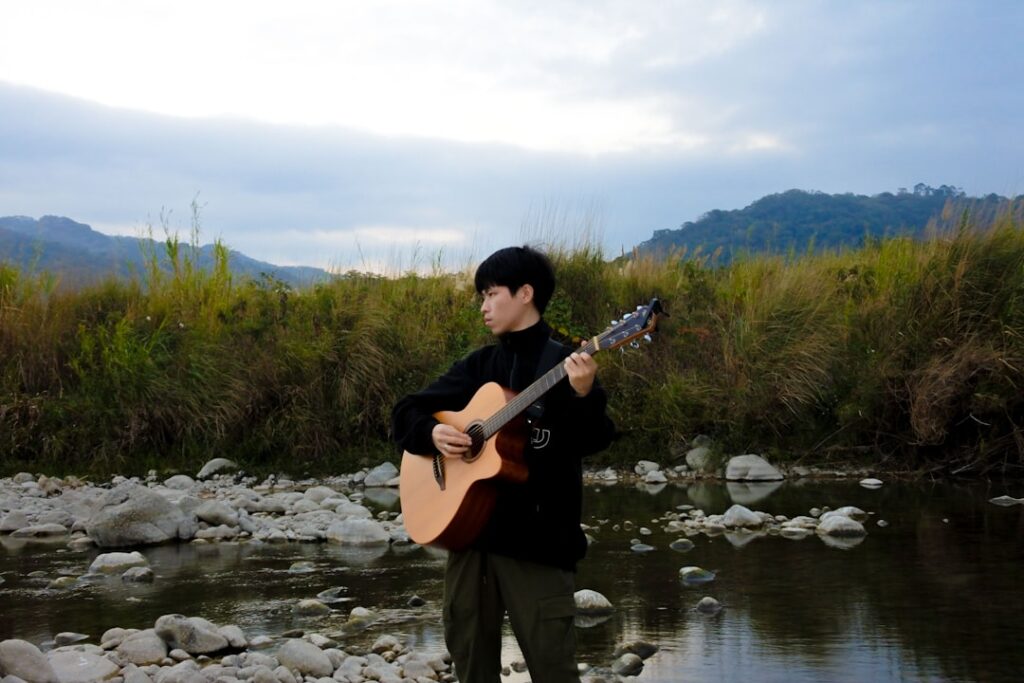
You can spend alone time doing anything that relaxes and recenters you, whether that’s hiking a new trail, sitting in the park, or drinking iced tea and reading a book. The activity matters less than the intentionality behind it. What recharges you might bore someone else to tears, and that’s perfectly fine.
Conclusion
When we spend our solitude in intentional ways, the benefits accrue: We feel rested and rejuvenated, we gain clarity and emotional balance, we feel freer and more connected to ourselves. This isn’t some mystical concept. It’s neuroscience meeting self-care in the most practical way possible.
The power of solitude lies not in rejecting connection but in recognizing that you cannot truly connect with others if you’ve lost connection with yourself. Your alone time isn’t wasted time. It’s where your creativity sparks, where your mind heals, where your authentic self emerges from beneath the layers of social expectation.
So the next time someone questions why you’d rather spend Friday night alone, remember this: you’re not missing out. You’re tuning in to something far more valuable. What would happen if you gave yourself permission to embrace solitude not as a last resort, but as your first choice for genuine peace and creativity?