
Have you ever thought of someone right before they called you? Or stumbled upon the exact book you needed at the precise moment you needed it? If you’ve brushed those moments off as random chance, you might want to reconsider. These experiences – what some call meaningful coincidences – might actually be windows into something much deeper about how we navigate our existence.
Life doesn’t always follow a straight line, does it? Sometimes things line up in ways that defy logic yet feel profoundly right. It’s like the universe is speaking a language we’ve forgotten how to hear clearly. I think that’s exactly why these moments captivate us so much – they hint at connections we can’t quite explain but somehow recognize.
The Origins of a Fascinating Concept
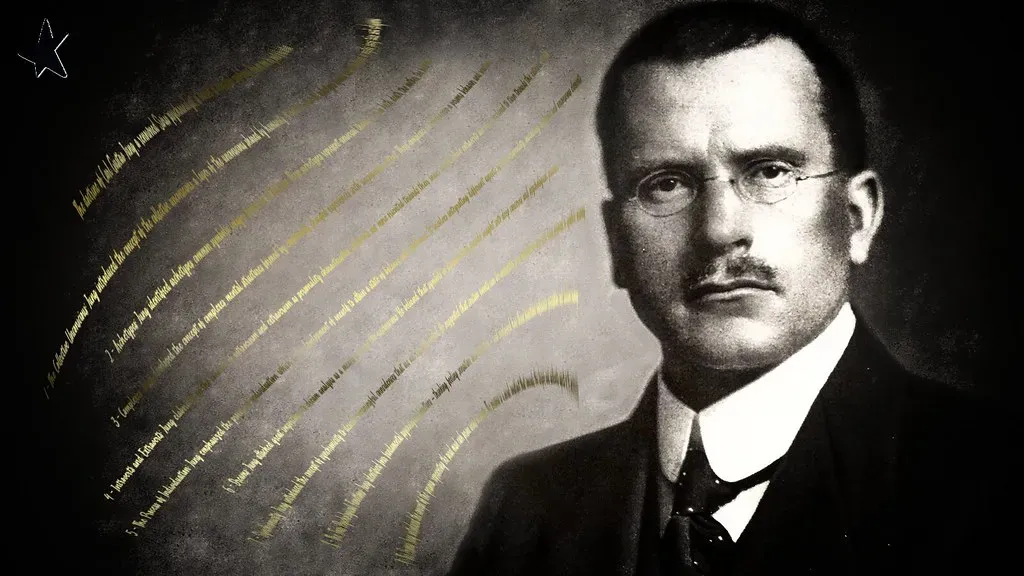
Swiss psychiatrist Carl Jung introduced the concept of synchronicity to describe events that coincide in time and appear meaningfully related, yet lack a discoverable causal connection. This wasn’t just some fleeting idea he had over coffee. Jung developed the concept alongside physicist Wolfgang Pauli through correspondence and in their 1952 work The Interpretation of Nature and the Psyche. Imagine that – a psychologist and a Nobel Prize-winning physicist putting their heads together to make sense of these mysterious moments.
What makes Jung’s theory so compelling is that he held this was a healthy function of the mind. Here’s the thing: he wasn’t trying to prove magic exists or validate superstition. Jung and Pauli’s view was that, just as causal connections can provide a meaningful understanding of the psyche and the world, so too may acausal connections. They believed there’s another layer to reality, one where meaning connects things rather than mechanical cause and effect.
When Coincidences Become Something More

Synchronicity is a phenomenon in which people interpret two separate experiences as being meaningfully intertwined, even though there is no evidence that one led to the other. Simple coincidences happen all the time – you wear a red shirt on the same day your coworker does. So what? However, synchronicity is different. It hits you on an emotional level.
Synchronistic events carry a sense of purpose and significance, often triggering a profound emotional response in individuals who experience them. You feel it in your gut, that uncanny recognition that something meaningful just happened. These events are characterized by their emotional intensity and their association with archetypal situations, such as death, illness, or relationship crises. They tend to show up when you’re at a crossroads or facing something significant.
The Science Behind Seeing Patterns
Let’s be real – our brains are incredible pattern-recognition machines. Humans are natural pattern seekers, inheriting a survival mechanism that helped our ancestors. Your ancient relatives survived because they could spot the rustle in the grass that meant a predator was near. This same wiring makes us notice patterns everywhere, even when they might not actually exist.
Scientists believe that such events are more likely coincidences that only seem meaningful due to aspects of human thinking such as confirmation bias. That’s the skeptical view, which honestly has merit. Still, research suggests between roughly one-fifth to the vast majority of the population has experienced synchronicity at least once. That’s a lot of people having these experiences, which makes you wonder if there’s something worth paying attention to here.
More Than Just Random Chance
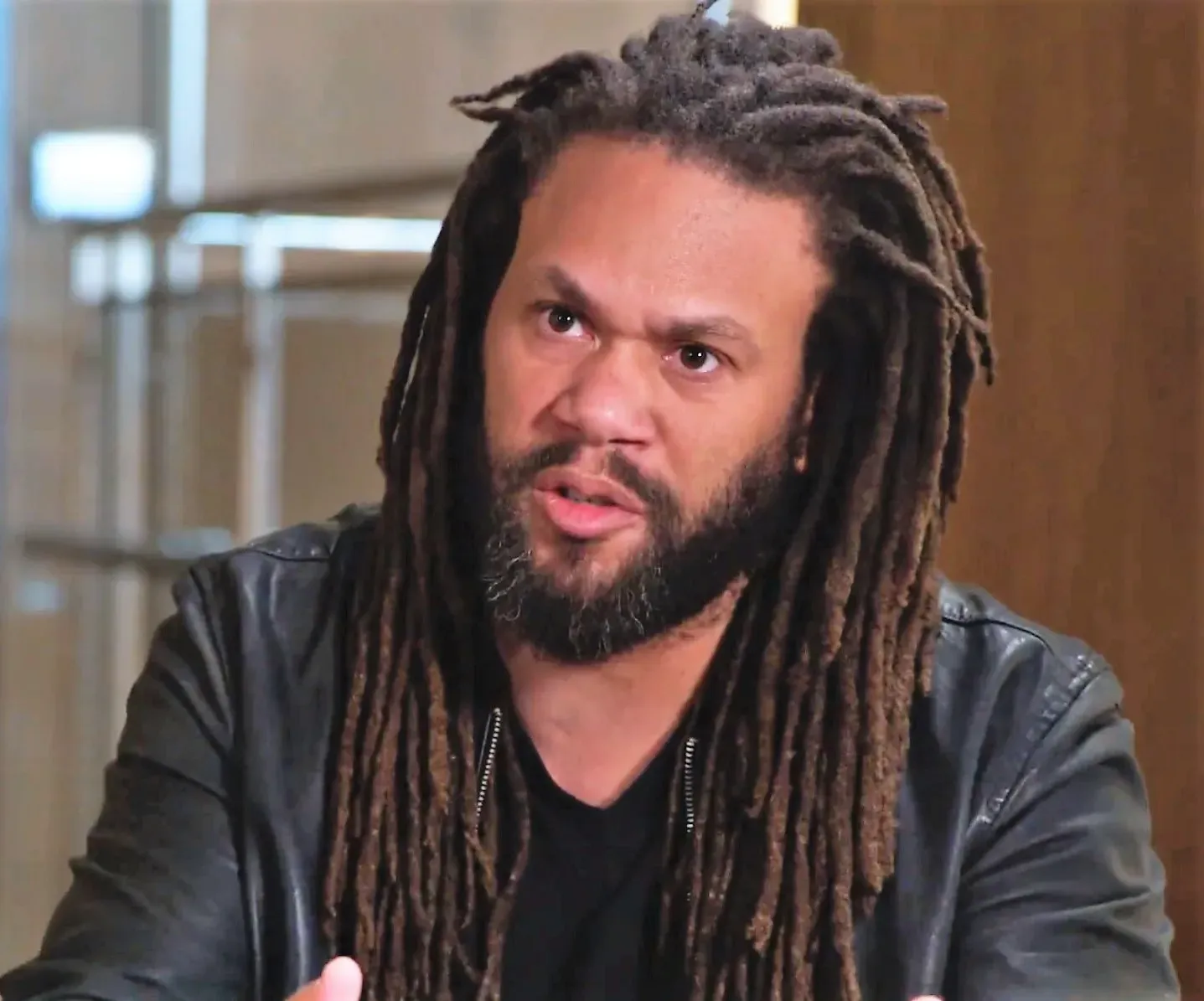
Coincidences play a crucial role in the development of both scientific and intuitive theories, as events that provide support for a low-probability alternative to a currently favored causal theory. Think about how many scientific breakthroughs happened because someone noticed an unexpected connection. Research indicates that between about one-tenth to one-third of key discoveries can be attributed to serendipitous findings – moments when chance observation meets a prepared mind.
I know it sounds crazy, but sometimes these moments genuinely do lead us somewhere important. Jung believed that many occurrences labeled as coincidences are not actually due to chance, but instead are directly related to the observer’s mind, serving to provide powerful insight, direction and guidance. Whether you think that’s true or not probably depends on your own experiences with these phenomena.
How to Recognize Synchronicity in Your Life

Common examples include when you think of a friend and they call at that exact moment, or when a dream comes true. Numbers seem to be one of the most frequent forms. You might keep seeing the same time on the clock, the same number sequence on license plates, or dates that align in surprising ways.
Those who experience synchronious events usually report seeing or hearing meaningful names, numbers, words, or symbols. You might encounter the same book recommendation from three different sources within a week. The moment is often followed by chills or goose bumps, a message from your own intuition that the event is indeed a true synchronicity. Your body knows before your mind fully catches up.
The Therapeutic Value of Meaningful Connections

A study found that the vast majority of therapists agreed synchronicity experiences could be useful for therapy. That’s fascinating – professionals who work with the human psyche recognizing the value in these experiences. Clinical case studies have demonstrated that an acknowledgment of synchronicity is beneficial in therapeutic settings, helping people break through resistance and make progress in their healing.
However, there’s a caution here too. Analytical psychologists hold that individuals must understand the compensatory meaning of these experiences to enhance consciousness rather than merely build up superstitiousness. The goal isn’t to become dependent on signs or to see them everywhere obsessively. It’s about using them as tools for deeper self-awareness and growth.
The Link Between Inner and Outer Worlds
Synchronicity reconnects the self with the world via a mutual resonance that redefines, or enlarges, the sense of self. Think of it as a bridge between what’s happening inside your psyche and what’s unfolding in the external world. In analytical psychology, the recognition of seemingly meaningful coincidences is a mechanism by which unconscious material is brought to the attention of the conscious mind.
This is where things get really interesting. Jung and Pauli formulated the notion of the psychoid archetype, imagined as the deepest layer of archetypal reality where the psyche and matter meet and become indistinguishable, with synchronistic phenomena thought to arise from activations of this level. It suggests there’s a dimension where mind and matter aren’t actually separate – they’re two sides of the same mysterious coin.
Cultivating Awareness Without Losing Perspective

To recognize synchronicity you have to be aware of what is going on around you, paying real attention rather than going through your day on autopilot. Put down your phone for a bit. Notice what’s happening around you. The signs are there – you just need to be present enough to catch them.
Still, balance matters. Your brain is programmed to seek patterns, which may help you hit the brakes before spending your nest egg on a psychic con artist. Don’t abandon critical thinking altogether. Synchronicities occur in the external world, whereas discernment is accessed from within, creating space to evaluate whether alignment is present between an external sign and your inner values.
Living With the Mystery

Synchronicities are homing beacons that tell you you’re on the right path – little winks from the universe letting you know you’re moving in the right direction. Jung believed that synchronicities mirror deep psychological processes, carry messages the way dreams do, and take on meaning and provide guidance to the degree they correspond to emotional states and inner experiences. They’re like a personalized language between you and something larger than yourself.
The experience of meaningful coincidences is something normal, tied to how we understand cause and effect, and even our imagination and creativity. Maybe that’s the real magic – not that reality bends to our will, but that we’re wired to perceive connections that enrich our experience of being alive. Whether you attribute these moments to consciousness, quantum physics, psychology, or something divine, they undeniably add depth and wonder to our journey through life.
So what do you make of all this? Have you experienced moments that felt too perfectly timed to be mere chance? Perhaps it’s worth paying closer attention to those uncanny alignments. You might discover that life has been speaking to you all along, just in a language you’re only now learning to understand.