
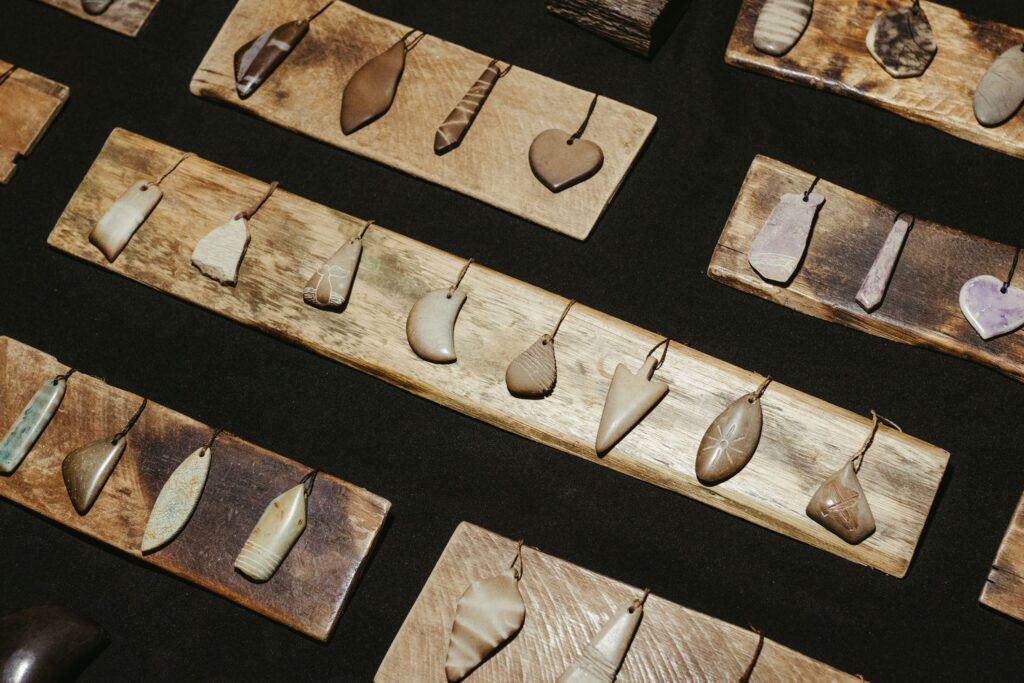
Long before anyone scratched a word into clay or inked a name onto parchment, people were already leaving things behind for others to find. You can feel it when you stand in front of certain prehistoric objects in a museum: this was meant to last, to be seen, maybe even to say I was here. We usually treat writing as the starting line of history, but the urge to be remembered is clearly much older than alphabets and archives.
When I first realized that some Ice Age carvings had outlived entire civilizations, it hit me in the gut. These objects survived glaciers, floods, and human forgetfulness, yet they still hold a stubborn trace of individual hands and choices. In a way, they are prehistoric social media posts, except carved into bone and stone instead of uploaded to an app. The evidence is scattered, sometimes subtle, and always debatable, but taken together it paints a striking picture: humans have been wrestling with time, memory, and legacy for tens of thousands of years.
Carved Figurines: Tiny Bodies Built to Outlive Their Makers
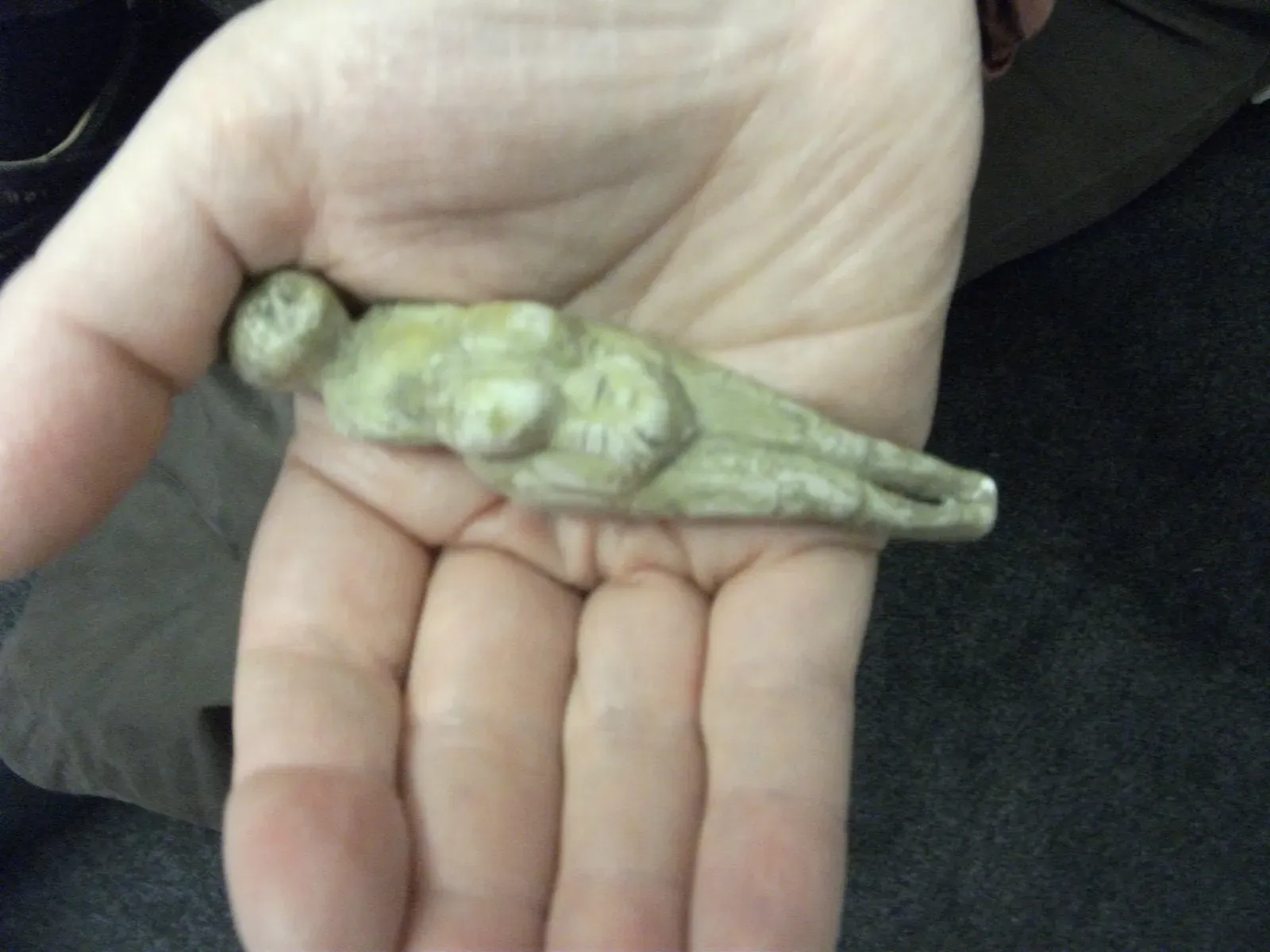
One of the most haunting categories of prehistoric objects is also the smallest: carved figurines. Think of the famous Ice Age “Venus” figures – exaggerated female forms carved from stone, ivory, or bone and dating back around twenty-five thousand to thirty thousand years or more. They are not tools, not weapons, not obviously practical in any way. Instead, they seem like symbols, carried and curated across long distances and generations.
To me, the sheer effort poured into such a small, portable object screams intentionality. Someone spent hours shaping curves and smoothing surfaces that would never plow a field or skin an animal. These figurines look like they were meant to be handled, shown, perhaps even revered, but also kept. They feel like personal icons that could stand in for a person, a lineage, or an ideal, acting as small, durable proxies for fragile human bodies that eventually vanish.
Engraved Bones and Antlers: Personal Marks in Perishable Worlds
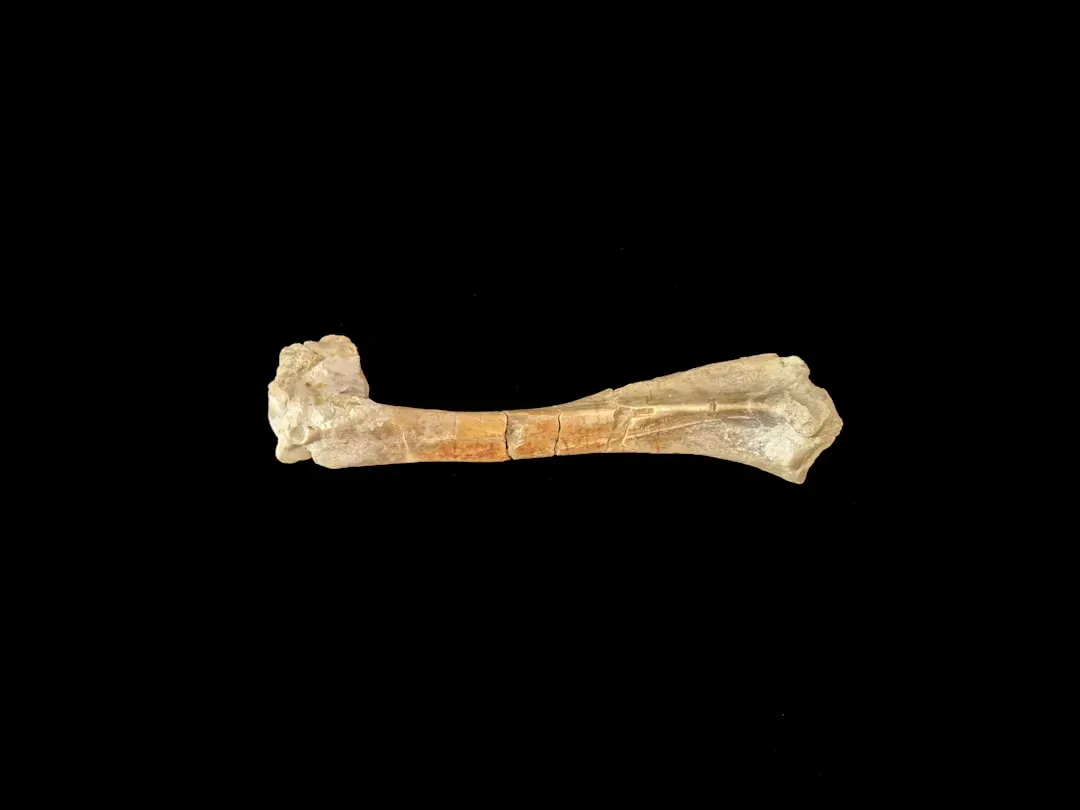
Archaeologists have uncovered bones and antlers etched with lines, chevrons, and abstract patterns in sites across Ice Age Europe and beyond. Some appear to be tally marks, perhaps linked to lunar cycles, animal migrations, or seasonal events; others are more purely decorative. Either way, these marks are deliberate. They transform a discarded piece of animal into an object that carries information or identity over time.
Imagine someone carefully carving a repeating pattern along a piece of antler they could easily have thrown away after butchering. That choice to keep and personalize it suggests a desire to create something that would outlast a single hunt or season. In a world where most things rotted, rusted, or were eaten, engraving hard tissue was like writing on a prehistoric hard drive. You do not do that unless you care, at least a little, about what survives you.
Cave Paintings: Messages to People Who Would Never Meet You
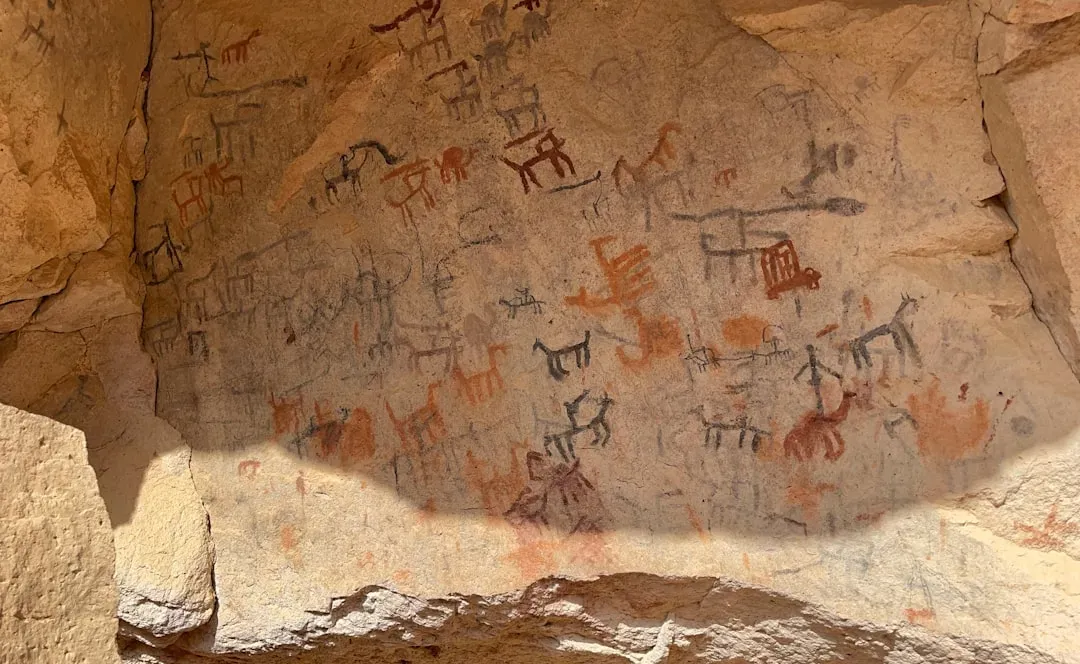
When you look at Paleolithic cave art – horses, bison, mammoths, hand stencils – it is tempting to think of it as random decoration. But the placement of those images, often deep inside caves that required torches to reach, suggests something more. These were not the easiest places to paint. People crawled into dangerous, dark spaces, mixed pigments, and applied them to walls they must have understood would endure.
What strikes me most are the hand stencils: a person pressed their hand to the wall and blew pigment around it, leaving a negative imprint. It is the simplest possible statement: this is my hand, this is my presence. They could never have known who would see it, or when, yet they still made the mark. That looks a lot like speaking across time, a kind of non-verbal letter to unknown future eyes.
Monumental Megaliths: Stones that Refuse to Be Forgotten
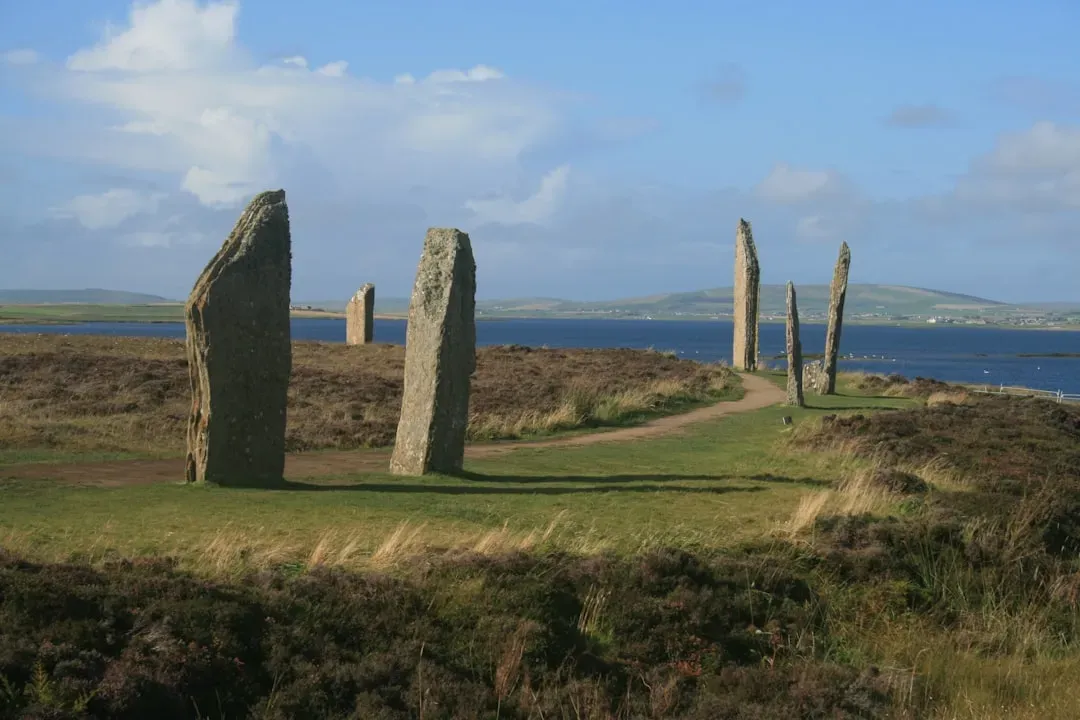
Fast-forward to the end of the Stone Age and you find people hauling absurdly heavy stones into carefully arranged circles, rows, and tombs. From the standing stones of Western Europe to large stone alignments in other regions, there is a clear pattern: communities chose the most durable material available and shaped it into structures that disrupt the landscape. These are not discreet objects you could accidentally overlook.
Building with giant stones is not an efficient way to solve short-term problems. It is a way of saying something that resists erasure. Even if the rituals or meanings behind these megaliths are partly lost to us, the intention to produce lasting visibility is palpable. It is almost as if entire groups decided, together, that their presence, their dead, and their beliefs deserved a physical memory that even time would have to negotiate with.
Personal Ornaments: Identity That Survives the Wearer
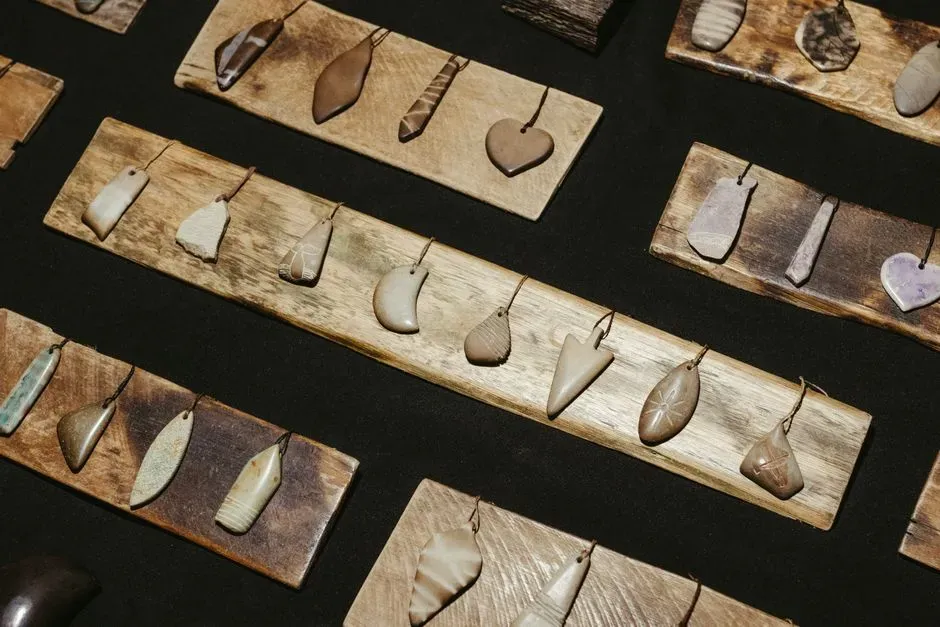
Long before written names, people wore their identities on their bodies through beads, pendants, and pierced teeth or shells. Some of these ornaments are older than agriculture, turning up in burials and habitations over tens of thousands of years. Strings of beads made from difficult-to-obtain materials suggest more than just decoration; they look like social statements encoded in durable form.
If you have ever kept a piece of jewelry that once belonged to a grandparent, you already know how objects can carry people’s stories. Prehistoric ornaments served a similar role. They traveled between living bodies and, in burials, followed people into the ground, where they sometimes outlast the skeleton itself. When someone took the trouble to drill and polish dozens of tiny shells, they were anchoring personhood and status to something that could keep existing when the wearer no longer could.
Carefully Prepared Burials: Bodies Arranged as Messages
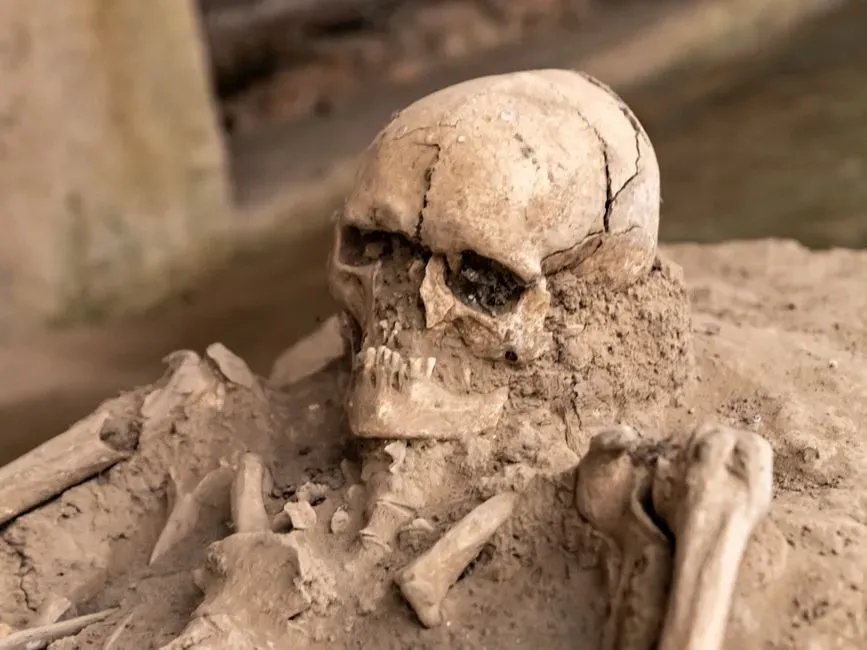
Some of the strongest hints that prehistoric people cared about memory come from their graves. We find individuals buried with grave goods, covered in pigments like red ochre, laid out in precise positions, or surrounded by specific objects. None of this was inevitable. A body can be abandoned, left to the elements, or disposed of with minimal fuss. Choosing instead to stage a burial is a powerful cultural act.
In many burials, the combination of items – tools, ornaments, animal parts – seems almost like a curated summary of who the person was in life. It is as though the community was writing a biography without words, using objects as sentences. Even if the mourners were not consciously planning for archaeologists to show up thousands of years later, they clearly wanted the dead to remain someone, not just something, and they used material culture to lock that memory into the ground.
Abstract Symbols and Repeated Motifs: A Prehistoric Visual Code
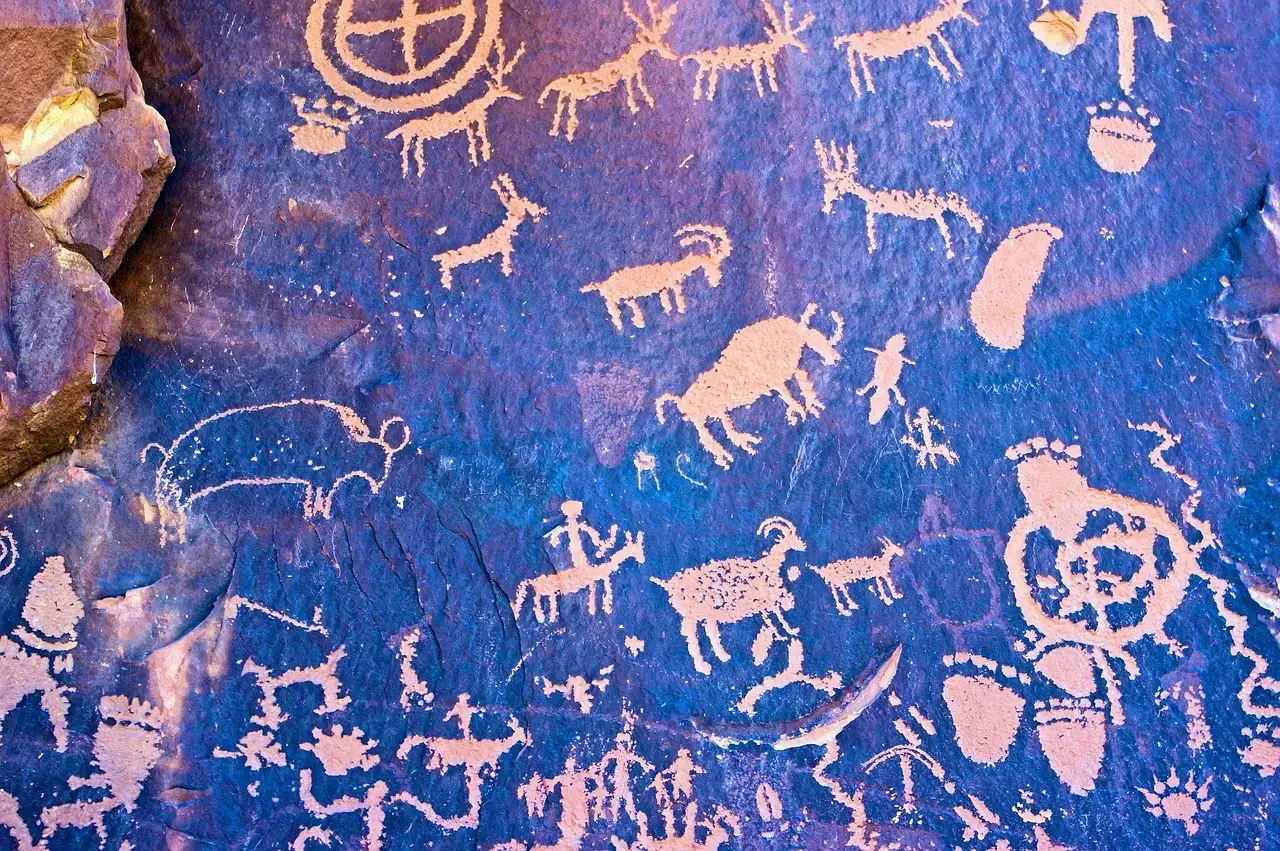
When researchers map the recurring shapes carved or painted across prehistoric sites – dots, ladders, zigzags, spirals – they start to look less like random doodles and more like a loose visual language. These motifs appear alongside animals and hands, repeated over thousands of years in different places. That consistency suggests people were not just making pretty patterns; they were transmitting shared meanings.
You can think of these abstract signs as the rough ancestors of writing, not in the sense of full sentences but as stable, recognizable markers. To reuse the same sign again and again, you need at least a basic confidence that future viewers will recognize it. That implies an orientation toward the future, a willingness to send signals ahead to people you may never meet. It is not writing, but it sits on the same emotional fault line: the desire to make thoughts and identities survive the moment that produced them.
Opinionated Conclusion: Remembering Is Older Than History
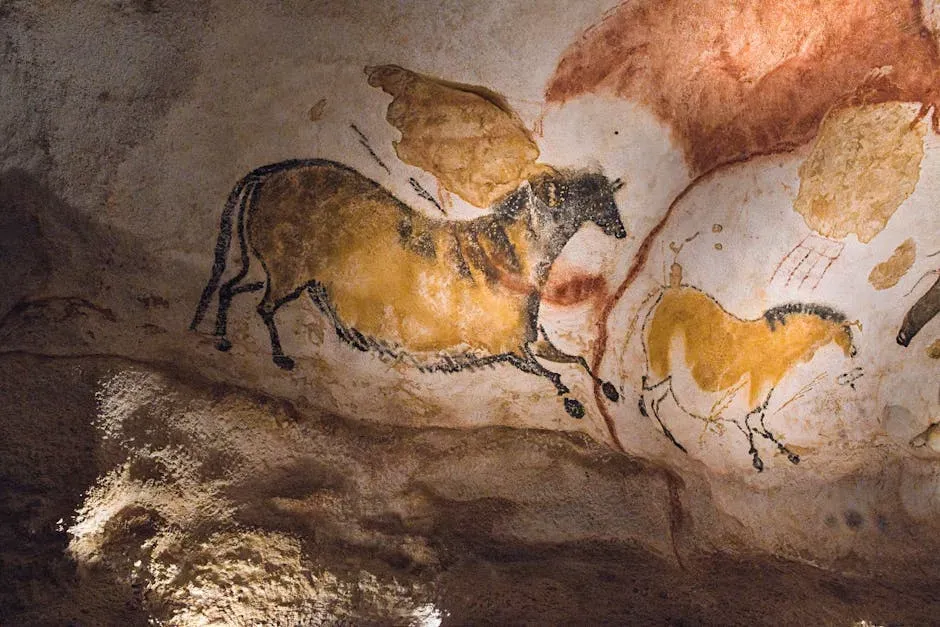
When you line up all these objects – figurines, engravings, cave paintings, megaliths, ornaments, burials, and symbols – the pattern is hard to ignore. They come from different times and places, but they all show people refusing to let life be a purely fleeting event. I do not think this was accidental. The choice to carve, build, paint, and arrange in durable materials looks like a shared human instinct to push back against oblivion, even when no one had invented a single written word.
To me, that means the dividing line we draw between “prehistory” and “history” is more about our own record-keeping than about how humans actually experienced the world. Long before ink and alphabets, people were already talking to the future with stone, bone, and pigment. In a strange twist, our posts and photos today feel more fragile than a Paleolithic carving that has already survived tens of millennia. Maybe the deeper question is not when writing began, but how we each choose to be remembered in whatever materials we have. If someone dug up your life ten thousand years from now, what, if anything, would still be there to say you were here?