When you think about the prehistoric giants that once ruled the earth, your mind probably wanders to the sweeping badlands of Montana or the arid plains of Utah. Places where massive bones jutted from crumbling rock formations, telling stories of ancient battles fought beneath an alien sky. Yet there’s another chapter in this ancient saga, one that’s been buried beneath the rolling green hills and misty forests of the eastern United States. Picture this: where rhododendron and oak trees now blanket the Appalachian ridges, ferocious predators once stalked through humid rainforests. Crocodilians the size of city buses lurked in shallow waters, waiting for the perfect moment to strike.
For roughly 40 million years during the Late Cretaceous, a massive inland sea known as the Western Interior Seaway carved North America into two separate continents. The eastern landmass, known as Appalachia, became a world unto itself. While its western counterpart Laramidia is famous for hosting creatures like Tyrannosaurus rex and Triceratops, Appalachia developed its own unique cast of prehistoric characters. These weren’t just different species, they were completely distinct evolutionary lineages shaped by isolation. Let’s dive into the forgotten world of Appalachia’s apex predators.
The Eastern Tyrant Kings
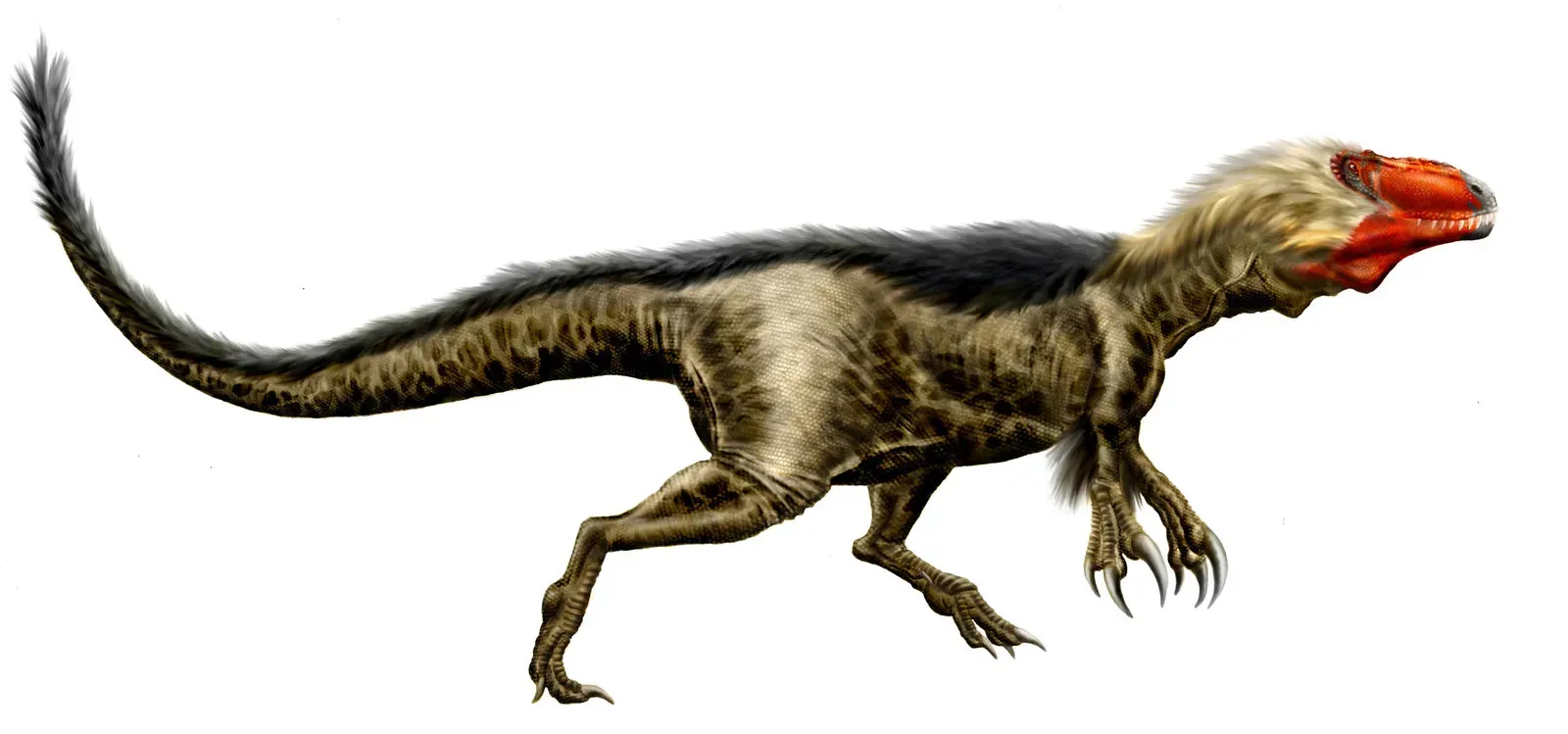
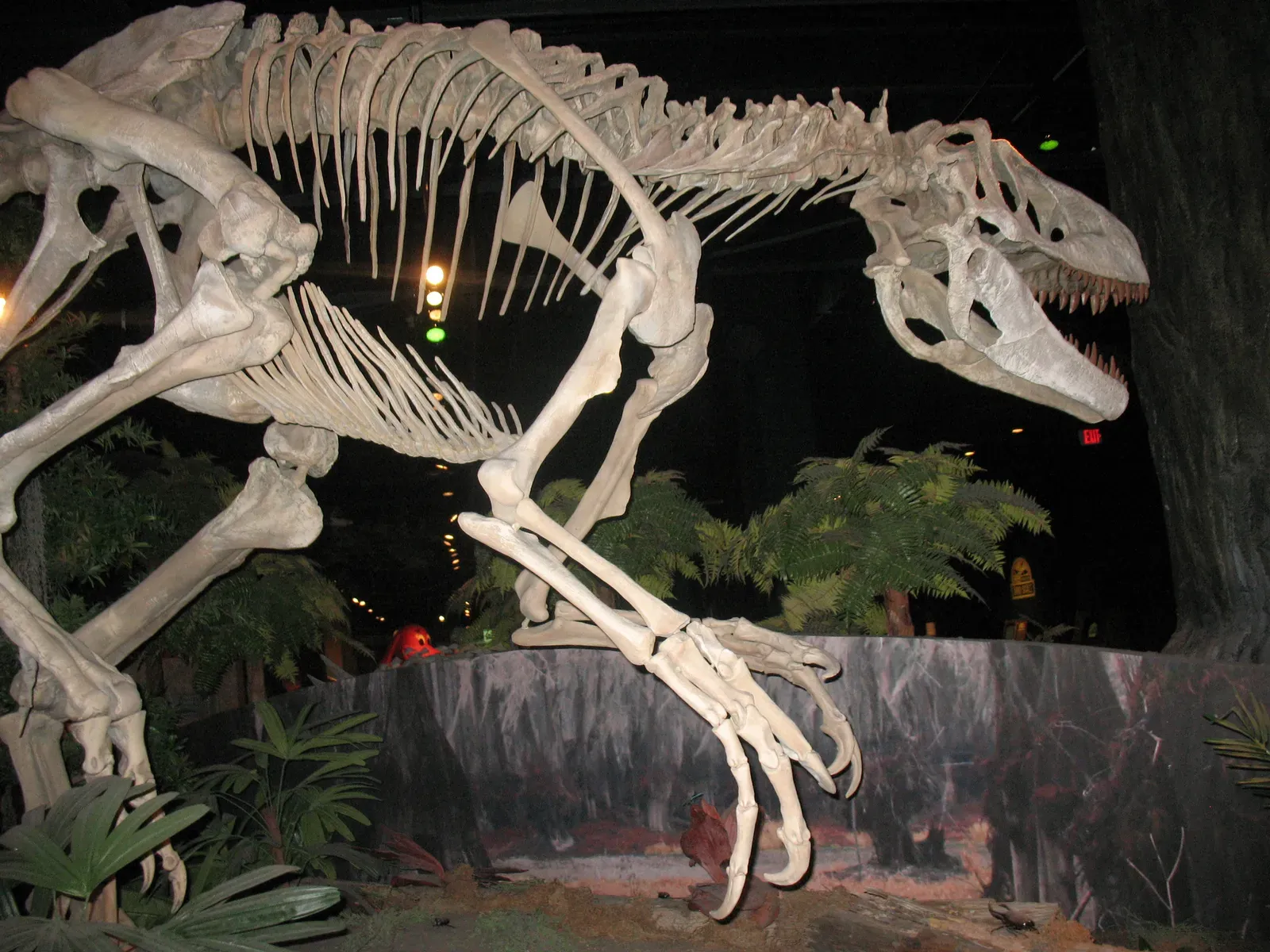
In Appalachia, dryptosaurs were the top predators among the tyrannosauroids. Here’s the thing, though: these weren’t miniature versions of their famous western cousins. Rather than developing the huge heads and massive bodies seen in species like Gorgosaurus and Albertosaurus, dryptosaurs had more in common with earlier, more primitive tyrannosaurs, characterized by long arms with three fingers.
The first Dryptosaurus fossils were actually discovered in 1866, making it one of the earliest dinosaurs found in North America. Still, for decades this eastern giant remained overshadowed by more complete western finds. Three genera of valid Appalachian tyrannosaurs are known: Dryptosaurus, Appalachiosaurus, and the recently discovered Teihivenator. What made these predators particularly interesting was how they evolved differently from their western relatives, proving that isolation breeds innovation in nature’s laboratory.
The Monstrous Crocodilians
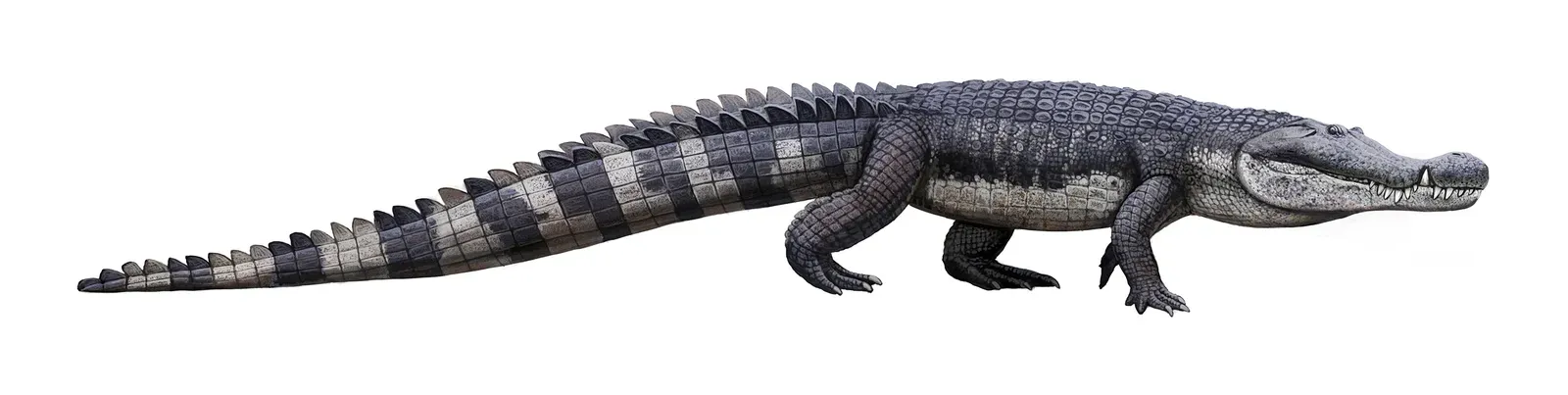
If you thought dinosaurs ruled supreme in prehistoric Appalachia, think again. Deinosuchus, being one of the largest crocodilians of the fossil record, was an apex predator that did prey on the dinosaurs in the area. Imagine a crocodile so massive it could take down a tyrannosaur. Deinosuchus reached lengths of up to 35 feet and possessed skulls nearly six feet long, lurking in rivers and coastal waters to ambush unwary dinosaurs that came to drink.
There is evidence of crocodile bite marks on the femur of large ornithomimosaur that indicates the predatory behavior of native crocodiles. Let’s be real, this completely flips the traditional predator-prey relationship on its head. Crocodiles were rather abundant in Appalachia with nine local crocodilian genera belonging to several confirmed families, including Dakotasuchus, Woodbinesuchus, Bottosaurus, Deltasuchus, Deinosuchus, Leidyosuchus, and Thoracosaurus. These prehistoric swamps were terrifying places where virtually nothing was safe from ambush.
The Raptor-Like Hunters
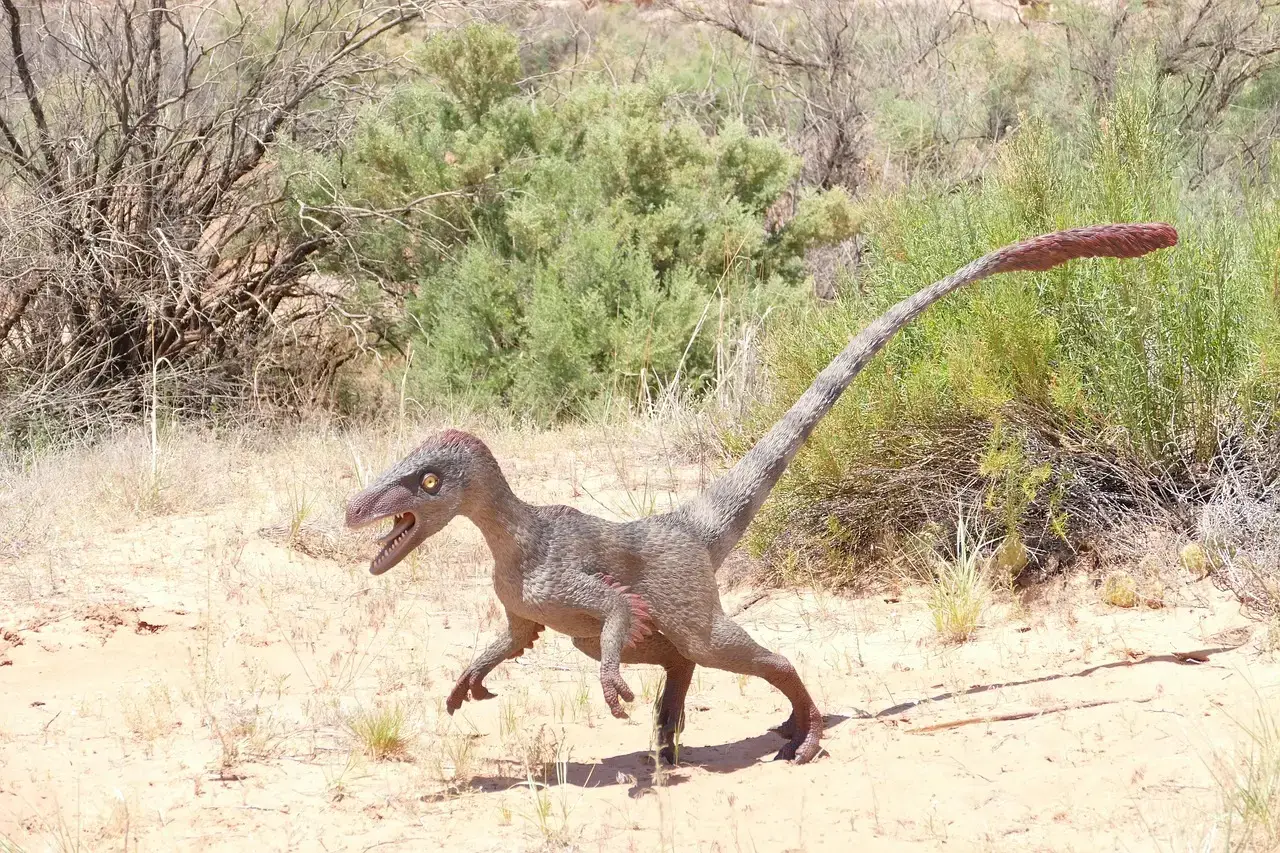
Not every predator in Appalachia was a hulking giant. Indeterminate dromaeosaur fossils, possibly belonging to Velociraptorinae and Saurornitholestinae, have been unearthed in Appalachia, mostly in the southern states like Missouri, North Carolina, South Carolina, Alabama, Mississippi and Georgia. These were smaller, more agile killers that probably operated very differently from the massive tyrannosaurs.
Among the remains are parrot-beaked oviraptorosaurs, Velociraptor-like dromaeosaurids, and members of the tyrant lineage. Recent discoveries in Delaware and North Carolina have revealed evidence of smaller, more agile predators that may have hunted in packs through the dense undergrowth, likely developing different hunting strategies adapted to the closed-canopy forest environment. Picture a group of these feathered nightmares coordinating their attacks through the humid, vegetation-choked forests.
The Giant Carcharodontosaurs
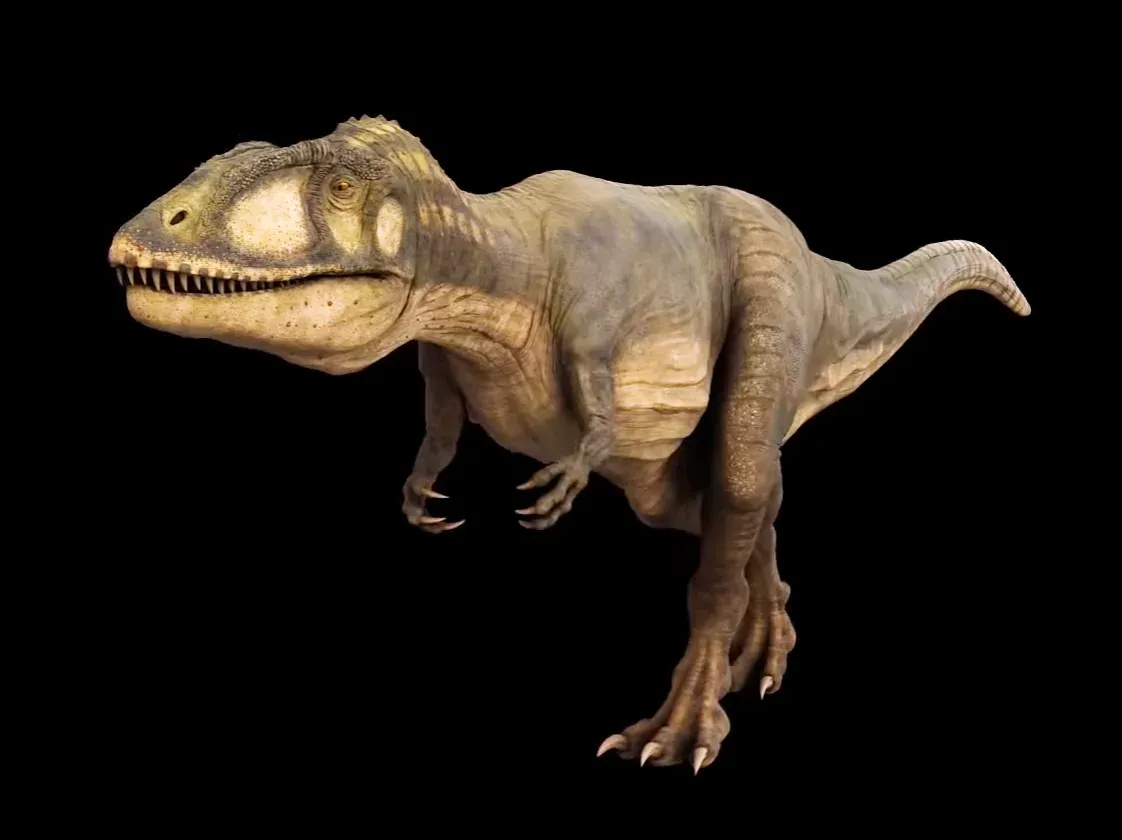
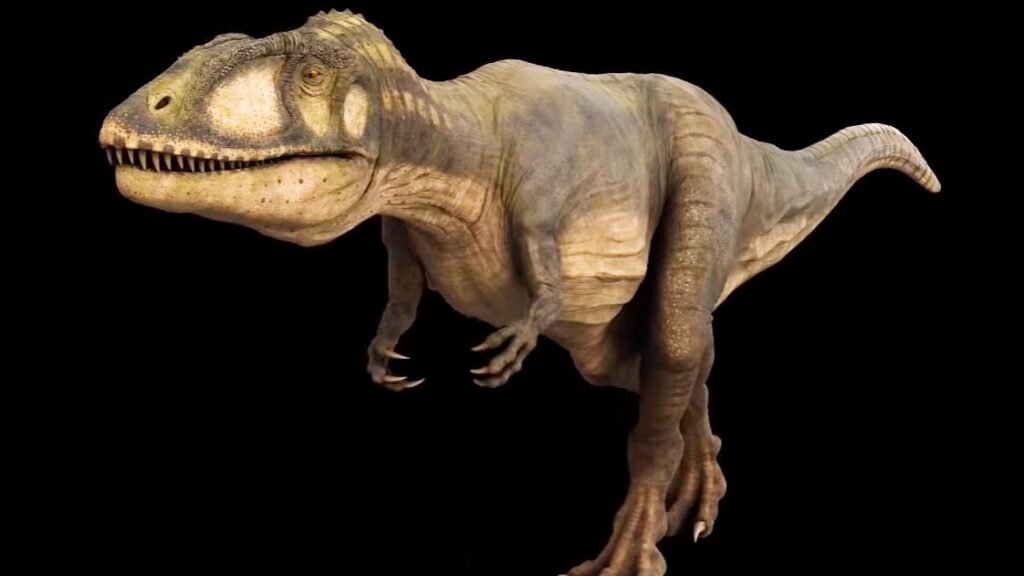
Here’s something that genuinely surprised paleontologists when they first confirmed it. In 2022, fossils unearthed from the Woodbine Formation in Texas confirmed that carcharodontosaurs did indeed inhabit Appalachia. These were massive predatory dinosaurs, relatives of some of the largest meat-eaters ever to walk the earth. Around 95 million years ago, the extreme western edge of Appalachia was home to a variety of meat-eating dinosaurs including a tyrannosauroid and a larger carcharodontosaurid, confirming for the first time the presence of a large carcharodontosaur allosauroid in Appalachia.
Before this discovery, scientists weren’t entirely sure these giants had made it to the eastern continent. The fragmentary nature of the fossil record left many questions unanswered. Now we know that Appalachia hosted some of the most fearsome predators to ever evolve, creatures that could rival any western carnivore in size and ferocity.
The Aerial Predators
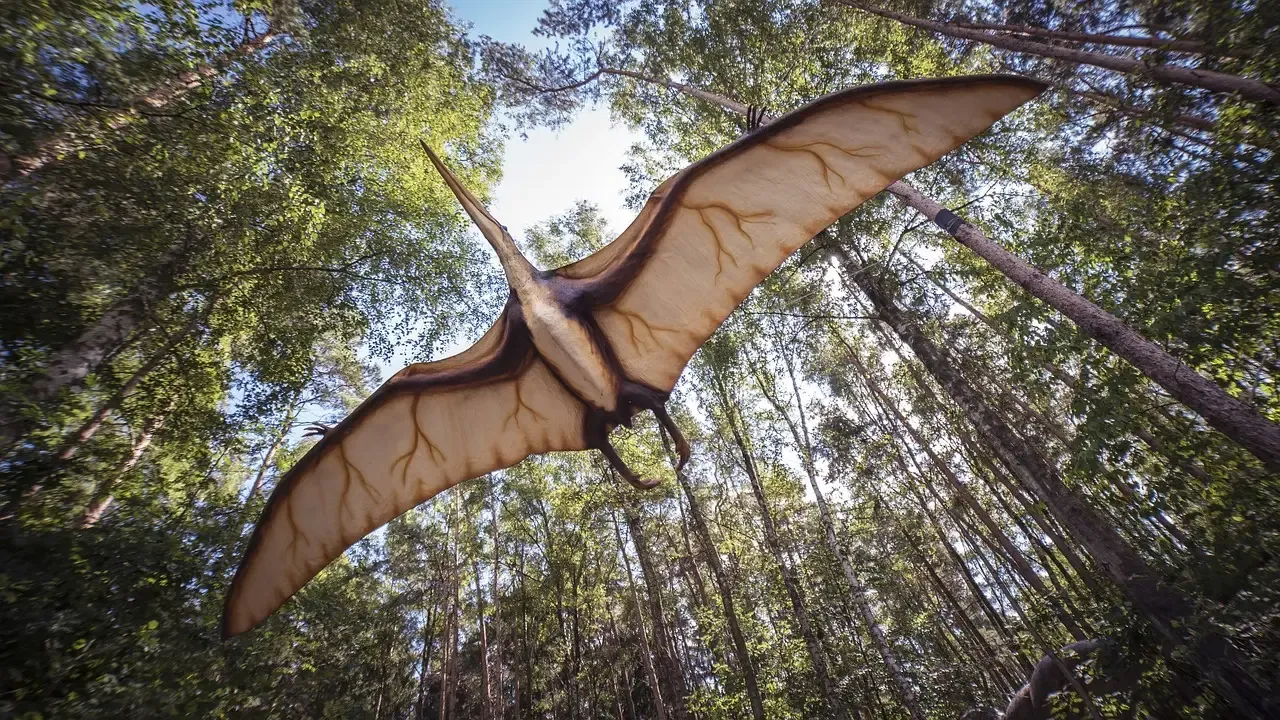
Pterosaur fossils, mostly similar to Pteranodon and Nyctosaurus, have been unearthed in Georgia, Alabama and Delaware, while azhdarchid remains, which belong to Arambourgiania, have been unearthed in Tennessee. These weren’t just flying creatures, they were aerial apex predators with wingspans that defy imagination. Above them soared pterosaurs larger than aircraft, while in the rivers lurked crocodilians that could take down dinosaurs.
Honestly, it’s hard to wrap your head around creatures this enormous taking flight. Above the forest canopy of prehistoric Appalachia, massive pterosaurs soared on wings that spanned over 30 feet. These flying reptiles weren’t just scavengers, they were active hunters capable of snatching prey from both land and water.
Smaller Carnivores of the Ancient Forests
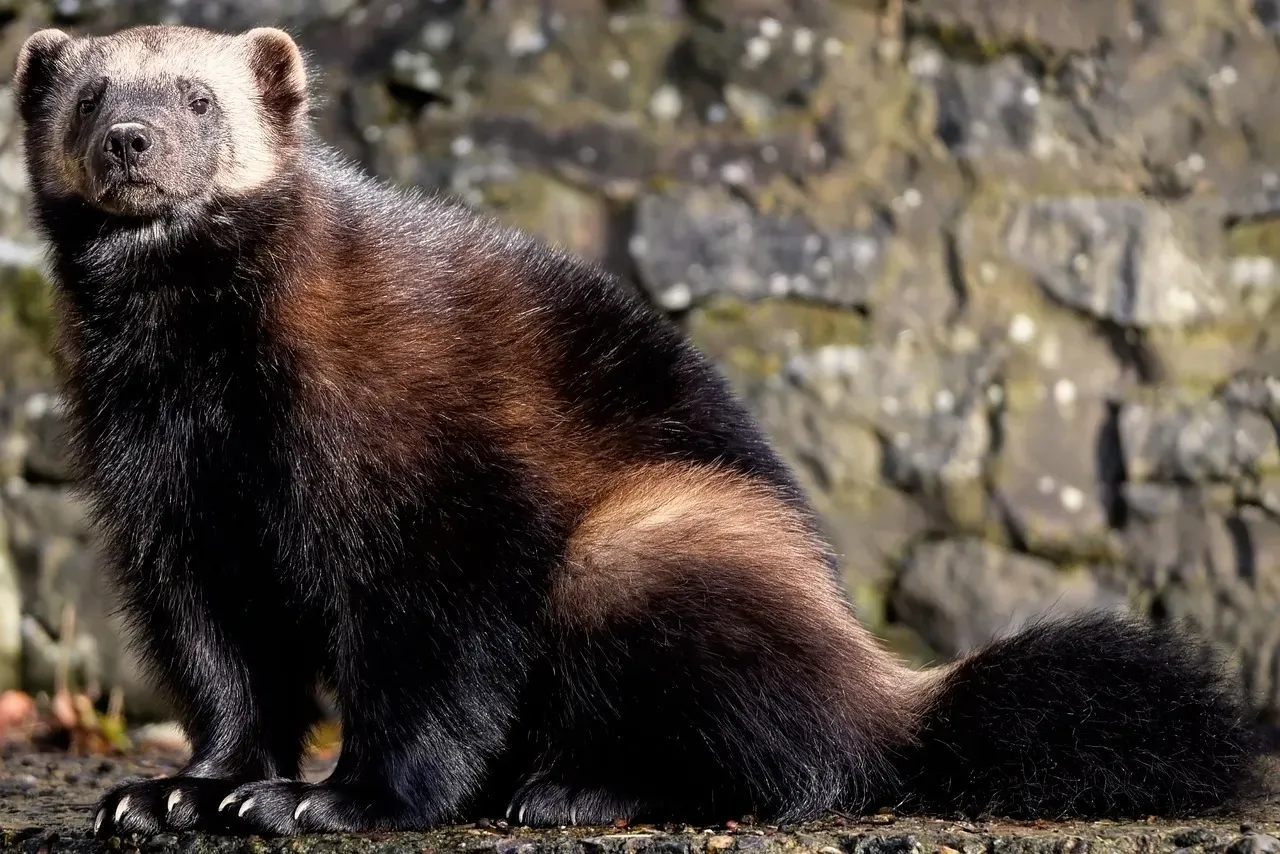
Moving forward to a much more recent time in Appalachia’s history, around five million years ago, a different cast of predators emerged. Ancient Appalachia hosted an ecosystem of carnivores of all sizes, including wolverines (Gulo sudorus), hawks, owls and plenty of snakes. Sabertooth cats were deemed the most dangerous predator, but if bone-crushing dogs hunted in packs as do wolves today, the Borophagus would have posed the biggest threat to prehistoric prey.
The most common predator in the Gray Fossil Site is the ancient alligator, which likely lived in the sinkhole lake that would later preserve the fossils. There were also other animals that would serve as predators, better thought of as omnivores, like the bear (Plionarctos sp.), red panda (Pristinailurus bristoli), and badger (Arctomeles dimolodontus). The diversity of predatory life in ancient Appalachia remained remarkably high throughout its long history.
The Mystery of the Forgotten Fossils
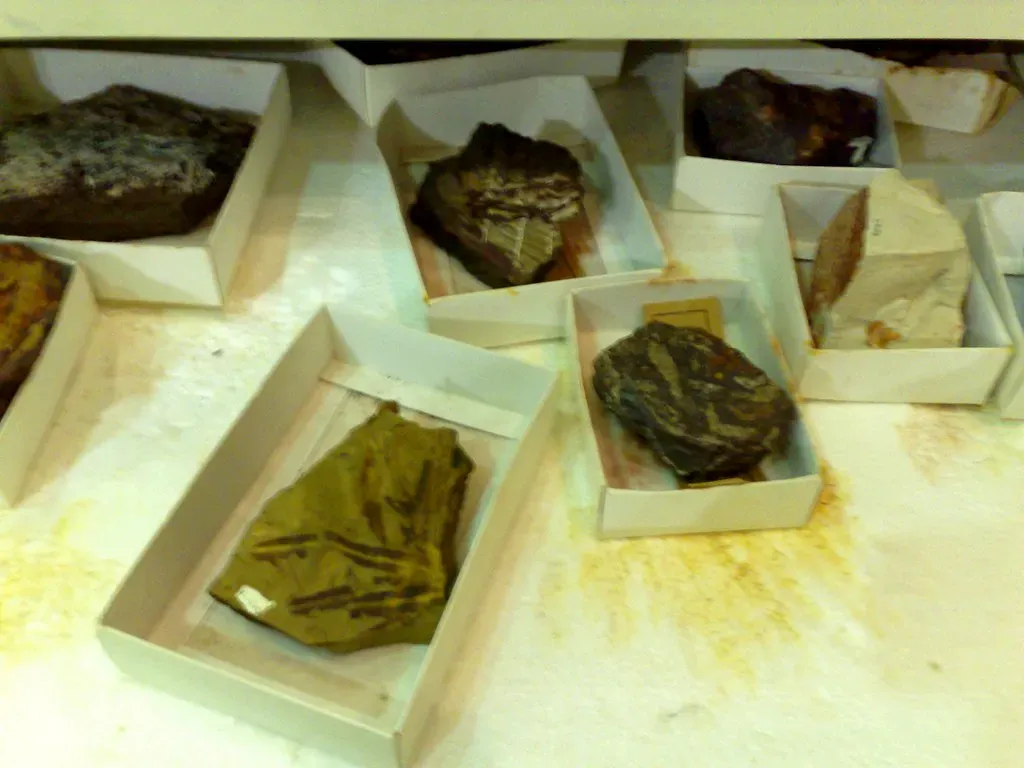
One fascinating aspect of Appalachian paleontology is just how many fossils have been sitting in museum drawers, unrecognized for decades. The vast majority of recent discoveries haven’t come from new digs, they were found by rummaging around in museum drawers, where some bones have been mislabelled or overlooked, with some fossils having been collected decades or a century ago. Due to a lack of interest in Appalachia, many fossils that have been found lie unstudied and remain in the inaccurate genera to which they were assigned in the days of E. D. Cope and O. C. Marsh, with only a few fossils giving us a brief glimpse into what life was like during the Cretaceous period.
Eastern North America is famous for the Appalachian Mountains, which formed over 480 million years ago and have been shrinking since the breakup of Pangea, experiencing high levels of weathering and erosion, making the fossilization of terrestrial organisms very difficult due to a lack of sediment deposition. This geological conspiracy has kept Appalachia’s secrets buried far longer than those of the western United States. What remains hidden beneath the eastern forests even now is anyone’s guess.
The Lost Rainforests
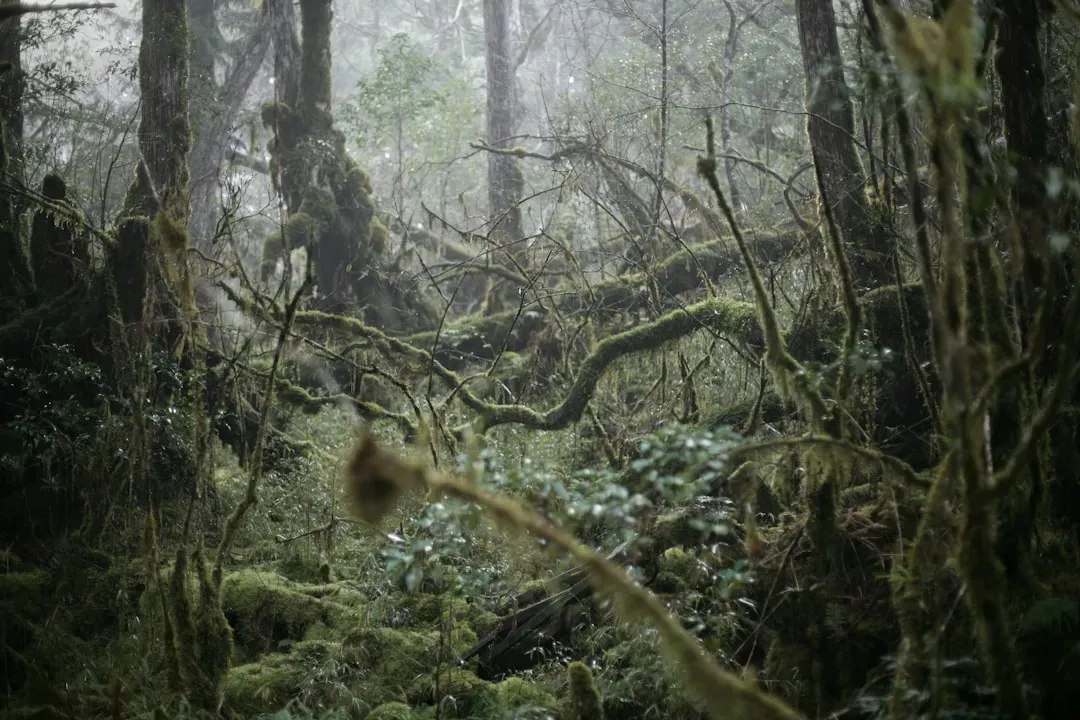
The temperate Appalachian rainforest is known only from scattered leaf impressions, petrified wood and coal, and water-bound bodies. Plant families that today are separated by thousands of miles – jungle ferns and tulip trees, ficus and spruce – grew in interconnected groves from Montreal to Tuscaloosa, yet despite the richness of these forests, they seem to support only a few types of large dinosaurs.
Many animals at the site were different from what lives here today, but their anatomy suggests they were well-suited for life in the ancient forests of the Appalachians. The humid, dense vegetation created an environment completely unlike the open plains of western North America. The lack of wide-open spaces in Appalachia may have favored ambush predators over pursuit hunters. This shaped how predators evolved, creating a different ecological dynamic entirely.
Conclusion
The prehistoric predators of Appalachia tell a story of evolution in isolation, of unique adaptations to dense forests and humid coastlines. From the tyrannosaurs with their primitive features to the monstrous crocodilians that hunted dinosaurs, from pack-hunting raptors to pterosaurs with wingspans wider than a fighter jet, Appalachia was home to a spectacular array of predatory life. The area has seen a bit of a resurgence of interest due to several discoveries made in the past few years.
Yet so much remains unknown. Beneath the modern forests and farmlands, countless fossils likely remain buried, waiting to tell us more about this forgotten world. The mountains may be old and worn, but the secrets they hold are only beginning to emerge. What else lurked in those ancient forests? What other predators prowled the shores of that long-vanished inland sea? Did you expect that a region now famous for its peaceful mountain scenery once hosted some of the most fearsome predators to ever walk the earth?