Have you ever noticed how easy it is to clean your desk, scroll through social media, or organize your emails when you have a major deadline looming? You know that report needs to be finished. You’re well aware of the consequences. Yet somehow, you still find yourself doing literally anything else.
It’s frustrating, isn’t it? We tend to beat ourselves up over procrastination, labeling it as laziness or a lack of discipline. Here’s the thing though: science tells us a completely different story. Procrastination isn’t about poor time management or being unmotivated. True procrastination is a complicated failure of self-regulation: experts define it as the voluntary delay of some important task that we intend to do, despite knowing that we’ll suffer as a result. The psychological mechanisms behind this behavior run much deeper than we realize. So let’s dive in and uncover what’s really happening in your brain when you put off that crucial task.
Your Brain Is Playing a Game of Tug-of-War

When you’re faced with an important task, your brain becomes a battleground. Procrastination isn’t just a bad habit – it’s a clash between two parts of the brain: the limbic system and the prefrontal cortex. Think of it like this: you’ve got the limbic system, which is basically your brain’s pleasure center, constantly seeking immediate gratification and avoiding discomfort. On the other side, there’s the prefrontal cortex, trying to be the responsible adult in the room, handling planning, decision-making, and long-term thinking.
When we feel stressed about a task, our amygdala (the brain center that regulates emotion and perceives threats) responds by telling our body to avoid the situation causing us anxiety. Essentially, your brain perceives that important task as a genuine threat. The limbic system wins the battle, and you find yourself watching cat videos instead of tackling that presentation. I know it sounds crazy, but your brain is literally protecting you from perceived danger – even when that danger is just writing an email.
The Present Bias Trap: Why Tomorrow Always Seems Better

Present bias is the tendency to settle for a smaller present reward rather than wait for a larger future reward, in a trade-off situation. It describes the trend of overvaluing immediate rewards, while putting less worth in long-term consequences. This is where temporal discounting comes into play – a fancy term for how we value things less the further away they are in time.
Let’s be real: would you rather have a relaxing evening right now or the satisfaction of completing a project three weeks from now? Your brain heavily favors the immediate reward. One long-standing hypothesis is that temporal discounting drives procrastination: in a task with a distant future reward, the discounted future reward fails to provide sufficient motivation to initiate work early. The closer a deadline gets, the more valuable that future reward becomes. That’s why so many of us suddenly become productivity machines at the last minute. The reward is no longer distant – it’s right there, demanding our attention.
It’s Not Laziness – It’s Emotional Regulation Gone Wrong

Here’s where things get interesting. Procrastination involves an inability to regulate mood and emotions. When you encounter a task that feels boring, difficult, or anxiety-inducing, you experience genuinely unpleasant emotions. When an individual confronts a task that is viewed as aversive, difficult, or boring, he/she experiences negative emotions. In such circumstances, the procrastinator tries to get rid of these emotions as soon as possible by avoiding tasks or procrastination.
Essentially, procrastination is driven by avoiding or managing a bad mood – it is a short-term response to a negative emotion. You’re not actually avoiding the task itself. You’re avoiding the feeling associated with doing that task. Maybe it’s the fear of not being good enough, the frustration of something being tedious, or the overwhelm of not knowing where to start. Whatever the emotion, your brain says, “Let’s feel better right now,” and procrastination provides that temporary relief. It’s mood repair, but the dysfunctional kind that sabotages your long-term goals.
The Guilt Cycle That Keeps You Stuck

When they did so, however, they reported high levels of guilt – a sign that beneath the veneer of relief there was a lingering dread about the work set aside. Procrastination creates this terrible emotional cycle. You delay a task to feel better in the moment. Then you feel guilty about delaying it. That guilt makes the task feel even more aversive, so you avoid it more intensely.
Issues with regulating emotions can also lead to problematic procrastination cycles. For example, this can happen if someone feels ashamed over past procrastination on a task, so they postpone the task to avoid dealing with these emotions, which increases their shame, and causes them to keep procrastinating. It becomes a vicious circle. The longer you wait, the worse you feel. The worse you feel, the harder it is to start. I think most of us have been there – staring at a task that’s ballooned into this enormous, guilt-laden monster simply because we kept putting it off.
Why Deadlines Suddenly Make You Productive

Ever notice how you can accomplish in two hours what you couldn’t do in two weeks? That’s not magic – it’s your brain finally taking the task seriously. The key feature that is associated with procrastination behavior across individuals (both in-lab and at-home) is the extent to which the expected effort cost (signaled by the dorsomedial prefrontal cortex) is attenuated by the delay before task completion. Thus, procrastination might stem from a cognitive bias that would make doing a task later (compared to now) appear as much less effortful but not much less rewarding.
When a deadline is far away, your brain minimizes how much effort the task will require and maximizes how much time you have. As the deadline approaches, reality sets in. Suddenly, the effort feels concrete and the time feels scarce. The temporal distance collapses, and your present bias can no longer rationalize delay. That’s when panic-driven productivity kicks in – though honestly, it’s exhausting and not exactly the healthiest way to work.
Fear and Perfectionism: The Hidden Saboteurs

Studies show that some of the drivers of procrastination include low self-confidence, anxiety and low self-esteem, to name a few. Sometimes we procrastinate not because we don’t care, but because we care too much. If you’re terrified of failing or not meeting impossibly high standards, avoiding the task protects your ego.
In reality, procrastination is often a self-protection strategy for students. For example, if you procrastinate, then you always have the excuse of “not having enough” time in the event that you fail, so your sense of your ability is never threatened. It’s a psychological safety net. If you never really try, you never really fail – at least that’s what your brain tells you. Perfectionism feeds this dynamic. If something can’t be done perfectly, why bother doing it at all? The irony is that this protective mechanism actually guarantees the outcome you’re trying to avoid.
The Role of Task Aversiveness and Unclear Goals
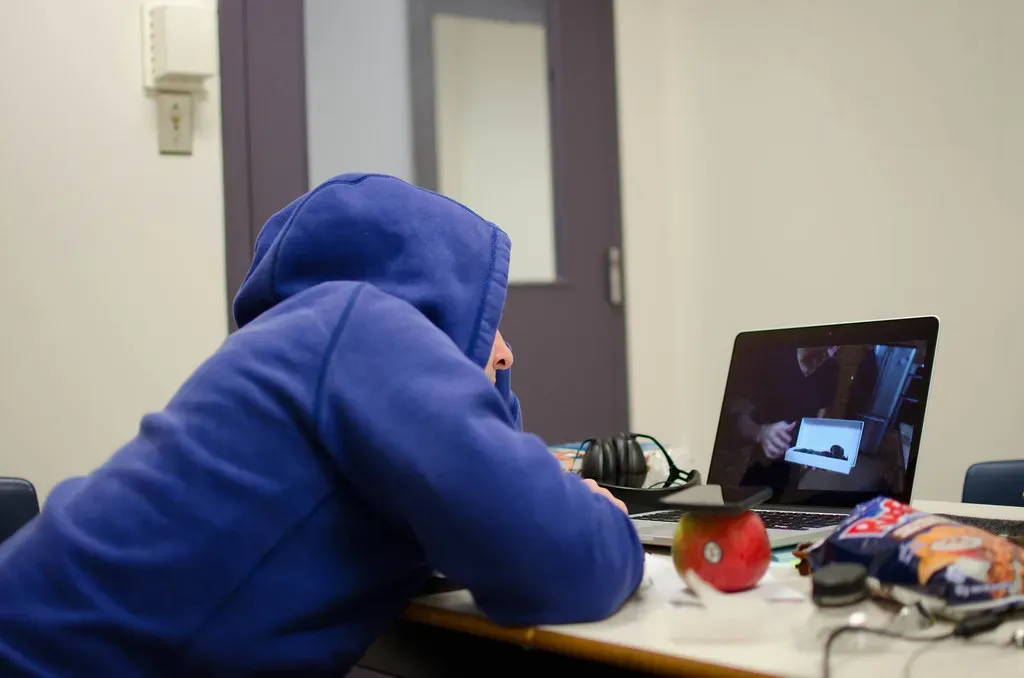
People are more likely to procrastinate on tasks they find uninteresting, meaningless, or disconnected from their values. When motivation is low, self-control becomes the primary mechanism for task completion. If you can’t see why something matters or how it connects to your bigger goals, your brain treats it as optional. Self-control is a limited resource that gets depleted throughout the day, which makes resisting distractions even harder.
Goals that are unclear can make people more likely to procrastinate than goals that are concrete and well-defined. Vague objectives like “work on my project” give your brain too much wiggle room. What does “work on” even mean? Where do you start? When you’re faced with ambiguity, your brain defaults to avoidance because it doesn’t know what action to take. Clear, specific goals cut through that fog and give you a concrete path forward.
Breaking Free: Practical Strategies That Actually Work

So what can you actually do about all this? The results showed that the enhancement of general emotion regulation skills significantly reduced subsequent procrastination behavior within the IG as compared to the untreated WLC. Learning to manage your emotions is key. When you feel that wave of anxiety or boredom, acknowledge it instead of running from it. Remind yourself that discomfort is temporary and doesn’t define your capability.
Procrastinators might chop up tasks into smaller pieces so they can work through a more manageable series of assignments. Breaking tasks down makes them less intimidating and gives your brain clear starting points. Ariely and Wertenbroch reported that procrastinators were willing to set meaningful deadlines for themselves, and that the deadlines did in fact improve their ability to complete a task. Setting your own mini-deadlines, removing distractions from your environment, and rewarding yourself for small wins can all rewire your brain’s response. Start tiny – commit to just two minutes of work. Often, starting is the hardest part, and momentum naturally builds once you’re in motion.
Finding Your Way Forward

It’s important to know: procrastination is not a sign of laziness. Although procrastination is not considered a mental health condition in and of itself, it is connected to mental health challenges. Understanding the psychological tricks your brain plays on you is the first step toward reclaiming control. Procrastination isn’t a character flaw – it’s a deeply human response to emotional discomfort, shaped by how our brains are wired to seek pleasure and avoid pain.
The next time you find yourself scrolling instead of starting, pause and ask yourself what you’re really avoiding. Is it the fear of failure? The discomfort of boredom? Once you identify the emotion, you can address it directly rather than letting it derail your goals. You have more power over this than you think. Change won’t happen overnight, but with consistent effort and self-compassion, you can break the procrastination cycle and build healthier, more productive habits.
What patterns have you noticed in your own procrastination? Understanding your unique triggers might just be the key to finally moving forward.