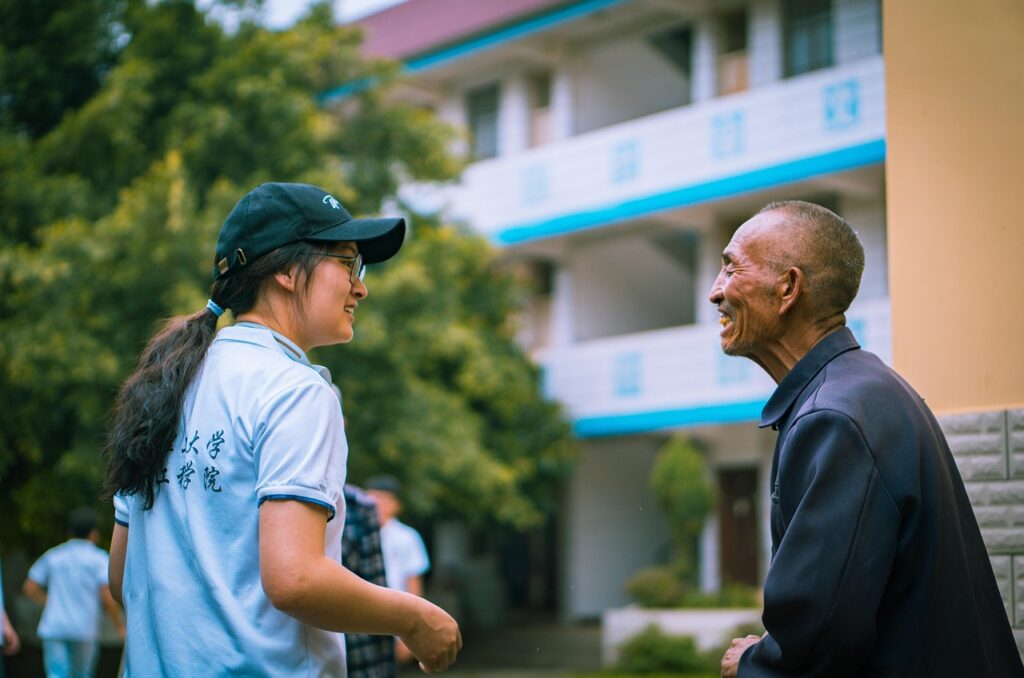
Have you ever noticed that warm, almost electric feeling that washes over you after helping someone? Maybe you held the door for a stranger juggling too many grocery bags, or you volunteered at a local shelter. That sensation isn’t just in your head. It’s hard to say for sure, but there might be something deeply wired into us that makes giving feel good, even when it costs us time, energy, or resources.
Research consistently finds that acts of altruism benefit both the receiver and the giver, which feels counterintuitive at first. After all, shouldn’t the person getting help be the one who benefits most? Yet science keeps showing us otherwise. Something profound happens in your brain and body when you shift your focus outward, and the effects can be surprisingly powerful. Let’s dive into the fascinating psychology behind why helping others might be one of the best things you can do for your own happiness.
Your Brain on Kindness: The Neurochemistry of Giving
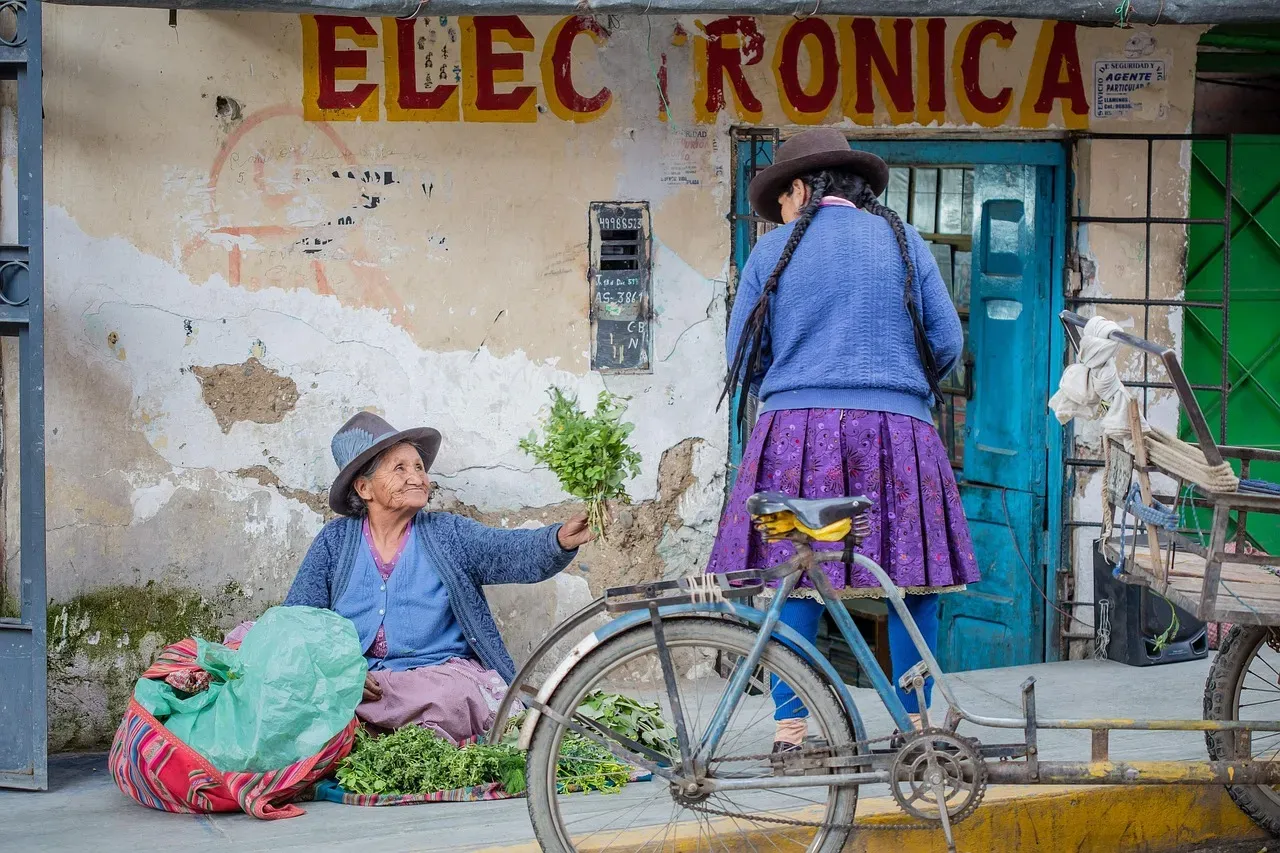
When you perform an act of kindness, your brain essentially throws a chemical party. Studies have linked random acts of kindness to releasing dopamine, which can give us a feeling of euphoria. This isn’t just feel-good fluff. This brain chemical is credited with causing what’s known as a “helper’s high”, an actual physiological response that mirrors the rush people get from exercise or other pleasurable activities.
Being kind can also increase serotonin, a neurotransmitter that helps regulate mood. Think of serotonin as your brain’s natural mood stabilizer. When you help other people, it activates the reward center in your brain and releases serotonin, dopamine and endorphins. The beautiful thing? You don’t need to donate thousands of dollars or volunteer for weeks. Small, everyday gestures can trigger these same responses, creating a ripple effect of positivity that starts in your own nervous system.
The Oxytocin Effect: Building Bonds Through Generosity
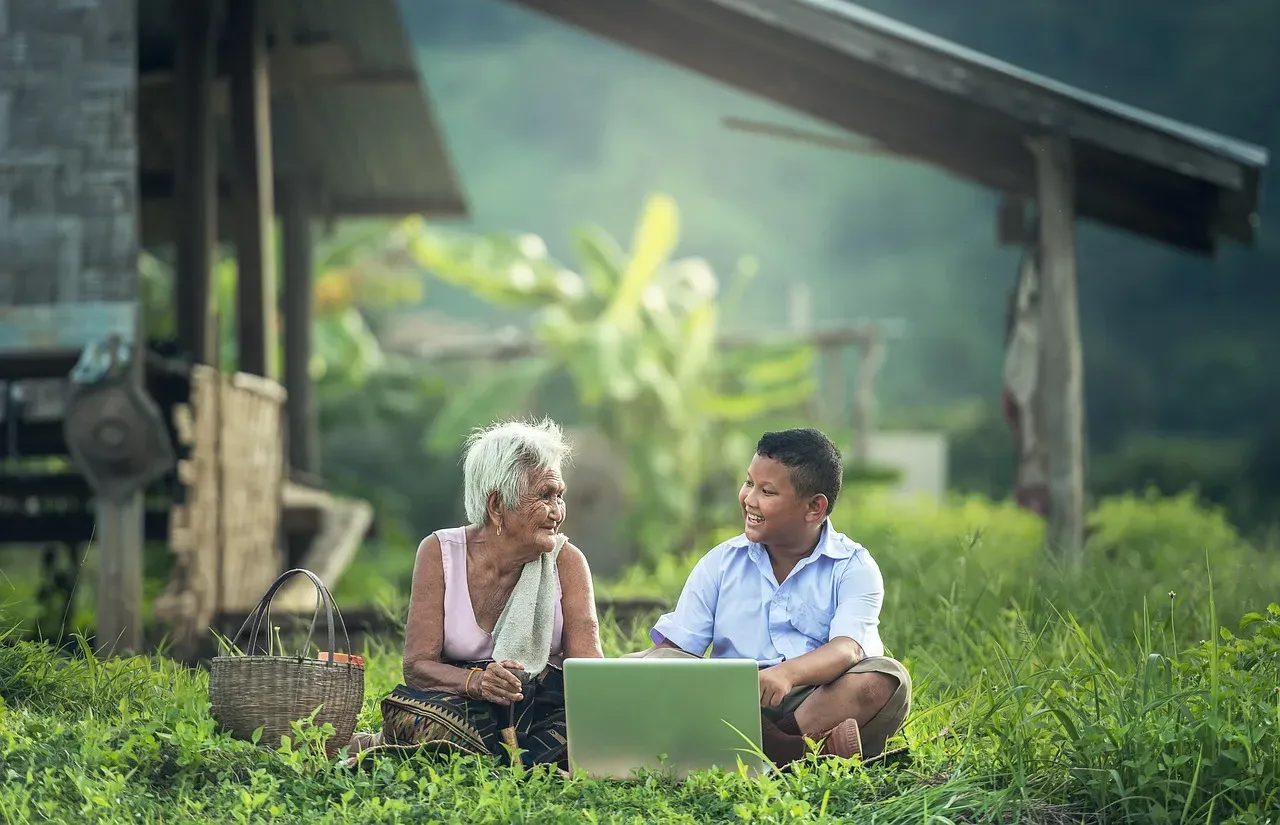
Oxytocin plays a role in forming social bonds and trusting other people, which makes it central to understanding why giving feels so good. Sometimes called the love hormone, oxytocin isn’t just about romantic relationships. Acts of kindness can give our love hormone levels a boost, creating a sense of connection and warmth that extends beyond the immediate interaction.
Here’s the thing, though. Biochemically, you can’t live on the three-to-four-minute oxytocin boost that comes from a single act. This is why kindness works best as a practice, not a one-time event. Kindness is most beneficial as a practice, something we work into our daily routine, whether that’s volunteering regularly, checking in on a friend, or simply making it a habit to compliment someone each day. The more you do it, the more your brain adapts to seek out these moments.
Mental Health Benefits: More Than Just Feeling Good
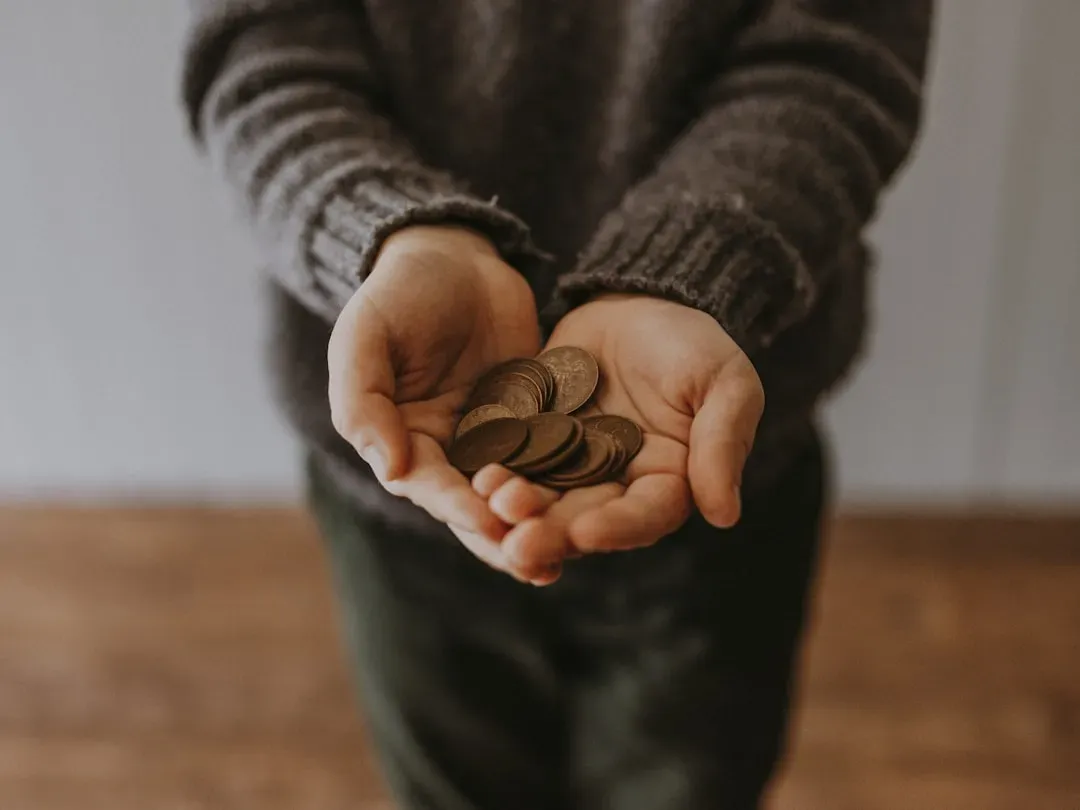
Let’s be real. Depression and anxiety can make you feel isolated, trapped in your own thoughts. The group that practiced random acts of kindness had greater reductions in depression and anxiety and higher satisfaction with life compared to other therapeutic interventions in recent research. That’s pretty remarkable when you think about it.
Performing acts of kindness helped people take their minds off their own depression and anxiety symptoms. Instead of spiraling inward, you redirect your energy outward. Prosocial behaviors seemed to attenuate that self-focus that we all get sometimes when we’re in social situations. For people who struggle with rumination or self-consciousness, this shift in perspective can be genuinely life-changing. You’re not just distracting yourself; you’re fundamentally changing how you relate to your own experience.
Social Connection: The Hidden Ingredient in Well-Being
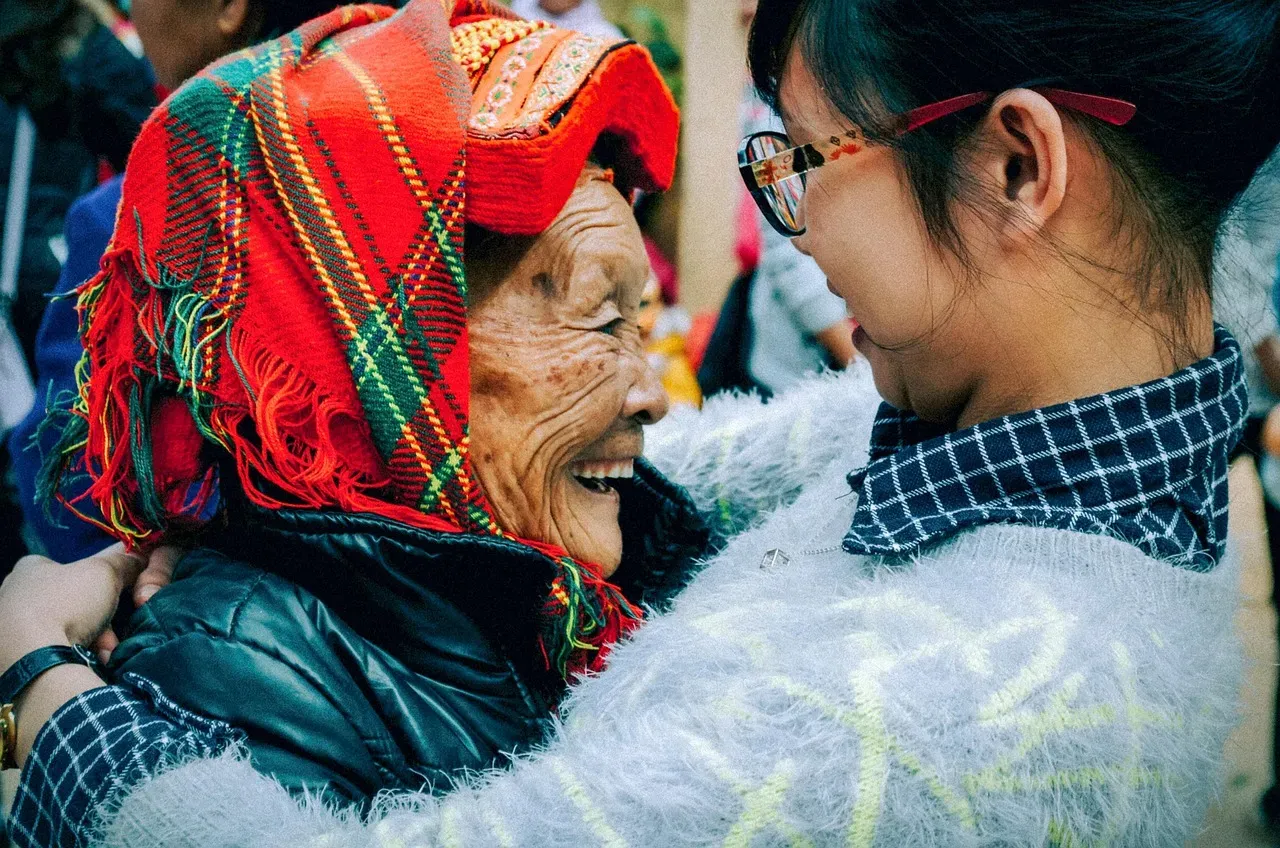
Social connection is one of the ingredients of life most strongly associated with well-being, and performing acts of kindness seems to be one of the best ways to promote those connections. This might sound obvious, yet many people miss this point. It’s not just about being around others or even participating in social activities.
There’s something specific about performing acts of kindness that makes people feel connected to others. The research makes this clear. Just participating in social activities did not improve feelings of social connection in studies comparing different interventions. You need that element of giving, that outward focus, to truly build the kind of bonds that nourish your soul. When you help someone, you’re not just passing time together. You’re creating meaning, shared purpose, something deeper than casual interaction.
The Volunteering Advantage: Long-Term Health Rewards
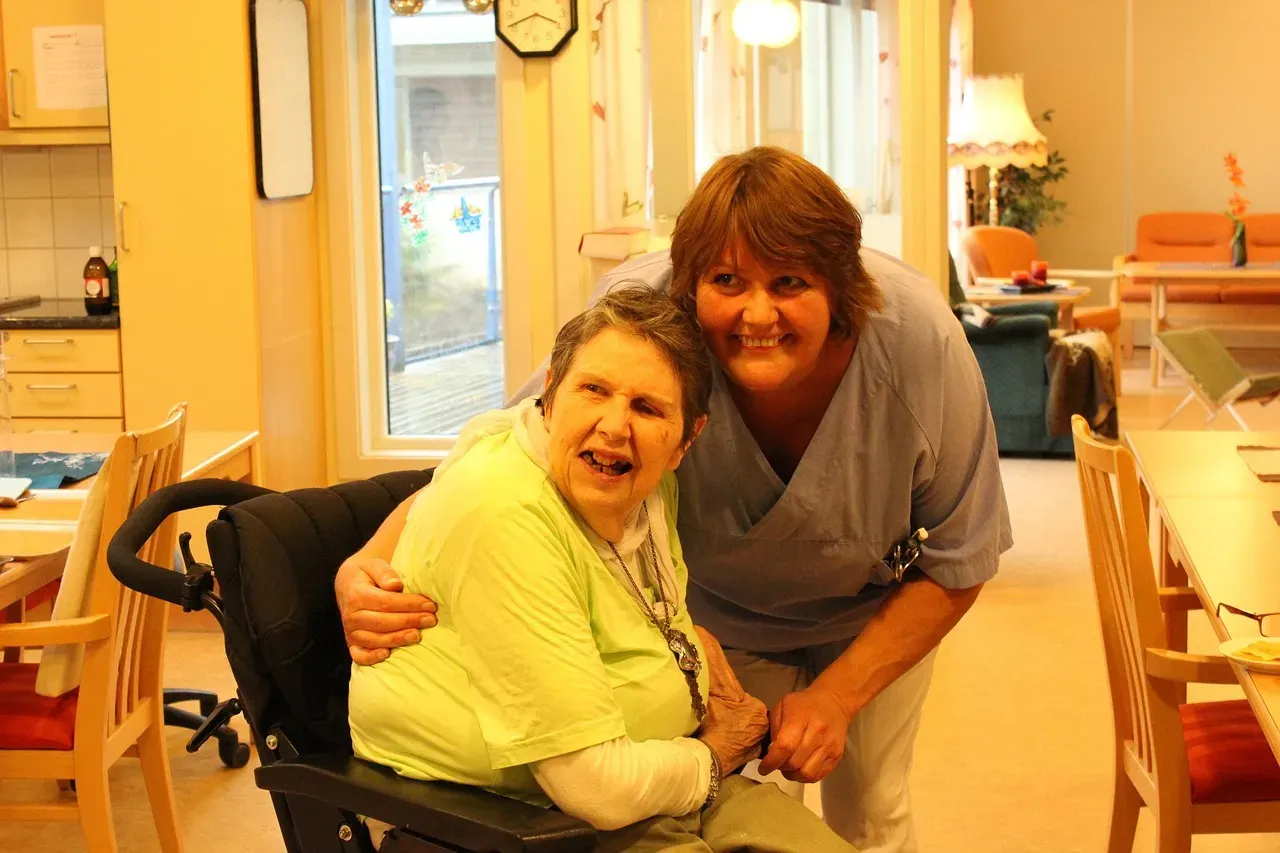
If you’re looking for sustained benefits, volunteering might be your answer. People who volunteered in the past year were more satisfied with their lives and rated their overall health as better, and those who volunteered at least once a month reported better mental health. The frequency matters, which suggests this isn’t a placebo effect.
People who give their time to others might be rewarded with better physical health, including lower blood pressure and a longer lifespan, and adults over age 50 who volunteered on a regular basis were less likely to develop high blood pressure. To put this in perspective, volunteering was essentially worth approximately one thousand one hundred dollars per year in terms of happiness for people earning a middle-class salary. You literally cannot buy this kind of fulfillment. It has to be earned through genuine contribution.
Stress Reduction and Emotional Resilience
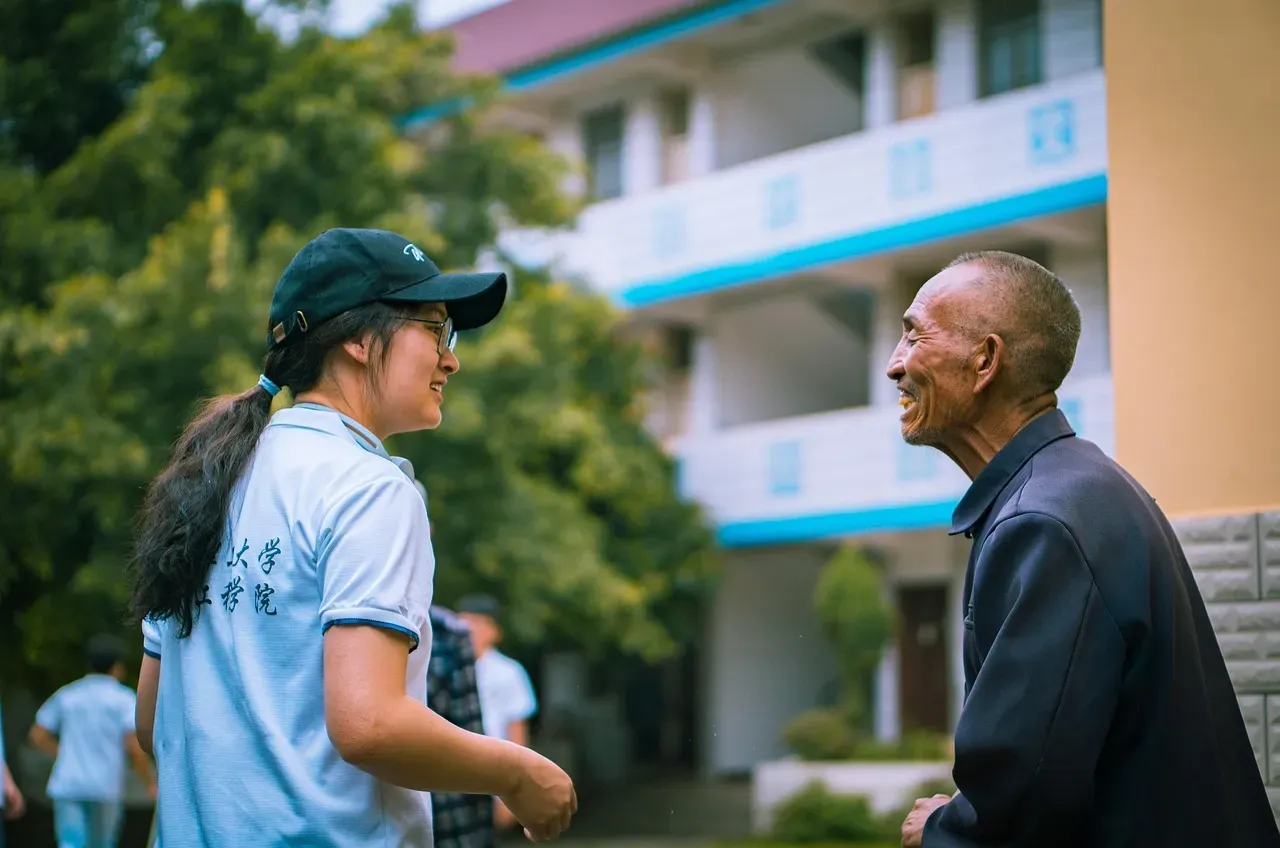
Stress is everywhere in 2025. Work demands, financial pressures, global uncertainty. Volunteering reduces stress by encouraging you to stay physically active, building a strong support network, and putting your experiences into a greater perspective. When you’re helping someone else, your own problems don’t disappear, obviously. They just don’t loom quite so large.
Volunteering or doing an act of kindness can distract you from some of the problems that you might be having, and it may help to give you more perspective on what your own problems are. This isn’t about minimizing your struggles. It’s about creating psychological space. Part of it may be stress reduction, as chronic stress is a risk factor for poor health, and volunteering seems to alleviate its harm. You’re essentially building a buffer against life’s inevitable challenges.
Purpose and Meaning: The Deep Satisfaction of Contribution
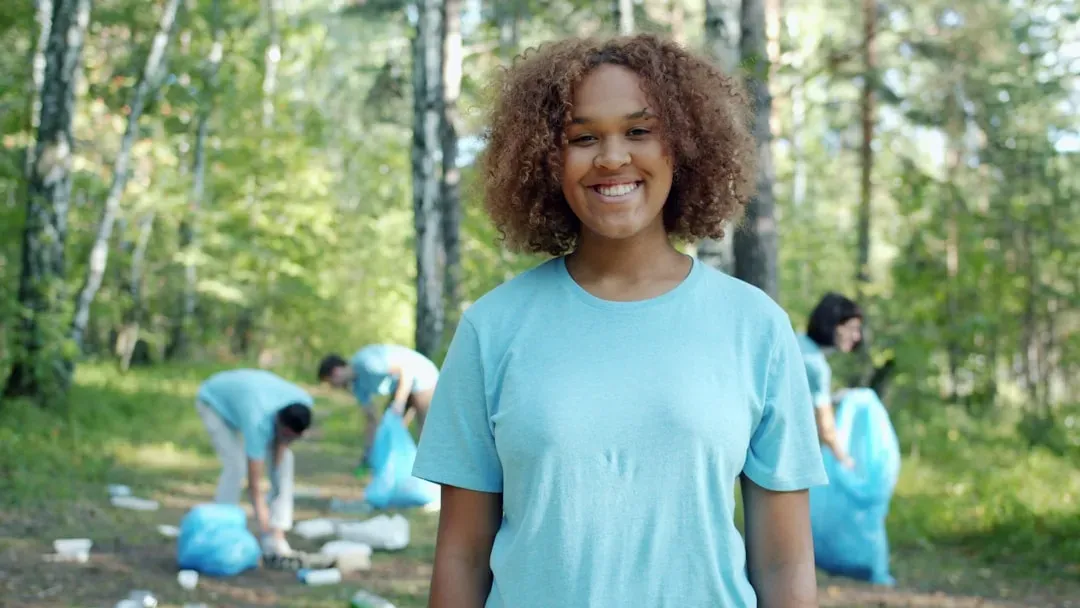
Many people drift through life feeling like something’s missing. Individuals with a strong sense of purpose have lower levels of stress and depression, and volunteering offers a path to finding that purpose. Purpose isn’t something you stumble upon. It’s something you create through your actions and choices.
Volunteering has been proven to give individuals a strong sense of purpose and mitigate the effects of mental illnesses, and studies have shown that a sense of personal accomplishment is especially beneficial for seniors. This applies across age groups, honestly. Whether you’re 25 or 75, knowing that you’ve made a tangible difference in someone’s life provides a foundation of meaning that supports everything else. That feeling of “I matter, what I do matters” becomes a bedrock for psychological well-being.
The Compassion Connection: Altruism Across Cultures
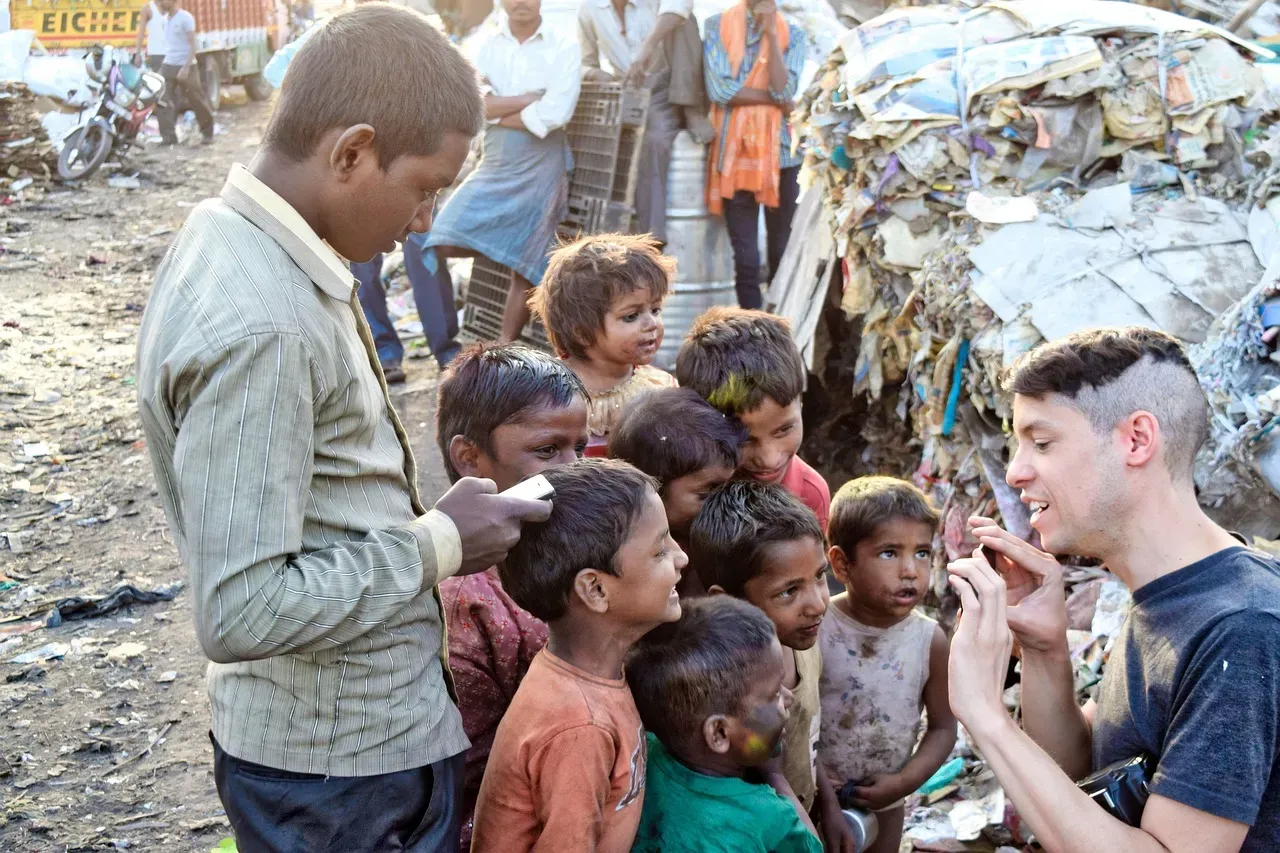
A strong correlation exists between the well-being, happiness, health, and longevity of people who are emotionally and behaviorally compassionate, so long as they are not overwhelmed by helping tasks. That caveat is important. Burnout is real, and compassion fatigue happens when giving becomes draining rather than energizing.
One study found an association in 120 out of 136 countries between altruism and happiness, suggesting this might be close to a psychological universal. Across vastly different cultures, economic systems, and value structures, people who give tend to be happier. The global increase in altruism observed in 2020 and 2021 likely corresponded to widespread increases in well-being during the same time period. Even during a pandemic, perhaps especially during a pandemic, people found meaning and connection through helping one another.
Making It Practical: How to Harness the Power of Giving
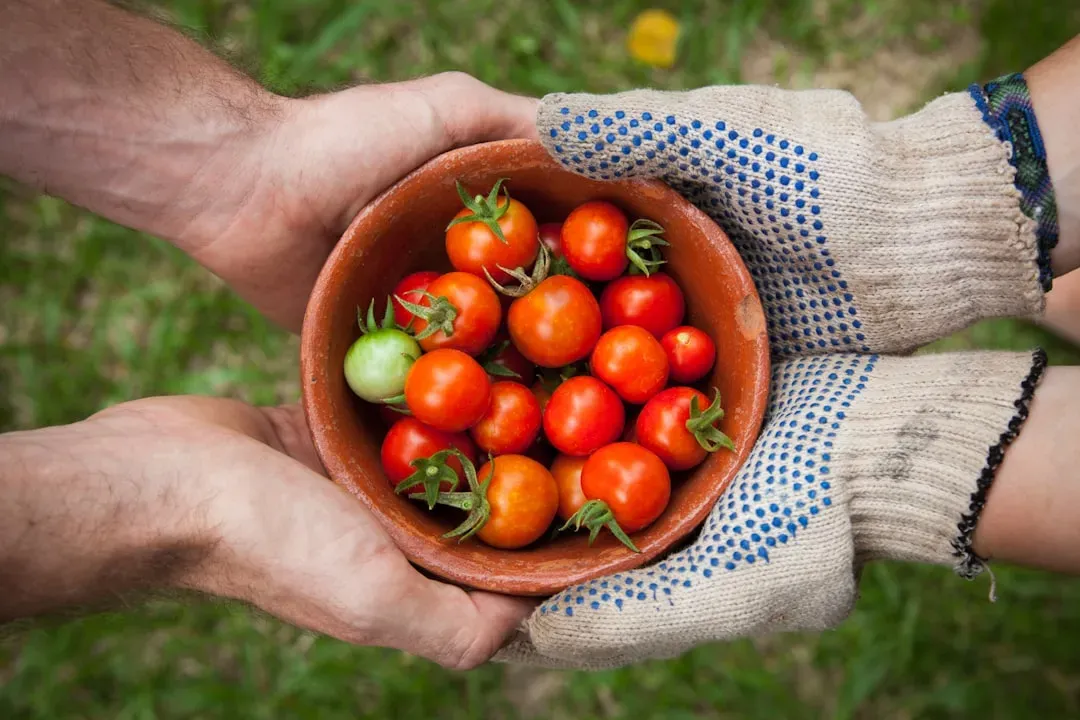
You don’t need to overhaul your entire life. Several studies have found that about two hours a week seems to be the minimum for seeing a health benefit. That’s manageable for most people. Start small. Offer to help a neighbor with their groceries. Send an encouraging text to a friend who’s struggling. Volunteer at a local organization once a week.
Acts of kindness for both people they knew and strangers, like buying coffee for a stranger in line at Starbucks, baking cookies for friends, and offering to shovel snow from a neighbor’s driveway, all produced meaningful benefits. The key is consistency. Acts of kindness and social activities both improved people’s sense of social support, but practicing kindness improved it even more, with benefits lasting up to five weeks. Build it into your routine, and watch how it transforms not just your mood, but your entire relationship with the world around you.
Conclusion
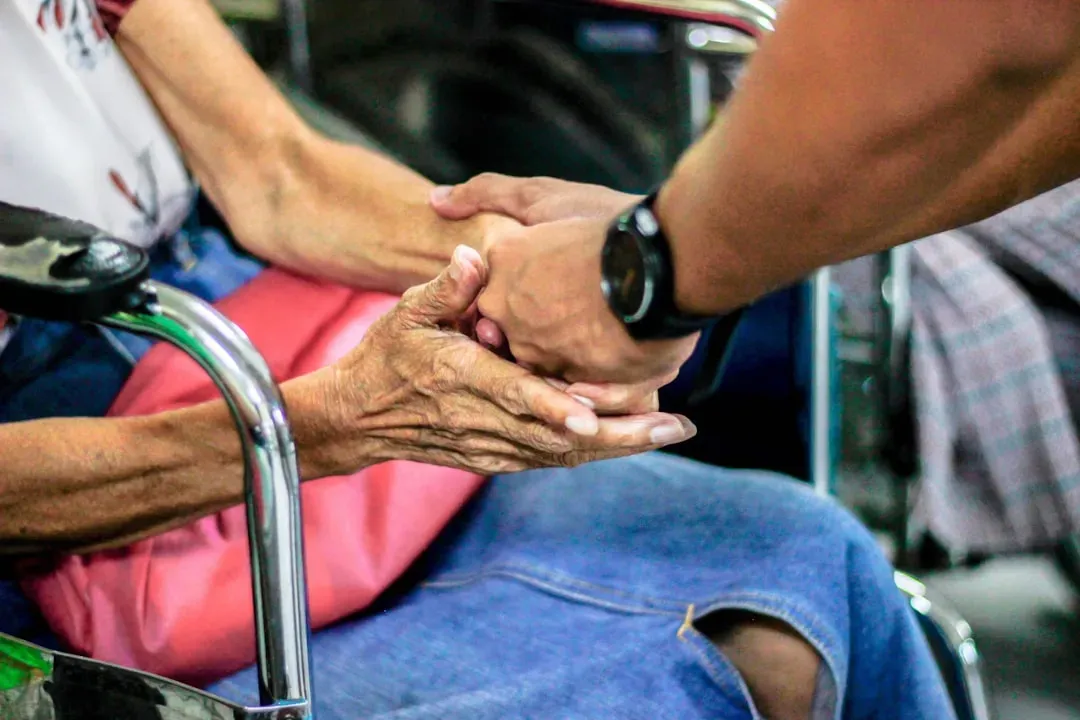
The science is remarkably clear. When you help others, you’re not just being noble or selfless. You’re actively improving your own psychological and physical health in measurable ways. Altruistic emotions and behaviors are associated with greater well-being, health, and longevity, and this connection appears to be one of the most robust findings in positive psychology.
The beauty of this is its accessibility. You don’t need special training, expensive equipment, or even much time. You just need the willingness to look beyond yourself and contribute to someone else’s well-being. In doing so, you’ll likely discover that the greatest gift you give is actually to yourself. What small act of kindness could you perform today that might shift your perspective, even just a little?