You’ve probably felt it before. That warm, bittersweet rush when a song from your teenage years comes on the radio. Or when you stumble across an old photograph and suddenly you’re transported back to a moment you thought you’d forgotten. It’s like time folds in on itself and for just a second, you’re both here and there at once.
That feeling has a name: nostalgia. And honestly, it’s one of the most fascinating things your brain does. For centuries, people thought nostalgia was a disease, something to be cured. These days, though, scientists are discovering it might actually be one of your mind’s most powerful tools for staying grounded, happy, and connected to who you really are. Let’s dive in.
The Surprising Origins of a So-Called Disease

Nostalgia comes from the Greek words nostos, meaning “return,” and algos, meaning “pain.” Initially used to describe the profound sorrow experienced by homesick soldiers, nostalgia has evolved into a more positive and complex emotional state over time. Think about that for a moment. What we now consider a comforting emotion was once diagnosed as an actual medical condition.
During the Thirty Years War, several Spanish soldiers were discharged from the army with nostalgic symptoms, and a 17th-century Swiss physician named Johannes Hofer coined the term, considering it to be a mental disorder. Symptoms included persistent thoughts about home, melancholy, even heart palpitations. Wild, right? Yet here we are in 2025, and researchers are finding that this so-called affliction might actually be doing us a world of good.
Your Brain on Nostalgia

When you slip into a nostalgic memory, your brain lights up like a Christmas tree. The brain areas active during nostalgic experiences are those associated with self-reflection, autobiographical memory, emotional regulation, and reward processing. It’s not just one region firing off. It’s a whole symphony of neural activity working together.
Nostalgia-related activity mainly happens in the hippocampus, ventral striatum, and substantia nigra/ventral tegmental area. The hippocampus helps you retrieve memories, while the ventral striatum is linked to reward and pleasure. Essentially, your brain is rewarding you for remembering. Reliving some of our favorite memories releases dopamine in our brains, which can give us a quick boost in the mood department. That’s why nostalgia often feels so good, even when it carries a touch of sadness.
Rosy Retrospection: Why the Past Always Looks Better

Here’s the thing about nostalgia. It’s not exactly accurate. You’re not remembering events as they truly were. Instead, you’re recalling an edited, polished version of the past. Psychologists call this “rosy retrospection,” and it’s a cognitive bias we all share.
When we look back in this way, we tend to think about very general periods, as opposed to particular details, naturally painting our memories with a very broad brush, which tends to gloss over the small negative details. It’s like your brain is applying a soft filter to your memories, smoothing out the rough edges and amplifying the good stuff. Sure, your childhood might not have been perfect, but when you think back on it, you probably focus on summer afternoons and family dinners rather than arguments or disappointments.
Nostalgia as a Coping Mechanism

Let’s be real. Life can be tough. Transitions, loneliness, uncertainty, these are part of the human experience. And when things get hard, nostalgia often shows up like an old friend offering comfort.
Nostalgia is one way of coping with things like social isolation or disconnectedness, loneliness, and times of adversity can trigger nostalgia because remembering who we were helps with our identity continuity. During the pandemic, for example, nostalgia consumption skyrocketed. People turned to old TV shows, familiar music, and childhood games because those things provided a sense of stability when the world felt chaotic.
Major life changes, such as retiring or moving, often bring about nostalgic thoughts, and remembering comforting memories from the past helps us cope with these transitions by providing comfort and helping us reflect on past times when we demonstrated resilience. Nostalgia reminds you that you’ve faced challenges before and made it through. It’s like your mind saying, “Hey, remember when things were hard before? You survived that. You’ll survive this, too.”
The Social Side of Sentimental Longing

Nostalgia isn’t just about you and your memories. It’s deeply social. People felt more nostalgic when they were with family and friends or when they were eating than they did when they were at work or school. That’s because nostalgia often features the people who matter most to us.
Nostalgic memories remind us of our relationships with other people, and nostalgic recollections can encourage us to seek out social and emotional support because they frequently feature important people from our past. When you’re feeling disconnected or lonely, a nostalgic memory can remind you that you belong somewhere, that you’ve been loved and valued. It strengthens social bonds, even when those people aren’t physically present.
Nostalgia Builds Your Sense of Self

Who are you, really? It’s a question that gets more complicated the older you get. You change constantly. Your beliefs evolve, your circumstances shift, and sometimes you barely recognize the person you were a decade ago. Nostalgia gives us a sense of continuity, and looking back in the past gives us a sense of continuity.
Studies have found that people who frequently nostalgize have a greater sense of self-continuity, and more generally, engaging in nostalgia fosters a stronger sense of meaning in one’s life. When you look back on your life, you’re not just remembering random events. You’re constructing a narrative, a story that connects your past to your present and helps you make sense of who you are. Nostalgia helps you see the thread that runs through all those different versions of yourself.
The Triggers That Transport You Back
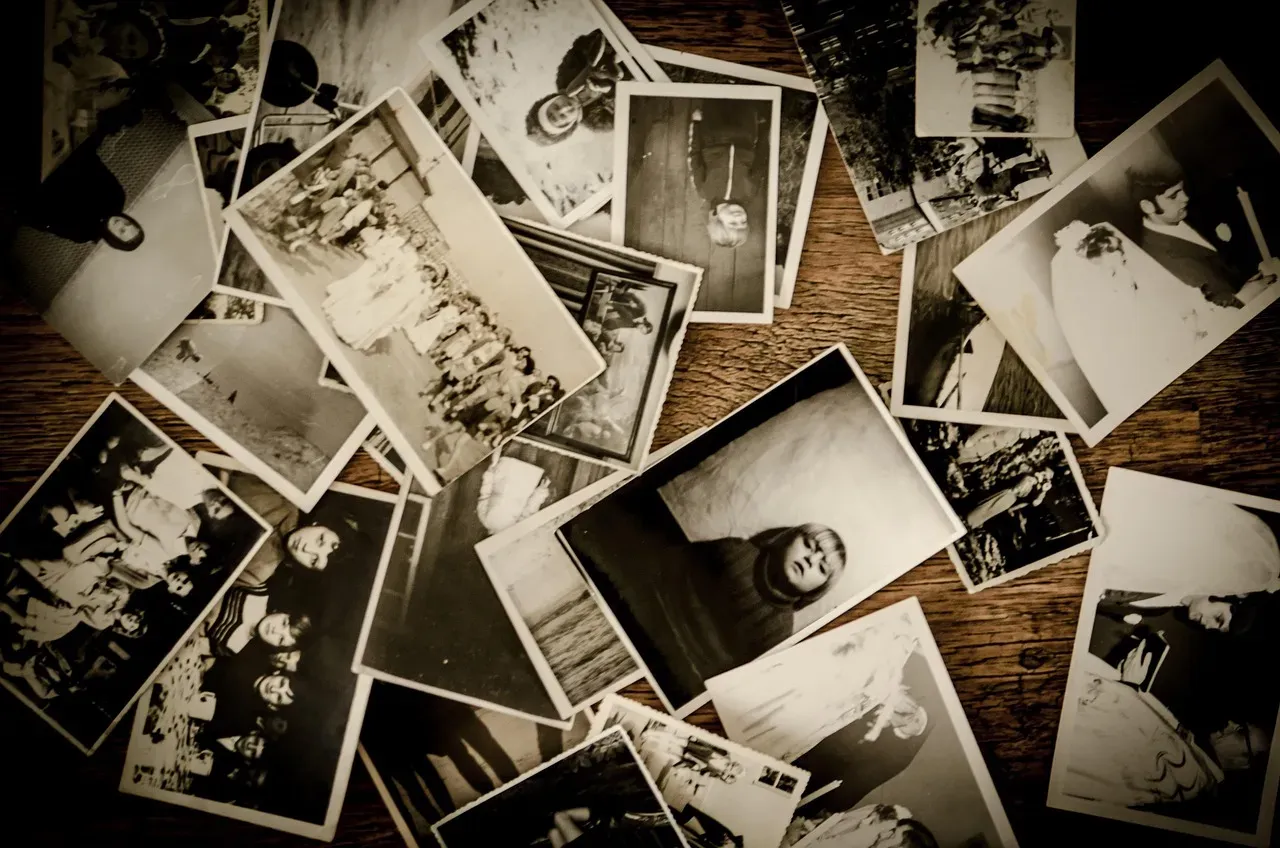
Nostalgia doesn’t usually appear out of nowhere. Something triggers it. Sensory experiences, such as the scent of fresh apple pie or a photo from your favorite family vacation, are an incredible catalyst for memory recall, and familiar smells, sounds or sights can instantly elicit vivid memories from your past.
Music might be the most powerful trigger of all. A single song can instantly transport you back to a specific time and place. That’s because music engages multiple parts of your brain at once, linking melody, lyrics, and emotion into a single, potent memory cue. Nature-based factors such as weather and temperature can trigger nostalgia, and scientific studies have shown that cold weather makes people more nostalgic, while nostalgia causes people to feel warmer. Even the physical sensation of being cold can make you long for warmer times, both literally and emotionally.
When Nostalgia Becomes a Trap

For all its benefits, nostalgia isn’t always helpful. Sometimes it can keep you stuck. When we become too attached to certain memories, it can be hard to embrace the present, leaving us stagnant in certain areas of our lives. If you spend too much time reliving your glory days, you might miss out on creating new ones.
People were more likely to experience nostalgia when they were feeling depressed than when they were in a happy mood, and at first glance, this result appears to contradict the outcomes of induced nostalgia in the laboratory, where remembering happy events from the past led to a boost in mood. The relationship between nostalgia and mood is complicated. Sometimes nostalgia lifts you up. Other times, especially if you’re already feeling low, it can deepen that sadness by reminding you of what you’ve lost. Balance is key. Nostalgia should be a place you visit, not somewhere you live permanently.
Conclusion

Nostalgia is so much more than sentimentality or dwelling on the past. It’s a psychological resource, a coping mechanism, and a bridge between who you were and who you are now. The tendency to nostalgize was found to be a protective factor against depression and anxiety. Your brain doesn’t just randomly generate these feelings. It’s actually helping you regulate your emotions, strengthen your sense of identity, and stay connected to the people and experiences that shaped you.
Still, like anything powerful, nostalgia works best in moderation. Let it comfort you, inspire you, remind you of your resilience. Just don’t let it keep you from fully experiencing the present. Because someday, this moment right here might be the one you look back on with that same warm, bittersweet longing. What do you think about it? Do you find yourself drawn to certain memories when life gets tough?