When you think about ancient life, dinosaurs usually steal the spotlight. Yet soaring above their heads was another extraordinary group of creatures that owned the skies for over one hundred fifty million years. Pterosaurs weren’t dinosaurs at all, though they shared the same world and faced similar challenges. Think of them as nature’s first experiment in vertebrate flight, long before birds or bats even existed.
What made these winged reptiles so successful? How did they manage to dominate the air for such an incredibly long stretch of time? The answers might surprise you, revealing adaptations that seem almost engineered for perfection. Let’s dive into the fascinating world of pterosaurs and uncover why they were the undisputed masters of prehistoric skies.
Flight Before Birds: Pterosaurs Were the Original Sky Pioneers
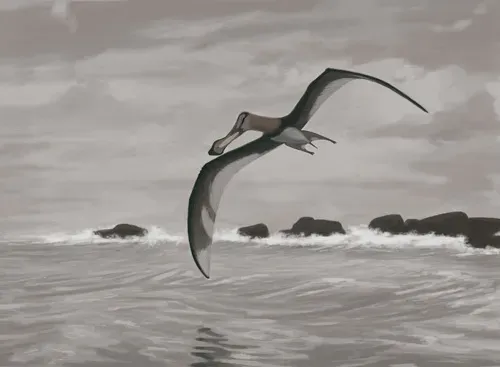
Pterosaurs were the first vertebrates to evolve powered flight, achieving this remarkable feat in the Late Triassic period. The first pterosaurs appeared in the fossil record around two hundred fifteen million years ago. Compare that to birds like Archaeopteryx, which showed up millions of years later. Birds flapped into existence sometime in the Jurassic, while bats appeared fifty million years ago in the Eocene epoch.
These flying reptiles didn’t just exist alongside dinosaurs. They dominated the skies of the Mesozoic era from about two hundred fifty-one to sixty-six million years ago, swooping over the heads of dinosaurs. It’s hard to imagine, really, that something so fundamentally different from modern flying animals managed to perfect flight before anything else with a backbone. Yet there they were, gliding and flapping through ancient skies when the world looked completely alien compared to today.
Wing Design Unlike Anything Alive Today
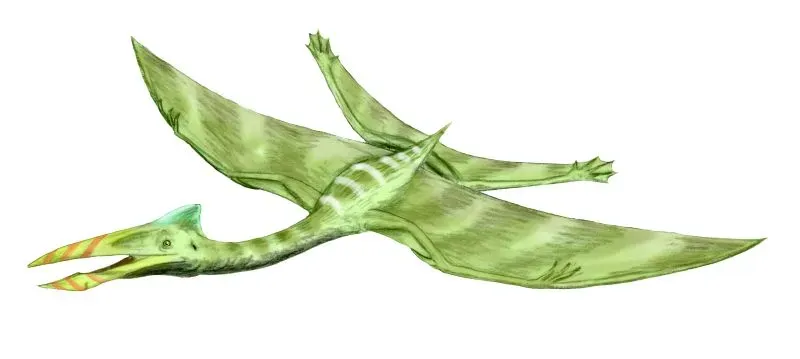
Pterosaur wings were made of a dynamic membrane hoisted on an elongated fourth finger and were probably covered in a fur-like outer protective layer. Picture this: instead of the feathered wings of birds or the hand-supported membranes of bats, pterosaurs evolved something entirely unique. Their fourth finger stretched to extraordinary lengths, creating a framework that held a sophisticated membrane.
The pterosaur wing was a layered and dynamic structure with an outer skin-like surface, beneath which ran networks of blood vessels, bundles of muscle, and stiffening fibers known as actinofibrils. This wasn’t just a simple flap of skin stretched between bones. Think of it more like a high-tech composite material, something modern aerospace engineers might admire. The actinofibrils provided internal support while maintaining flexibility, allowing pterosaurs to adjust wing shape mid-flight for precise maneuvering and control.
Built for Flight: Revolutionary Skeletal Engineering
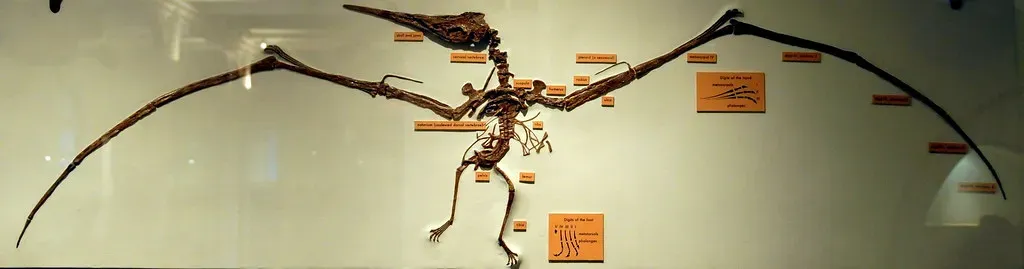
Pterosaur bones were hollow and air-filled like those of birds, providing a higher muscle attachment surface for a given skeletal weight, with bone walls often paper-thin. These creatures were essentially built like lightweight racing frames. Yet don’t mistake thin for weak. Pterosaur humeri are up to three times more resistant to failure than those of birds, and were more than strong enough to sustain flapping loads.
Honestly, their skeletal structure seems almost too perfect. They had a large and keeled breastbone for flight muscles and an enlarged brain able to coordinate complex flying behavior, and in some later pterosaurs, the backbone over the shoulders fused into a structure called a notarium to stiffen the torso during flight. Every bone, every joint, every fusion served the singular purpose of making flight not just possible but efficient and powerful. The engineering here rivals anything we build today.
Climate Change Helped Launch Their Dominance
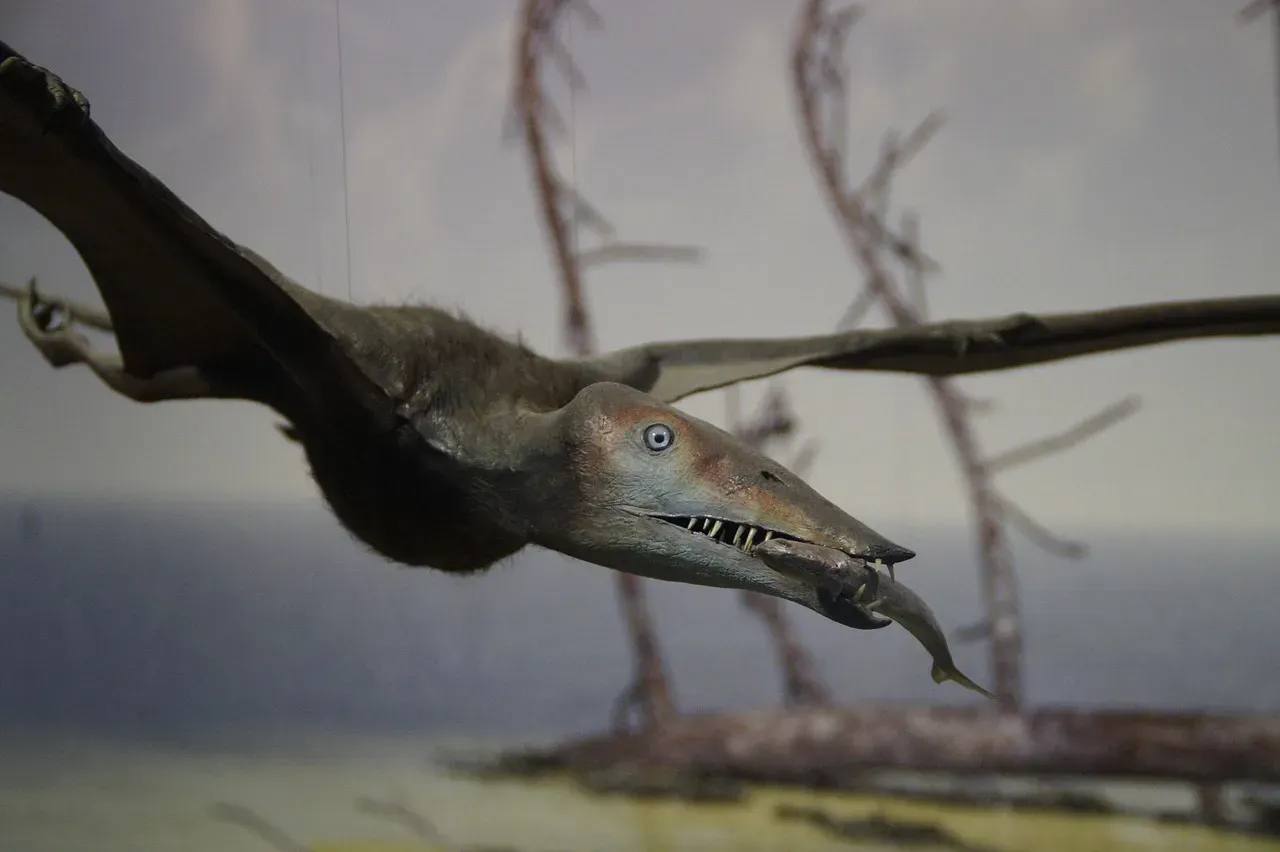
Here’s something you probably didn’t expect: pterosaurs might have climate change to thank for their initial success. Pterosaurs first evolved to take to the air in warm and humid conditions during the Late Triassic. They started out in specific tropical regions, but then something interesting happened.
During the Late Triassic, climatic conditions changed across the globe leading to a general increase in warm and humid conditions outside the equatorial belt, which became an opportunity that allowed the flying reptiles to rapidly spread across the globe. The world literally opened up for them. What began as creatures confined to humid tropical zones suddenly found new territories across diverse latitudes. This environmental shift gave pterosaurs the boost they needed to diversify and experiment with different body plans and lifestyles.
Incredible Size Range: From Sparrows to Fighter Jets
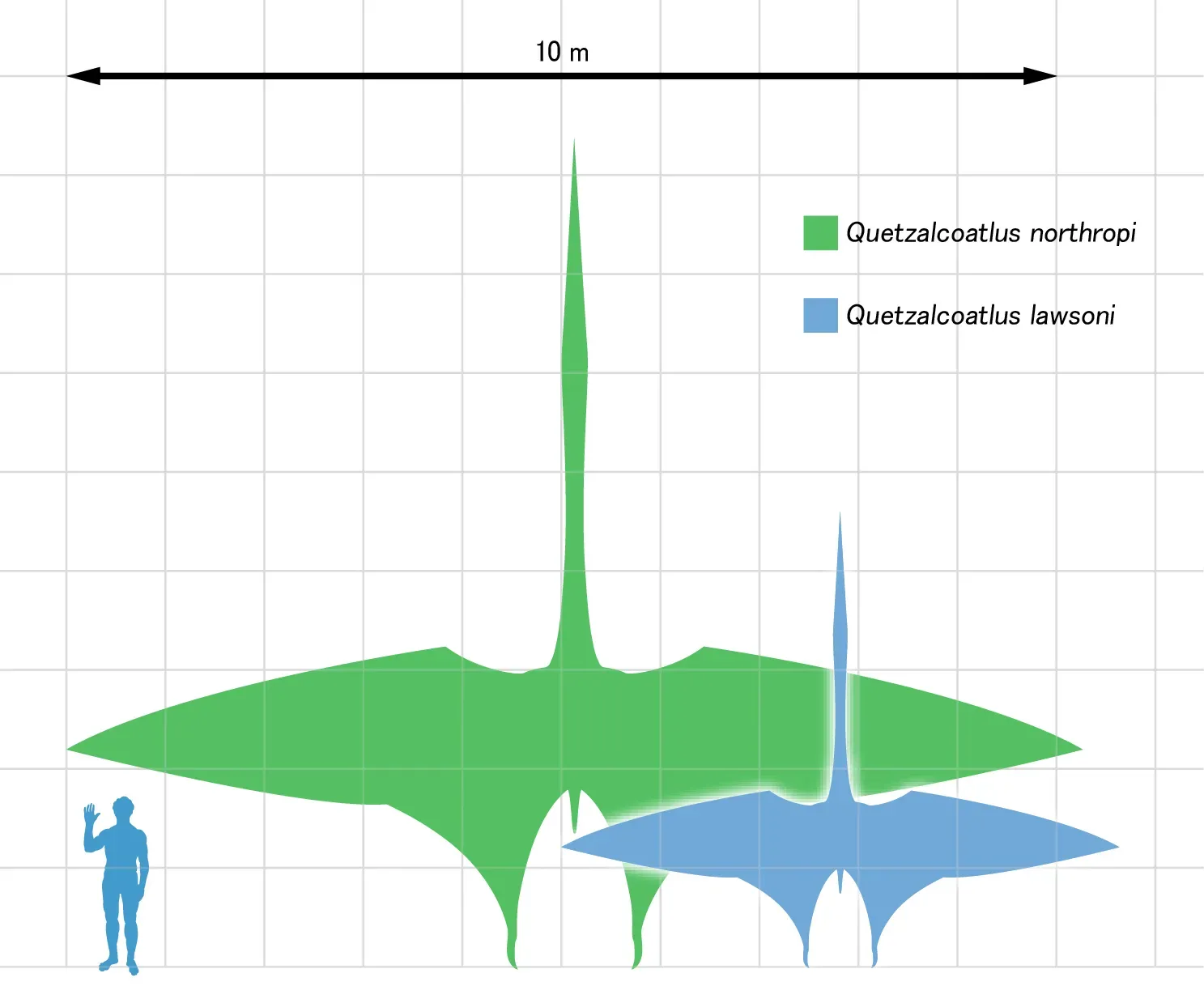
The diversity in pterosaur size is genuinely mind-blowing. The smallest of these aerial predators was the size of a sparrow, while the largest had a wingspan that rivaled that of an F-16 fighter jet. Imagine seeing both extremes in the same ancient ecosystem.
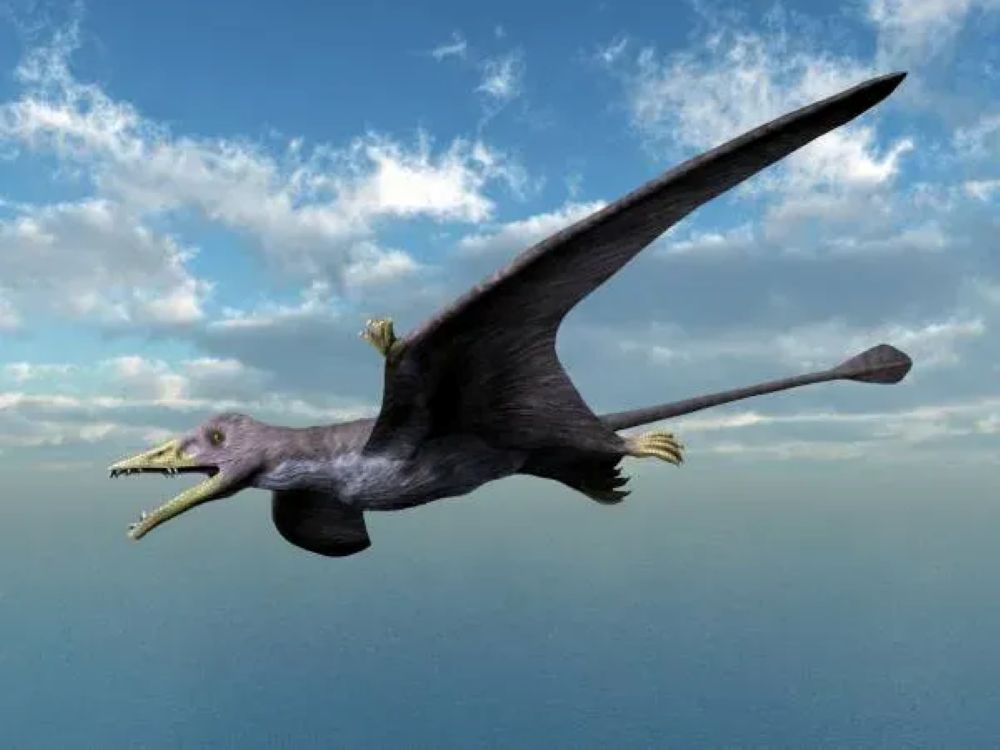
Some pterosaur species such as Quetzalcoatlus were the largest known animals to ever take to the skies with wingspans of over ten meters. That’s comparable to a small airplane! Rhamphorhynchus was a moderately sized pterosaur similar to a modern albatross with a slender beaked jaw filled with needle-like interlocking teeth perfect for squid-snatching. This size variation allowed pterosaurs to fill numerous ecological niches simultaneously, from tiny insect hunters to giant terrestrial predators.
Tail Technology Gave Them a Flight Advantage
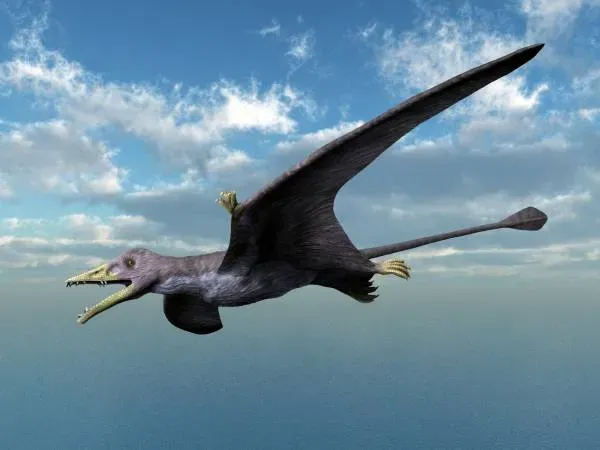
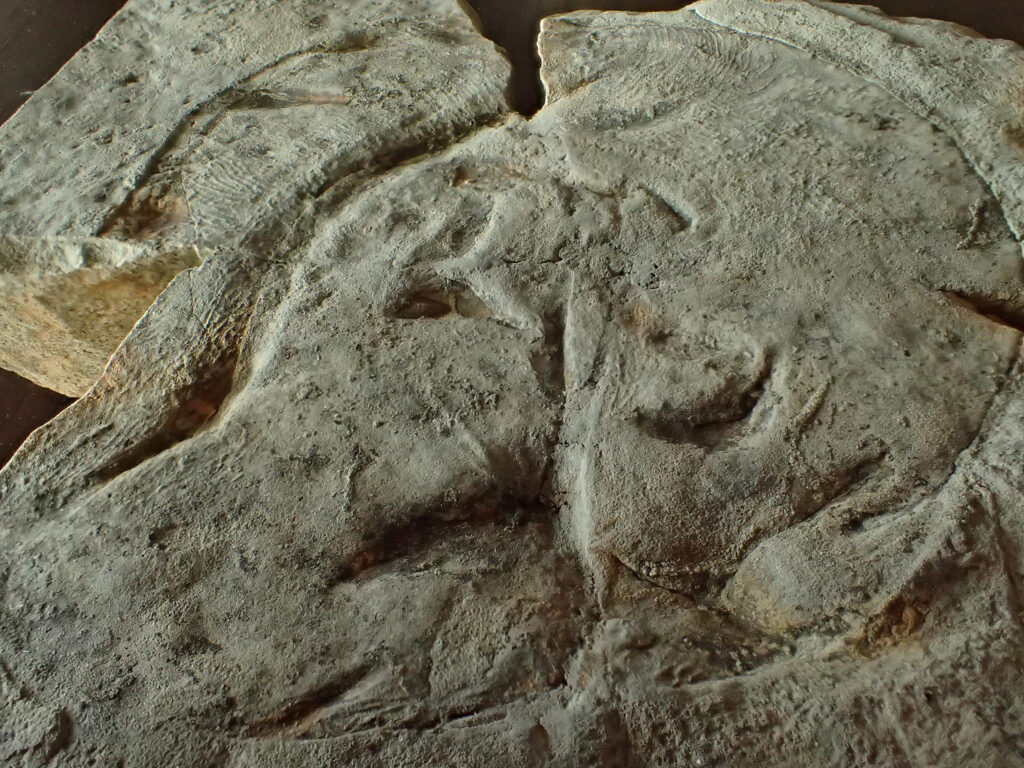
Recent research using laser technology has revealed something remarkable about pterosaur tails. Research used Laser Stimulated Fluorescence which helps see fossilized tissues invisible to the human eye, revealing detailed images of tail membranes along with a lattice of supporting structures never seen before. What they found changes how we understand pterosaur flight control.
The specimens had a kite-shaped tail vane filled with intersecting structures resembling ribs and spars in an aeroplane wing, and the internal lattice could have allowed the membrane to dynamically tense up like sail on a ship. This prevented the tail from fluttering uselessly and instead turned it into an active flight control surface. As pterosaurs evolved and became lighter and larger their tails got smaller and eventually disappeared, suggesting later species developed other control mechanisms as their body plans changed.
They Weren’t Losing to Birds: Coexistence and Specialization
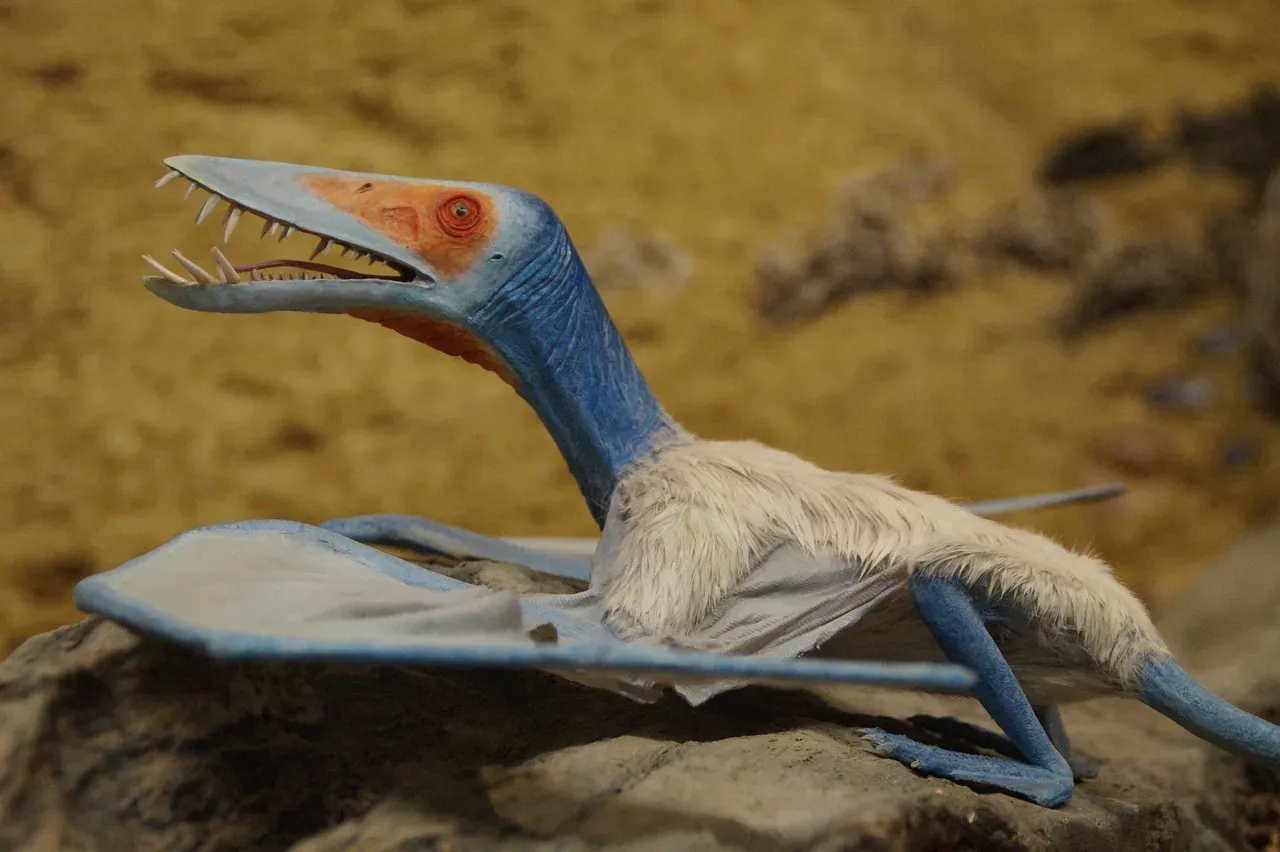
For years, scientists assumed birds gradually outcompeted pterosaurs, driving them toward extinction. Turns out, that’s completely wrong. Pterosaurs were not driven to extinction by birds, and after birds emerged and became successful, pterosaurs responded by becoming larger and trying out new lifestyles. They actually increased their specialization rather than declining.
Birds did not drive pterosaurs extinct directly; pterosaurs and birds appear to engage in size-based niche partitioning, with no known Late Cretaceous birds exceeding two meters in wingspan. Instead of competing directly, pterosaurs dominated medium to large size categories while birds occupied smaller niches. Late Maastrichtian pterosaurs showed increased niche occupation relative to earlier faunas and successfully outcompeted birds at large sizes, suggesting an abrupt mass extinction of pterosaurs at the boundary. They were thriving right up until disaster struck.
Extinction Came Suddenly, Not Gradually
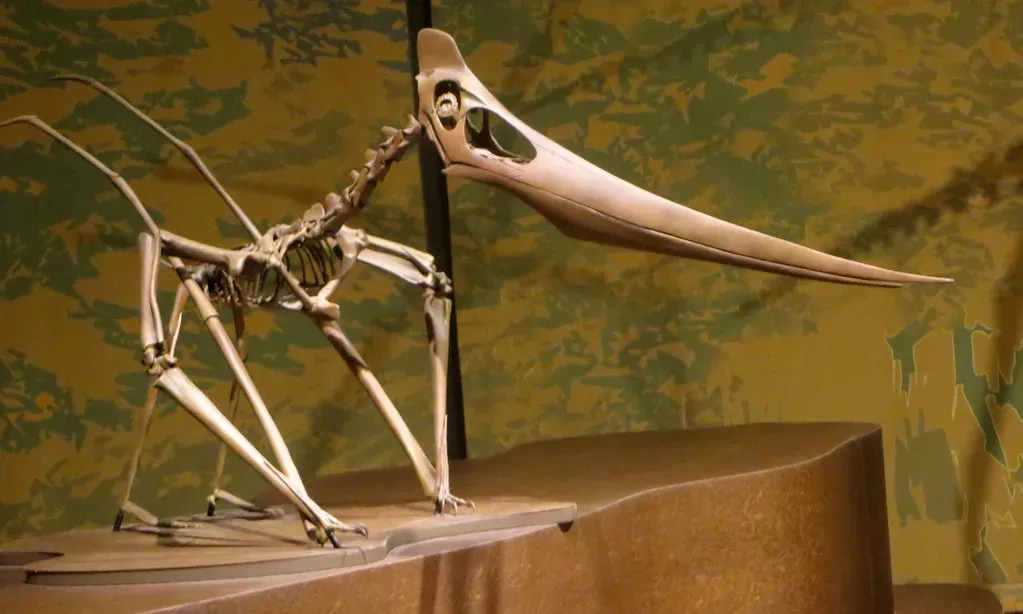
An analysis shows that contrary to previous studies, there was still remarkable diversity among pterosaurs up to the point of their extinction. New fossil discoveries from Morocco completely changed our understanding. A diverse pterosaur assemblage from the late Maastrichtian of Morocco includes the youngest known Pteranodontidae and Nyctosauridae, representing the most diverse known Late Cretaceous pterosaur assemblage with three families and at least seven species present.
Pterosaurs were a diverse and important part of Cretaceous ecosystems up to the boundary, consistent with a catastrophic extinction driven by the Chicxulub impact. The asteroid that wiped out the dinosaurs took the pterosaurs too. They didn’t fade away gradually over millions of years. When the asteroid struck, global soaring conditions might well have been ruined for a month after the impact, enough time to starve every pterosaur that needed to soar to eat. For creatures that depended on flight for survival, disrupted atmospheric conditions spelled immediate doom.
Conclusion
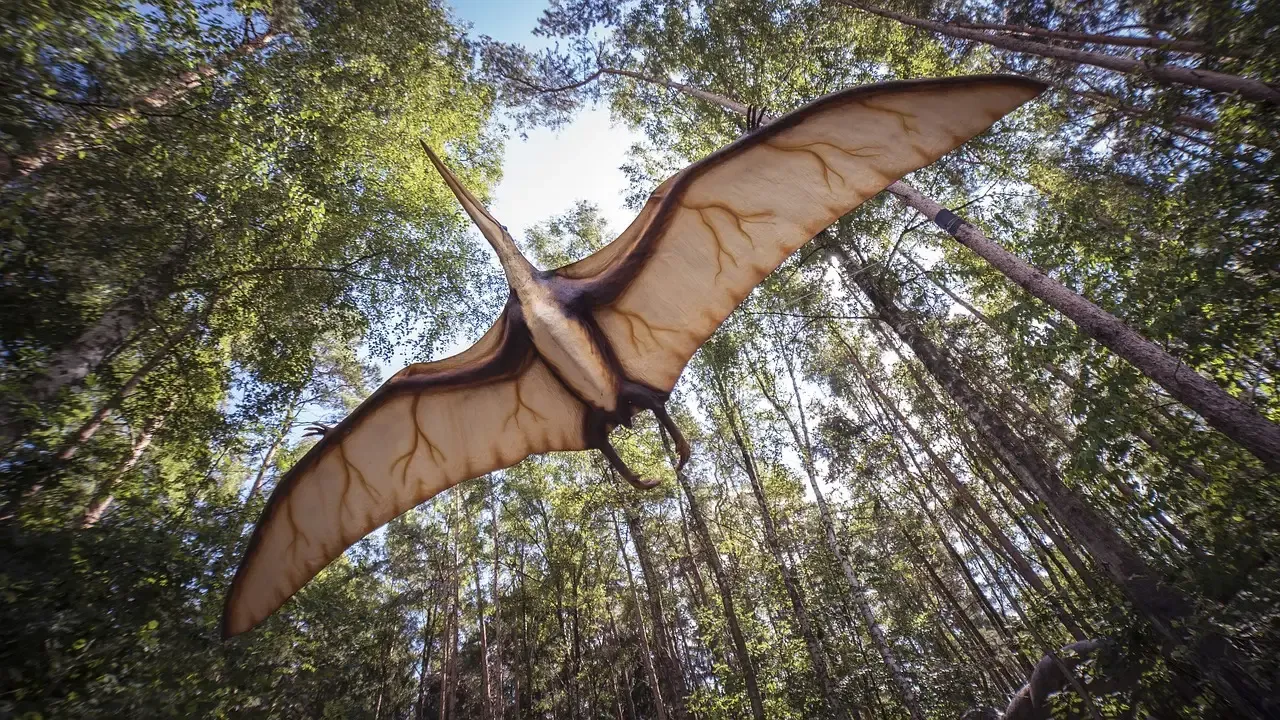
Pterosaurs solved the problem of flight in a way no other vertebrate ever has, creating wing designs and body structures utterly unique in the history of life. They pioneered powered flight over eighty million years before birds managed it, diversified into hundreds of species ranging from sparrow-sized insect catchers to giraffe-sized terrestrial hunters, and maintained their dominance through climatic upheavals and major evolutionary transitions. Rather than slowly declining, these remarkable creatures were still innovating and expanding their ecological roles right until the asteroid impact that ended their reign.
The real puzzle isn’t why pterosaurs ruled ancient skies. It’s how evolution managed to create something so perfectly adapted for flight that it dominated for over one hundred fifty million years, only to vanish completely in a geological instant. What do you think: could anything like pterosaurs ever evolve again, or was their particular solution to flight a one-time experiment that can never be repeated?