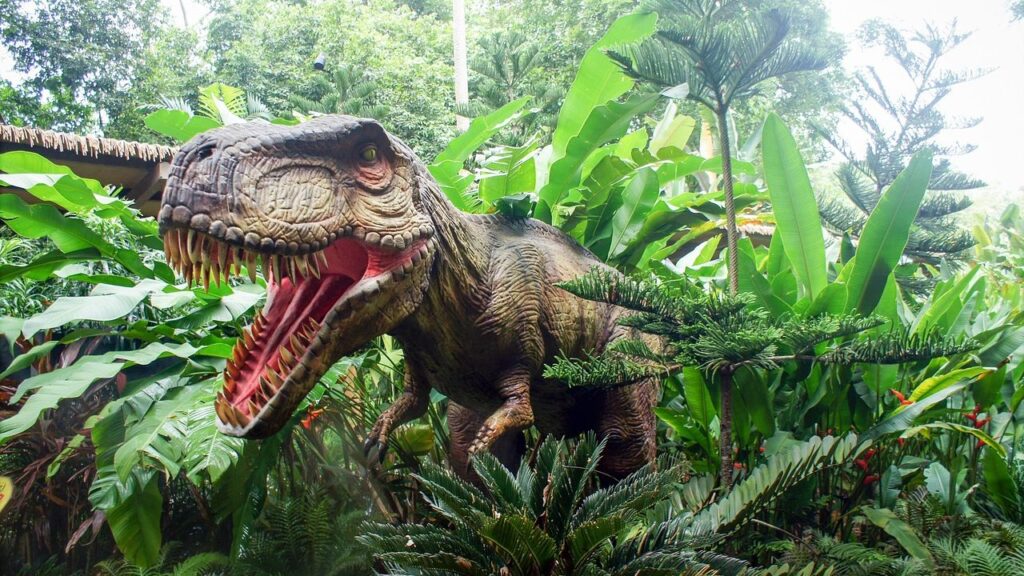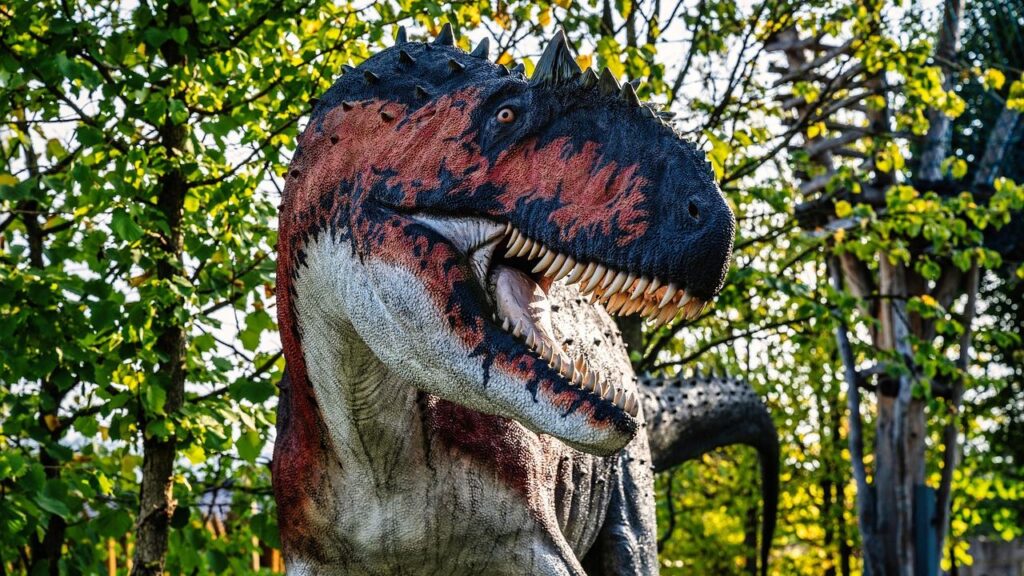
Most people picture a roaring T. rex or a towering Brachiosaurus when they think of dinosaur dominance. Big teeth, enormous bodies, brute force. Honestly, that’s the image blockbuster movies have burned into our brains for decades. But here’s the thing – the true story of how dinosaurs managed to rule this planet for so unimaginably long is far stranger, far more surprising, and in many ways, far more fascinating than Hollywood ever let on.
We’re talking about a reign that lasted well over 160 million years, across three distinct geological periods, through volcanic catastrophes and shifting continents. That’s not luck. Or is it? The answer, it turns out, is complicated – and it involves breathing systems, lucky disasters, and the slow death of ancient crocodile relatives. Let’s dive in.
You Were Not Ruling the World First – Dinosaurs Were Not Even Trying To
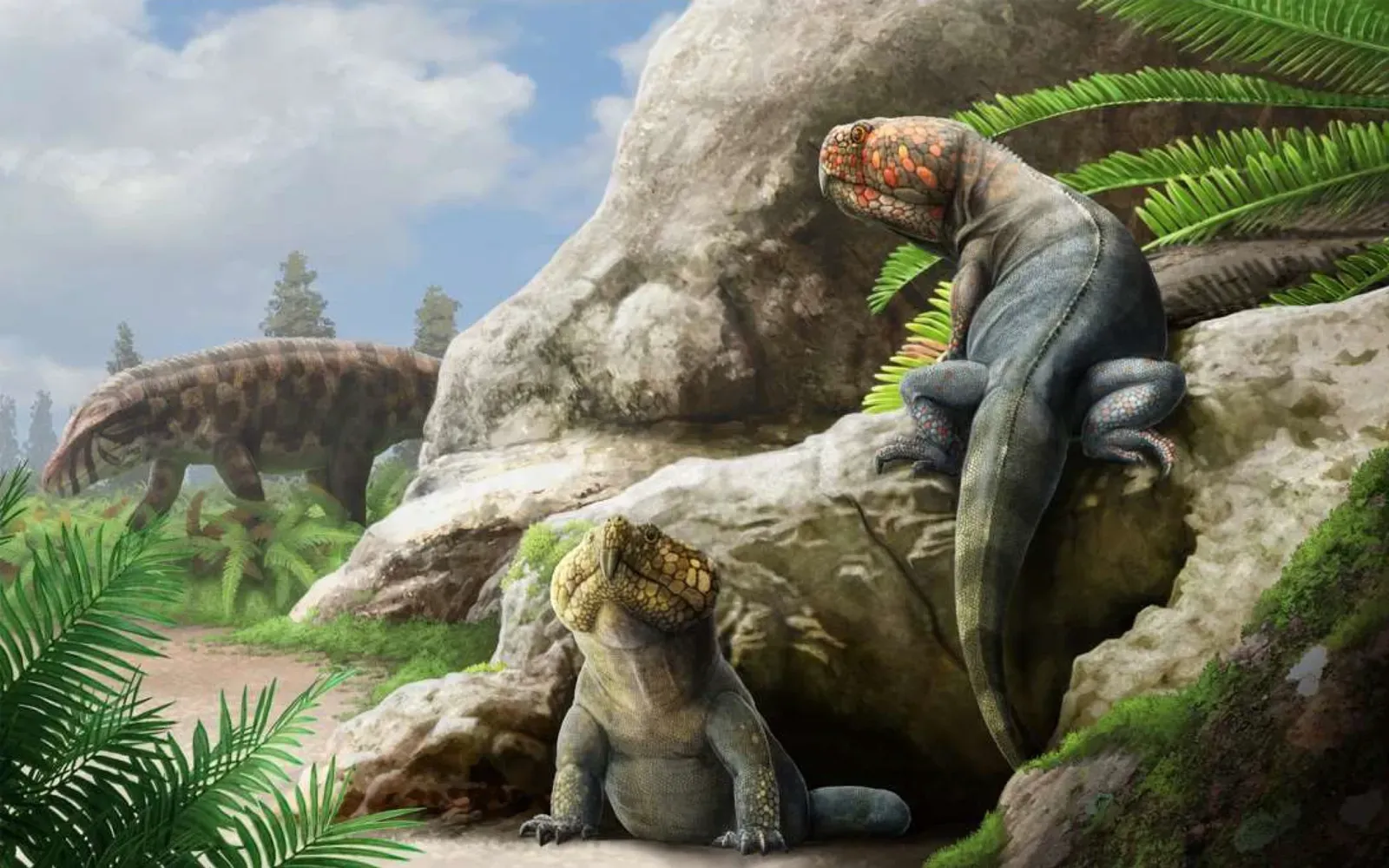
Here’s a genuinely shocking starting point: dinosaurs didn’t start out as dominant at all. During most, if not all, of the Triassic period, dinosaurs weren’t the dominant species. They weren’t the most diverse animals, nor were they the most abundant. Think about that for a second. The creatures we celebrate as the ultimate rulers of Earth spent a huge chunk of early history playing second fiddle.
Pseudosuchians were far more ecologically dominant in the Triassic, including large herbivores such as aetosaurs, large carnivores known as rauisuchians, and the first crocodylomorphs. Picture an ancient world where massive, armored crocodile relatives owned the food chain, and you start to understand just how unlikely dinosaur dominance actually was. It’s a bit like discovering that the eventual champion started out sitting on the bench.
The World They Inherited Was Shaped by Catastrophe
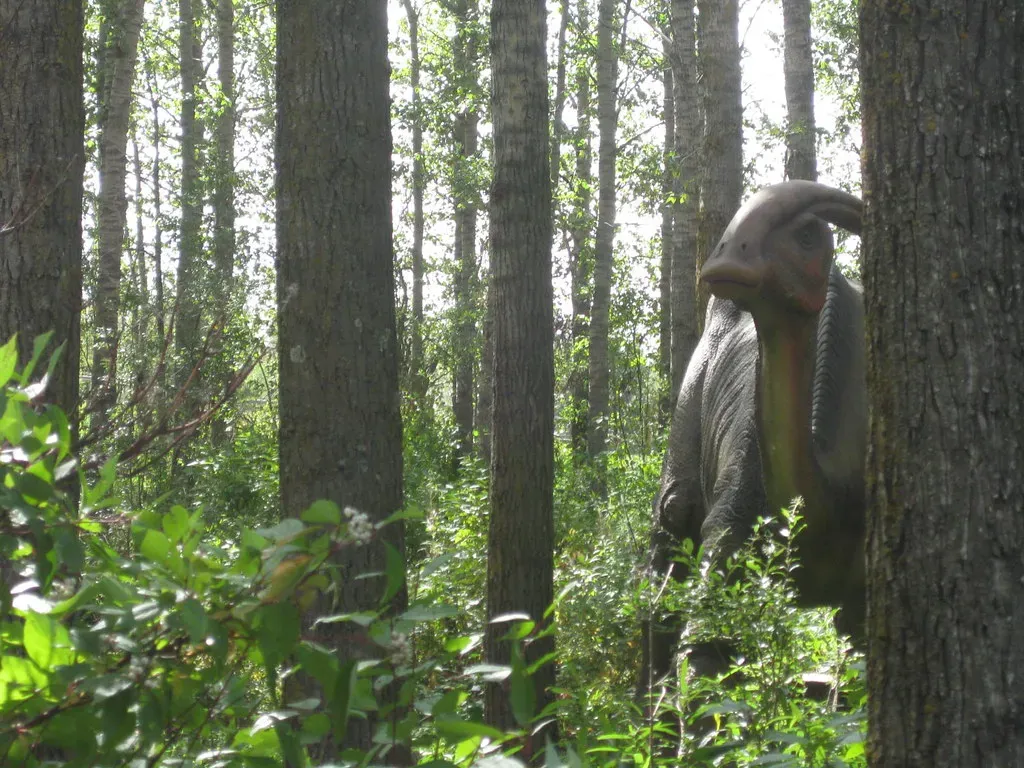
The Mesozoic Era lasted from about 252 to 66 million years ago, comprising the Triassic, Jurassic, and Cretaceous Periods, characterized by the dominance of archosaurian reptiles such as the dinosaurs, a hot greenhouse climate, and the tectonic break-up of Pangaea. This was an Earth that looked absolutely nothing like the one you know today. No polar ice caps in the early period, one giant supercontinent, and an atmosphere with very different oxygen levels.
This era began in the wake of the Permian–Triassic extinction event, the largest mass extinction in Earth’s history. That catastrophic die-off, known as the Great Dying, erased the competition and left ecological vacuums that early archosaurs – including proto-dinosaurs – rushed to fill. It is almost poetic that the creatures who would eventually rule the world inherited a planet that had just been nearly wiped clean.
Their Competitors Were Eliminated – Not Outcompeted
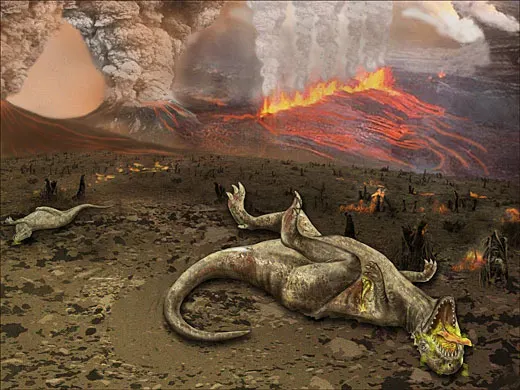
Widespread volcanism and a spike in atmospheric carbon dioxide wiped out half of all plant species and extinguished early crocodile relatives that had competed with the earliest dinosaurs, according to experts. Researchers found strong support that massive, widespread volcanic eruptions led to a spike in atmospheric carbon dioxide and other greenhouse gases that wiped out half of plant species and marked the end of the Triassic. This is the part the textbooks often gloss over. Dinosaurs didn’t necessarily win a fair evolutionary contest.
The abrupt rise in atmospheric gases decimated crurotarsans, which had competed vigorously with the earliest dinosaurs during the Triassic. Thanks to the climatic catastrophe, those early, small dinosaurs were freed from their main competitors to become the dominant force in the animal world. Imagine surviving an office fire not because you’re the most talented person in the building, but because you happened to be standing next to the fire exit. That’s basically what happened. The question, though, is what they did with that opportunity.
The Way Dinosaurs Walked Changed Everything
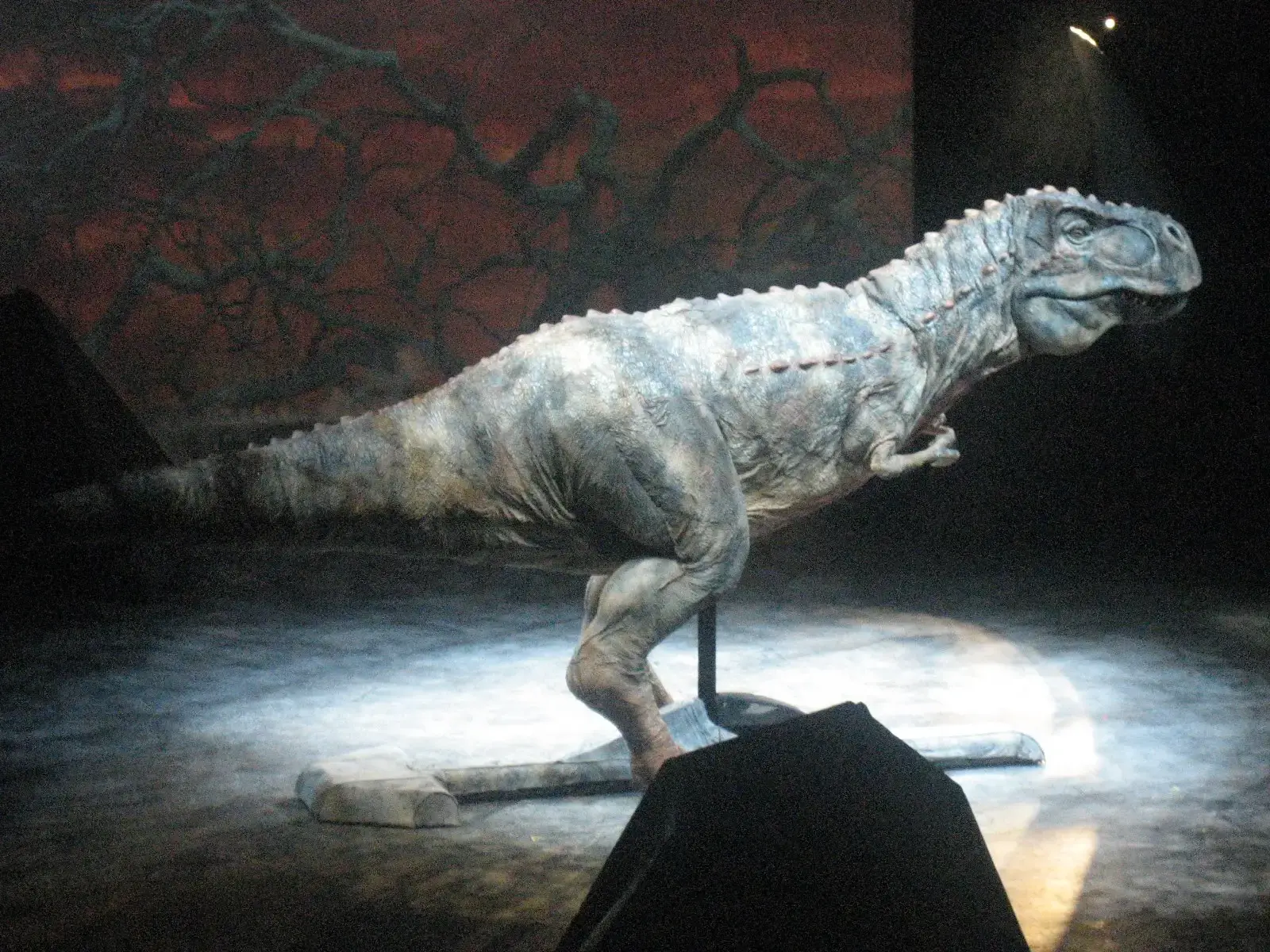
Dinosaurs may have taken over the planet and ruled for over 160 million years thanks to the way they walked, a new study suggests. By adapting to walk on both two and four legs, they diversified and outcompeted other organisms to become dominant. This might sound almost mundane at first. Walking? Really? But don’t underestimate it. The ability to move efficiently on two legs, and then flex to four, opened up a staggering range of ecological niches in a way other reptiles simply couldn’t match.
A hypothesis proposed back in the 1970s is that dinosaurs, even in the Triassic, had “locomotor superiority” over pseudosuchians and other land animals, based upon the anatomy of their hips and hindlimbs that might have given them better ability to run and execute other behaviors such as jumping. Combine that with a rapidly changing climate that rewarded agility and adaptability, and you start to see the picture. It’s a little like comparing a Swiss Army knife to a single-blade one – versatility wins in an unpredictable world.
Their “Superlungs” Were a Biological Superpower
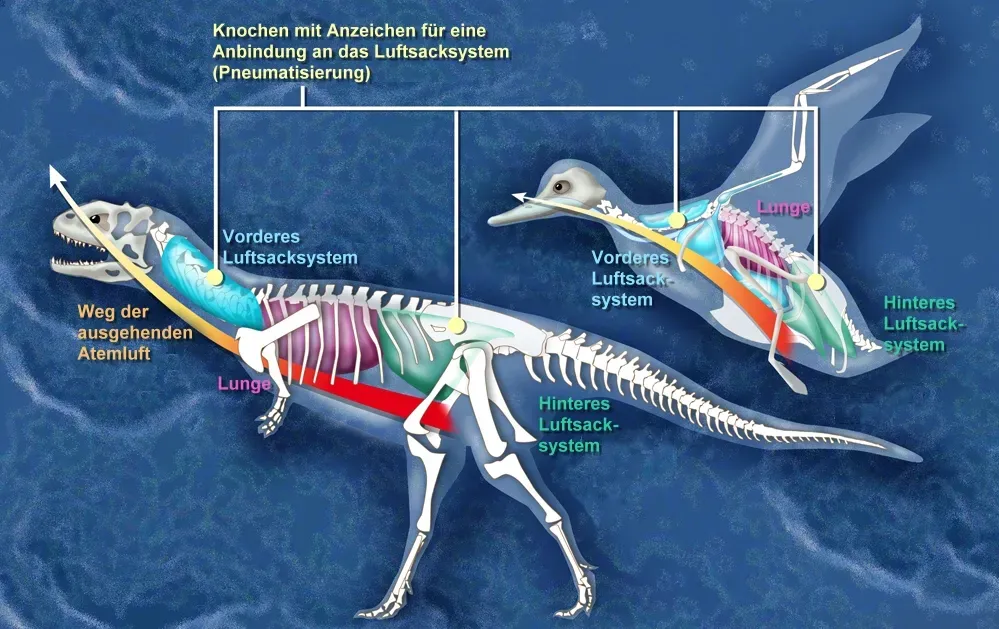
Geochemical and other data indicate that, at the time the dinosaurs first appeared, the atmospheric oxygen concentration was only about half of what it is today, and development of the avian-type respiratory system may have been key in the dinosaurs’ evolutionary success, enabling them to out-compete the mammals and dominate the land for 150 million years. Half the oxygen. Sit with that. Most animals would have struggled enormously. Dinosaurs had a secret weapon built right into their bones.
Scientists concluded that respiratory and pulmonary modifications would have provided dinosaurs with more efficient means of oxygen uptake relative to other vertebrates during the environmentally hypoxic conditions which pervaded much of the early part of the Mesozoic. This anatomical advantage enjoyed by the dinosaurs could thus potentially have contributed to their radiation and dominance over terrestrial ecosystems, which was to last for around 150 million years. In other words, while everything else around them was gasping for air, dinosaurs were thriving. It was arguably one of the most consequential biological advantages in the entire history of life on this planet.
The Jurassic Was Their Golden Age – Earned, Not Given
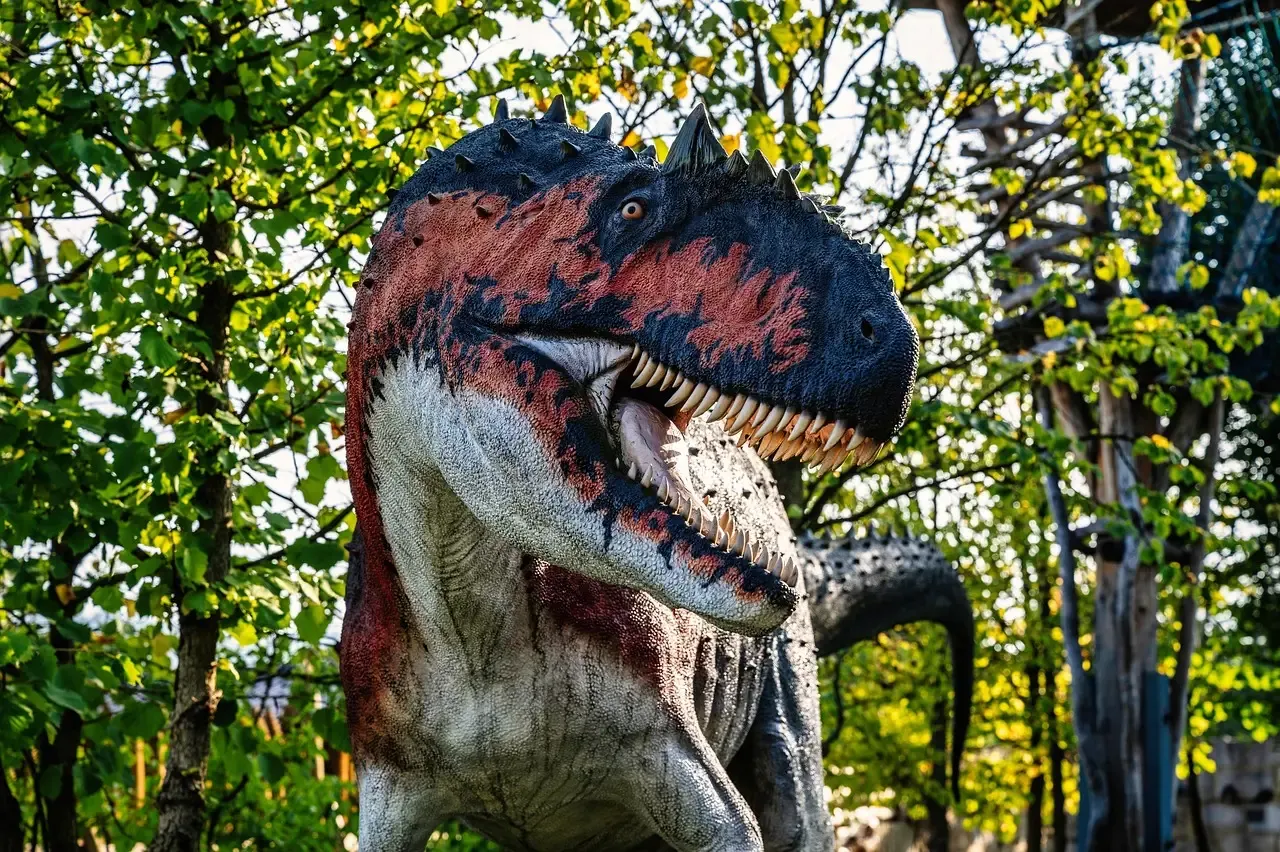
Extinctions within the Triassic and at its end allowed the dinosaurs to expand into many niches that had become unoccupied. Dinosaurs became increasingly dominant, abundant and diverse, and remained that way for the next 150 million years. The true “Age of Dinosaurs” is during the following Jurassic and Cretaceous periods, rather than the Triassic. Once the door opened, dinosaurs ran through it hard – and never looked back.
During the Jurassic, dinosaurs became the rulers of the Earth. The climate became warmer and wetter, and lush forests of ferns and conifers covered much of the land. This created a perfect environment for dinosaurs to thrive and evolve into many different shapes and sizes. You can think of the Jurassic as the moment a startup company suddenly goes public with a massive valuation. All the early struggling, the near-misses, the lucky breaks – it all compounded into something extraordinary. The environment matched their biology almost perfectly.
Luck Played a Bigger Role Than Anyone Wants to Admit
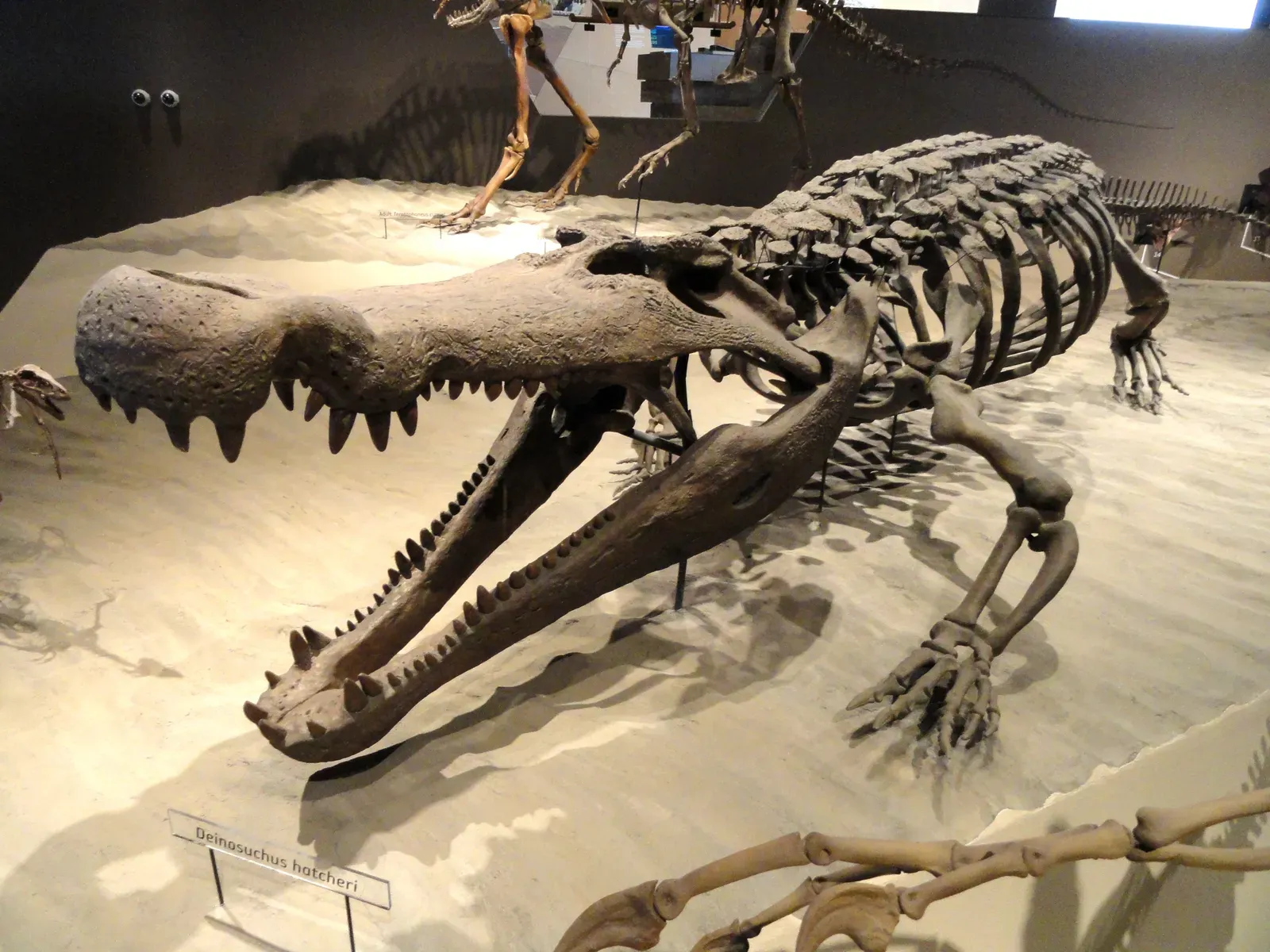
Research presents a fresh mathematical analysis of previous fossil data indicating that ancestors of modern-day crocodiles had as diverse body types as early dinosaurs, with whom they co-existed for some 30 million years. Although the data doesn’t directly contradict the idea of dinosaur superiority, the authors say it is likely that these crocodilians were even more successful than dinosaurs, the latter of which may have survived major extinctions due to sheer luck. This is the uncomfortable truth hiding inside the dinosaur dominance story. They may not have been objectively “better.”
The authors argue that because dinosaurs and crurotarsans were living parallel lives together for so long, it is unlikely the dinosaurs necessarily ruled. If you could travel back to the Triassic, you would have guessed that the crocodilians would have won out. Honestly, this revelation is one of the most mind-bending ideas in modern paleontology. The creatures we think of as the ultimate evolutionary winners may have simply been in the right place at the right time. Evolution, it turns out, doesn’t always crown the most qualified candidate.
Their Legacy Lives On – In Every Bird You’ve Ever Seen
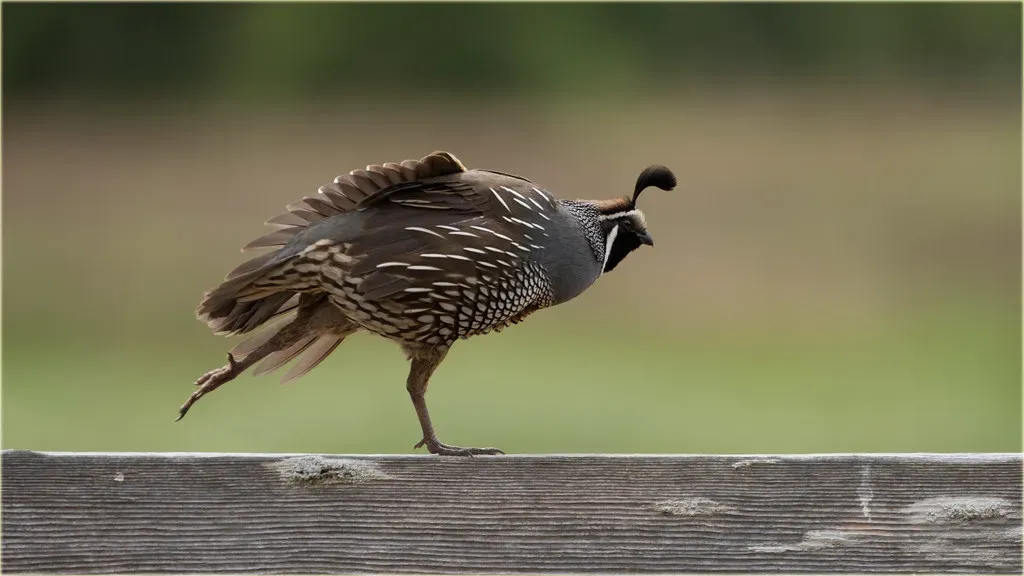
Dinosaurs first appeared in the Mid-Triassic, and became the dominant terrestrial vertebrates in the Late Triassic or Early Jurassic, occupying this position for about 150 or 135 million years until their demise at the end of the Cretaceous. Archaic birds appeared in the Jurassic, having evolved from a branch of theropod dinosaurs, then true toothless birds appeared in the Cretaceous. The story of dinosaurs didn’t end with an asteroid. It simply transformed – feathers and all.
Although the age of dinosaurs ended, their legacy lives on. Birds are direct descendants of small, feathered dinosaurs, so in a way, dinosaurs are still with us today. They remind us of a time when giant reptiles ruled the Earth and show us how life can adapt and survive through millions of years of change. Every pigeon you ignore on the sidewalk, every sparrow at your garden feeder – those are dinosaurs. Diminished in scale, perhaps, but carrying the same ancient lineage forward into the world you live in right now.
Conclusion
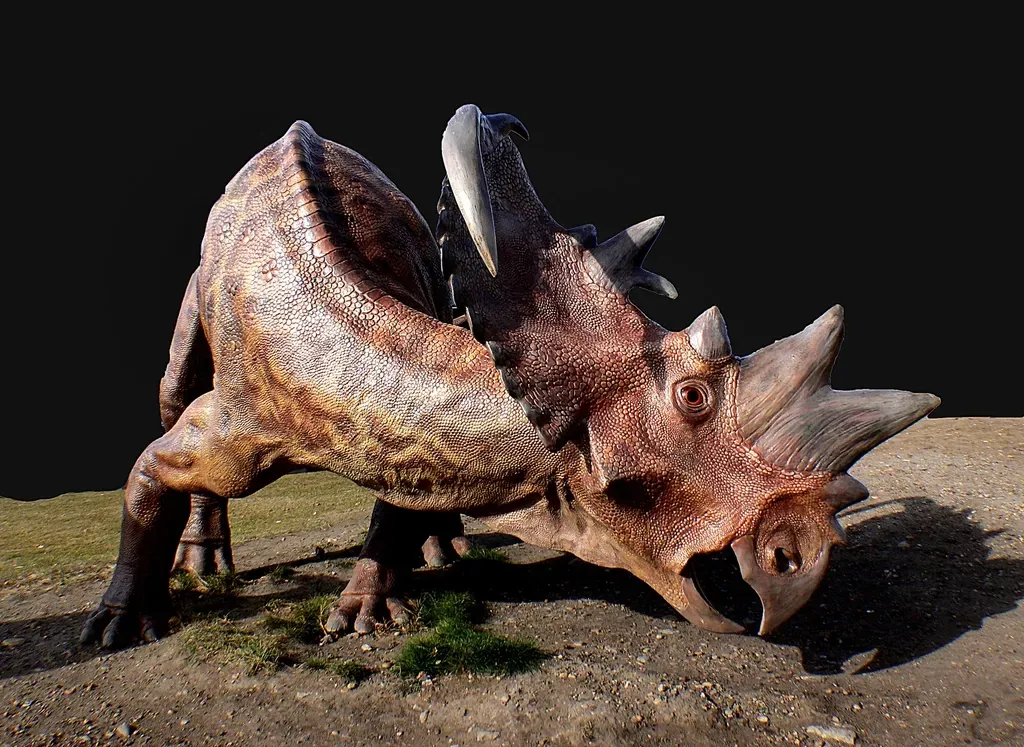
The dominance of dinosaurs wasn’t a simple story of the strongest animal winning. It was a tale of lucky catastrophes, biological innovations hidden inside their very bones, shifting continents, and the brutal erasure of rivals. They didn’t rise because they were invincible. They rose because they were adaptable, resilient, and – in no small part – fortunate.
What makes this story so endlessly captivating is what it reveals about survival itself. The mightiest don’t always inherit the Earth. Sometimes it’s the ones who breathe better, walk differently, and happen to survive the fire. The next time you look at a bird soaring overhead, remember: you’re watching the last chapter of the most astonishing success story in the history of life on this planet. So, what would you have guessed – skill, or sheer luck?