
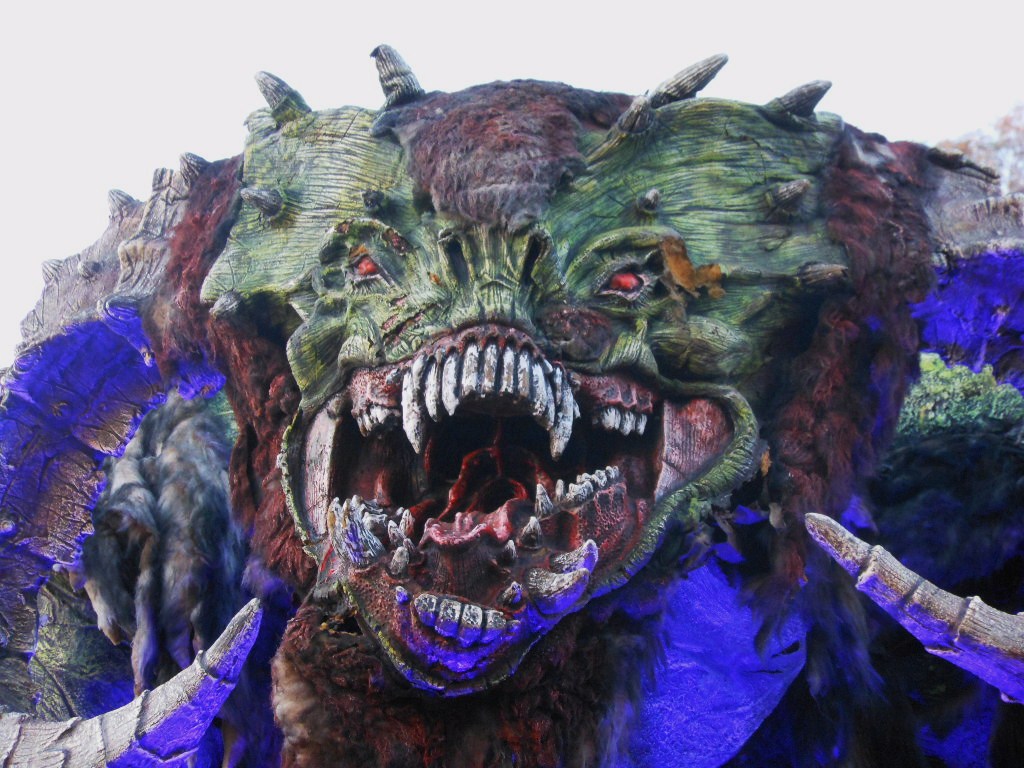
Long before anyone carved myths into stone or inked them onto parchment, people were whispering about things that lurked just beyond the firelight. Those stories did more than scare children into staying close to camp; they shaped how our ancestors saw danger, safety, and even the night sky. When you look closely, a lot of our oldest monster tales line up suspiciously well with the very real, very lethal predators that stalked prehistoric humans.
I still remember camping as a kid, convinced that every crackling twig was some shadowy creature creeping closer. Later I learned that for most of human history, being that jumpy could actually save your life. Our monsters might be exaggerated, stylized, and dressed up in modern special effects, but under the claws and fangs you can usually trace the outline of something that once hunted us for real. That’s the thread we’re going to follow: not just why we love monster stories, but how saber‑toothed cats, giant snakes, and other ancient killers may have drafted the very first scripts.
How fear shaped the human brain long before myths had names
Imagine living in a world where stepping away from the group at dusk could easily be the last mistake you ever made. For early humans and our close relatives, fear was not a quirk; it was a survival system tuned by millions of years of trial and fatal error. Brains that reacted fast to sudden movement, strange sounds, and looming shapes in the dark were more likely to survive long enough to have kids who inherited the same hair‑trigger alarm system.
Over time, that system did something clever: it started connecting raw fear to stories. A rustle in the grass became not just a rustle, but a reminder of the lion that took someone last season. An accidental fall near a cliff turned into a tale about a spirit that drags the careless down. Story gave fear a memory, a structure, and a way to be passed on without everyone needing to personally meet the predator. Before myths had official names, the emotional blueprint was already there: anticipate the worst, share the story, keep the group alive.
The evolutionary logic behind monsters: better safe than eaten
From an evolutionary point of view, monsters are an elegant hack. If you tell a child, “There might be a crocodile in that dark water,” they might listen; if you say, “There is something in there that drags you under and never lets you go,” they definitely listen. Monsters exaggerate the threat enough that the lesson sticks, even if the listener has never seen the real animal that inspired it. That exaggeration tilts the odds toward caution, and in a dangerous world, caution pays off.
Psychologists sometimes call this a bias toward false alarms: it is usually safer to jump at shadows than to ignore a real predator once. Monster stories exploit that bias and encode it socially. A formless fear becomes a named creature with rules attached: do not go out alone, avoid deep water, respect the forest at night. The monster might not technically exist, but the behavior it enforces absolutely improves survival. It is as if culture itself evolved a warning label system, and it painted those warnings using fangs and claws.
Saber‑toothed shadows: big cats behind fanged nightmares
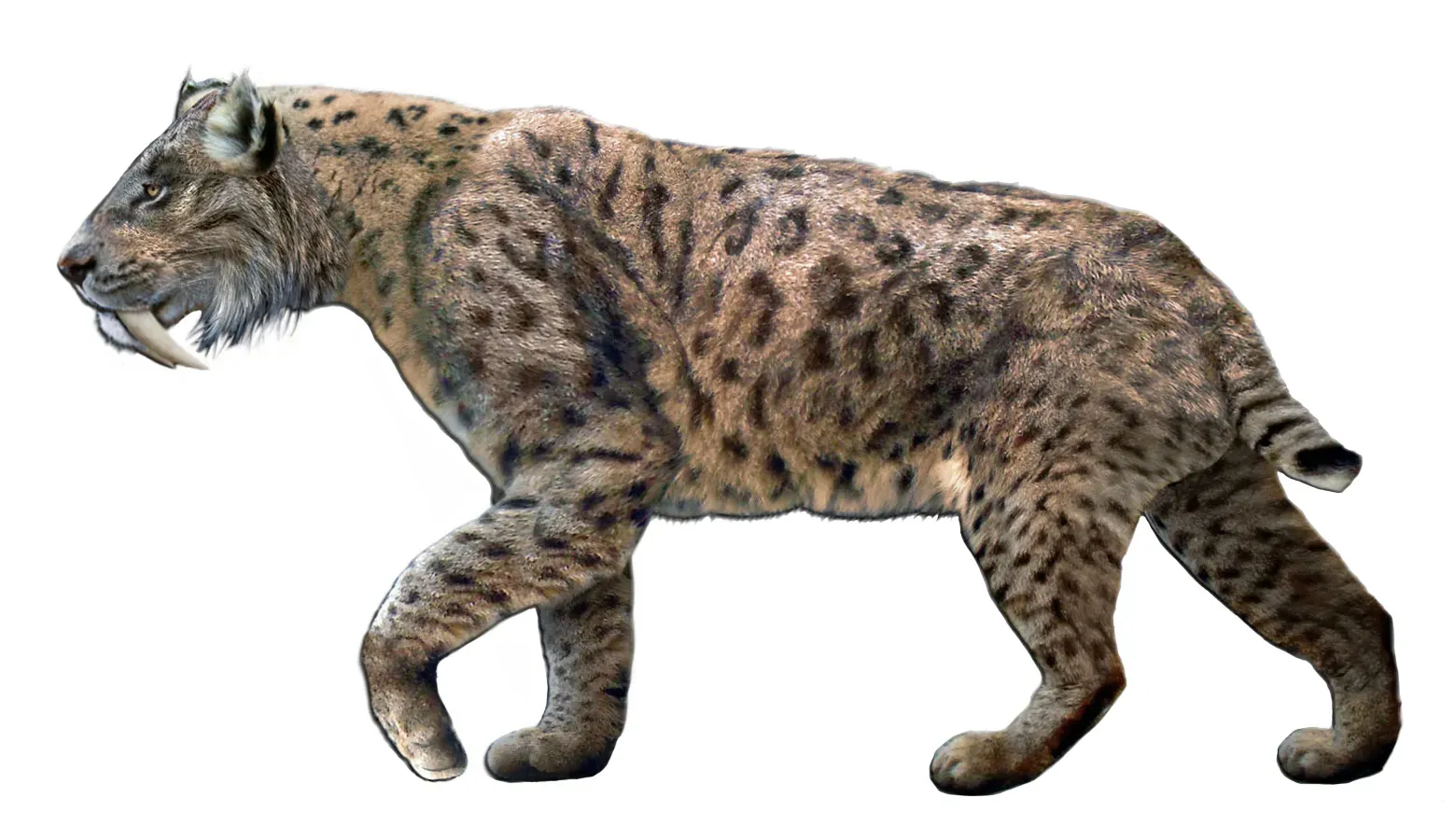
When you picture a classic monster, how often are outsized teeth involved? Giant fangs, slavering jaws, something that can tear you apart in one bite. That image is not random. For a long stretch of our evolutionary history, humans and our relatives shared the landscape with big cats sporting truly terrifying teeth, including saber‑toothed predators that could weigh as much as a grown adult and were specialized for taking down large prey. You did not need much imagination to see them as living nightmares.
Even after those specific species disappeared, large felines remained one of our most consistent threats. Lions, leopards, jaguars, and tigers were real, familiar killers across Africa, Asia, and the Americas. Is it really a coincidence that so many mythical beasts, from dragon‑like creatures to night demons, are described as cat‑like or lion‑jawed? It is not hard to picture early storytellers inflating the power and size of the deadliest animal they knew, pushing it just a little past reality until you end up with a supernatural predator that still feels disturbingly plausible.
Giant snakes, dragons, and our ancient terror of being constricted or swallowed
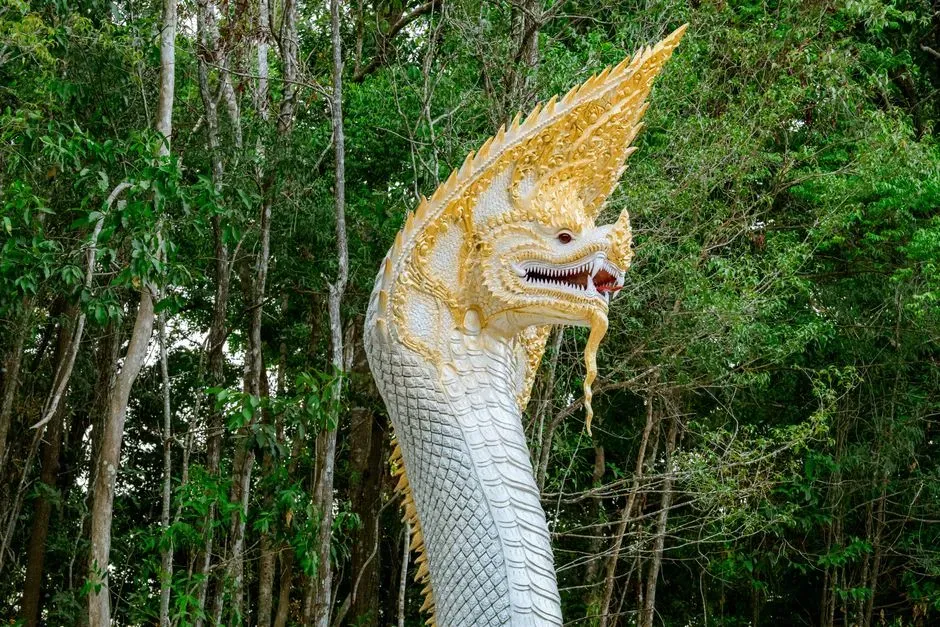
Humans have an unusually strong, almost reflexive response to snake shapes, especially sudden, coiled forms. That makes sense when you consider that venomous snakes and large constrictors were a serious danger in many early human habitats. Some neuroscientists argue that our brains are hard‑wired to notice snake‑like patterns faster than almost anything else in the environment. If that is true, then the leap from real python or cobra to mythic serpent monster is more of a small step than a huge creative jump.
Look at how many cultures describe dragons as serpentine, scaled, or snake‑bodied, often living in caves, rivers, or forests where real snakes actually dwell. Add in the primal fear of being crushed, strangled, or swallowed whole, and you have the perfect recipe for a story icon that never dies. Even today, movies about massive serpents or dragon‑like creatures tap into that same unease: something that can wrap around you, cut off your breath, and erase you from the world in a disturbingly intimate way.
Crocodiles, deep water, and monsters that live where you cannot see
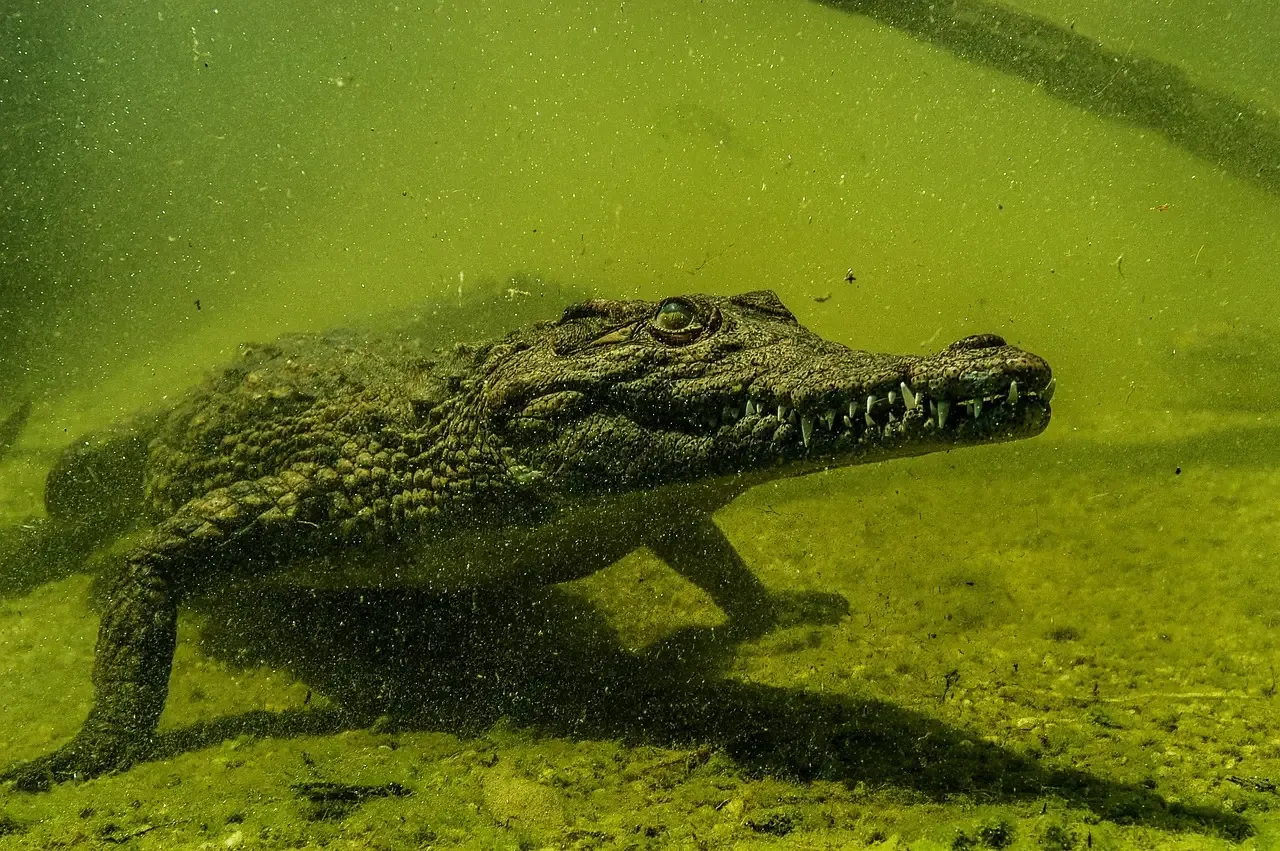
Rivers and lakes were lifelines for early humans, but they were also ambush zones. In many regions, crocodiles and their relatives were the silent landmines of the water’s edge, waiting just beneath the surface. You bend down for a drink or to wash food, and in a burst of motion you are gone. That combination of necessity and danger is the perfect breeding ground for stories about water spirits, river demons, and unseen creatures that live just below where the light fades.
People quickly learned that water itself needed rules. Do not go in alone, avoid certain stretches at certain times, listen to elders when they say a place is dangerous. But those rules sink in deeper when they are attached to a creature with a personality, motives, and habits. The idea of a monster that inhabits dark pools or drags people under gives shape to a real pattern of sudden, horrifying attacks. Over time, the crocodile’s stealth and power morph into supernatural attributes, and the line between animal and myth dissolves completely in the murky shallows.
Bears, hyenas, and the scavenger‑monsters at the edge of camp
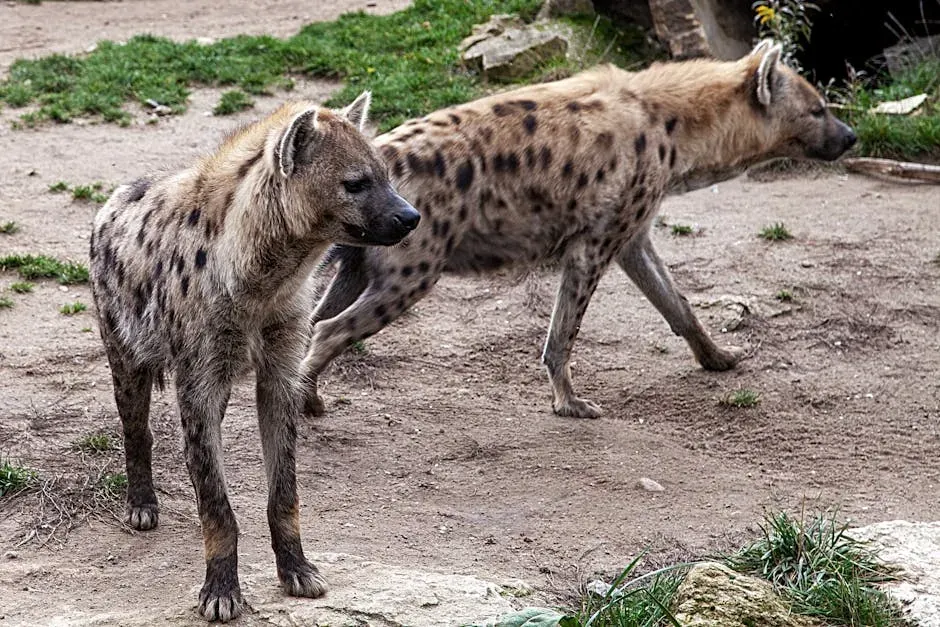
Not all monsters strike from ambush; some lurk at the edges, waiting for weakness. Bears, hyenas, and other large scavengers have long histories of trailing human groups, drawn by food scraps, corpses, and the occasional chance to snatch a vulnerable member. They are the creatures that appear in the half‑dark at the border of the firelight, snarling over leftovers or testing how close they can come. That behavior is just begging to be translated into stories about things that stalk the camp and punish carelessness.
You can feel their echoes in myths about graveyard haunters, corpse‑eaters, and night‑roaming beasts that dig up the dead or snatch children from sleeping places. Hyenas especially, with their eerie calls and tendency to target isolated individuals, sit right on the boundary between scavenger and monster in many traditional tales. Bears, powerful enough to maul an adult but also weirdly human‑like when they stand upright, invite stories that blur the line between animal and person. Out of that messy overlap, you get creatures that are not just physical threats, but moral warnings about leaving the safety of the group.
Caves and rock shelters were natural refuges for early humans, but we were not the only species that liked them. Big cats, bears, and other large predators also used caves as dens, and the bones we find today suggest that sometimes humans were prey, not just visitors. It is one thing to face a predator on the open plain; it is another to crawl into a dark, echoing tunnel and find glowing eyes looking back at you. That scenario practically writes its own horror script.
It is no surprise that so many ancient and traditional stories place monsters in caves, holes, tombs, and underground lairs. Those are the places where you cannot see what is coming, where sound tricks you, and where a single wrong move can trap you. Even after actual cave‑dwelling predators faded from everyday life, the archetype of the underground monster stayed. We still put our deepest fears in basements, sewers, mines, and deep space corridors: any confined, unfamiliar dark that feels like an echo of those first risky shelters.
Thunder, darkness, and why we turned natural forces into hunting beasts
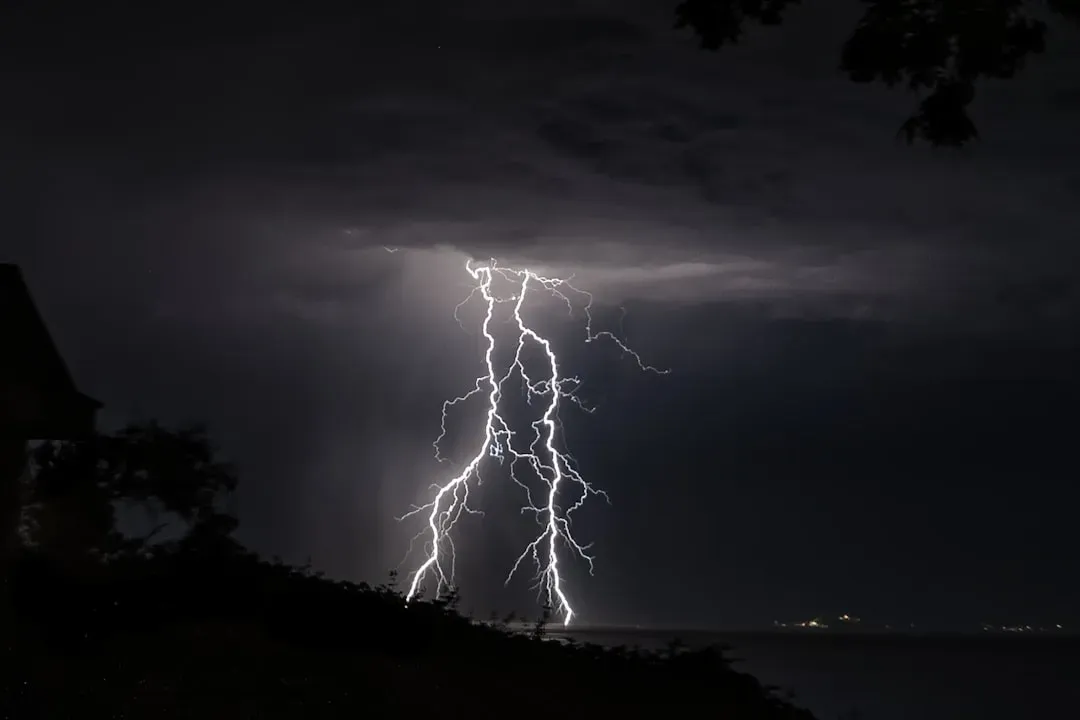
Not every monster has obvious teeth. Some of the earliest terrifying experiences probably came from the sky and the landscape itself: violent storms, lightning strikes that set trees on fire, sudden floods, earthquakes that made the ground feel unreliable. When you do not have modern science, it is natural to treat these forces as creatures with intent, or at least as beings that can attack. A thunderstorm feels less random if you imagine it as a raging beast or angry sky predator.
Darkness works the same way. Night blinds us, mutes colors, and amplifies sounds, turning ordinary rustles into suspicious threats. Many cultures framed night itself as a hunting creature, populated by spirits or beings that feed on the unwary. This is where monsters start to blend with gods and spirits, becoming agents of weather, disease, or bad luck. The pattern is familiar: take something dangerous, mysterious, and uncontrollable, then personify it as a hunter. Once you do that, you can bargain with it, tell stories about it, and teach your children how to behave around it – even if what you are really teaching them is how to survive storms, darkness, and unpredictable landscapes.
Why monster stories still grip us in a world of science and streetlights
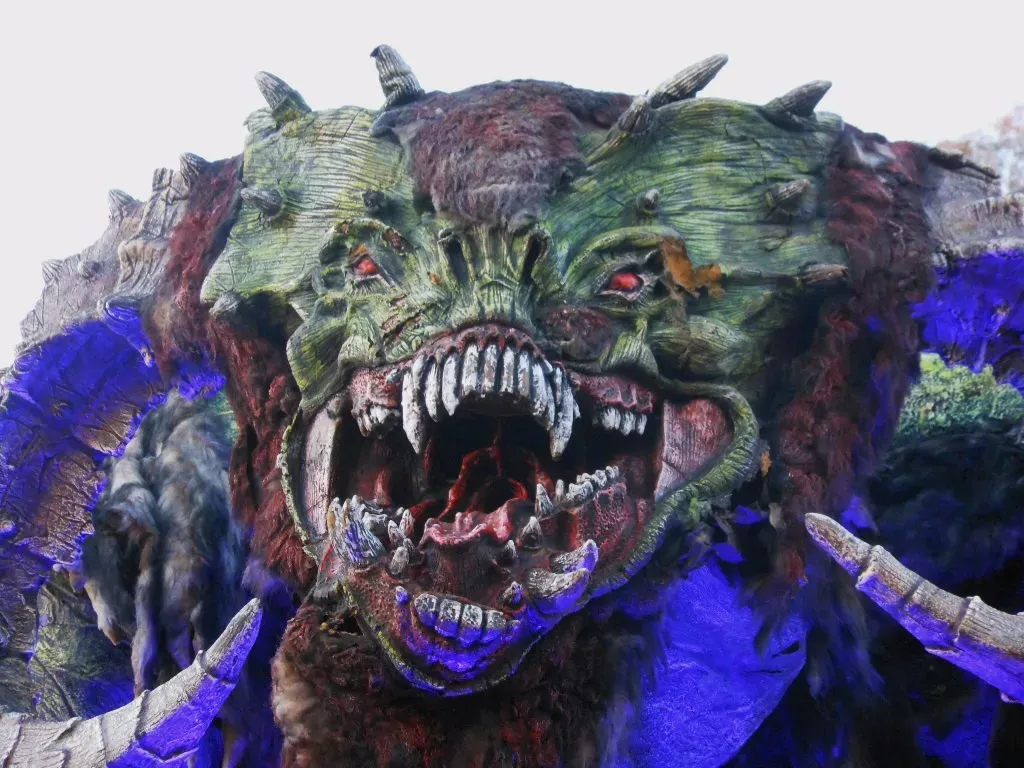
On paper, we have outgrown most of the predators that haunted our ancestors. In cities, you are more likely to be hurt by a car than a big cat, and most of us will never see a crocodile outside of a zoo. Yet we keep watching horror movies, streaming creature features, and swapping urban legends as if the forest were still right outside the door. That persistence tells you something important: monster stories are not just about external threats; they are about rehearsing fear itself.
When you sit through a scary movie or read a chilling story, your body runs a simulation. Your heart rate rises, your muscles tense, your brain predicts danger and relief without any actual risk. It is a safe training ground for handling anxiety, adrenaline, and uncertainty. Even when the monster is made of pixels or ink, the old circuitry lights up: watch for eyes in the dark, respond fast to sudden sounds, pay attention to the group’s safety. In a weird way, modern horror is like a fitness routine for an ancient nervous system that never fully updated to the suburbs.
Conclusion: monsters as our oldest survival manual – and our mirror
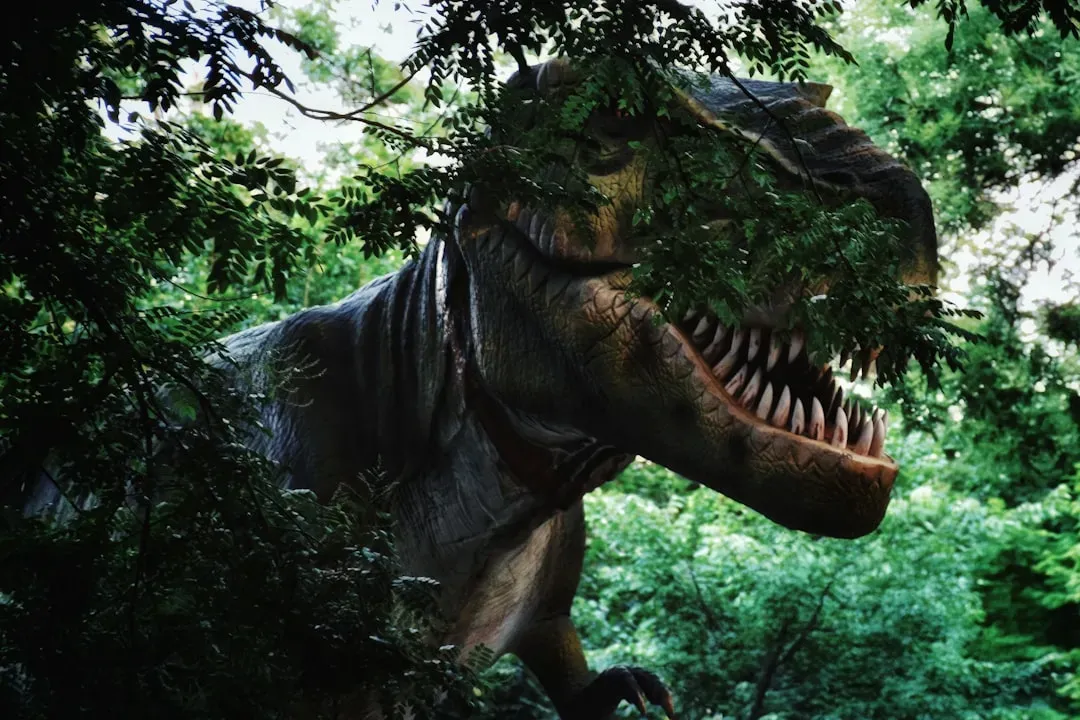
If you strip away the costumes and special effects, many of our most enduring monsters look suspiciously like a remix of prehistoric predators and natural threats. Saber‑toothed cats, constricting snakes, lurking crocodiles, scavenging hyenas, cave‑dwelling bears, violent storms, and crushing darkness all left their fingerprints on the creatures that prowl through our myths. In my view, that is the real reason monster stories have lasted from campfire whispers to streaming platforms: they carry forward an instruction manual for staying alive, written in the only language that truly sticks – emotion, awe, and fear.
But there is another twist I cannot shake: our monsters have started to look more like us. As the immediate threat from wild predators faded, we began telling stories about human monsters, plagues, machines, and abstract horrors like isolation or madness. That shift feels like a confession that the scariest thing in our world might no longer be claws in the dark, but what we do with our own power. Maybe prehistoric predators wrote the first drafts, but we have been revising the script ever since. When you think about the monsters that haunt you most today, are you really afraid of teeth – or are you afraid of what humans, including you and me, are capable of becoming?