Picture an animal so large that its footprints alone could swallow a small car. Now imagine that creature wasn’t just a freak of nature, but the product of millions of years of incredibly fine-tuned biological machinery. That’s the world of dinosaur gigantism, and the truth behind it is far stranger and more fascinating than most people expect.
Most of us grew up believing dinosaurs were simply big because, well, they lived in a different time when everything was giant. Turns out, that’s only a sliver of the story. The real reasons involve hollow bones, bizarre reproductive strategies, atmospheric chemistry, an evolutionary arms race, and a whole lot of swallowed food. So buckle up, because you’re about to see these ancient giants in a completely new light.
Just How Big Were We Talking?
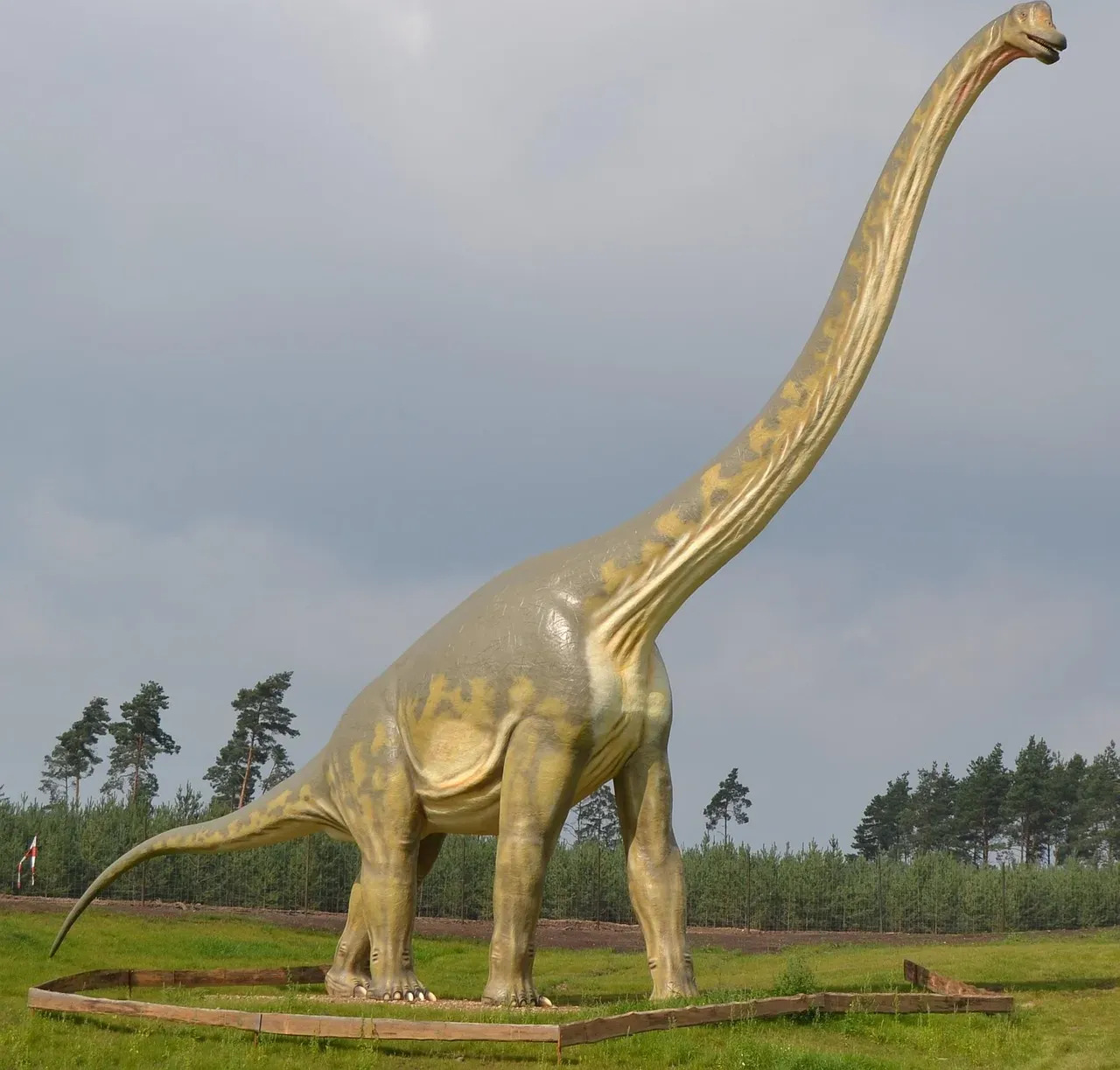
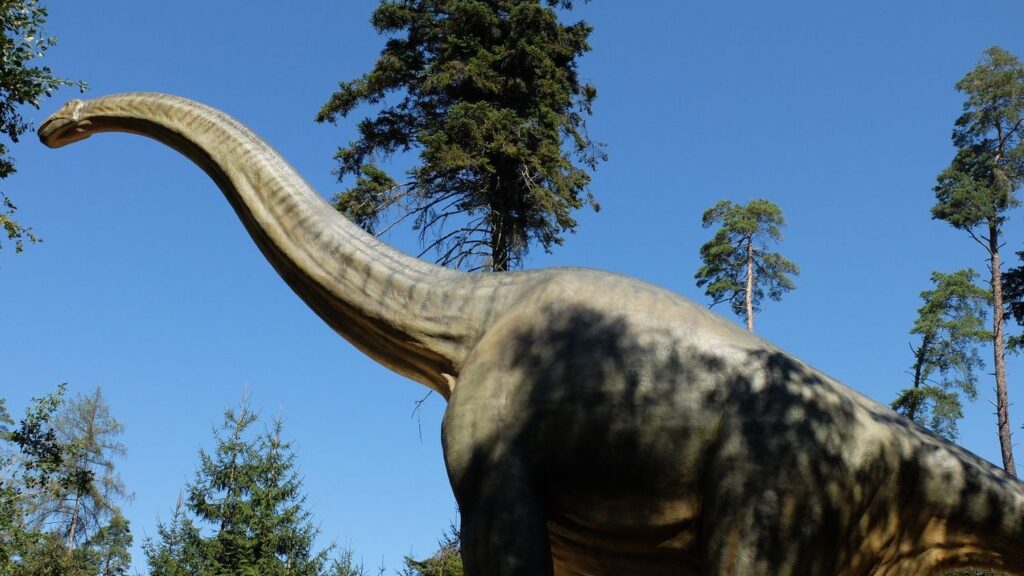
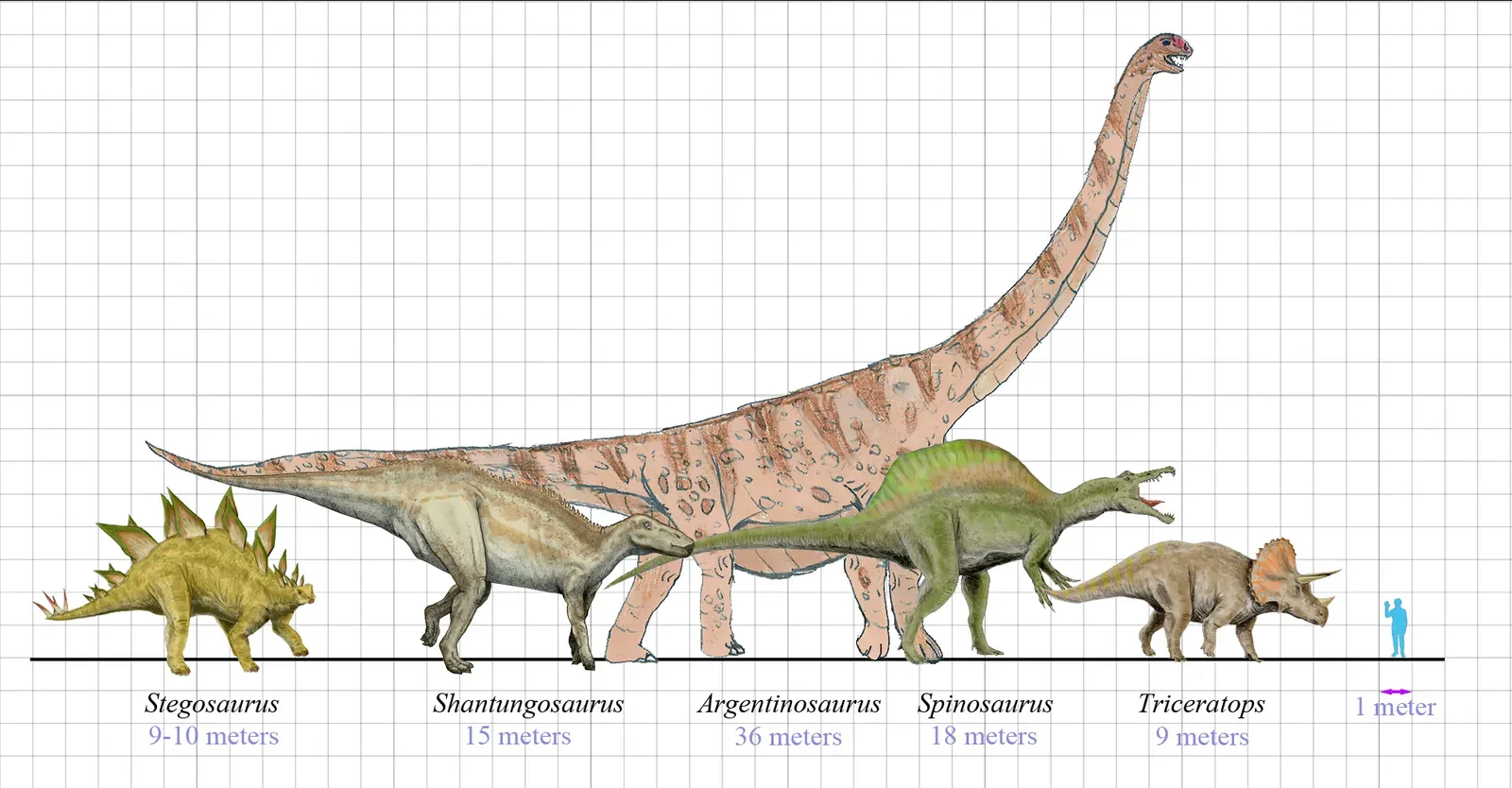
Let’s be real about this from the start: the scale of dinosaur gigantism is almost impossible to truly wrap your head around. Sauropod dinosaurs were the largest animals ever to inhabit the land, and at estimated maximum body masses of 50 to 80 metric tons, they surpassed the largest terrestrial mammals and non-sauropod dinosaurs by an entire order of magnitude. That’s not a small gap. That’s the difference between a house cat and a grizzly bear, scaled up to prehistoric proportions.
With body lengths of more than 40 meters and heights of more than 17 meters, their linear dimensions remain unique in the animal kingdom. From their beginnings in the Late Triassic around 210 million years ago, sauropods diversified into about 120 known genera, dominating ecosystems for more than 100 million years. For context, humans have only been around for roughly 300,000 years. These creatures were an almost incomprehensibly successful experiment in being enormous.
The World They Lived In Was Wildly Different
No modern animals except whales are even close in size to the largest dinosaurs, which is why paleontologists think that the dinosaurs’ world was much different from the world today, and that climate and food supplies must have been favorable for reaching great size. Think about that for a moment. The world these creatures inhabited was essentially a different planet, running different biological rules.
The climate of the Mesozoic was varied, alternating between warming and cooling periods, but overall, the Earth was hotter than it is today. Importantly, a study found that the total photosynthesis carried out by plants globally during the Mesozoic Era was twice as high as it is today, likely related to elevated atmospheric carbon dioxide and higher average annual temperatures. More photosynthesis means more plant growth. More plant growth means an almost staggering amount of food on the table for herbivores.
The Food Supply Was Extraordinary
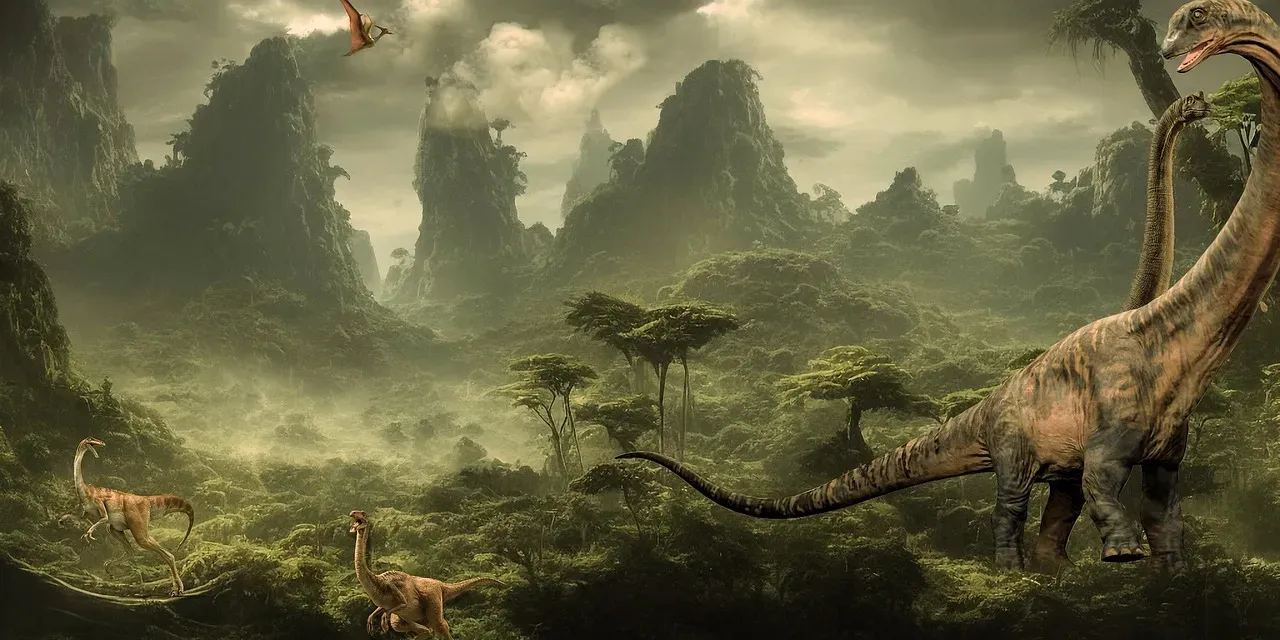
A primary driver of dinosaur gigantism was the availability of abundant food resources. During the Mesozoic Era, plant life flourished, providing ample sustenance for herbivorous dinosaurs, which in turn supported large predatory dinosaurs. It’s a bit like how a rich ecosystem always produces bigger animals at the top. You can’t build a massive predator without a massive food chain beneath it.
Elevated carbon dioxide levels throughout much of the Mesozoic Era dramatically shaped plant communities. Higher CO₂ concentrations acted like fertilizer for ancient plants, promoting faster growth rates and greater biomass production, particularly benefiting gymnosperms like conifers, cycads, and ginkgoes that dominated Mesozoic landscapes. Honestly, you can think of it like the world’s greatest vegetable garden, permanently switched into overdrive. For a hungry herbivore weighing 50 tons, that matters enormously.
Hollow Bones Were a Game-Changer
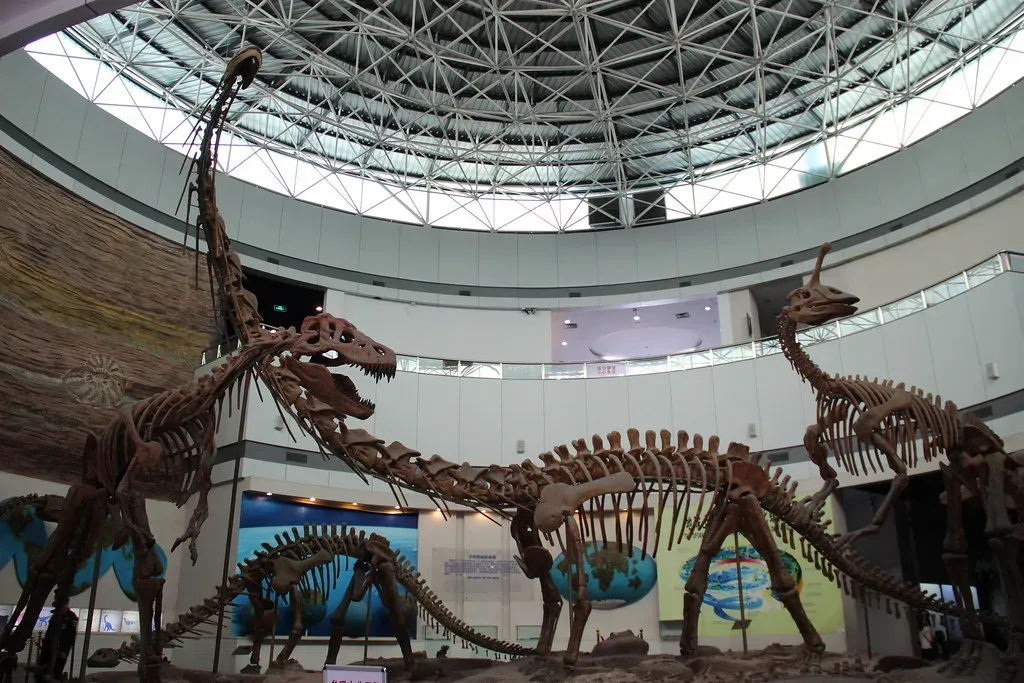
Here’s something that surprises most people: the largest dinosaurs were not solid, dense creatures. Along with other saurischian dinosaurs such as theropods, sauropods had a system of air sacs, evidenced by indentations and hollow cavities in most of their vertebrae. Pneumatic, hollow bones are a characteristic feature of all sauropods, and these air spaces reduced the overall weight of the massive structures. Think of it like building a skyscraper with a steel skeleton instead of solid stone walls. You get the structure without the crushing weight.
Some sauropod bones were also filled with air sacs, which could make even larger body sizes mechanically feasible. This adaptive anatomical feature is found in many birds, dinosaurs’ closest living relatives, and it helps reduce their body weight and promote flight. It’s a strikingly elegant solution. The same engineering principle that lets a modern eagle soar allowed ancient giants to carry their weight across the land. Evolution, honestly, is remarkable.
Their Lungs Worked Like Living Turbines
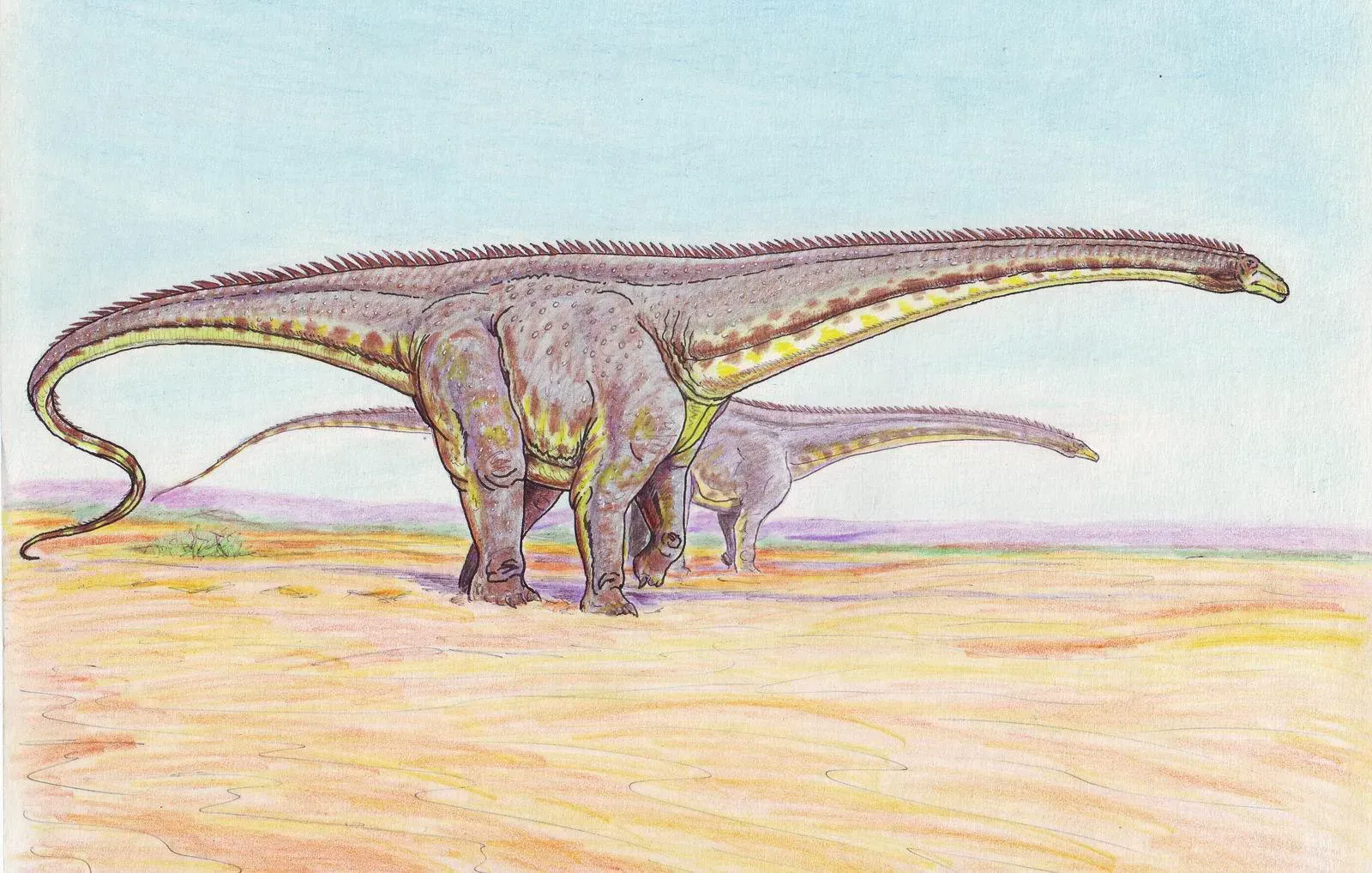
Sauropods may have had a super-efficient breathing system, like that of modern birds, which would have evolved at the base of the lizard-hipped dinosaurs’ family tree. This respiratory system is thought to be more efficient at dispersing excess heat, which could have helped the sauropods grow to greater sizes. It’s a fascinating biological trick. Most animals, including us, breathe in and out in a relatively wasteful back-and-forth manner. Birds, and apparently many dinosaurs, used a flow-through system where fresh air moves in one direction continuously.
Their highly efficient respiratory system, featuring air sacs similar to modern birds, likely evolved to take maximum advantage of oxygen-rich air, allowing them to fuel their massive bodies despite their relatively small heads and limited food intake capacity. Consider this: a Brachiosaurus had a head roughly the size of a horse’s, sitting atop a neck stretching many meters. How it managed to fuel a body weighing dozens of tons through that tiny intake is one of nature’s more mind-bending engineering feats.
They Had a Surprisingly Smart Way of Eating
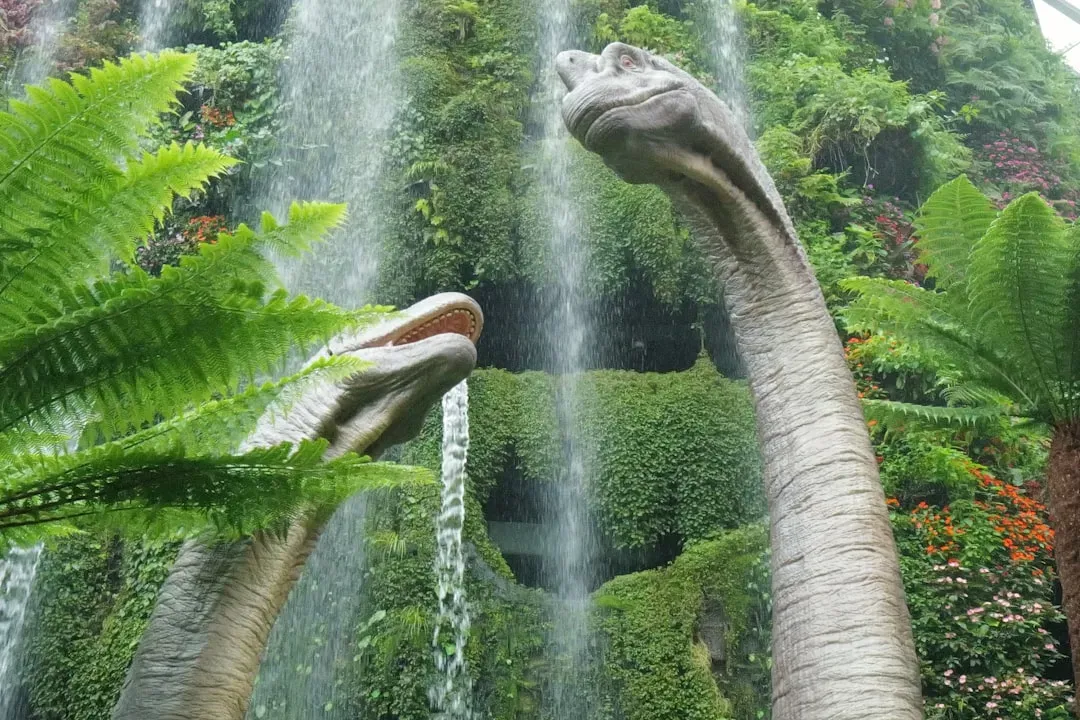
Scientists have found evidence that the long-necked and long-tailed sauropods had a comparatively slower metabolism relative to today’s large mammals, indicating they likely didn’t have to eat as much. When sauropods did eat, they likely swallowed most of their food whole, as sauropods’ teeth had very little wear. No chewing. None. These creatures essentially vacuumed up enormous quantities of vegetation without stopping to process it, like a living harvesting machine on four legs.
As sauropods’ stomachs grew in size, researchers think they evolved the ability to store food for a long period of time. They could consume a huge amount of food very fast by swallowing it whole, and then their stomachs would do the slow work of grinding it down over the course of weeks, slowly releasing nutrients to fuel the massive bodies. It’s a bit like a slow cooker versus a microwave. Not fast, but spectacularly efficient over time.
Their Reproduction Strategy Was Brilliantly Unusual
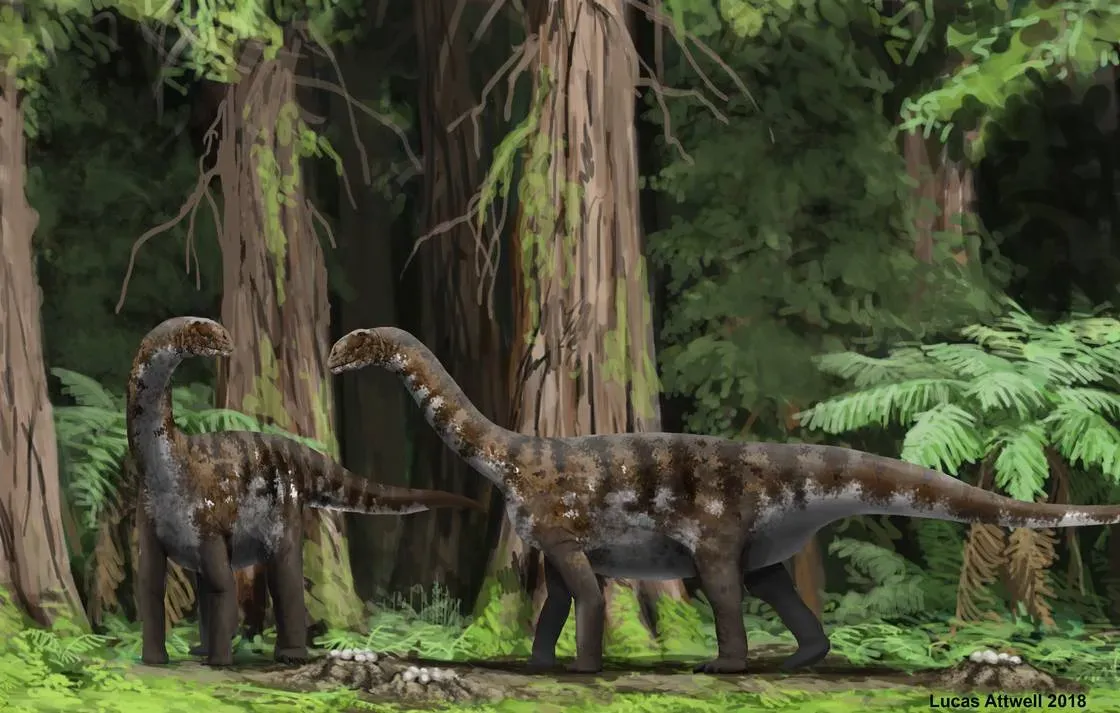
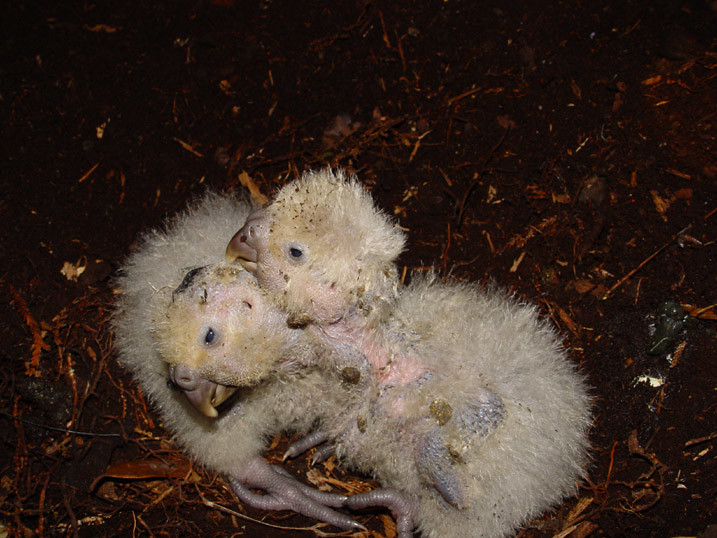
This is perhaps the most underappreciated piece of the puzzle, and I think it’s genuinely shocking. The reason sauropods could attain such large sizes has just as much to do with reproduction as skeletal architecture and specialized soft tissues. The biggest dinosaurs started off very, very small. Sauropod mothers laid clutches of about 10 eggs at a time in small nests, and the embryonic dinosaurs developed in eggs about the size of a large grapefruit. Grapefruit-sized eggs producing 50-ton animals. Let that sink in.
Sauropods laid dozens of eggs each year, and the juveniles could survive on their own. A small population of adults could produce enough eggs to sustain a large population, meaning adult sauropods could therefore be much larger than slow-breeding mammals. Mammals, in comparison, are locked into carrying large young that require enormous maternal investment. Sauropods sidestepped that restriction entirely, producing small offspring in high quantities and growing them rapidly.
Metabolism, Growth Rings, and the Speed of Becoming Giant
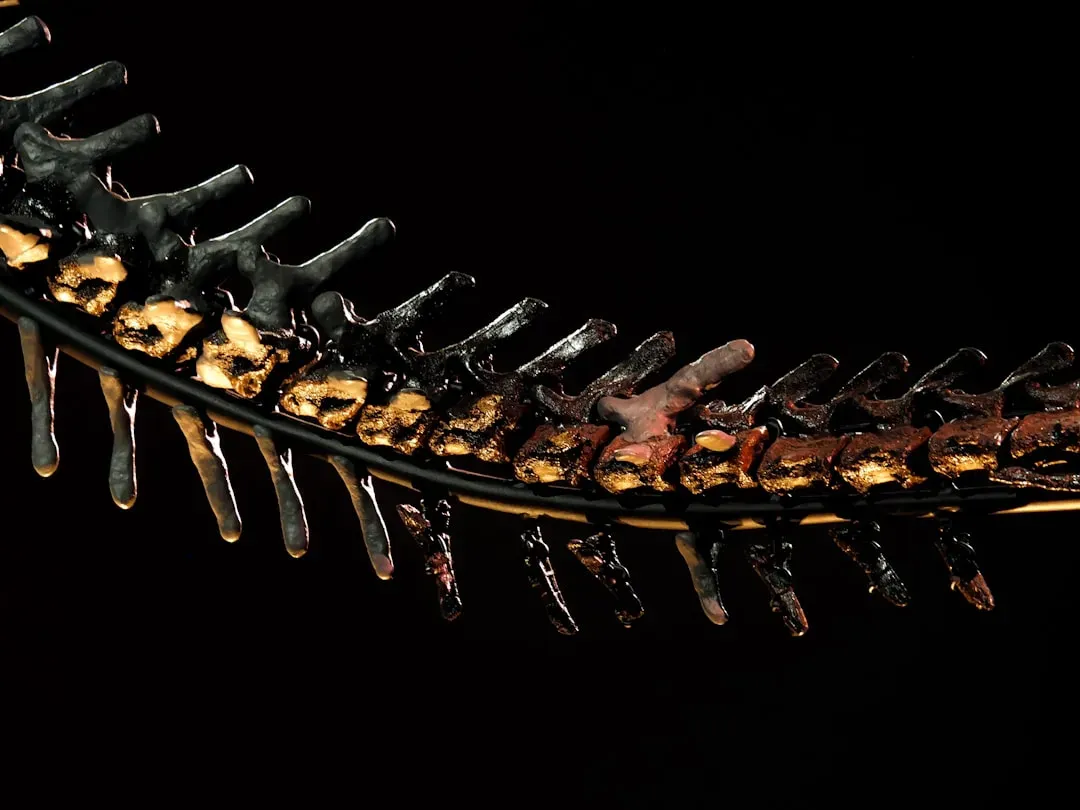
Scientists have developed a surprisingly clever way of reading a dinosaur’s growth story. If you look at a cross section of dinosaur bone tissue, you can see a series of lines, like tree rings, that correspond to years of growth. You can count the lines of growth and the space between them to see how fast the dinosaur grew. It’s like reading a diary written in calcium, and what those bones reveal is extraordinary.
Research found that there is no one way to grow a dinosaur. The largest dinosaurs sometimes took as little as 10 years or so to get to their truly immense sizes, while some others would have taken decades, revealing vastly different growth rates and durations in the largest dinosaurs. Dinosaur bones show evidence that they formed rapidly, like those of birds and mammals, rather than slowly as in reptiles, making it probable that dinosaurs became gigantic because they could grow fast enough to do so. Speed of growth, it turns out, was one of the master keys to achieving giant size.
The Predator Arms Race Pushed Size Even Further
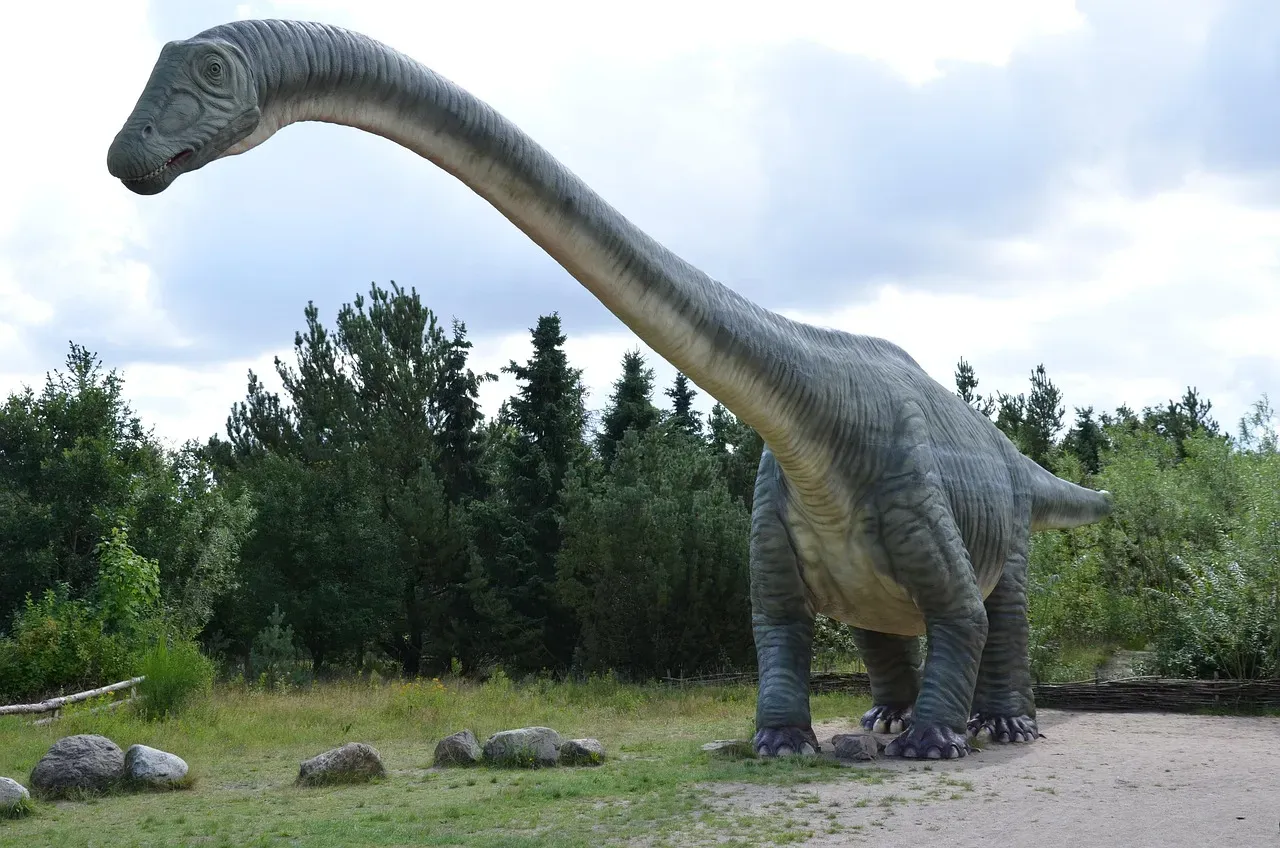
It’s hard to say for sure which came first, the giant herbivore or the giant predator, but research suggests the two were locked in a feedback loop that kept pushing both larger. Herbivores gained mass to avoid being preyed upon, and carnivores gained mass to make it easier to prey on the large herbivores. Think of it as a prehistoric cold war, where the stakes were measured in tons of muscle and bone rather than nuclear warheads.
Based on modeling analysis, researchers predicted that large carnivorous theropods could have been capable of eating a sauropod, and this predation pressure could then prompt sauropods to grow even larger. As one researcher noted, “There’s almost like an arms race going on,” suggesting that evolutionary pressure may have significantly contributed to sauropods’ gigantism. The evolution of gigantism in dinosaurs was not a singular event but a gradual process that unfolded over millions of years. The first dinosaurs were relatively small, but as they diversified and occupied different ecological niches, some lineages began to experiment with larger body sizes, driven by natural selection favoring individuals that could exploit resources more efficiently and defend themselves against predators.
There Was a Physical Ceiling, and They Eventually Hit It
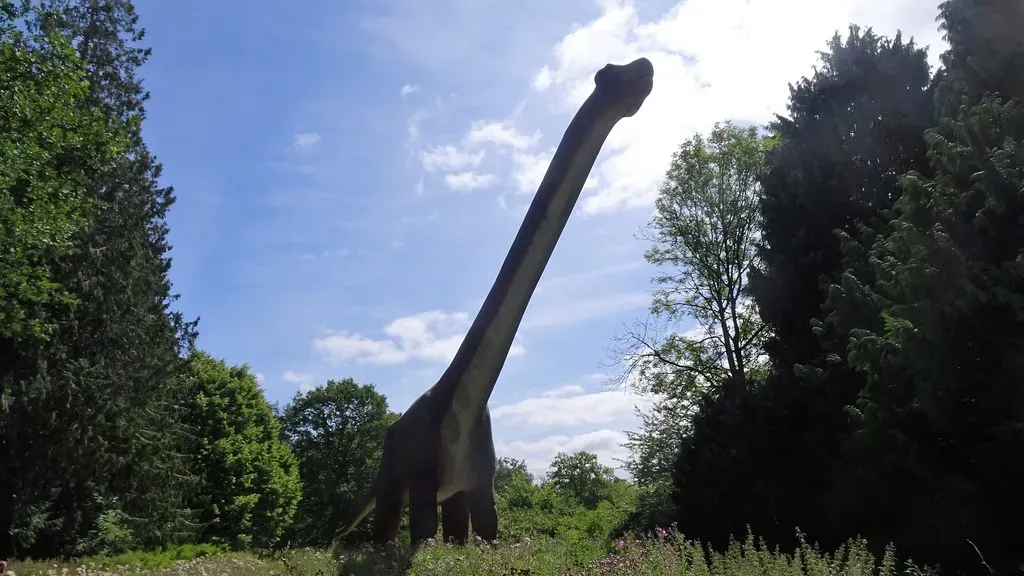
As extraordinary as their growth was, even dinosaurs hit biological limits. After the Late Jurassic period, around 161 million years ago, sauropods arrived at a relatively constant state of gigantism, reaching a certain level where they couldn’t get to bigger sizes, likely because their bodies were already supporting the extremes they had achieved. It’s rather like how you can only make a skyscraper so tall before the foundation starts to become the limiting problem.
Research suggests that a soft tissue pad in sauropods would have reduced bone stresses, and the acquisition of a developed soft tissue pad by the Late Triassic and Early Jurassic may represent one of the key adaptations for the evolution of gigantism that has become emblematic of these dinosaurs. Even the engineering of their feet, essentially cushioned heel pads absorbing the force of dozens of tons with every step, was a carefully evolved solution to the problem of being impossibly large. With body mass increase driven by the selective advantages of large body size, animal lineages will increase in body size until they reach the limit determined by the interplay of body plan, biology, and resource availability. They pushed right up to that limit, and stayed there for tens of millions of years.
Conclusion
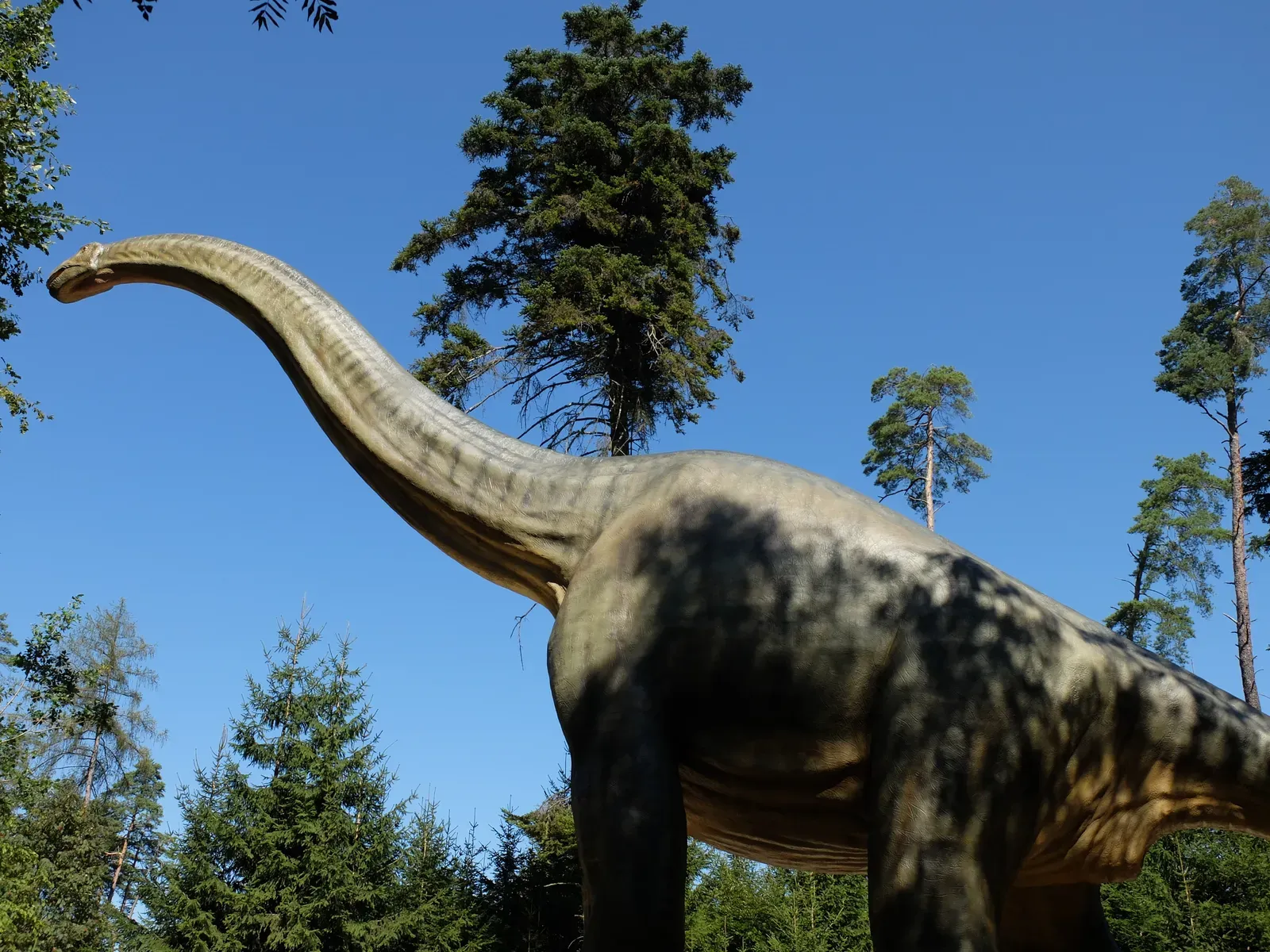
The story of dinosaur gigantism is, at its core, a story of stacked advantages. Hollow bones. Efficient lungs. Extraordinary food abundance. A reproductive strategy that freed adults from the constraints that limit mammals. A metabolic system that could fuel rapid growth. All of these factors combined, layer upon layer, across millions of years of evolutionary pressure. No single factor made them giants. It was the perfect convergence of all of them at once.
What makes this genuinely humbling is how much we still don’t fully know. Paleontologists continue to revise their understanding with every new fossil, every new technique, every new bone cross-section sliced thin as a human hair. The giants of the Mesozoic aren’t just interesting for what they were. They’re interesting for what they tell us about the outer limits of what life on Earth can become. So here’s a thought worth carrying with you: if conditions aligned just right again, could something that enormous walk the Earth once more? What do you think?