Think of a dinosaur. You’re probably picturing something massive with teeth like steak knives or perhaps a gentle giant with a neck stretching toward the treetops. You might even imagine one sporting a ridiculous crown of horns or a back lined with dinner plate sized bony structures. Here’s the thing, though: these weren’t just cool accessories evolution threw together for fun.
For over a hundred million years, dinosaurs dominated our planet, evolving into an astonishing variety of shapes and sizes that would make modern animals look positively boring by comparison. Some developed claws longer than swords, others grew sails taller than a person, and a few even sprouted what can only be described as nature’s most outlandish headgear. Scientists have spent decades scratching their heads over these peculiar features, debating whether they were weapons, temperature regulators, or something else entirely. Let’s dive in.
The Battle for Mates Shaped Stranger Features Than You’d Think
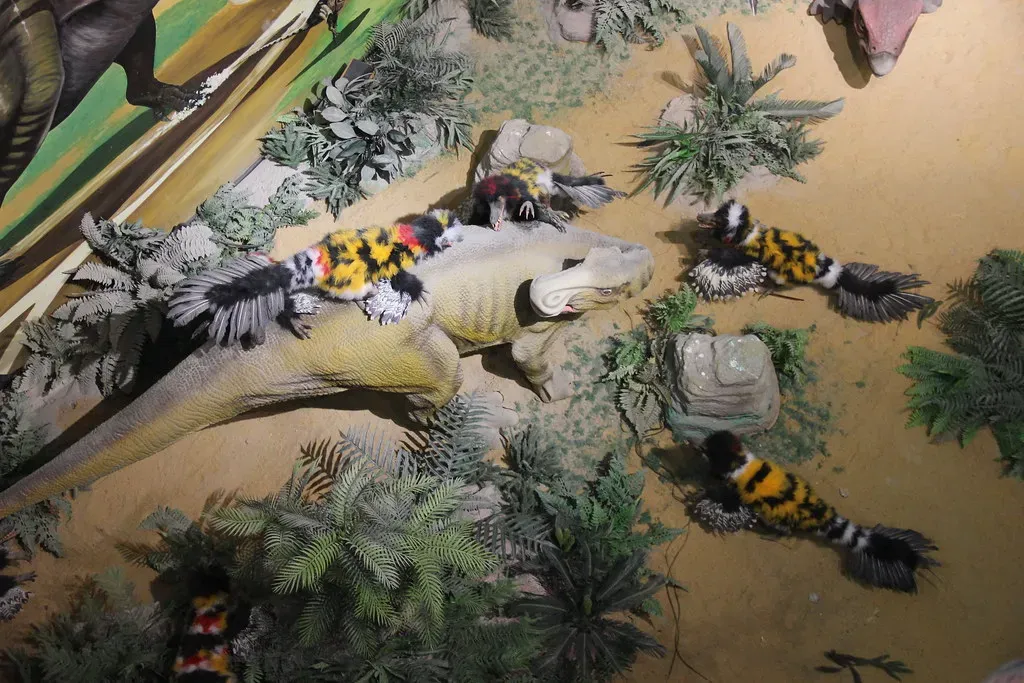
Large ornamental structures in dinosaurs, such as horns and head crests are likely to have been used in sexual displays and to assert social dominance. Think about peacocks strutting around with those impossibly elaborate tail feathers. Dinosaurs were doing something similar millions of years before birds figured it out.
Sexual selection accounts for most of the stranger, prettier and more impressive features we see in the animal kingdom, and it also seems to play a part in determining how new species arise. When choosing a mate, dinosaurs likely paid close attention to flashy features. The bigger, brighter, or more elaborate the display structure, the better the chances of attracting a partner. This pressure to stand out in the mating game drove evolution in some truly wild directions.
Recent fossil evidence has given us glimpses into this prehistoric beauty contest. An avian dinosaur that lived about 125 million years ago, Confuciusornis sanctus, has been found with long, trailing feathers coming off the tail in some specimens but not others, and a specimen lacking the long tail feathers had medullary bone, likely indicating it was female. Those ridiculous tail ribbons on males were likely all about attracting mates, much like modern pheasants and birds of paradise still do today.
Species Recognition Demanded Distinctive Looks
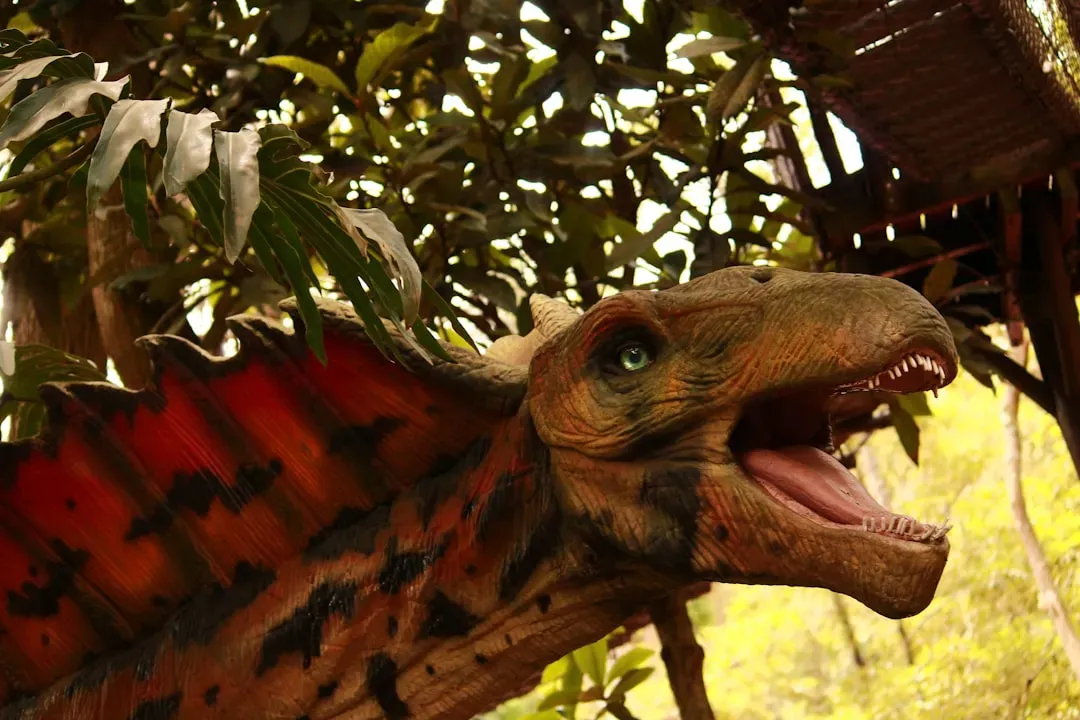
Imagine you’re a dinosaur trying to find others of your kind in a landscape teeming with hundreds of different species. You’d need a quick way to tell who’s who, right? Species recognition allows individuals of a single species to recognize each other and distinguish conspecifics from members of other species, with advantages including banding together for protection from predators, parental care and the possible location of mates.
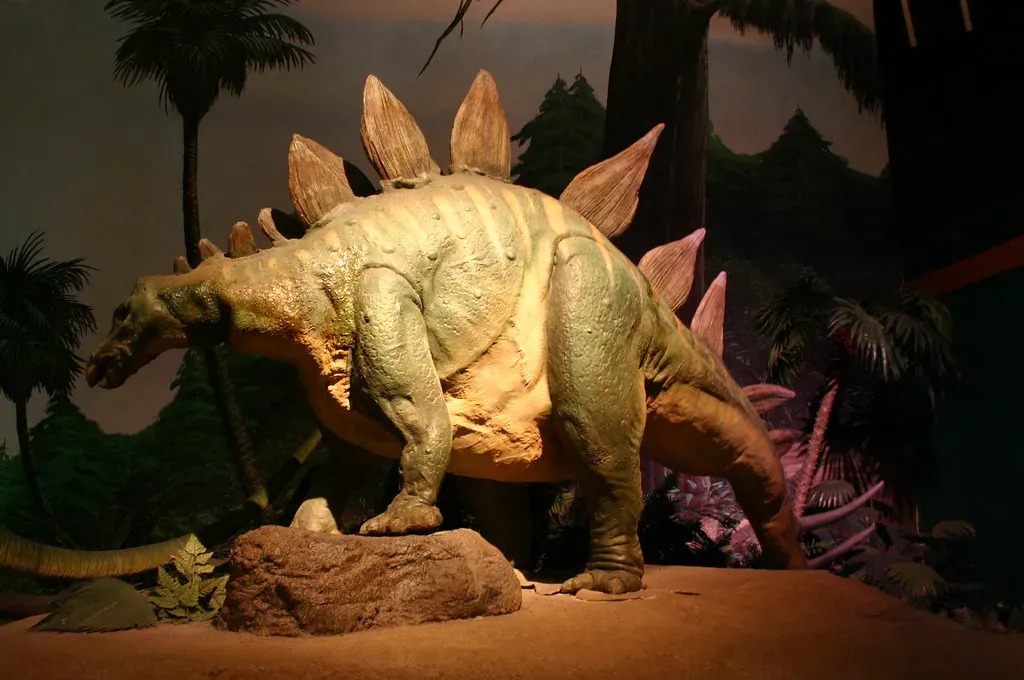
The plates and spikes of stegosaurs varied greatly between species, which suggests that visual display was driving the evolution of these structures. Each species needed its own signature look. Think of it as nature’s version of team jerseys.
This explains why closely related dinosaurs often had wildly different ornamentation. Horned dinosaurs are a perfect example. The vastly different ornamentation of horned dinosaurs such as Triceratops and Styracosaurus suggest that dinosaurs took care to choose their mates, and instead of finding similar horn arrangements optimized to defend against tyrannosaurs, experts recognize the many ceratopsid species by their widely varying arrangements of horns. Each species evolved its own unique flair, making it easier to spot your own kind from a distance.
Thermoregulation Required Creative Solutions
Recent research has shed light on the astonishing ability of dinosaurs to adapt to cold climates, with fossil evidence from northern regions suggesting that dinosaurs not only survived but thrived in freezing conditions, and the discovery of fuzzy feathers on dinosaur specimens provides crucial insight into their ability to cope with the cold. Temperature control was literally a matter of life and death.
For massive creatures weighing several tons, overheating posed a serious problem. Structural comparisons of Stegosaurus plates to Alligator osteoderms seem to support the potential for a thermoregulatory role, and it has also been suggested that the plates could have helped the animal increase heat absorption from the sun, since a cooling trend occurred towards the end of the Jurassic. Those iconic plates might have functioned as natural radiators.
However, scientists remain divided on how significant this function actually was. Using models of plates in wind tunnel experiments, researchers reported that the plates could very well have been used to dissipate heat, but comparisons to the bony armor along the backs of modern crocodylians concluded there was no indication that Stegosaurus plates evolved for that reason or were principally used as thermoregulatory equipment. Honestly, the thermoregulation debate continues to simmer among paleontologists.
Communication Tools Evolved in Unexpected Ways
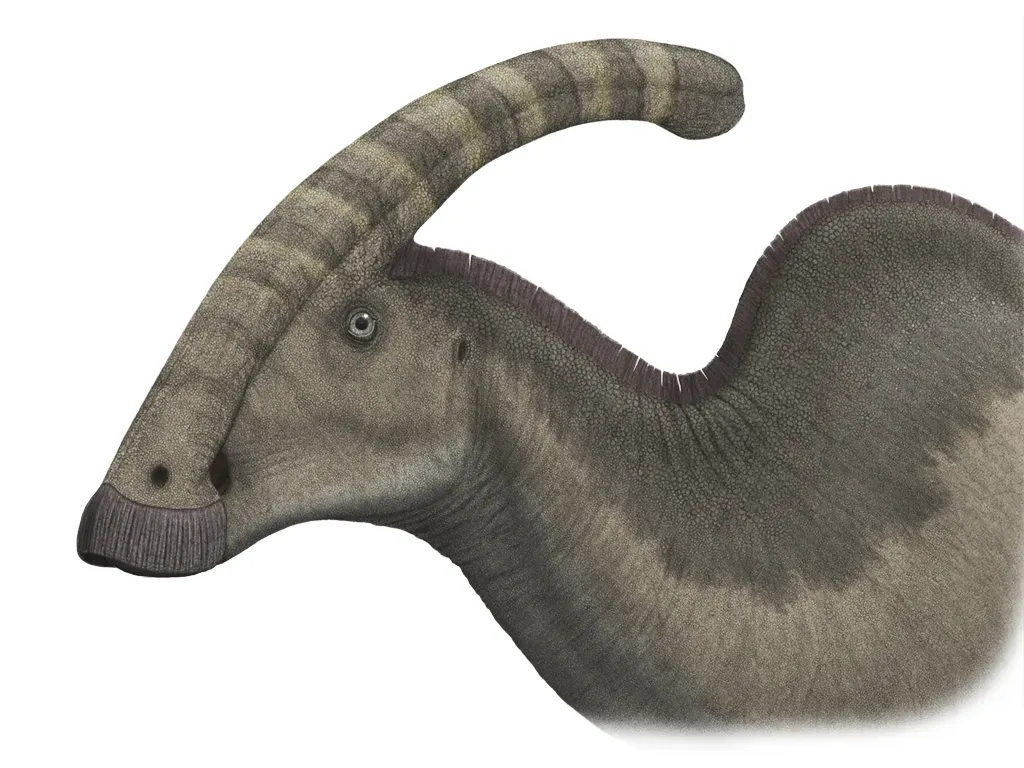
Picture this: you’re standing on a prehistoric plain and suddenly hear a deep, resonating call echoing across the landscape. That might have been a Parasaurolophus using its elaborate head crest. Parasaurolophus is known for its distinctive cranial crest, a hollow bony structure that extended from the back of its skull resembling a long curved tube, and the most widely accepted theory suggests that Parasaurolophus used its crest as a resonating chamber to produce distinctive sounds.
These acoustic structures would have been invaluable for communication over long distances. Imagine being able to call your herd members from miles away without cell phones. The consensus is that major functions of the crest included visual recognition of both species and sex, acoustic resonance, and thermoregulation.
Different species likely had different calls, creating a prehistoric soundscape far more complex than we typically imagine. The internal structure of these crests acted like musical instruments, amplifying and modifying sounds in species specific ways. It’s hard to say for sure, but these dinosaurs may have had a richer vocal repertoire than many modern animals.
Defense Mechanisms Took Many Forms
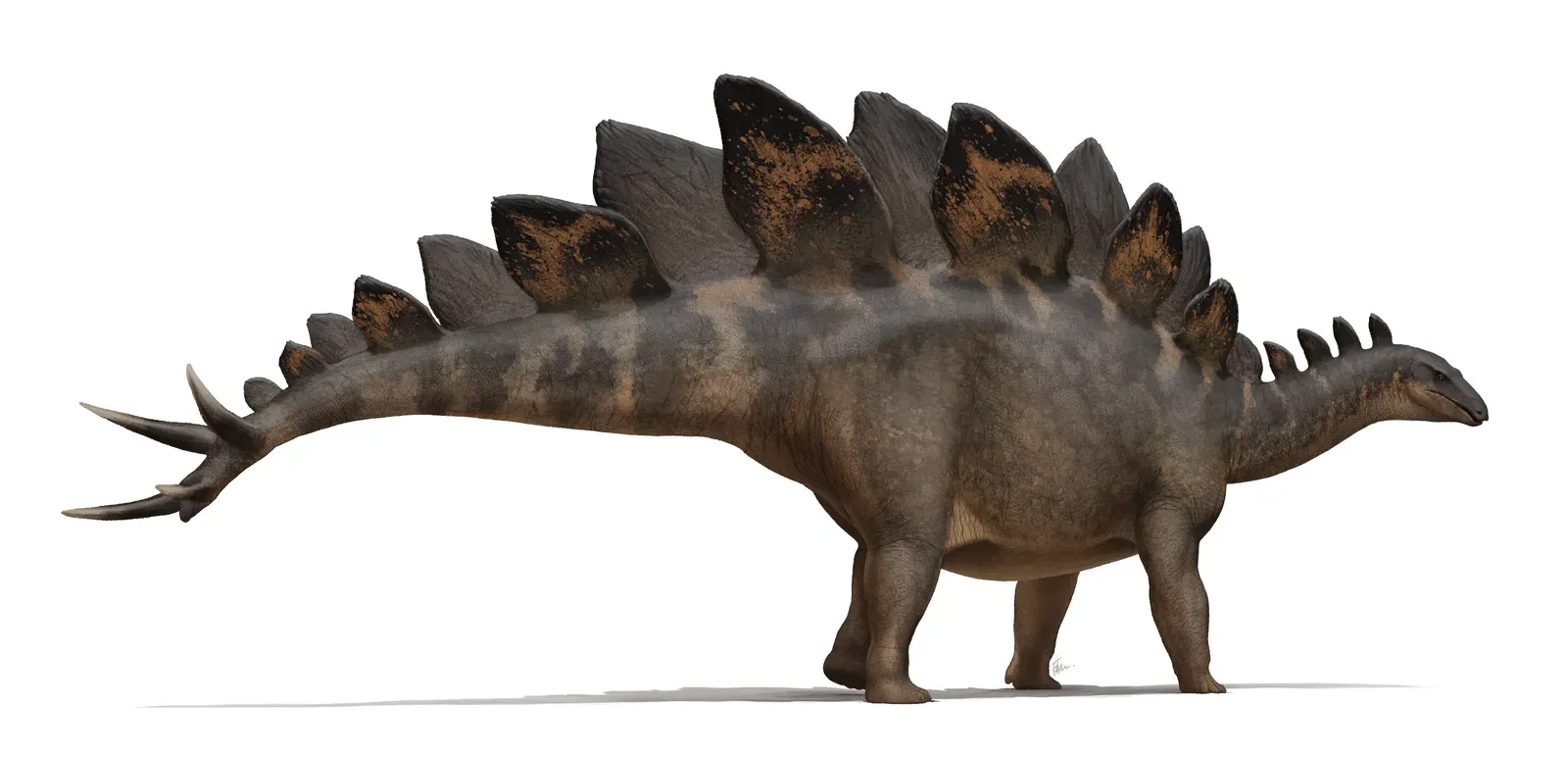
Not all bizarre features were about looking pretty or staying cool. Some were downright deadly. Modeling of the range of motion in the neck and tail of Kentrosaurus showed them to be very flexible, with the tail so flexible its spiked tip could reach the sides of its own body, and stegosaur tail spikes often have trauma related injuries showing that the tails were swung with some force.
The famous thagomizer (yes, that’s the actual scientific term, borrowed from a comic strip) at the end of a Stegosaurus tail wasn’t just for show. These spikes could swing with bone crushing force, turning a seemingly slow herbivore into a formidable opponent. There’s even fossil evidence of an Allosaurus with a puncture wound matching the size and shape of a Stegosaurus tail spike.
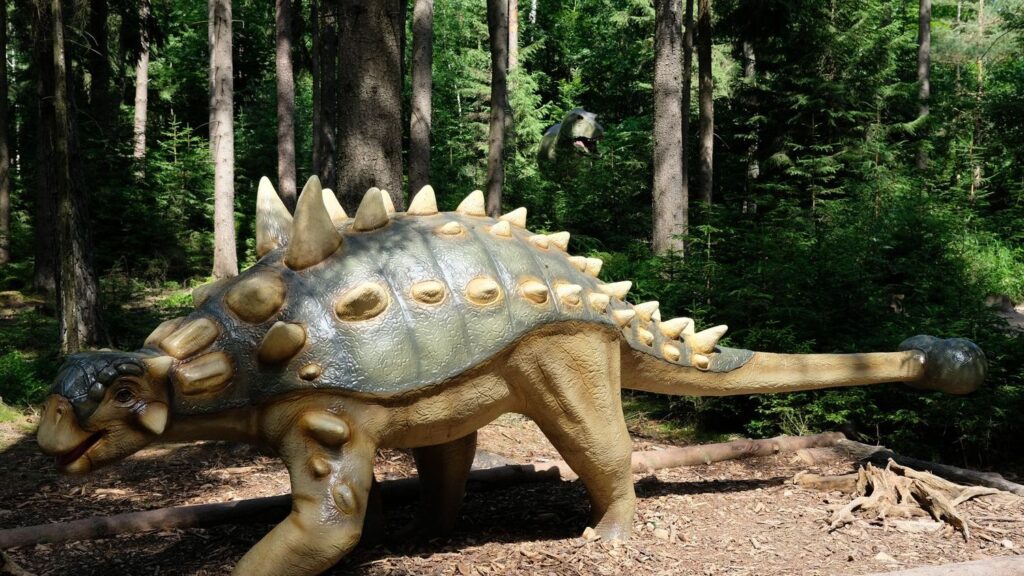
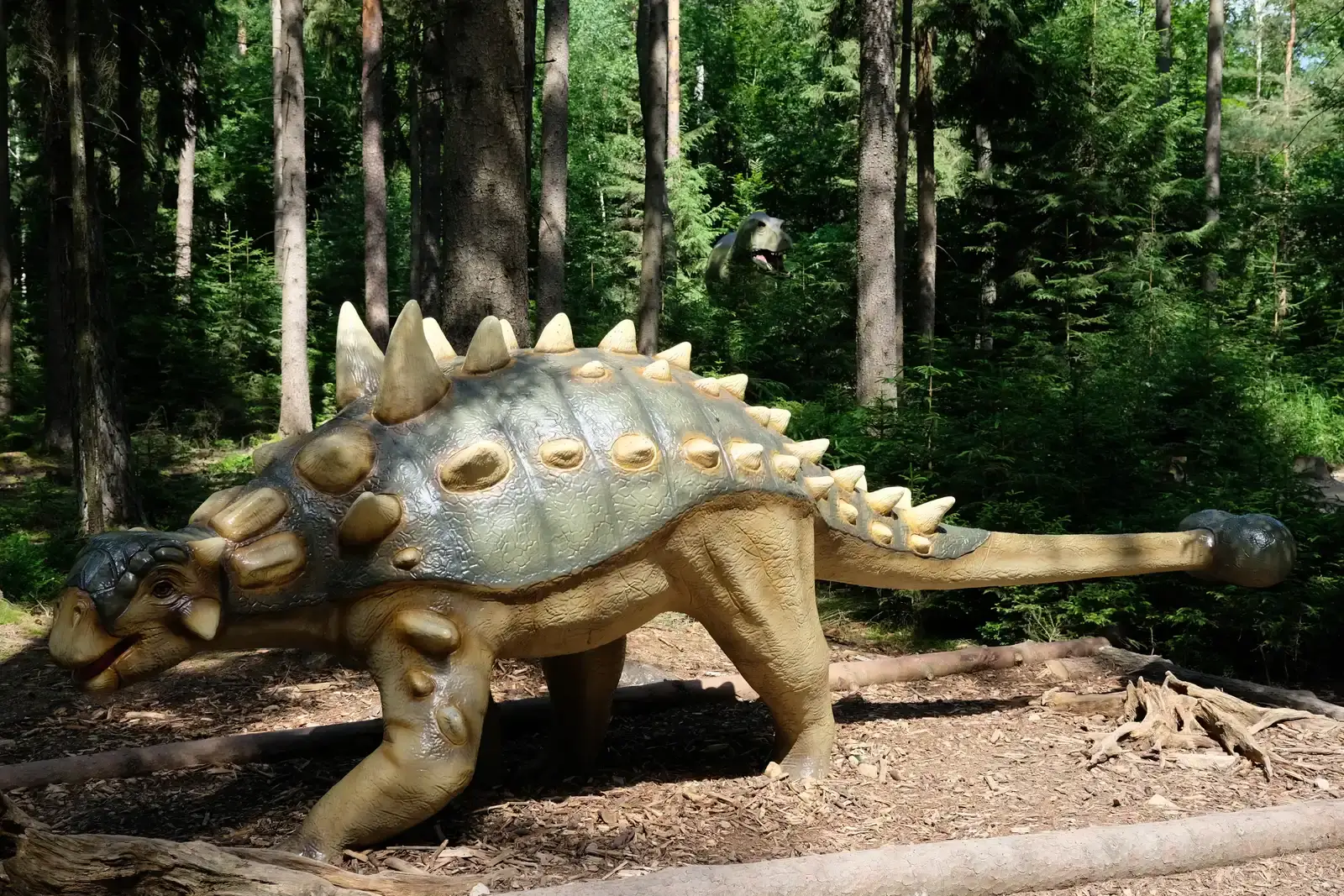
Armored dinosaurs like Ankylosaurus took defense to the extreme with their entire bodies encased in bony plates. Aetosaurs were crocodile relatives that lived during the Triassic and were covered in bony plates and spikes, with some species so thoroughly coated in armor that even the openings for their reproductive and excretory tracts had spikes around them. Talk about commitment to protection. These elaborate defensive structures evolved because predators were equally committed to finding dinner.
Body Size Evolution Followed Unexpected Patterns
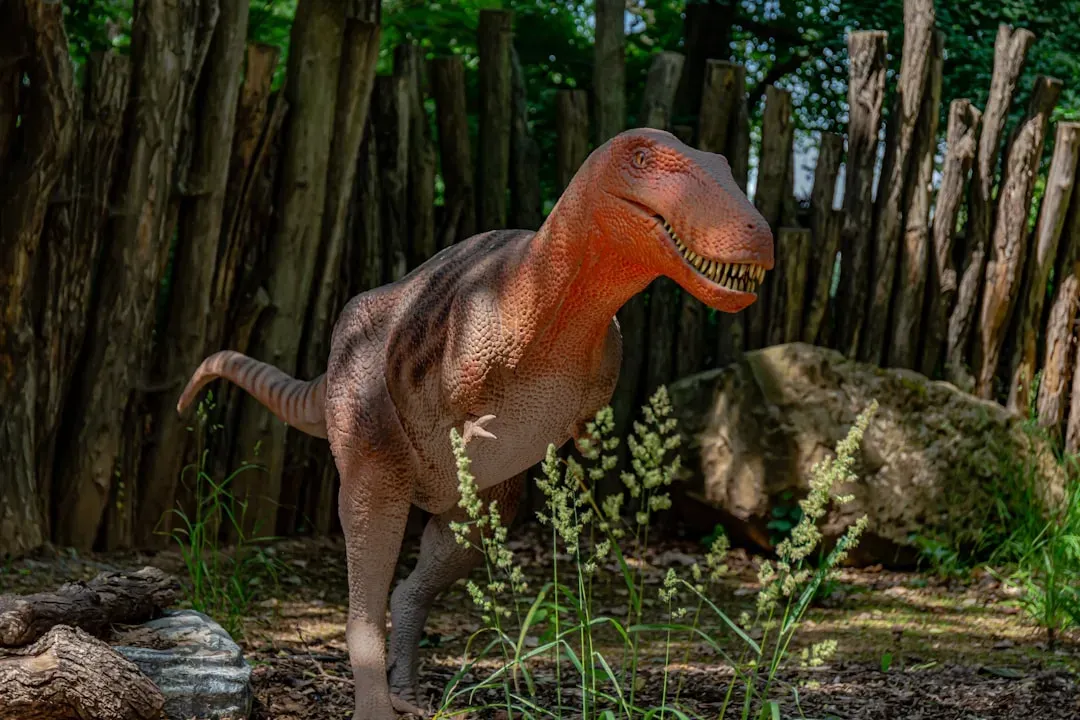
You might think dinosaurs just grew bigger and bigger over time, but evolution isn’t quite that simple. Contrary to the most common hypothesis about body size evolution, there was no overall pattern to the data, meaning some theropods got bigger or smaller through evolutionary shifts in growth rate, and others got bigger or smaller through changes in the length of the growth period.
As the earth warmed during the Jurassic period, sauropods got larger due to a combination of a high availability of food, their efficient feeding strategies and their high basal metabolic rate, which supported rapid growth. Environmental conditions played a huge role in determining optimal size.
The smallest dinosaurs were no bigger than chickens, while the largest stretched over a hundred feet long. This incredible size variation occurred within the same major groups. Tyrannosaurus were large dinosaurs with fast growth, and they probably got that way by evolving faster growth rates, while Spinosaurus arrived at a large size but not through the evolution of faster growth rates. Different paths led to similar results, showcasing evolution’s remarkable flexibility.
Environmental Pressures Drove Rapid Adaptation
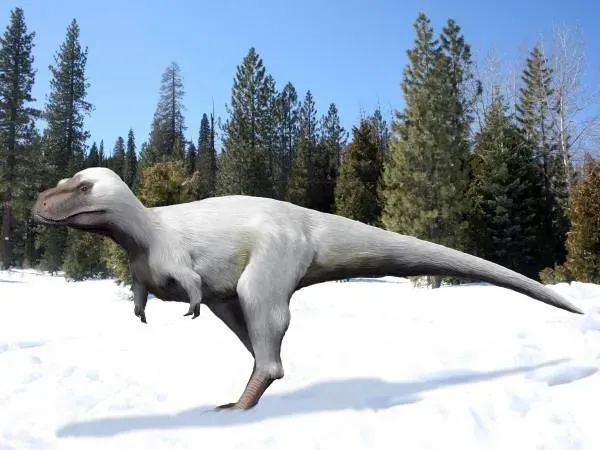
In 2016, researchers discovered that dinosaurs were not originally adapted for warm tropical environments as previously thought, but rather were primarily adapted for the cold, being insulated like birds with feather like structures called protofeathers, and dinosaurs could temporarily stop growing in the harsh winters, enabling them to conserve energy while food was scarce. This ability to pause growth gave them a survival edge during tough times.
Climate shaped everything from body coverings to behavioral patterns. Volcanic eruptions at the end of the Triassic period resulted in cold and dark conditions, commonly known as volcanic winters, and this extreme environmental change allowed dinosaurs to showcase their resilience and adaptability, with their ability to withstand these harsh conditions further contributing to their rise to dominance during this period.
Different environments demanded different solutions. The prehistoric world was a landscape of diverse environments, from lush tropical forests to arid deserts and frigid tundras, and in order to thrive in these varied and often inhospitable settings, dinosaurs developed a range of specialized adaptations that allowed them to survive and flourish. The bizarre features we see in fossils often reflect these environmental challenges. Those weird looking adaptations weren’t random mutations but carefully honed survival tools.
The Mystery Continues to Unfold
Here’s what really gets me: we’re still discovering new things about these ancient creatures. Morphological diversification in the bizarre structures of dinosaurs does not seem to show clear patterns of directional evolution within clades, and to date, no satisfactory adaptive explanation has been proposed and tested for the evolution of bizarre structures in any dinosaurian clade. Even with all our technology and research, dinosaurs keep their secrets well guarded.
These strange dinosaurs were so because the physical features they had helped them adapt and survive in the harsh environment they lived in. Each bizarre horn, plate, crest, or sail served a purpose, even if we haven’t definitively figured out what all those purposes were yet.
The fossil record continues to reveal surprises. Every new discovery adds another piece to the puzzle, sometimes confirming old theories and sometimes completely overturning them. What’s clear is that those seemingly outrageous features weren’t accidents of evolution but carefully crafted tools for survival, reproduction, and communication in a world vastly different from our own. Next time you see a dinosaur reconstruction with some ridiculously over the top feature, remember there was probably a very good reason for it, even if scientists are still debating exactly what that reason was. What do you think was the most important driver of these bizarre adaptations?