Picture a world where dinosaurs had roamed for over 170 million years. They dominated every corner of the planet, from the lush forests to the open plains. Enormous sauropods shook the ground with each step, while ferocious predators prowled for their next meal. Then, in what can only be described as the worst day in the history of life on Earth, everything changed. The age of the dinosaurs came to a sudden, violent end, and the story behind that cataclysmic event is far more fascinating than most people realize.
What really happened on that fateful day roughly 66 million years ago? The answer involves a rock from space, global firestorms, years of darkness, and a cascade of environmental chaos that wiped out three quarters of all species on the planet. Yet somehow, life found a way to survive and rebuild. Let’s dive into the real story behind one of the most dramatic moments in our planet’s history.
When a City-Sized Rock Changed Everything
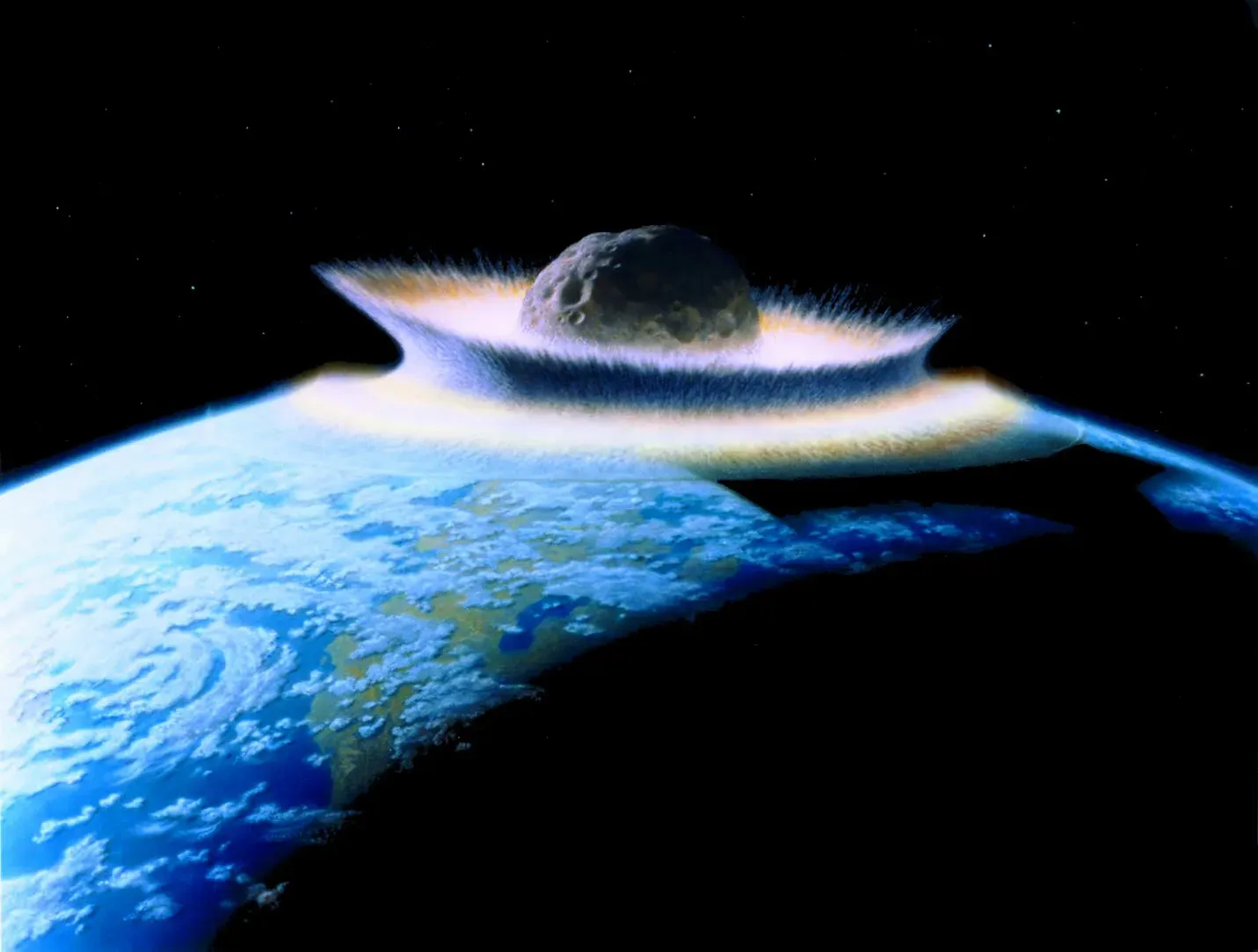
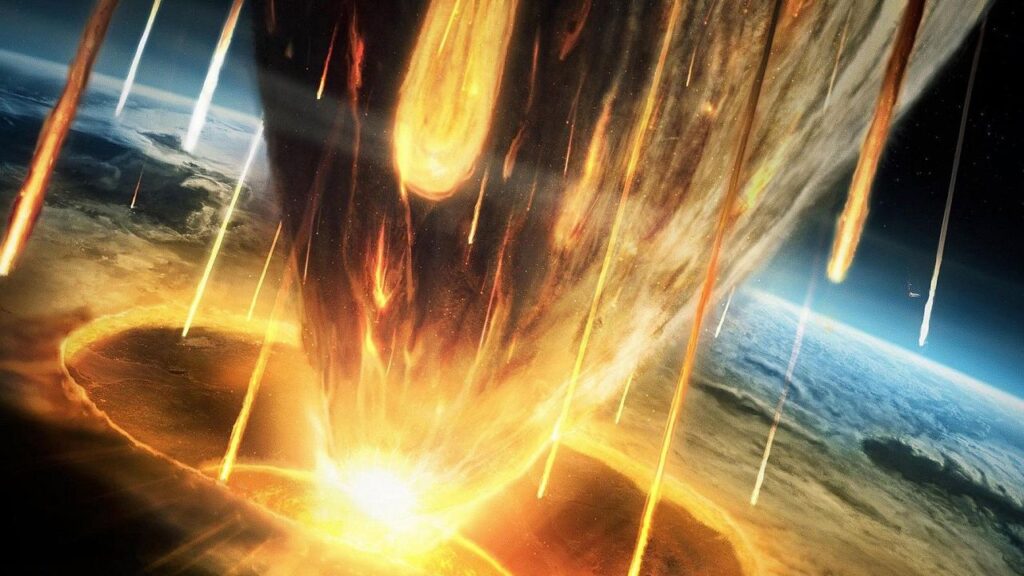
An asteroid about ten kilometers in diameter struck Earth slightly over 66 million years ago, slamming into what is now Mexico’s Yucatán Peninsula with unimaginable force. Think about that for a moment. This wasn’t just a large rock, it was roughly the size of Mount Everest, hurtling through space at speeds exceeding 70,000 kilometers per hour. The impact itself released energy equivalent to billions of atomic bombs detonating simultaneously.
The enormous amount of energy generated by this impact, equivalent to 10 thousand times the world’s nuclear arsenal, ejected into the atmosphere huge quantities of dust particles and gases. The collision created the Chicxulub crater, a massive scar on our planet measuring roughly 180 to 200 kilometers wide. Half of this enormous crater lies on land, while the other half is submerged beneath the Gulf of Mexico, hidden from view for millions of years until scientists finally discovered it in the early 1990s.
The First Hours Were Pure Hell
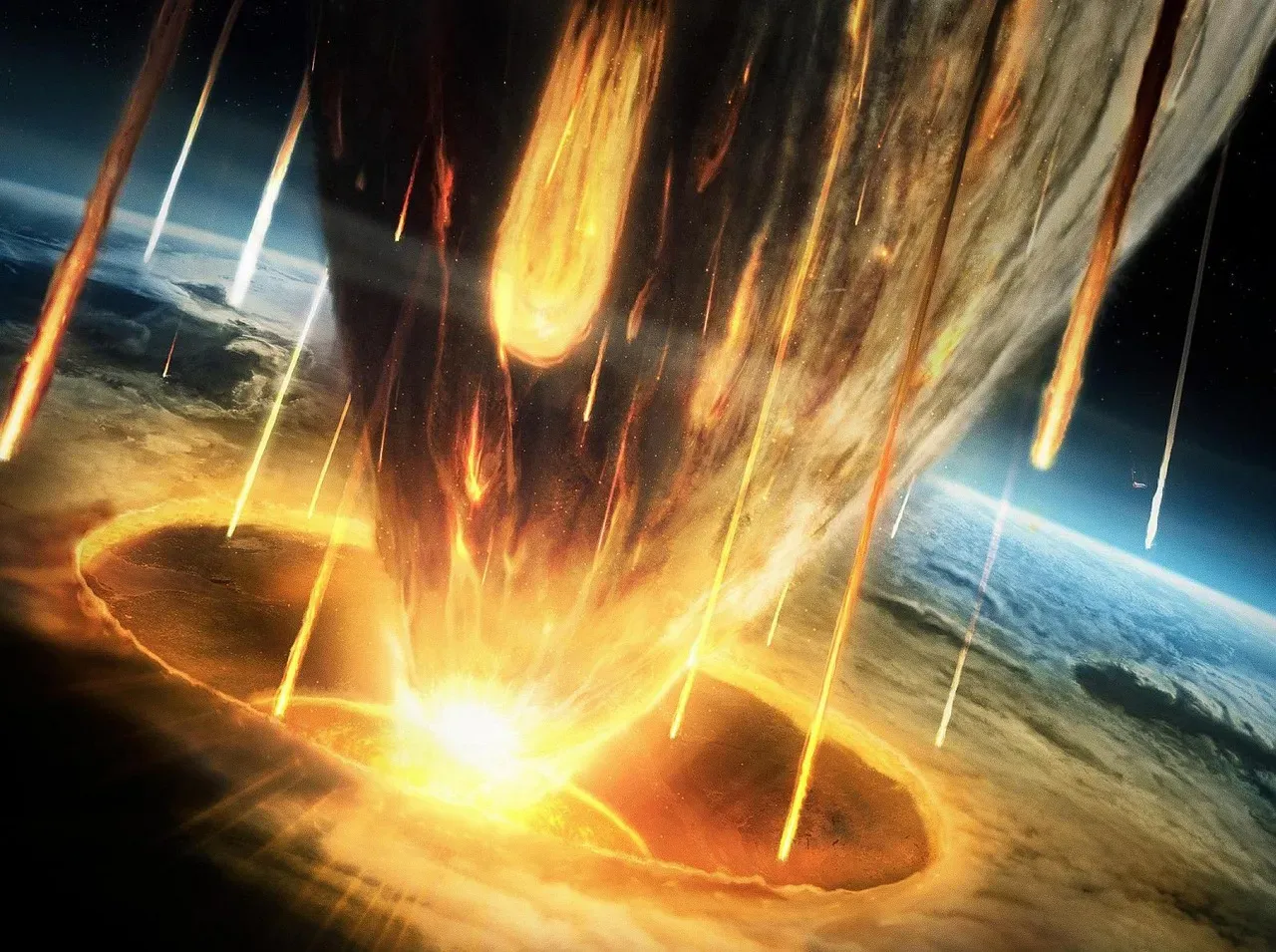
Let’s be real, what happened immediately after impact was beyond catastrophic. The asteroid hit at high velocity and effectively vaporised, making a huge crater with total devastation in the immediate area. Anyone or anything within roughly a thousand kilometers was instantly incinerated. The heat was so intense that rocks themselves behaved like liquids.
The friction of falling made each spherule an incandescent torch that quickly and dramatically heated the atmosphere, and any creature not underground or not underwater could not have escaped it. Imagine molten glass spherules raining down from the sky across the entire planet, each one a tiny torch igniting whatever it touched. Forest fires erupted on a scale never seen before or since. Tsunamis hundreds of feet tall crashed into coastlines. Earthquakes rattled continents thousands of miles away from the impact site. It was, quite literally, an apocalypse.
Darkness Descended and Wouldn’t Leave
Here’s where things get even more terrifying. After the initial blast subsided, the real killer emerged. Fine silicate dust from pulverized rock would have stayed in the atmosphere for 15 years, dropping global temperatures by up to 15 degrees Celsius. Think about what that means. For over a decade, the sun was effectively blocked out. Plants, which need sunlight for photosynthesis, began dying en masse.
The impact created a dust cloud that blocked sunlight for up to a year, inhibiting photosynthesis, while sulfuric acid aerosols injected into the stratosphere might have reduced sunlight reaching the Earth’s surface by more than 50%. This wasn’t just a bad winter. This was an impact winter that lasted years, plunging global temperatures and creating a world of perpetual twilight. The base of the entire food chain collapsed almost overnight. Honestly, it’s hard to imagine a more effective way to end the reign of the dinosaurs.
The Volcano Question Nobody Can Quite Answer
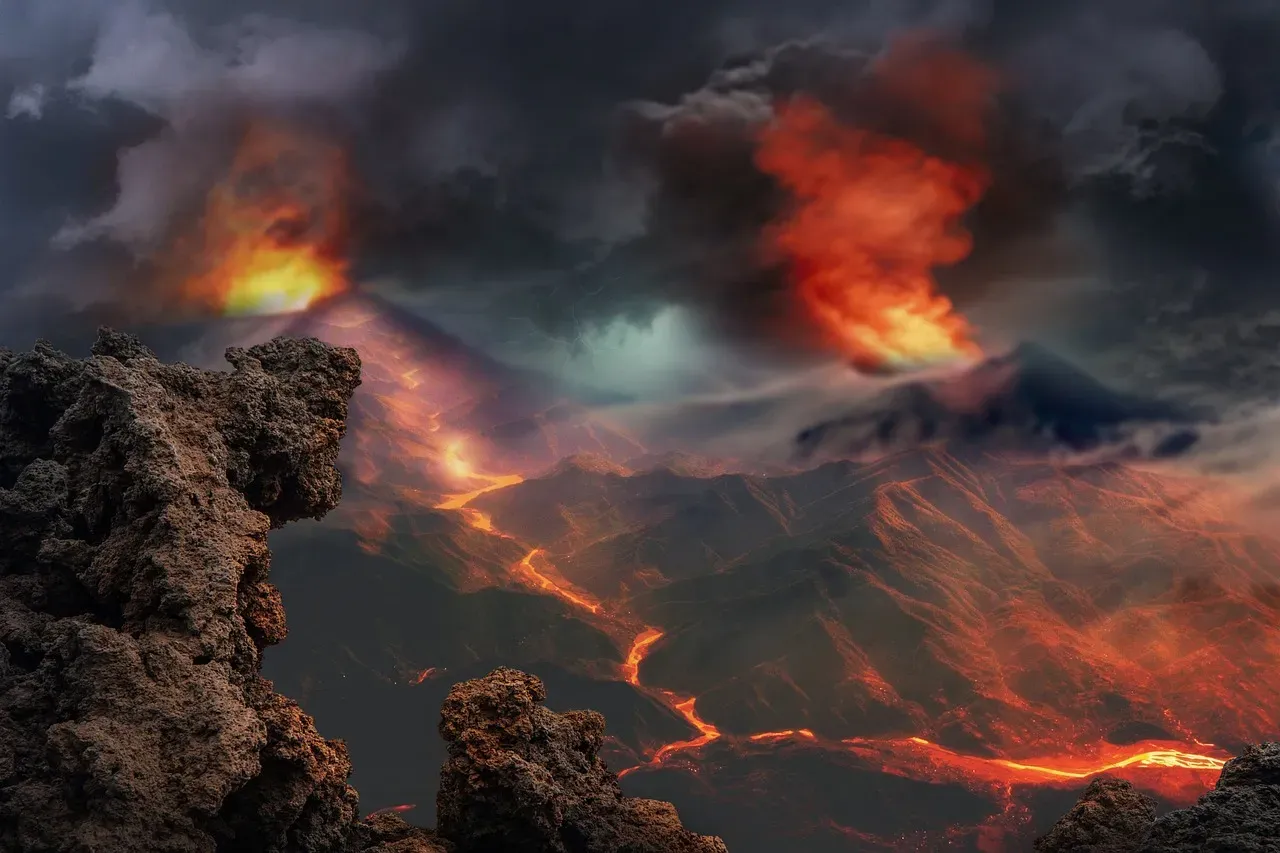
Now here’s where the story gets complicated. Around the same time the asteroid struck, massive volcanic eruptions were occurring in what is now India. The Deccan Traps date back to around 66 million years ago, and in some parts the volcanic layers are more than two kilometers thick, making this the second largest volcanic eruption ever on land. These weren’t ordinary volcanoes, they were apocalyptic outpourings of lava that covered an area the size of Texas.
Scientists have debated for decades whether these volcanoes contributed to the extinction. The massive volcanoes started erupting about 400,000 years before the Chicxulub impact and wrapped up about 600,000 years after. Some researchers argue the volcanic gases poisoned the atmosphere and stressed ecosystems before the asteroid delivered the final blow. Others contend the timing doesn’t quite match up, suggesting the volcanoes played a minor role at best. The debate continues, though most scientists now agree the asteroid was the primary culprit.
Why Some Creatures Made It and Others Didn’t
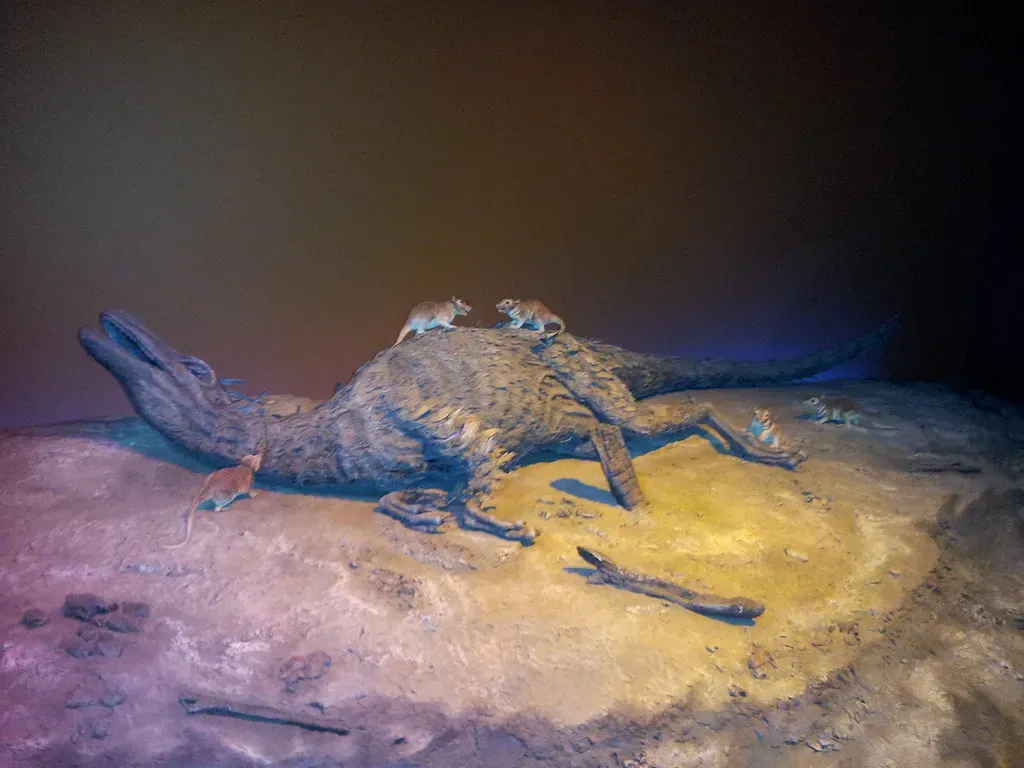
So who survived this planetary nightmare? The answer reveals some surprising patterns. Beaked birds were the only dinosaurs to survive the disaster, while their toothed relatives perished. Small mammals, many of which lived in burrows or were semi-aquatic, made it through. Crocodiles survived. Turtles survived. But the mighty Tyrannosaurus rex, the enormous Triceratops, and all the other spectacular dinosaurs we know from museums went extinct.
Omnivores, insectivores, and carrion eaters survived the extinction event, perhaps because of the increased availability of their food sources, while surviving mammals and birds fed on insects, worms, and snails, which in turn fed on detritus. In other words, picky eaters died. Creatures that could adapt, hide underground, eat basically anything, or wait it out in water had a fighting chance. Size mattered too. Smaller animals needed less food and could find shelter more easily than massive dinosaurs that required tons of vegetation daily just to survive.
Birds Held the Winning Lottery Ticket
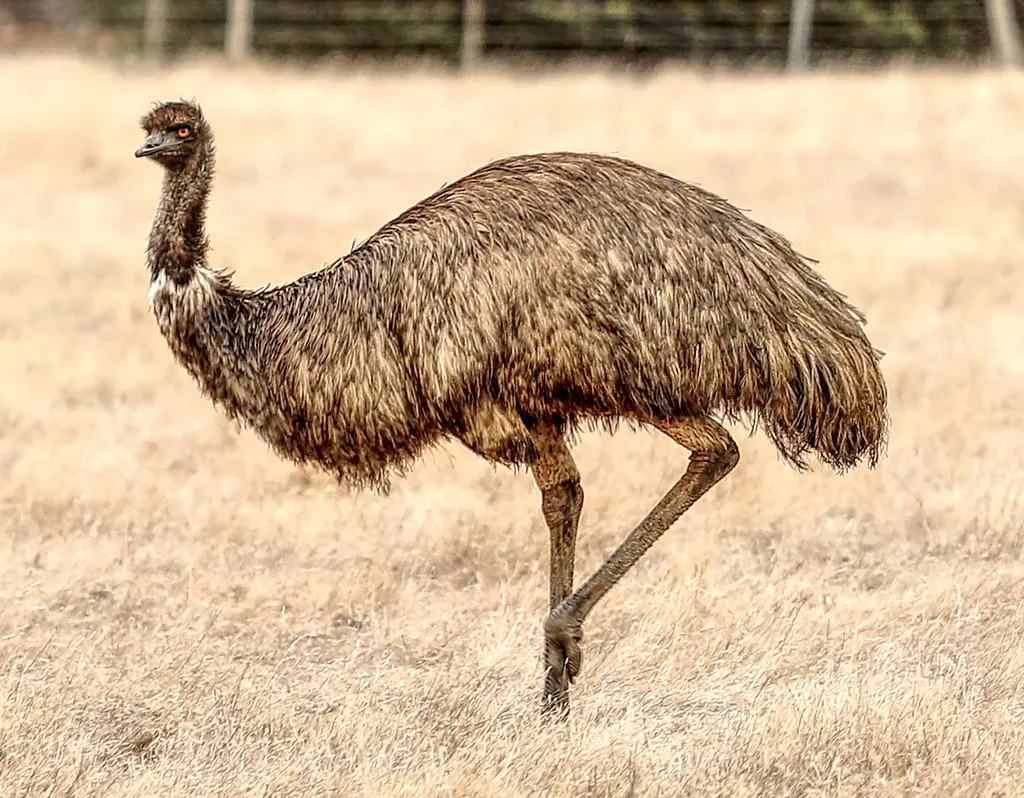
Let’s talk about the ultimate survivors. Modern birds are living dinosaurs, carrying the genetic legacy of creatures that walked the Earth 200 million years ago. But why did they make it when so many others failed? Beaked birds were able to feed on the seeds of the destroyed forests and wait out the decades until vegetation began to return. Their beaks allowed them to crack open tough seeds and nuts that persisted even when fresh vegetation had been obliterated.
Many species of avians could build burrows, or nest in tree holes, or termite nests, all of which provided shelter from the environmental effects, and long term survival was assured as a result of filling ecological niches left empty by extinction of non avian dinosaurs. Here’s the thing, survival often comes down to being in the right place at the right time with the right toolkit. Birds had versatility that many dinosaurs lacked. They could fly to find food, they could eat a variety of things, and they were small enough to ride out the worst of the impact winter in whatever shelter they could find.
The New World That Rose From the Ashes
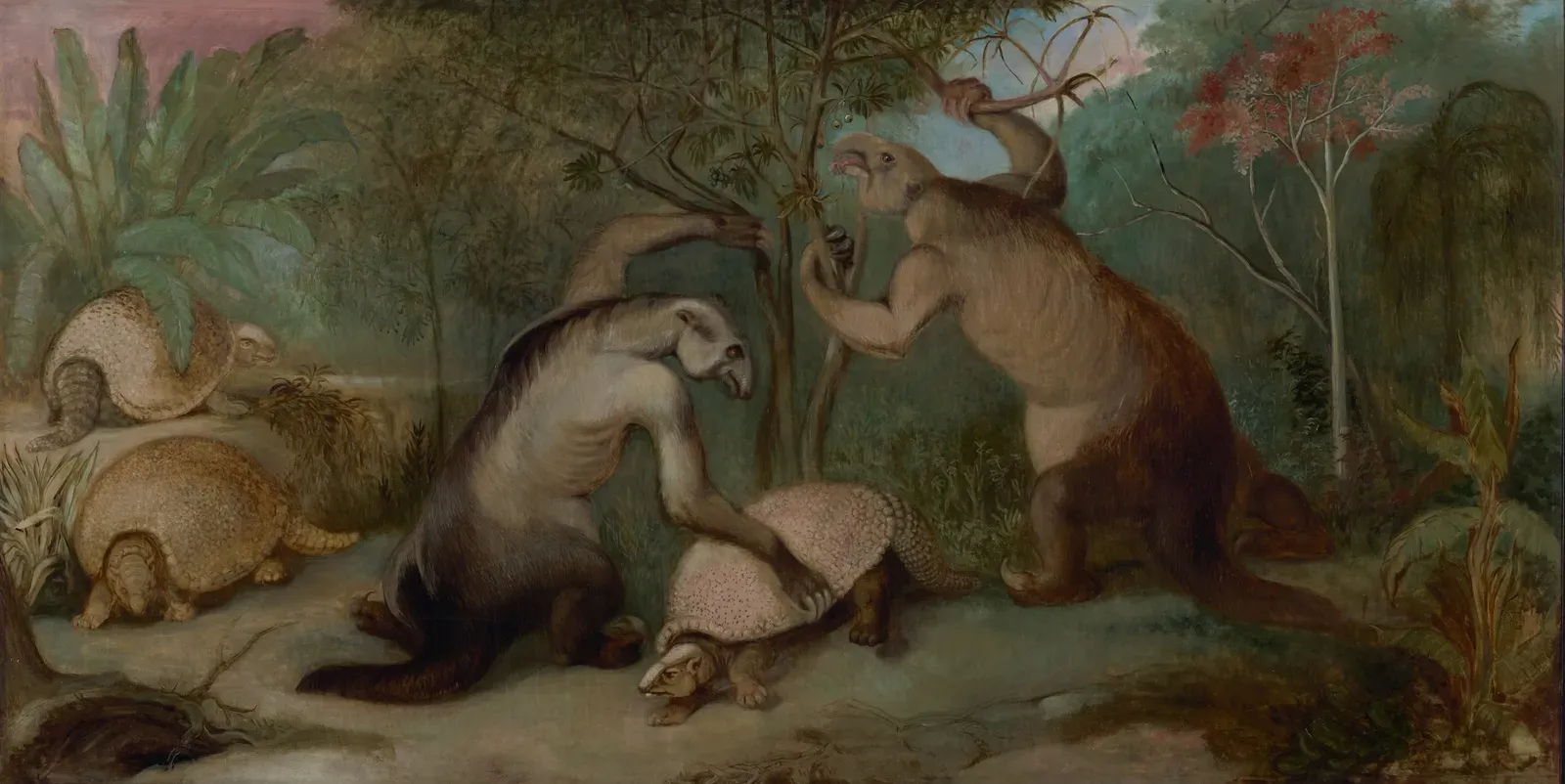
After the dust literally settled, Earth was transformed. The extinction provided evolutionary opportunities, and in its wake many groups underwent remarkable adaptive radiation, with mammals in particular diversifying in the following Paleogene Period, evolving new forms such as horses, whales, bats, and primates. The disappearance of the dinosaurs created countless empty ecological niches just waiting to be filled.
Mammals, which had spent over 160 million years living in the shadows of dinosaurs, suddenly had their moment. Within just a few hundred thousand years, they began diversifying at an explosive rate. Small, rat-sized creatures evolved into everything from massive herbivores to apex predators. Eventually, this radiation would produce primates, and ultimately, us. Had that asteroid missed Earth, humans would almost certainly never have existed. We owe our entire existence to a rock from space that happened to hit our planet at just the right angle, in just the right place, at just the right time.
The mass extinction that ended the age of dinosaurs wasn’t just a tragedy, it was a reset button for life on Earth. It reminds us how fragile existence can be, but also how resilient life truly is. Even in the face of unimaginable devastation, some creatures found a way to survive, adapt, and eventually thrive. What do you think about it? Does knowing that our ancestors only got their chance because of cosmic bad luck make you see our place in the world differently?