Our image of Tyrannosaurus rex has undergone a remarkable transformation in recent decades. Once depicted as a scaly, lightning-fast predator with tiny, useless arms, scientific discoveries have revolutionized our understanding of this iconic dinosaur. Modern paleontology reveals a more nuanced creature – potentially slower, likely more intelligent, and possibly even adorned with feathery structures. This dramatic shift represents one of the most significant revisions in our understanding of prehistoric life, challenging popular depictions in films like Jurassic Park and reshaping our collective imagination of the most famous dinosaur that ever lived.
The Evolution of T-Rex in Scientific Understanding
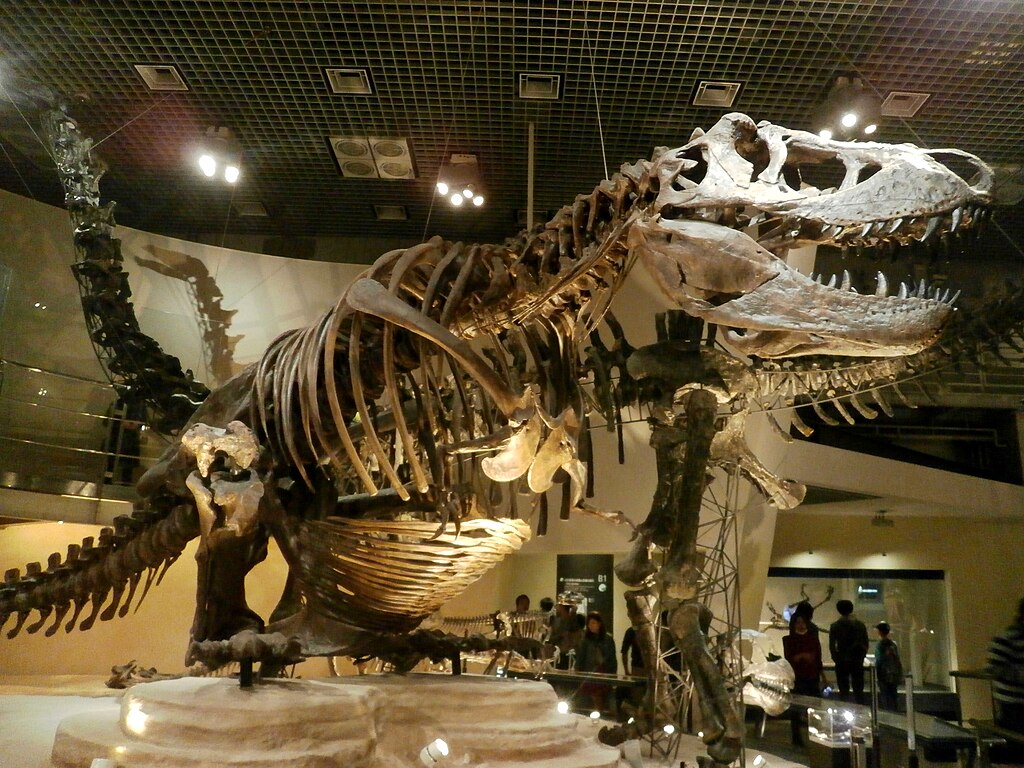
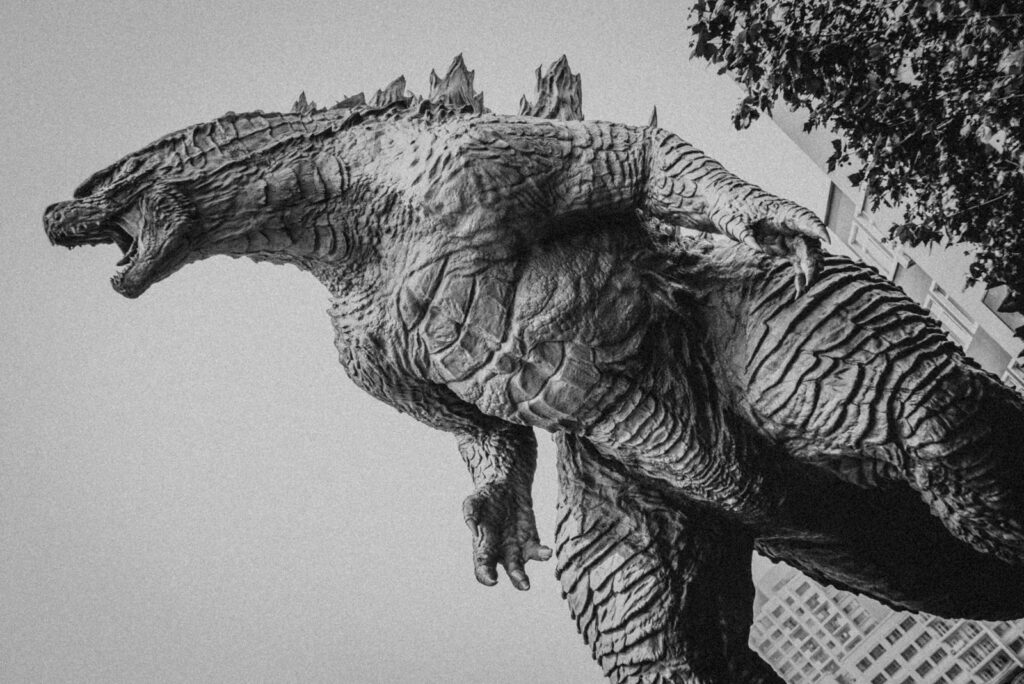
The scientific understanding of Tyrannosaurus rex has undergone a dramatic evolution since its first discovery in 1902 by paleontologist Barnum Brown. Early reconstructions depicted T-rex as an upright, tail-dragging lizard with a posture more resembling Godzilla than a biologically accurate animal. By the 1970s, the “Dinosaur Renaissance” began shifting these perceptions as researchers like Robert Bakker proposed more dynamic, active dinosaurs. The 1990s brought further refinement with horizontal postures and balanced tails, while the 2000s introduced debates about soft tissue preservation, possible feathering, and metabolic rates. This scientific journey reflects not just changing knowledge about a single species, but the broader transformation of paleontology from a descriptive science to a multidisciplinary field employing cutting-edge technology to understand extinct life forms in unprecedented detail.
Speed Recalculated: How Fast Could T-Rex Really Move?

Contrary to the dramatic chase scenes in Jurassic Park, recent biomechanical studies suggest T-rex was significantly slower than previously thought. Computer modeling of muscle mass, bone strength, and center of gravity indicates a top running speed of approximately 12-17 miles per hour—much slower than the 45 mph sometimes claimed in popular media. Scientists like John Hutchinson from the Royal Veterinary College have demonstrated that T-rex’s massive weight (6-9 tons) would have required impossibly large leg muscles to achieve cheetah-like speeds. Furthermore, stress analysis of T-rex leg bones shows that running at high speeds could have caused catastrophic fractures, an evolutionary disadvantage for a predator. This recalculation doesn’t diminish T-rex’s predatory capabilities, however, as it would still have been fast enough to capture many of the herbivorous dinosaurs sharing its environment, especially if it relied on ambush tactics rather than prolonged chases.
Brain Power: Reassessing T-Rex Intelligence
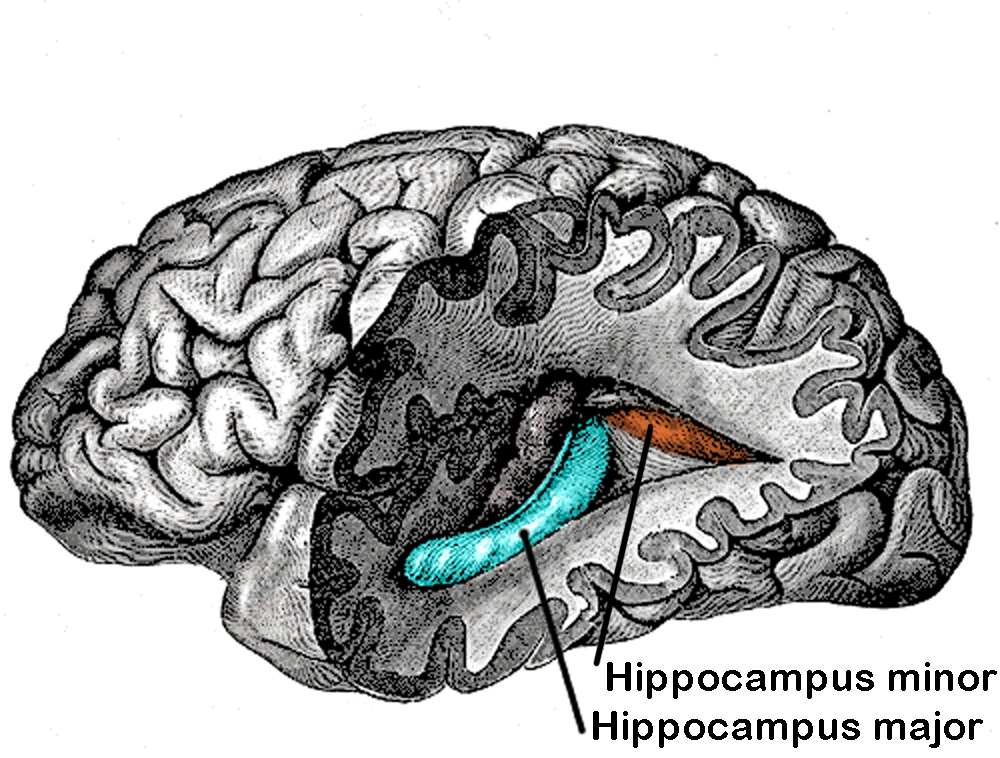
The intelligence of Tyrannosaurus rex has been substantially reevaluated based on endocranial casts and comparative neurobiology. CT scans of T-rex skulls reveal a brain size significantly larger than initially believed, with an encephalization quotient (a measure comparing brain size to body mass) suggesting cognitive abilities comparable to modern birds of prey rather than reptiles. Particularly well-developed were the cerebrum and olfactory bulbs, indicating enhanced sensory processing, memory, and possibly problem-solving abilities. The expanded cerebellum suggests sophisticated motor control and coordination despite the animal’s massive size. Some paleontologists, including Thomas Holtz of the University of Maryland, propose that T-rex may have exhibited complex hunting strategies and potentially social behaviors based on these neurological adaptations. While we’ll never know the full range of T-rex cognitive abilities, the evidence increasingly portrays a predator with formidable intelligence rather than the “pea-brained” monster of popular imagination.
The Feather Revolution: Evidence for Plumage in Tyrannosaurids
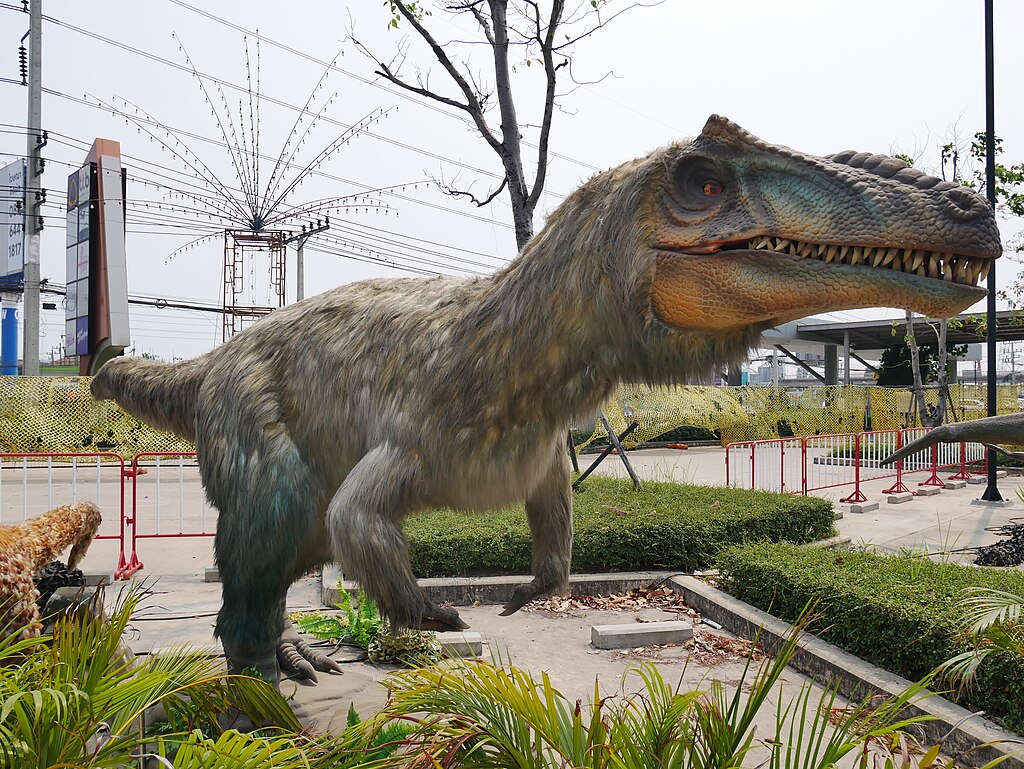
The possibility of a feathered T-rex represents perhaps the most visually dramatic revision to our understanding of this iconic dinosaur. This hypothesis stems from multiple lines of evidence, beginning with the discovery of definitively feathered tyrannosauroid relatives like Dilong paradoxus and Yutyrannus huali in China. These earlier and smaller tyrannosaurids preserved clear evidence of primitive feather structures, suggesting the feature may have been ancestral to the entire tyrannosauroid family. While no direct skin impressions of adult T-rex with feathers have been found, phylogenetic bracketing—a method of inferring traits based on related species—strongly suggests at least partial feathering in Tyrannosaurus. Paleontologists like Mark Norell of the American Museum of Natural History propose that adult T-rex may have retained feathers in specific areas such as the neck and back, while losing them elsewhere as an adaptation to its large size and heat regulation needs. The resulting image—a massive predator with areas of feathery display structures—creates a far more nuanced and biologically complex creature than the purely scaly monster of traditional depictions.
Arms: Small But Mighty
The infamously small forelimbs of T-rex have long been the subject of scientific debate and public ridicule, but recent studies suggest they weren’t as useless as commonly portrayed. Biomechanical analysis reveals that despite their reduced size, T-rex arms possessed remarkable strength, potentially capable of lifting over 400 pounds with biceps alone. The forelimb bones show extensive muscle attachment sites, indicating powerful musculature despite their diminutive proportions. Paleontologist Steven Stanley of the University of Hawaii has proposed these arms were specialized for close-quarter slashing during predatory encounters, with their limited reach actually preventing self-injury when multiple T-rexes fed on the same carcass. Other hypotheses suggest they may have assisted in rising from a prone position or played a role in mating behaviors. Rather than evolutionary vestiges, T-rex arms appear to represent highly specialized adaptations that complemented its primary hunting equipment—the massive skull and powerful bite force—in a complete predatory package that dominated the late Cretaceous landscape.
Sensory Abilities: The Super-Senses of T-Rex
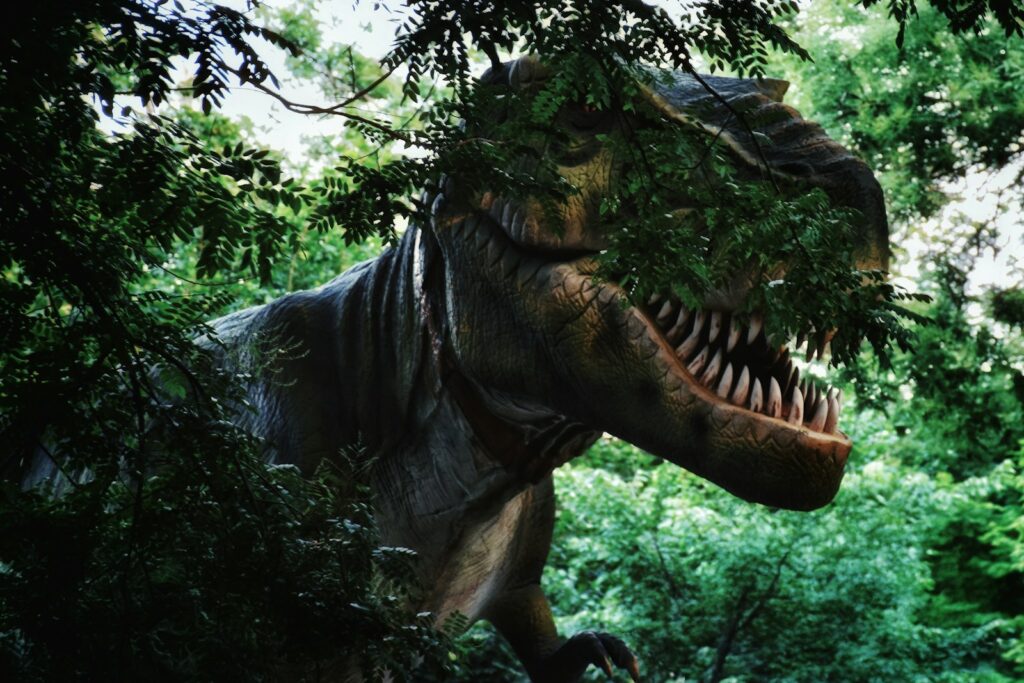
Tyrannosaurus rex possessed sensory capabilities that far exceeded earlier estimations, creating a predator with heightened awareness of its environment. The olfactory bulbs of T-rex were exceptionally developed, suggesting a sense of smell that may have rivaled or exceeded that of modern vultures, allowing it to detect carrion from remarkable distances. Its eyes featured forward-facing positioning that provided significant binocular vision and depth perception crucial for hunting, while the orbits could accommodate eyeballs approximately the size of oranges. CT scans of T-rex skulls reveal enlarged areas for processing sensory information, particularly from the face, which may indicate heightened tactile sensitivity around the snout. Perhaps most surprising is evidence from inner ear structures suggesting acute hearing optimized for low-frequency sounds, potentially enabling T-rex to detect the footfalls of prey or the movements of other predators from considerable distances. This sophisticated sensory toolkit paints a picture of a highly attuned apex predator rather than a simple brute-force hunter.
Hunting Versus Scavenging: The Feeding Behavior Debate
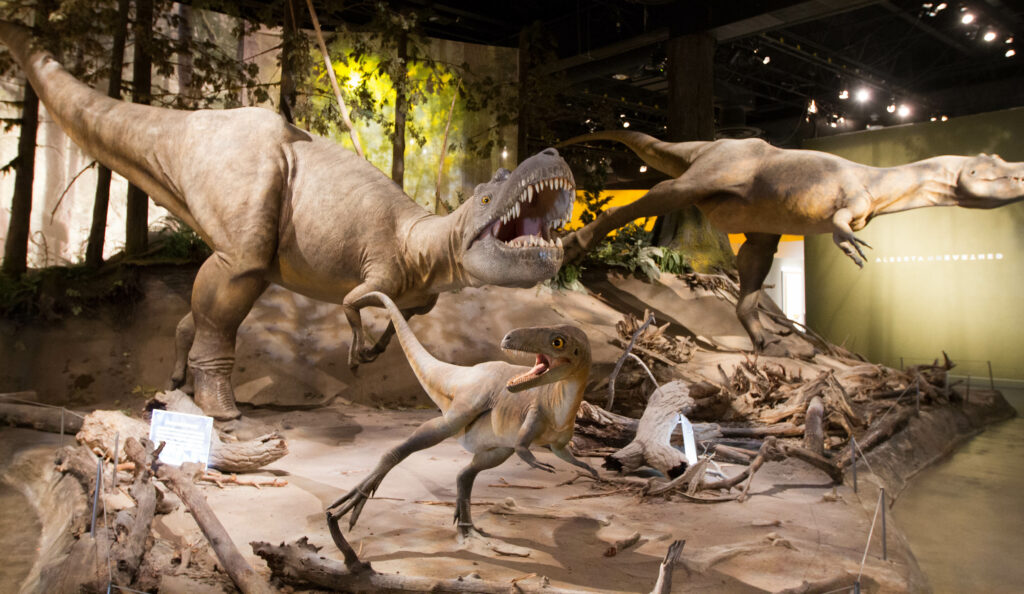
One of the most contentious debates in T-rex biology centers around whether it was primarily a hunter, scavenger, or both. The traditional view of T-rex as a pure predator was challenged in the 1990s by paleontologist Jack Horner, who proposed it might have been exclusively a scavenger based on its massive olfactory capabilities and relatively short arms ill-suited for grappling with prey. However, most current evidence supports an opportunistic feeding strategy combining active hunting with scavenging, similar to modern large predators like lions. Fossil evidence includes healed bite marks from T-rex teeth on Edmontosaurus and Triceratops specimens, suggesting attacks on living animals rather than just carcass feeding. Biomechanical studies of T-rex’s bite force—estimated at up to 12,800 pounds, the strongest of any terrestrial animal—indicate an ability to crush bone and access nutritious marrow, an adaptation valuable for both hunting and scavenging. This more nuanced understanding portrays T-rex as a versatile carnivore that, like modern apex predators, would have hunted when possible but readily consumed already-dead animals when available.
Growth and Aging: The Life Stages of a Tyrant

The growth trajectory of Tyrannosaurus rex has been revealed through histological studies of bone microstructure, showing a fascinating life history quite different from earlier assumptions. T-rex experienced an explosive growth phase during adolescence, gaining up to 1,500 pounds annually during its teenage years—one of the fastest growth rates ever documented for a terrestrial vertebrate. This growth spurt transformed the relatively slender juvenile into the massive adult form within a few critical years. Studies led by paleontologist Gregory Erickson revealed that T-rex reached sexual maturity around age 18, before achieving full size, and had a maximum lifespan of approximately 28-30 years. The distinct growth stages may have occupied different ecological niches, with juveniles possibly hunting smaller, faster prey than adults. Most surprisingly, bone histology reveals that female T-rexes entered a distinct phase of medullary bone development during reproduction, providing definitive evidence of gender in some specimens and confirming links to modern bird physiology. This detailed growth chronology helps explain why juvenile T-rex fossils were once misclassified as separate species, as the physical differences between life stages were so dramatic.
Social Behavior: Lone Hunter or Pack Predator?
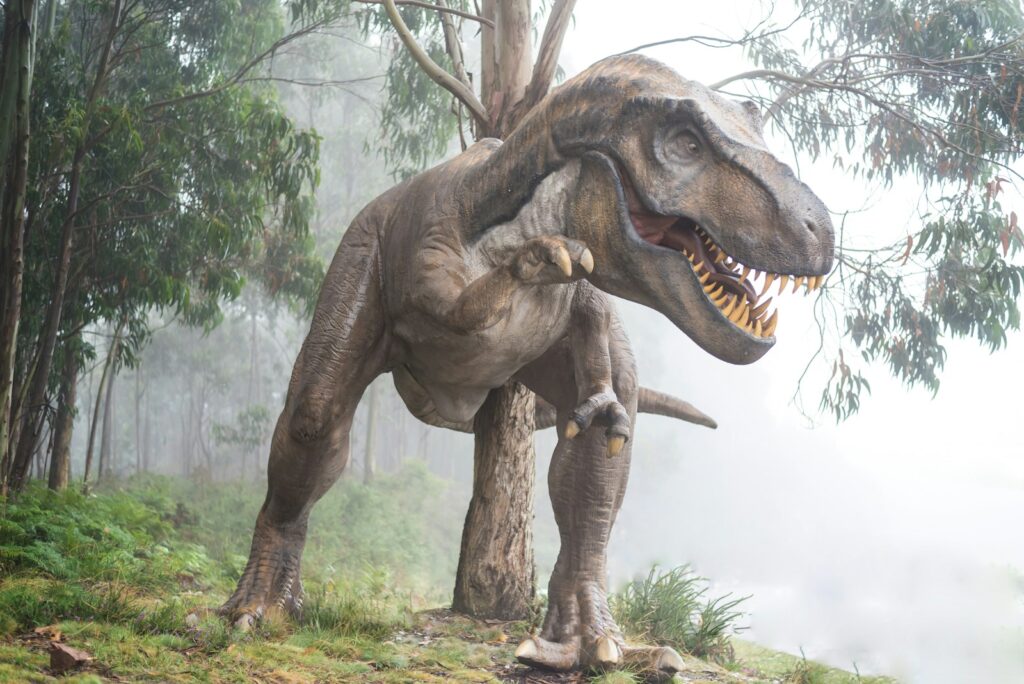
The social behavior of Tyrannosaurus rex represents one of the most actively debated aspects of its biology, with increasing evidence challenging the traditional view of it as a solitary hunter. Multiple fossil sites, most notably in the Maastrichtian deposits of Montana and South Dakota, have yielded clusters of T-rex individuals preserved together without evidence of scavenging on each other. Research by paleontologist Scott Persons from the University of Alberta suggests these groupings may represent family units or hunting coalitions rather than random aggregations. Comparative studies with both modern predators and other theropod dinosaurs known to have hunted in groups (such as Allosaurus and potentially Deinonychus) provide behavioral models for cooperative hunting strategies that may have allowed T-rex to tackle the largest prey in its environment, particularly adult Triceratops. Bite mark analysis on prey species sometimes reveals multiple T-rex feeding signatures of different sizes on single specimens, potentially indicating coordinated hunting or at least tolerant group feeding rather than solitary predation. While definitive proof of social hunting remains elusive, the emerging picture suggests T-rex may have exhibited far more complex social structures than previously recognized.
The Metabolism Question: Cold-Blooded or Warm-Blooded?
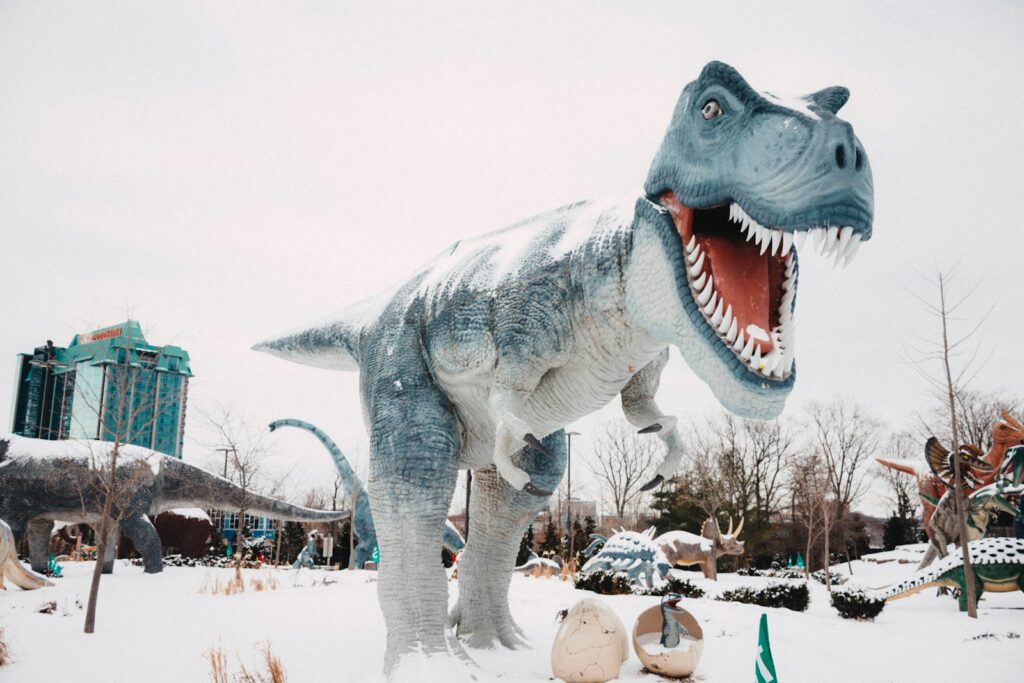
The metabolic nature of Tyrannosaurus rex sits at the center of a fundamental debate about dinosaur physiology, with significant implications for how we understand its behavior and capabilities. Traditional views categorized all dinosaurs as essentially reptilian and therefore ectothermic (cold-blooded), but extensive research now suggests a more complex reality. Bone histology of T-rex specimens reveals growth patterns with features intermediate between modern reptiles and birds, showing dense vascularization and evidence of rapid, sustained growth requiring elevated metabolism. Isotope analysis of T-rex teeth by paleontologist Reese Barrick indicates body temperature regulation possibly 5-10 degrees above ambient environmental temperatures, suggesting some form of endothermy (warm-bloodedness). However, thermal inertia calculations based on T-rex’s massive body size indicate it would have maintained stable body temperatures regardless of metabolic rate, a phenomenon called gigantothermy seen in some large modern reptiles like leatherback turtles. The current scientific consensus proposes T-rex likely possessed a unique metabolic strategy—not fully ectothermic like modern reptiles nor completely endothermic like birds and mammals, but an intermediate mesothermic physiology that combined aspects of both systems, allowing for sustained activity while avoiding the extreme caloric requirements of true endothermy in such a massive animal.
Geographical Range and Habitat Preferences
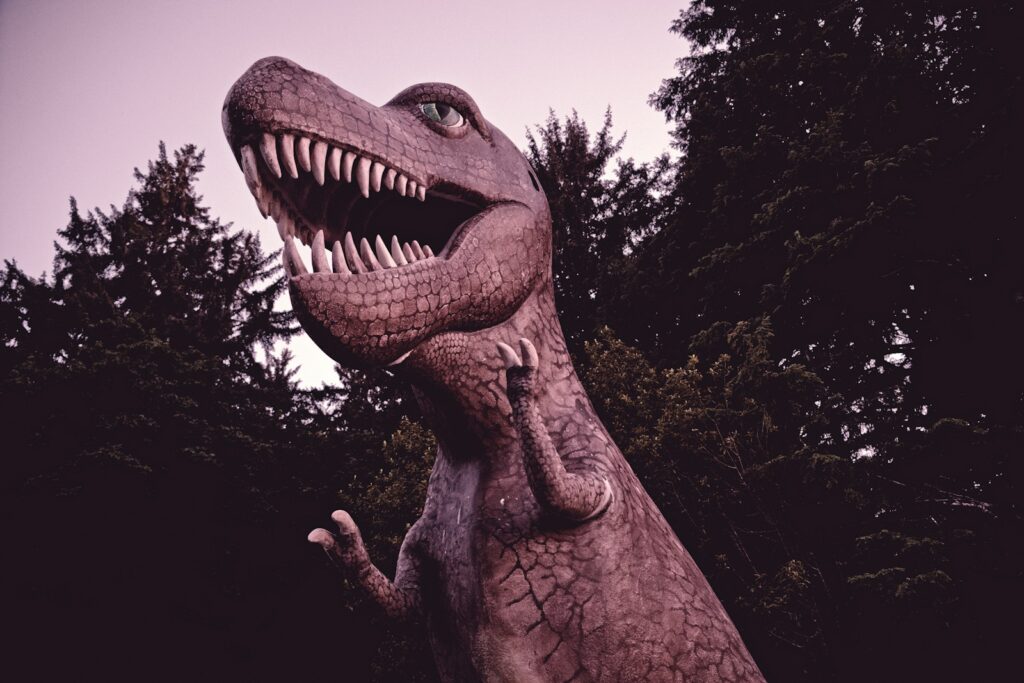
The geographical distribution of Tyrannosaurus rex was more restricted than popular imagination might suggest, with fossil evidence confining it to western North America during the late Maastrichtian stage of the Cretaceous period, approximately 68-66 million years ago. Specifically, T-rex fossils have been recovered from what is now Montana, Wyoming, South Dakota, North Dakota, Colorado, New Mexico, Texas, Utah, and Saskatchewan and Alberta in Canada—areas that were then part of the ancient landmass Laramidia, separated from eastern North America by the Western Interior Seaway. Paleoenvironmental reconstructions indicate T-rex inhabited diverse ecosystems, from coastal lowlands to inland floodplains, typically characterized by subtropical climates with seasonal variations. Interestingly, fossil distribution patterns suggest potential habitat partitioning, with T-rex appearing more common in upland environments while its contemporary, Nanotyrannus (which some researchers consider to be juvenile T-rex), may have preferred lowland settings. This geographical specialization might explain why T-rex never expanded beyond western North America despite the absence of major geographical barriers to its north, perhaps indicating specific environmental or ecological requirements that limited its range despite its status as an apex predator.
The Extinction Event: How T-Rex Disappeared
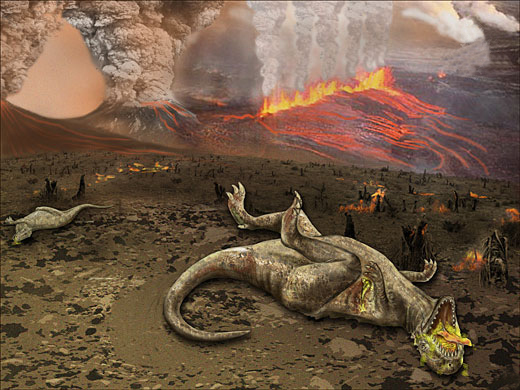
Tyrannosaurus rex vanished during one of Earth’s most profound extinction events, the Cretaceous-Paleogene (K-Pg) mass extinction approximately 66 million years ago, which eliminated approximately 75% of all species on the planet. The timing of T-rex’s extinction is precisely documented in the fossil record, with specimens found right up to the K-Pg boundary layer but never above it, confirming the species’ elimination coincided exactly with this global catastrophe. The primary cause of this extinction is now widely accepted to be the impact of a massive asteroid or comet at Chicxulub on Mexico’s Yucatán Peninsula, which released energy equivalent to billions of Hiroshima bombs, triggering global wildfires, acid rain, and a prolonged “impact winter” from atmospheric debris blocking sunlight. Recent research from the University of Edinburgh suggests that T-rex may have been particularly vulnerable to this extinction due to its position at the top of the food chain, as the collapse of plant productivity would have eliminated herbivorous prey species first, creating a cascading effect up the trophic levels. The relatively long maturation time and specialized predatory adaptations of T-rex likely reduced its ability to adapt to the rapidly changing post-impact environment, unlike the smaller, more generalist animals—including early mammals—that managed to survive this cataclysmic event and eventually diversify into the mammalian-dominated world that followed.
Cultural Impact: How T-Rex Shaped Our View of Dinosaurs
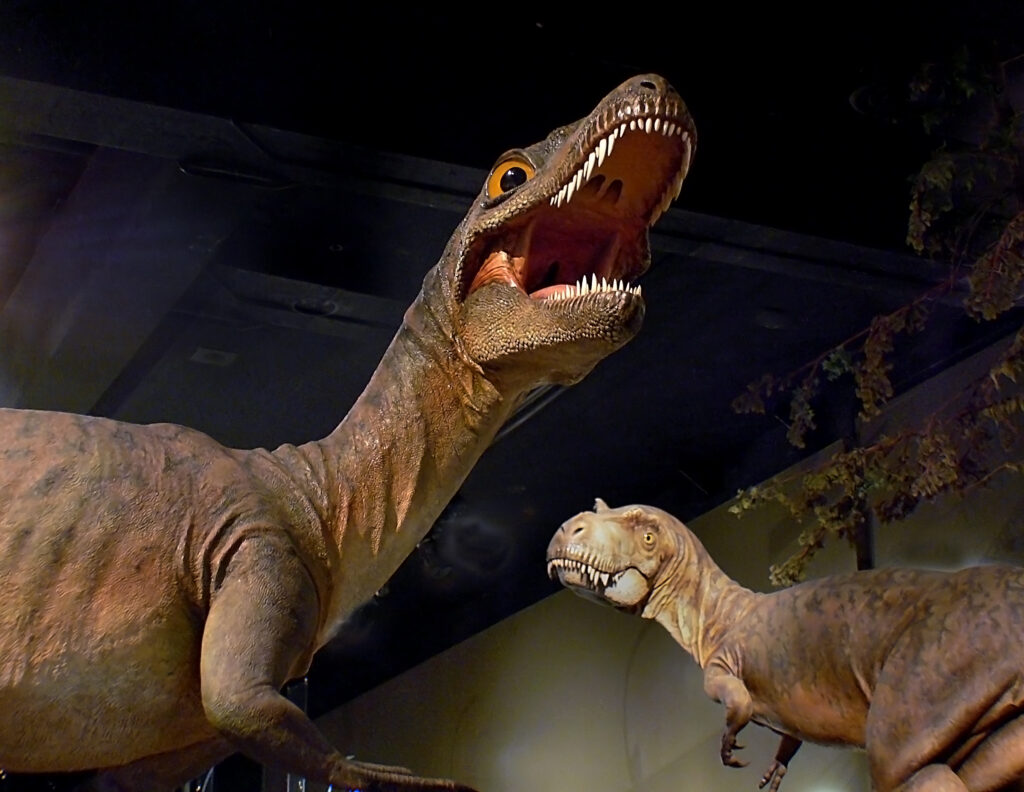
The cultural footprint of Tyrannosaurus rex extends far beyond paleontological circles, establishing it as perhaps the most influential extinct species in human culture. Since its scientific description in 1905, T-rex has dominated museum exhibitions, with specimens like “Sue” at Chicago’s Field Museum drawing millions of visitors annually and becoming cultural landmarks in their own right. In cinema, T-rex has starred in dozens of films beyond just Jurassic Park, becoming a shorthand for prehistoric terror and often representing dinosaurs as a whole in the public imagination. The commercial impact is equally significant, with T-rex merchandise generating billions in revenue across toys, clothing, books, and video games—the dinosaur toy market alone exceeds $1 billion annually, with T-rex consistently ranking as the best-selling species. Perhaps most profoundly, T-rex has served as a gateway to science education for countless children, with studies showing dinosaur enthusiasm often correlates with higher science literacy and interest in STEM fields later in life. This cultural ubiquity creates a feedback loop between scientific research and public interest, with new discoveries about T-rex regularly making headlines and influencing how this iconic dinosaur is portrayed in subsequent media, demonstrating how deeply intertwined this prehistoric predator has become with our modern cultural landscape.
Conclusion

The scientific understanding of Tyrannosaurus rex continues to evolve, challenging our long-held assumptions about this iconic predator. Far from the simple movie monster of popular culture, the real T-rex emerges as a complex, adaptable organism with unexpected features—potentially sporting feathers, possessing greater intelligence than previously thought, and employing sophisticated hunting strategies despite more moderate speeds. These revelations highlight the dynamic nature of paleontological science and remind us that even our most famous dinosaur continues to surprise us with new insights. As research techniques advance and new specimens emerge, our understanding of T-rex will undoubtedly continue to transform, offering an ever more nuanced portrait of this magnificent creature that dominated the late Cretaceous landscape.