Imagine a world where the largest creatures on land could weigh over 50 tonnes, where predators with jaws powerful enough to crush bone were outsmarted by prey with armored skin and club tails, and where some animals had already quietly invented a version of feathers and advanced breathing systems millions of years before birds even existed. That world was real. It lasted for an extraordinarily long time. The dinosaurs did not merely survive on Earth. They took it over completely, reshaping ecosystems on every continent and filling nearly every ecological role imaginable.
What made them so spectacularly dominant? It was not just size, and it was not just brute force. The answers lie in a remarkable collection of physical innovations, behavioral strategies, and physiological advantages that most of us never consider when picturing a T. rex or a Brachiosaurus. Let’s dive in.
From Underdogs to Rulers: The Rise of the Dinosaurs
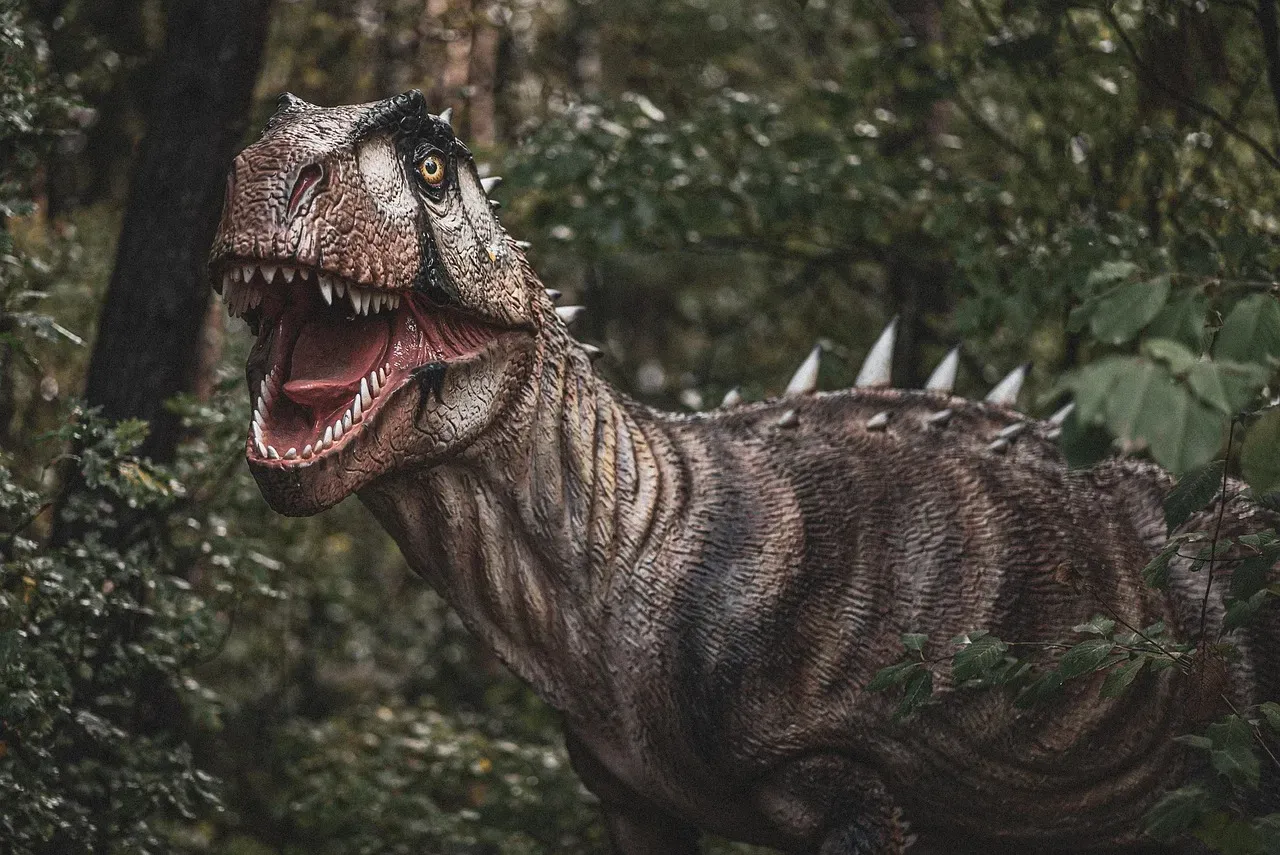
Here is the thing most people do not know: dinosaurs were not always in charge. During most of the Triassic period, dinosaurs were not the dominant species. They were not the most diverse animals, nor were they the most abundant. They were, in fact, role players. The real powerhouses of early Earth were massive crocodile-like creatures called pseudosuchians and enormous amphibians that patrolled the waterways. Dinosaurs were just trying to survive among them.
Then everything changed. Widespread volcanism and a spike in atmospheric carbon dioxide wiped out half of all plant species, and extinguished early crocodile relatives that had competed with the earliest dinosaurs. Thanks to this climatic catastrophe, those early, small dinosaurs were freed from their main competitors to become the dominant force in the animal world. It is a story of survival through catastrophe, not superiority. The stage was cleared for them, and they absolutely ran with it.
The Locomotive Advantage: How They Walked Their Way to the Top
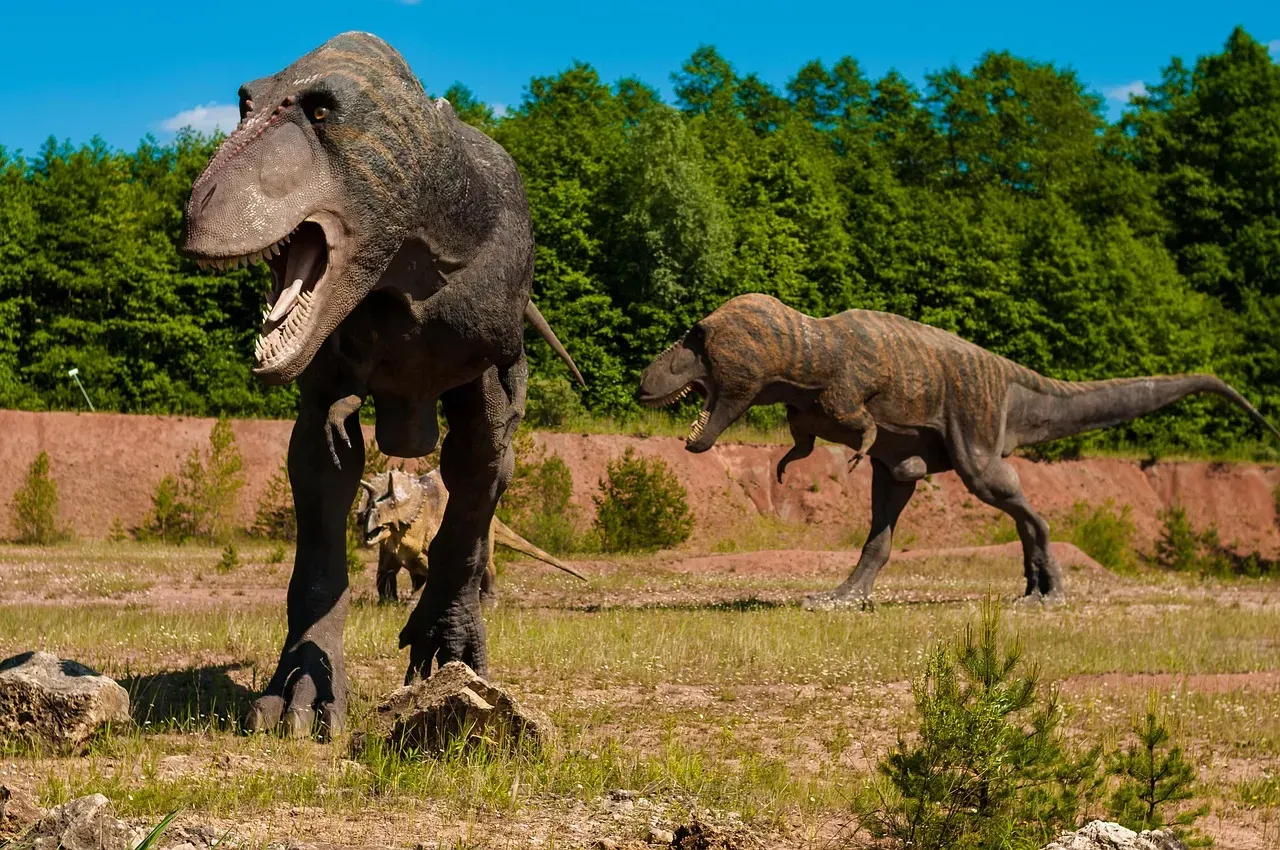
You might think dinosaur dominance came down to teeth, claws, or sheer size. Honestly, the answer is far more interesting. Dinosaurs may have ruled Earth for over 160 million years because the way they walked gave them a big advantage during the drying climate of the Triassic. Their posture was fundamentally different from their rivals. Some pseudosuchians walked on their hindlegs, but the majority retained a crawling habit. Dinosaurs were initially bipedal and could run, rather than just lumber along like their ancestors.
Think about what that means in practical terms. Imagine competing against an animal that can sprint upright on two legs while you are dragging your belly along the ground. Dinosaurs exhibited a wide range of locomotive adaptations, from the bipedal stance of theropods to the quadrupedal stance of sauropods. Bipedalism allowed theropods and some ornithischians to achieve high speeds, making them efficient hunters or quick to escape predators. This adaptation involved strong hind limbs, a forward-shifted center of mass, and a stiff tail for balance. The diversity of their posture and gait meant they were immensely adaptable, and this ensured strong success on Earth for so long, while other features like the ability to regulate temperature with feathers and more efficient breathing mechanisms helped them thrive further.
Breathing Ahead of Their Time: The Air Sac Revolution
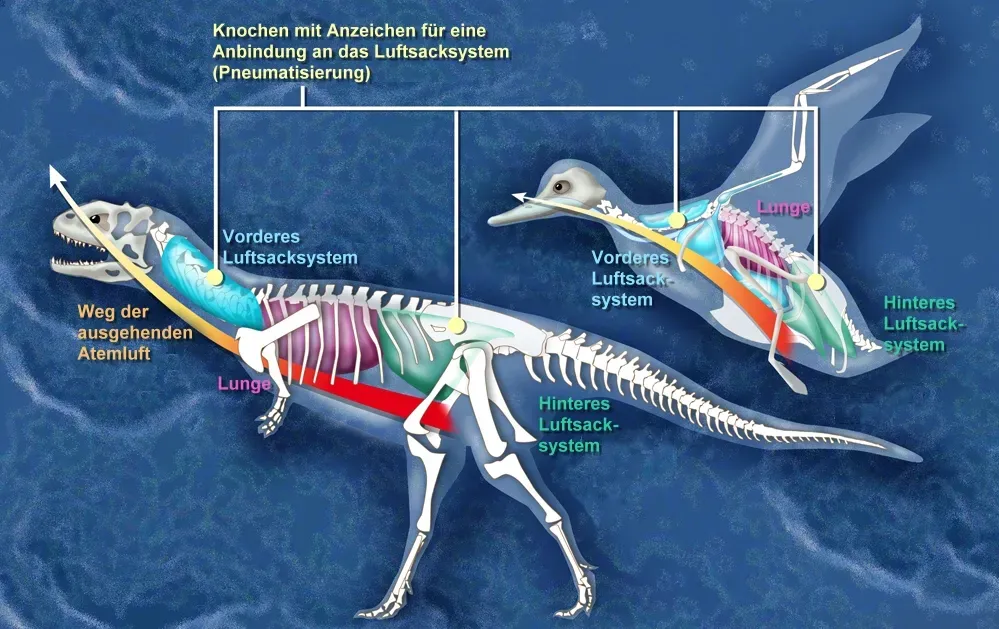
If you want to understand one of the most underrated advantages dinosaurs had, look at how they breathed. The avian-type respiratory system in dinosaurs consisted of complex air sacs that facilitated unidirectional airflow. This system enabled dinosaurs to extract oxygen more effectively, despite the lower oxygen levels in the ancient atmosphere. To put that simply: while other creatures were struggling to pull enough oxygen from thin prehistoric air, dinosaurs had essentially invented a more advanced breathing engine. Animals with air sacs have a tremendous advantage compared to mammals, as one paleontologist from the University of Campinas has noted.
Dinosaur respiratory systems with bird-like air sacs may have been capable of sustaining higher activity levels than mammals of similar size and build can sustain. In addition to providing a very efficient supply of oxygen, the rapid airflow would have been an effective cooling mechanism, which is essential for animals that are active but too large to get rid of all the excess heat through their skins. It is hard to say for sure exactly how big a role this played in individual species, but across millions of years, this breathing advantage likely made the difference between thriving and merely surviving.
Masters of Size: Gigantism, Growth, and Body Design
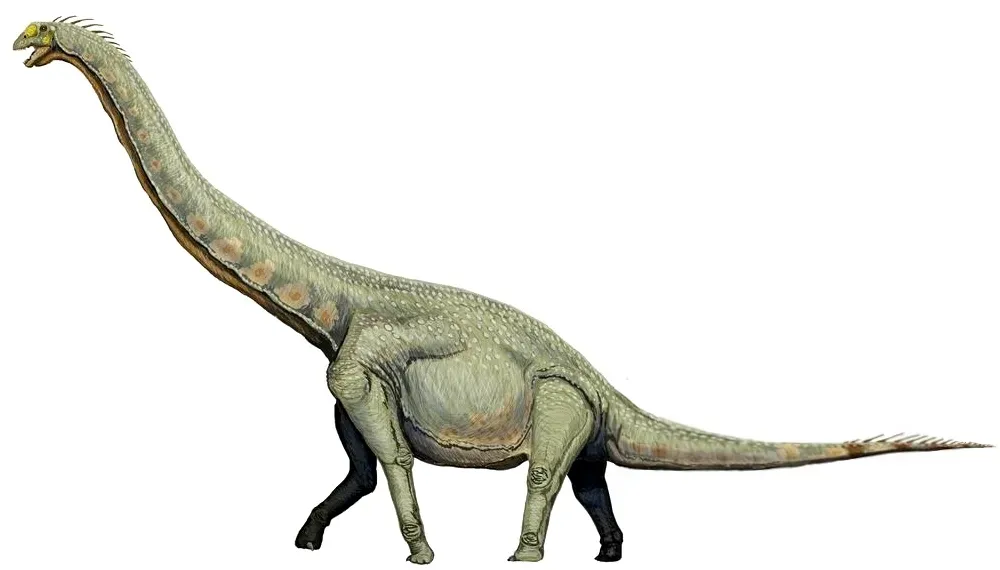
Diversity in the body shapes and sizes of dinosaurs was foundational to their widespread success during the Mesozoic era. Nowhere is this more evident than in the sauropods, those long-necked giants that remain the largest land animals ever to have walked the planet. The herbivorous sauropod dinosaurs of the Jurassic and Cretaceous periods were the largest terrestrial animals ever, surpassing the largest herbivorous mammals by an order of magnitude in body mass. Several evolutionary lineages among sauropods produced giants with body masses in excess of 50 metric tonnes by conservative estimates. That is genuinely staggering to think about.
The secret to getting that big was not random luck. The most important key innovation was probably the very long neck, the most conspicuous feature of the sauropod body plan. Compared to other herbivores, the long neck allowed more efficient food uptake by covering a much larger feeding envelope and making food accessible that was out of the reach of other herbivores. Sauropods must therefore have been able to take up more energy from their environment than other herbivores. Their long necks were not only an adaptation for reaching high foliage but also provided a greater surface area, helping them to regulate their body temperature. One body feature, multiple competitive advantages. Nature is efficient like that.
Built for Survival: Armor, Feathers, and Physical Defenses
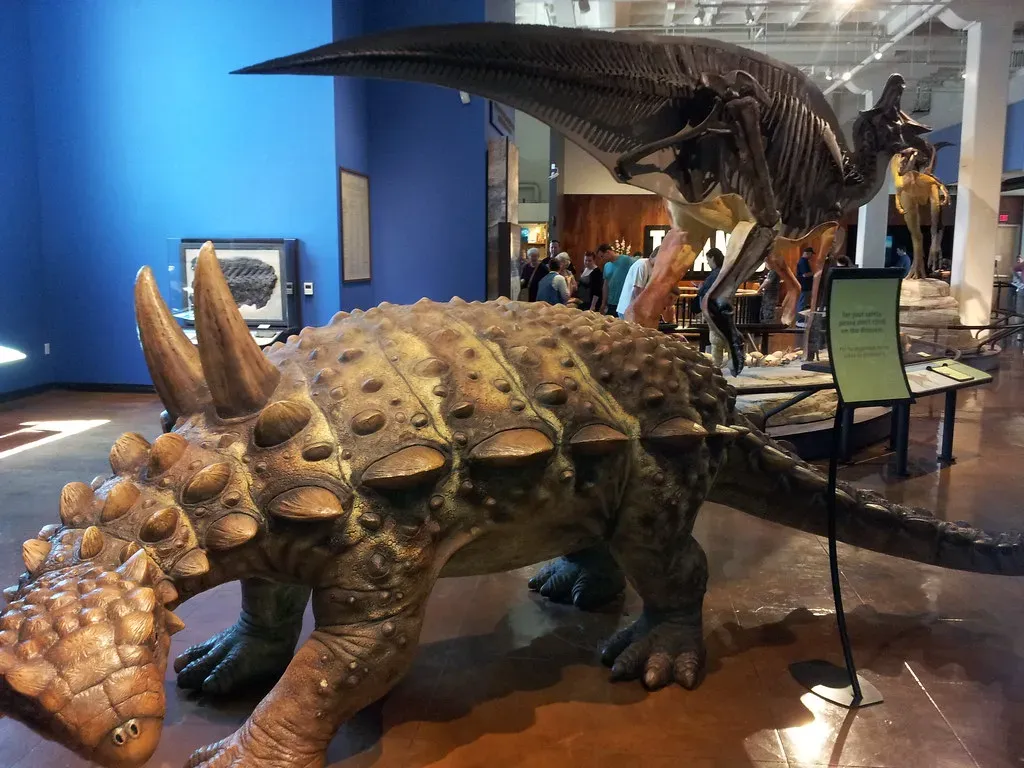
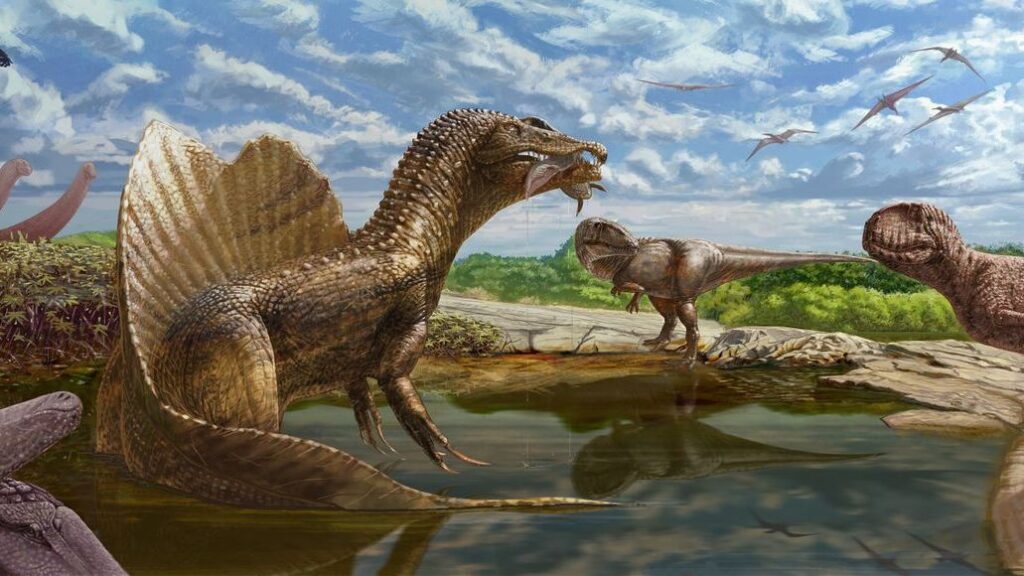
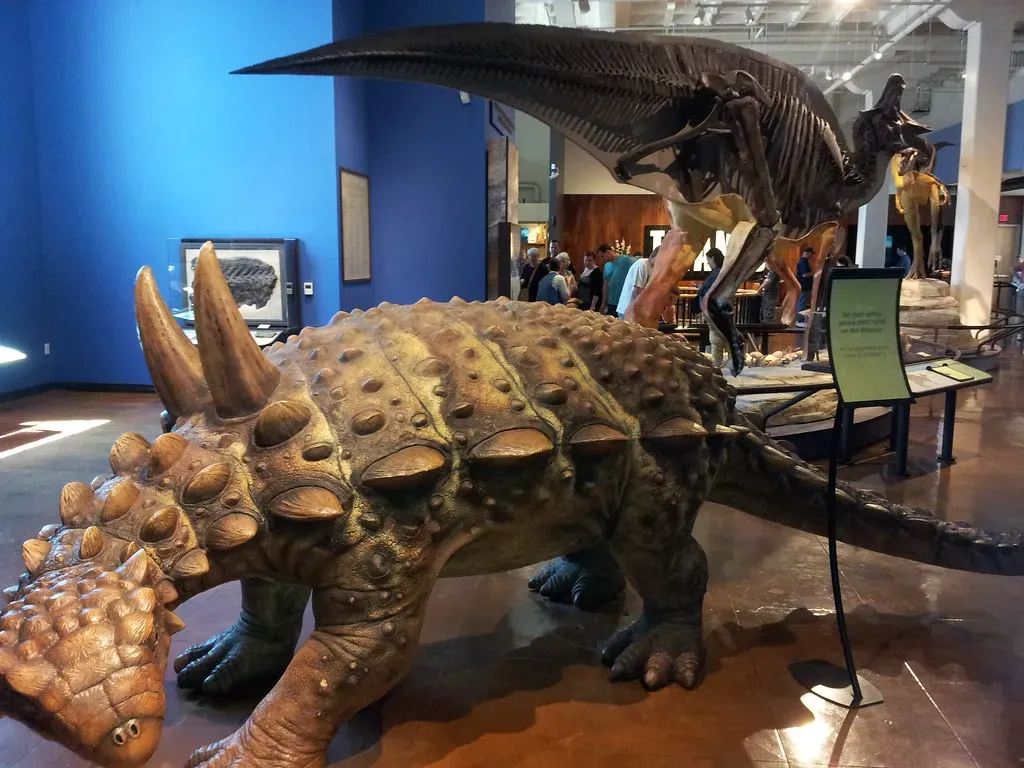
Cranial modifications like horns and crests are common dinosaurian traits, and some extinct species had bony armor. Let’s be real: when you think of evolution’s most creative period, the Mesozoic is probably the gold standard. Many dinosaurs developed unique and somewhat bizarre adaptations to suit their habitats. Spinosaurus, for example, lived in the tidal flats of North Africa, and evolved an impressive sail on its back to support its semi-aquatic lifestyle. Stegosaurus, meanwhile, developed large plates on its back, while Anchiornis had four wings and curved claws that may have been used for tree climbing. Every species seemed to be solving a different problem with a wildly different solution.
Feathers were one of the most important physical innovations, and they did far more than keep animals warm. Feathers evolved before flight and may have functioned as insulation to keep dinosaurs warm, or for display as a way to attract mates. Feathers in certain species not only helped dinosaurs stay warm but also played a role in courtship displays and communication. In 2016, a research team discovered that dinosaurs were not originally adapted for warm, tropical environments as had been previously thought. Rather, in the beginning they were primarily adapted for the cold, being insulated like birds with feather-like structures called protofeathers. This cold-weather origin story gave early dinosaurs a decisive edge when temperatures plummeted.
Social Smarts: Herding, Nesting, and Parental Care
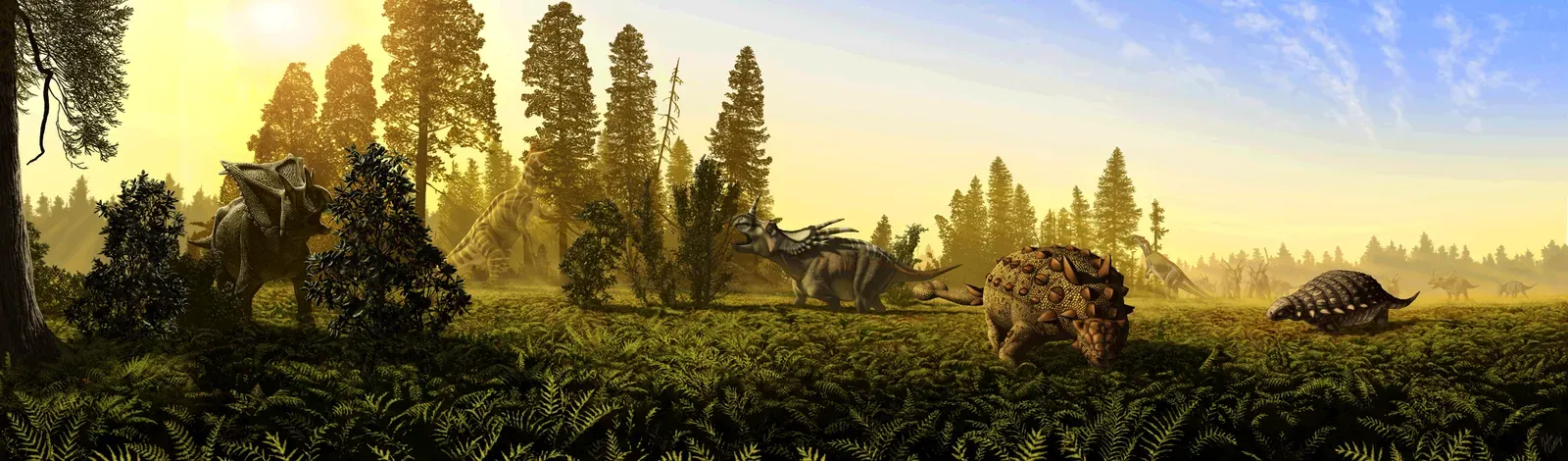
Here is something that might genuinely surprise you. Dinosaurs were not the solitary, lumbering beasts of older science fiction. While popular media often portrays them as solitary hunters or mindless beasts, paleontological evidence increasingly suggests that many dinosaur species exhibited complex social behaviors, particularly herding. Researchers detail the discovery of an exceptionally preserved group of early dinosaurs that shows signs of complex herd behavior as early as 193 million years ago, forty million years earlier than other records of dinosaur herding. That is a remarkably deep evolutionary history of social organization.
The dinosaurs likely worked as a community, laying their eggs in a common nesting ground. Juveniles congregated in schools, while adults roamed and foraged for the herd. The Maiasaura nesting grounds in Montana reveal hundreds of nests in distinct neighborhoods, with evidence that adults provided extended care to nestlings that remained in the nest for significant periods after hatching. Think of this as a prehistoric version of a village, where community survival mattered more than individual glory. This kind of social structure protected young, vulnerable animals and dramatically improved the survival rate of each generation.
Adapting to Everything: Climate Resilience Across Continents
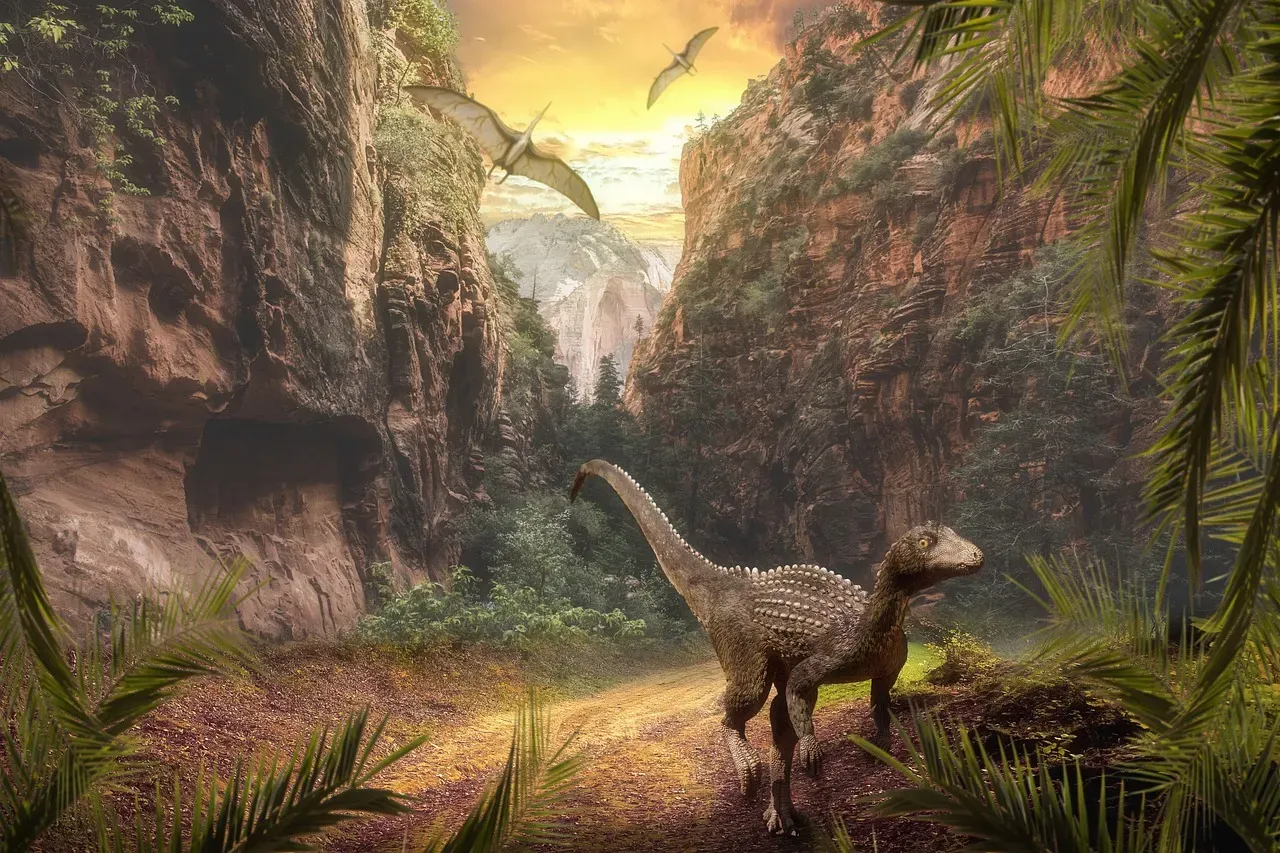
Perhaps the most jaw-dropping achievement of the dinosaurs was not dominating one type of environment but thriving in nearly all of them. Dinosaurs’ dominance during the Jurassic era was not solely attributable to their presence in warm, tropical environments but also to their extraordinary ability to adapt to a wide range of climates, including the cold and inhospitable. The presence of ice-rafted debris indicates that dinosaurs not only lived in polar regions but also endured freezing temperatures, highlighting their remarkable adaptations and their ability to thrive in icy environments. We are talking about the same group of animals living at both the poles and the tropics. That is extraordinary range.
Another fascinating adaptation was that dinosaurs could temporarily stop growing in the harsh winters, enabling them to conserve energy while food was scarce. Fossilized bones found at the Junggar basin showed bone rings that indicate this growth pattern. Dinosaur fossils show that they had achieved global distribution by the Early Jurassic epoch at latest. Their ability to pause biological growth during lean times, adjust their metabolism, and colonize entirely different climate zones makes them one of the most ecologically flexible groups of animals Earth has ever produced. No other land vertebrate group before or since has managed such a feat for anywhere close to as long.
Conclusion
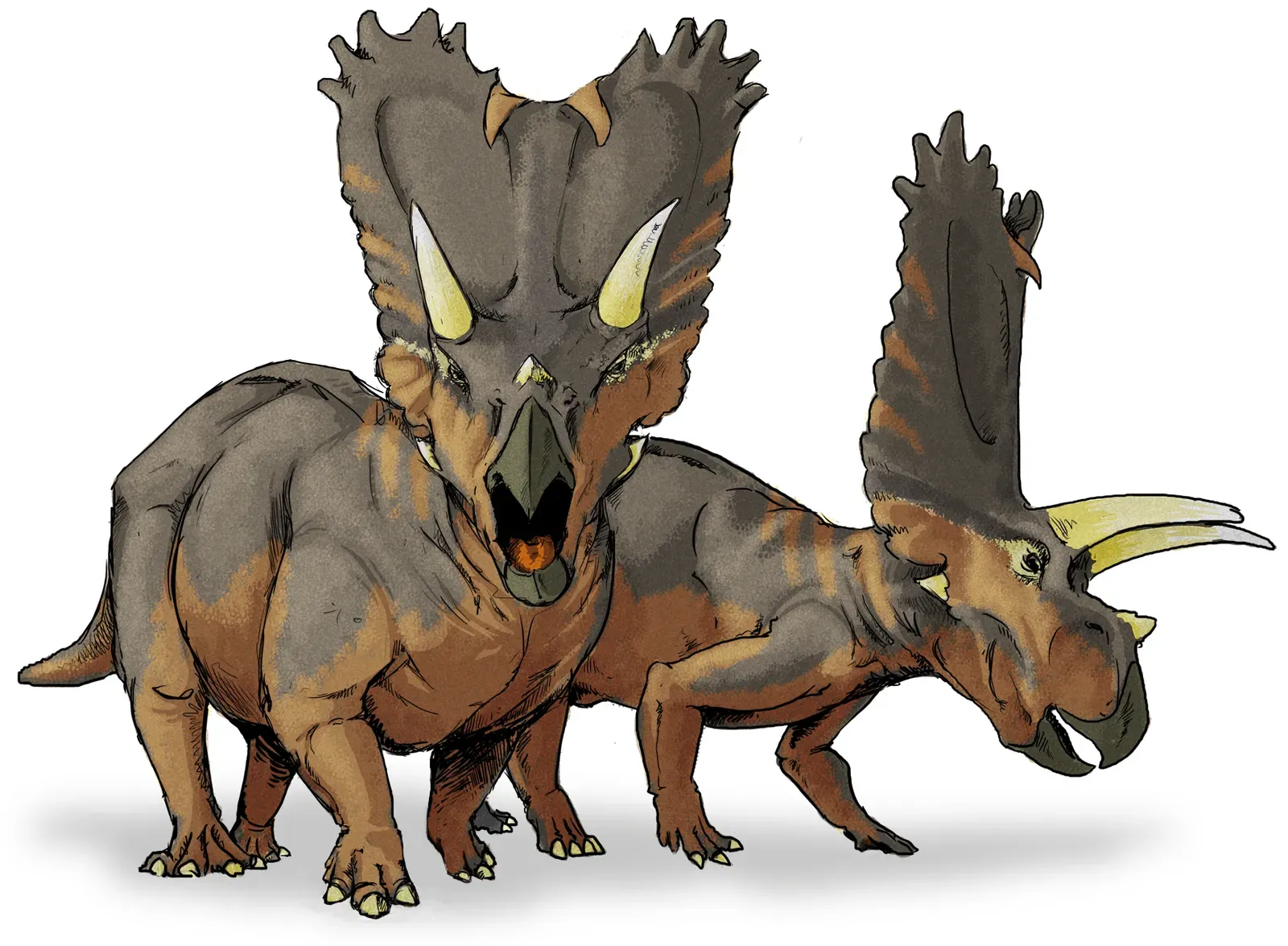
The dinosaurs were not Earth’s rulers simply because they were the biggest or the most ferocious. They were dominant because they were genuinely, deeply, brilliantly adapted. From their upright, agile gait and advanced respiratory systems to their social structures and ability to thrive in Arctic cold and tropical heat, every advantage built upon the last. The diversification of the dinosaurs during the Mesozoic Era was a complex process that involved many factors, including environmental changes, evolutionary innovation, competition, and geographic isolation. These factors combined to create one of the most diverse and successful groups of animals to ever exist.
What makes their story even more remarkable is that it did not truly end. The fossil record shows that birds are feathered dinosaurs, having evolved from earlier theropods during the Late Jurassic epoch, and are the only dinosaur lineage known to have survived the Cretaceous–Paleogene extinction event. Every time you watch a bird take flight, you are seeing a living dinosaur. The reign never fully stopped. It just changed shape. So the next time someone asks you what the most successful group of land animals in Earth’s history was, you already know the answer. What surprises you most about how they got there?