Picture a world without dinosaurs. No towering sauropods shaking the ground, no ferocious theropods ruling the Mesozoic landscape. That world almost existed, because the rise of dinosaurs wasn’t inevitable. It was the result of hundreds of millions of years of incremental, sometimes brutal, evolutionary change that began with small, unassuming creatures crawling through the forests of the Carboniferous.
You might think of reptiles as a fairly static group today, mostly lizards and crocodilians. In deep time, however, they were the engine of one of the most dramatic biological explosions in Earth’s history. The story of how early reptiles set the stage for dinosaurs is, in many ways, the story of life itself learning to fully conquer the land.
The First Reptiles: Humble Beginnings in Carboniferous Swamps
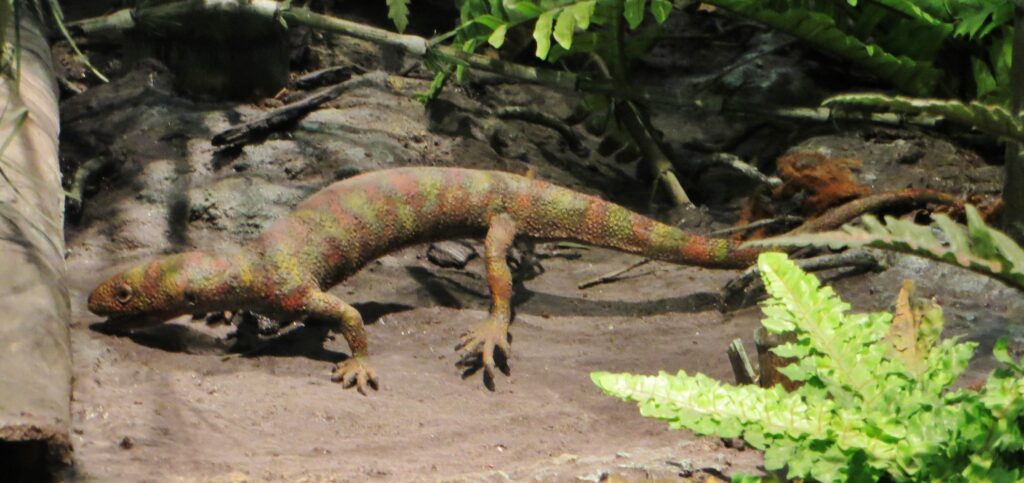
The origin of reptiles traces back roughly 320 to 310 million years ago, in the swamps of the late Carboniferous period, when the first reptiles evolved from advanced labyrinthodonts. These weren’t the fearsome creatures you’d imagine. They were small, cautious, and largely overshadowed by the massive amphibians that dominated most of the landscape around them.
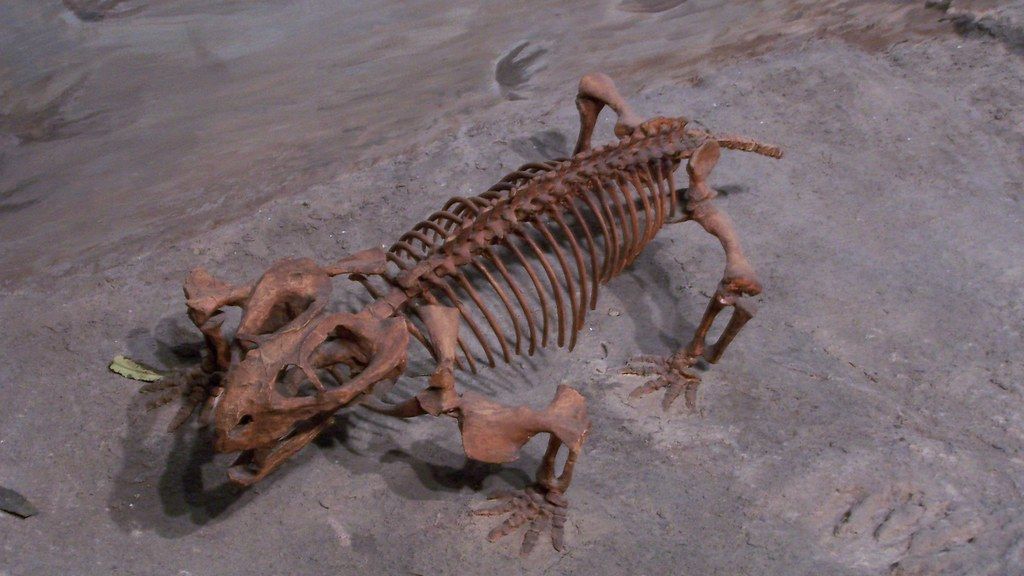
The earliest known reptiles, Hylonomus and Paleothyris, date from Late Carboniferous deposits of North America and were small lizard-like animals that apparently lived in forested habitats. The earliest reptiles were largely overshadowed by bigger labyrinthodont amphibians and remained a small, inconspicuous part of the fauna until after the small ice age at the end of the Carboniferous. You wouldn’t have given them a second glance in that ancient ecosystem.
The Revolutionary Amniotic Egg: Life’s Great Breakaway from Water
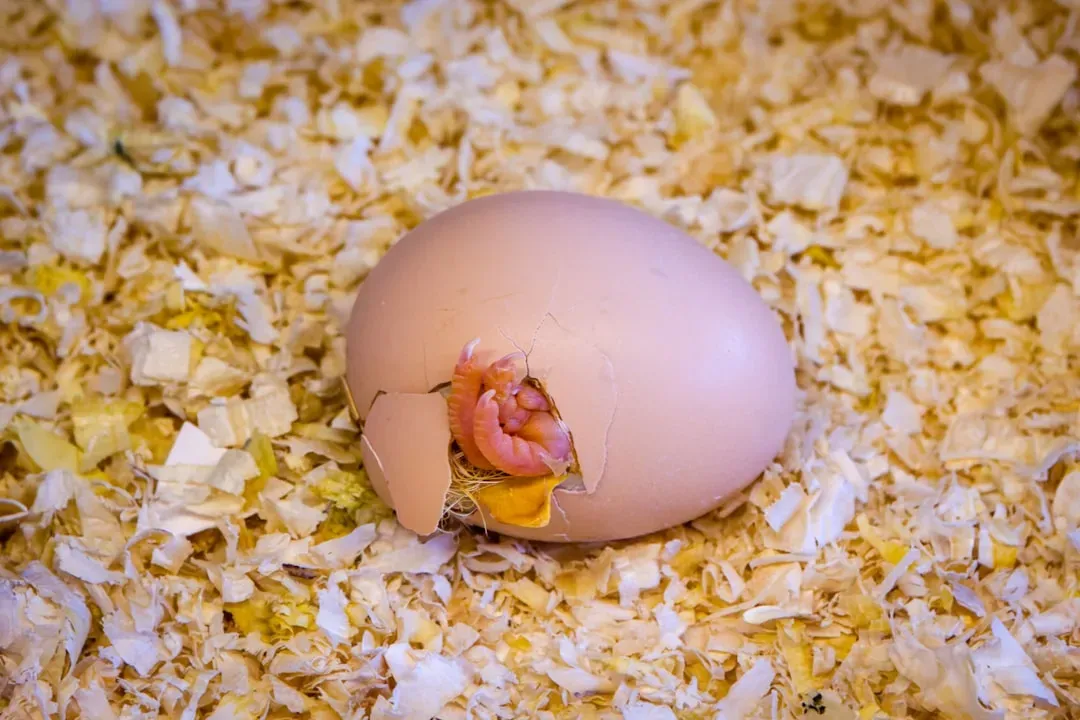
The amniotic egg was an evolutionary invention that allowed the first reptiles to colonize dry land more than 300 million years ago. Fish and amphibians must lay their eggs in water and therefore cannot live far from water, but thanks to the amniotic egg, reptiles could lay their eggs nearly anywhere on dry land. Think of what that meant practically: an entire planet’s worth of dry terrain suddenly became accessible for reproduction.
The reptiles, including dinosaurs and birds, are distinguished from amphibians by their terrestrially adapted egg, which is supported by four extraembryonic membranes: the yolk sac, the amnion, the chorion, and the allantois. The amniotic egg is the key characteristic of all amniotes, including mammals, and the evolution of these extraembryonic membranes led to less dependence on water for development, thus allowing amniotes to branch out into drier environments. This was, simply put, one of the most consequential biological innovations in the history of life on Earth.
Synapsids and Sauropsids: The Great Divergence
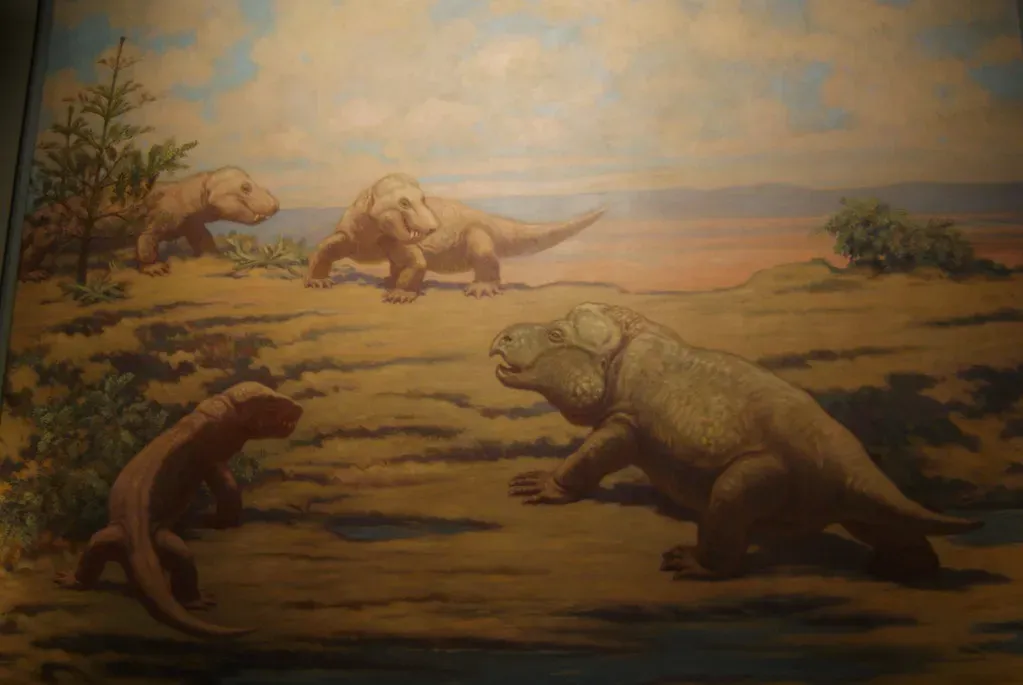
By about 320 million years ago, early amniotes had diverged into two groups called synapsids and sauropsids. Synapsids were amniotes that eventually gave rise to mammals, while sauropsids were amniotes that evolved into reptiles, dinosaurs, and birds. You can think of this split as the original parting of ways between the lineage that would eventually produce you and the lineage that would produce Tyrannosaurus rex.
Soon after the first amniotes appeared, they diverged into three groups, synapsids, anapsids, and diapsids, during the Permian period. Late in the period, the diapsid reptiles split into two main lineages, the archosaurs, ancestors of crocodiles and dinosaurs, and the lepidosaurs, predecessors of modern tuataras, lizards, and snakes, with both groups remaining lizard-like and relatively small and inconspicuous during the Permian. The future rulers of Earth were still keeping a very low profile.
Therapsids: The Mammals-in-Waiting That Shaped the Permian World
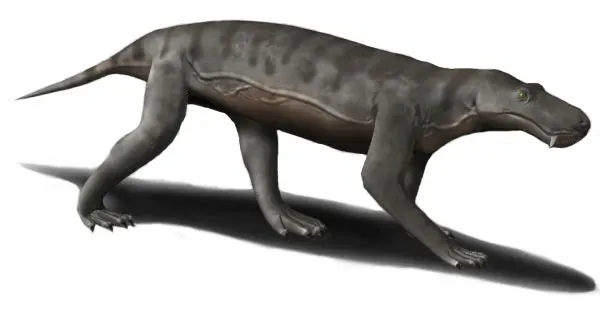
Therapsids evolved from earlier synapsids commonly called pelycosaurs, specifically within the Sphenacodontia, more than 279.5 million years ago, and they replaced the pelycosaurs as the dominant large land animals from the Guadalupian through to the Early Triassic. These were the creatures that owned the Permian landscape, ranging across a staggering variety of sizes and ecological roles.
Therapsids first appeared in the Permian Period, during which they flourished and evolved into a number of mammal forms. Traditionally, therapsids have been described as mammal-like reptiles, because their characteristics are reminiscent of both groups. In most species the teeth were differentiated into mammal-like nipping incisors, large stabbing canines, and a series of grinding cheek teeth, while the lower jaw, however, was still reptilian in structure, being composed of seven bones instead of one as in mammals. They were caught somewhere in between, which makes them utterly fascinating to study.
The Great Dying: Catastrophe as an Evolutionary Catalyst
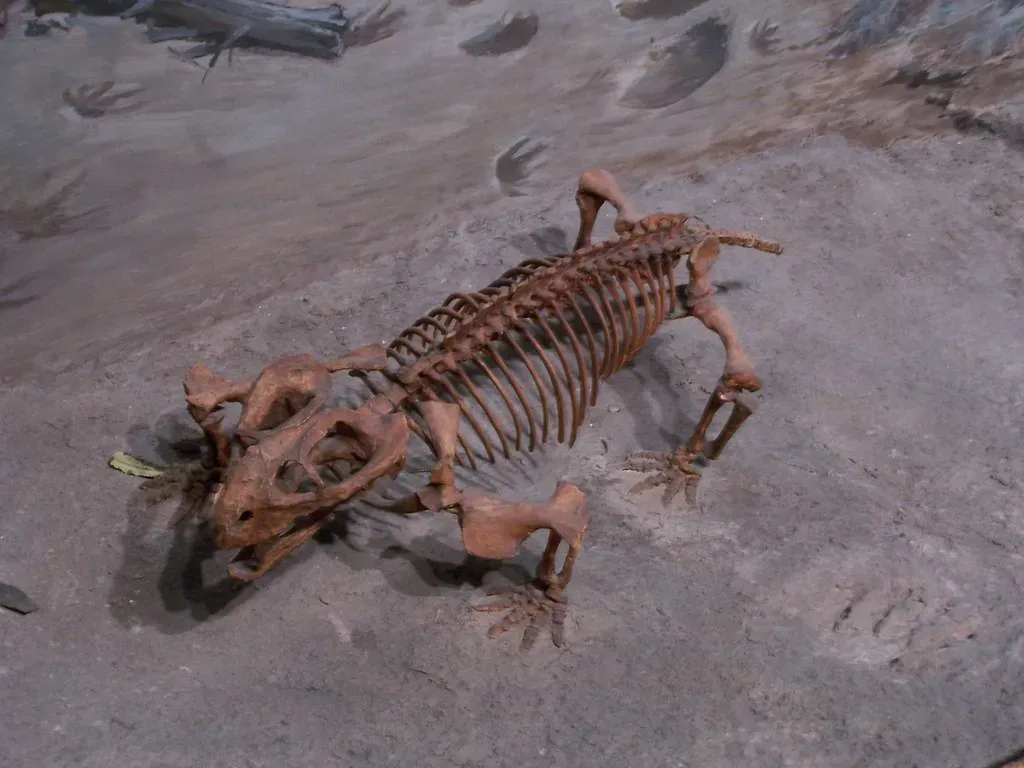
The Triassic Period began roughly 252 million years ago after Earth’s worst-ever extinction event devastated life. The Permian-Triassic extinction event, also known as the Great Dying, was one of the most significant events in the history of our planet, representing the divide between the Palaeozoic and the Mesozoic Eras. Nearly everything that had thrived in the Permian was wiped away in what remains the most severe extinction in Earth’s known history.
Archosaurs quickly diversified in the aftermath of the Permian-Triassic mass extinction, which wiped out most of the then-dominant therapsid competitors such as the gorgonopsians and anomodonts, and the subsequent arid Triassic climate allowed the more drought-resilient archosaurs to eventually become the largest and most ecologically dominant terrestrial vertebrates from the Middle Triassic period up until the Cretaceous-Paleogene extinction event. Catastrophe, it turns out, can be the most powerful engine of evolutionary opportunity.
Archosaurs Rise: The Direct Ancestors of Dinosaurs Take Center Stage
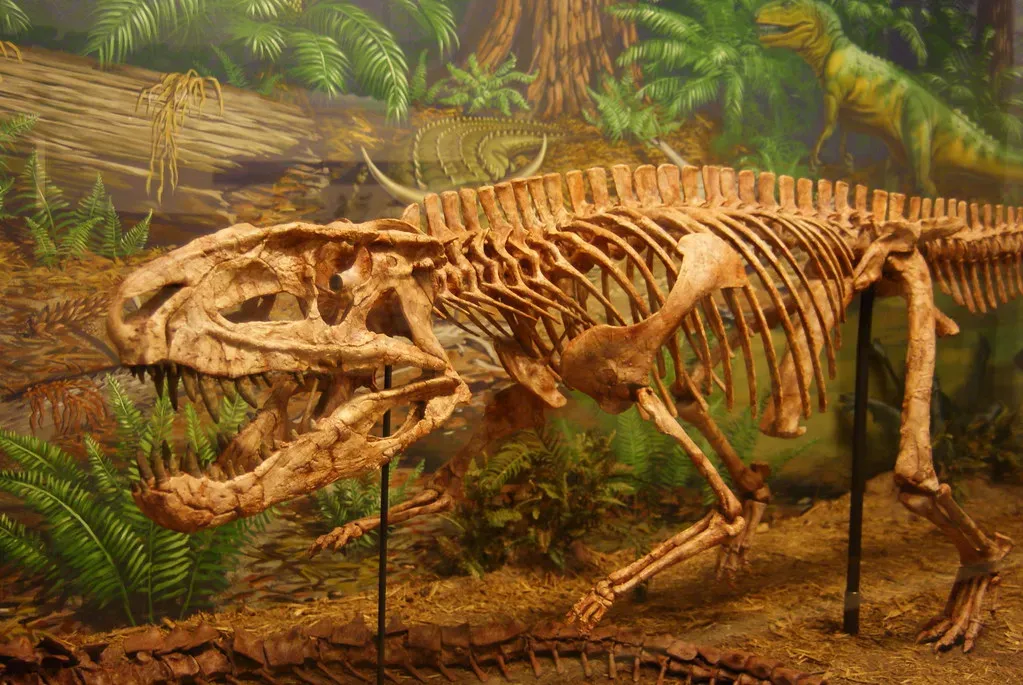
The archosaurs were characterized by elongated hind legs and an erect pose, with the early forms looking somewhat like long-legged crocodiles. The archosaurs became the dominant group during the Triassic period, developing into the well-known dinosaurs and pterosaurs, as well as the pseudosuchians. You can picture the Triassic world as a testing ground where multiple archosaur lineages were competing intensely for ecological dominance.
The establishment of high abundance, ecomorphological diversity, and observed species counts and phylogenetic diversity of archosauromorphs by the Middle Triassic paved the way for the ongoing diversification of the group, including the origins of dinosaurs, crocodylomorphs, and pterosaurs, in the Late Triassic, and their dominance of terrestrial ecosystems for the next 170 million years. Cynodonts and avian-line archosaurs engaged in arms races through the Triassic as their metabolic rates speeded up, and new paleontological discoveries point to the origins of endothermy in the Triassic, with birds and mammals likely acquiring warm-bloodedness in parallel. This physiological arms race reshaped life on land in ways still felt today.
The Triassic-Jurassic Extinction and the Final Ascent of Dinosaurs
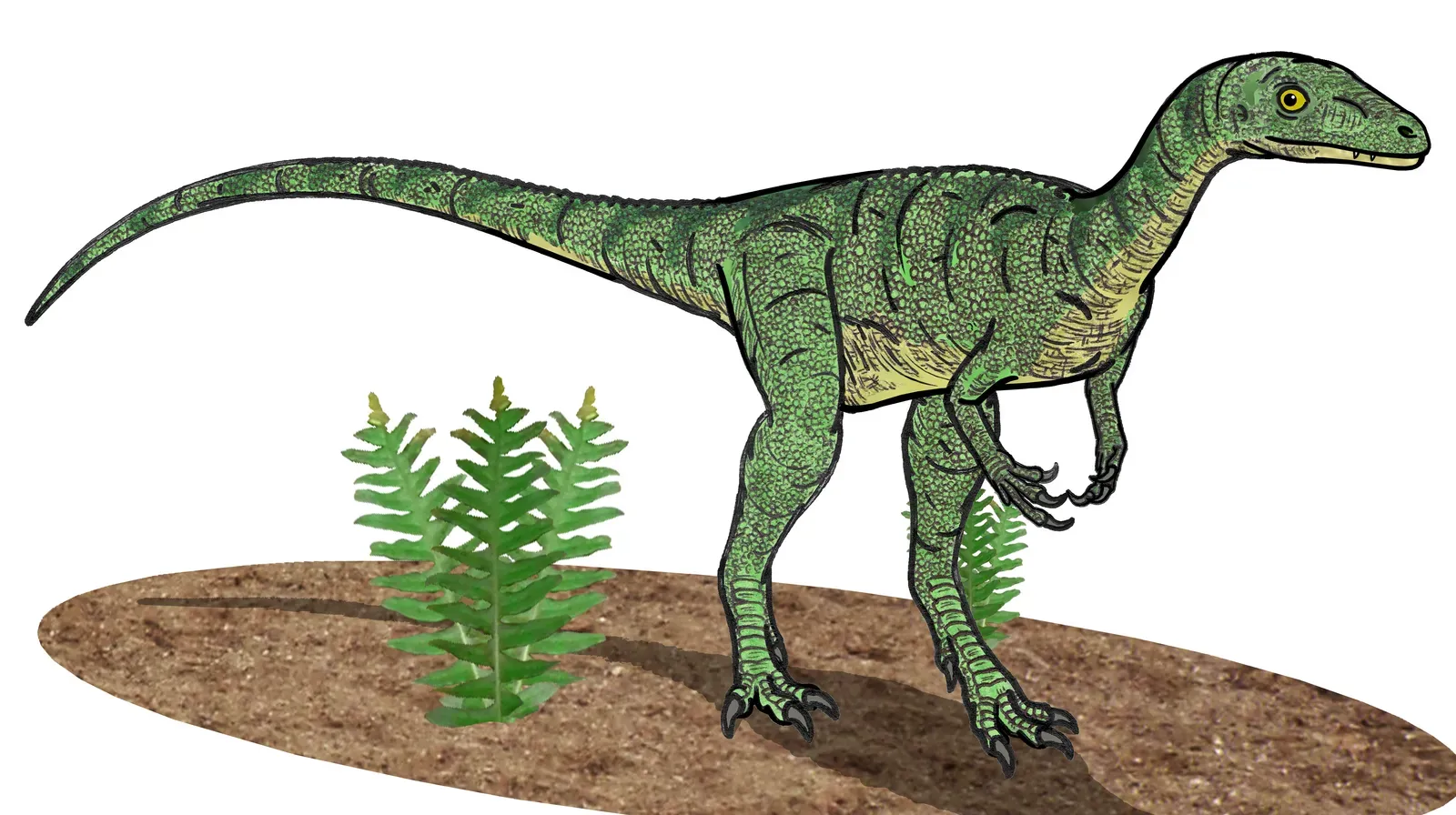
At the end of the Triassic, all archosauromorph reptiles other than crocodylomorphs, dinosaurs, and pterosaurs became extinct. Crocodylomorphs, dinosaurs, pterosaurs, and mammals were left largely untouched, allowing them to become the dominant land animals for the next 135 million years. It’s a strange thing to consider: dinosaurs didn’t rise because they were simply the strongest or the fastest. They survived because their competitors didn’t.
These extinctions within the Triassic and at its end allowed the dinosaurs to expand into many niches that had become unoccupied. Dinosaurs became increasingly dominant, abundant, and diverse and remained that way for the next 150 million years, with the true Age of Dinosaurs occurring during the following Jurassic and Cretaceous periods rather than the Triassic. Everything that came before, every extinction, every evolutionary experiment, every failed lineage, was in some way a stepping stone toward those extraordinary 150 million years.
Conclusion
The journey from small Carboniferous insect-eaters to world-dominating dinosaurs wasn’t a straight line. It was a winding, contingent path full of extinctions, lucky survivors, and gradual innovations in physiology, reproduction, and body plan. You can trace almost every major feature of the dinosaur body back through earlier reptile lineages that tested, refined, and sometimes abandoned those same traits across millions of years.
What makes this history genuinely compelling isn’t the dinosaurs themselves. It’s the realization that dominance is never permanent, and the creature crawling quietly in the undergrowth today might be the ancestor of something extraordinary 100 million years from now. Early reptiles were that quiet creature, and they changed everything.