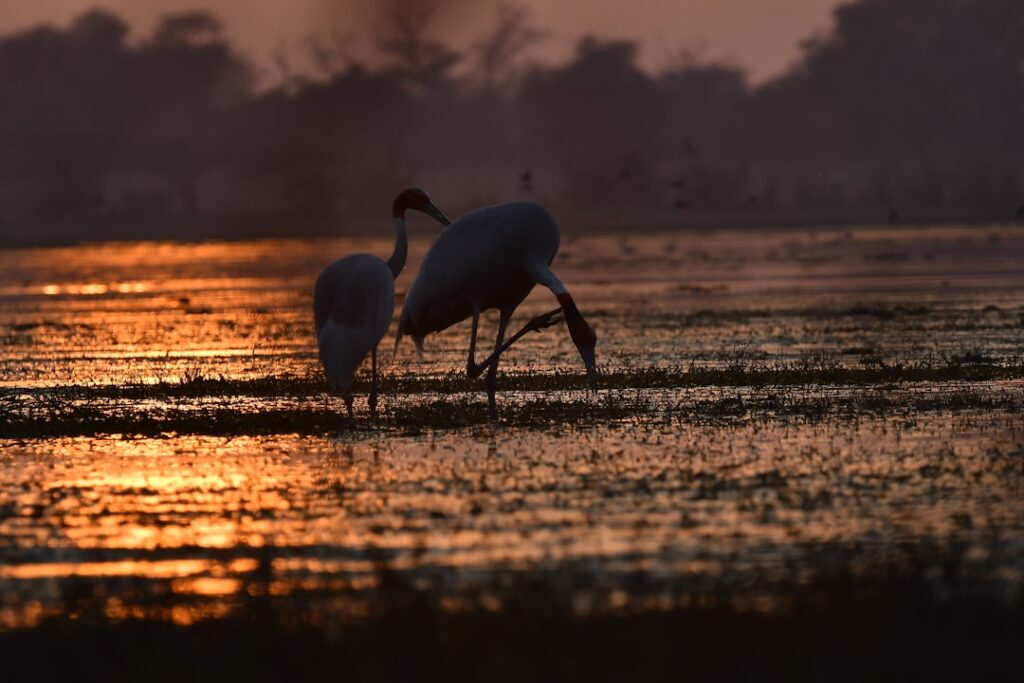
Amid widespread reports of declining bird populations, a new book spotlights remarkable recoveries that reveal the potential for broader environmental healing. Best-selling author Scott Weidensaul documents efforts worldwide where scientists, conservationists, and Indigenous communities have reversed fortunes for threatened species. These stories underscore that protecting birds does more than preserve biodiversity; it strengthens the intricate web of life upon which humanity relies.
Shorebirds Stage a Dramatic Comeback
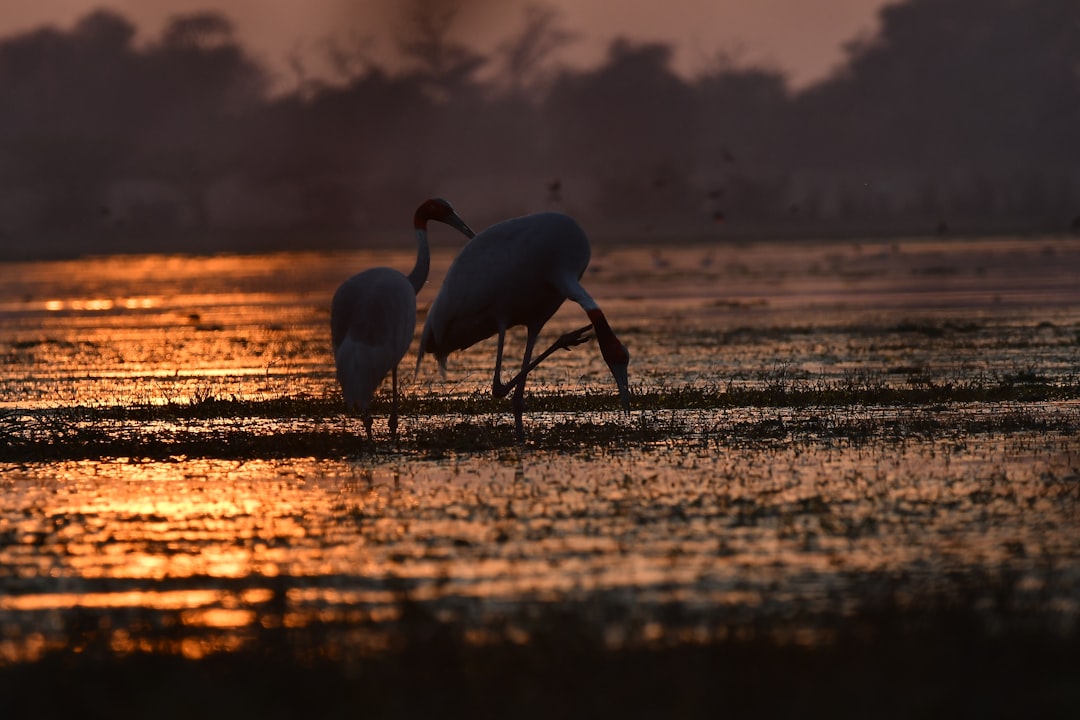
Shorebirds Stage a Dramatic Comeback (Image Credits: Unsplash)
American oystercatchers once faced steady decline along North American coasts, victims of habitat loss, human disturbance, and predators. In 2008, scientists crafted a targeted strategy to boost nesting success by just half a chick per pair annually. They reduced beach intrusions and managed threats like feral cats, dogs, foxes, and raccoons drawn to human trash.
The plan exceeded expectations. Rather than a forecasted 12% drop over the next decade, oystercatcher numbers surged 45% since then. Similar gains appeared among piping plovers in Massachusetts, where Endangered Species Act protections since the 1980s led to a 500% population increase, reaching 1,200 pairs in their Northeast stronghold. These recoveries highlight how focused interventions can halt and reverse trends for vulnerable shorebirds.
Indigenous Leadership Transforms Vast Landscapes
Canada’s boreal forest, a breeding ground for over five billion birds from more than 300 species, stands as one of the planet’s great avian nurseries. Indigenous communities have driven unprecedented conservation here, securing nearly one billion acres – two-thirds of the forest – by decade’s end under their guidance. The Łutsëł K’é Déné First Nation spearheaded the 6.5-million-acre Thaidene Nëné Indigenous Protected Area on Great Slave Lake, negotiating oversight after opposing a traditional national park that restricted their traditional practices.
This model inspired others, including the 12-million-acre Seal River Watershed in Manitoba, rivaling Nova Scotia in size and teeming with birds, caribou, bears, and wolverines. Scott Weidensaul described these developments as “one of the greatest conservation victories ever,” noting they blend social justice with ecological protection. The boreal’s role in supporting migratory birds from distant tropics amplifies the global impact.
Efforts Persist Even in War Zones
Conservation defies adversity in Europe’s Danube River Delta, the continent’s largest wetland spanning Romania, Moldova, and Ukraine. Amid ongoing conflict, groups like Rewilding Ukraine and Rewilding Romania restore habitats and reintroduce species such as European hamsters from Kyiv Zoo. Weidensaul visited the Romanian side near Vylkove, Ukraine, where air-raid sirens echoed nightly, yet work continued across the border.
Other triumphs include North American duck resurgences and ospreys reclaiming nests in southern Britain. Remote seabird islands also show progress through habitat reclamation. These examples from unlikely settings prove resilience knows few boundaries.
Birds as Guardians of Planetary Health
Birds inhabit nearly every corner of Earth, from oceans to mountaintops, their migrations linking distant ecosystems. Declines warn of systemic failures – habitat erosion, pollution, climate shifts – that threaten human well-being too. Recoveries, however, signal repair.
Weidensaul emphasized this connection: “Birds are struggling, with serious population declines that seem in some cases to be accelerating, which should serve as a warning that the systems on which they depend – on which we depend – are breaking down. But birds also serve as a handy, readily apparent barometer for when things are starting to go right.” Their roles in pest control, seed dispersal, pollination, and nutrient cycling sustain agriculture, forests, and wetlands. Safeguarding birds thus protects the planet’s foundational processes.
- Targeted predator control and habitat management reversed oystercatcher declines by 45%.
- Indigenous-led initiatives conserved vast boreal areas, benefiting billions of birds.
- Even conflict zones like the Danube Delta advance rewilding efforts.
- Birds’ ubiquity makes their health a direct measure of ecosystem vitality.
- Global collaborations among diverse groups yield scalable solutions.
These victories, detailed in Weidensaul’s forthcoming book *The Return of the Oystercatcher*, offer a roadmap for action. They remind us that collective resolve can mend damaged environments. What role will you play in supporting bird conservation? Share your thoughts in the comments.