The world cracked open like an ancient egg when the first dinosaur fossils emerged from the earth in the early 1800s. Suddenly, humanity faced a mind-bending revelation that would shatter everything we thought we knew about our planet’s history. These colossal bones weren’t just curiosities—they were time machines, whispering secrets from an unimaginably distant past that stretched far beyond biblical timelines.
When Giants First Walked Among Us
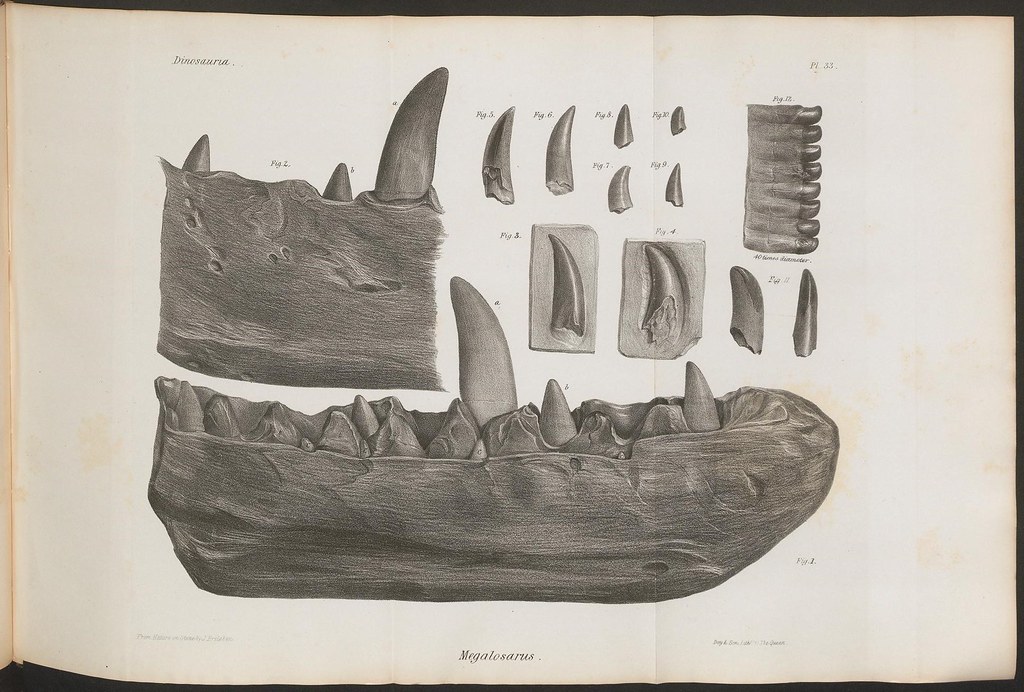
The discovery of Megalosaurus in 1824 by William Buckland sent shockwaves through Victorian England that rippled across the scientific world. This wasn’t just another large animal—it was proof that creatures of impossible size once ruled the Earth. The fossil evidence was undeniable, yet it challenged every assumption about creation and time itself. Scientists suddenly realized they were looking at remnants from a world that existed millions of years before humans ever drew breath. The implications were staggering, forcing scholars to reconsider everything they believed about the age of our planet.
The Rock Layers Tell Their Stories
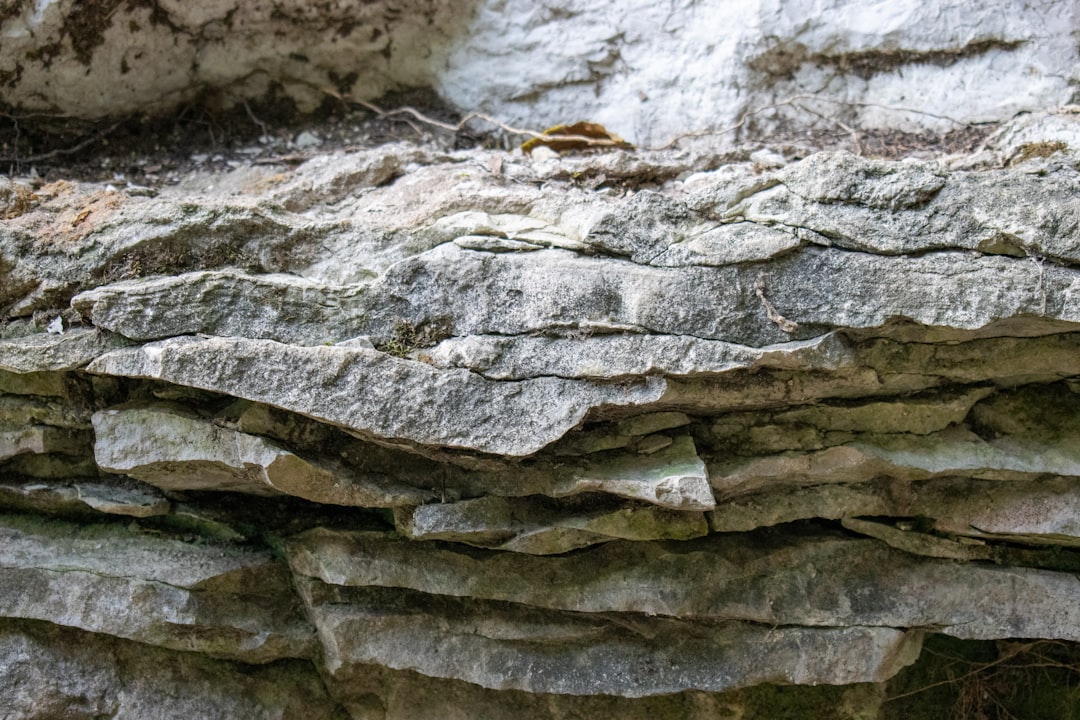
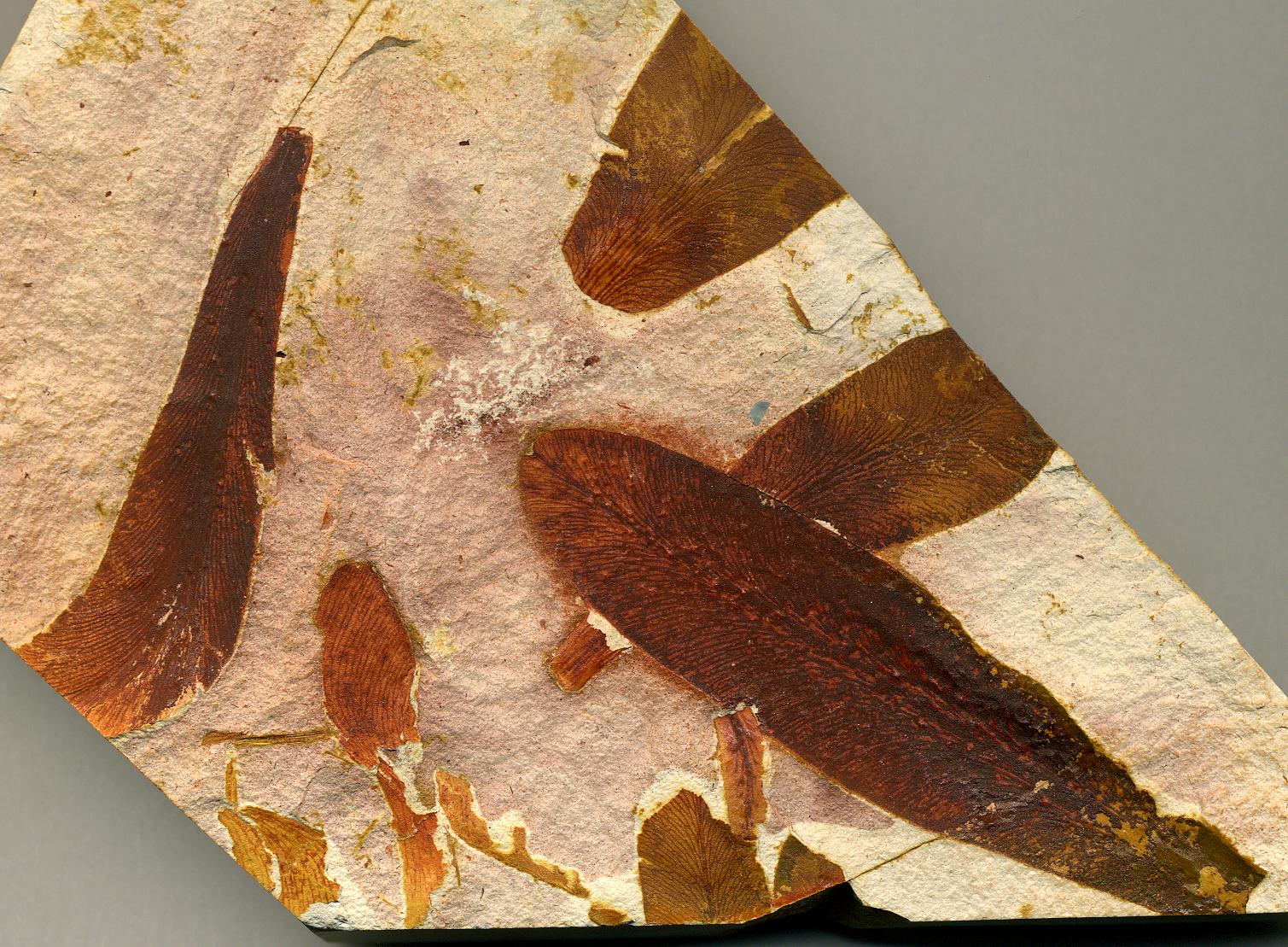
As more dinosaur fossils surfaced, geologists began connecting the dots between these ancient creatures and the rock formations that housed them. Each layer of sedimentary rock became a page in Earth’s autobiography, revealing different chapters of prehistoric life. The deeper scientists dug, the older the fossils became, creating a clear timeline that stretched back hundreds of millions of years. This stratified evidence provided the foundation for understanding geological time, showing that Earth’s history was far more complex and lengthy than anyone had imagined. The rocks themselves became witnesses to deep time, each stratum a testament to epochs beyond human comprehension.
Deep Time Explodes Human Perception
The concept of deep time—geological time scales spanning millions and billions of years—completely revolutionized human understanding of our place in the universe. Before dinosaur discoveries, most people believed Earth was only a few thousand years old, making humanity the centerpiece of creation. Suddenly, we were merely the latest arrivals to an ancient party that had been going on for eons. This expanded timeline made human civilization seem like a fleeting moment in Earth’s vast history. The psychological impact was profound, forcing people to grapple with their insignificance in the face of such immense temporal scales.
Charles Lyell’s Geological Revolution
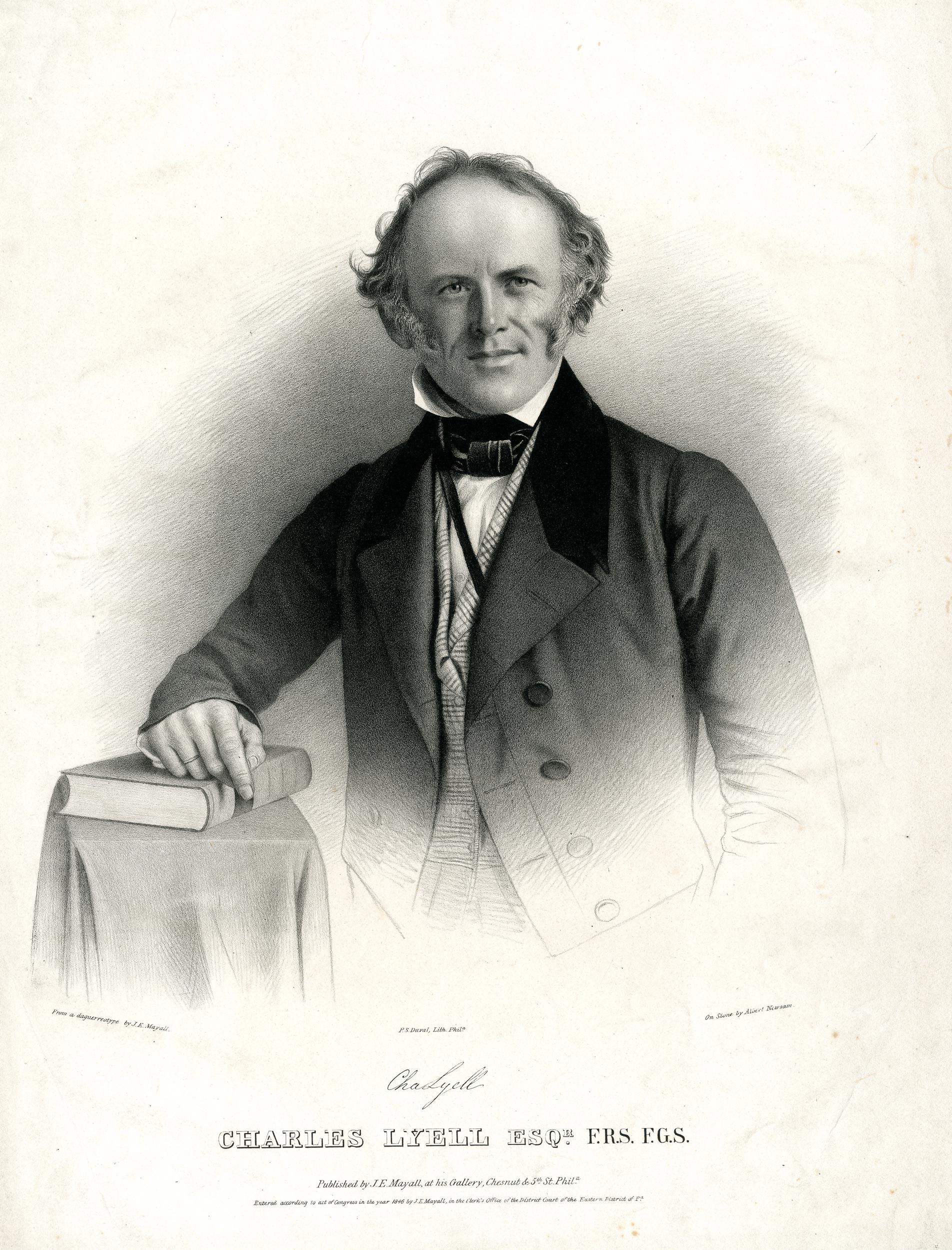
Charles Lyell’s “Principles of Geology” became the bible of deep time thinking, largely inspired by the mounting evidence from dinosaur fossils. His theory of uniformitarianism suggested that the same geological processes we see today have been shaping Earth for millions of years. This steady, gradual change model provided the framework needed to explain how dinosaur fossils could be found in rocks of different ages. Lyell’s work gave scientists the tools to read Earth’s history like a book, with each fossil serving as punctuation marks in the story of life. His influence extended far beyond geology, eventually inspiring Darwin’s evolutionary theories.
The Age of Reptiles Comes to Light
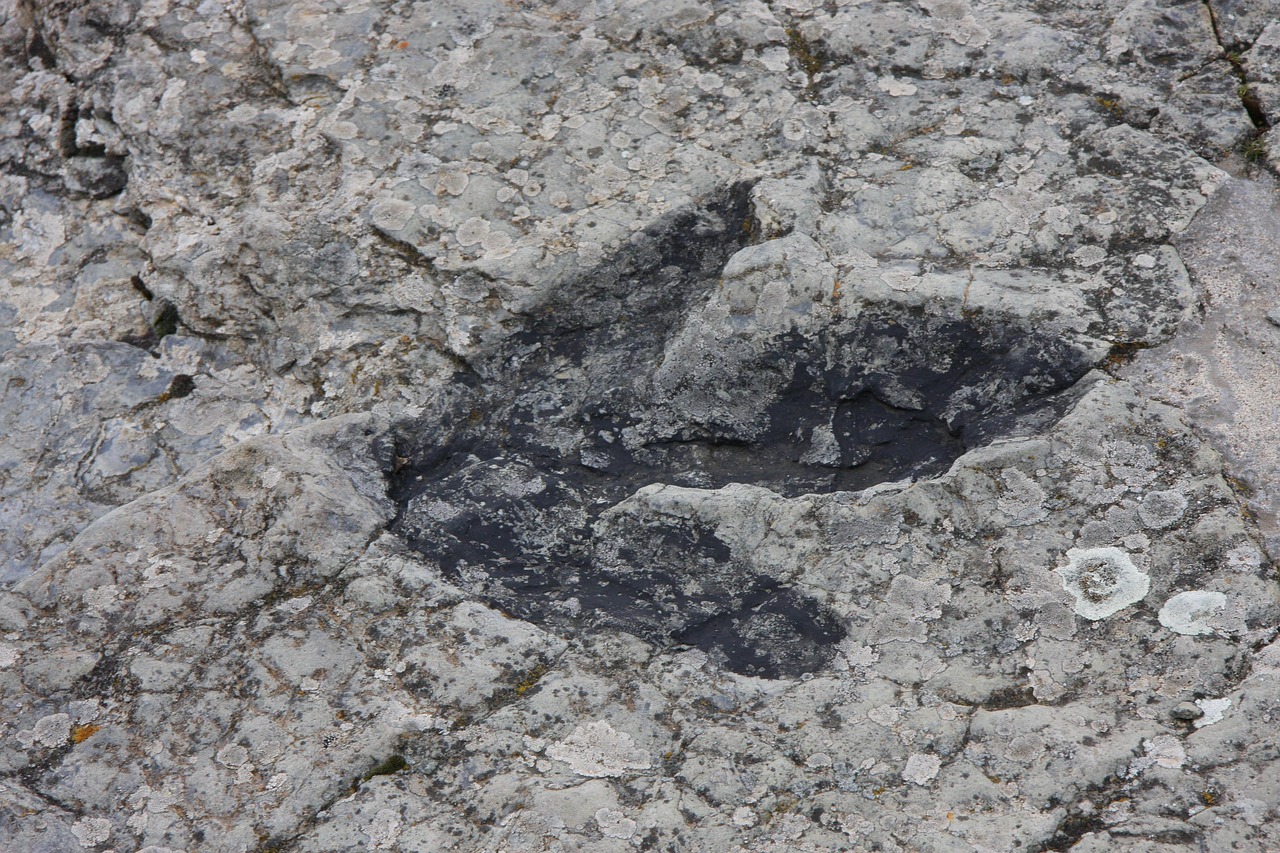
As dinosaur discoveries multiplied throughout the 19th century, scientists began to recognize distinct periods when these creatures dominated the planet. The Mesozoic Era—now known as the Age of Reptiles—emerged as a clearly defined chapter in Earth’s history. This recognition required geologists to develop new ways of measuring and categorizing time periods based on fossil evidence. The sheer diversity of dinosaur species found in different rock layers revealed that these creatures had evolved and thrived for over 160 million years. This vast reptilian dynasty forced scientists to completely restructure their understanding of life’s timeline on Earth.
Fossils as Time Markers
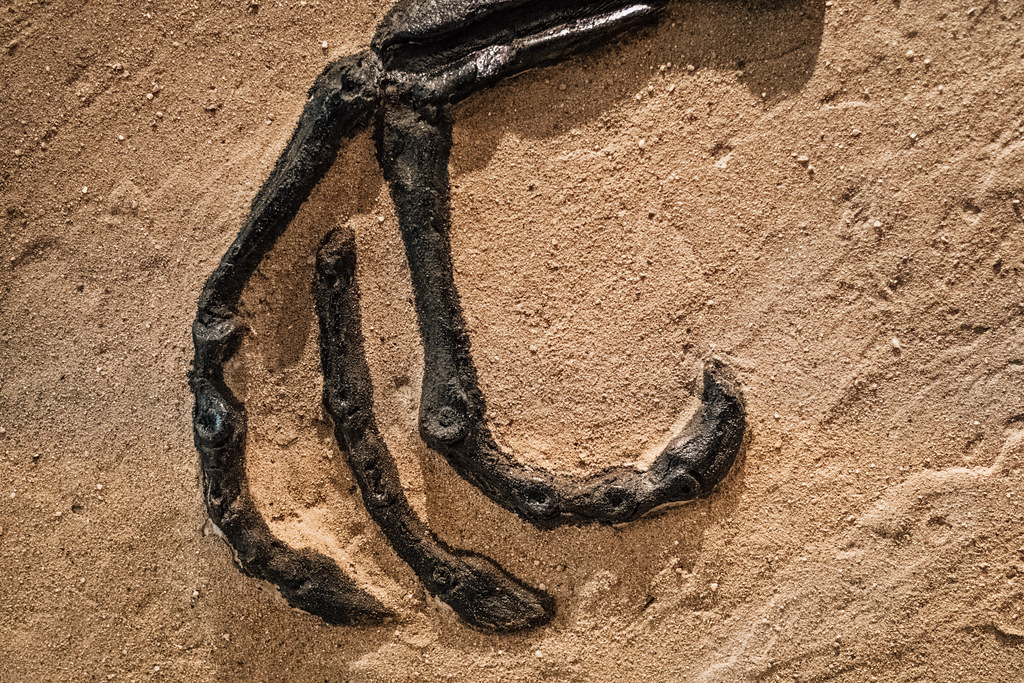
Dinosaur fossils became the ultimate time stamps, allowing geologists to date rock formations with unprecedented accuracy. Each species existed for specific periods, creating what scientists call “index fossils” that could pinpoint the age of surrounding rocks. This biological clock revolutionized geological dating methods, making it possible to correlate rock layers across vast distances and continents. The presence of certain dinosaur species in rock formations instantly told geologists when those layers were formed. This breakthrough transformed geology from a descriptive science into a precise chronological discipline.
The Birth of Paleontology
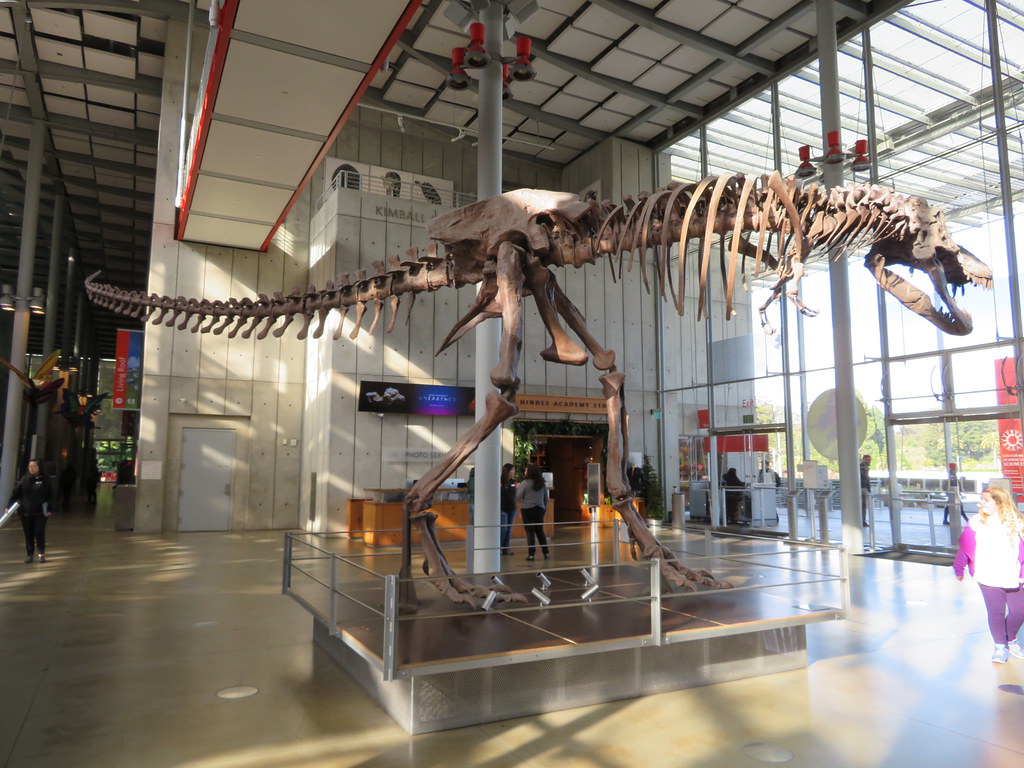
Dinosaur discoveries spawned an entirely new scientific discipline—paleontology—dedicated to studying ancient life through fossils. This field bridged the gap between geology and biology, creating a unified approach to understanding Earth’s history. Paleontologists became time detectives, using fossil evidence to reconstruct entire ecosystems from millions of years ago. The science evolved rapidly as more dinosaur species were discovered, each one adding new pieces to the puzzle of ancient life. This interdisciplinary approach fundamentally changed how scientists studied both rocks and living organisms.
Extinction Events and Catastrophism

The mysterious disappearance of dinosaurs from the fossil record sparked intense debates about catastrophic events in Earth’s history. Scientists began to recognize that mass extinctions had occurred multiple times, wiping out dominant life forms and making way for new ones. This evidence supported catastrophism—the idea that sudden, dramatic events could reshape life on Earth in relatively short periods. The dinosaur extinction became a case study for understanding how environmental catastrophes could alter the course of evolution. These discoveries showed that Earth’s history was punctuated by dramatic upheavals that reset the biological clock.
Continental Drift and Ancient Worlds
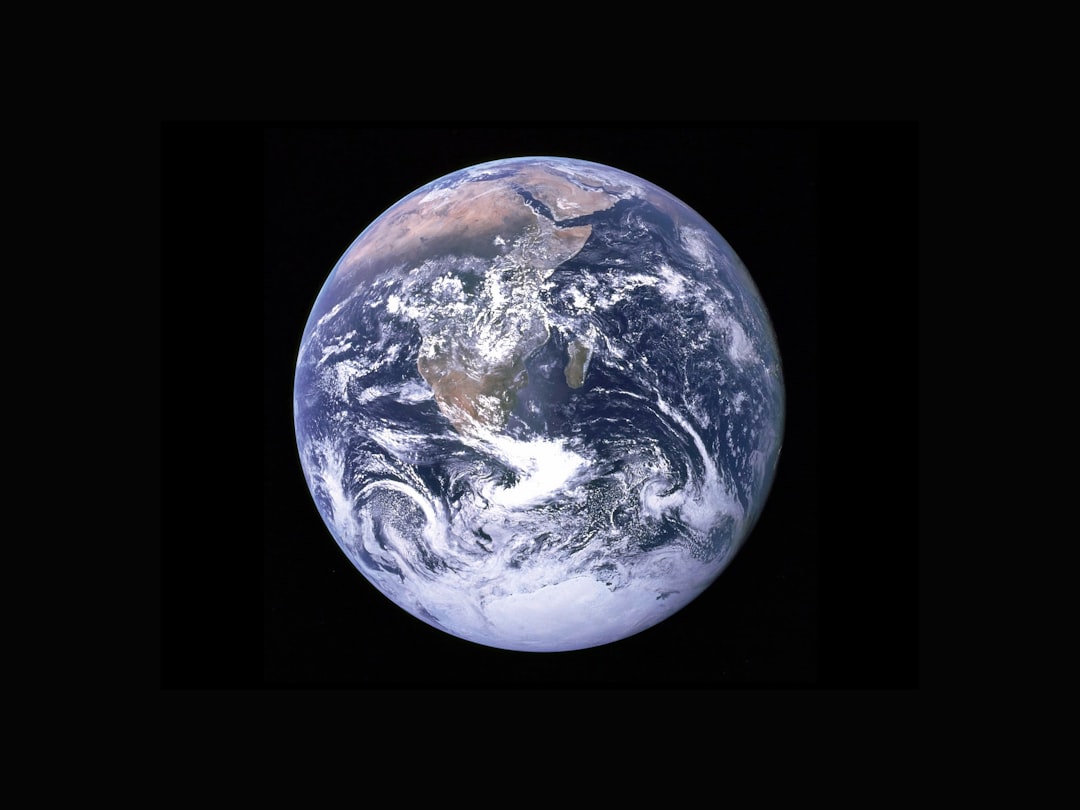
Dinosaur fossils found on different continents provided crucial evidence for continental drift theory, showing that the Earth’s surface had changed dramatically over time. The same dinosaur species discovered in Africa and South America suggested these continents were once connected. This fossil evidence helped scientists understand that not only had life evolved over millions of years, but the very geography of Earth had shifted. The concept of deep time now included the movement of continents themselves, adding another layer to Earth’s complex history. These discoveries revealed that the ancient world was literally a different planet, with different arrangements of land and sea.
The Religious and Philosophical Upheaval
Dinosaur discoveries and the resulting deep time concepts created a massive crisis of faith for many religious communities. The idea that Earth was millions of years old directly contradicted biblical creation stories, forcing people to reconcile science with their spiritual beliefs. Some religious leaders adapted by interpreting creation stories metaphorically, while others rejected the scientific evidence entirely. This tension between science and religion continues today, with dinosaurs serving as symbols of this ongoing debate. The philosophical implications were equally profound, challenging human-centered worldviews and forcing people to consider their place in a much larger, older universe.
Radiometric Dating Confirms Deep Time
The development of radiometric dating techniques in the 20th century provided definitive proof of the vast time scales suggested by dinosaur fossils. Uranium-lead dating and other methods allowed scientists to measure the actual age of rocks containing dinosaur remains. These techniques confirmed that dinosaur-bearing rocks were indeed hundreds of millions of years old, validating the deep time theories developed in the 19th century. The precision of radiometric dating gave geologists confidence in their time scales and helped establish the modern geological time table. This scientific validation finally silenced most doubts about Earth’s ancient age.
Modern Geology’s Debt to Ancient Reptiles
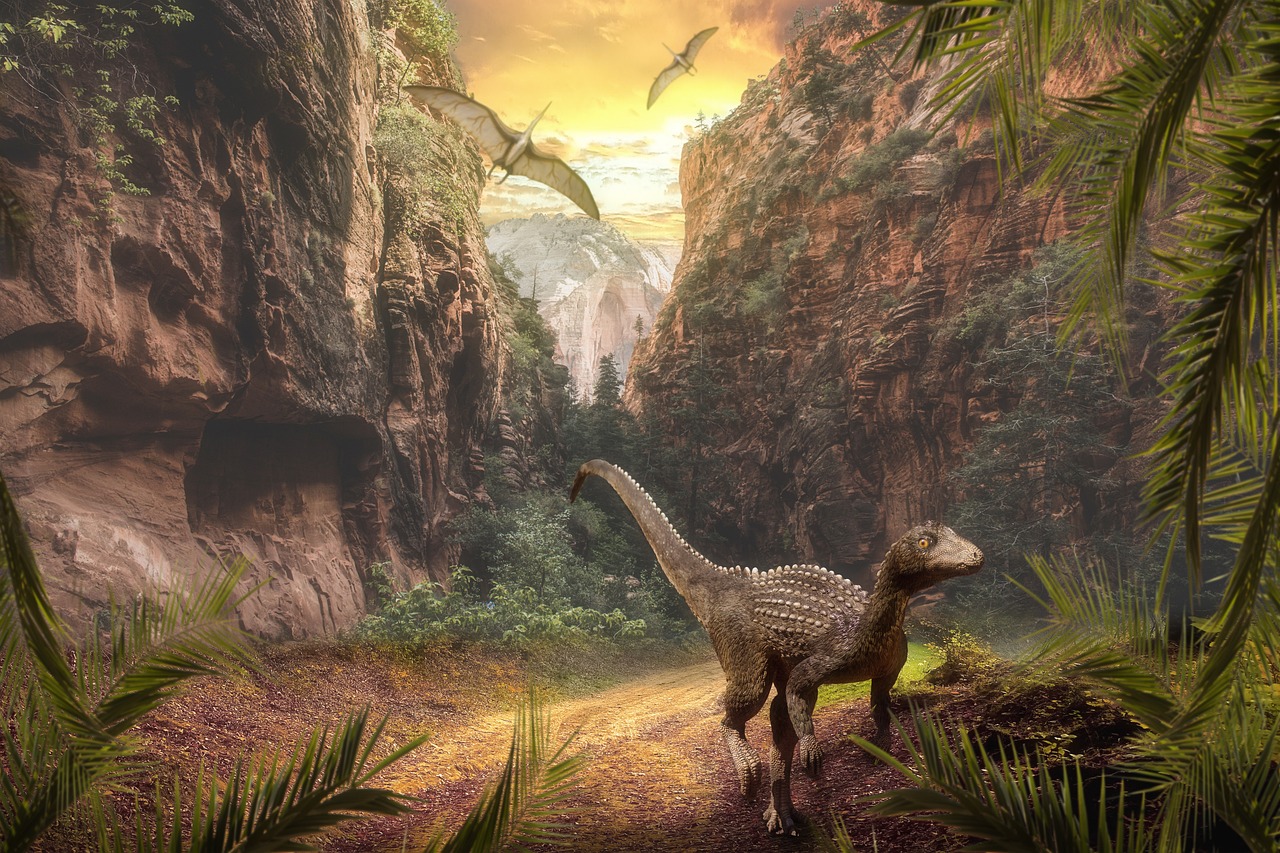
Today’s geological understanding owes an enormous debt to those first dinosaur discoveries that opened our eyes to deep time. Modern concepts like plate tectonics, mass extinctions, and evolutionary biology all trace their roots back to the initial recognition that Earth was far older than previously thought. Dinosaur fossils continue to provide new insights into ancient climates, ecosystems, and environmental changes. The study of these ancient creatures has become a cornerstone of Earth system science, helping us understand how our planet functions over geological time scales. Without dinosaurs, our understanding of Earth’s history would be fundamentally different and far less complete.
Climate Change Through Deep Time

Dinosaur fossils have revealed dramatic climate changes throughout Earth’s history, showing that our planet’s climate system has always been dynamic and constantly evolving. These ancient creatures lived through greenhouse periods with no polar ice caps and atmospheric carbon dioxide levels many times higher than today. The fossil record shows how life adapted to these changing conditions over millions of years, providing crucial insights for understanding current climate change. Scientists use dinosaur-era climate data to test and refine climate models, helping predict future environmental changes. This deep time perspective on climate change has become essential for understanding our planet’s climate system.
The Future of Deep Time Research
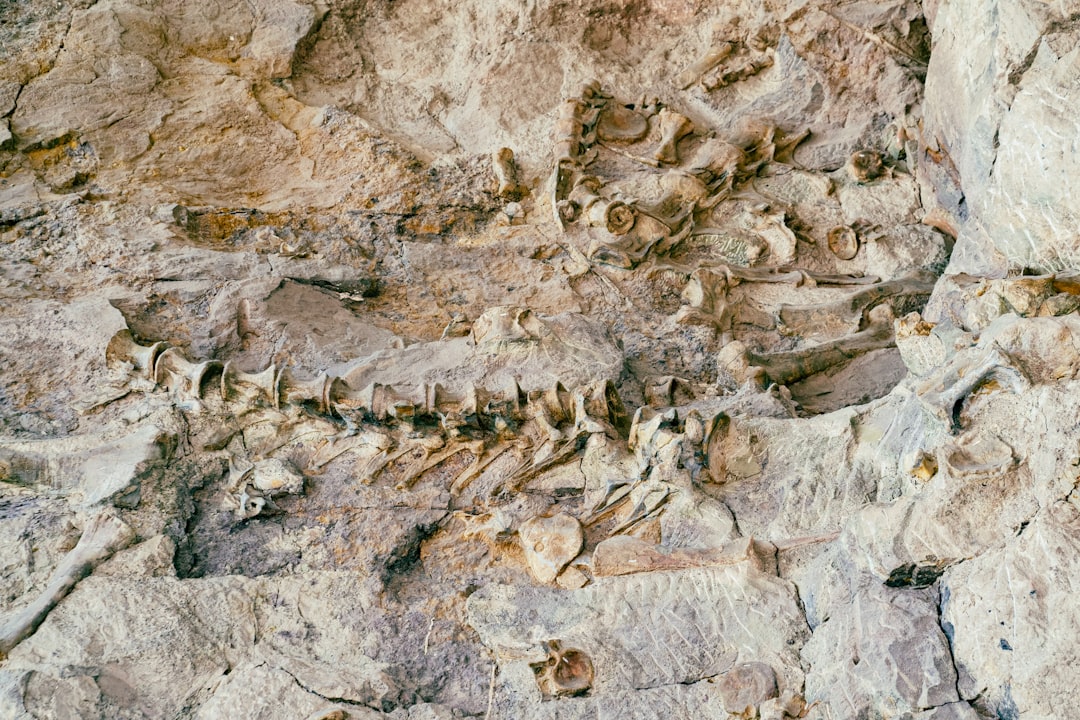
New technologies are revolutionizing our ability to study dinosaur fossils and understand deep time, from CT scanning that reveals internal structures to isotope analysis that reconstructs ancient diets and environments. These advanced techniques are providing unprecedented details about dinosaur biology and the worlds they inhabited. Artificial intelligence and machine learning are helping scientists analyze vast databases of fossil information, revealing patterns and connections that were previously hidden. The future of deep time research promises even more remarkable discoveries as technology continues to advance. Each new breakthrough adds another layer to our understanding of Earth’s incredible 4.6-billion-year history.
Living in Deep Time
Understanding deep time has fundamentally changed how humans view themselves and their impact on Earth, making us acutely aware that we are just one species in a vast parade of life that has marched across our planet for billions of years. This perspective has profound implications for how we approach environmental conservation and sustainability, reminding us that the changes we’re making today will echo through geological time. The dinosaur discoveries that first revealed deep time continue to inspire new generations of scientists, explorers, and curious minds who seek to understand our planet’s incredible history. We now know that Earth’s story is far more complex, dramatic, and beautiful than our ancestors ever imagined, with each fossil serving as a precious artifact from deep time’s vast archives. What secrets might the next dinosaur discovery reveal about our planet’s mysterious past?