Picture the world 66 million years ago. The sky is darkened. Fires sweep across entire continents. The oceans churn. An asteroid the size of a small city has just slammed into what is now Mexico’s Yucatan Peninsula, and the age of the giant reptiles is ending – not with a gradual fade, but with a catastrophic full stop. What comes next is one of the most remarkable stories evolution has ever told.
You might think mammals simply stepped into a ready-made world, inherited a warm throne, and began thriving. But honestly, it wasn’t that neat. The real story of how mammals rose to dominate the planet is stranger, harder, and far more surprising than most textbooks suggest. Let’s dive in.
The Catastrophe That Changed Everything
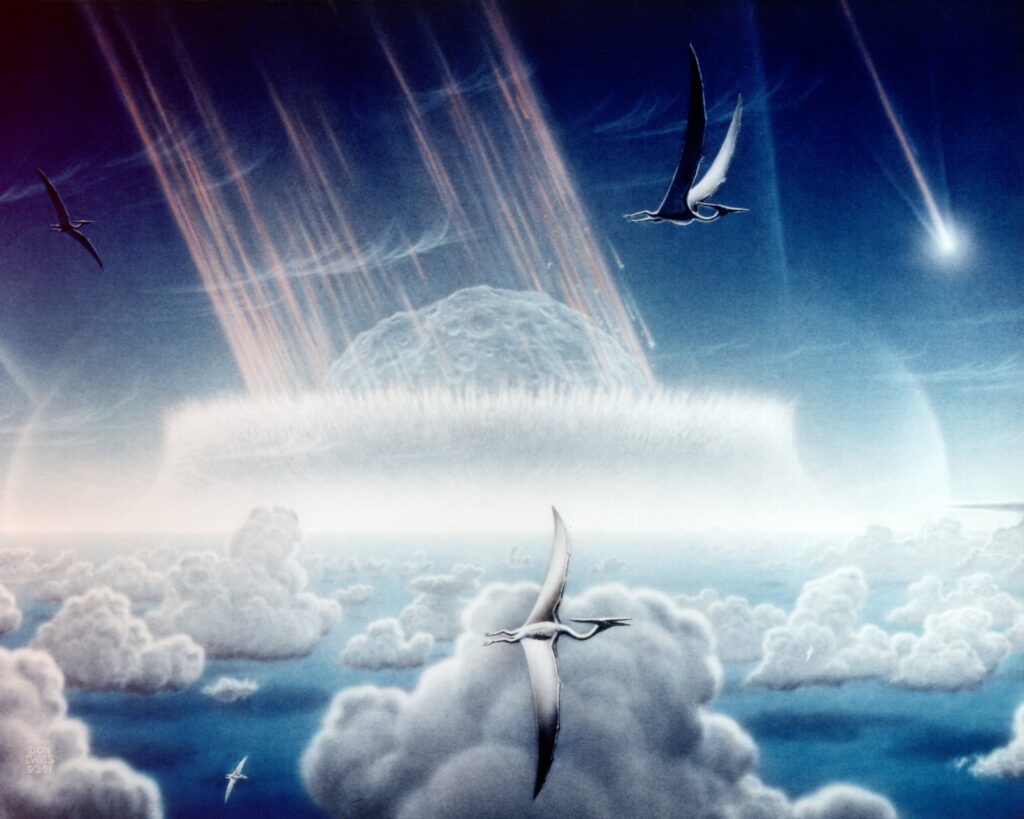
Here’s the thing – you have to understand just how devastating the K-Pg extinction event truly was before you can appreciate what came after. The impact and its aftereffects killed roughly three quarters of the animal and plant species on the planet, including entire groups like the non-avian dinosaurs. Think about that. Three quarters. It’s the kind of number that makes your head spin.
While volcanic events resulted in temperature changes of around 2 degrees Celsius, the asteroid impact may have temporarily crashed average global temperatures by as much as 30 degrees Celsius. That’s not a cold snap. That’s an ecological apocalypse, and virtually every food chain on the planet collapsed almost overnight.
After several days of searing heat, Earth’s surface temperature returned to bearable levels, and the mammals emerged from their burrows – but it was a barren wasteland they encountered, one that presented yet another set of daunting conditions to be overcome. So no, this was not a smooth handover. It was a scramble for survival in a world barely recognizable.
Mammals Were Already There – and Already Struggling
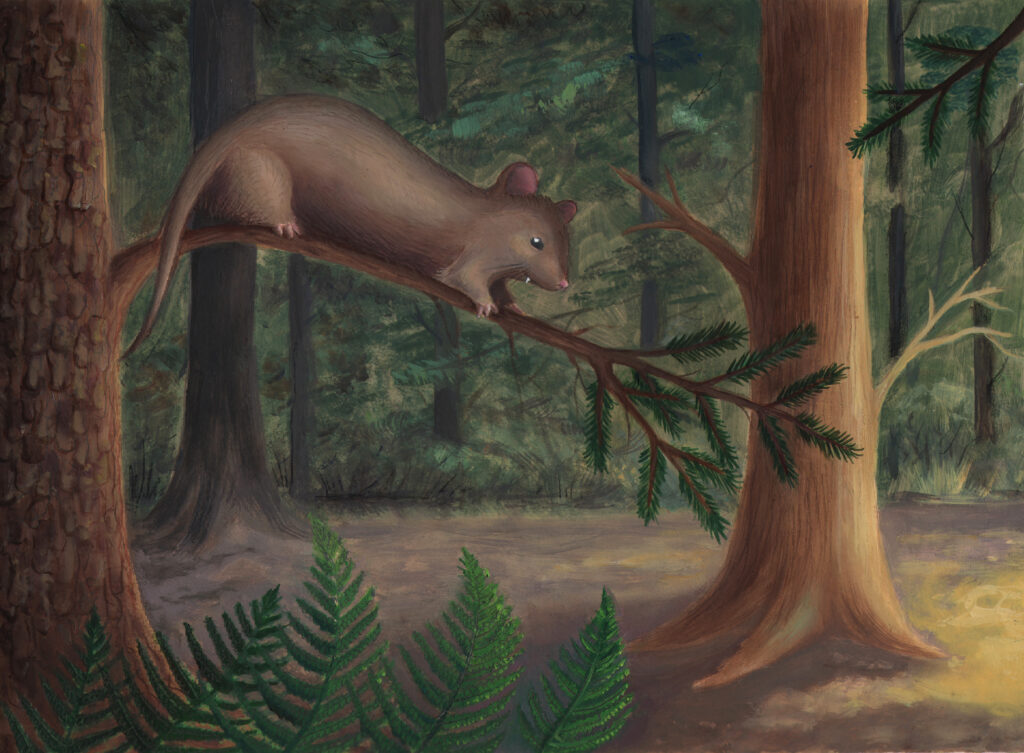
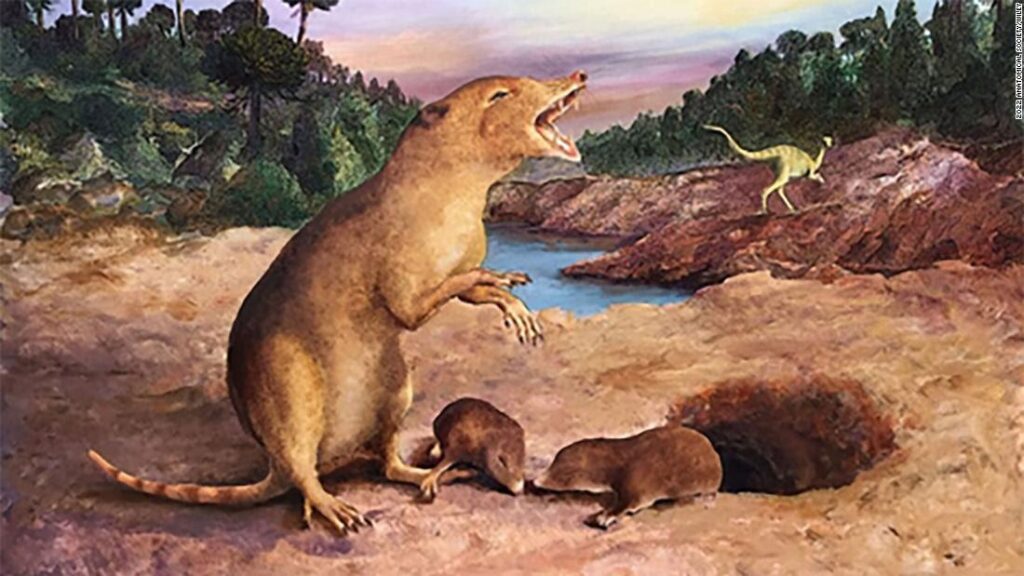
Mammals first appeared at least 170 million years ago and lived among dinosaurs until a mass extinction event following a catastrophic asteroid impact killed off all dinosaurs except birds. For most of that time, they lived in the shadows – literally and figuratively. I think this is one of the most underappreciated facts in all of natural history.
It was traditionally thought that, before the extinction, mammals lived in the shadow of the dinosaurs. They were supposedly prevented from occupying the niches already held by the giant reptiles, keeping the mammals relatively small and unspecialised in terms of diet and lifestyle. Think of it like being a talented musician forced to play in a cramped basement while someone else sells out arenas above you.
Mammals, as a taxonomic group, survived the K/Pg extinction – just as dinosaurs did – but they suffered major losses that irrevocably changed the evolutionary pathways open to those beasts that survived. So you need to erase the idea that mammals floated through the extinction unscathed. They took a serious hit too, just not a fatal one.
Small Size Was the Ultimate Survival Advantage
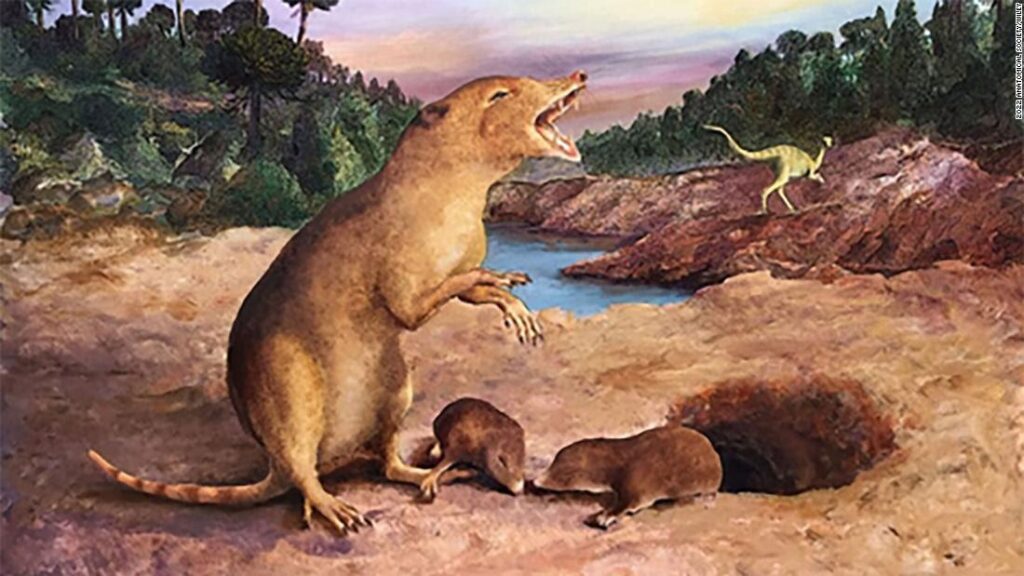
Let’s be real – being tiny was basically a superpower in a world on fire. Mammals survived the K-Pg event because many were small, metabolically and dietary flexible, often sheltered in burrows or microhabitats, had rapid reproduction, and occupied geographic refugia – traits that buffered them against the short- and long-term environmental catastrophes caused by the impact.
Underground burrows and aquatic environments protected small mammals from the brief but drastic rise in temperature. It’s a bit like hiding in a cellar during a tornado. The strategy wasn’t glamorous, but it worked. Meanwhile, the largest land animals on Earth – exposed and enormous – had nowhere to go.
Smaller mammals seemed to be better equipped to survive since they could hide more easily, and those with a diverse diet were able to adapt more quickly. Generalists, in other words, won the day. The specialists – those locked into one food source or habitat – largely perished when their world disappeared around them.
The Explosion in Diversity – Faster Than You Think
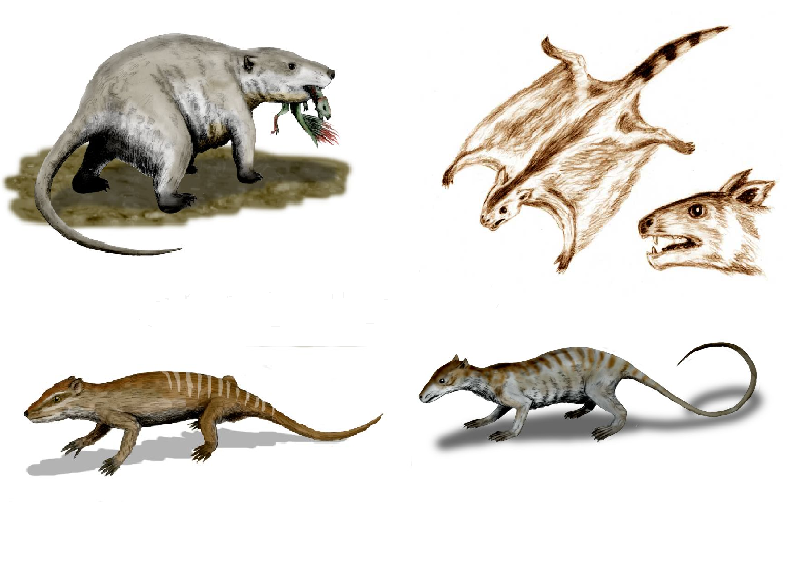
Once the dust settled, both literally and metaphorically, something extraordinary happened. New research suggests that early mammals diversified much more rapidly than previously thought. This wasn’t a slow crawl. It was closer to an evolutionary sprint, the kind of speed that still surprises researchers studying the fossil record today.
Scientists found a four-fold increase in mammal species richness following the K-Pg boundary, confirming previous studies looking at mammalian evolution after the extinction of the dinosaurs. Four times the number of species, emerging in what is – geologically speaking – almost the blink of an eye. Mammalian taxonomic richness doubled over the first 100,000 years.
When the dinosaurs went extinct, access to different foods and environments enabled mammals to flourish and diversify rapidly in their tooth anatomy and evolve larger body size. You can almost picture it: doors swinging open in every direction, and a scrappy little group of survivors rushing through all of them at once.
Getting Bigger – But Not Smarter at First
Here’s where the story gets wonderfully counterintuitive. You might assume that the first thing mammals did after the dinosaurs disappeared was evolve bigger brains – after all, intelligence is our great trademark. But you’d be wrong, and science has the receipts. In the first 10 million years following the mass extinction event, mammals bulked up, rather than evolving bigger brains, to adapt to the dramatic changes in the world around them.
After the extinction of the dinosaurs 66 million years ago, mammals began to increase in body size as new niches became available, but their brain lagged behind their bodies for the first ten million years. Relative to body size, the brains of Paleocene mammals were relatively smaller than those of Mesozoic mammals. Bigger muscles, smaller brains. In that particular moment in history, brawn was smarter than brains.
Around 10 million years later, early members of modern mammal groups such as primates and carnivores began to develop larger brains and a more complex range of senses and motor skills. These adaptations would have improved their survival chances at a time when competition for resources was far greater. So the brain boom came later, once the world was stable enough to actually reward intelligence.
From Night to Day – The Behavioral Revolution
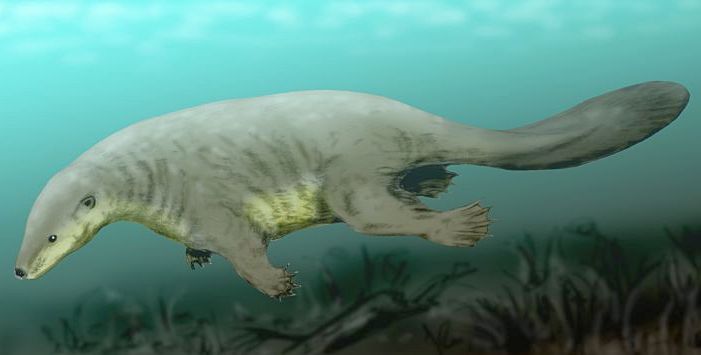
One of the most fascinating chapters in this whole story is one you probably never hear about in school. For the entire age of the dinosaurs, your mammalian ancestors were stuck in the dark. Most modern mammals, including strictly diurnal species, exhibit sensory adaptations to nocturnal activity – thought to be the result of a prolonged nocturnal phase during early mammalian evolution. Nocturnality may have allowed mammals to avoid antagonistic interactions with diurnal dinosaurs during the Mesozoic.
Modern mammals exhibit diverse activity patterns, with the emergence of diurnality accelerating after the Cretaceous-Paleogene extinction. In other words, the ability to move around freely in daylight is something your lineage reclaimed, not something it always had. This change did not happen in an instant – it involved an intermediate stage of mixed day and night activity over millions of years.
The ancestors of simian primates – such as gorillas, gibbons, and tamarins – were among the first to give up nocturnal activity altogether. However, the two evolutionary timelines varied, giving a window between 52 and 33 million years ago for this to have occurred. So the next time you walk outside and enjoy the sunshine, know that this simple pleasure was hard-won over tens of millions of years of evolutionary history.
Flowering Plants and the Mammal Menu

Here’s a detail that often gets overlooked: the rise of mammals wasn’t just about animals. It was also profoundly linked to plants. A shift in vegetation took place in the last 10 million years or so of the Cretaceous period when flowering plants, such as deciduous trees, started to become more commonplace than the previously widespread conifers and ferns.
One of the ways in which ecosystems may have been able to support more diverse faunas could have been due to the evolution and subsequent radiation of flowering plants. Flowering plants diversified throughout the Late Cretaceous and into the Paleogene, and mammals appear to have been in the perfect position to take advantage of these new resources. Think of it as a new restaurant opening up with an entirely fresh menu, and the mammals were the first and hungriest customers.
If plants were becoming more nutrient- and energy-rich, they would support greater numbers of mammals with larger body masses. It was a cascade: better plants fed bigger mammals, bigger mammals could fill more ecological roles, and more roles meant more evolutionary opportunity. The two kingdoms rose together, each pulling the other higher.
Not a Simple Takeover – A Complex Reshuffling
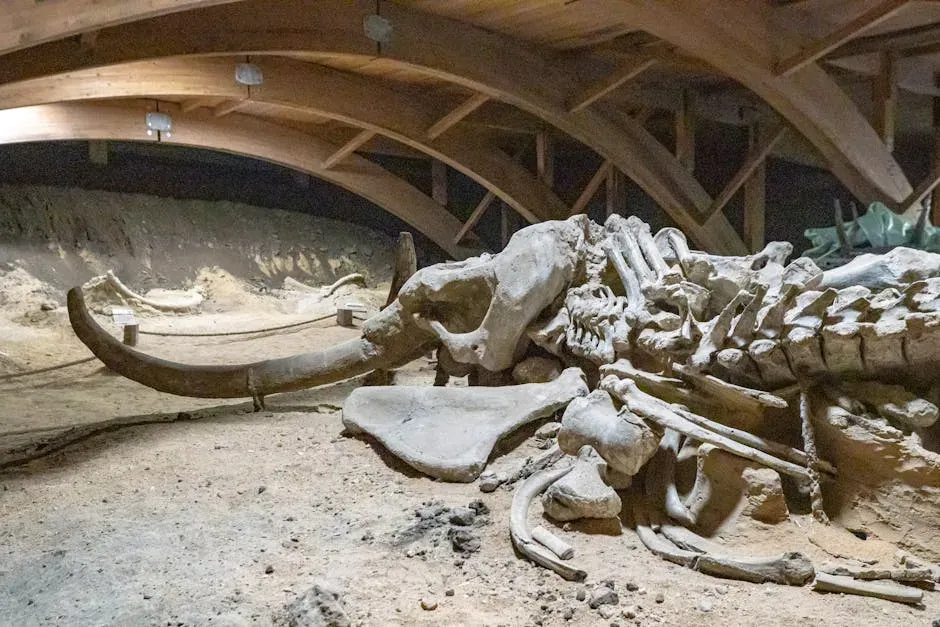
You’d be forgiven for imagining the post-extinction world as a simple swap: dinosaurs out, mammals in. But the fossil record paints something far messier and more interesting. As paleontologists continue to dig into the critical time after the impact, the story is becoming more complex. The rise of the mammals was not necessarily assured, and recovery from the disaster took far longer than expected.
Early mammals were hit by a selective extinction at the same time the dinosaurs died out – generalists that could live off a wide variety of foods seemed more apt to survive, but many mammals with specialized diets went extinct. So the extinction wasn’t a gift handed to all mammals equally. It was a filter, and only the most flexible got through.
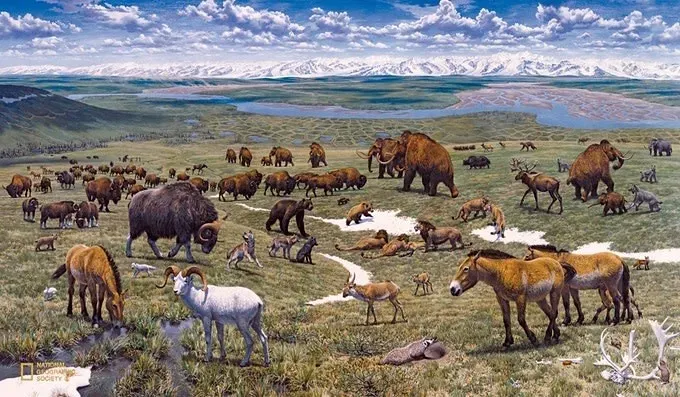
The rise of mammals took time. It wasn’t until the Eocene, more than 10 million years after the impact, that mammals became truly large and evolved into an array of beasts to rival the dinosaurs. A decade of millions of years is hard to imagine, but it’s a reminder that even the greatest evolutionary success stories don’t happen overnight. Patience, it turns out, was built into our DNA from the very beginning.
Conclusion: A Story Written in Bones, Teeth, and Time
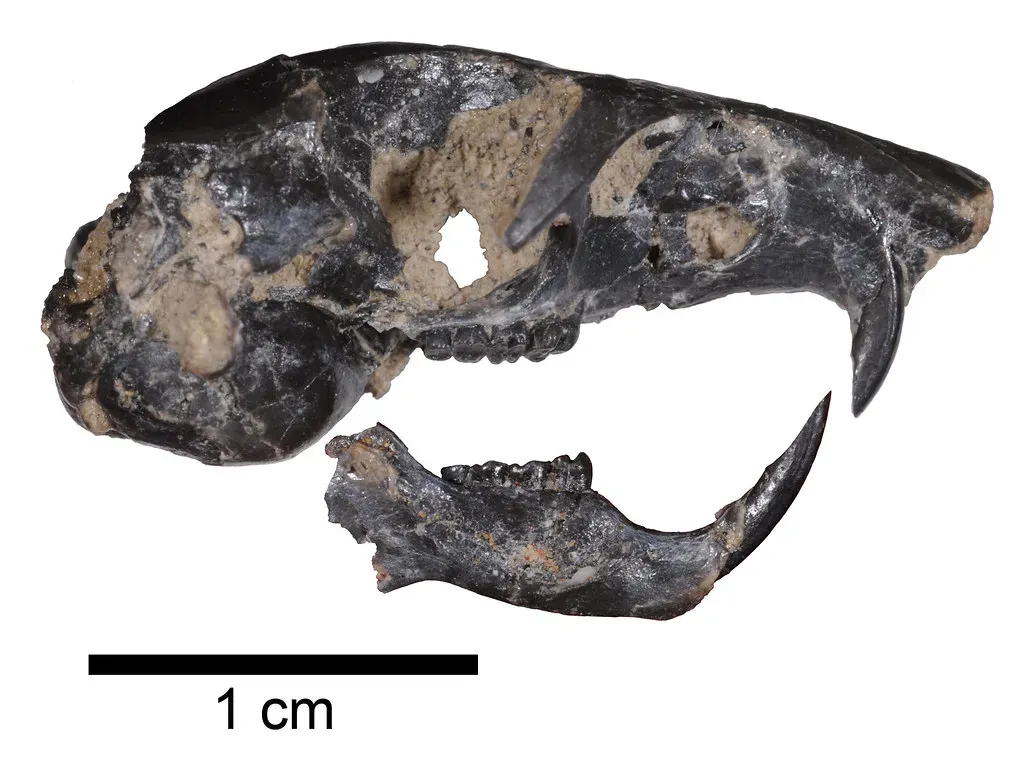
The rise of mammals after the dinosaurs is not a tale of easy triumph. It’s a story of burrowing into the earth when the sky was on fire, of eating whatever was left when almost everything was gone, of spending millions of years in the dark before finally stepping into the light. It’s a story of flexibility beating brute force, of small over large, of generalists outlasting specialists at every turn.
These animals form a part of our own evolutionary narrative – the story of how mammals went from scurrying around the feet of larger creatures to dominating the continents of the world, evolving into a variety of unique beings, including ourselves. Every human walking the Earth today is a living result of those improbable survivors that endured one of the worst days in the planet’s history.
What strikes me most is not the drama of the asteroid itself, but the quiet, grinding, determined adaptation that followed. The mammals didn’t conquer a world. They rebuilt one, body size by body size, niche by niche, sunrise by earned sunrise. So here’s a question worth sitting with: knowing that your entire lineage survived the unthinkable through sheer adaptability – what does that tell you about resilience, and what might it mean for the challenges we face today?