Imagine being the size of a mouse, scrambling through the undergrowth while creatures the size of houses thunder overhead. That was the reality for your ancient ancestors – small, warm-blooded, and impossibly fragile in a world ruled by giants. For nearly 160 million years, mammals lived in the shadow of the dinosaurs, and yet here we are. Somehow, those tiny creatures not only survived but eventually inherited the Earth.
The story of how this happened is far more complex and surprising than most people realize. You might think it was just a lucky asteroid, a cosmic roll of the dice that wiped out the competition. The truth is richer, stranger, and honestly more impressive than that. Let’s dive in.
Ancient Beginnings: Mammals Were There From the Start
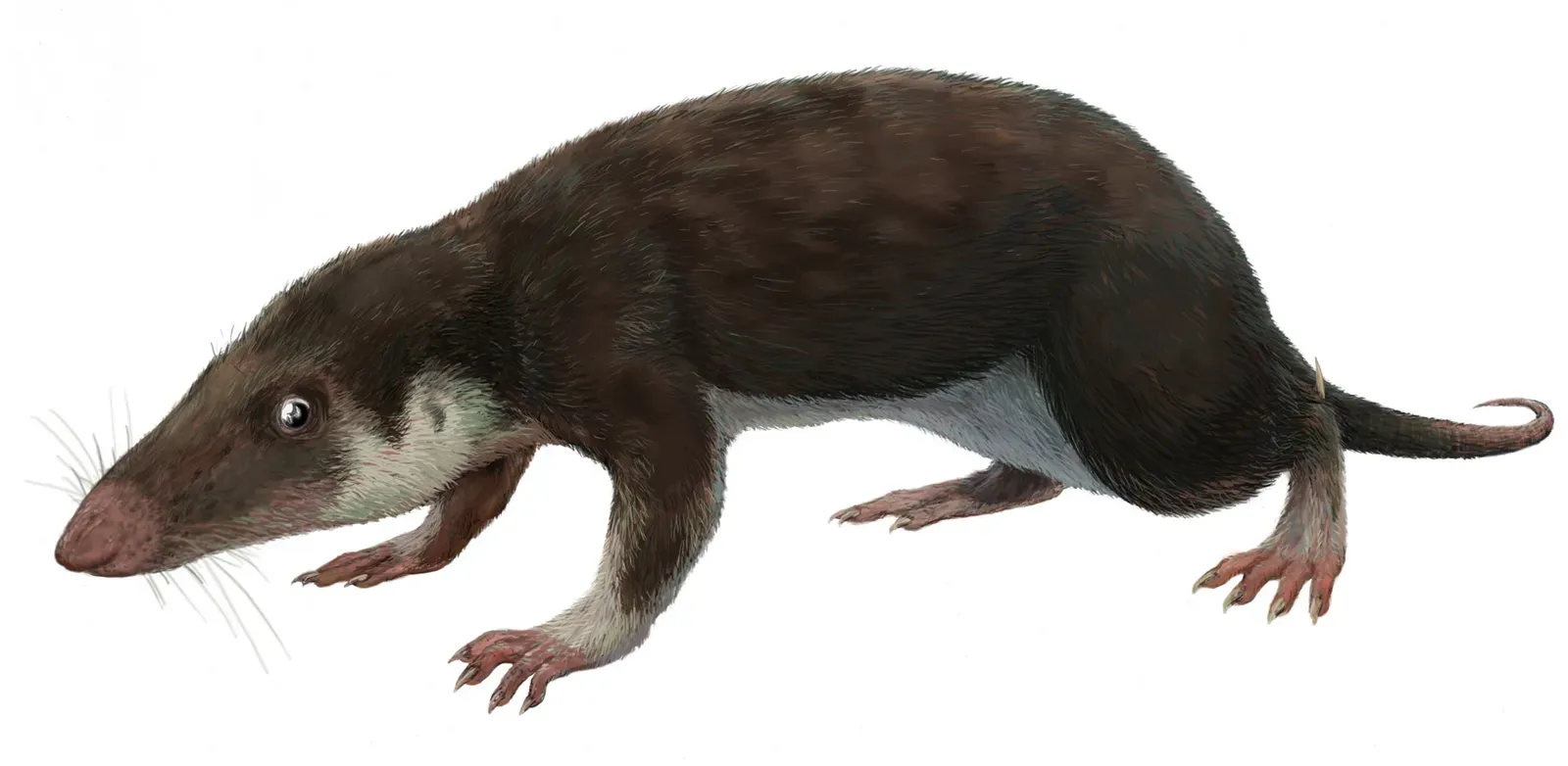
Here’s something that might genuinely surprise you. The earliest known members of the mammal family date back to about 225 million years ago, a time when dinosaurs themselves were newcomers on the evolutionary stage in the Triassic. Think about that for a second. Mammals didn’t show up after dinosaurs dominated the planet. They arrived practically at the same time, like two bands playing the same venue, though one was clearly headlining.
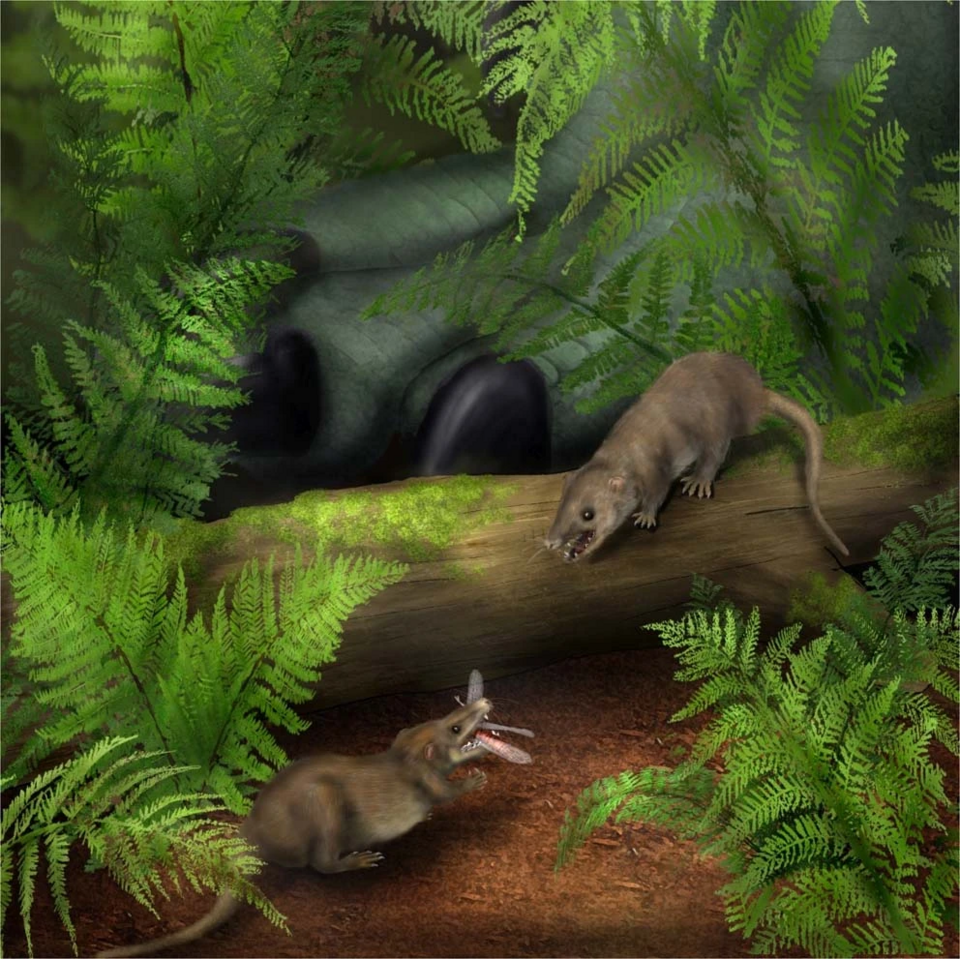
During this period of high evolutionary activity, the first dinosaurs appeared slightly earlier than 230 million years ago, closely followed by the first mammals only a few million years later. Those early mammals were small in size and were presumably nocturnal insectivores. They were not the heroes of any story yet. They were, honestly, just trying not to get stepped on.
Life in the Shadows: What Early Mammals Were Actually Like
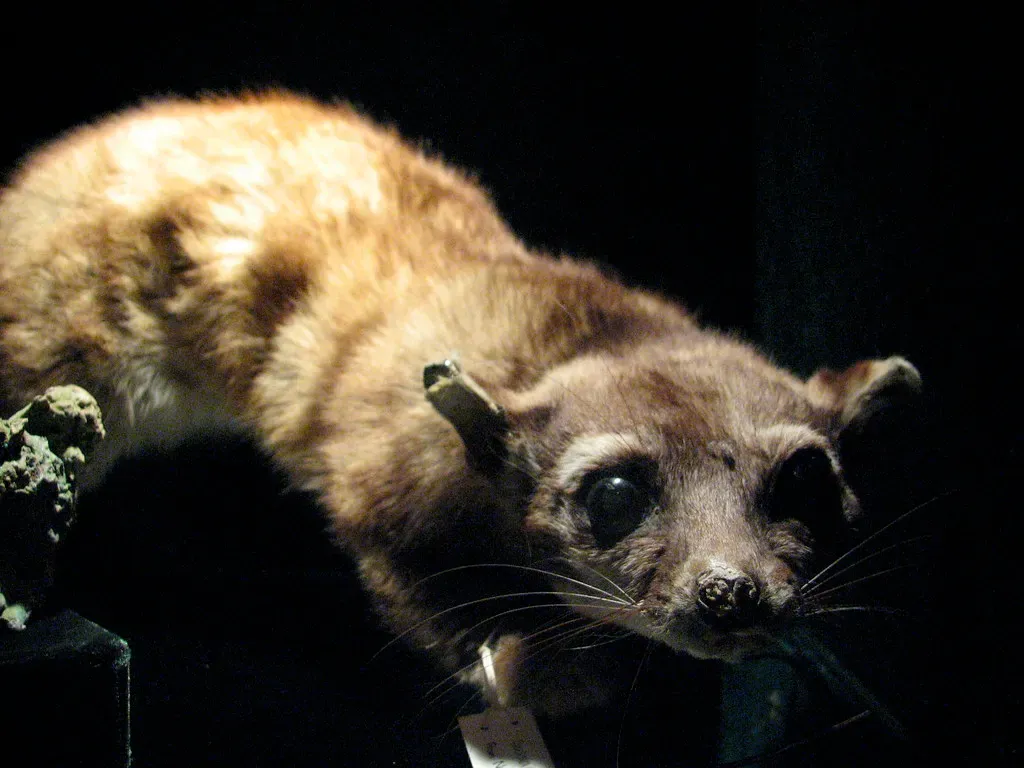
You’ve probably been told that early mammals were boring little creatures, hiding in holes, eating bugs, and essentially waiting for their big moment. That picture, it turns out, is almost completely wrong. An explosion of fossil finds reveals that ancient mammals evolved a wide variety of adaptations allowing them to exploit the skies, rivers, and underground lairs. Far from being passive bystanders, they were remarkably inventive survivors.
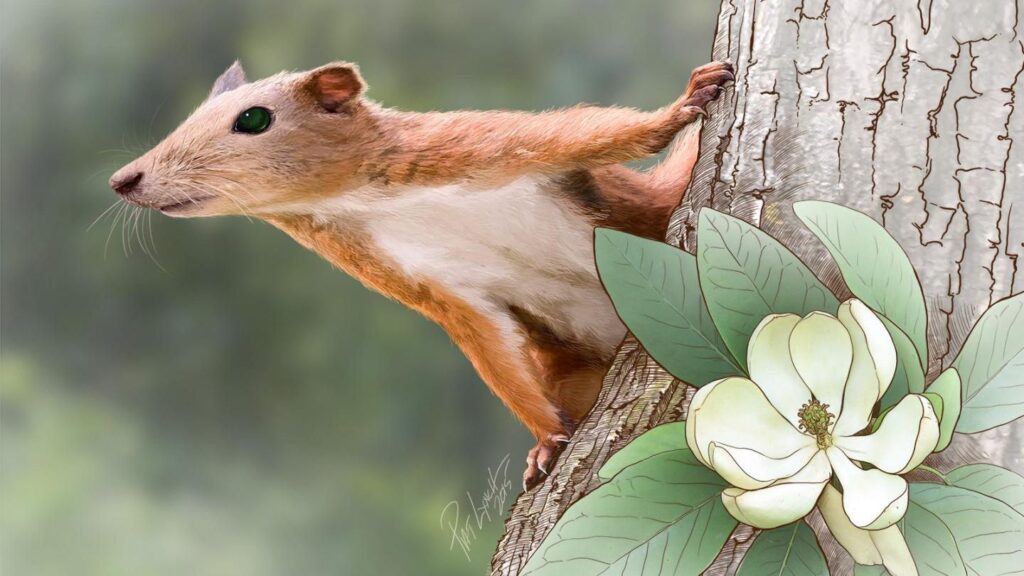
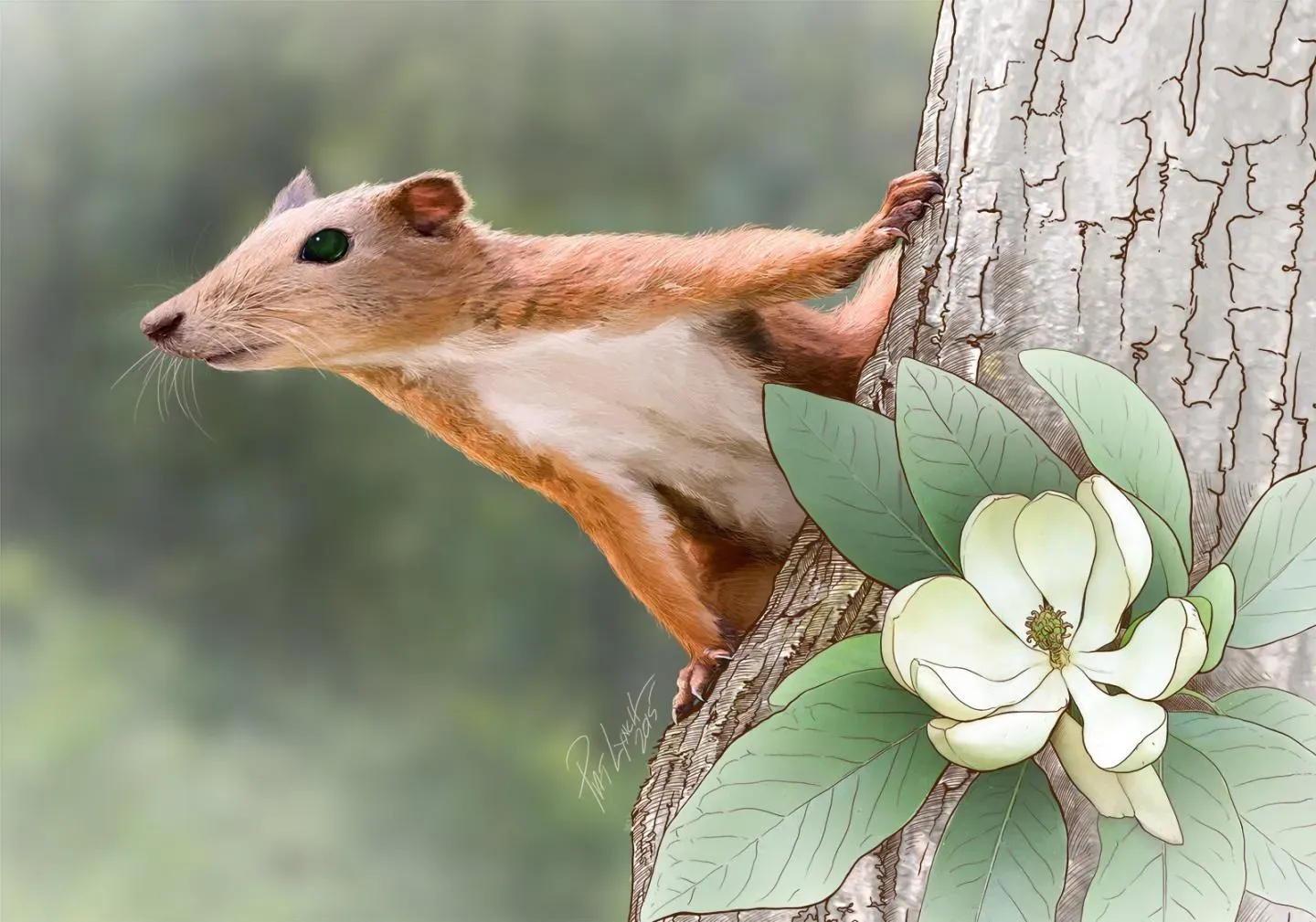
Mammaliaforms that arose during the Jurassic radiation included the semi-aquatic, beaver-like Castorocauda; Maiopatagium, which likely resembled today’s flying squirrels; and the tree-climbing Henkelotherium. You had gliders, swimmers, burrowers, and climbers all living alongside the dinosaurs. An entire menagerie of mammals flourished alongside dinosaurs, including some that even ate baby dinosaurs for lunch. Not so helpless after all, were they?
Three Waves of Diversification: The Mammals Never Stopped Evolving
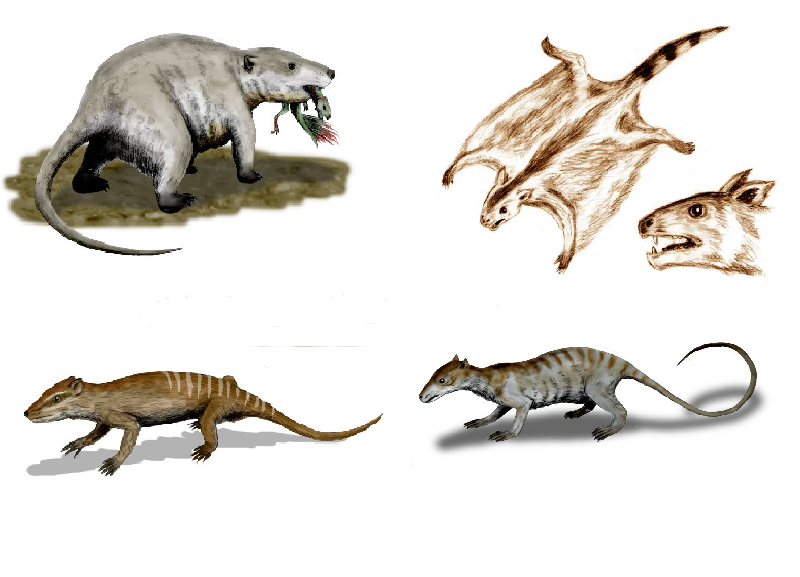
Let’s be real – most people think mammals only truly diversified after the dinosaurs were gone. Science, however, tells a far more layered story. Based on the current fossil record, early mammals seem to have experienced three distinct diversification events, starting with very early mammals and mammalian “cousins” called mammaliaforms during the Early or Middle Jurassic, or about 180 to 160 million years ago. Many mammal groups arose during that time.
The oldest mammaliaform ecological radiation ran from 190 to 163 million years ago in the early-to-mid Jurassic Period – amid the breakup of the supercontinent Pangaea – and involved the first true mammals and their closest relatives. The third diversification spurt was the Cretaceous-Paleogene mass extinction of non-avian dinosaurs 66 million years ago, and this third event was the most profound, resulting in the incredible diversity of mammals on Earth today. Three waves. Not one lucky break.
The Asteroid Impact: Catastrophe and Opportunity at Once
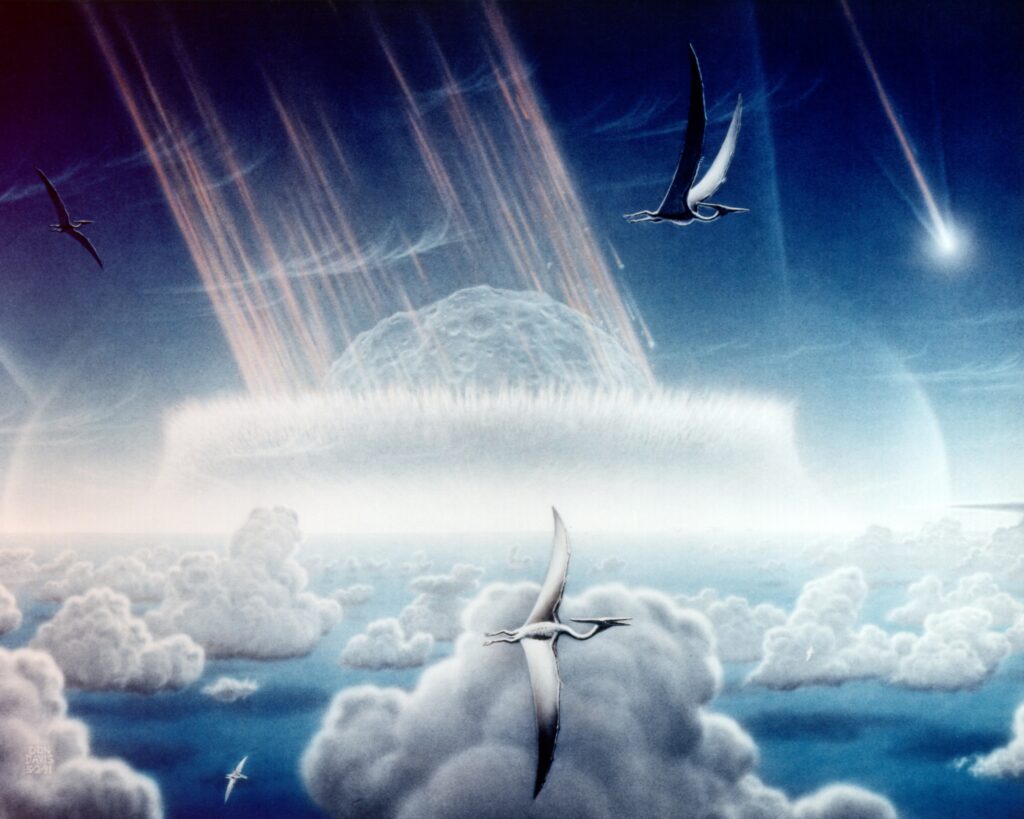
Sixty-six million years ago, a roughly 12-kilometer-wide rock slammed into what is now the Yucatan Peninsula, and the world was never the same again. The asteroid was apocalyptic, and it changed the course of Earth’s history. Unable to cope, three out of every four species succumbed to extinction. For mammals, though, it was both their darkest hour and their greatest opening.
It was the huge amount of thermal heat released by the meteor strike that was the main cause of the extinction, and underground burrows and aquatic environments protected small mammals from the brief but drastic rise in temperature. In other words, you survived precisely because you were small enough to hide. Mammals, in contrast, could eat insects and aquatic plants, which were relatively abundant after the meteor strike. Being a flexible, non-picky eater turned out to be the greatest evolutionary advantage in history.
Why Mammals Survived When Giants Did Not
It’s tempting to think dinosaurs simply lost a cosmic lottery. I think the truth is more revealing than that. Dinosaurs became giants and excluded mammals from large-bodied niches. Mammals did the opposite: with their small body sizes, they could exploit ecological niches that the bigger dinosaurs couldn’t access. It’s like being the small shop on the corner that survives while the giant department store collapses – agility beats size when the environment turns hostile.
Ground-dwelling and semi-arboreal mammals were better able to survive the cataclysm than tree-dwelling mammals, due to the global devastation of forests that followed the Chicxulub asteroid impact. The survival of endothermic animals, such as some birds and mammals, could be due, among other reasons, to their smaller needs for food, related to their small size at the extinction epoch. Being warm-blooded, small, and adaptable was the winning combination in a world that had just been turned upside down.
The Explosive Aftermath: How Mammals Claimed the Earth
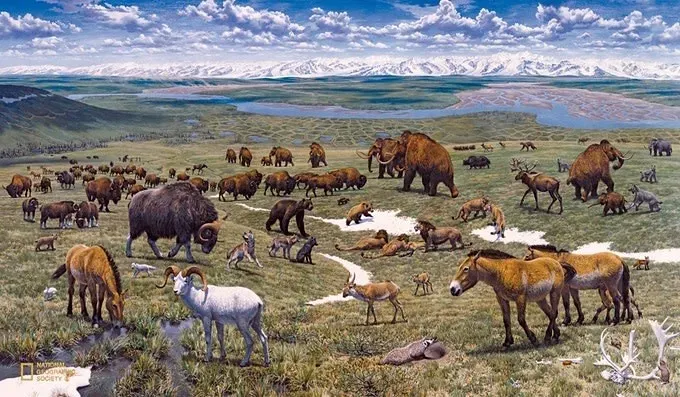
After the Cretaceous-Paleogene extinction event wiped out the non-avian dinosaurs and several mammalian groups, placental and marsupial mammals diversified into many new forms and ecological niches throughout the Paleogene and Neogene, by the end of which all modern orders had appeared. The transformation was staggering. In geological terms, it happened at breathtaking speed – think of it like a new city being built on the ruins of an old one, except the architecture was entirely living and breathing.
Mammals in particular diversified in the following Paleogene Period, evolving new forms such as horses, whales, bats, and primates. After about 700,000 years, some mammals had reached 50 kilograms, a 100-fold increase over the weight of those which survived the extinction. The creature that once cowered under a fern had, within a relatively blink of geological time, become the whale, the lion, and eventually, you.
Conclusion: The Meek Did Inherit the Earth
The story of mammalian survival is not simply a tale of luck. It is a story of deep adaptability, biological flexibility, and the quiet advantages of being small, nocturnal, and resourceful for millions of years. You are the living product of creatures that were repeatedly underestimated, overlooked, and outcompeted – and yet endured every single time.
A combination of the vacuum left by the extinction of the dinosaurs and other vertebrates, and a reorganization of the environment likely catalyzed by the evolution of flowering plants, giving smaller mammals greater access to energetic resources, led to an improvement in their ability to partition them amongst themselves. It wasn’t just one event. It was an entire chain of circumstances that aligned in favor of the small and the adaptable.
Next time you see a dog, a whale documentary, or even catch a glimpse of yourself in the mirror, remember: you are the descendant of a creature barely larger than a shrew, huddling in a burrow while the world collapsed around it. That creature chose survival over spectacle, and that choice echoes in every heartbeat you take. Doesn’t that make you see yourself a little differently?