Imagine a world where every step outside meant crossing paths with something that could end you in seconds. Not a bad neighborhood. Not a dangerous road. An actual, living killing machine, perfectly engineered over millions of years to be the undisputed ruler of its world. That was life on prehistoric Earth, and honestly, it makes today’s natural world feel almost polite by comparison.
These weren’t just big, scary animals. They were ecological architects. Every predator on this list shaped its ecosystem so completely that prey animals evolved new bodies, new behaviors, and new survival strategies just to stand a chance. The arms race was real, it was brutal, and it was spectacular. Buckle up, because the seven predators below are about to completely reframe your understanding of what “dangerous” truly means. Let’s dive in.
Anomalocaris: The World’s First Apex Predator

Here’s a question you probably never thought to ask: what was the very first creature on Earth to sit at the top of the food chain? The answer is stranger than anything you could dream up. Anomalocaris was the great white shark of its day, cruising the shallow Cambrian seas in search of prey 500 million years ago. You’d be forgiven for not recognizing the name, but this bizarre animal was running the show long before dinosaurs, long before fish with legs, long before virtually anything we’d recognize as life today.
It could grow to the length of a modern human, was fast, had good eyesight, and possessed a large circular mouth made from razor-sharp plates. What makes this creature so extraordinary isn’t just its physical design, it’s its sheer ecological impact. As the first top apex predator, Anomalocaris may have been responsible for an early evolutionary arms race, forcing other animals to develop hard shells for protection. Think about that. One predator, half a billion years ago, essentially forced an entire planet of soft-bodied creatures to evolve armor. That’s not just hunting. That’s world-building.
Dunkleosteus: The Armored Executioner of the Devonian Seas
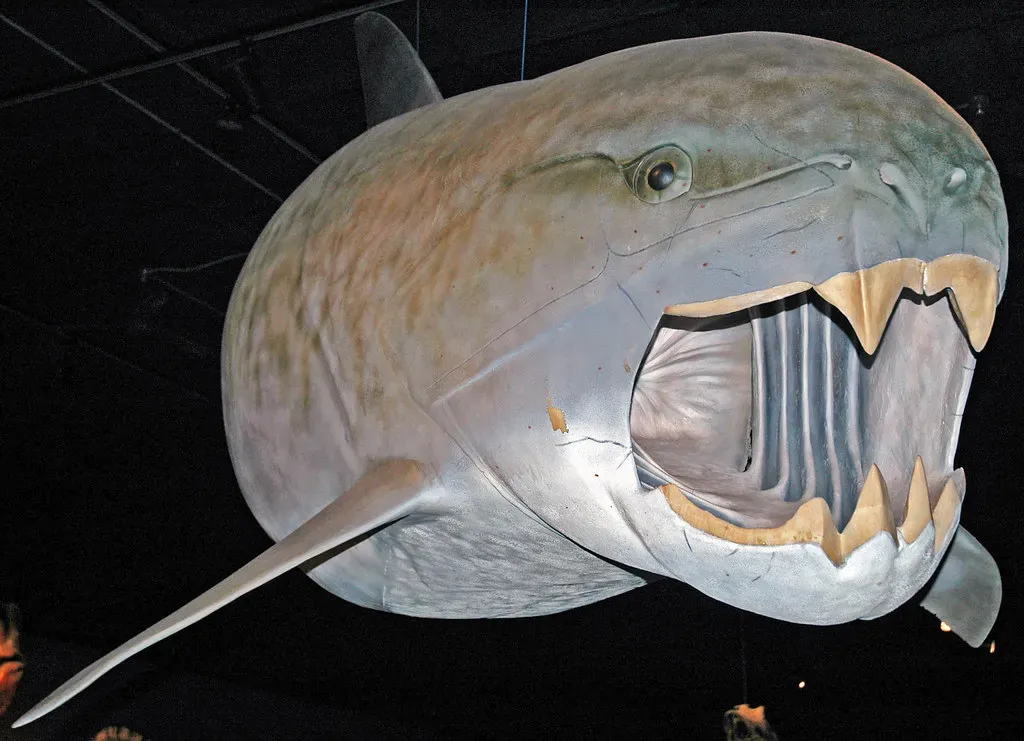
If Anomalocaris was the first ruler of prehistoric oceans, Dunkleosteus was one of the most terrifying to follow. It’s hard to imagine that an animal affectionately known as “The Dunk” was ever a fearsome predator, but Dunkleosteus was exactly that, ruling the northern hemisphere’s oceans for nearly 30 million years. That’s an almost incomprehensible run at the top. Most empires in human history last a few centuries at best. This armored fish held dominance for thirty million years.
Instead of teeth, Dunkleosteus had bony plates that formed a powerful beak capable of slicing through bone and armor, making it one of the first superpredators of the sea. Its jaw mechanics were something out of a nightmare. Special jaw muscles meant Dunkleosteus was able to open its mouth in less than a 50th of a second, creating a small vacuum that could suck in prey. It didn’t chase prey so much as inhale it. It outcompeted many early sharks and for a long time dominated the niches that we now associate with sharks such as the great white.
Spinosaurus: The River Giant That Owned Two Worlds
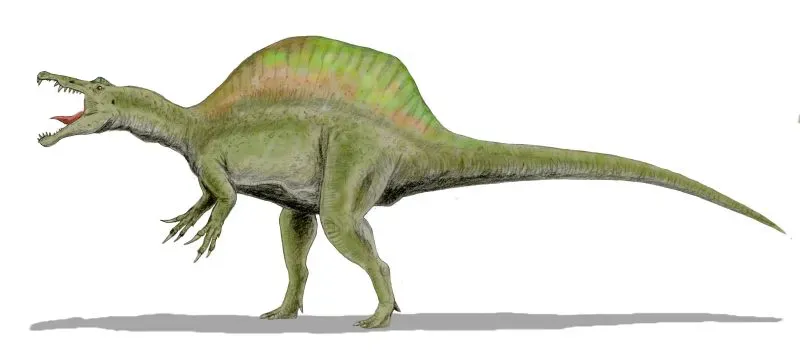
Spinosaurus_BW.jpg: ArthurWeasley, CC BY 2.5)
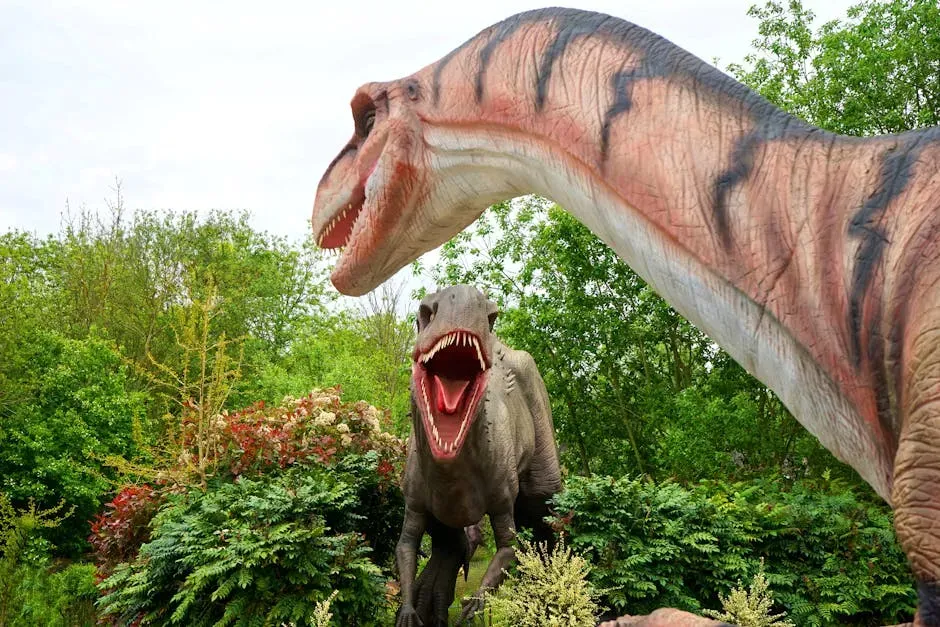
Most people picture the ultimate land predator as a two-legged, jaw-first killing machine. Spinosaurus was something altogether different, and honestly, more fascinating. Spinosaurus was about 60 feet in length and was considered the biggest land and water-based predator ever to roam the globe. That dual mastery is what sets it apart. It didn’t pick a lane. It owned both the rivers and the land surrounding them simultaneously, which is a strategy no other giant predator has quite managed.
T-Rex was a land-based predator that relied on its powerful legs and jaws to hunt down its prey, while Spinosaurus was adapted to an aquatic lifestyle, with long, paddle-like feet that helped it swim through water. It lived in the same African ecosystem as Carcharodontosaurus, but while the latter hunted on land, Spinosaurus is thought to be an aquatic predator, the first known dinosaur specialized for hunting in water. Think of it as the prehistoric equivalent of a saltwater crocodile crossed with something twice the size of a bus. Its very existence on that ancient river delta must have been an absolute ecological stranglehold.
Tyrannosaurus Rex: The Land King With a Bone-Crushing Legacy
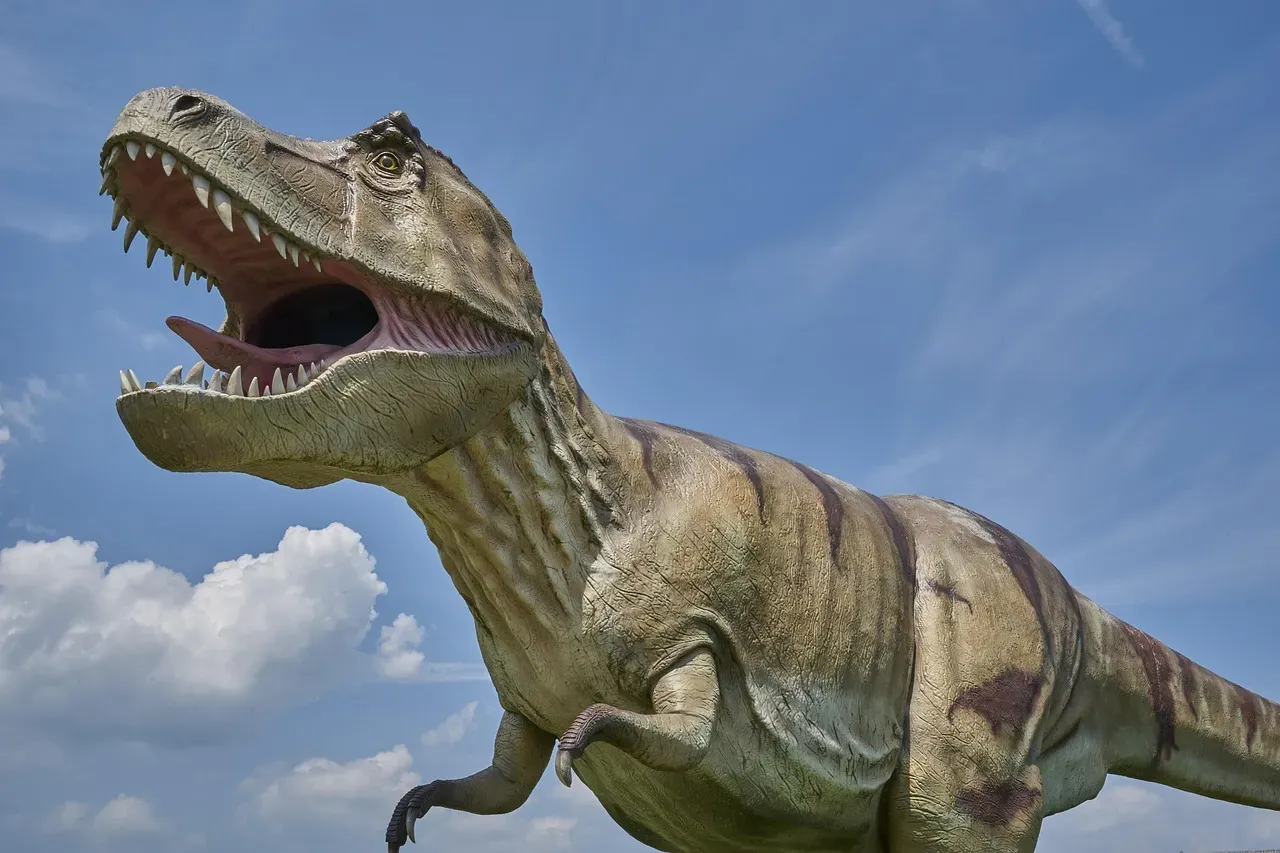
Let’s be real. No list about prehistoric apex predators is complete without T. rex, and despite how familiar the name feels, the actual science behind this animal is still jaw-dropping. Thanatotheristes and its kin were among the ancestors that led to even larger tyrannosaur species, like the 12-metre long Tyrannosaurus rex, which went on to rule Cretaceous ecosystems of North America and Asia for the last 10 million years before the mass extinction event that wiped out the dinosaurs. Ten million years of dominance. That’s not luck. That’s evolutionary perfection.
T. rex alone is estimated to have had a bite force between 35,000 to 65,000 Newtons, twice that of a saltwater crocodile. Evidence suggests T. rex was an opportunistic hunter, actively hunting live prey and scavenging carcasses, with fossil discoveries such as a T. rex tooth embedded in a healed hadrosaur tail bone confirming its role as an active pursuit predator. What surprises many people is just how sensory this animal was. A highly developed sense of smell, indicated by large olfactory bulbs, allowed predators like T. rex to track prey or detect carcasses over long distances. It wasn’t just a brute. It was a sophisticated, multi-tool hunter in a body built for maximum damage.
Megalodon: The Ocean’s Absolute Tyrant
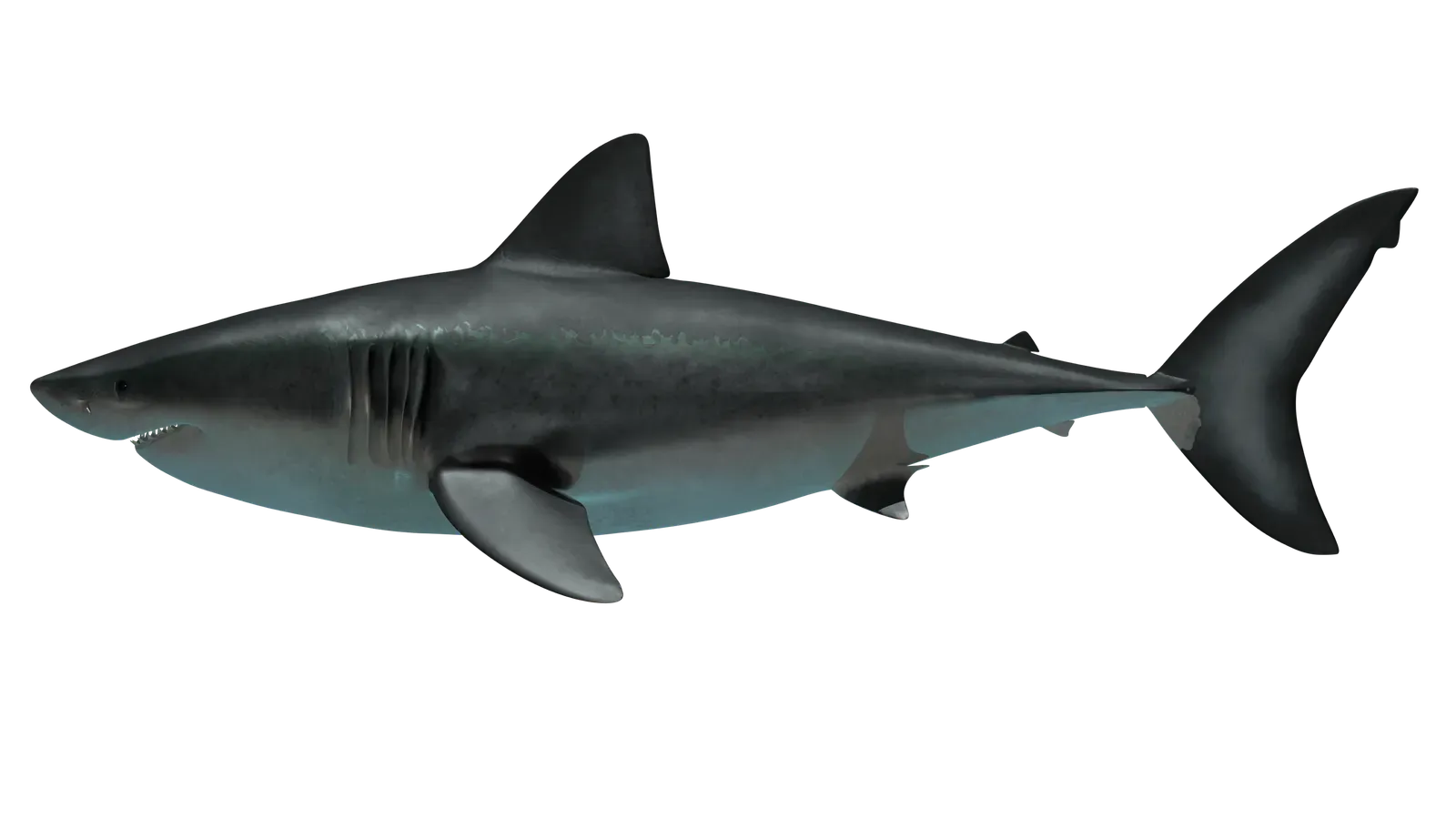
You want scale? Real, almost incomprehensible scale? Some Megalodons reached up to 60 feet long, a length three to four times that of modern-day great whites. It was the largest fish to ever swim the seas, and it lived from around 23 million years to 3.6 million years ago, during the Miocene and Pliocene epochs. For context, that’s after the dinosaurs were already gone. Megalodon wasn’t a relic of some distant prehistoric past. It was patrolling warm oceans at a time when early human relatives were already walking the African savannah.
Megalodon’s teeth were up to 7 inches long, built for grabbing and tearing huge chunks of flesh. Similar to T. rex, it ate just about everything it could catch, from large marine mammals to fish, and it thrived in nearly all the world’s oceans minus those in the polar regions. It’s hard to say for sure exactly why it vanished, but Megalodon ultimately became extinct because the whales it hunted migrated to cooler waters, and it was too large and specialized to adapt to smaller prey. The ocean’s most powerful predator may have been brought down not by a rival, but by its own extreme success.
Pliosaurus Funkei: The “Predator X” of the Jurassic Seas
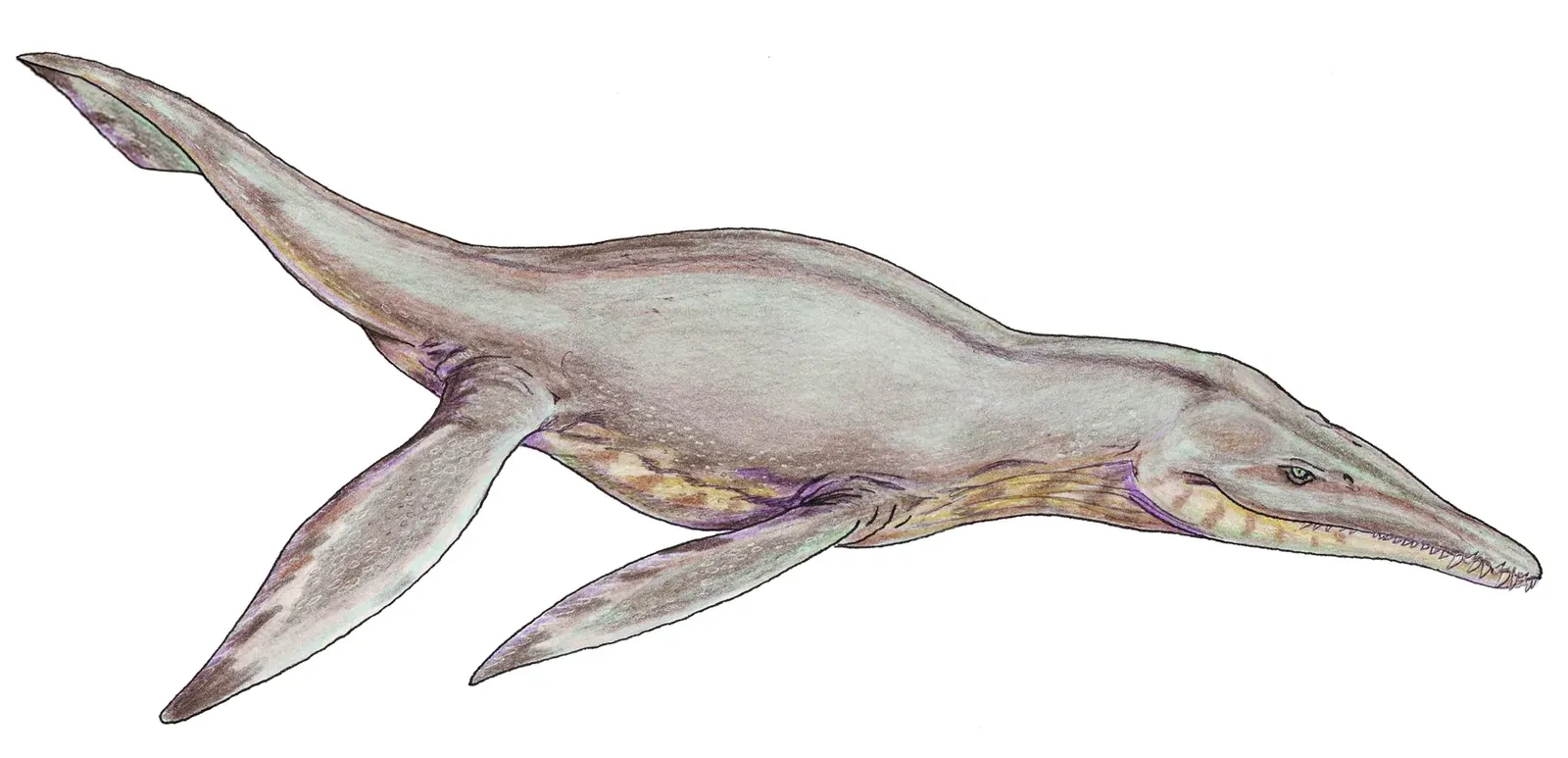
If the name doesn’t ring a bell, the nickname might. The most massive pliosaurs came from the Thalassophonea clade, a name that translates to “sea murderers,” and Pliosaurus funkei, discovered in the Arctic islands of Svalbard in 2009 and previously known as “Predator X,” may have had the highest bite force of any creature ever. Let that sink in for a moment. Not just the strongest bite of any marine predator. Potentially the strongest bite of any creature ever to live on this planet, land or sea.
These pliosaurs rose to the position of apex predators in portions of the Jurassic and Cretaceous periods, which spanned from around 200 million to 66 million years ago. With their enormous maws, the diet of this large pliosaur species would have included large cephalopods, large fish, and other large reptiles. Today’s marine trophic levels cap at six, with creatures like killer whales and great white sharks, but the discovery of giant marine reptile apex predators occupying a seventh trophic level underscores the unmatched diversity and complexity of these ancient ecosystems. Predator X was quite literally operating on a level that nothing in today’s oceans even comes close to.
Smilodon: The Ambush Artist of the Ice Age
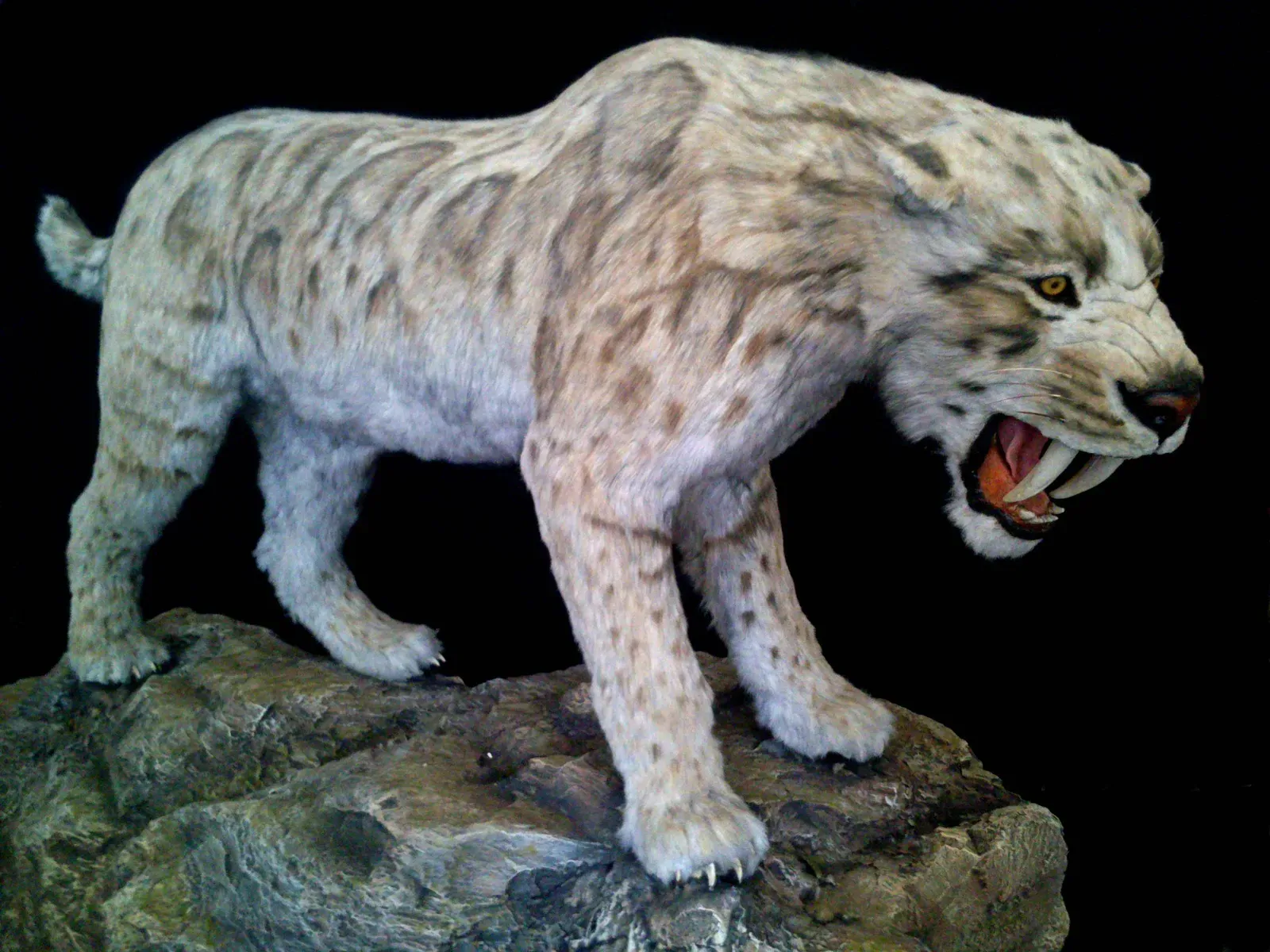
The last predator on this list is the one most likely to haunt your dreams, partly because it lived the most recently. Until about 10,000 years ago, the saber-tooth cat Smilodon fatalis was a fearsome predator in what is now the American West. That’s practically yesterday in geological terms. Often mislabeled as a “saber-toothed tiger,” Smilodon was a muscular predator famous for its long, curved canine teeth, which could grow up to 11 inches long. Those fangs weren’t just for show. They were precision instruments, designed for a very specific and efficient kill.
It makes sense that Smilodon would hunt in a more closed environment, considering they likely did not chase prey for any appreciable distance, making them ambush predators based on their body morphology. Its bite wasn’t as strong as modern big cats, but its forelimbs were incredibly powerful for grappling. It subdued prey with sheer physical strength before delivering a precisely targeted throat strike with those iconic fangs. Highly specialized prey preferences is what likely doomed Smilodon, while more flexible predators like coyotes managed to survive the ecological shift by adapting to a wide range of prey. There’s a lesson in that, even for species alive today.
Conclusion: The Legacy of the Ancient Apex
What strikes you most when you look at these seven predators together is that none of them were simply “big and scary.” Each one was a finely calibrated ecological engine, reshaping everything around it. Evolutionary pressures compelled marine organisms to adapt in remarkable ways, whether through enhanced speed, stealth, or sheer strength, with numerous prey species evolving tougher shells, greater agility, or schooling behaviors, while predators in turn developed improved sensory abilities, specialized dentition, and new hunting techniques. These weren’t isolated events. They were a planet-wide conversation carried out over hundreds of millions of years.
I think what’s most humbling here is realizing how much of the natural world we take for granted today was directly shaped by creatures that no longer exist. These ancient hunters developed specialized tools and tactics, shaping the ecosystems they inhabited and leaving a lasting legacy in the fossil record. Every shell on a crab, every schooling behavior in a fish, every sprinting reflex in a deer might trace its origin back to one of these ancient giants putting the pressure on. The predators are gone. Their influence, quietly, is still everywhere.
Which of these seven prehistoric rulers do you find the most astonishing? Drop your thoughts in the comments below.