When you think about the most successful creatures ever to walk the Earth, dinosaurs probably come to mind immediately. These magnificent beasts ruled the planet for more than 150 million years, surviving multiple environmental upheavals and carving out ecological niches that made them essentially unstoppable. Their story isn’t just about size or strength.
It’s about adaptation, timing, and honestly, a good bit of luck. From their humble beginnings as small, nimble creatures in a world dominated by other reptiles to their emergence as the undisputed champions of terrestrial life, the evolutionary journey of dinosaurs is absolutely packed with fascinating turning points. Let’s dive into the nine critical moments that transformed these animals from bit players into superstars.
Surviving the Permian-Triassic Catastrophe
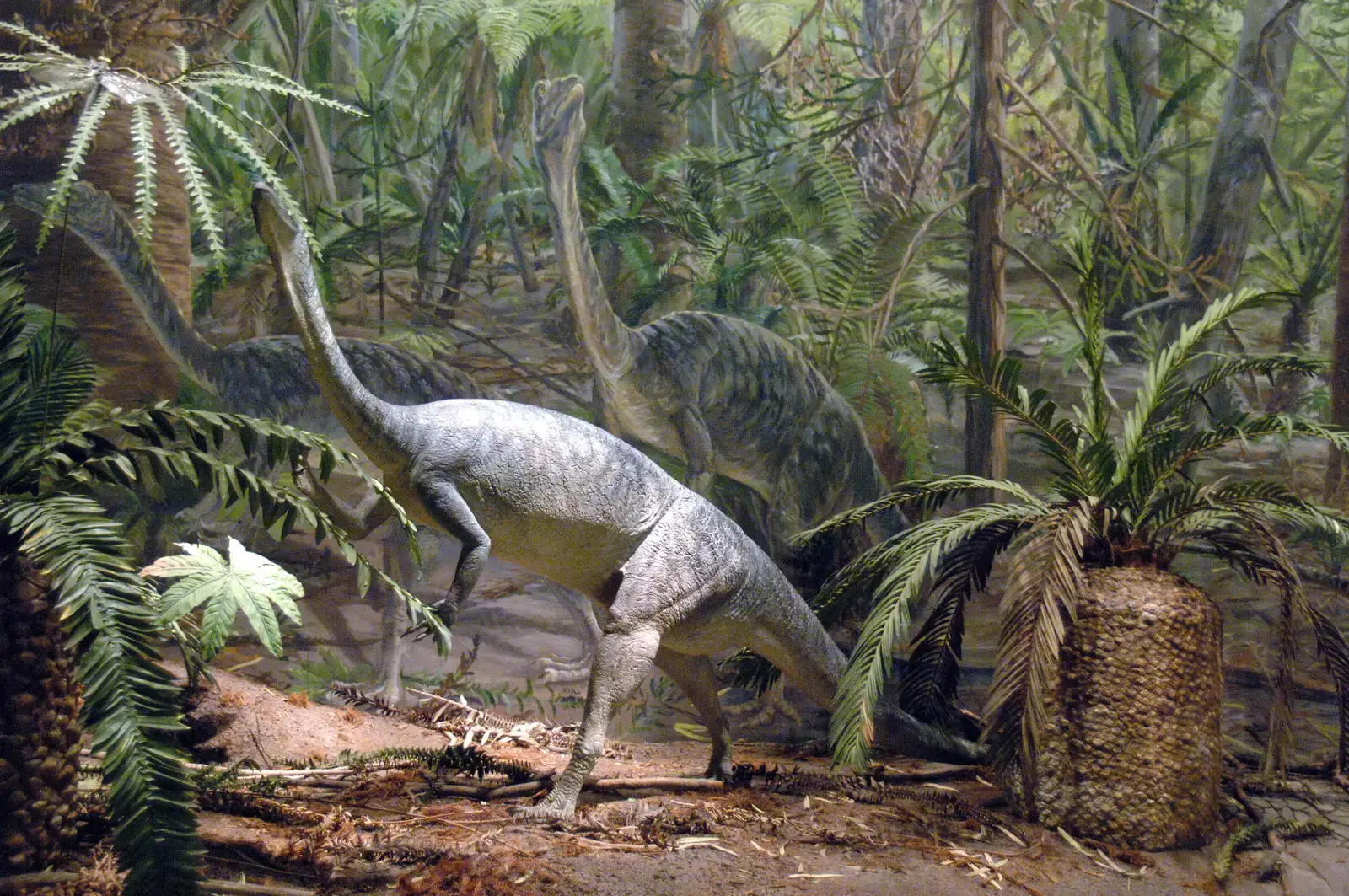
The stage was set roughly 252 million years ago when Earth witnessed its worst extinction event ever, wiping out about 95 percent of all life during the Permian-Triassic extinction. This apocalyptic moment, often called the Great Dying, left the planet essentially barren and desperate for new life to fill the void. The earliest dinosaur ancestors didn’t cause this catastrophe, but they certainly benefited from it.
In the early Triassic period that followed, mammal-like reptiles such as Lystrosaurus dominated the landscape. Yet the true ancestors of dinosaurs were quietly positioning themselves in this recovering world. The emptied ecological niches created opportunities that would eventually allow entirely new groups of animals to flourish, setting up the conditions for the dinosaur lineage to emerge and experiment with different body plans.
The First Appearance in the Mid-Triassic
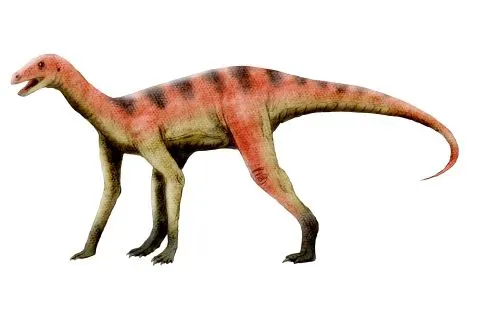
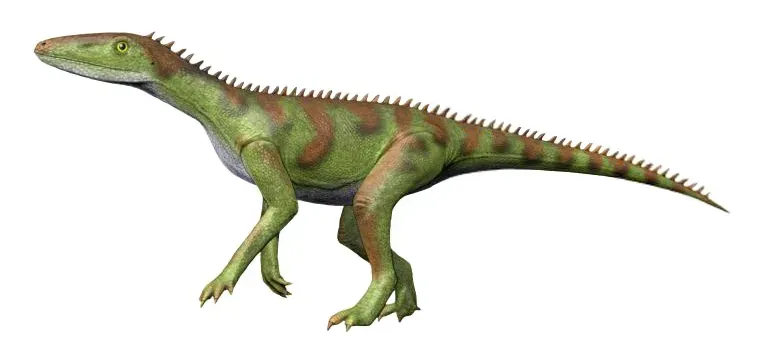
Dinosaurs first appeared in the Mid-Triassic and became the dominant terrestrial vertebrates in the Late Triassic or Early Jurassic, occupying this position for about 150 or 135 million years. These earliest dinosaurs were nothing like the giants we imagine today. Think small, agile, and bipedal creatures that looked more like oversized chickens than the towering beasts of later eras.
Dinosaurs first appeared in the Late Triassic but did not become dominant until the succeeding Jurassic Period. During this initial phase, they shared the landscape with far more successful groups, particularly the pseudosuchians, massive crocodile-like predators that truly ruled the Triassic world. Dinosaurs were, for millions of years, basically the underdogs in a world controlled by others.
Evolution of Bipedalism for Speed
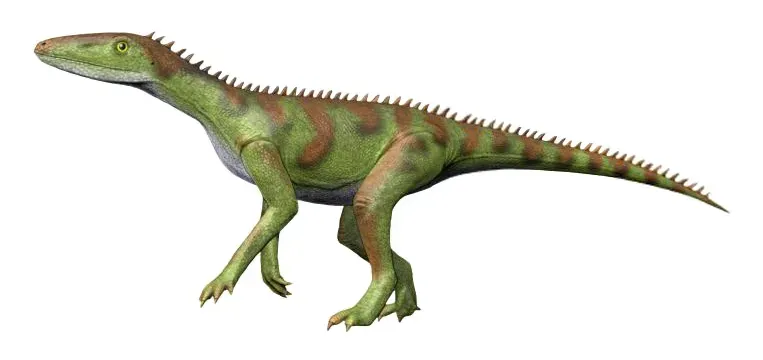
Bipedalism in dinosaurs was inherited from ancient proto-dinosaurs, with the trick to this evolution residing in their tails, which had big leg-powering muscles that provided the strength and power required for early dinosaurs to stand on and move with their two back feet. This adaptation wasn’t just for show. Walking on two legs freed up energy and allowed for faster movement across landscapes.
Because dinosaurs walked on their hind legs, and later also on all fours, dinosaurs had a distinct advantage during a period that saw massive environmental changes. Here’s the thing: this flexibility in locomotion meant they could exploit different environments and food sources more effectively than their competitors. The ability to shift between movement styles gave them an edge that proved crucial as the climate continued to shift throughout the Triassic.
Dietary Flexibility and Adaptability
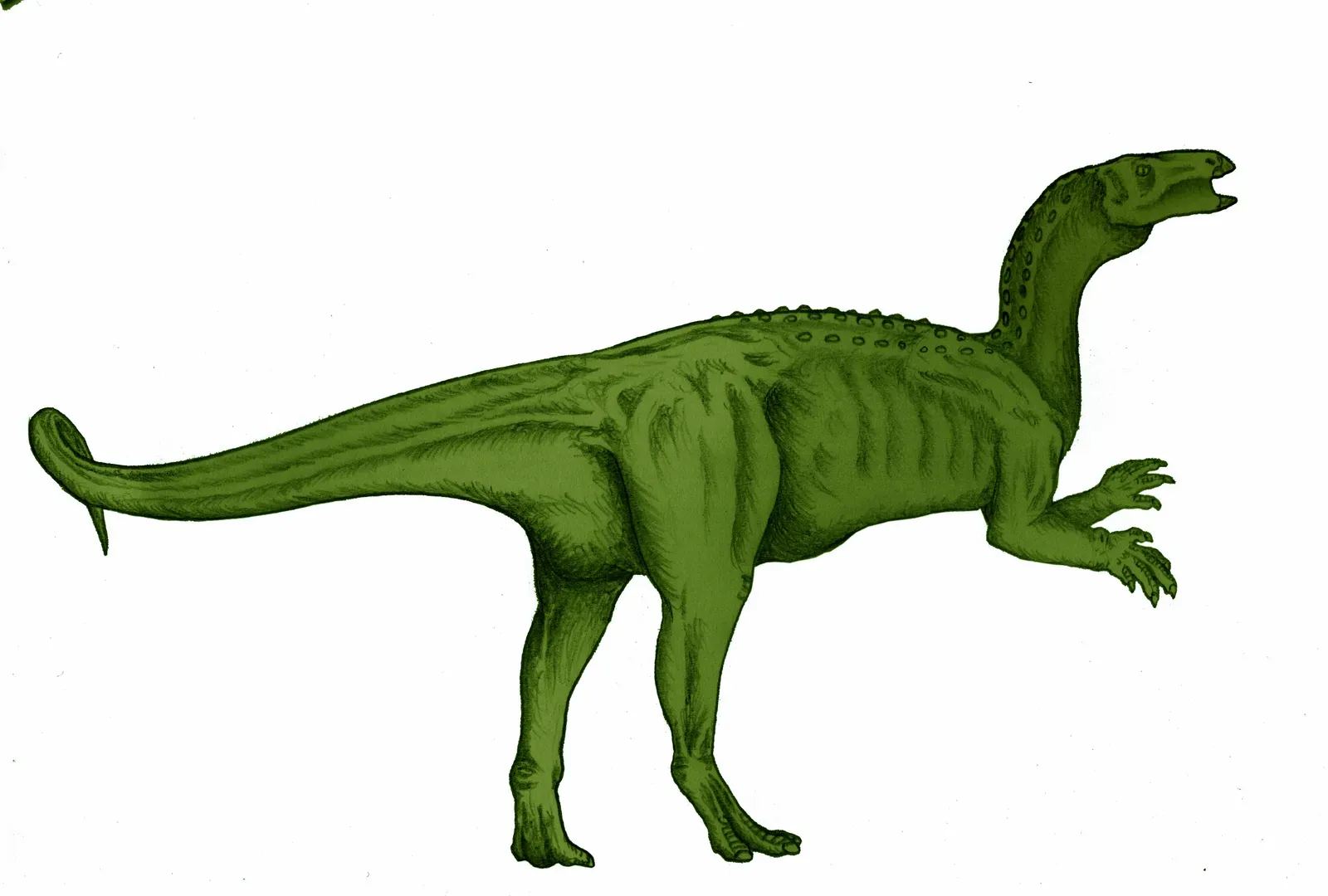
Adaptability emerged as a cornerstone of dinosaur success, with early herbivorous dinosaurs diversifying their diets to survive in fluctuating environments. Unlike many other reptilian groups that specialized in specific food sources, dinosaurs proved remarkably versatile in what they could eat and digest. This wasn’t just about being omnivorous.
The importance of flexibility to early dinosaurs extended to what they ate and their ability to adapt to environmental changes, particularly during the Late Triassic Period which saw a warming climate driven by volcanic activity and increasingly humid conditions resulting in richer vegetation. When new plant species evolved, dinosaurs were ready to munch on them. When prey became scarce, they could switch strategies. This adaptability allowed them to weather storms that wiped out less flexible competitors.
The Triassic-Jurassic Extinction Event
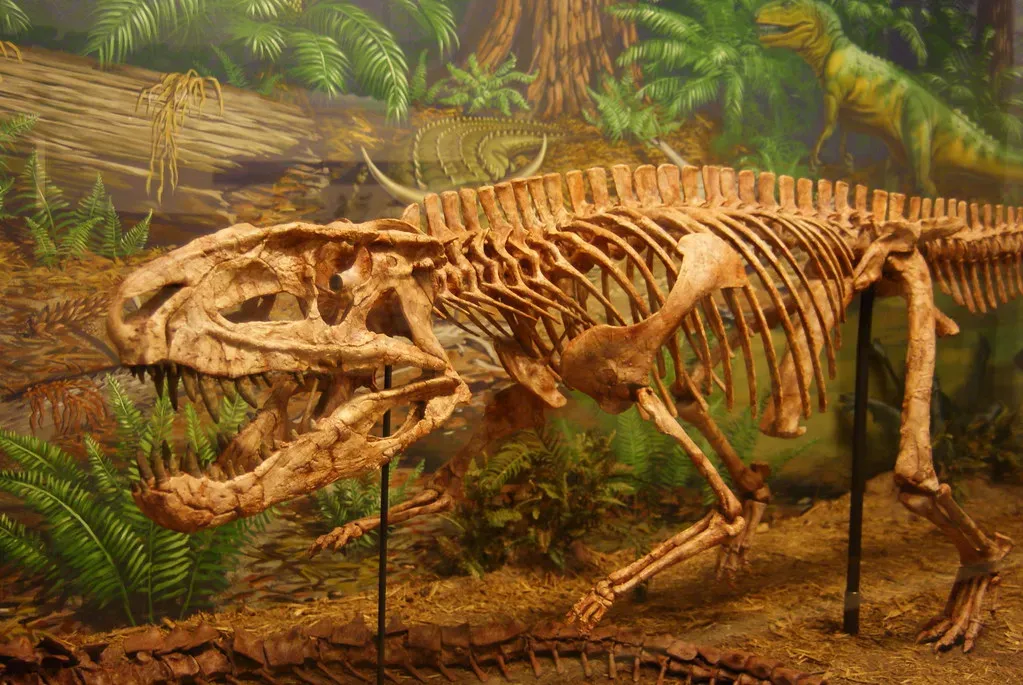
The end of the Triassic was marked by yet another major mass extinction, the Triassic–Jurassic extinction event, that wiped out many groups, including most pseudosuchians, and allowed dinosaurs to assume dominance in the Jurassic. This event, occurring around 201 million years ago, proved to be the moment dinosaurs had been waiting for without even knowing it. Massive volcanic eruptions released enormous amounts of carbon dioxide and changed the climate drastically.
Freed from their main competitor, early theropods became dominant, with evidence showing theropod footprints after the mass extinction became much larger, corresponding to larger body sizes. Honestly, it’s hard to say for sure whether dinosaurs were genuinely superior or just incredibly lucky. Whatever the reason, they survived while their main rivals perished, opening up the world for their unprecedented expansion.
Development of Warm-Blooded Metabolism
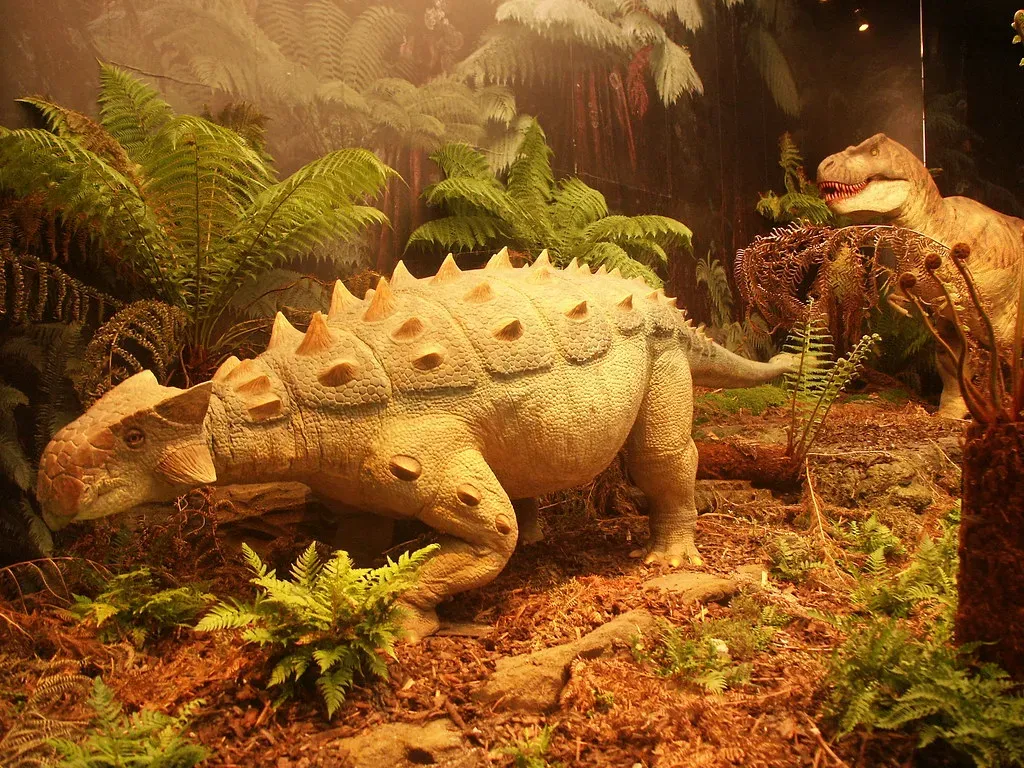
A 2009 study supported the hypothesis that endothermy was widespread in at least larger non-avian dinosaurs based on the biomechanics of running. The shift toward maintaining constant body temperatures gave dinosaurs a massive advantage over cold-blooded reptiles that needed external heat sources to function. This metabolic upgrade meant they could be active at night, in cooler climates, and for extended periods.
All dinosaurs were on the road to becoming warm-blooded, with steps towards faster metabolic rates and very high body temperatures occurring somewhat after the origin of birds. The evolution of feathers in many dinosaur lineages provided insulation that supported this warmer lifestyle. You might not picture Tyrannosaurus rex with feathers, but growing evidence suggests many theropods sported fuzzy coats that helped regulate temperature.
Conquest of Diverse Environments in the Jurassic
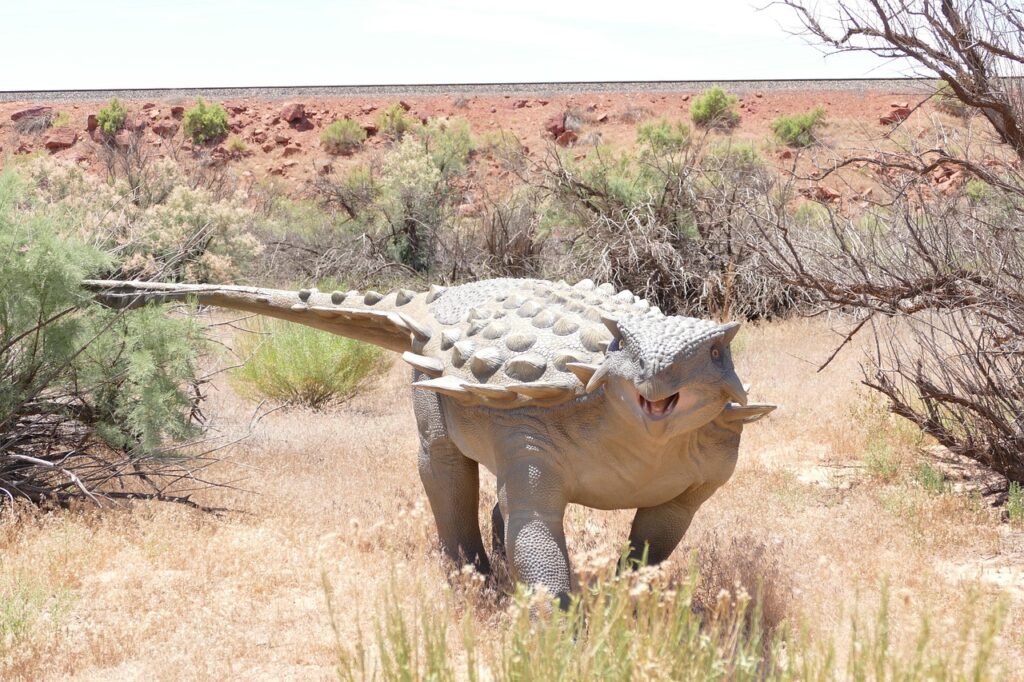
The Early Jurassic climate was tropical and much more humid than the Triassic, as a result of large seas appearing between the land masses. This new world was lush, green, and teeming with opportunities. Dinosaurs diversified explosively during this period, with massive sauropods developing long necks to reach high vegetation while fierce theropods perfected their predatory techniques.
The climate became warmer and wetter, with lush forests of ferns and conifers covering much of the land, creating a perfect environment for dinosaurs to thrive and evolve into many different shapes and sizes. From the towering Brachiosaurus to the armored Stegosaurus, the Jurassic saw an explosion of body plans and ecological strategies. Dinosaurs weren’t just surviving anymore – they were absolutely thriving in nearly every terrestrial habitat imaginable.
Evolution of Feathers and Flight Precursors
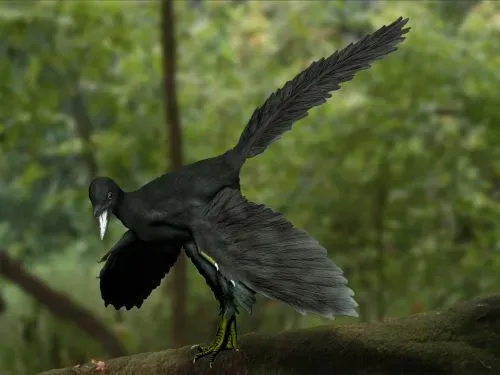
Some theropods had feathers or feather-like structures, which are believed to have initially evolved for insulation or display rather than for flight. These early feathers probably served multiple purposes: keeping small dinosaurs warm, attracting mates, or intimidating rivals. Flight came much later as an almost accidental bonus feature of having already developed these structures.
Archaic birds appeared in the Jurassic, having evolved from a branch of theropod dinosaurs, then true toothless birds appeared in the Cretaceous. The famous Archaeopteryx represents this transitional stage beautifully, combining reptilian teeth and bony tail with distinctly avian feathers and wings. The evolution of flight opened up entirely new ecological niches and eventually allowed one lineage of dinosaurs – birds – to survive the final extinction event.
Peak Diversity in the Cretaceous Period
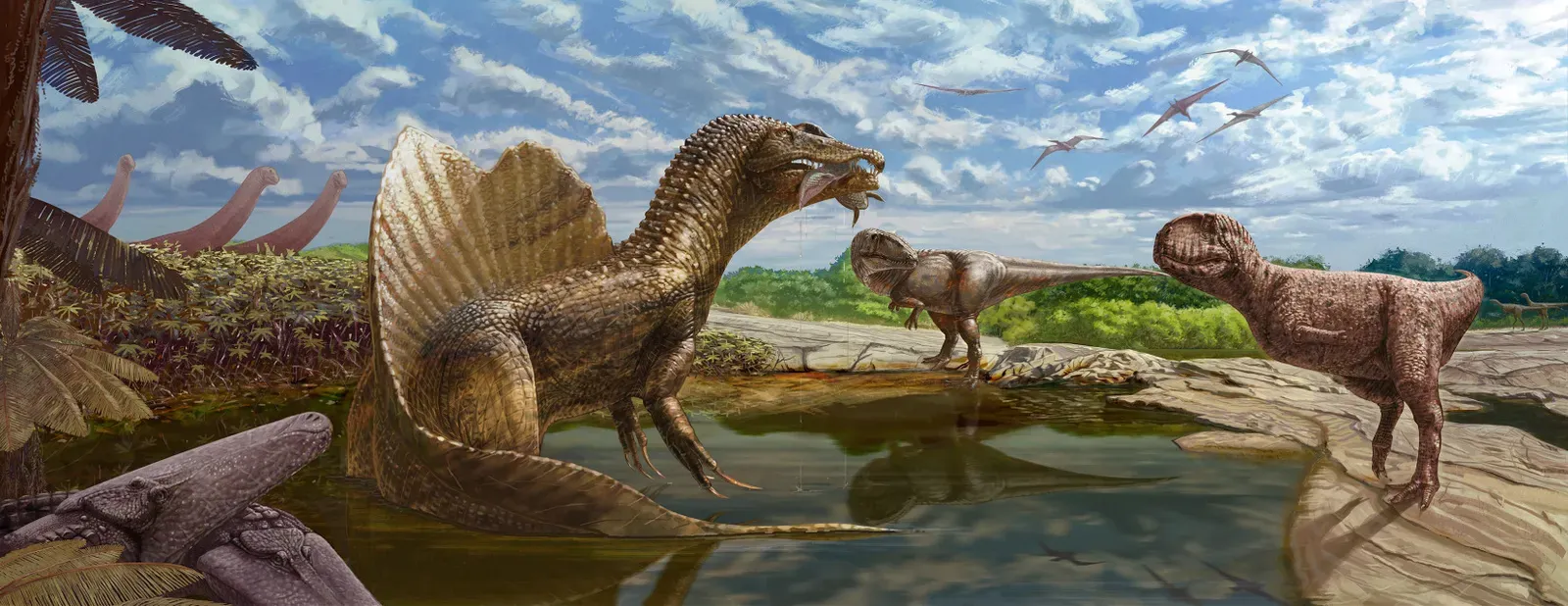
The Cretaceous Period was the final chapter in the age of dinosaurs but also the most diverse, with dinosaurs continuing to evolve and becoming even more specialized. This era produced some of the most iconic species we know today, from the terrifying Tyrannosaurus rex to the gentle giant Triceratops. Flowering plants appeared for the first time, fundamentally changing food webs and creating new opportunities for herbivores.
Continental drift led to diverse habitats and evolutionary pressures, while flowering plants emerged and influenced herbivorous dinosaurs’ diets. The Cretaceous represented the absolute peak of dinosaur evolution, with species occupying every conceivable niche from massive ocean-going predators to tiny tree-dwelling insectivores. They had truly conquered the planet in every sense of the word.
Conclusion
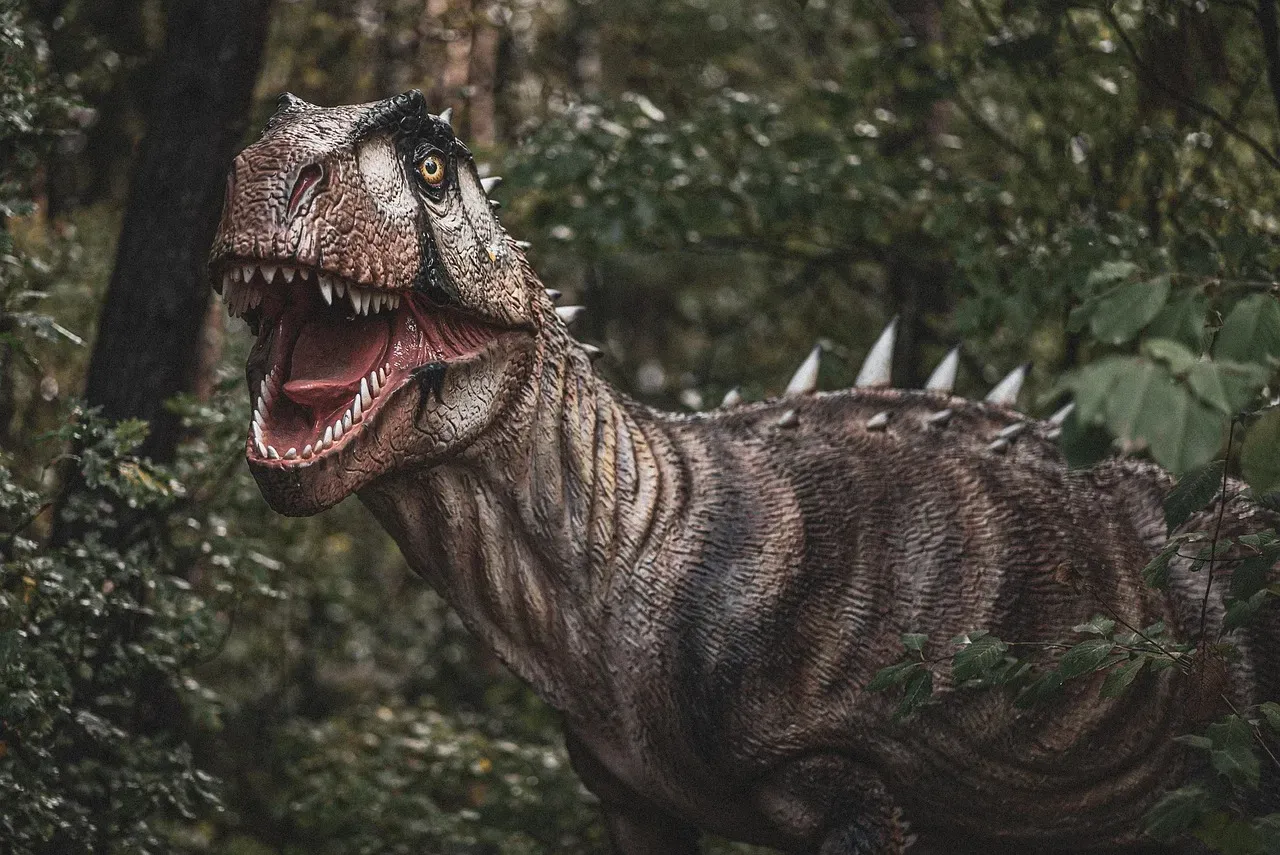
The rise of dinosaurs wasn’t inevitable or preordained. It required the right combination of anatomical innovations, behavioral flexibility, environmental opportunities, and yes, a hefty dose of good timing. From surviving catastrophic extinctions to developing warm-blooded metabolisms and experimenting with feathers and flight, dinosaurs proved themselves masters of adaptation across millions of years.
Their legacy continues today in the birds that fill our skies, representing the only dinosaur lineage to survive the asteroid impact 66 million years ago. When you watch a sparrow hopping across your lawn or hear a crow calling from a telephone wire, you’re witnessing living dinosaurs – the ultimate evolutionary success story. What do you think was the most crucial moment in their rise to dominance?