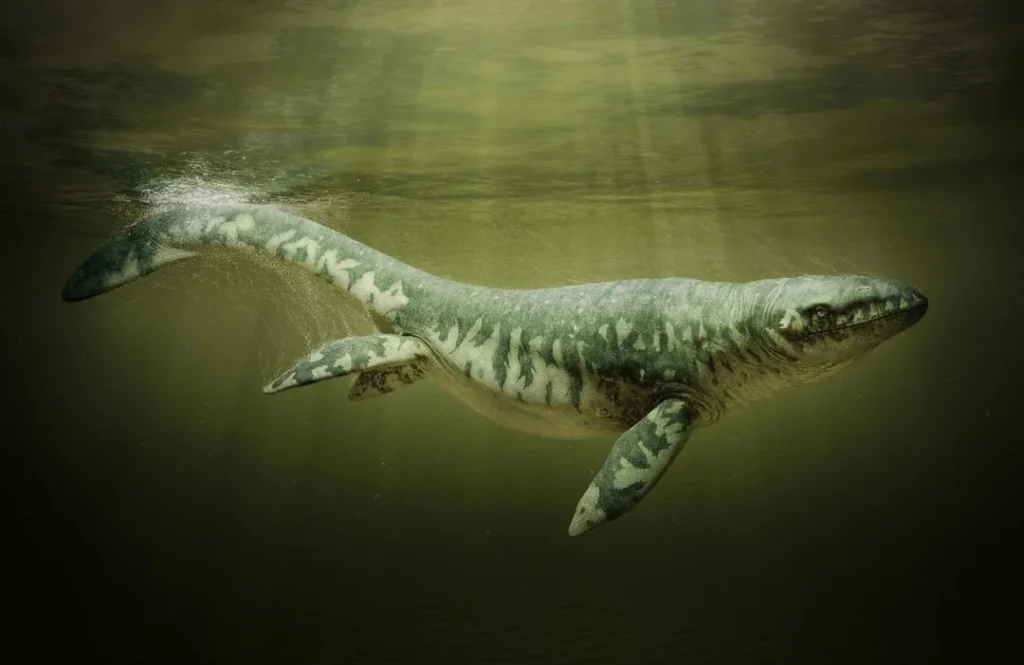
Rutland Water Nature Reserve, England – Workers draining a lagoon for routine maintenance stumbled upon an extraordinary relic from the Early Jurassic period. The fossilized skeleton of a massive marine reptile, nicknamed a “sea dragon,” measured nearly 10 meters long and dated to about 180 million years ago. This ichthyosaur specimen quickly captured global attention as paleontologists hailed it as the most complete and largest of its kind ever unearthed in the United Kingdom.
A Chance Find in an Unexpected Place
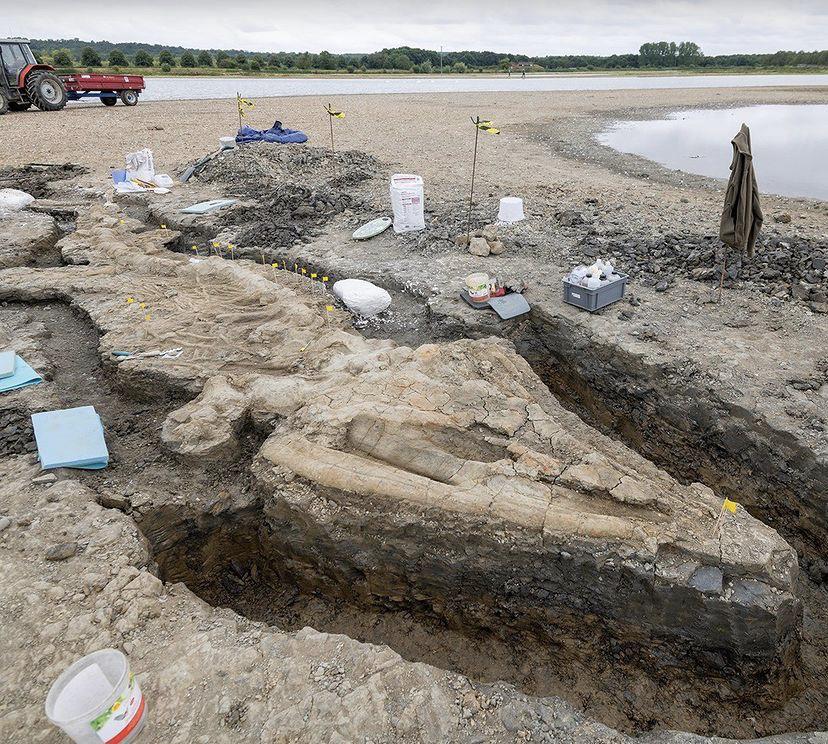
A Chance Find in an Unexpected Place (Image Credits: Reddit)
Joe Davis, the reserve’s conservation team leader, spotted unusual ridges protruding from the mud in February 2021. What appeared as odd stones or bones turned out to be part of a jawbone and spine. He contacted local authorities, half-joking about a dinosaur discovery. Reserves officer Paul Trevor soon confirmed more remains nearby.
Paleontologists arrived swiftly. The inland location puzzled experts, far from typical coastal fossil sites like Dorset’s Jurassic Coast. Rutland Water, now a serene reservoir in England’s smallest county, once lay beneath shallow Jurassic seas teeming with life. Previous smaller ichthyosaur fragments had surfaced there during the site’s 1970s construction, but nothing prepared the team for this scale.
Delicate Excavation of a Prehistoric Predator
Teams lowered reservoir water levels in late summer 2021 for the full dig. Dr. Dean Lomax, a leading ichthyosaur specialist from the University of Manchester, directed operations alongside Dr. Mark Evans, Nigel Larkin, and Dr. Emma Nicholls. Volunteers assisted in the painstaking process.
Workers encased the fragile bones in plaster jackets reinforced with wooden splints. The skull block alone weighed nearly one tonne, while the body section tipped the scales at one and a half tonnes. Conservator Nigel Larkin managed the lifts, navigating Jurassic clay that preserved the nearly complete skeleton from skull to tail tip. The effort spanned August and September, yielding blocks ready for study.
Unpacking the Sea Dragon’s Anatomy and Lifestyle
Preliminary analysis pointed to Temnodontosaurus trigonodon, a first for British shores if confirmed. These ichthyosaurs resembled dolphins in form, with streamlined bodies for swift swimming. Adults reached up to 12 meters, hunting fish, squid, and smaller reptiles in ancient oceans.
The Rutland specimen’s two-meter skull underscored its apex predator status. Air-breathing like modern whales, it surfaced frequently in warm Jurassic waters. Such completeness allowed researchers to examine growth patterns, injuries, and diet clues absent in fragmented fossils.
- Length: Approximately 10 meters (33 feet).
- Skull: 2 meters long, weighing about 1 tonne.
- Preservation: Nearly fully articulated, from head to tail.
- Habitat: Shallow seas covering inland England 180 million years ago.
- Diet: Likely fish, cephalopods, and marine reptiles.
A Landmark in British Paleontology
Dr. Dean Lomax described the find as “one of the greatest in British palaeontological history.” Britain pioneered ichthyosaur science over 200 years ago, thanks to pioneers like Mary Anning. Yet no UK site had produced such a grand, intact example.
Dr. Mark Evans noted Rutland’s motto, “Multum in Parvo” – much in little – fitting for the smallest county yielding the largest specimen. The discovery illuminated Early Jurassic marine ecosystems alongside dinosaurs. Ongoing research promised papers on anatomy and evolution. Anglian Water and partners sought funds to display it locally, ensuring public access.
Joe Davis reflected on the thrill: “This amazing creature was once swimming in seas above us.”
Key Takeaways
- Britain’s largest ichthyosaur skeleton, at 10 meters long.
- Most complete large specimen ever found in the UK.
- Dates to 180 million years ago, Early Jurassic period.
- Discovered inland at Rutland Water Nature Reserve.
This “sea dragon” bridges modern conservation efforts with deep time, proving ancient giants hide in plain sight. What local landmark might conceal similar treasures? Tell us in the comments.