Picture this. You’re standing on the shore of a prehistoric ocean, watching the sunset over a world dominated by creatures you’ve never seen. One moment the planet is teeming with life. The next, it’s a graveyard. That’s not science fiction or wild imagination talking, that’s exactly what happened during the Permian-Triassic extinction event roughly 252 million years ago.
Scientists don’t call it the Great Dying for dramatic effect. It was Earth’s most severe known extinction event, with the extinction of roughly 57 percent of biological families, 62 percent of genera, 81 percent of marine species, and 70 percent of terrestrial vertebrate species. Life on Earth came shockingly close to complete annihilation. Yet the story of what triggered this catastrophe and how our planet eventually clawed its way back from the brink remains one of the most fascinating chapters in Earth’s history.
When the Earth Nearly Died
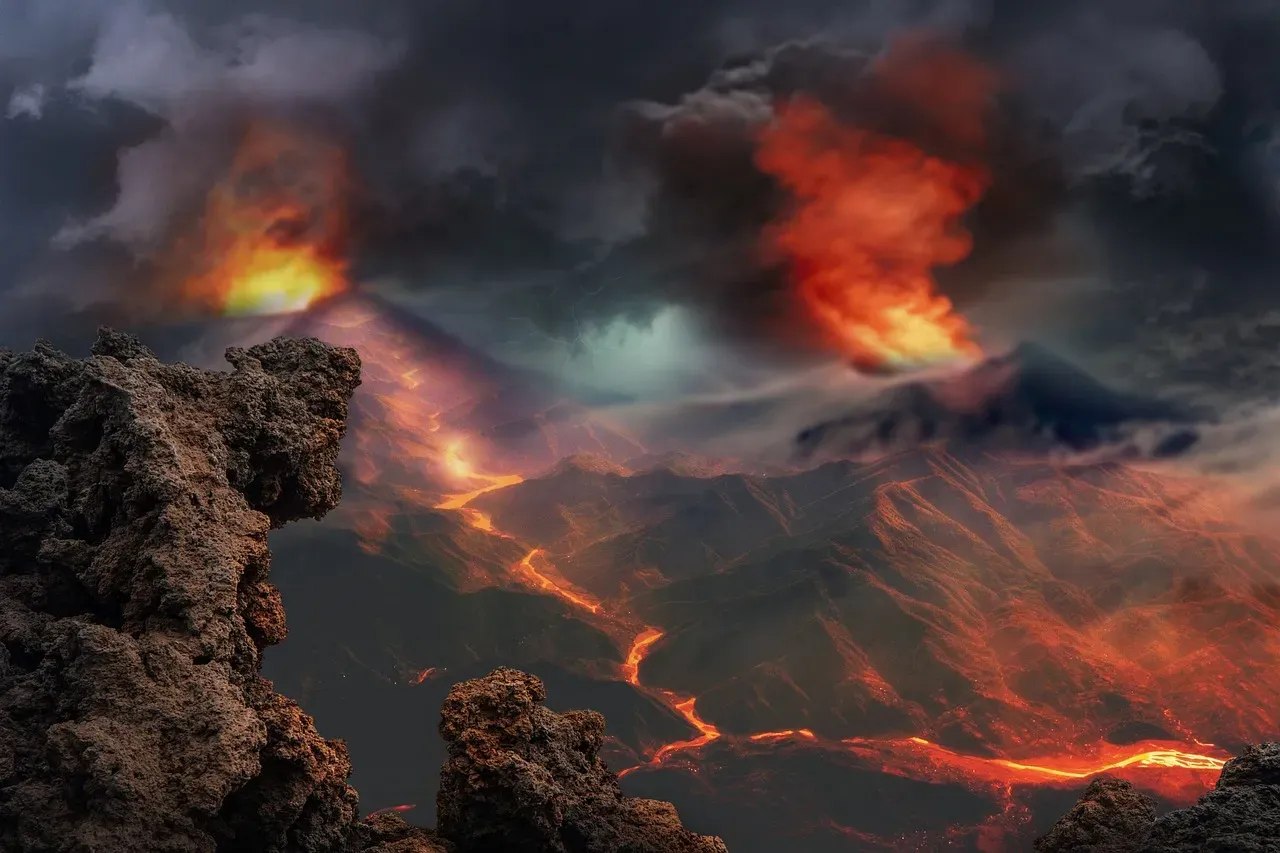
Here’s the thing. We’re talking about an event so devastating that it makes the dinosaur extinction look almost gentle in comparison. Some 96 percent of marine species were wiped out during the Great Dying, and the land fared little better. Imagine forests falling silent, oceans turning into dead zones, and entire groups of animals that had thrived for millions of years simply vanishing.
The extinction occurred between 251.941 and 251.880 million years ago, a duration of roughly 60 thousand years. That might sound like a long time to you and me, but in geological terms? That’s practically a blink. It’s also the greatest known mass extinction of insects, which is particularly significant since these critters are usually among the toughest survivors on the planet.
The Volcanic Nightmare in Siberia
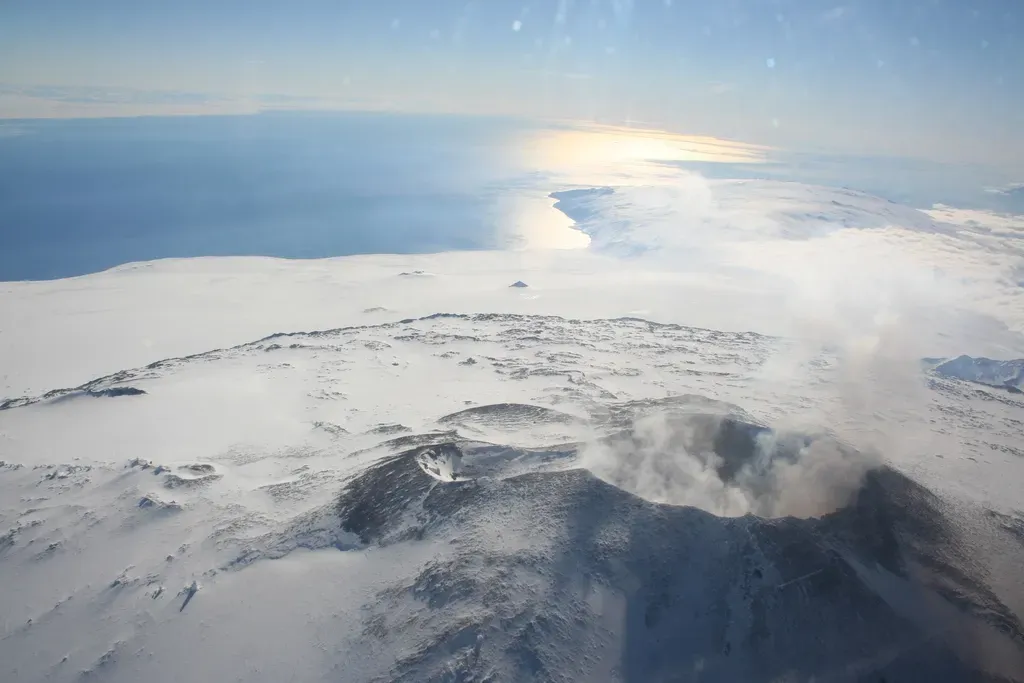
Let’s be real. When scientists first started piecing this puzzle together, they knew something absolutely catastrophic had occurred. The smoking gun? The scientific consensus is that the main cause of the extinction was the flood basalt volcanic eruptions that created the Siberian Traps, which released sulfur dioxide and carbon dioxide, resulting in oxygen-starved, sulfurous oceans, elevated global temperatures, and acidified oceans.
These weren’t your typical volcanic eruptions. The Siberian Traps represent a singular event in Earth history, a monster that makes modern volcanoes look like tiny firecrackers. Huge volcanoes erupted, releasing 100,000 billion metric tons of carbon dioxide into the atmosphere. Picture that volume of greenhouse gases flooding the atmosphere over a relatively short period, and you start to understand why the planet went haywire.
How a Warming Planet Became a Death Trap
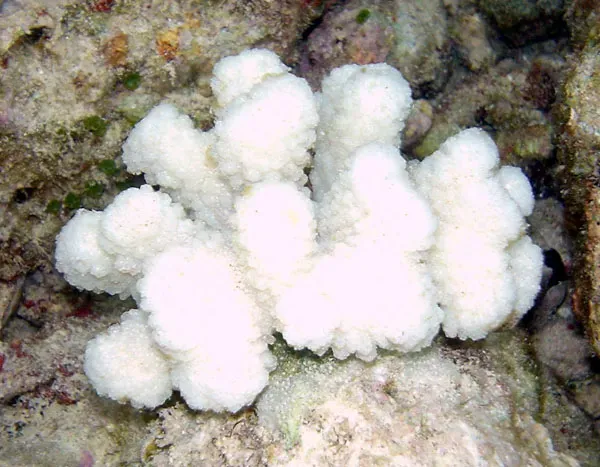
The temperature spike was brutal. Researchers raised greenhouse gases in models to the level required to make tropical ocean temperatures at the surface some 10 degrees Celsius higher, matching conditions at that time. Now think about what happens when you heat up water in your kitchen. Warm water holds less dissolved oxygen than cold water.
Marine creatures found themselves in an impossible situation. As oceans warmed, marine animals’ metabolism sped up, meaning they require more oxygen, while warmer water holds less, and as temperatures rose and the metabolism of marine animals sped up, the warmer waters could not hold enough oxygen for them to survive. It was essentially suffocation on a planetary scale. Species either had to flee to cooler waters or perish where they lived.
The Toxic Cocktail of Destruction
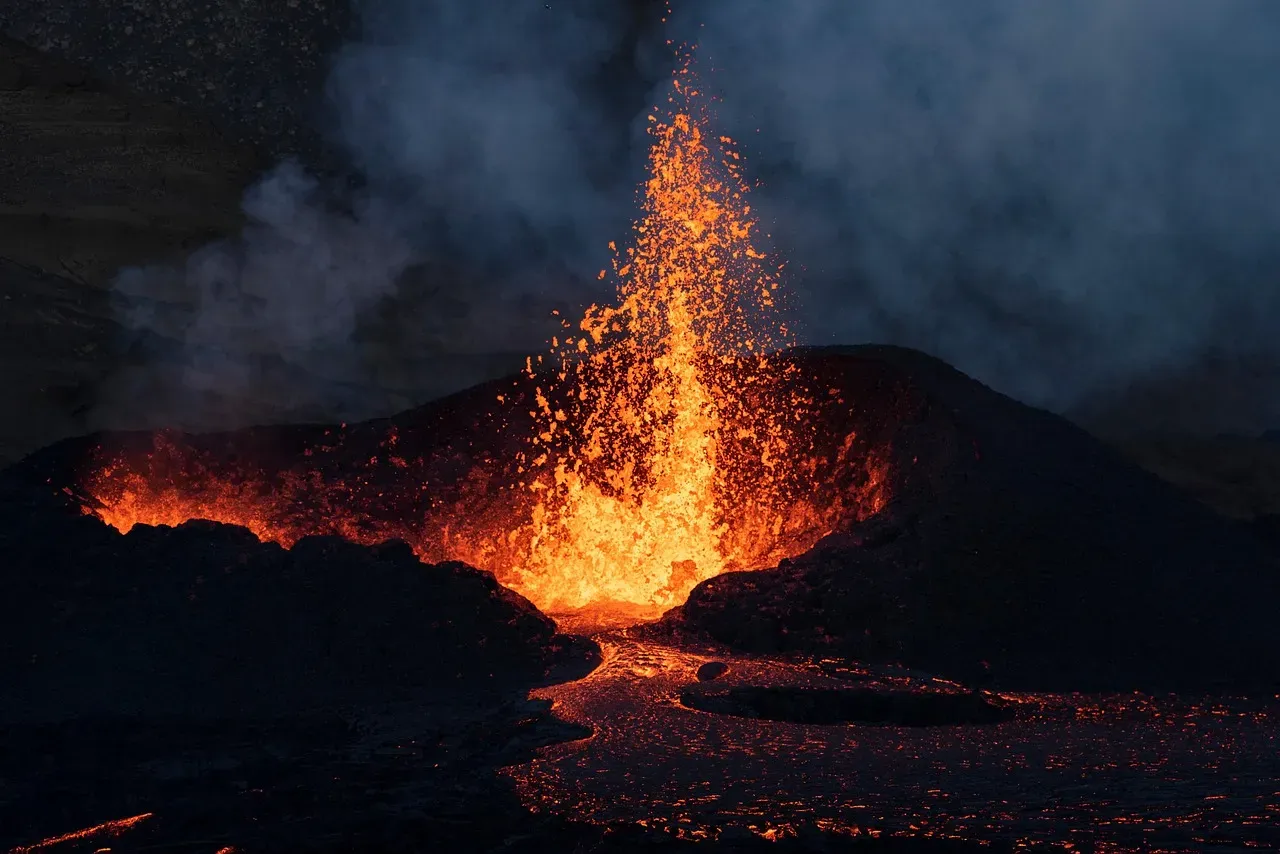
Honestly, the warming alone would have been bad enough. The volcanic eruptions delivered a multi-pronged assault on life. The Siberian Traps released sulfur dioxide and carbon dioxide, resulting in oxygen-starved, sulfurous oceans, elevated global temperatures, and acidified oceans. Think of it as a perfect storm of environmental disasters hitting all at once.
As volcanic gases poured into the skies, they would have generated acid rain, and sulfate molecules would have blocked sunlight and cooled the planet initially. This new evidence of a nickel fingerprint at the time of the extinctions convinced scientists that it was the volcanic upheaval in Siberia that produced intense global warming and other environmental changes that led to the disappearance of more than 90 percent of all species. The nickel released by these eruptions even triggered methane-producing microbes, adding yet another greenhouse gas to the deadly mix.
What Happened to the Oceans
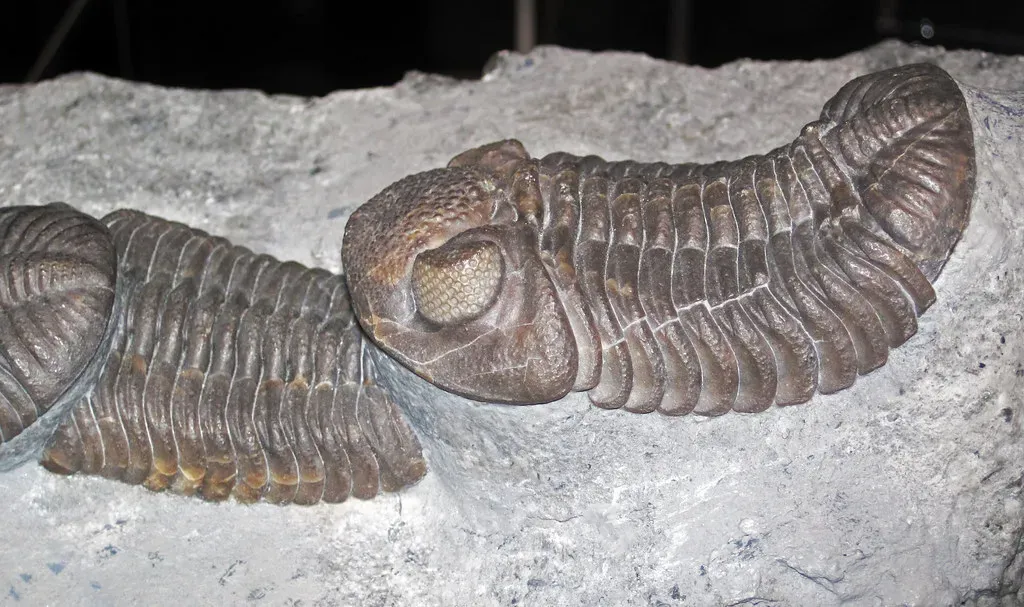
If you could somehow travel back to those ancient seas, you’d witness something nightmarish. Oceans lost about 80 percent of their oxygen, and roughly half the ocean floor became completely oxygen-free. The extinction primarily affected organisms with calcium carbonate skeletons, especially those reliant on stable carbon dioxide levels to produce their skeletons, and these organisms were susceptible to the effects of ocean acidification that resulted from increased atmospheric carbon dioxide.
Fossils in ancient seafloor rocks display a thriving and diverse marine ecosystem, then a swath of corpses. Coral reefs, which had flourished for millions of years, were decimated. Trilobites, those armored arthropods that had crawled through Earth’s oceans for nearly 300 million years, finally met their end. The diversity of life in the seas crashed to levels not seen before or since.
Life on Land Faced Its Own Apocalypse
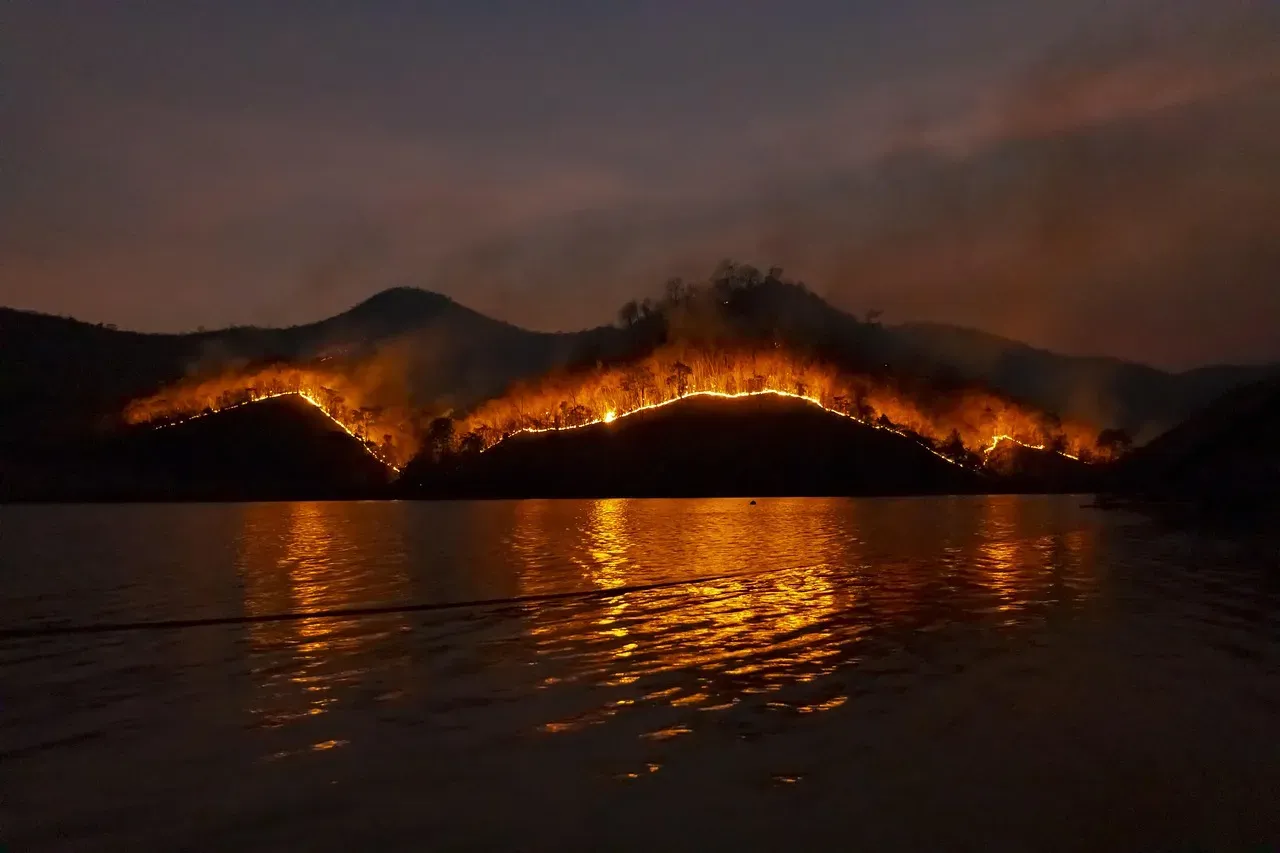
I know it sounds crazy, but terrestrial ecosystems might have actually started collapsing before the marine crisis fully kicked in. Nearly all the world’s trees died en masse, leaving behind elevated levels of fungal remains as forests rotted across the globe. The extinction event saw the abrupt disappearance of Glossopteris forest-mire ecosystems that had flourished in the region for millions of years.
A rise in charcoal levels around the extinction suggested that fire activity spiked during the peak of the Siberian Traps eruptions. Imagine massive wildfires sweeping across continents as temperatures soared and vegetation dried out. The mammal-like reptiles that had dominated land for over 60 million years were devastated, with only a handful of species limping into the Triassic period.
The Long Road to Recovery
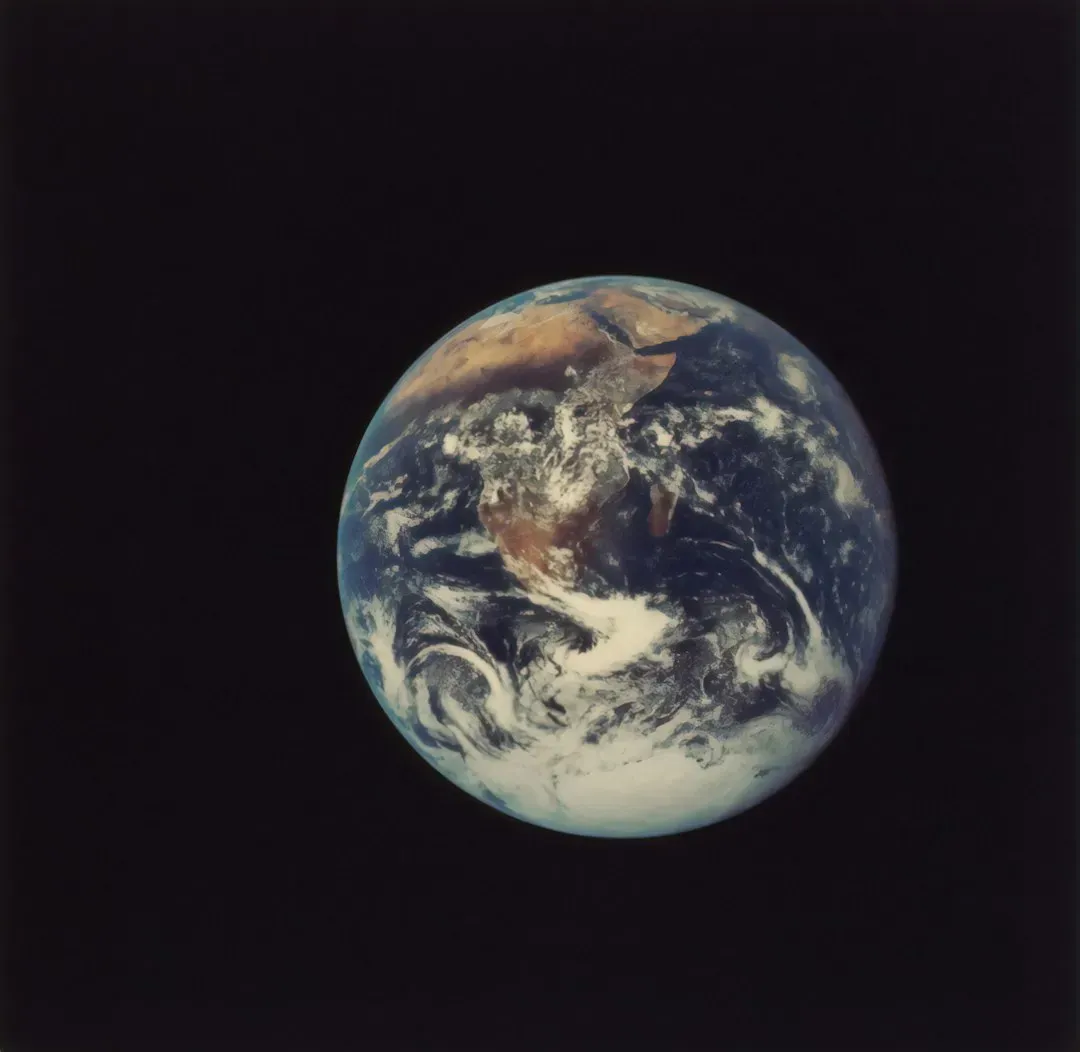
Here’s what really gets me. Life on Earth took about 10 million years to recover fully from the devastation. That’s an almost incomprehensible span of time. The aftereffects of the main extinction, including resurgent global warming and atmospheric and oceanic anoxia, continued to afflict Earth for another five to six million years.
After the extinction, it took about five million years for animals at the top of the food chain to emerge, but it took about 50 million years for the underlying ecosystem to bounce back. The few species that survived found themselves in a world of opportunity but also one that remained hostile for millions of years. By some estimates, it may have taken up to 10 million years for the planet to recover from the devastation caused by the Great Dying. Eventually, from these survivors would emerge the dinosaurs and eventually mammals, including the ancestors of every human who has ever lived.
The Permian-Triassic extinction stands as Earth’s closest brush with total biological annihilation. It reshaped the planet in ways that still echo through modern ecosystems. What do you think about it? Understanding how life nearly ended but ultimately persevered might just hold lessons for our own time as we face environmental challenges on a global scale.