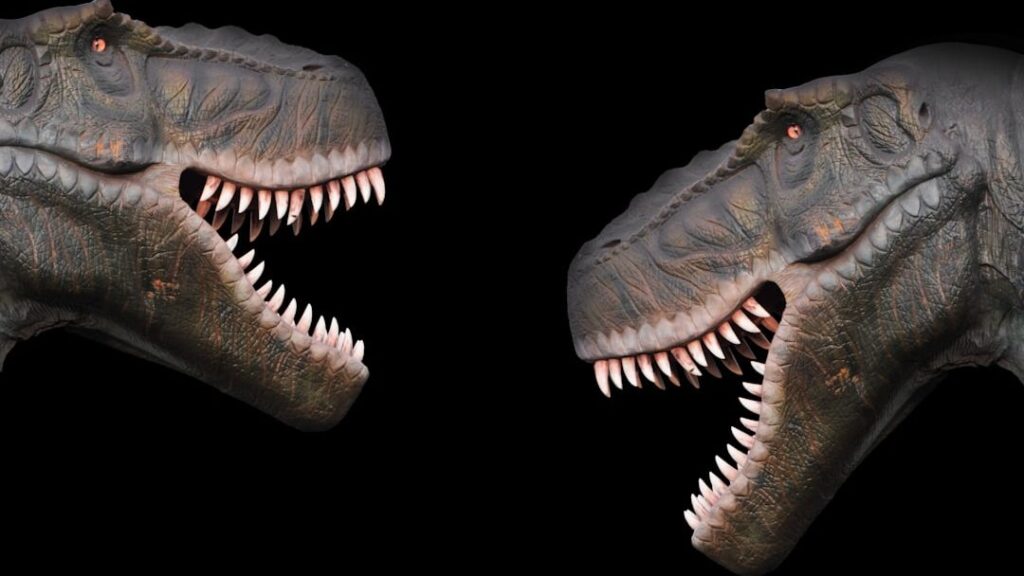
You’ve probably imagined dinosaurs as roaring beasts, shaking the ground with earth-shattering bellows. Movies have taught us that much. The reality, though, might surprise you in ways that are far more fascinating than any Hollywood sound effect. The ancient world was filled with sounds we can barely imagine today, and scientists are only just beginning to piece together what these prehistoric creatures actually sounded like and why.
Think about it for a moment. These animals dominated Earth for over 165 million years. They must have communicated somehow, whether to attract mates, warn off rivals, or call to their young. Yet sound doesn’t fossilize the way bones do, leaving researchers to become detectives of a different sort. Let’s dive in and discover what the secret language of dinosaurs might have really meant.
They Probably Didn’t Roar at All
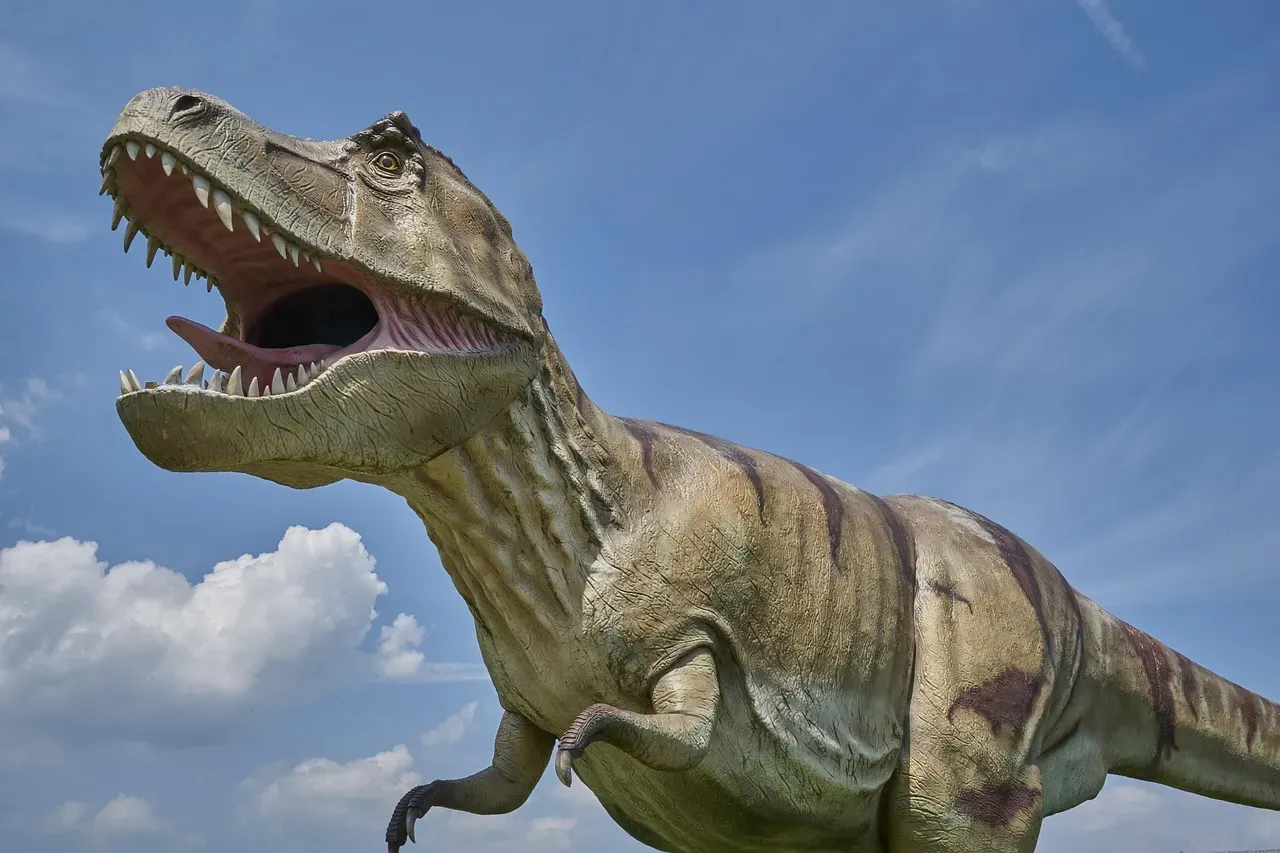
Here’s the thing that might disappoint every Jurassic Park fan. Scientists theorize that many dinosaurs may have produced closed-mouth vocalizations by inflating their esophagus or tracheal pouches while keeping their mouth closed, producing something comparable to a low-pitched swooshing, growling, or cooing sound. Picture that for a second. Instead of a terrifying open-mouthed roar, imagine a T. rex making deep, resonant booms with its mouth completely shut, its throat inflating like a balloon.
Modern examples of closed-mouth vocalizations include crocodilian growls and ostrich booms, and current evidence supports that Tyrannosaurus rex made closed-mouth vocalizations. These sounds would have been lower, more percussive, almost like distant thunder rolling across the landscape. Honestly, that’s somehow even more unsettling than a roar when you think about a massive predator silently approaching, then suddenly releasing a bone-shaking boom that you feel in your chest before you even hear it.
The Duck-Billed Dinosaurs Had Built-In Trumpets
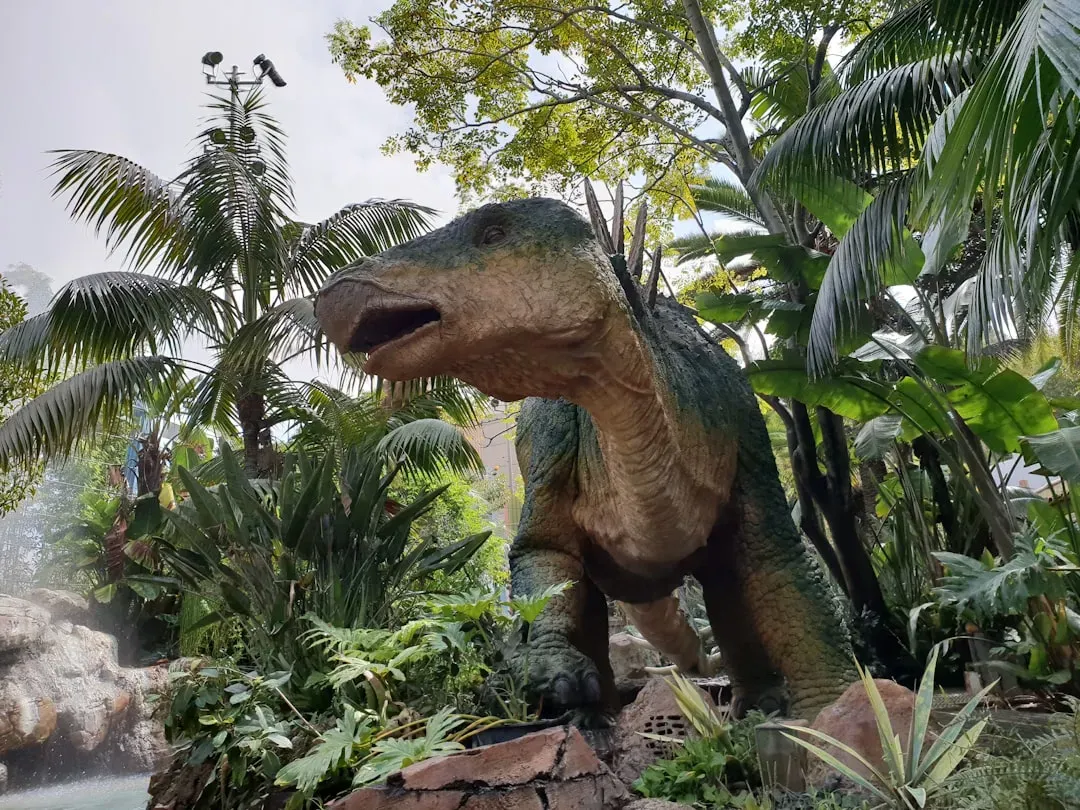
Some dinosaurs took vocalization to a completely different level. Parasaurolophus is often hypothesized to have used its crest as a resonating chamber to produce low frequency sounds to alert other members of a group or its species. That bizarre, tubular crest extending back from its skull wasn’t just for show. It was essentially a natural musical instrument.
The frequency range of these sounds is estimated to have been between 30 Hz and 200 Hz, and the unique anatomy of the crest suggests that it played a crucial role in vocalization, enabling Parasaurolophus to produce low-frequency sounds that could travel long distances. Research from late 2024 even created physical models to recreate these sounds. Imagine herds of these creatures communicating across vast distances, their haunting calls echoing through Cretaceous forests. The soundscape would have been utterly alien to our ears.
Birds Hold the Key to Understanding Dinosaur Voices
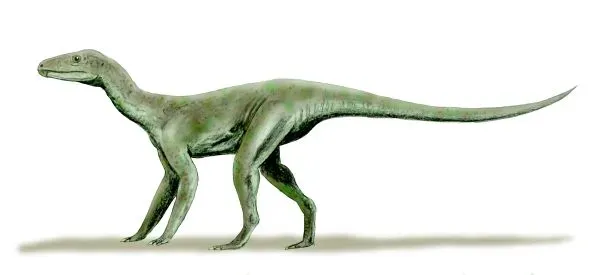
You might not think much about it, yet every bird you see is technically a living dinosaur. Closed-mouth hoots evolved at least 16 times in Archosaurs, a group that includes birds, dinosaurs and crocodiles, and only animals with a relatively large body size use closed-mouth vocalization behavior, so it is likely that some dinosaurs made closed-mouthed vocalizations in a manner similar to birds today.
When researchers study how modern birds communicate, especially larger species like cassowaries or emus, they’re essentially looking at evolutionary cousins of the dinosaurs. The connection runs deep. Consider this: pigeons cooing on your windowsill, ostriches booming during courtship, or even the deep growls of crocodiles all provide clues to what the Mesozoic era might have sounded like. These aren’t random comparisons; they’re windows into a lost world.
Why They Made Sounds in the First Place
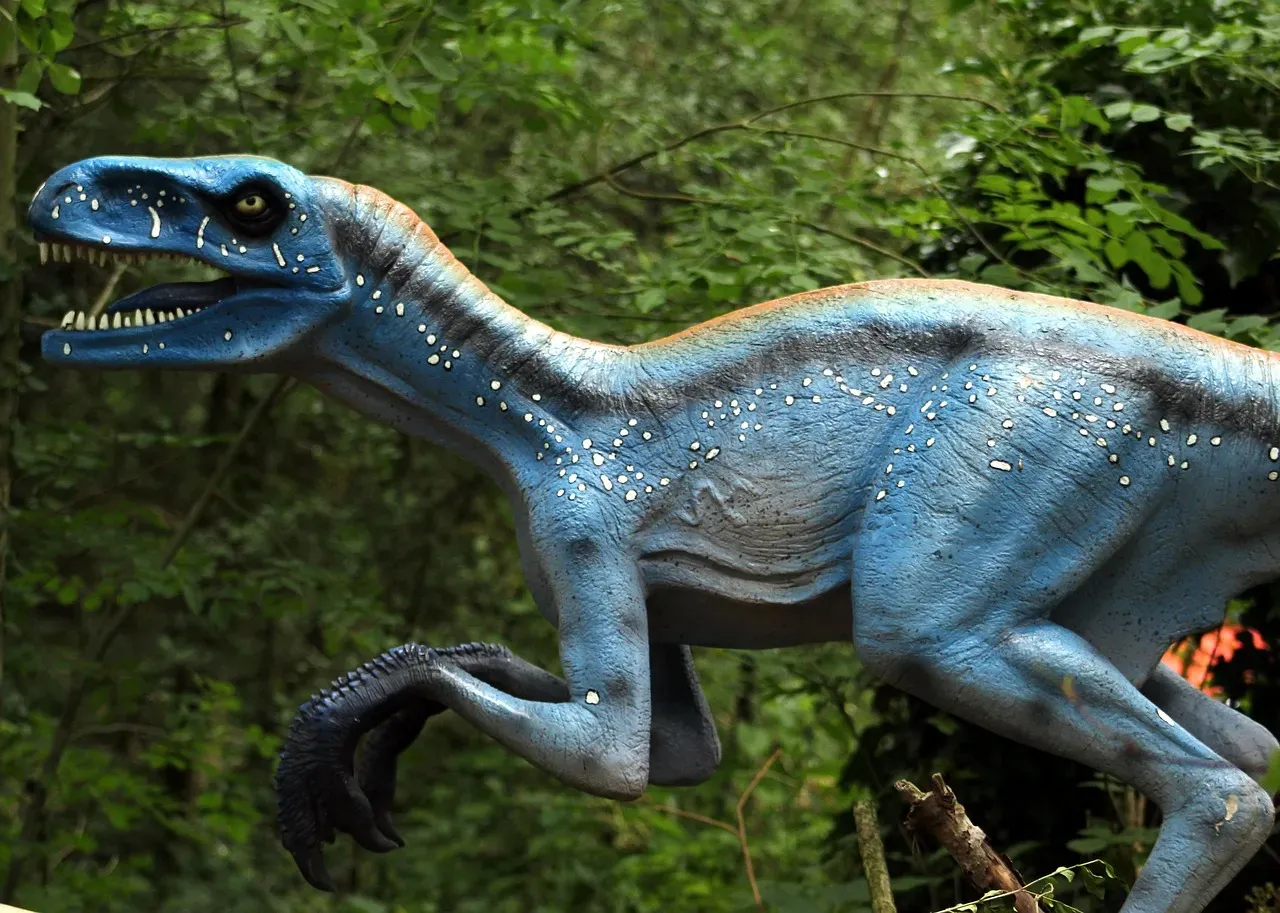
Scientists have developed theories that dinosaurs used acoustic signals including territorial calls, which helped establish and defend territories, as well as mating songs, which played a role in attracting potential mates. The purposes were probably similar to modern animals. Competition, romance, and survival drove their vocal evolution.
Vocalization in dinosaurs might be related to courtship, parental call, predator defense, and territorial calls, as in modern archosaurs, crocodilians and birds. Picture a massive sauropod calling to its herd across miles of open plain, the sound carrying through thick vegetation that would muffle higher frequencies. Or imagine young hadrosaurs chirping to their parents, their higher-pitched voices gradually deepening as they matured. The complexity of their social lives demanded sophisticated communication.
The Anatomy Behind the Symphony
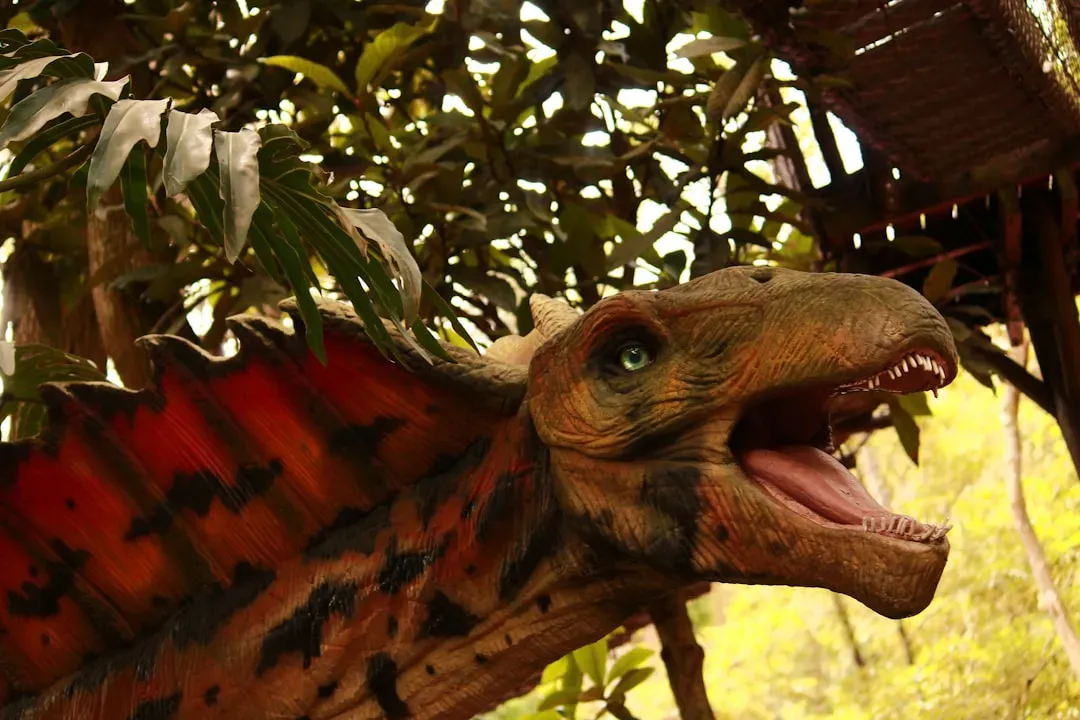
Many dinosaurs are thought to have had larynx-like structures or some other transitional organ that allowed them to vocalize, and they likely made vocalizations because they possessed some of the same anatomical structures that modern vertebrates use today to vocalize. They didn’t have the syrinx that modern birds use, which is that specialized vocal organ at the base of the trachea. Instead, most dinosaurs probably relied on larynx-like structures.
Dinosaurs had a larynx and weren’t making complex songs, but rather had a vocabulary comparable in many ways to crocodilians and primitive bird species, allowing for a great variety of sounds, including closed-mouth vocalisations such as hisses, croaks, rumbles, squawks, honks, booms and perhaps even sounds that we might call ‘roars’. The variety was there, just not the elaborate melodies we associate with songbirds today. Still, that range of sounds would have created an incredibly diverse acoustic environment.
Size Mattered for Sound Production
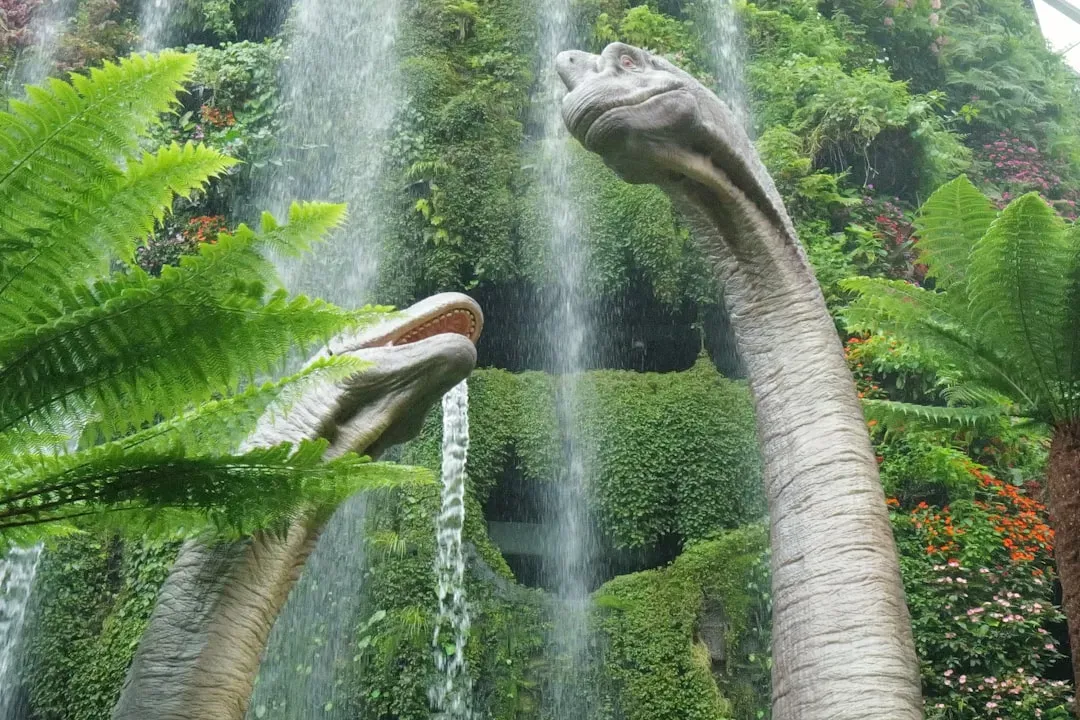
The sheer size of many dinosaurs fundamentally shaped the sounds they could make. Based on analyses of dinosaur ears, scientists concluded the beasts had excellent low-frequency hearing, and such low-frequency sounds could penetrate through thick vegetation and over large distances, and may have allowed individual dinosaurs to be heard over vast areas. Think about the physics for a moment. Lower frequencies travel farther with less energy loss.
A creature the size of a Brachiosaurus or Argentinosaurus would have produced incredibly deep sounds, probably well below what humans can comfortably hear. Their long necks and massive respiratory systems could generate enormous volumes of air, creating sounds that might have been felt as vibrations before being heard. It’s hard to say for sure, yet the largest dinosaurs may have communicated in frequencies that would have made the ground itself seem to hum.
Body Language Wasn’t Silent Either
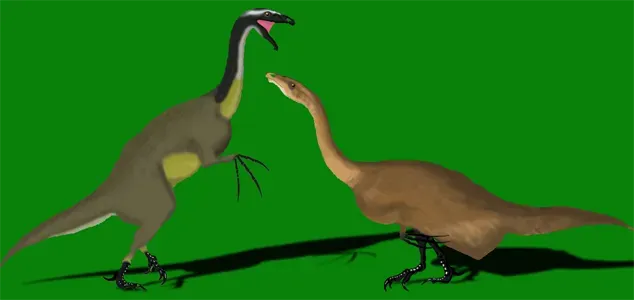
Communication wasn’t just about vocalizations. Paleontologist Martin Lockley and colleagues realized that there were multiple scratch marks in close proximity to each other at multiple fossil sites across Colorado made by large theropod dinosaurs that gathered in one place to display to each other, and some modern bird species still engage in the same behavior today, coming together in an area called a lek to scratch at the ground, as the dinosaurs danced to impress.
Body language, posturing and posing played some role in the communication of dinosaurs, and each species has its own little posturing quirks like sharp-tailed grouse performing intricate dances with heads down and tails skyward, or goldeneyes jerking and bobbing their heads, as birds move, pose, and contort themselves in countless ways to catch the eye of a potential mate or scare off an unwanted rival. Elaborate crests, frills, horns, and feathers all served as visual signals. The sound was just one part of a much richer communication system that combined movement, display, and vocalization into complex social behaviors.
What This Means for How We See Them
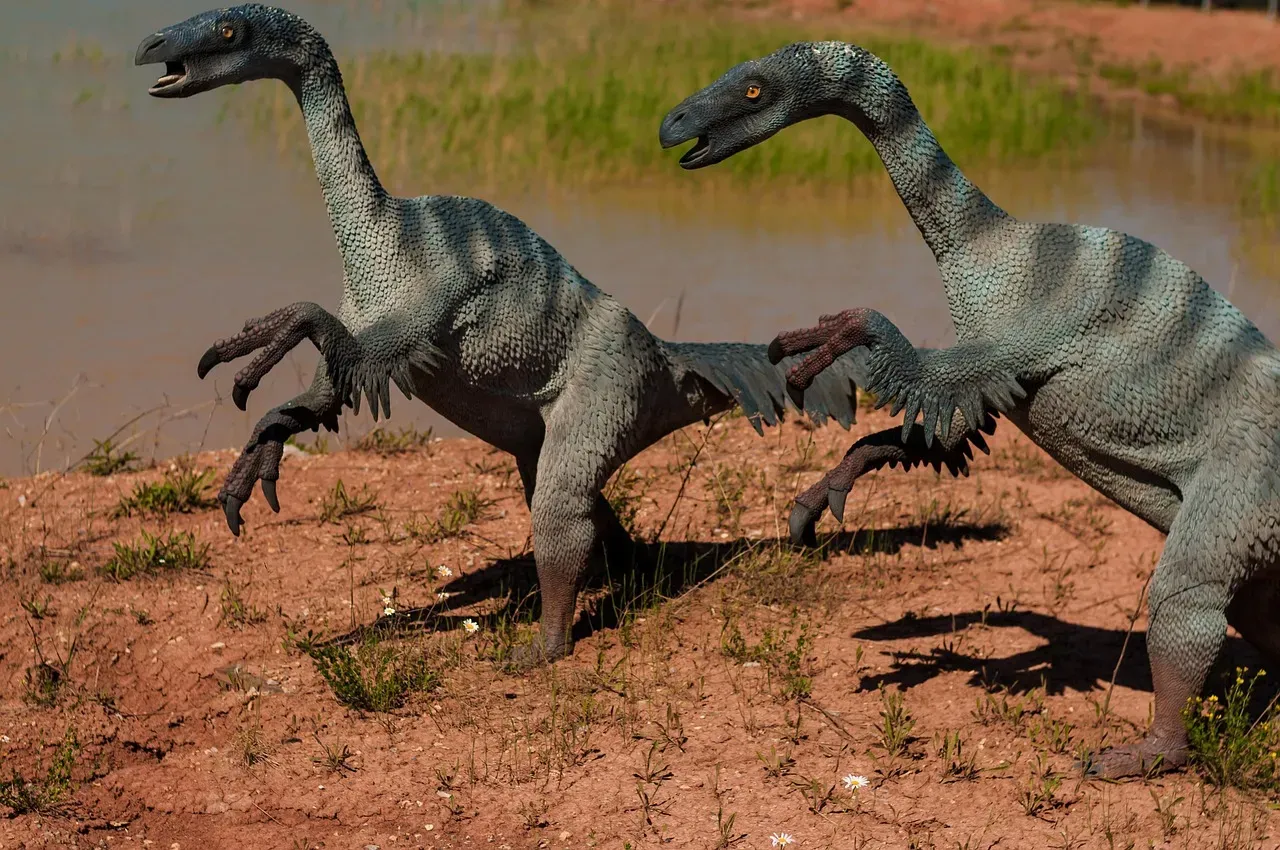
Understanding dinosaur sounds fundamentally changes how we imagine these creatures. They weren’t mindless movie monsters constantly roaring and stomping around. Young individuals produced higher-frequency sounds which traveled shorter distances, whereas adults could produce low-frequency honks that could be heard over much wider areas, and during mating season one could imagine dozens of Parasaurolophus calling to each other, much like living alligators and crocodiles do today.
The prehistoric world was full of nuanced, sophisticated communication. Dinosaurs likely had complex social structures, recognized individual voices, and used their vocalizations for everything from warning of danger to coordinating group movements to simply keeping in touch with family members. Recent discoveries, like the ankylosaur Pinacosaurus which could have employed bird-like vocalization with a bird-like large, kinetic larynx, and likely possessed a non-laryngeal vocal source and enhanced their vocal activity and sound communication like modern birds, continue to reshape our understanding. Each fossil discovery adds another piece to the puzzle.
Conclusion
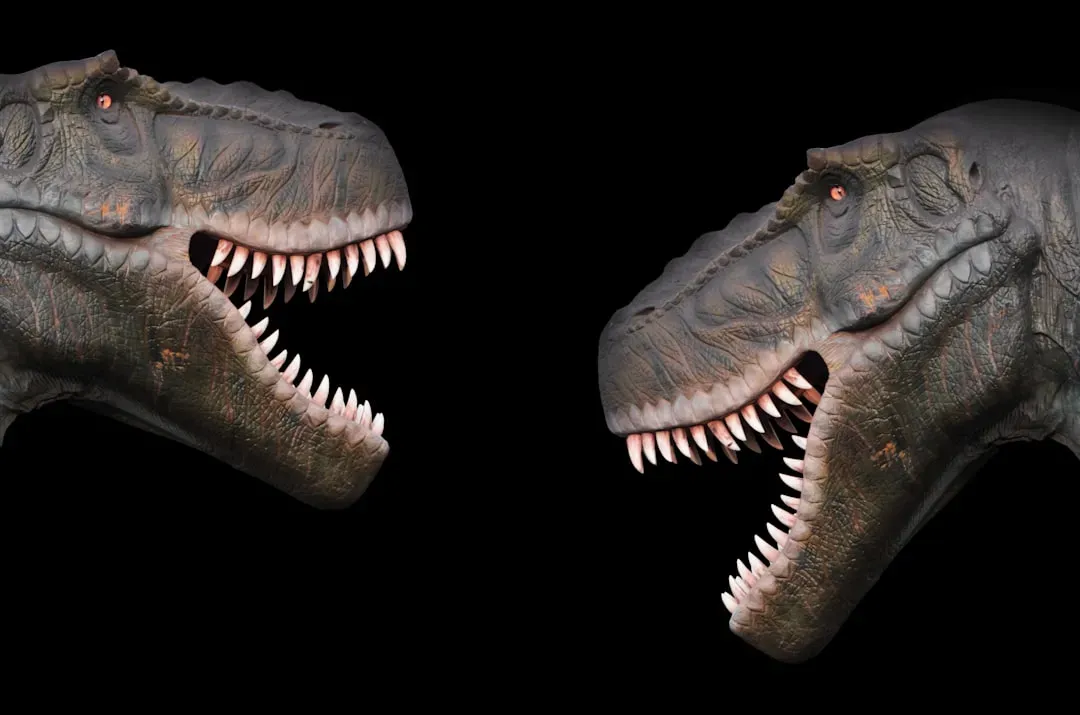
The secret language of dinosaurs turns out to be far more complex and subtle than we ever imagined from watching movies. Instead of theatrical roars, the Mesozoic world was filled with deep booms, resonant honks, guttural growls, and haunting calls that traveled for miles. These weren’t simple beasts making random noises. They were sophisticated animals using sound to navigate intricate social lives, compete for mates, defend territories, and care for their young.
Every new fossil discovery, every computer model, and every comparison with modern birds and crocodiles brings us closer to hearing what that lost world actually sounded like. The truth is stranger and more wonderful than fiction. Next time you hear a bird calling or see a crocodile bellow, remember you’re witnessing echoes of a communication system that dominated Earth for millions of years. What do you think a walk through a Cretaceous forest would have sounded like? The answer might be more alien than you’d expect.