Picture this: massive sauropods stretching their impossibly long necks to reach towering conifers while tiny beetles buzzed around primitive flowers. This wasn’t just a peaceful coexistence – it was a dynamic dance of evolution that would change the world forever. The relationship between plants and dinosaurs runs deeper than most people realize, creating a fascinating web of interactions that shaped both plant evolution and dinosaur feeding strategies in ways scientists are only beginning to understand.
The Mesozoic Garden: A World Before Flowers
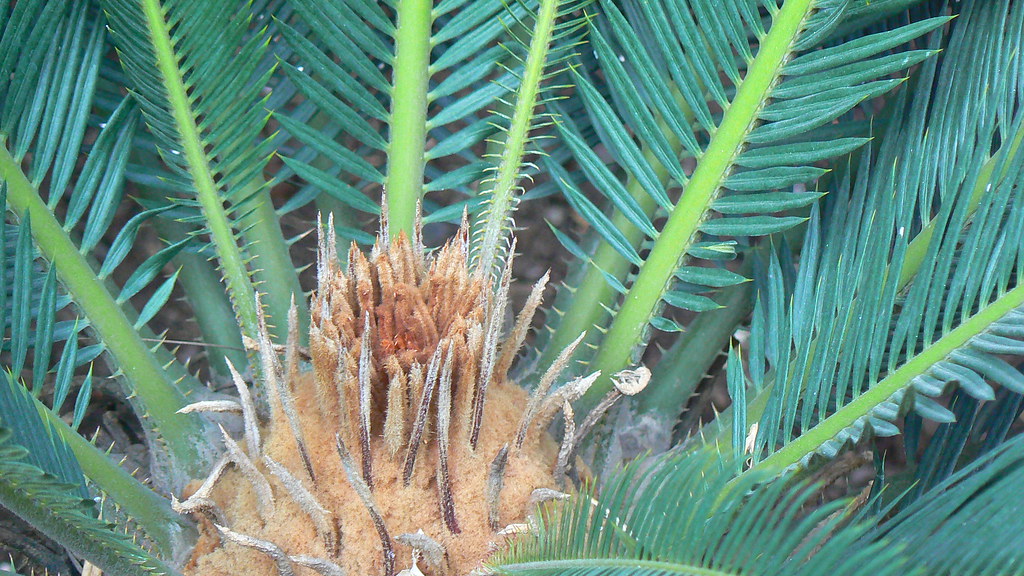
When dinosaurs first evolved around 230-240 million years ago, flowers were nowhere to be found. The prehistoric landscape looked radically different from today’s colorful gardens and meadows. Instead of roses, daisies, or apple trees, dinosaurs munched their way through forests dominated by towering conifers, sprawling ferns, and bizarre cycads with their crown-like leaves.
This ancient world was ruled by spore-producing plants that needed moisture to reproduce, much like today’s mosses and ferns. Ferns had been around for up to 350 million years and were among the first big plants to live on land, helping make oxygen which made the land ready for other life. The air itself was different, thick with the earthy scent of decomposing plant matter and the resinous smell of countless conifers.
When Giants Met Greenery: Dinosaur Feeding Strategies
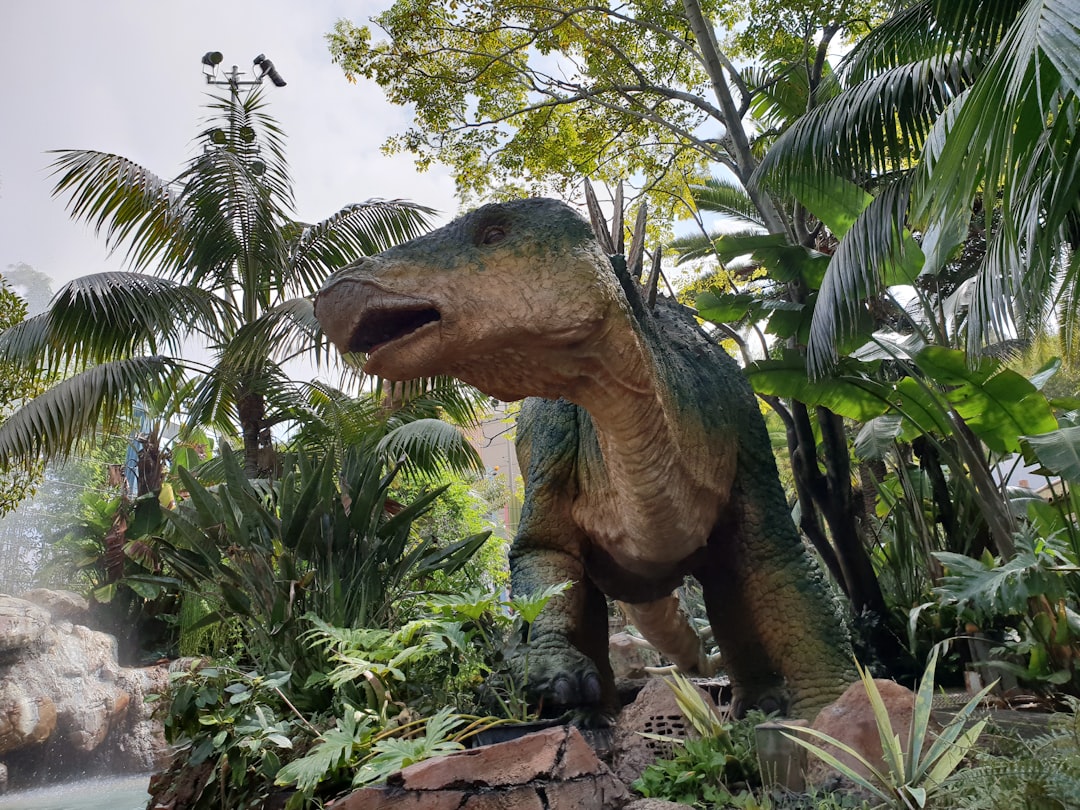
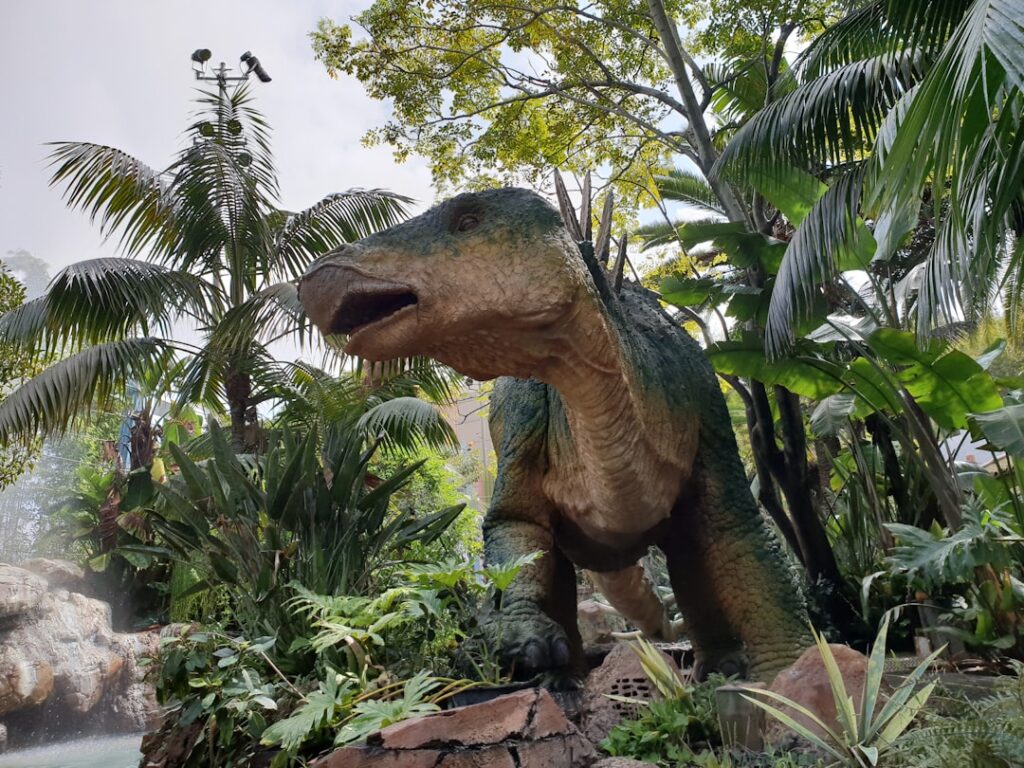
Most dinosaurs were herbivores because of how abundant plant life was, and these plant-eaters had developed some truly remarkable feeding strategies. The massive sauropods, with necks longer than school buses, could reach vegetation that no other animal could access. Meanwhile, the heavily armored ankylosaurs stayed closer to the ground, using their beak-like mouths to crop low-growing plants.
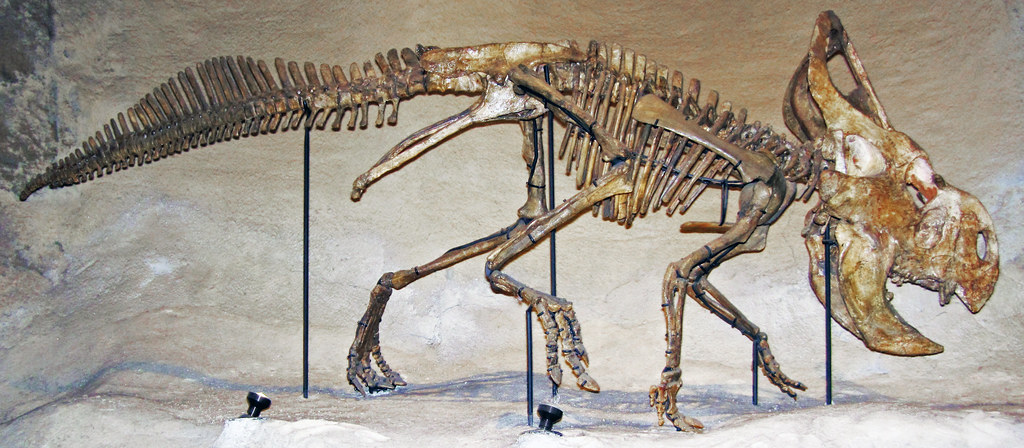
What’s particularly fascinating is how different dinosaur groups tackled the challenge of digesting tough plant material. Horned and armored dinosaurs walked on all fours with their heads near the ground and ate low-growing plants in a relatively limited geographic area, but duck-billed dinosaurs could reach higher foliage in trees and ranged over considerable distances in search of sustenance. This variation in feeding behavior would prove crucial as new types of plants began to appear.
The Nutritional Puzzle of Ancient Plants
For decades, scientists assumed that the plants available to dinosaurs were nutritionally poor compared to modern flowering plants. This assumption seemed logical – after all, how could such massive creatures survive on what appeared to be a diet of tough, fibrous material? However, recent research has completely overturned this idea.
Laboratory fermentation of prehistoric plant relatives has shown that gymnosperms, ferns, and fern relatives can be as highly digestible as angiosperm grasses and dicots, providing a novel alternative to evaluate the digestive quality of plants available to dinosaur megaherbivores. This discovery suggests that sauropods and other herbivorous dinosaurs weren’t struggling with poor-quality food after all – they were actually dining on surprisingly nutritious vegetation.
The Great Floral Revolution Begins
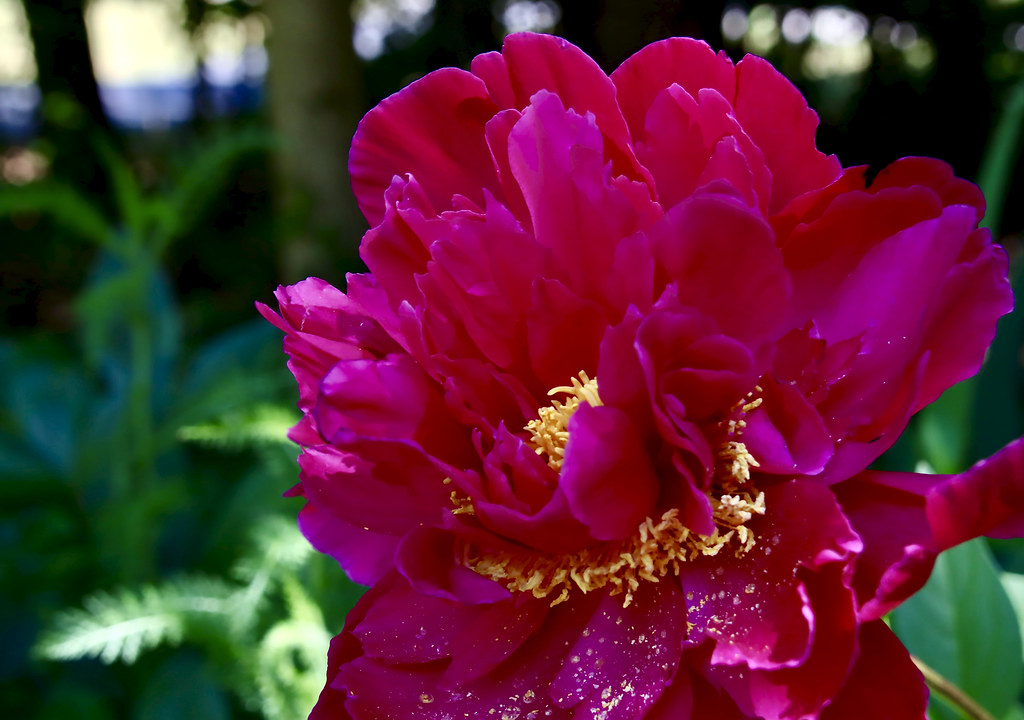
Around 140 million years ago, something extraordinary happened that would change the world forever. Flowering plants evolved during the Early Cretaceous period and dramatically changed Earth’s landscape, becoming part of a huge boom in the number and types of dinosaurs. This wasn’t just a gradual change – it was an evolutionary explosion that puzzled even Charles Darwin, who called it “an abominable mystery”.
The first flowering plants were nothing like the showy blooms we see today. First appearing in the Lower Cretaceous around 125 million years ago, early angiosperms did not develop shrub- or tree-like morphologies. Instead, they were small, relatively simple plants that would have looked unremarkable next to the towering conifers that dominated the landscape.
Beetle Pioneers: The First Pollinators

Long before bees existed, beetles were already hard at work as nature’s original pollinators. Magnolias and their close ancestors were around in the Cretaceous period and were pollinated by beetles instead of bees. These ancient partnerships between beetles and early flowering plants represent some of the earliest examples of the intricate relationships that would eventually define modern ecosystems.
The oldest direct evidence for pollination comes from the age of dinosaurs, and the co-evolution of flowering plants and insects, thanks to pollination, is a great evolutionary success story. Fossil evidence preserved in amber shows tiny thrips covered in pollen grains, frozen in time over 100 million years ago as they went about their pollinating duties in a world where dinosaurs ruled the land.
The Cycad Connection: Living Fossils Tell Their Story
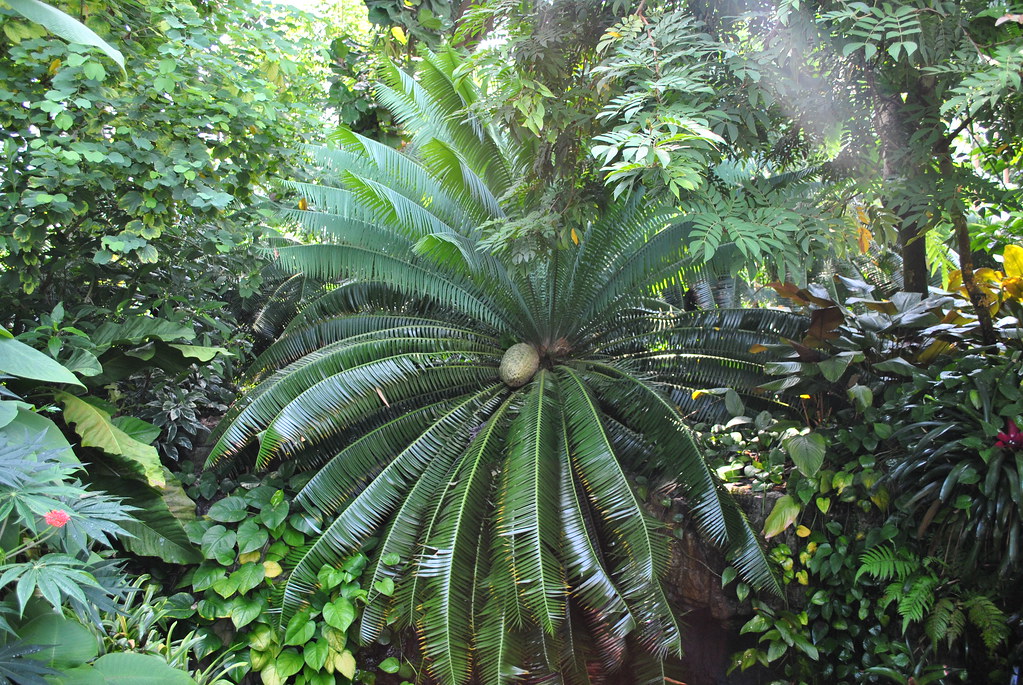
Among the most important food sources for many dinosaur species were cycads – ancient plants that still exist today and offer us a window into prehistoric ecosystems. Cycads and their ancestors have been around 280 million years and have survived several mass extinctions. These sturdy plants, with their palm-like fronds and distinctive cone-like reproductive structures, formed a crucial part of many dinosaurs’ diets.
The relationship between cycads and their pollinators extends back to the dinosaur era, with specialized beetle-mediated pollination from the mid-Cretaceous involving boganiid beetles with specialized pollen-feeding adaptations, indicating a probable ancient origin of beetle pollination of cycads at least in the Early Jurassic, long before angiosperm dominance. This ancient partnership shows just how sophisticated plant-animal relationships were, even in the age of dinosaurs.
The Conifer Kingdoms and Dinosaur Diets
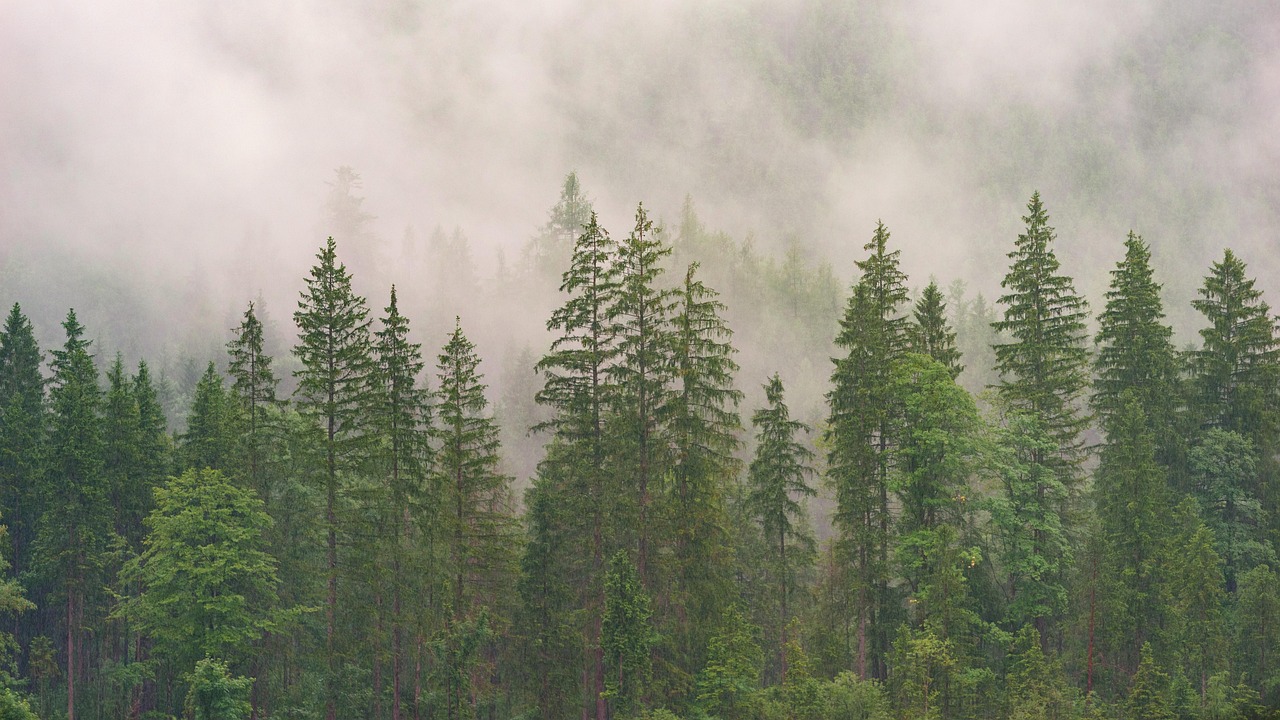
While flowering plants were making their debut, conifers remained the dominant trees throughout much of the dinosaur era. Some of the immensely successful duck-billed hadrosaurs might have been eating flowering plants, but their coprolites show they were conifer specialists, designed to crush and digest oily, tough needles and cones. These findings reveal that even as new food sources became available, many dinosaur species remained loyal to their traditional conifer-based diets.
The relationship between dinosaurs and conifers was so significant that it may have influenced the evolution of the trees themselves. Seed-containing cones began increasing protective tissue around their seeds during the middle Jurassic, with monkey puzzle trees among the first conifers to develop large, well-protected cones and cited as important food sources for large sauropod dinosaurs.
Fossilized Evidence: Reading Ancient Menus
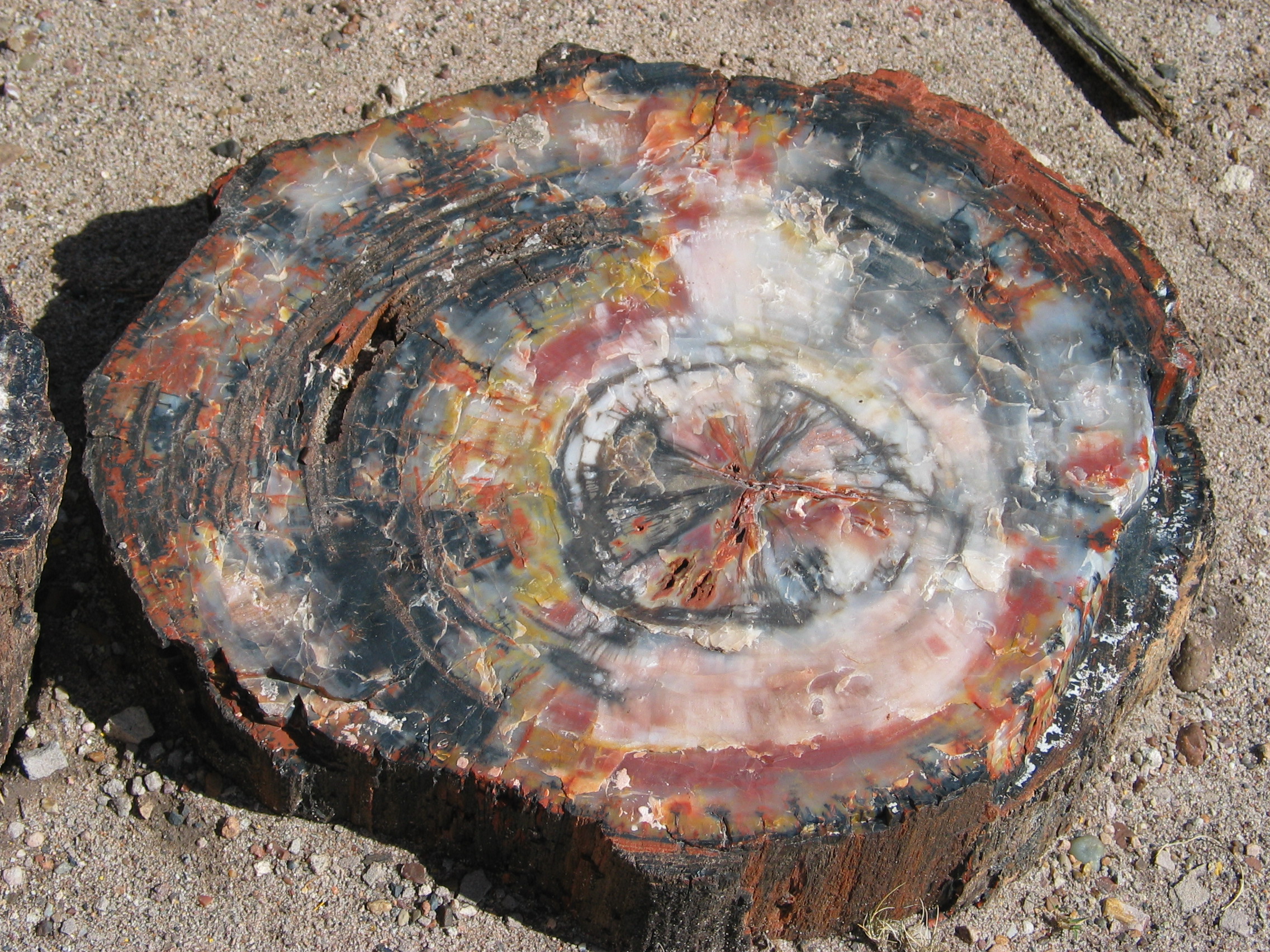
Scientists have become remarkably clever at figuring out what dinosaurs ate, even from fossils that are hundreds of millions of years old. Fossilized dino poop (coprolites) and gut content help tell the story of what plants dinosaurs ate and how they ate them. These prehistoric “time capsules” provide direct evidence of dinosaur dietary preferences and reveal details that would otherwise be lost to time.
A prehistoric digestive time capsule has been unearthed in Australia: plant fossils found inside a sauropod dinosaur offer the first definitive glimpse into what these giant creatures actually ate. Such discoveries are incredibly rare and valuable, offering scientists unprecedented insights into the daily lives and feeding habits of these magnificent creatures.
The Angiosperm Advantage: Why Flowers Conquered the World
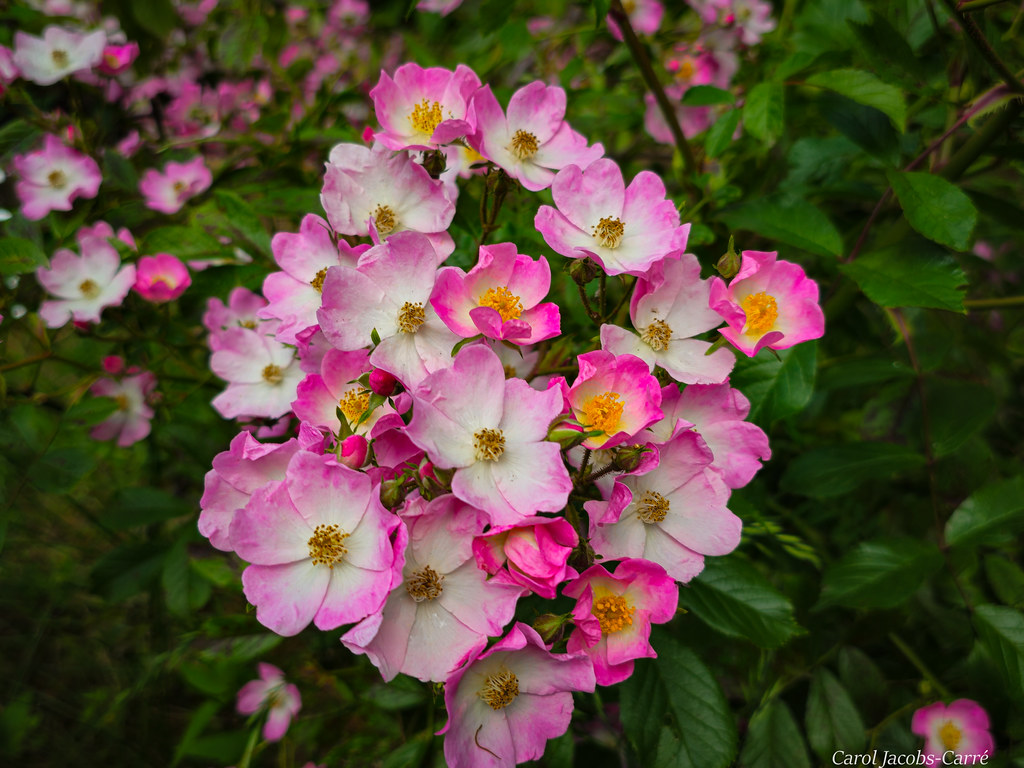
As the Cretaceous period progressed, flowering plants began to dominate landscapes that had previously been ruled by ferns and conifers. What gave these newcomers such a competitive edge? The answer lies in their remarkable innovations. The evolution of flowering plants was rapid, thanks partly to coevolution with pollinating insects, and with their quick growth, drought tolerance, and long-lived seeds, they were better able to colonize devastated earth than cone-and spore-bearing species.
This wasn’t just about plant evolution – it was about creating entirely new ecological networks. The relationship between flowering plants and their pollinators created feedback loops that accelerated the diversification of both groups, leading to the incredibly rich ecosystems we see today.
Did Dinosaurs Invent Flowers? The Bakker Hypothesis
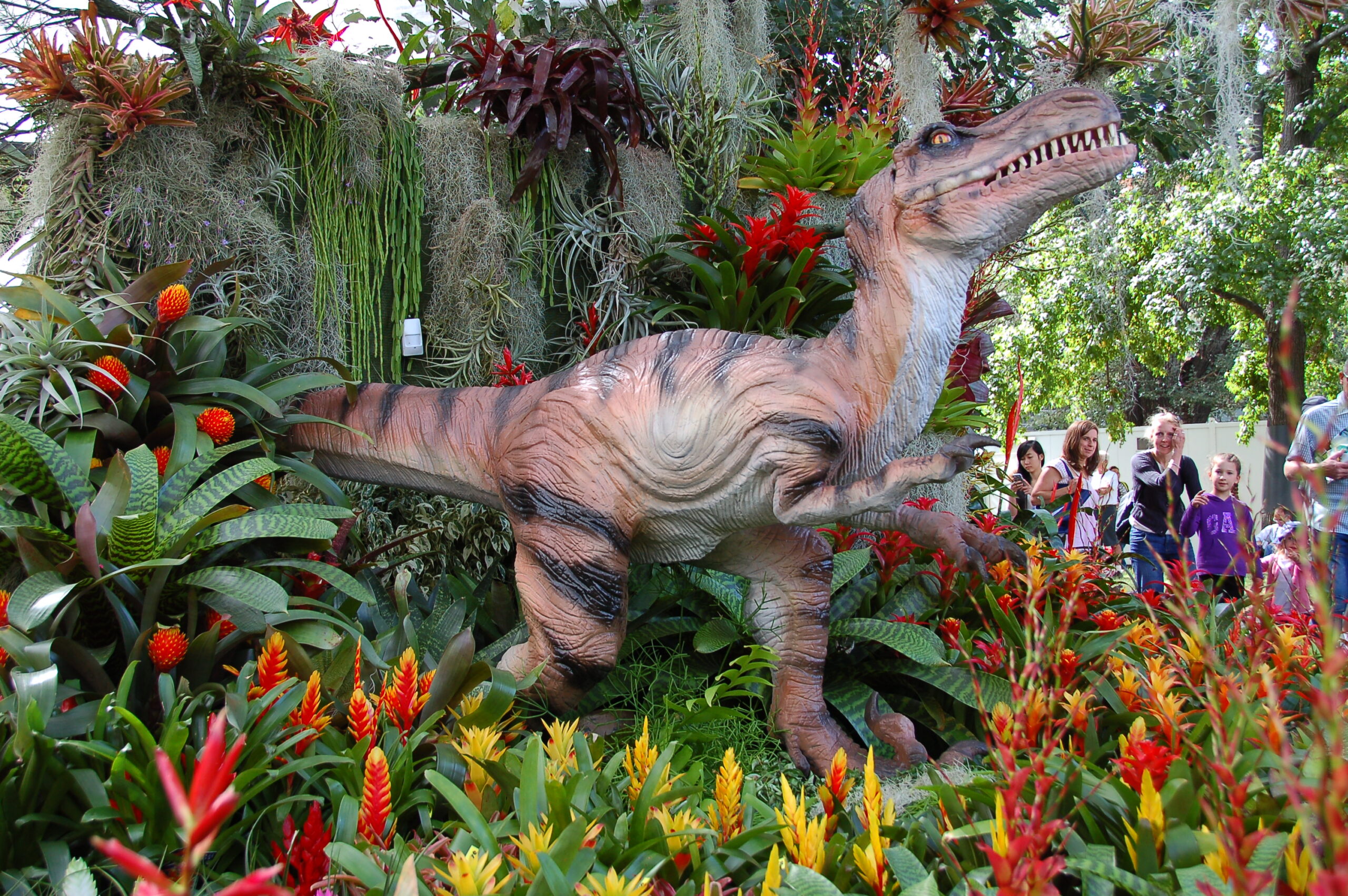
In 1978, paleontologist Robert Bakker proposed one of the most intriguing ideas in paleobotany: that dinosaurs might have “invented” flowers. During the Jurassic and Early Cretaceous, large herbivorous dinosaurs fed on plants like cycads and conifers, and given their size, they consumed massive amounts of plant food, opening up opportunities for fast-growing plants in disturbed environments – namely, the angiosperms.
The idea was that dinosaur feeding created ecological niches that flowering plants could exploit. However, studies conducted during the past 30 years have scrapped the hypothesis, as better sampling of fossil records caused the correlation between dinosaurs and flowering plant evolution to fall apart, with no strong evidence that dinosaurs had anything to do with the origin or initial spread of flowers. Still, the hypothesis sparked important research into plant-animal interactions in prehistoric ecosystems.
The Secret Lives of Ancient Ecosystems
The more scientists study the relationship between plants and dinosaurs, the more complex and fascinating it becomes. In 2020, gut contents from an armored dinosaur showed charcoal, revealing that the animal was venturing into burned areas to munch on emerging vegetation in the wake of wildfires. This suggests that some dinosaurs were opportunistic feeders, adapting their behavior to take advantage of changing environmental conditions.
These discoveries paint a picture of dynamic ecosystems where plants and dinosaurs were constantly adapting to each other. Some dinosaurs became specialists, focusing on particular types of plants, while others remained generalists, able to exploit whatever food sources were available. This flexibility may have been key to their success for over 160 million years.
The intricate relationships between flowers and dinosaurs reveal a world far more complex and interconnected than we might have imagined. From beetle-pollinated magnolias to charcoal-eating armored dinosaurs, these ancient ecosystems were bustling with activity, innovation, and constant evolutionary experimentation. The next time you see a flower, remember – you’re looking at the descendant of plants that once fed giants and helped shape the very foundations of life on Earth. What other secrets might these ancient partnerships still be hiding?