When most people picture a herbivorous dinosaur, they imagine something slow, passive, and not particularly interesting. A giant creature mindlessly munching on ancient ferns, blissfully unaware of the world around it. Honestly, that image could not be further from the truth.
The plant-eaters of the Mesozoic era were far more fascinating than Hollywood or outdated textbooks ever gave them credit for. They navigated sophisticated social structures, raised their young with surprising care, evolved jaw mechanics that rival the complexity of modern mammals, and formed herds that were the ecological equivalent of entire cities on the move. Let’s dive in.
Not Just Passive Grazers: The Surprising Intelligence of Plant-Eaters
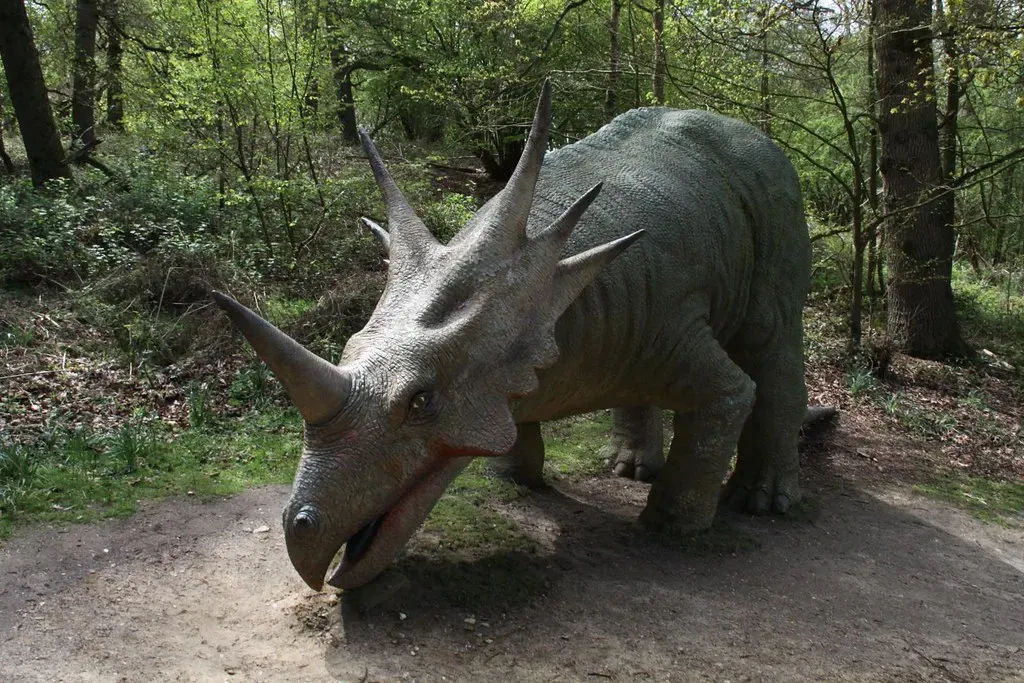
You might assume that only the meat-eaters of the dinosaur world required any serious brainpower. Here’s the thing – that assumption is completely wrong. The cognitive demands of finding suitable plant food, avoiding predators, and navigating complex social hierarchies would have required significant intelligence among herbivorous dinosaurs. Think of it like this: surviving in a world full of apex predators while relying entirely on stationary food sources demands a very specific kind of cleverness.
While carnivorous theropods often receive the most attention regarding dinosaur intelligence, herbivorous dinosaurs also exhibited remarkable cognitive abilities. Contrary to the stereotype of plant-eaters as dim-witted grazing machines, many herbivorous dinosaurs showed signs of complex behavior and problem-solving abilities. Ceratopsians like Triceratops had relatively large brains for their body size and well-developed sensory processing regions. These dinosaurs lived in complex social groups, as evidenced by bonebeds containing multiple individuals of various ages. The elaborate head frills and horns of ceratopsians likely served as visual communication tools within these social structures.
An Ancient Shift: How Meat-Eaters Became Vegetarians
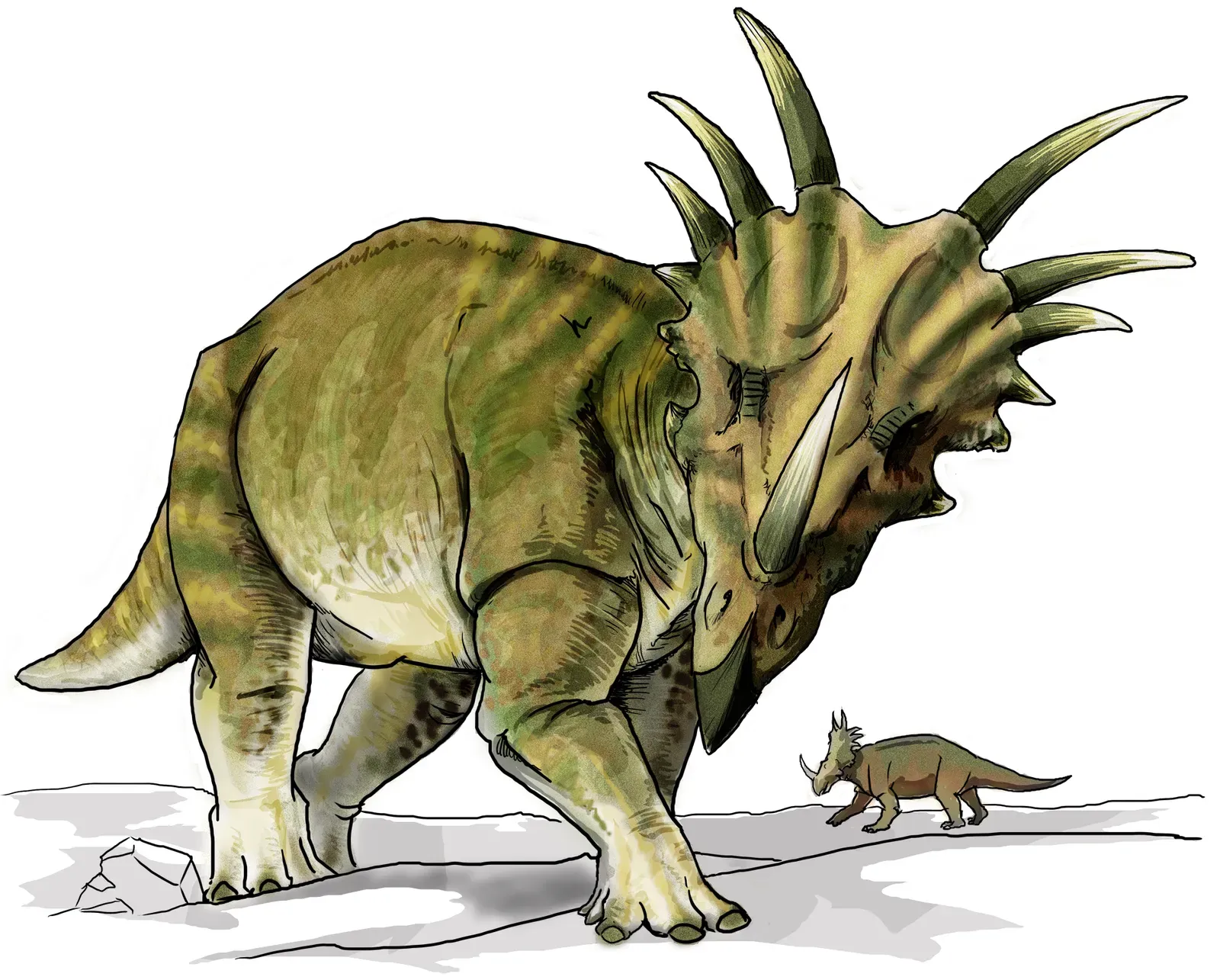
I know it sounds crazy, but most dinosaurs were actually descended from carnivorous ancestors. The transition to herbivory is one of paleontology’s most compelling stories. Most dinosaurs were plant eaters, although they are all descended from a carnivorous ancestor. Much is already known about how different dinosaurs consumed their food, but relatively little is understood about how they evolved their preferred eating styles.
Plant-eating is thought to have at least three, and possibly many more, independent origins in dinosaurs. The first dinosaurs were either carnivores or mixed feeders, so the ability to eat a purely vegetarian diet was something that appeared independently in each of those groups on several occasions. That kind of repeated evolutionary reinvention is extraordinary. It is a bit like different human cultures independently inventing agriculture thousands of miles apart, each finding their own unique solution to the same problem.
Teeth Like No Other: The Engineering Marvels of Herbivore Jaws
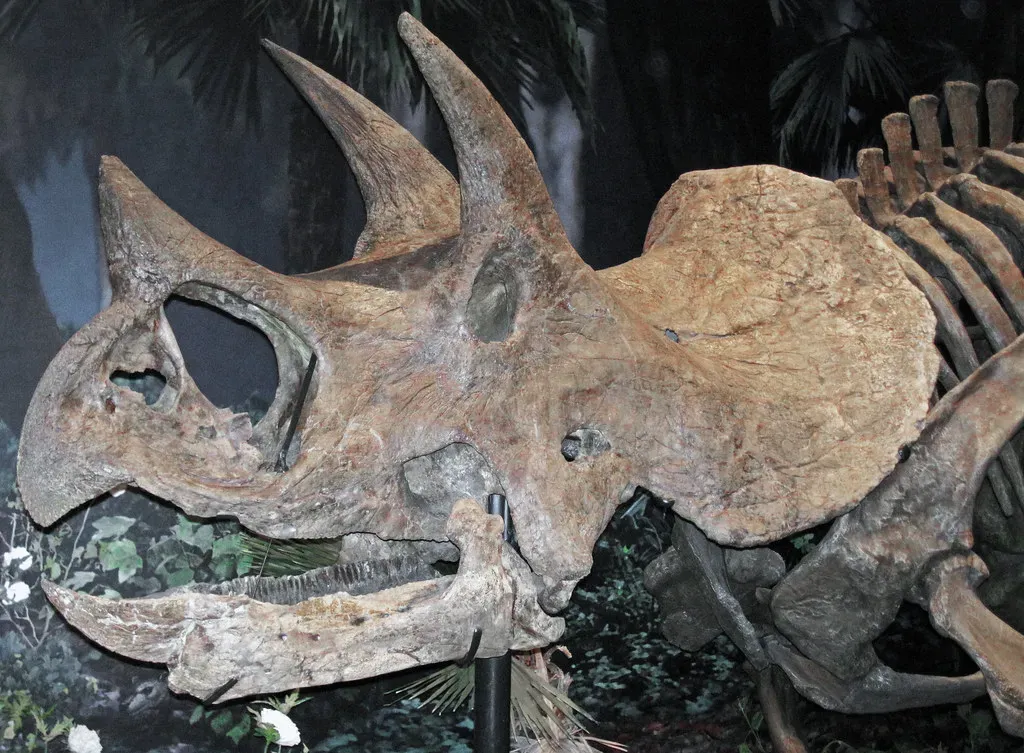
Let’s be real – teeth are not exactly the most glamorous topic, but when you learn what herbivorous dinosaurs were capable of with theirs, you will never look at a fossilized jaw the same way again. New research has revealed just how voracious these dinosaurs were, with their average tooth worn away in less than two months as they consumed enormous amounts of plants. Some of Earth’s most successful herbivores may have had hundreds of thousands of teeth in their lifetime.
At the start of their evolution, early herbivores had single rows of fairly simple teeth with limited wear, probably because these dinosaurs focused on fruits and softer plants. By the time the hadrosaurs evolved, they had vastly more teeth which developed a large blade-like edge on one side and a series of ridges behind it. Each dinosaur tackled the problems posed by a plant-based diet by adopting very different eating techniques. Some compensated for low eating performance through their sheer size, whilst others developed bigger jaw muscles, increased jaw system efficiency, or combined these approaches. Evolution, it turns out, is endlessly creative.
The Menu of the Mesozoic: What Herbivores Actually Ate
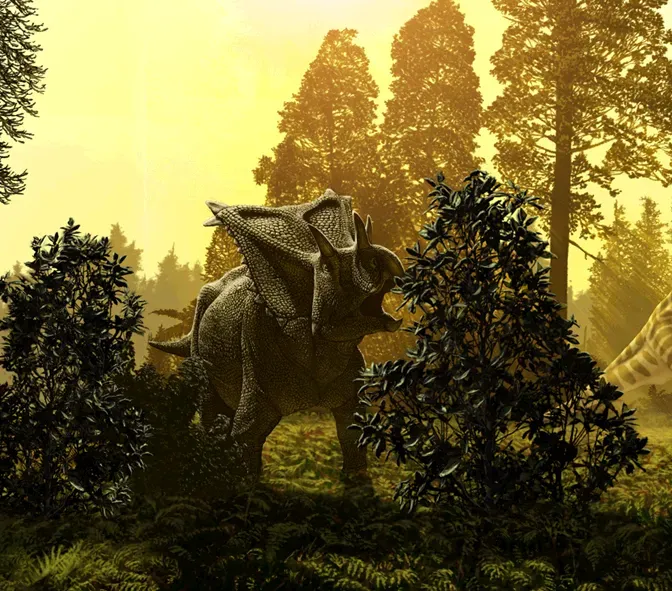
You might picture towering sauropods feasting on lush tropical vegetation, and while that is partly true, the reality of what was actually on the prehistoric menu is more varied and surprising than you would expect. Ferns, horsetails, club-mosses, conifers, cycads and ginkgoes dominated Triassic and Jurassic menus. The Cretaceous saw an expansion of options with flowering plants becoming dominant and grasses appearing towards the end of the period.
The ankylosaur Minmi was found with seeds and leaves in its gut contents, whereas twigs, berries and tough plants were found in the stomach region of a hadrosaur. A 66-million-year-old sauropod coprolite from India contained traces of grass, the earliest evidence yet for this plant. As a response, many herbivorous dinosaurs had to evolve various ways of circumventing plant defenses, such as specialized teeth and broader guts. It was essentially an ancient arms race between plants trying not to be eaten and dinosaurs finding ever more inventive ways to eat them anyway.
Safety in Numbers: The Science of Dinosaur Herding
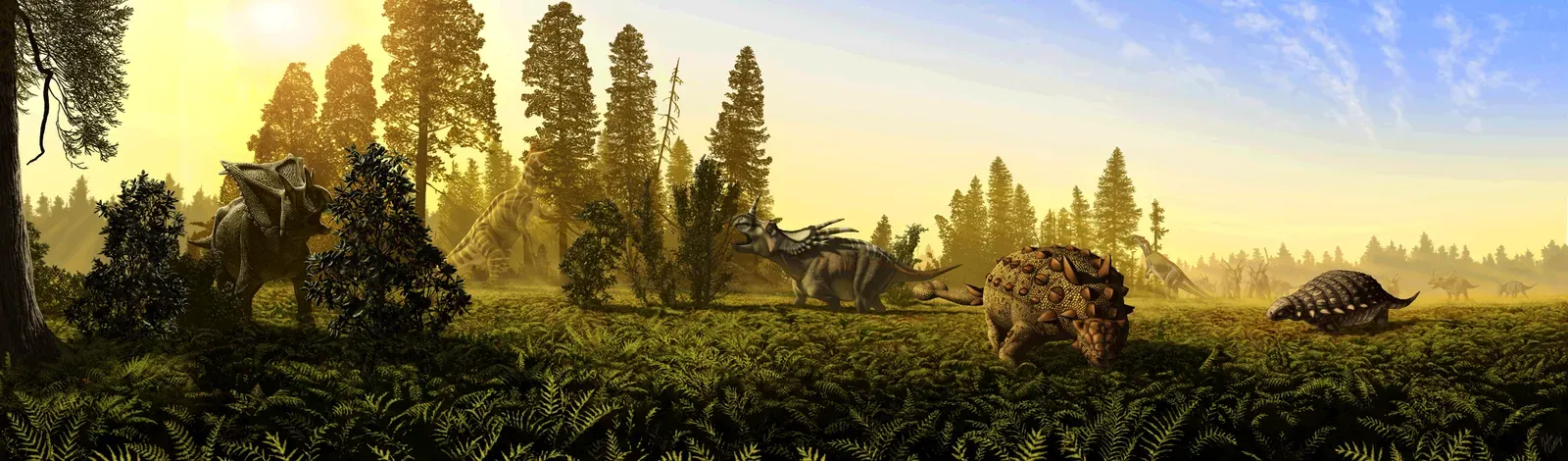
When you think of a massive herd of dinosaurs thundering across a prehistoric landscape, it is hard not to feel a little awe. That image, it turns out, is grounded in solid science. Trackways of hundreds or even thousands of herbivores indicate that duck-billed dinosaurs, the hadrosaurids, may have moved in great herds, like the American bison or the African springbok. The scale of these movements was staggering.
Some dinosaur trackways record hundreds, perhaps even thousands, of animals, possibly indicating mass migrations. The existence of so many trackways suggests the presence of great populations of sauropods, prosauropods, ornithopods, and probably most other kinds of dinosaurs. The majority must have been herbivores, and many of them were huge, weighing several tons or more. The impact of such large herds on the plant life of the time must have been great, suggesting constant migration in search of food. Think of them as the ancient equivalent of the great wildebeest migrations across the Serengeti, only on a scale that defies imagination.
Social Architecture: Age Segregation and Community Life
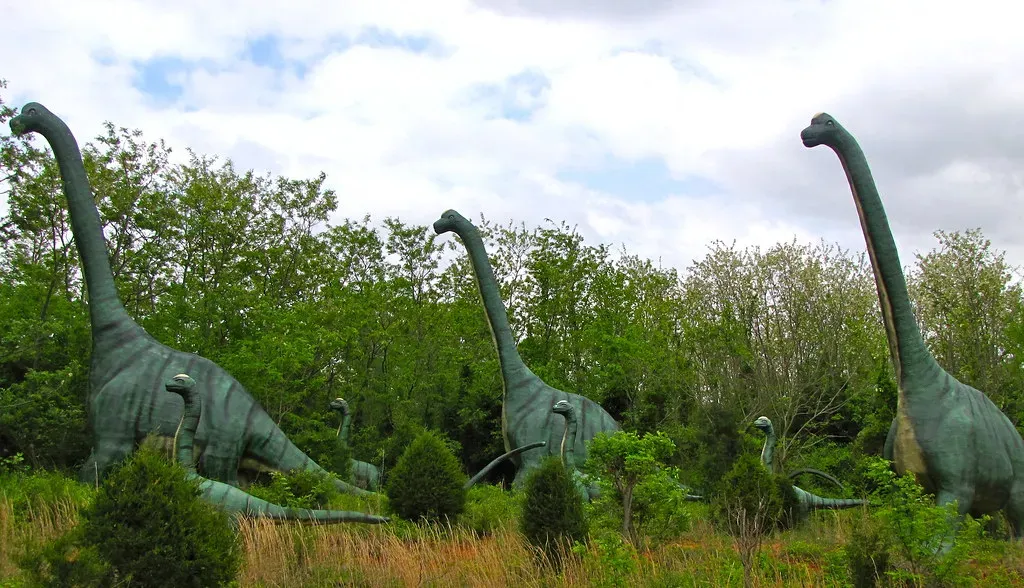
Here is where things get genuinely mind-blowing. Herbivorous dinosaurs did not just live in herds. They organized those herds with a level of social sophistication that researchers are still working to fully understand. Researchers from MIT, Argentina, and South Africa discovered an exceptionally preserved group of early dinosaurs that shows signs of complex herd behavior as early as 193 million years ago, a full 40 million years earlier than other records of dinosaur herding.
The fossils were grouped by age: dinosaur eggs and hatchlings were found in one area, while skeletons of juveniles were grouped in a nearby location. Remains of adult dinosaurs were found alone or in pairs throughout the field site. This “age segregation” is considered a strong sign of a complex, herd-like social structure. The dinosaurs likely worked as a community, laying their eggs in a common nesting ground. Juveniles congregated in “schools,” while adults roamed and foraged for the herd. Sound familiar? It is not unlike how modern elephant herds or even many human communities organize themselves.
Devoted Parents: Nesting, Care, and Dinosaur “Daycare”
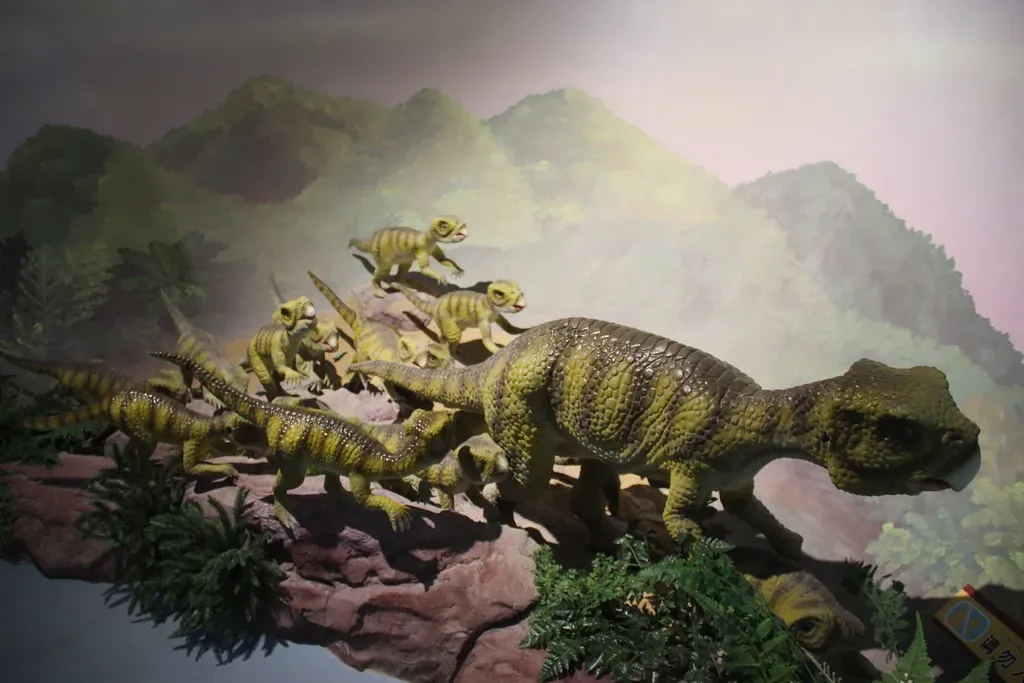
Perhaps one of the most emotionally surprising revelations in modern paleontology is the growing body of evidence for deep parental investment in herbivorous dinosaurs. Duck-billed Maiasaura, a name that means “good mother lizard,” is one of the best-known examples of parental behaviour. These Late Cretaceous dinosaurs, which lived around 80 to 75 million years ago, are thought to have nested in large colonies. The parents may have extensively provided food and protection for their hatchlings.
Particularly intriguing are discoveries of adult Psittacosaurus specimens surrounded by multiple juveniles of similar development stages but not necessarily direct offspring, hinting at possible “daycare” arrangements where adults watched over young from multiple families, a behavior observed in some modern birds like ostriches. For herbivorous dinosaurs like hadrosaurs, evidence suggests adults may have pre-processed tougher plant materials for their young, as the underdeveloped dental batteries of juveniles would have been inadequate for processing fibrous vegetation. It is hard to say for sure exactly how widespread these behaviors were, but the evidence keeps growing.
Communication and Display: More Than Just Roars
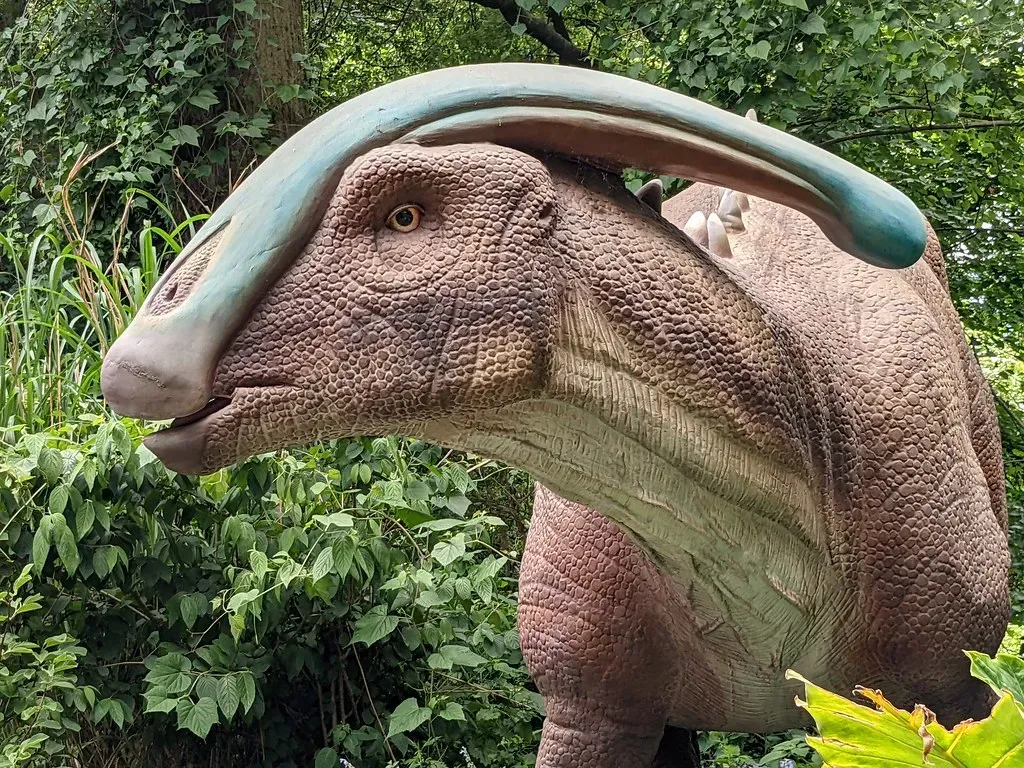
Pop culture has given us the image of dinosaurs communicating through earth-shaking roars. The reality, especially for herbivores, was likely far more nuanced. Unlike other plant-eating dinosaurs, the crest of Parasaurolophus wasn’t just for display. It contained a complex network of hollow tubes that may have allowed it to produce deep, resonating calls to communicate over long distances. That is essentially a built-in musical instrument attached to the skull.
The elaborate head frills and horns of ceratopsians likely served as visual communication tools within these social structures. Parasaurolophus lived in a world where predators like Albertosaurus and Daspletosaurus were constantly on the hunt, meaning its keen senses and herding behavior were likely crucial for survival. Combine sophisticated visual signaling with possible acoustic communication across an entire herd, and you start to see a picture of social complexity that rivals many modern animals. The idea of “dumb plant-eaters” really starts to fall apart fast.
Ecological Giants: How Herbivores Shaped Their World
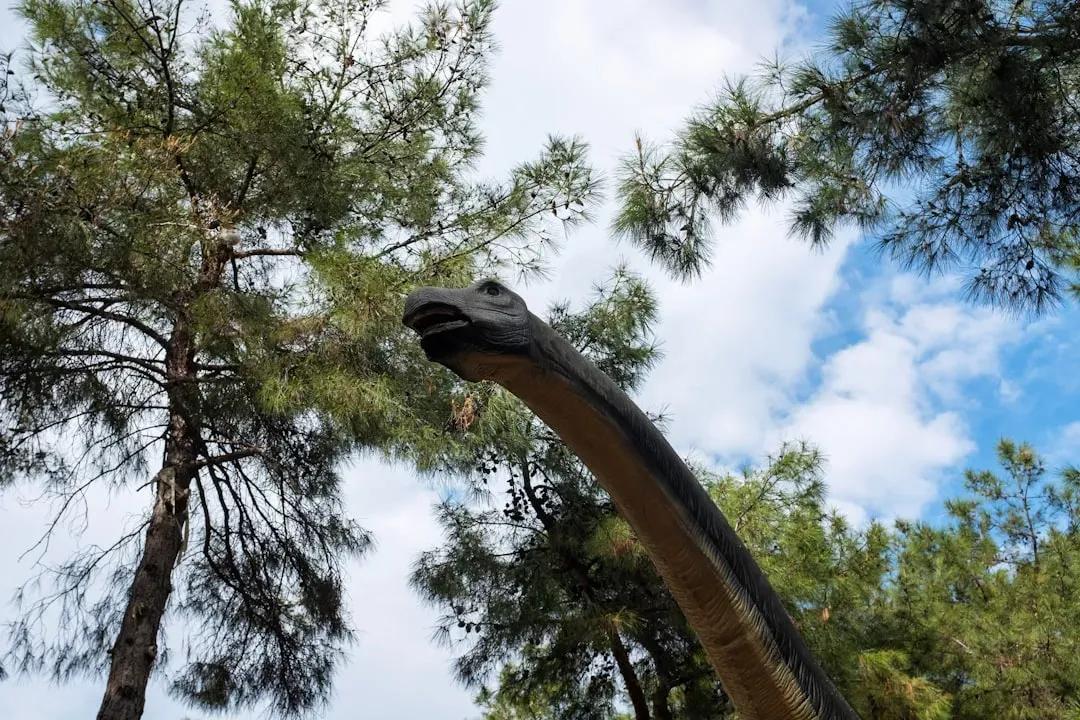
It is easy to focus on individual species and miss the bigger picture. Herbivorous dinosaurs were not just living within their ecosystems. They were actively sculpting them. Sauropodomorph dinosaurs dominated the herbivorous niches during the first 40 million years of dinosaur history, yet palaeobiological factors that influenced their evolutionary success are not fully understood.
Soon after dinosaurs originated, early sauropodomorphs underwent a remarkable adaptive radiation landmarked by the acquisition of herbivory, large body sizes, and high taxonomic diversity and specimen abundance. By the end of the Triassic, sauropodomorphs had replaced other herbivores and were the most abundant tetrapods in many terrestrial ecosystems. That diversity helped support more diverse communities, akin to what we see in modern ecosystems where plant-eating animals, even if their diets overlap, specialize to feed in different ways, on different parts of the same plants or on different plants entirely. In a very real sense, without the herbivores, the entire Mesozoic food web collapses. They were not the side characters. They were the foundation.
Conclusion: The Plant-Eaters Deserve Far More Credit
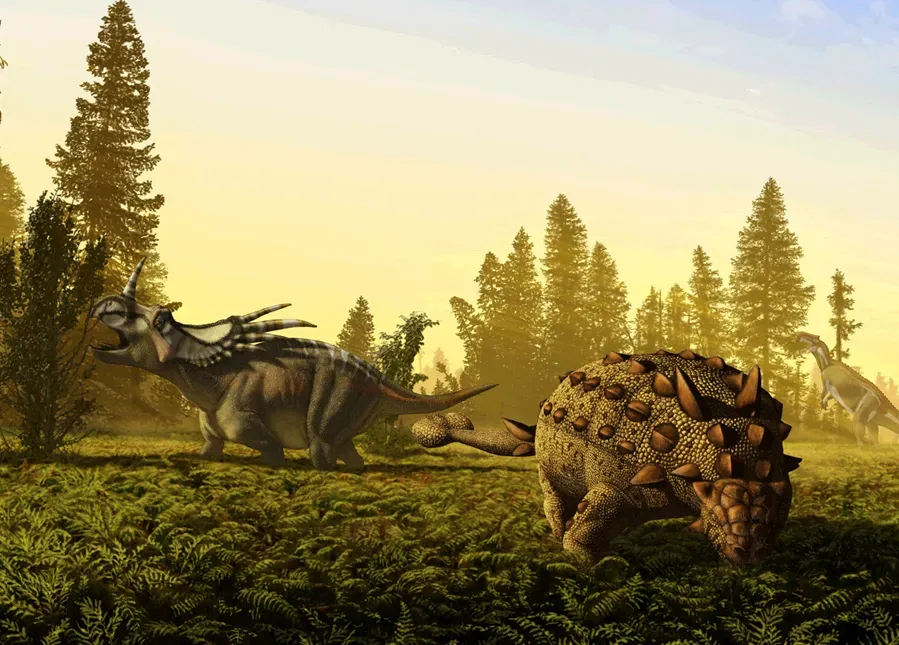
The more science digs into the world of herbivorous dinosaurs, the more it becomes clear that these animals led lives of extraordinary depth and complexity. They raised their young with care, organized themselves into sophisticated social communities, engineered remarkable biological tools for eating some of the toughest food on the planet, and shaped entire ecosystems across millions of years. Yet they remain perpetually in the shadow of their carnivorous cousins in popular imagination.
Maybe it is time to rethink that entirely. The next time you picture a giant plant-eater lumbering across a prehistoric plain, imagine it not as a passive giant, but as a highly social, communicative, ecologically dominant creature with a life story that is anything but simple. The real secret lives of herbivorous dinosaurs were always hiding in plain sight. You just had to look closely enough to see them.
What aspect of herbivorous dinosaur life surprised you the most? Drop your thoughts in the comments below!