The American West has always held its secrets close. Beneath the sun-cracked badlands, the high desert plateaus, and the rolling grasslands of states like Utah, Wyoming, Colorado, and New Mexico, the bones of creatures that ruled this landscape millions of years ago still lie waiting to be found. Every year, rain and wind strip away just a little more rock, and a new piece of prehistory inches toward the light.
What’s remarkable is how much is still out there. Coordinated fossil inventories have led to a cascade of discoveries, including sites preserving plants, invertebrates, trace fossils, microvertebrates, and macrovertebrates, with many finds representing species entirely new to science, and some sites preserving intact snapshots of Late Cretaceous ecosystems that are unmatched globally. The pace of discovery isn’t slowing down. If anything, it’s speeding up.
Utah’s Desert: A Prehistoric World Hidden in Plain Sight
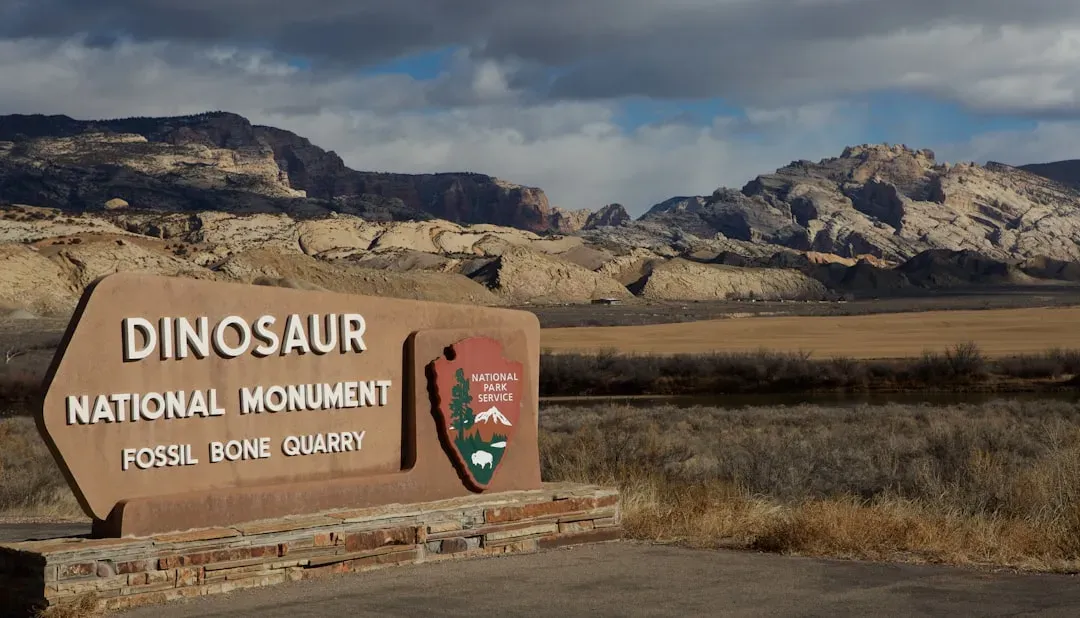
You might not think of the dry, windswept terrain of southern Utah as a hotbed of ancient life, but the geology tells a completely different story. Between 84 and 74 million years ago, the area that is now preserved in Grand Staircase-Escalante was part of a huge coastal floodplain next to a warm interior sea that divided North America in two. That vanished world left behind an astonishing record.
At least 15 dinosaur species unearthed in Grand Staircase-Escalante National Monument are found nowhere else on Earth, many of them horned-faced dinosaurs or duck-billed dinosaurs, and scientists have also found small, feathered meat-eating dinosaurs and a 30-foot-long tyrannosaur. Beyond the giants, fossils of ancient turtles, small land-based crocodiles, shellfish, and plants are also found in the rock layers of Grand Staircase-Escalante, and together they paint a picture of past environments and all the organisms that inhabited them long ago.
Wyoming’s Natural Trap Cave: A Frozen Moment in Ice Age Time
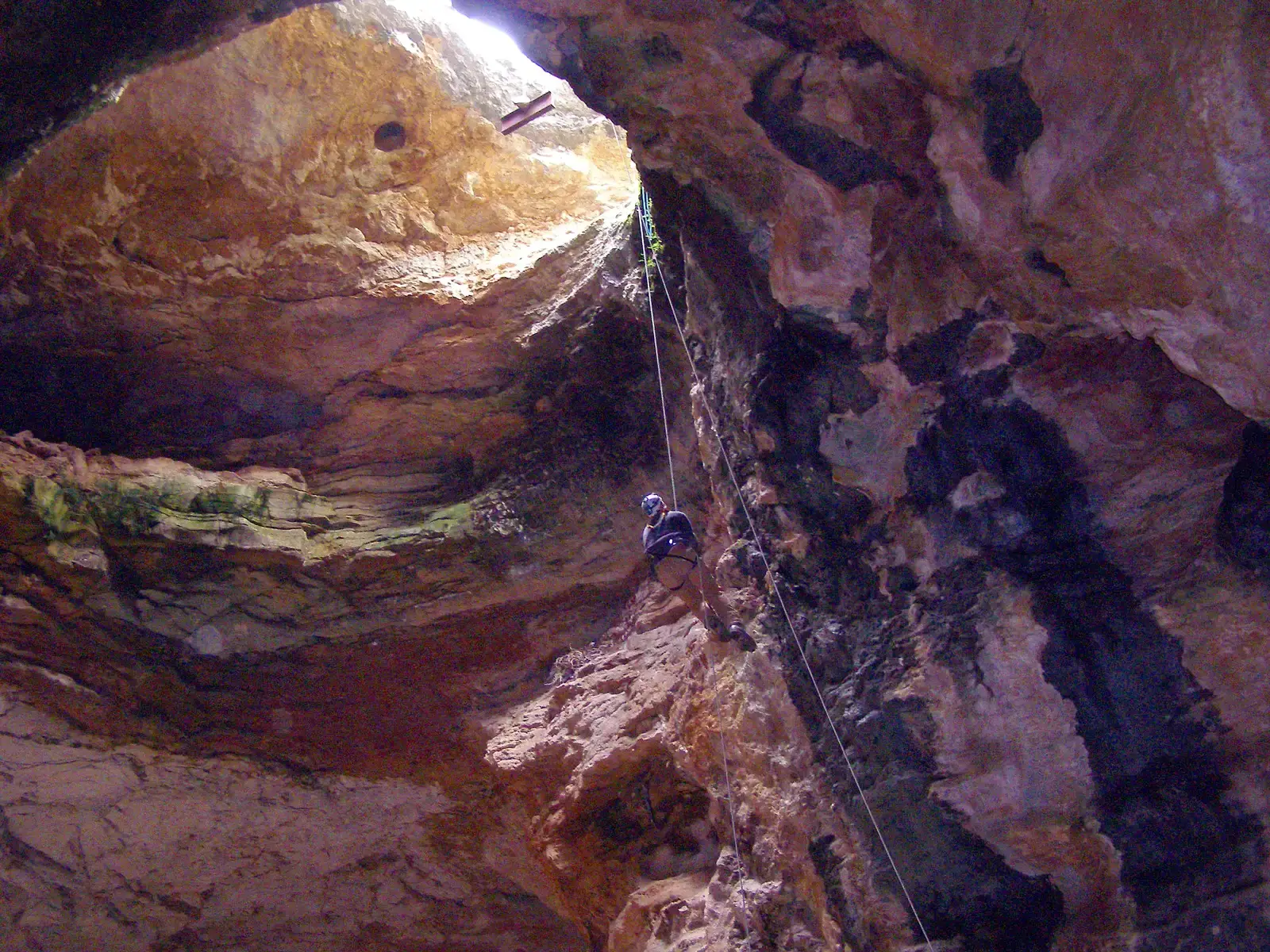
Deep in the Bighorn Mountains of north-central Wyoming, a natural sinkhole has been quietly preserving one of the most remarkable collections of Ice Age fossils anywhere in North America. Scientists excavating this ancient Wyoming sinkhole have unearthed hundreds of bones of prehistoric animals, including American cheetahs, in work that marked the first serious exploration of Natural Trap Cave since its initial discovery in the 1970s. The cave’s steep walls and cold, stable interior effectively sealed specimens in place for tens of thousands of years.
As animals migrated between continents, they interbred, and researchers have found through ancient DNA that many of the species at Natural Trap Cave are hybrids between North American and Eurasian populations. That single detail reshapes how you understand prehistoric migration. Some of the remains are believed to be of the North American lion and the American cheetah, and some of the species found are estimated to have gone extinct more than 20,000 years ago.
A Giant Lizard Named After a Tolkien Villain
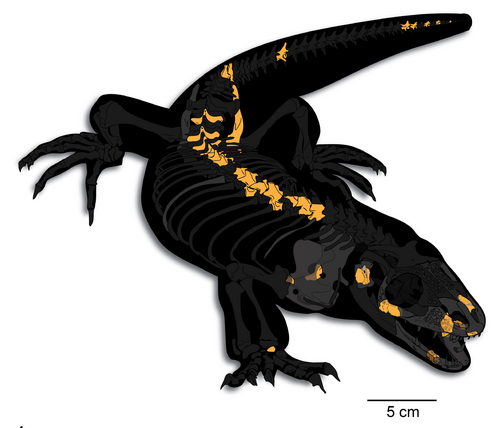
Not every discovery in the American West comes from an obvious predator or a towering dinosaur. Sometimes the find that catches researchers off guard is something altogether stranger. A new giant lizard species was discovered and named after one of Tolkien’s most fearsome characters from “The Hobbit.” This large, bulky lizard, found in Grand Staircase-Escalante National Monument in Utah, is thought to have been faunivorous, meaning it ate other animals.
This creature lived alongside the dinosaurs of the Late Cretaceous Period, occupying a world that looked nothing like the Utah desert you’d visit today. When researchers describe a “new species,” they’re referring to a newly described species, since a giant lizard that roamed the Earth before humans were even a thing isn’t new in any absolute sense; it’s simply new to science. Still, formally naming and describing it allows the scientific community to place it properly in the evolutionary tree of life.
New Mexico’s Dinosaurs Defied the Countdown
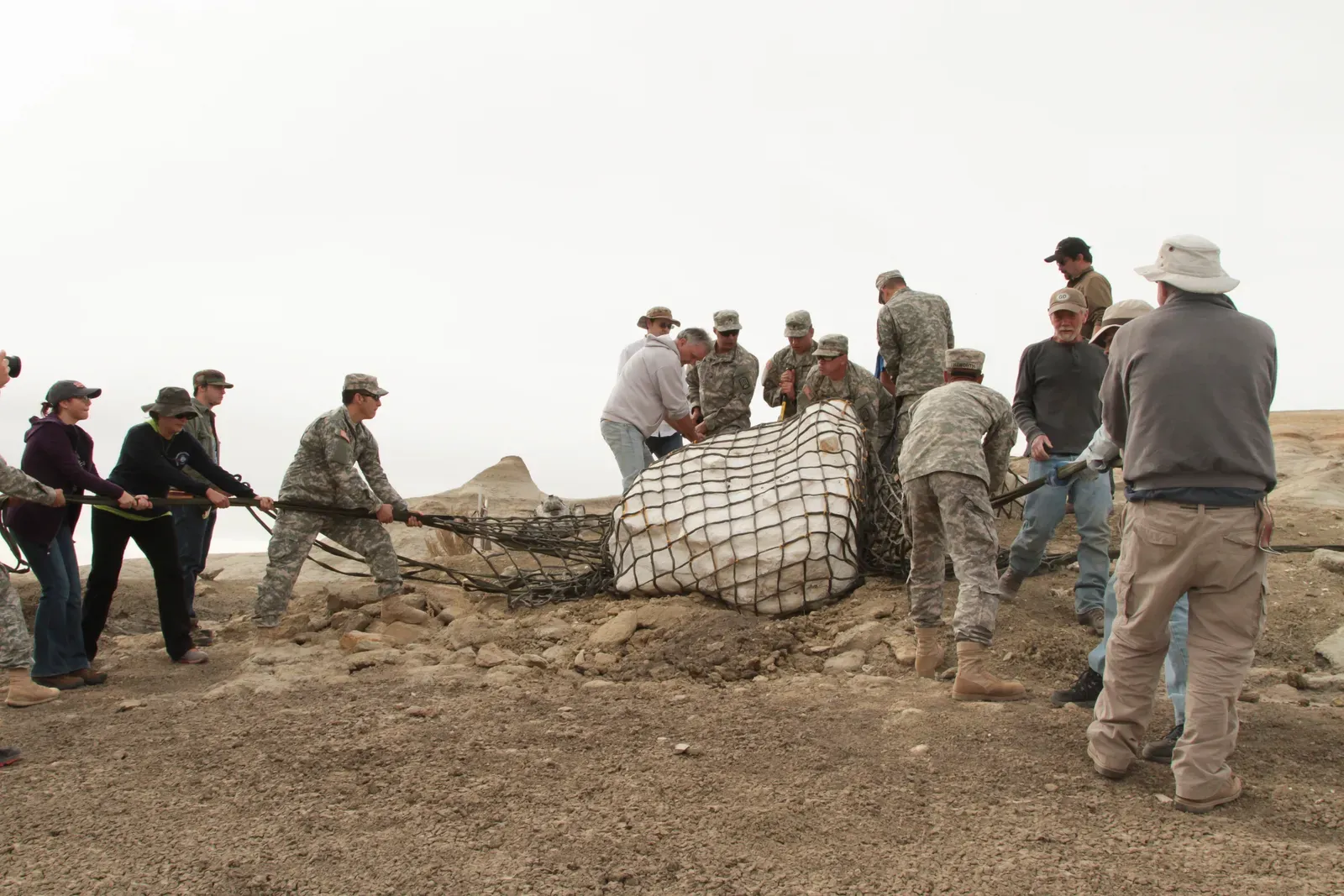
For a long time, there was a nagging assumption in paleontology: that dinosaur diversity in North America was already declining before the asteroid hit 66 million years ago. Recent evidence from New Mexico has pushed back firmly against that view. Dinosaurs weren’t dying out before the asteroid hit – they were thriving in vibrant, diverse habitats across North America, and fossil evidence from New Mexico shows that distinct “bioprovinces” of dinosaurs existed until the very end.
A Science study reported that an array of dinosaurs found in New Mexico lived within 400,000 years of the impact and were not millions of years older, as previously thought, and paleontologists examining that dinosaur community found it was made up of different species and even different dinosaur groups than equivalent communities elsewhere. That distinction matters enormously. Dinosaurs living in prehistoric New Mexico before the asteroid strike were different species than those found to the north, suggesting a richer, more regionally varied prehistoric landscape than anyone previously imagined.
Nanotyrannus: The Predator Hidden in Plain Sight
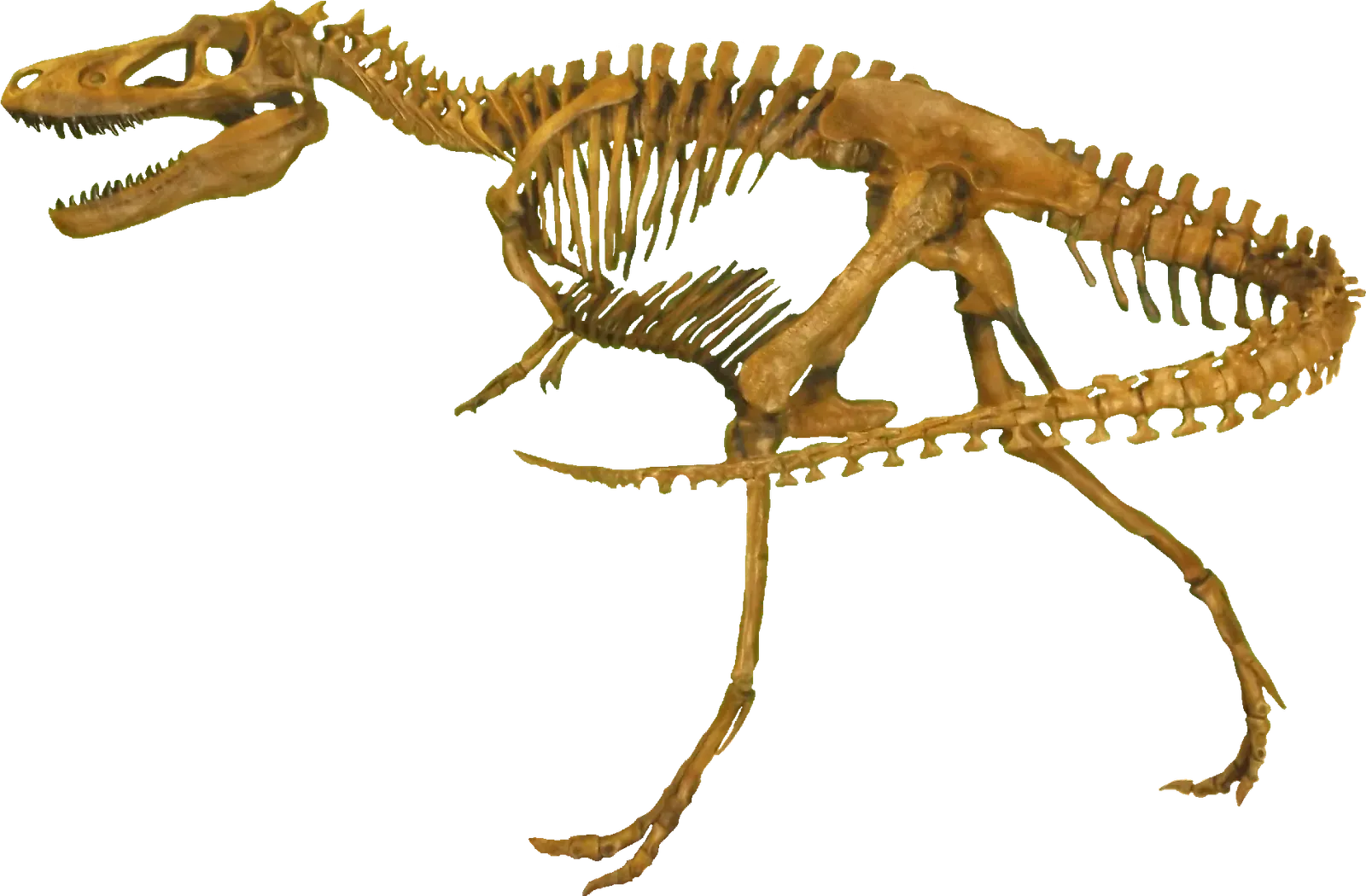
One of the longest-running debates in dinosaur science has centered on a small tyrannosaur whose very existence was questioned for decades. Was it a distinct species, or simply a young T. rex? The so-called “Dueling Dinosaurs” fossil – found in Montana – finally offered a clear answer. The Dueling Dinosaurs fossil contains two dinosaurs locked in prehistoric combat: a Triceratops and a small-bodied tyrannosaur, which turns out to be the most complete skeleton ever found of Nanotyrannus lancensis – and this fossil categorically ends the debate. Nanotyrannus is not a juvenile T. rex. It belongs to a separate genus entirely.
This discovery completely reframes the idea that T. rex was the lone predator of its time, challenging long-held assumptions about late Cretaceous ecosystem dynamics, and we now know that multiple tyrannosaur species coexisted in the last million years before the asteroid impact, suggesting a richer, more competitive ecosystem than previously imagined. The implications ripple through everything that was previously written about T. rex behavior and growth. For years, paleontologists used Nanotyrannus fossils to model T. rex growth and behavior, and this new evidence reveals that those studies were based on two entirely different animals.
Ice Age Megafauna: Utah’s Vanished Giants
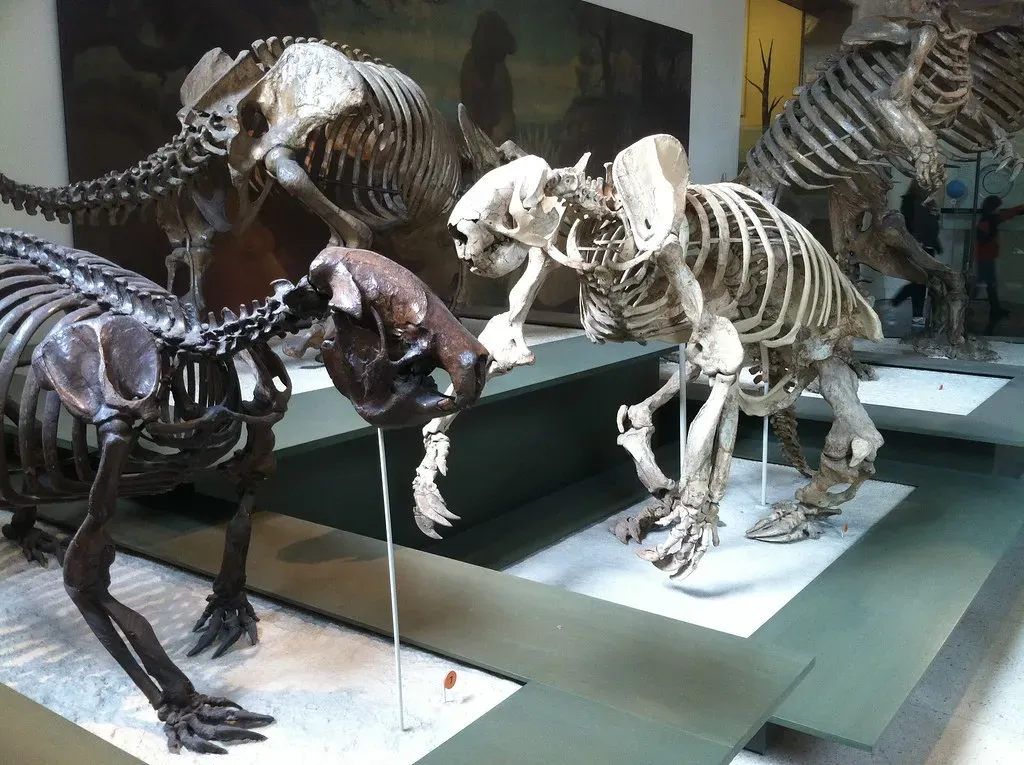
Long before the Cretaceous giants dominated the conversation, the American West hosted a very different kind of spectacle: a Pleistocene menagerie that resembled something closer to modern Africa than anything you’d recognize today. By late Tertiary time, two million years ago, the continent was occupied by camels, mastodons, horses, ground sloths, armadillos, saber-toothed cats, giant wolves, giant beavers, giant bears, and many other exotic animals, and the landscape from a distance looked more like today’s Africa than modern North America.
An upper jaw of the giant short-faced bear, Arctodus simus, was also found at the Huntington Mammoth site in Utah. This giant bear, which was up to 50 percent larger than the largest living bears, was probably the most powerful predator of the Ice Age, and Arctodus remains have also been found in Lake Bonneville gravel deposits in the Salt Lake Valley. Meanwhile, the saber-toothed cat Smilodon from the late Pleistocene was the size of a lion and had enlarged canines that looked like small elephant tusks, and unlike lions, Smilodons had bobtails suggesting they probably did not chase down prey but instead charged from ambush.
The Technology Changing How We Read Ancient Bones
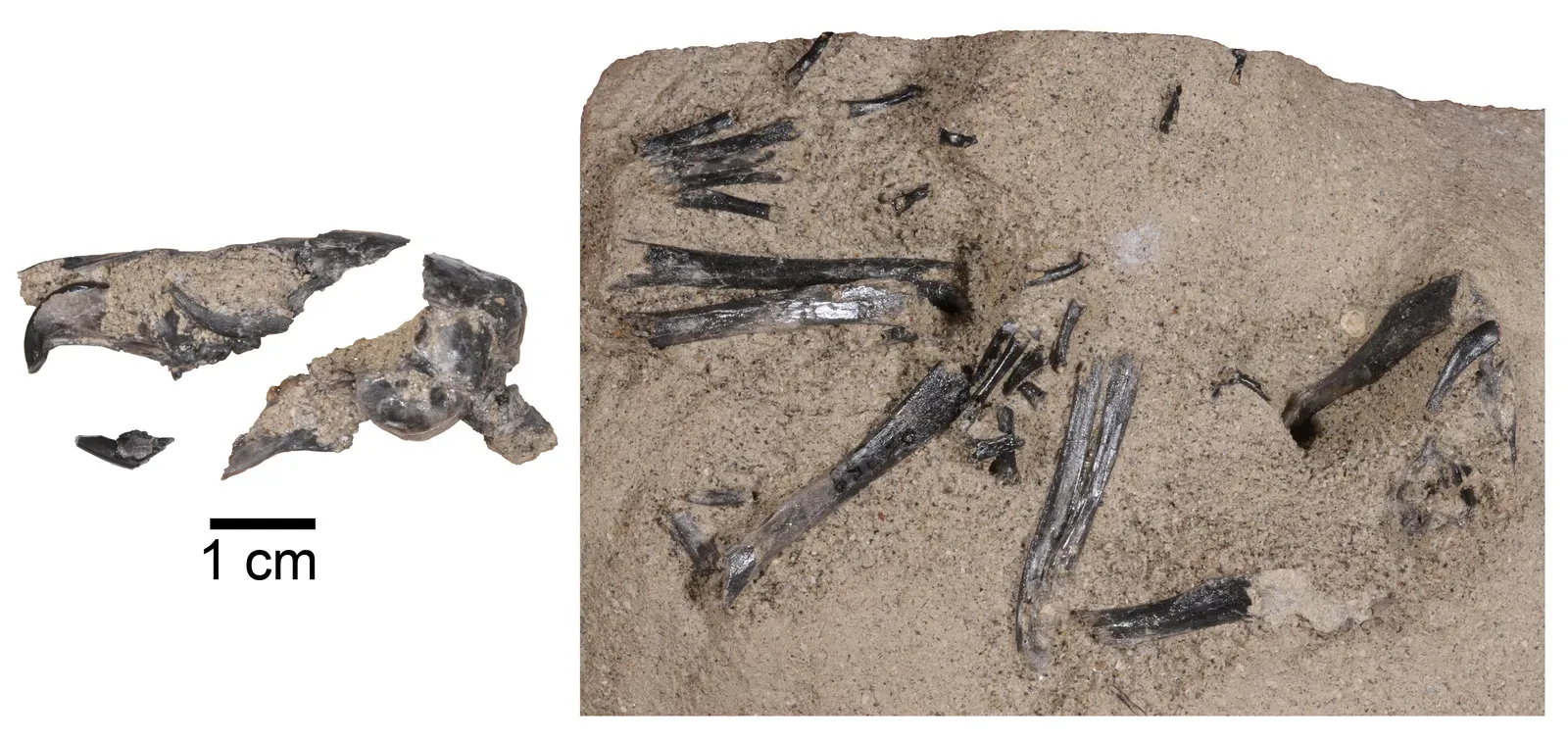
You don’t always need a fresh dig site to make a breakthrough. Some of the newly described species were found during recent expeditions and modern fieldwork in remote locations, while others came to light only after scientists took a fresh look at specimens that had been stored in museum collections for decades, because advances in technology and new scientific approaches made it possible to recognize species that had gone unnoticed for years. This is quietly reshaping what a “discovery” even means.
Paleontologists now use an extensive variety of tools in their research, from traditional hammers and chisels to sophisticated statistical analyses and numerical models, to laser spectrometers, CT scanners, and synchrotrons, making them by necessity multidisciplinary and interdisciplinary scientists. There’s also a promising new method emerging for dating fossil sites. Paleontologists now hypothesize that they can use dinosaur eggs to date deposits, since radioactive isotopes in eggshell itself appear to be datable in the same way as volcanic ash, meaning even a tiny, broken fragment of fossil eggshell could allow scientists to calculate the age of deposits where no volcanic ash is present.
Conclusion
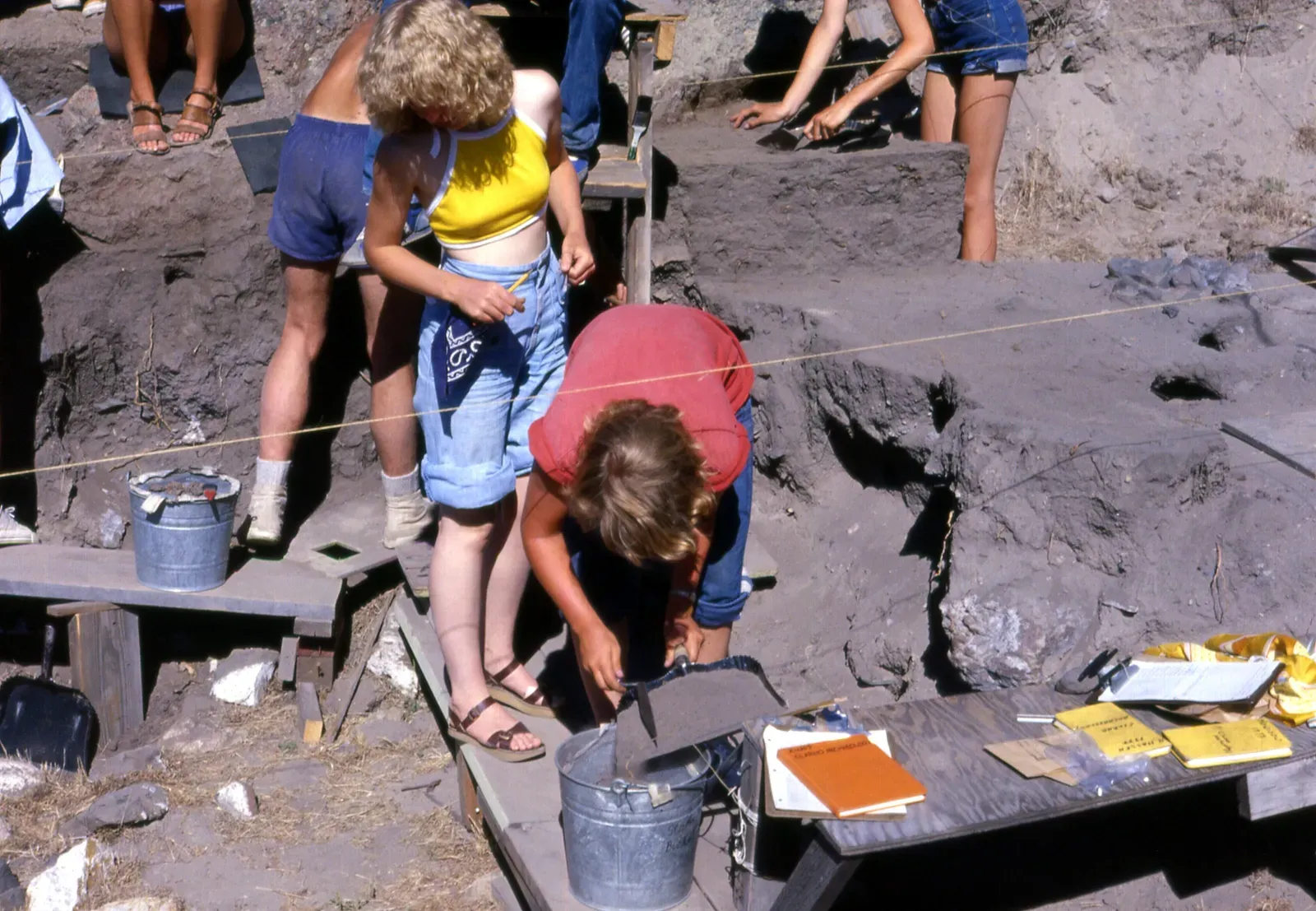
The American West is, in many ways, the world’s greatest open-air archive of prehistoric life. Fossils provide direct evidence for the long history of life, allowing paleontologists to test hypotheses about evolution with data only they can provide, enabling investigation of present and past life on Earth, and revealing great ebbs and flows of biological diversity that would go undiscovered without these efforts.
What keeps this field so compelling isn’t just the scale of the creatures being uncovered. It’s the realization that the full picture is still being assembled. The fossil record, especially of the past 30,000 years of the Ice Age in Utah, expands every year with new and important discoveries. Every storm that erodes a cliff face, every construction crew that cuts into bedrock, and every volunteer who spots something unusual in a dusty sandstone block moves that picture just a little further along. The secrets buried deep in the American West are still, slowly, giving themselves up.