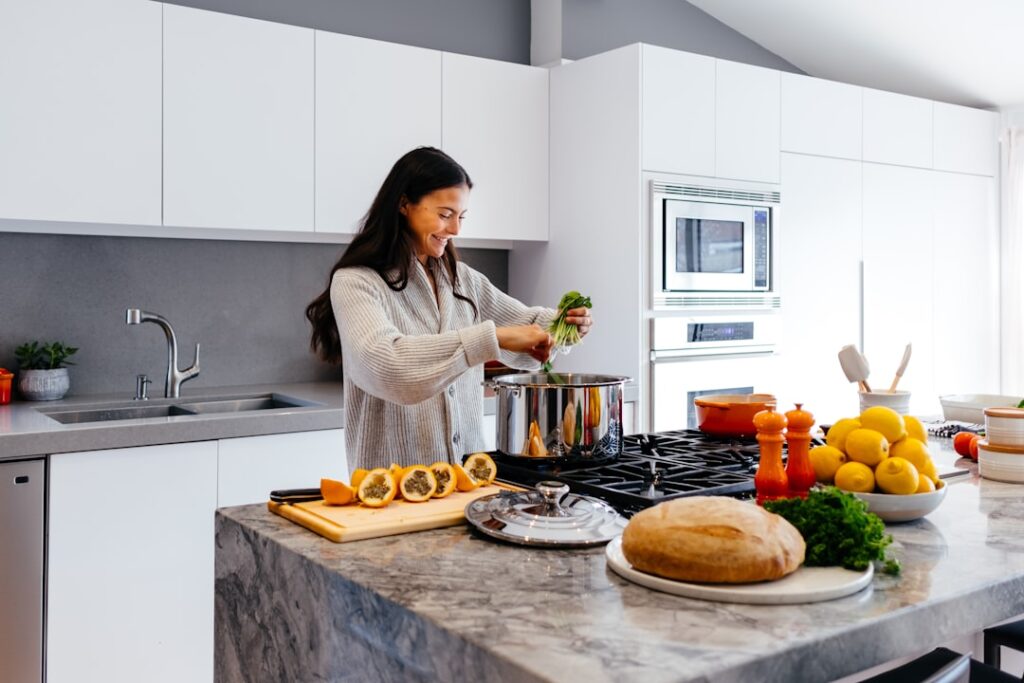
You’ve probably heard it before: eat right, exercise, get some sleep. Simple advice, sure. Yet for some reason, most of us ignore it until something goes wrong. The truth is, longevity isn’t some mysterious code locked away in your DNA. It’s sitting right there in your daily routines, waiting for you to notice it.
Here’s the thing: roughly four-fifths of how long you live isn’t determined by genetics at all. That means you actually hold more control than you think. The longest-lived people on Earth aren’t taking fancy supplements or visiting exclusive wellness clinics. They’re just living differently. So let’s dive into what really works.
Move Your Body the Way Nature Intended

Forget about punishing yourself at the gym for an hour every day. The world’s longest-lived people don’t really “exercise” in the way you might think. Instead, they move naturally throughout their day. They walk to the market, tend their gardens, take the stairs, and stay active without even thinking about it.
Here’s what’s fascinating: just fifteen minutes of physical activity daily can add three years to your life. That’s not a marathon. That’s a walk around your neighborhood. Health experts recommend at least a hundred and fifty minutes of moderate activity per week, but even smaller amounts make a real difference. Think about it. Your body wasn’t designed to sit for eight hours straight.
The best part? Exercise impacts both cognitive function and mobility as we age, which means you’re not just living longer. You’re living better, staying sharp, and keeping your independence well into your later years. Movement isn’t optional if you want to age gracefully.
Eat Like Your Life Depends on It (Because It Does)

You already know that what you eat matters. Still, most people underestimate just how much. The Mediterranean diet has been studied extensively and is ranked one of the most sustainable eating patterns for health and longevity. That means plenty of vegetables, fruits, whole grains, legumes, nuts, and fish. Less red meat. Way less processed junk.
Let’s be real: you don’t need to become a strict vegetarian overnight. People in the world’s longest-lived communities eat mostly plant-based foods, with meat served roughly five times a month in small portions. It’s about balance, not deprivation. Your cells need quality fuel to repair themselves, fight inflammation, and keep diseases at bay.
Honestly, the problem isn’t that we don’t know what to eat. It’s that we’re surrounded by convenience foods designed to override our natural hunger signals. If you can prioritize whole foods over processed ones, you’re already ahead of the game. Simple swaps add up faster than you’d think.
Sleep Like Your Brain Needs a Reset (It Really Does)

Sleep is where your body does its repair work. Too little sleep may promote inflammation and increase your risk of diabetes, heart disease, and obesity, all of which are linked to a shortened lifespan. Yet somehow, we treat sleep like it’s negotiable. It’s not.
Think about how you feel after a terrible night’s rest. Foggy, irritable, craving sugar, unable to focus. That’s your body struggling to function without the maintenance it needs. Quality sleep isn’t a luxury. It’s as essential as food or water.
The magic number isn’t the same for everyone, but most adults need somewhere between seven and nine hours. Consistency matters too. Going to bed and waking up at the same time trains your body’s internal clock, making sleep easier and more restorative. If you’re serious about longevity, your bedroom should be a priority, not an afterthought.
Connect with People Who Matter

Loneliness kills. I know it sounds dramatic, but the research backs it up. Individuals with strong social networks have a fifty percent greater chance of survival than those with less social support, and the health risk of social isolation is comparable to smoking fifteen cigarettes a day. Let that sink in.
A large study involving thousands of people found that more frequent social activity was associated with significantly longer survival, and the greater the frequency of socialization, the greater the likelihood of living longer. Your relationships aren’t just good for your mood. They’re literally keeping you alive.
It doesn’t have to mean hosting big parties every week. Even small, regular interactions count. Call a friend. Have dinner with family. Join a community group. The key is meaningful connection, not superficial networking. People who feel seen, heard, and valued tend to live longer, healthier lives.
Find Your Purpose and Hold On to It

One of the strongest predictors of a long and fulfilling life is having a sense of purpose, a clear reason for your days. The Japanese call it ikigai. It doesn’t have to be grand or life-changing. Maybe it’s raising your kids, mentoring someone at work, volunteering, or pursuing a creative hobby. What matters is that it makes you feel needed.
Research shows that having a sense of meaning or purpose in daily life is associated with better sleep, healthier weight, higher physical activity levels, and lower inflammation. When you have something to get up for, you take better care of yourself without even realizing it. Purpose fuels the other habits.
Here’s a question: what would you do if you knew you had thirty more healthy years ahead of you? That’s not hypothetical. You probably do. Finding what drives you isn’t some fluffy self-help exercise. It’s one of the most practical things you can do for your health.
Manage Stress Before It Manages You

Anxiety and stress may significantly decrease your lifespan, with research showing that regularly experiencing stress and anxiety can increase your chance of developing conditions like heart disease. Chronic stress doesn’t just feel bad. It damages your body on a cellular level, triggering inflammation, raising blood pressure, and weakening your immune system.
The tricky part is that stress is unavoidable. Life happens. What you can control is how you respond to it. Some people meditate. Others exercise, journal, or spend time in nature. Find what works for you and make it non-negotiable.
Honestly, most of us wait until we’re completely burned out before we address stress. That’s backwards. Building resilience is like building muscle. You have to work on it consistently, not just when things fall apart. Your nervous system will thank you for it.
Ditch the Bad Habits That Steal Your Years
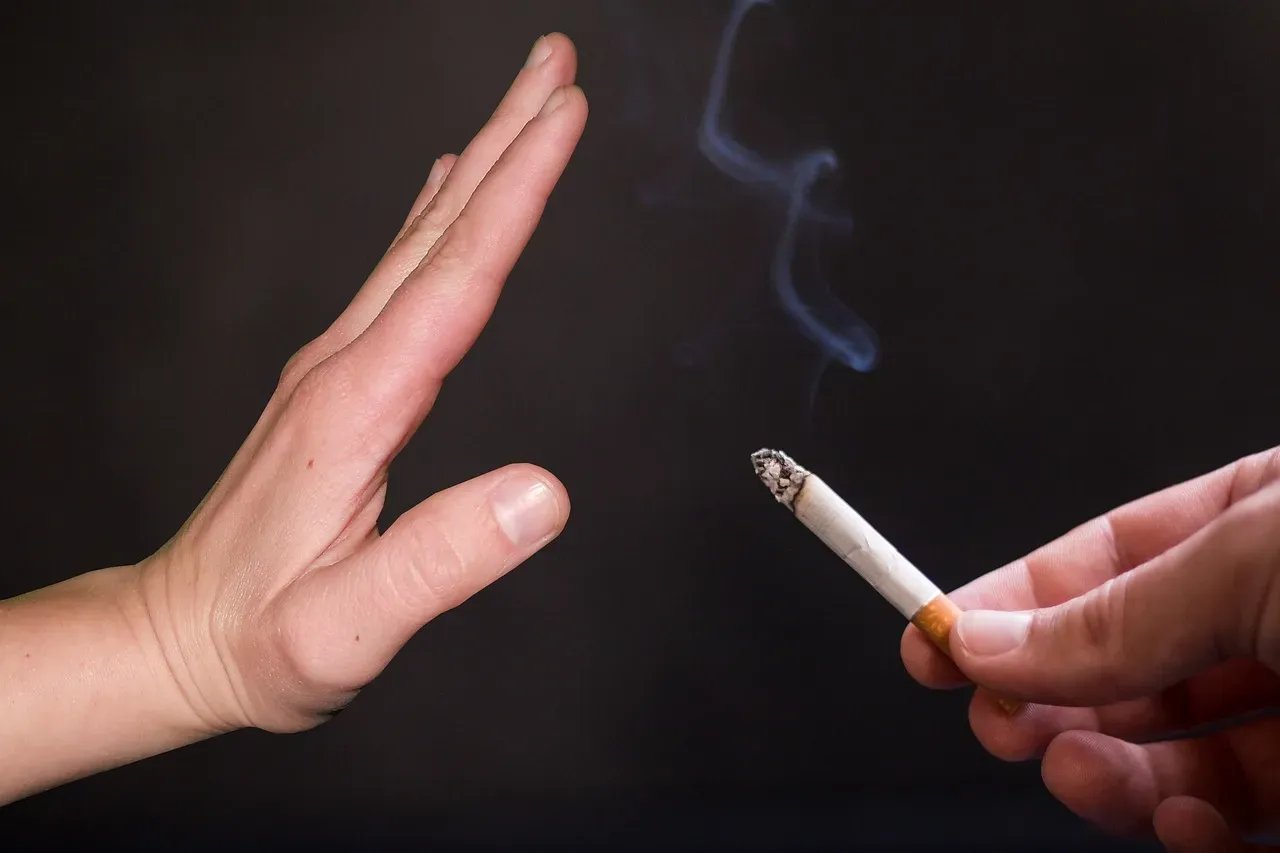
This one’s probably the least surprising on the list. Smoking affects coronary arteries and lungs, and smokers have increased rates of cancer and risk of stroke. If you had to pick just one habit to change for longevity, quitting smoking would be it. There’s no way around it.
Excessive alcohol consumption can increase your risk of heart disease, liver disease, high blood pressure, and certain cancers, and adults who drink heavily could be shortening their life expectancy by several years. Moderation is key. For most people, that means one drink a day for women and up to two for men. Less is often better.
Let’s be honest: breaking these habits is hard. Really hard. Yet the data is clear. From the moment you stop smoking, there are health benefits, so it’s worthwhile making that effort. Your body is remarkably good at healing itself when you give it the chance. It’s never too late to start.
Conclusion
The secrets of longevity aren’t really secrets at all. They’re simple, evidence-backed habits that anyone can start today. You don’t need perfect genetics or a trust fund. You just need to move more, eat better, sleep well, connect with others, find purpose, manage stress, and avoid the things that do obvious harm.
Most people today could expect to live to ninety-five in good health based on what we know about these factors. That’s not a pipe dream. It’s entirely within reach if you’re willing to make consistent choices. The question isn’t whether these habits work. It’s whether you’ll actually commit to them. What are you waiting for?