
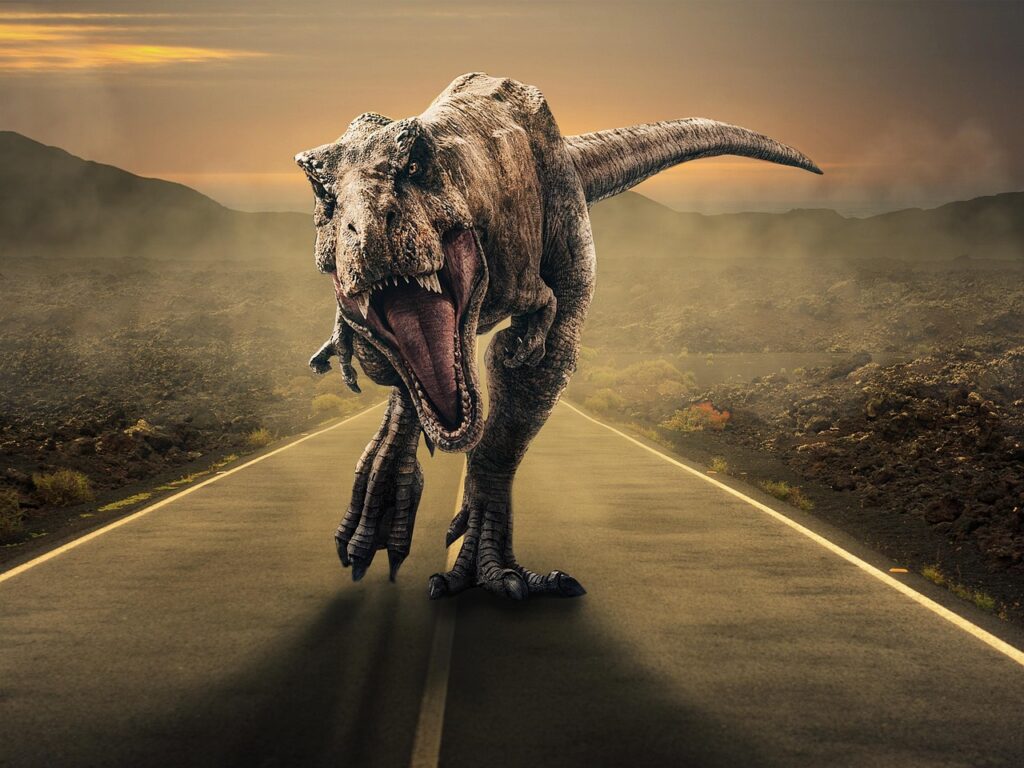
Picture the scene: a screaming jeep floors it to 32 miles per hour while a Tyrannosaurus rex thunders behind it, jaws snapping just inches from the bumper. For thirty years, that image told us everything we needed to know about dinosaur speed – the “slow” tank versus the “quick” killer. Velociraptor, meanwhile, got a reputation as the perfect predator: lean, fast, and utterly unstoppable.
New biomechanical research says almost none of that holds up. The real numbers, pulled from tail simulations, corrected trackway math, and reworked skeletal models, suggest the fastest dinosaur in that famous chase scene might not be the one everyone assumed – and the “slow” one may have quietly won the race all along.
The Myth That Turned T. Rex Into a Cartoon Tank
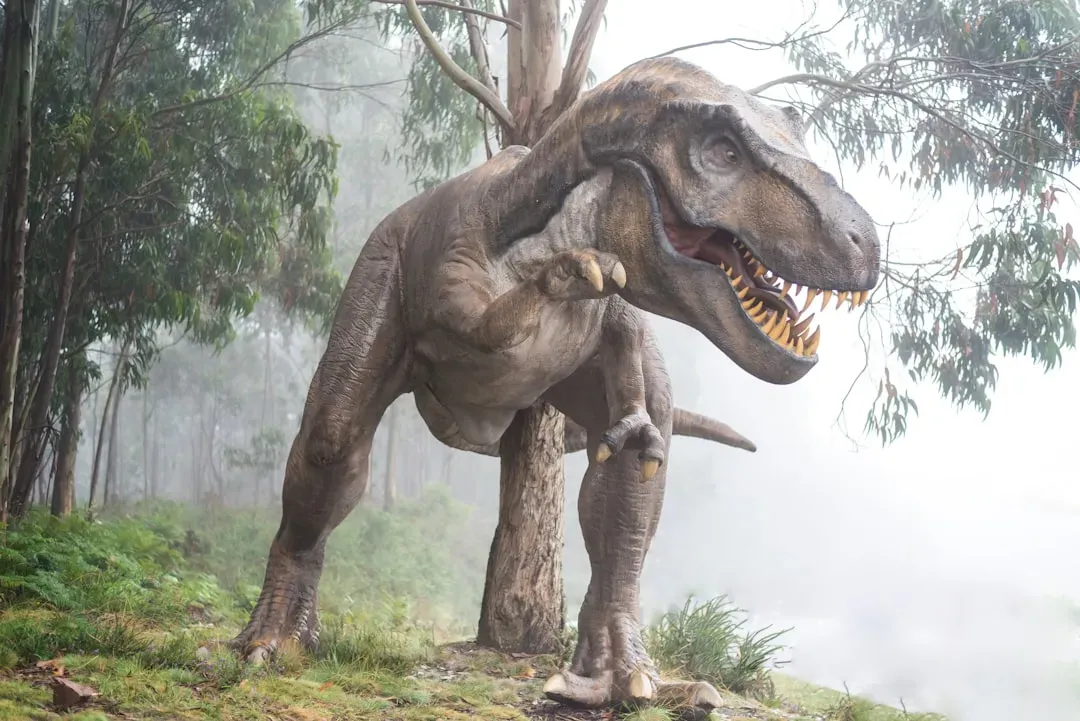
Nobody invented T. rex’s reputation as a slowpoke by accident. The movies did most of the work, and for a long time, biomechanics seemed to back them up.
One of the most iconic scenes in the 1993 film Jurassic Park shows a jeep speeding up to 32 miles per hour while a Tyrannosaurus rex chases it down – and the humans still need to go faster. That single scene cemented an image of T. rex as a terrifying sprinter.
Decades earlier, paleontologists had already been arguing over individual bones, comparing T. rex’s legs to an ostrich’s and reasoning that a 40-foot-long animal could still move fast. That comparison was shaky at best – a single bone can’t tell you how a 7-ton predator actually moved across open ground.
Experts now say the truth is far more nuanced, and far weirder, than either extreme. The reasoning finally cracked when someone thought to test the one body part everyone had ignored: the tail.
The Tail-Swing Study That Sealed Its Reputation as a Slow Walker
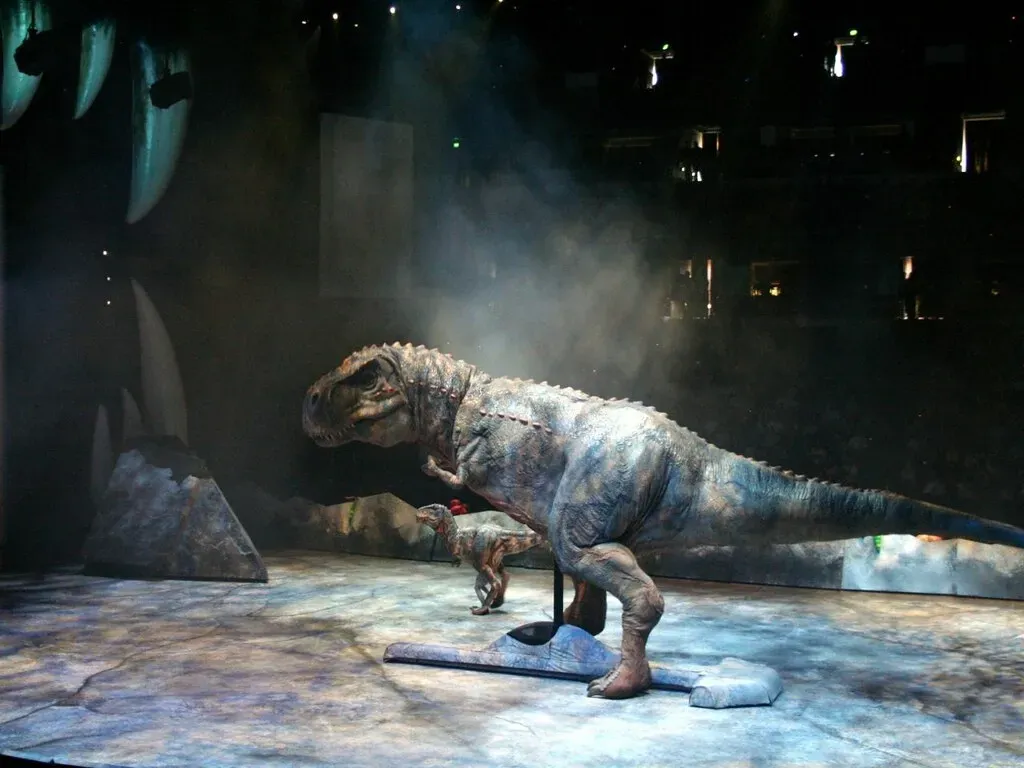
This is where T. rex’s “clumsy” label got its scientific stamp of approval – and it came from an unexpected source.
Computer simulations based on tail movement showed that Tyrannosaurus rex’s preferred walking speed was actually below that of an average human. In a 40-foot-long animal weighing 9 metric tons and balancing on two legs, the tail does serious work counterbalancing every stride.
Fast Facts
- Preferred walking speed: about 3 mph, slower than a brisk human walk
- Body size modeled: roughly 40 feet long, 9 metric tons
- 2016 foraging-speed estimate: 2.8 to 5 mph
- Tail motion directly offsets the force generated by each stride
Researchers modeled the forces acting on the tail’s tendons and joints based on leg length and step size. The result: a preferred walking pace of roughly 3 miles per hour, slower than a brisk human stroll.
A separate 2016 study calculated that the “king of dinosaurs” cruised at just 2.8 to 5 miles per hour during normal foraging. That’s the number that made headlines and turned T. rex into the internet’s favorite “actually pretty slow” punchline – long before anyone bothered to check if Velociraptor deserved its own reputation.
Why Velociraptor’s Speed Was Always Exaggerated
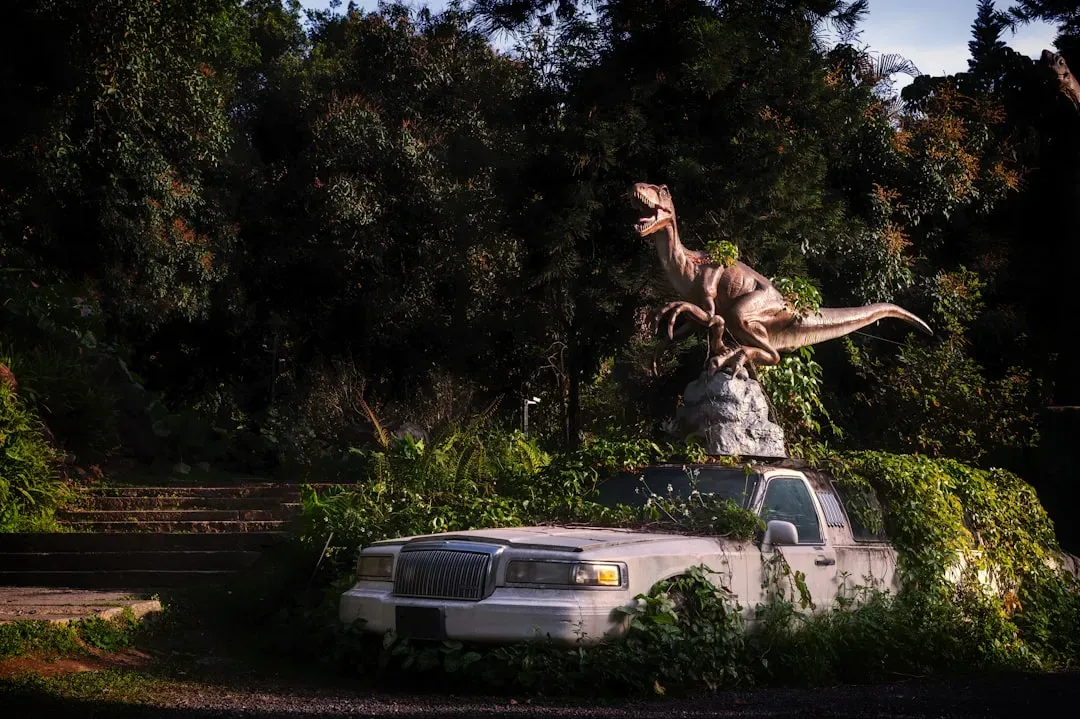
Here’s the controversial part: the “swift thief” everyone fears may never have been all that swift.
In Jurassic Park, velociraptors were portrayed running at 40 to 60 miles per hour – fast enough to feel unbeatable. That cinematic image shaped public perception of these dinosaurs for decades, and even scientific estimates weren’t far behind, with older paleontology papers suggesting speeds of 25 to 27 miles per hour based on skeletal structure alone.
Quick Compare
- Jurassic Park on-screen speed: 40 to 60 mph
- Older paleontology estimates: 25 to 27 mph
- 2025 biomechanical re-analysis: 5 to 12.4 mph
Then a 2025 re-analysis threw cold water on all of it. Scientists now argue a Velociraptor likely traveled at 8 to 20 km/h (5 to 12.4 mph), nowhere near the previously assumed 40 km/h (24.9 mph) or faster.
That’s a massive downgrade – barely faster than a brisk jog. If the number holds up, the “unstoppable raptor” of pop culture starts looking a lot more catchable, and the reason for the old overestimate traces back to a measuring tool paleontologists trusted for generations: fossilized footprints.
The Trackway Trick That Fooled Scientists for Decades
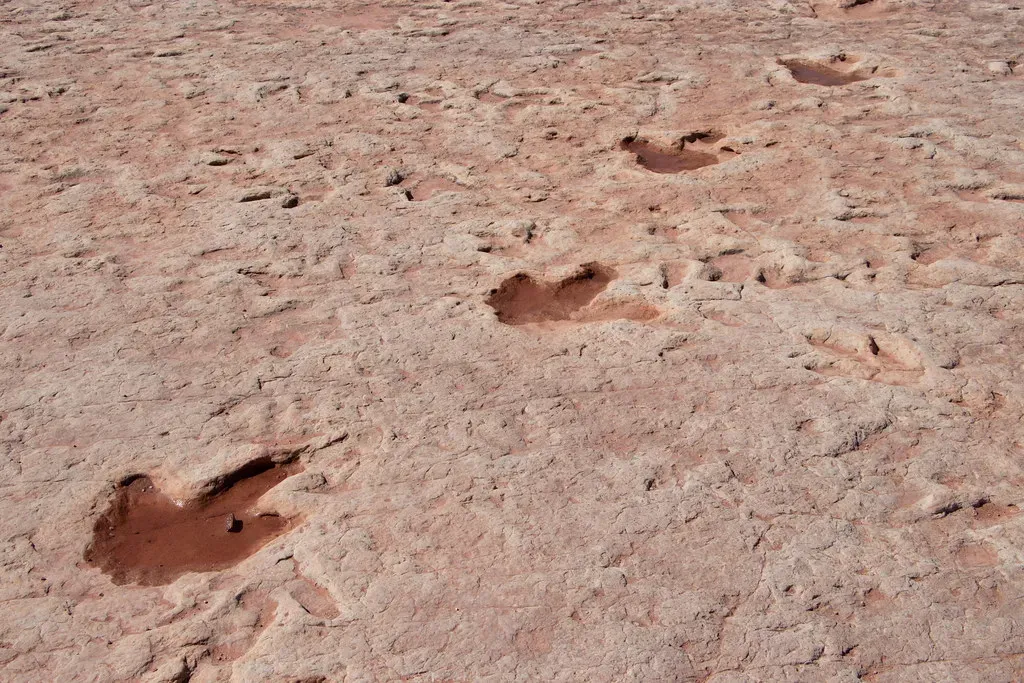
Most dinosaur speed estimates never came from watching anything move. They came from footprints frozen in ancient mud – and that method has a serious flaw.
For decades, paleontologists used fossil trackways to estimate how fast dinosaurs walked or ran. Then UK scientists tested the idea with guineafowl, sending the birds walking and running across soft mud, and found that speeds calculated from the footprints didn’t match the birds’ real speeds.
Researchers from Liverpool John Moores University found that soft mud fundamentally distorts footprints, stretching them and making stride lengths look far longer than they really are. A dinosaur casually walking through the mud could easily be misread as one running after prey.
This single flaw quietly inflated decades of dinosaur speed charts. It also raises an obvious question: once you correct for it, what happens when you finally put T. rex’s real numbers next to Velociraptor’s corrected ones?
The Real Math: T. Rex’s Sprint vs Velociraptor’s Actual Pace
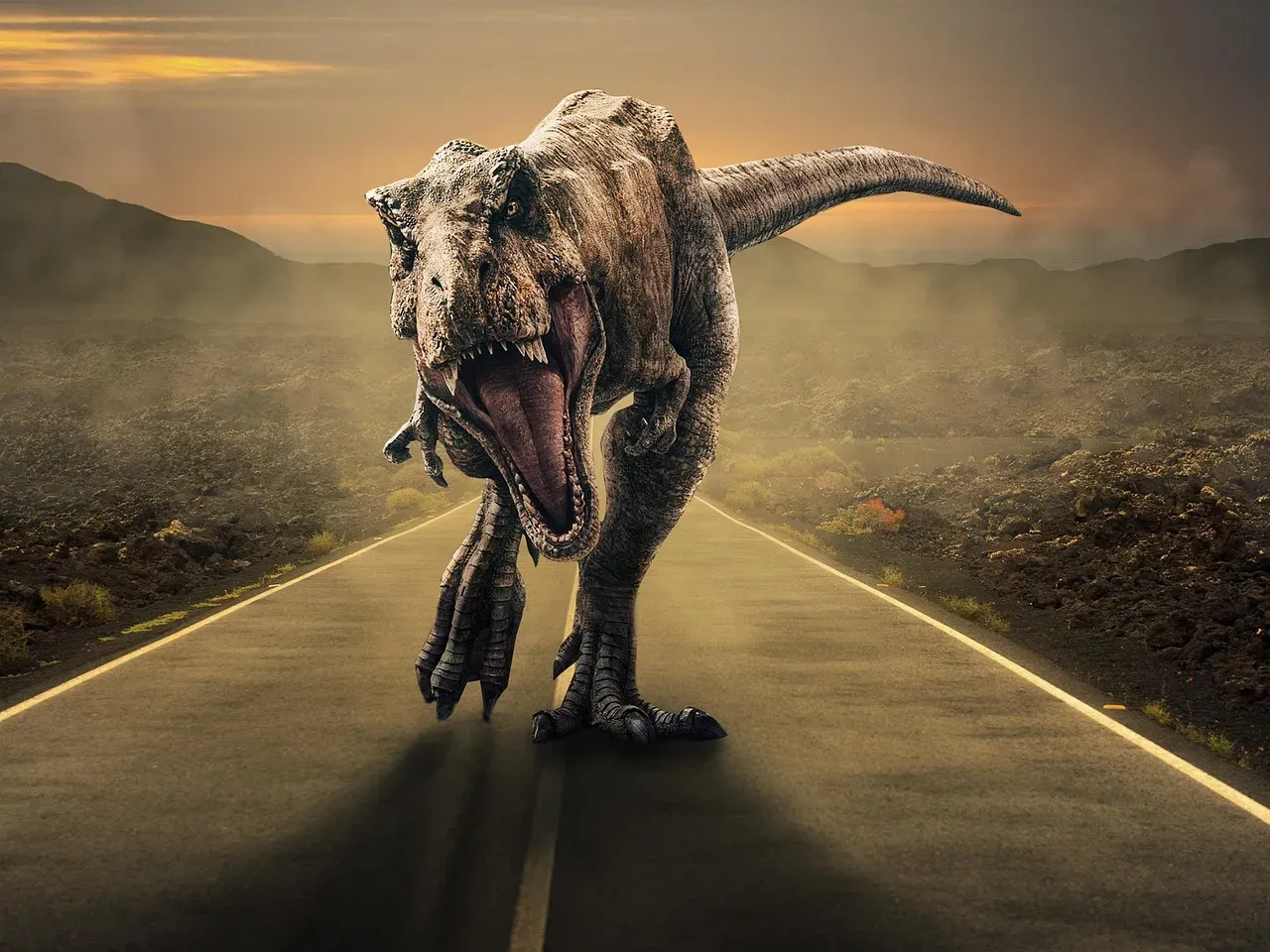
Here’s where the headline finally makes sense, because “slow” and “top speed” are two very different measurements.
While T. rex’s preferred walking pace was famously sluggish, its maximum sprint speed tells a different story. Other studies estimate Tyrannosaurus could run at 11 to 20 meters per second – roughly 25 to 45 miles per hour at full effort – even though it rarely chose to move that fast.
At a Glance
- T. rex preferred walking pace: about 3 mph
- T. rex normal foraging speed: 2.8 to 5 mph
- T. rex maximum sprint estimate: 25 to 45 mph
- Velociraptor corrected cruising speed: 5 to 12.4 mph
As dinosaurs go, T. rex wasn’t particularly fast during casual movement, and it may have struggled to outrun an average human at peak fitness over a short sprint. But here’s the friction point worth arguing about: if Velociraptor’s real cruising speed was closer to 5 to 12.4 mph, then even T. rex’s unhurried jog could plausibly have kept pace with – or outlasted – a raptor over any real distance.
Slow and steady may have quite literally won this race. And that verdict rewrites one of the most famous chase scenes in movie history.
The Jurassic Park Chase Scene That Never Could Have Happened
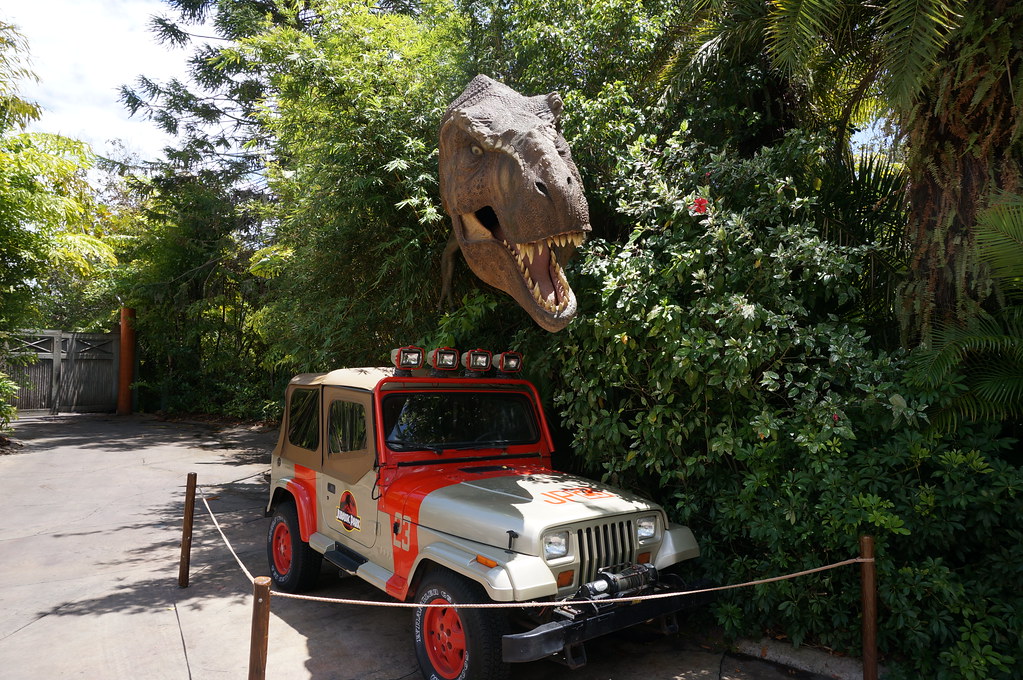
This is the part that ruins childhood memories a little – but experts say it’s time to let the myth go.
The jeep chase that defined a generation of dinosaur fear was built on numbers that don’t survive modern scrutiny. T. rex probably topped out at just shy of 12.5 miles per hour, much slower than the 33 mph top speed researchers once theorized.
At the same time, the long-held image of Velociraptor as a pacy beast zipping across the ground at 40 mph has been directly challenged by research suggesting it was far slower than previously believed. Put those two corrected numbers side by side, and the “unstoppable predator” narrative collapses completely.
Most documentaries still show raptors as blurs of motion. That might be the biggest scientific misconception still standing in modern dinosaur media.
What This Means for Everything We Thought We Knew About Predators
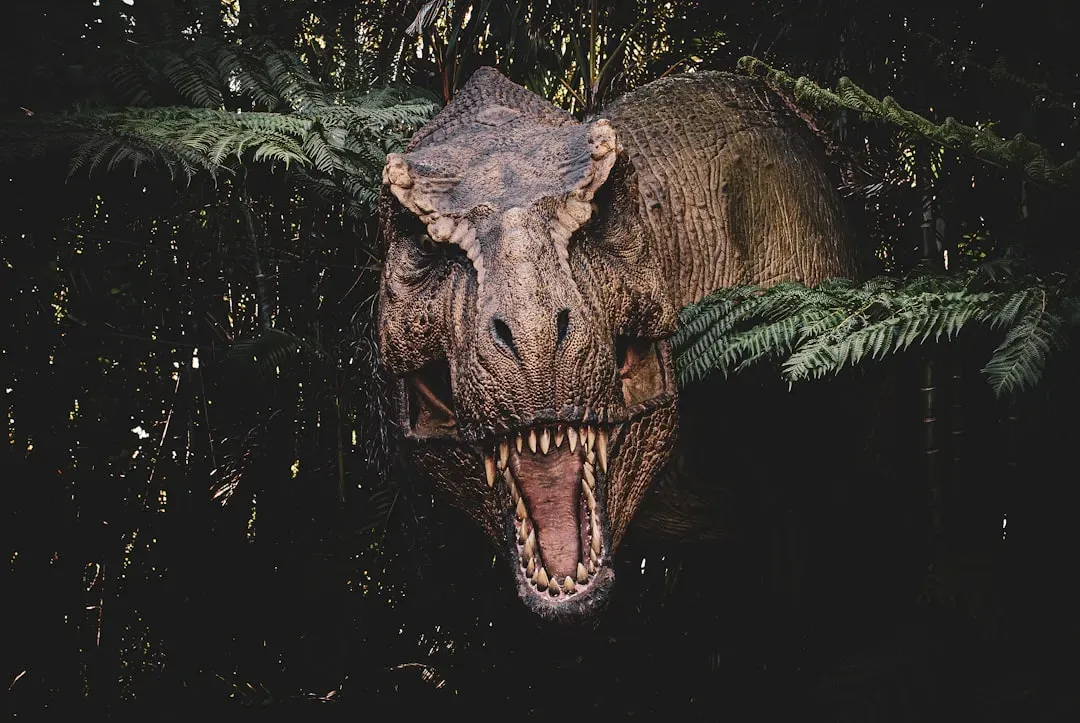
The real story here isn’t about one dinosaur beating another in a footrace. It’s about how fragile our “facts” about prehistoric life really are.
Early paleontological reconstructions depicted most dinosaurs as slow, tail-dragging lumps of muscle. By the 1960s, scientists began recognizing that many dinosaurs held their tails horizontally and moved far more actively than anyone had assumed – a shift later nicknamed the “Dinosaur Renaissance.”
Worth Knowing
- The 1960s-70s “Dinosaur Renaissance” replaced sluggish, tail-dragging depictions with far more active ones
- CT scanning now lets researchers model muscle and bone stress in ways impossible decades ago
- Comparative anatomy with living birds keeps refining how dinosaurs actually walked and ran
- Trackway math, once trusted blindly, is now double-checked against living-animal experiments
Now the pendulum has swung again, this time powered by computer modeling, CT scanning of fossils, and comparative anatomy with living birds. Each new tool – tail biomechanics, trackway corrections, energy modeling – keeps rewriting the rulebook.
Every “fact” you learned about dinosaur speed as a kid has probably been revised at least once. That’s not a failure of science. It’s exactly how science is supposed to work.
The Bottom Line
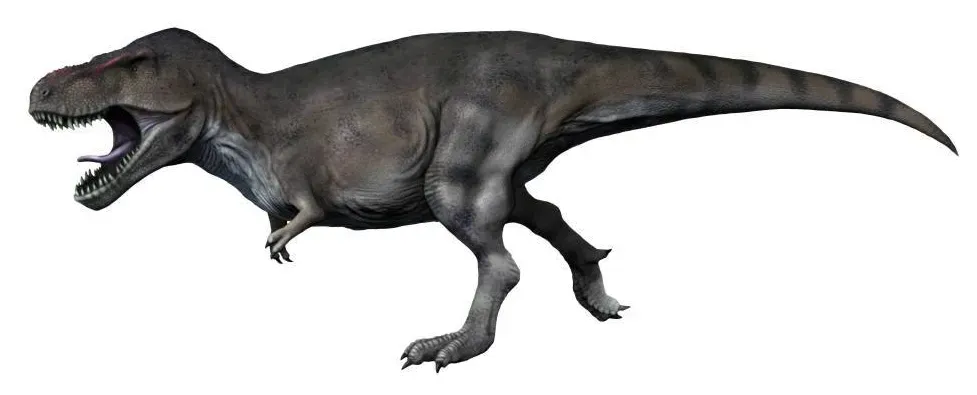
Here’s the uncomfortable truth: T. rex’s “clumsy” reputation was never entirely wrong. It really did prefer a slow, energy-saving stroll over a full sprint, and no amount of nostalgia changes that math.
But Velociraptor’s reputation as an unbeatable speed demon was arguably the bigger myth all along – built on Hollywood exaggeration and flawed trackway math that inflated its real-world pace by as much as four times.
Put the corrected numbers side by side, and the “slow” dinosaur suddenly doesn’t look so outmatched. Honestly, the raptor’s speed was oversold from the start, and it’s about time pop culture caught up with the biomechanics.
Which dinosaur do you think got its reputation wrong the worst? Drop your pick in the comments.