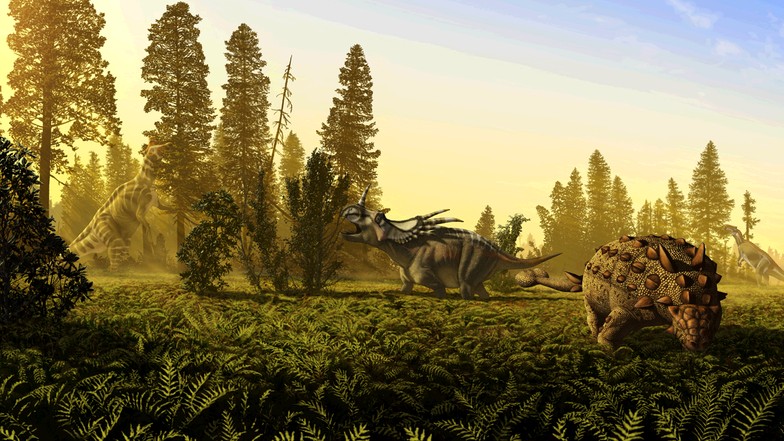
There is something almost poetic about the idea that the answer to some of our most pressing modern challenges might be buried deep in the fossil record. Millions of years before the first corporate org chart was ever drawn, before the first school bell rang, and long before anyone coined the phrase “team building,” prehistoric creatures were already living out remarkably sophisticated social arrangements. The bones they left behind tell a story that, honestly, feels shockingly familiar.
You might think ancient herds were just crowds of animals moving aimlessly together out of fear. You would be wrong. What researchers are uncovering paints a far richer picture, one full of deliberate structure, age-based organization, cooperative care, and collective intelligence that mirrors the very systems humans prize today. Stick around, because what follows might just change how you see both the ancient world and the modern one you actually live in.
Ancient Herds Were More Organized Than You Ever Imagined
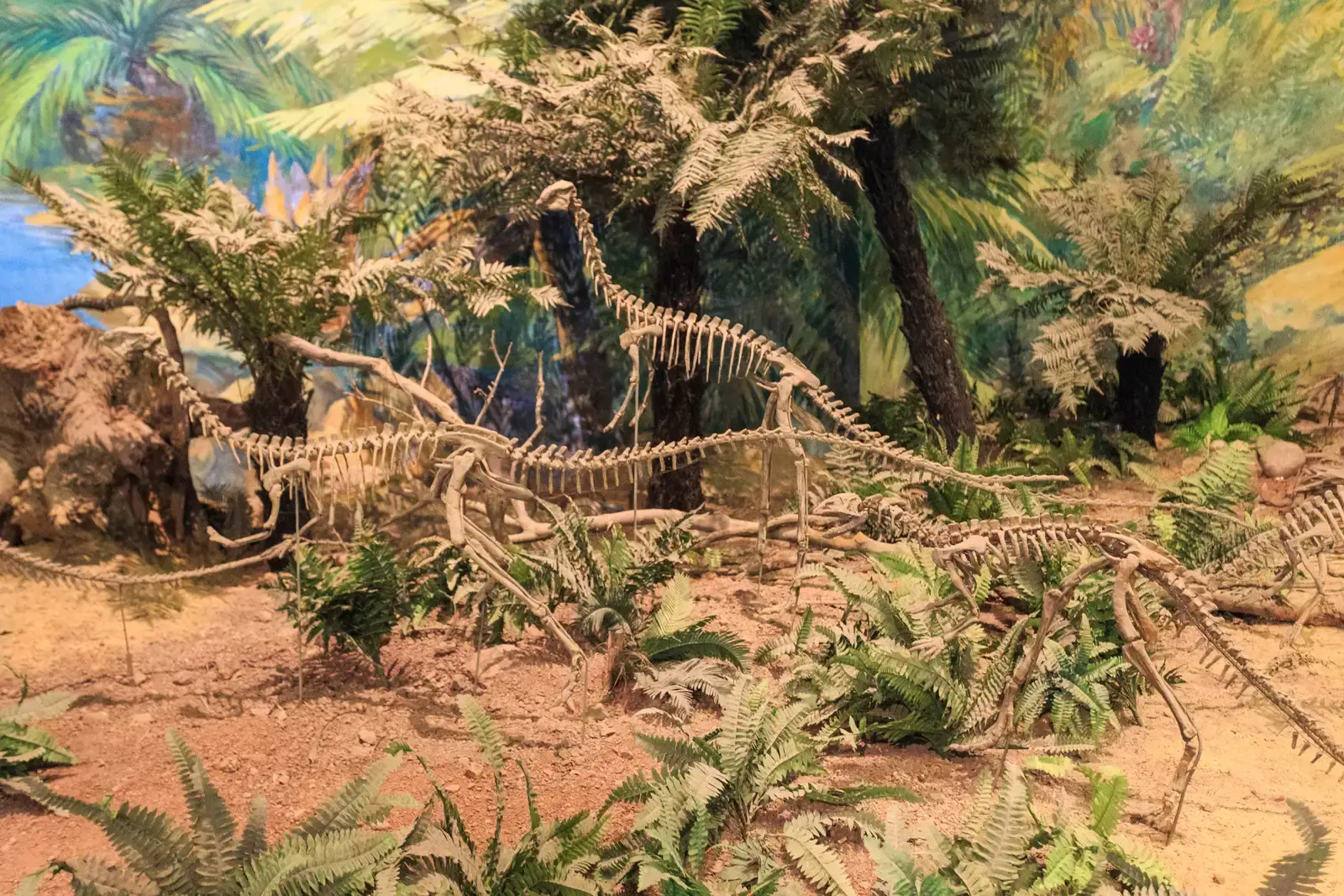
Let’s be real: most of us picture prehistoric herds as thundering, chaotic masses. The science, however, tells a very different story. Research from MIT, Argentina, and South Africa details the discovery of an exceptionally preserved group of early dinosaurs showing signs of complex herd behavior as early as 193 million years ago, a full 40 million years earlier than any other records of dinosaur herding. That number is genuinely staggering when you sit with it for a moment.
Discoveries of the early sauropodomorph Mussaurus patagonicus indicate the presence of social cohesion throughout life and age-segregation within a herd structure, in addition to colonial nesting behavior. This wasn’t random proximity. It was structured social living, deliberate, layered, and remarkably effective. Think of it less like a crowd at a bus stop and more like a working community with unspoken rules.
Age Segregation: The World’s First School System

Juveniles congregated in “schools” while adults roamed and foraged for the herd. I know it sounds crazy, but these prehistoric animals were essentially running a childcare and schooling system hundreds of millions of years before humans ever thought of it. The young stuck together, while the experienced adults handled the serious work of feeding and protection.
The presence of age-specific clusters of individuals in the same location suggests that Mussaurus patagonicus lived in herds throughout their lives but primarily associated with others their own age within herds. You see this same pattern reflected today in how humans instinctively sort themselves. Children group with children, teenagers with teenagers, adults with adults. The prehistoric blueprint was already there, written in stone, literally.
Communal Nesting and the Origins of Shared Childcare

Each nest was found with eggs in a relatively small area, and the dinosaurs likely worked as a community, laying their eggs in a common nesting ground. This collective approach to reproduction is a profound thing to wrap your head around. It suggests that even 193 million years ago, raising the next generation was understood, at least behaviorally, as a group project rather than a solo endeavor.
The fact that hatchlings, juveniles, and fully grown adults of Mussaurus were all found in the same place means that multifamily groups got together not just for breeding and nesting, but also potentially formed lifelong herds, more like today’s elephants or wildebeests. Modern cooperative parenting arrangements, shared childcare responsibilities, village-style upbringing: all of it echoes this same ancient logic. It works because it always has.
Cooperative Hunting and the Power of Collective Action

Deinonychus has a lot of interesting evidence of social behavior. North American fossil sites found individual animals of varied ages in concentrated sites, and they have been found in close proximity to a possible prey animal called Tenontosaurus. Deinonychus was about one twentieth the size at best, raising speculation that this is an indication of pack hunting. That is an astonishing ratio. Imagine you’re roughly the size of a golden retriever trying to bring down an animal the size of a school bus. You don’t do that alone.
By analyzing stride length, depth of impressions, and trackway patterns, paleontologists can determine walking speeds, herd behaviors, and even potential predator-prey interactions from millions of years ago. These trackways reveal something profound: coordinated movement was not accidental. It was a deliberate, repeatable strategy. You see the same logic in everything from military formations to a surgical team operating together in silence, each person knowing their role without being told.
Leadership Hierarchies: Ancient Wisdom Meets the Modern Boardroom
Dominance hierarchies reduce constant fighting. Clear rank order cuts aggressive encounters by nearly a third, according to behavioral field data. Structured hierarchy keeps energy focused on survival instead of conflict. Here is where things get genuinely applicable to your life right now. Every effective organization you can think of, from a hospital to a startup, runs on some version of this ancient principle. Clarity of leadership reduces friction. That’s not a management consultant’s insight; it’s a prehistoric survival strategy.
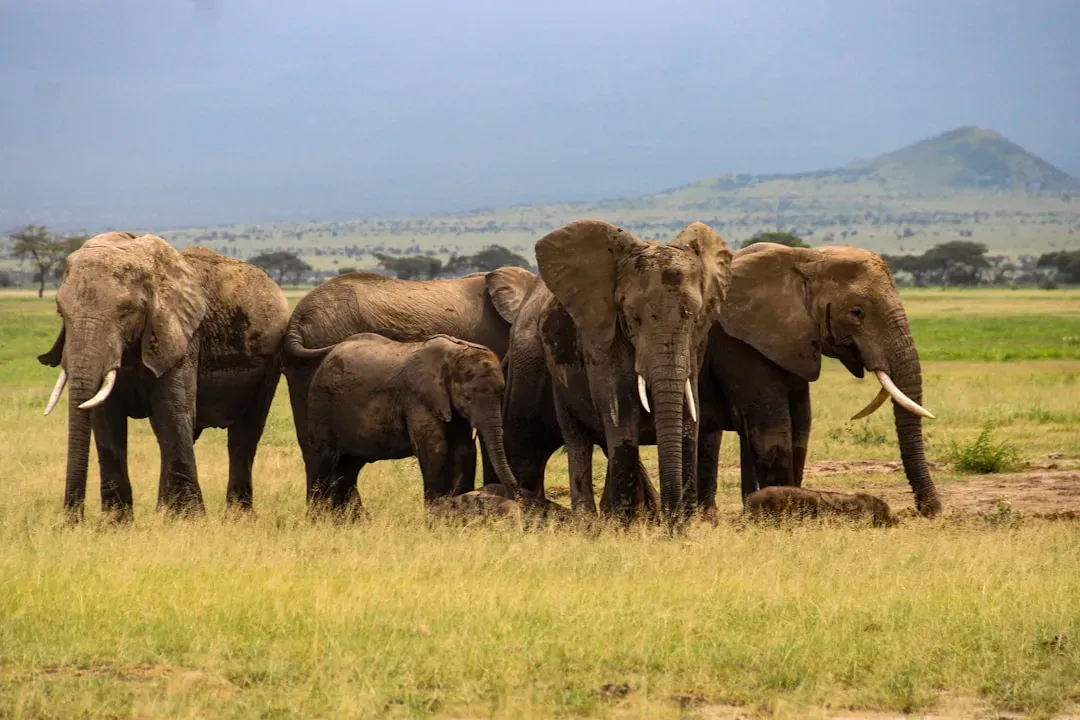
Elephant herds exemplify a nurturing and protective leadership style. The matriarch, along with other experienced females, plays a vital role in guiding, defending, and even disciplining herd members when necessary. This collaborative approach to care extends beyond the matriarch, with sisters, aunts, and cousins all contributing to calf-rearing in a system of cooperative care. The idea that wisdom-based leadership, where the most experienced individual guides the group, not just the strongest, is a deeply ancient concept. You find that same principle quietly working inside the best organizations today.
Collective Defense: When the Group Becomes the Shield
In open grasslands, predators like lions target isolated prey. Herd formation reduces individual risk through collective vigilance. There is a reason the phrase “strength in numbers” has survived across every human language and culture. It maps directly onto something real and ancient. Being alone in a dangerous environment has always been a death sentence, whether you are a sauropodomorph on a Jurassic floodplain or a small business trying to navigate an unstable economic landscape.
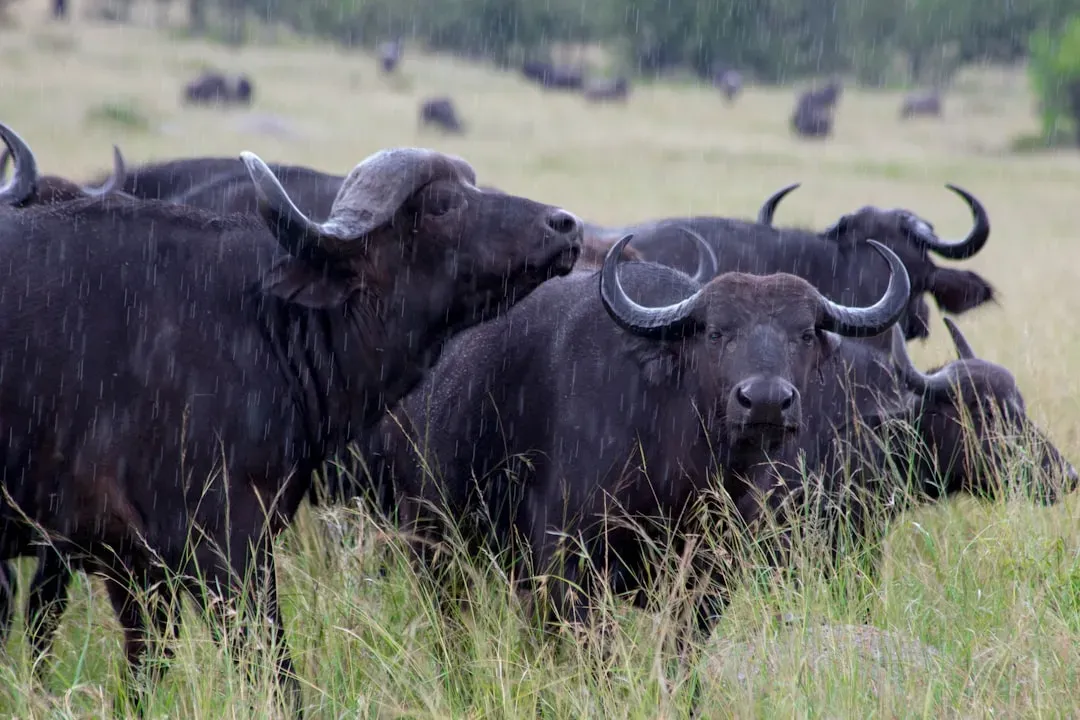
Studies show predation success rates drop dramatically when prey density exceeds a certain threshold. Buffalo, for example, form defensive circles around calves. Adults face outward while the young stay protected inside. This strategy has reduced calf mortality significantly in protected reserves. You can draw a straight line from that buffalo circle to the way modern communities form neighborhood watches, mutual aid networks, and collective bargaining agreements. The shape of the solution hasn’t changed. Only the predator has.
Social Networks Then and Now: A Blueprint That Never Changed

If prehistoric hunters and gatherers had access to social networking sites, they would probably end up with networks that looked identical to modern ones, according to a study published in Nature, based upon fieldwork among a tribe of Tanzanian hunter-gatherers. That finding stopped me in my tracks the first time I read it. The architecture of human connection, who you trust, who you cluster with, who you share resources with, is not a product of modern civilization. It is ancient software running on ancient hardware.
All of the social networks examined showed properties you would expect to see in modernized societies. These properties include the likelihood of similar people forming social ties, friends of friends also becoming friends, reinforced social norms, and popular people befriending other popular people. Your social media feed, your inner circle of colleagues, even the way your neighborhood organizes itself: all of it mirrors patterns that were already running in prehistoric social groups. That’s either deeply comforting or slightly humbling, depending on how you look at it.
Conclusion: The Past Has Something Urgent to Tell You
What makes all of this so remarkable is not just the antiquity of these social structures, but their stubborn, enduring relevance. The evidence reveals ancient worlds where dinosaurs tended their young, marine reptiles undertook seasonal migrations, and early mammals developed complex social structures. These discoveries consistently demonstrate that sophisticated behaviors once considered uniquely modern have deep evolutionary roots. The scaffolding of modern life, the way you organize your family, your workplace, your community, was not invented. It was inherited.
Leading and following are strategies that evolved for solving social coordination problems in ancestral environments, including the problems of group movement, intragroup peacekeeping, and intergroup competition. Every instinct you feel toward belonging, toward protecting the vulnerable in your group, toward following someone with more experience, those instincts were field-tested for millions of years before you ever came along. The prehistoric herd didn’t just survive. It gave you your social blueprint.
The next time you sit in a team meeting, drop your child off at school, or feel that pull toward your community in a moment of crisis, consider that you are not doing anything new. You are doing something ancient. Something that works. The question worth sitting with is this: knowing where these instincts come from, are you using them as well as a 193-million-year-old dinosaur did?