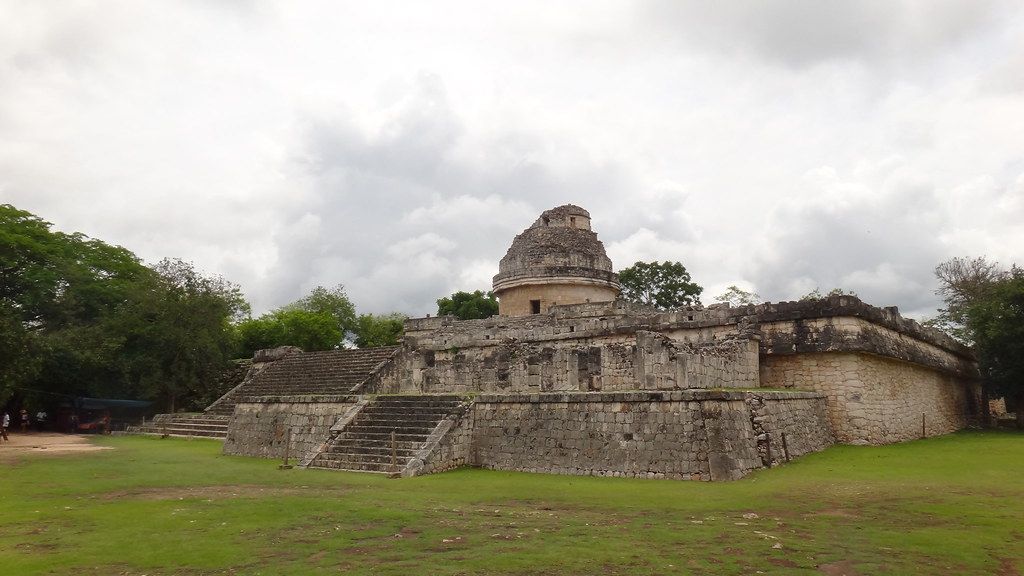
There is something stirring inside you when you stand at the edge of something unknown. A cliff. A forest trail that disappears around a bend. A flight path to somewhere you have never been. That restlessness, that electric pull toward the unfamiliar, is not a modern invention. It is ancient. It has been beating in the human chest for tens of thousands of years, long before anyone had a name for it.
What you feel today when you crave a new horizon is the same thing your ancestors felt when they left the only world they knew and walked into the unknown. This article takes you on a journey through time to explore exactly where that hunger for adventure comes from, why it never left us, and why it still defines us as a species in ways that science, myth, and history all confirm. Let’s dive in.
The First Adventurers: Out of Africa and Into the Unknown
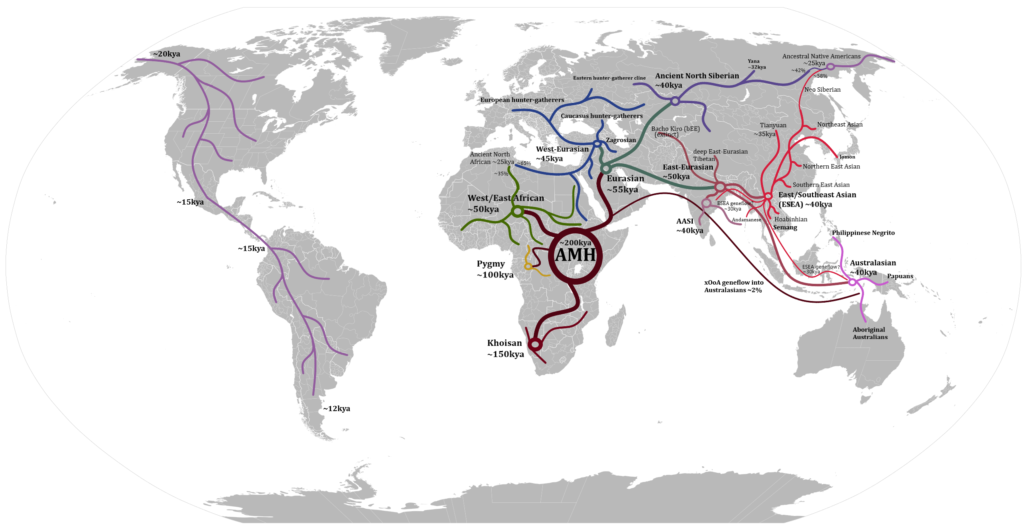
Groups of modern humans, Homo sapiens, began their migration out of Africa some 60,000 years ago. Some of your early ancestors kept exploring until they spread to all corners of the Earth. Think about what that actually means. No roads. No maps. No idea what was waiting on the other side of the next mountain range. That, honestly, is breathtaking courage.
How far and fast they went depended on climate, the pressures of population, and the invention of boats and other technologies. Less tangible qualities also sped their footsteps: imagination, adaptability, and an innate curiosity about what lay over the next hill. It was not just survival that drove them. Something deeper was at work, something we still carry with us today.
It Is Written in Your Genes: The Restless Gene

Here is the thing that really blows my mind. Scientists have actually found a genetic link to the human desire for adventure. Studies have led researchers to a gene variation that might point to our propensity for risk-taking, movement, change, and adventure. This gene variant, known as DRD4-7R, is carried by roughly one in five of the human population. Several studies tie this variant to migration.
The so-called “restless gene,” DRD4-7R, has been linked to the human tendency toward risk-taking, including migration. DRD4-7R has been consistently associated with curiosity and novelty-seeking. It has also been associated with financial risk-taking: people with this gene have been found to be more willing to invest in unproven and risky ventures. So if you have always felt like you were born to wander, your own biology may be telling you something real.
Ancient Myths and the Hero Who Must Journey

Exploration and adventure have captivated the human imagination for millennia. In mythological contexts, exploration often symbolizes the quest for knowledge, self-discovery, and the confrontation of the unknown. Your ancestors did not just explore the physical world. They explored these ideas in the stories they told around fires at night, in the myths they passed from generation to generation.
Figures such as Odysseus from Greek mythology and Jason from the Argonauts exemplify the archetypal hero embarking on perilous journeys. These stories reflect the values and ideals of their respective cultures while illustrating the universal appeal of adventure. The Epic of Gilgamesh is one of the oldest known literary works, chronicling the adventures of Gilgamesh, the king of Uruk. This epic encapsulates themes of friendship, mortality, and the relentless pursuit of knowledge. Gilgamesh embarks on a quest for immortality, driven by the fear of death and the desire to leave a lasting legacy. Thousands of years old, and it still feels familiar.
The Polynesians: Masters of the Open Ocean

Let’s be real: one of the most jaw-dropping adventure stories in all of human history belongs not to Columbus or Magellan, but to the ancient Polynesians. The ancient Polynesian colonizers developed highly sophisticated vessels and a navigation system based on observations of the stars, ocean swells, flight patterns of birds, and other natural signs which enabled them to find their way across the open ocean. These colonists carried all that they would need to survive at sea for a month or more while sailing their amazing double-hulled canoes.
Hundreds of years before the ancient Vikings ventured past the sight of land and over 1,000 years before Europeans did so, Polynesians had developed technological advances in long-distance voyaging that enabled them to travel thousands of miles across the Pacific Ocean. The ancient Polynesians navigated their canoes by the stars and other signs that came from the ocean and sky. Navigation was a precise science, a learned art that was passed on verbally from one navigator to another for countless generations. That knowledge, passed mouth to ear across the open sea, is one of history’s great achievements.
The Age of Discovery: A World Turned Upside Down
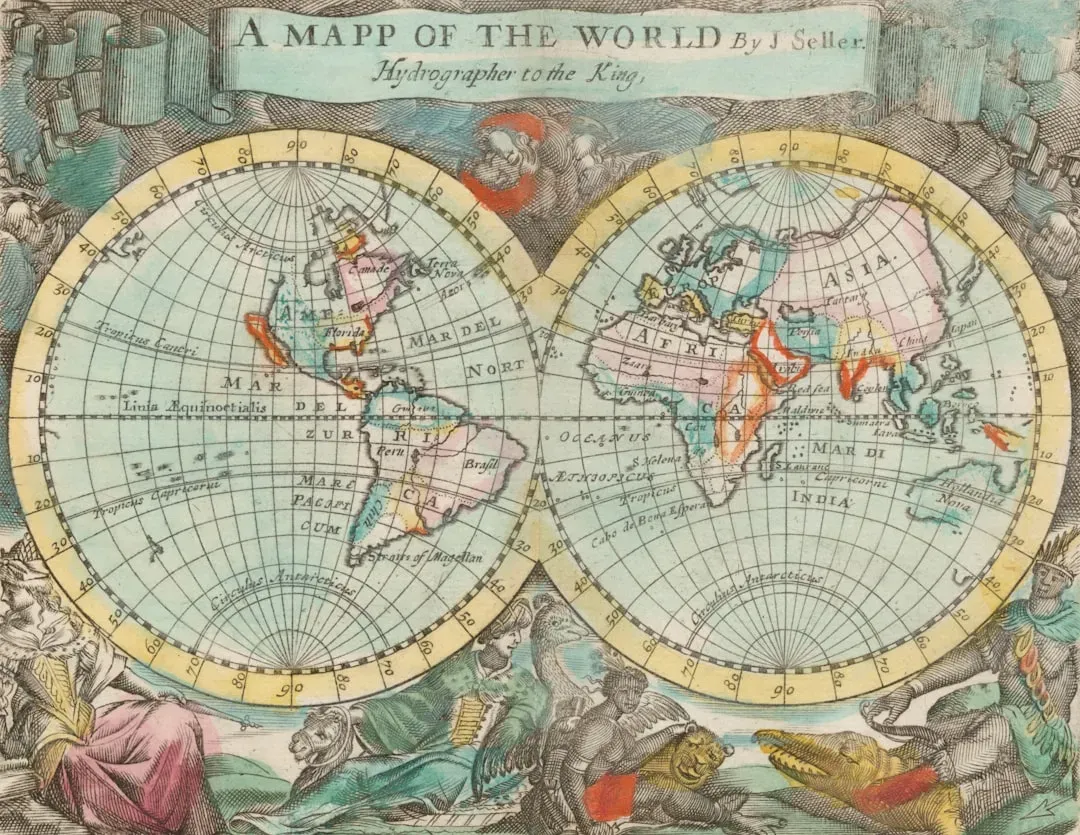
The Age of Discovery, spanning from the 15th to the 17th century, witnessed a remarkable surge of maritime expeditions that forever reshaped our understanding of the world. The tales of adventure and discovery created by this epoch continue to captivate our imaginations and inspire a sense of awe for those courageous souls who dared to voyage into the unknown. You only need to look at a modern world map to understand just how fundamentally this era changed everything.
The Age of Discovery refers to a period in European history in which several extensive overseas exploration journeys took place. Religion, scientific and cultural curiosity, economics, imperial dominance, and riches were all reasons behind this transformative age. The search for a westward trade route to Asia was one of the largest motivations for many of these voyages. The Age of Exploration brought about profound cultural, scientific, and economic transformation. It facilitated the exchange of goods, ideas, and technologies between different regions of the world, fostering globalization and reshaping societies. Still, it is crucial to acknowledge that this era also brought conquest, suffering, and loss for many indigenous peoples around the world.
The Brain on Adventure: What Happens Inside You When You Explore

Risk and novelty activate the brain’s dopamine system, which rewards us with feelings of excitement and pleasure. The more we challenge ourselves, the more we feel alive, literally. It is not just poetic language. There is real chemistry behind that rush you feel when you step into unfamiliar territory. Your brain is designed to reward you for it.
The drive for exploration pushes us beyond the confines of familiarity, triggering a surge of dopamine in our brains as we anticipate new experiences and undiscovered landscapes. This neurochemical reward system fuels our curiosity, driving us to seek out new environments and embark on journeys of self-discovery. Psychologists talk about something called “optimal anxiety,” a state just outside your comfort zone where growth happens. Too little challenge, and we are bored. Too much, and we panic. Adventure lives in that perfect middle ground. It is hard to say for sure exactly where your threshold sits, but your ancestors certainly found theirs.
Epic Expeditions That Rewired the World
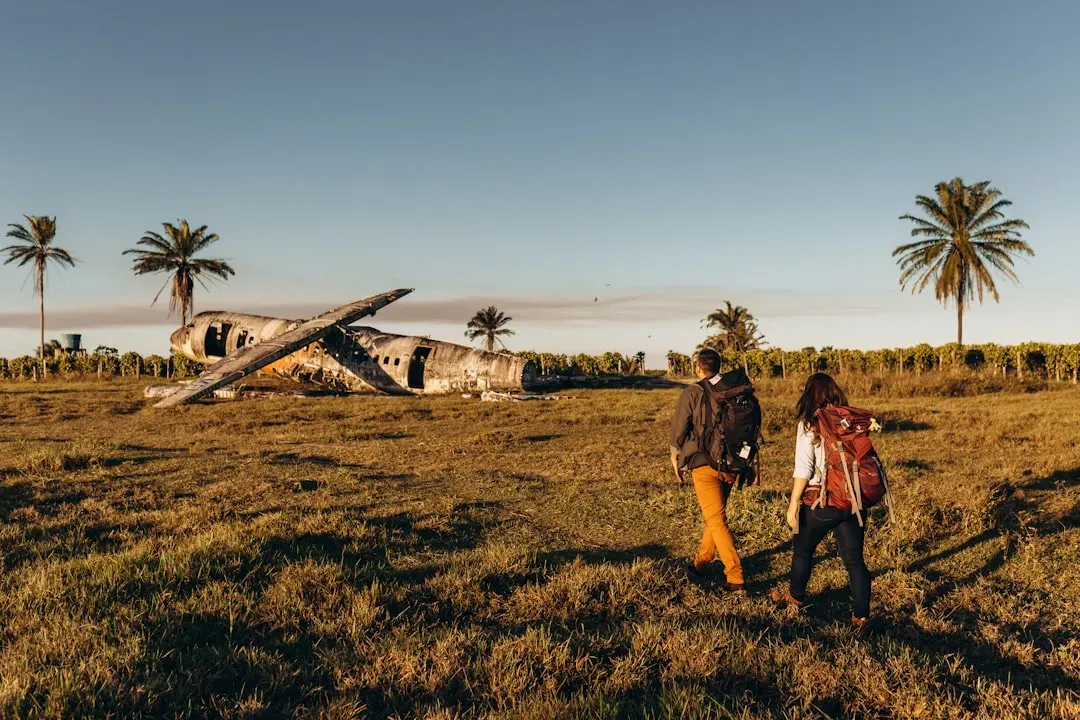
Expeditions have always been an integral part of human history, driving us to explore new frontiers and discover the unknown. From the ancient expeditions of our ancestors to modern-day scientific expeditions that explore the depths of the oceans and the farthest reaches of space, these journeys of discovery have captured our imaginations and pushed us to reach new heights. Each expedition is a testament to the human spirit of curiosity and exploration, and the incredible feats of courage and ingenuity achieved in pursuit of knowledge and discovery.
Ibn Battuta, born in 1304 AD, was a Moroccan explorer and traveler who conducted one of the most impressive expeditions of the medieval period. In an expedition that lasted over twenty years, he traveled over 750,000 miles and visited almost every Muslim country in the world. That is not just a journey. That is a life fully lived in pursuit of the horizon. Throughout human history, the call of the unknown has driven explorers to embark on daring voyages into uncharted waters. These intrepid explorers braved treacherous seas and unknown dangers, driven by the thrill of discovery and the promise of new knowledge and riches.
From the Stars to Space: Adventure Has No Ceiling
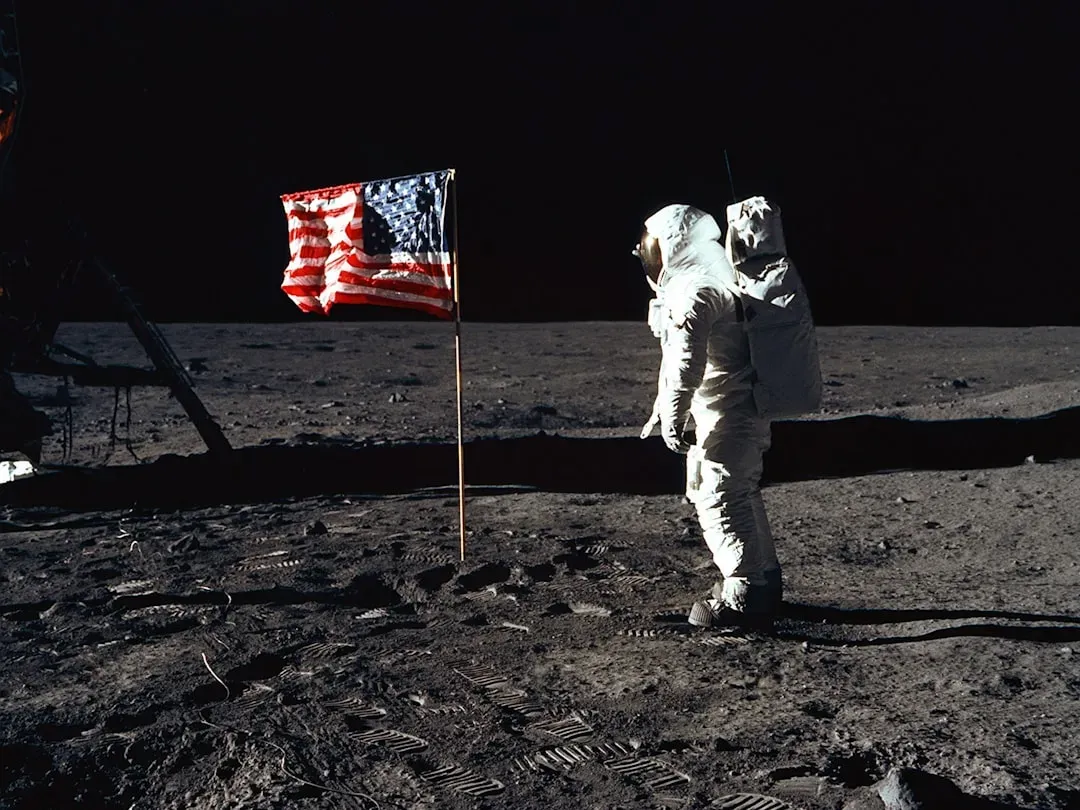
Throughout history, humankind has shared an innate trait, the desire to explore. Prehistoric men and women may have stood curiously at the opening to caves and wondered what was over the next hill. Centuries later, that same instinct sent human beings beyond the atmosphere of the planet itself. The arc is extraordinary when you step back and look at it.
Over millennia, human ventures have led to navigating the seas, discovering new lands, conquest of the skies, and now the exploration of space. The impact of discovery extends far beyond personal achievement. It contributes to a collective understanding of our world and our place within it. The astronaut’s view of Earth from space is not merely a personal triumph but a shared moment that inspires humanity to look upward and dream bigger. You are part of that lineage. Every single one of us is.
Conclusion: The Horizon Never Disappears

What this long and winding journey through human history shows us is something both humbling and electrifying. Our motivations for travel have evolved alongside our societies, reflecting the complex tapestry of human desire, curiosity, and necessity. The shift from survival to exploration, and eventually to self-actualization, mirrors the broader arc of human development, where travel has played a pivotal role in shaping cultures, economies, and individual lives.
You are the descendant of people who walked out of Africa into the unknown, crossed entire oceans without compasses, scaled unmapped mountain ranges, and dreamed of other planets. That is your inheritance. Adventure is not just a physical journey; it is a state of mind, urging us to explore, learn, and grow. The next time you feel that restless pull, that itch to go somewhere new and see something different, do not dismiss it. It is one of the oldest and truest parts of who you are.
So here is something to sit with: if adventure is written into our very DNA, what is holding you back from answering the call? What do you think about it? Tell us in the comments.