
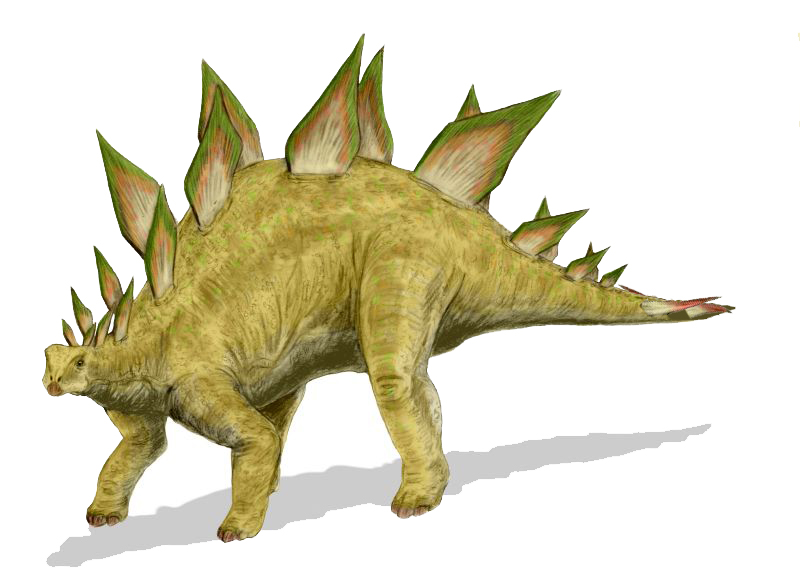
When you first encountered Stegosaurus in a museum or picture book, those massive diamond-shaped plates running down its spine probably captivated you instantly. These iconic structures have turned the “roof lizard” into one of the most recognizable dinosaurs in the world. Yet despite more than a century of scientific investigation, paleontologists continue to debate their true function.
You might assume these plates served as armor, but the evidence suggests something far more intriguing. The mystery deepens when you realize that other stegosaur species had completely different plate arrangements, and that these structures were filled with blood vessels rather than solid bone. So let’s dive into the fascinating world of Stegosaurus plates and explore the competing theories that have emerged from decades of research.
The Original Defense Theory Falls Short
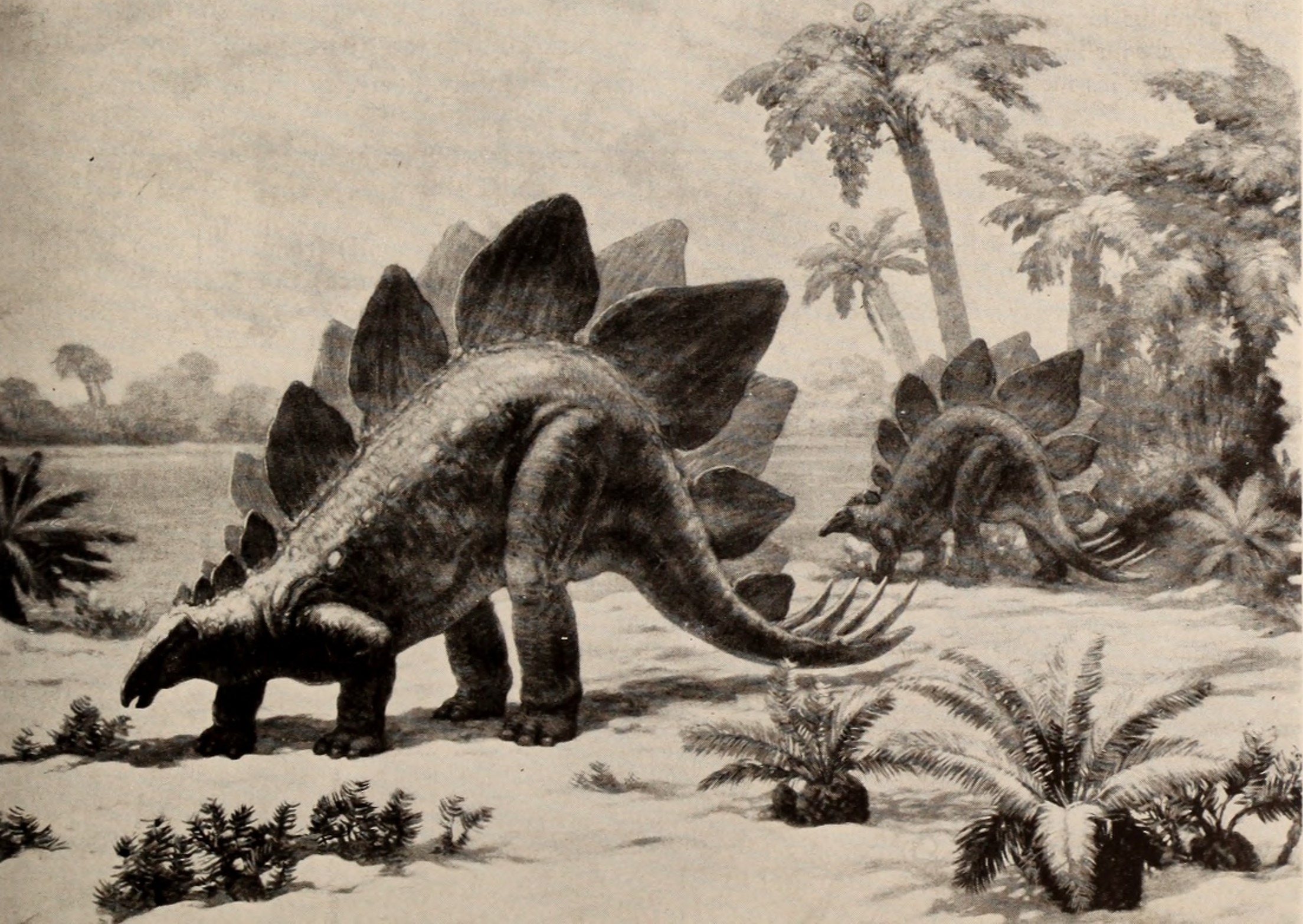
When first described by the American palaeontologist Othniel Charles Marsh in 1877, the bizarre plates of Stegosaurus were thought to provide protection against attack. This seems logical at first glance, especially considering that Stegosaurus shared its Late Jurassic environment with formidable predators like Allosaurus and Ceratosaurus.
However, it was soon noted that although their exact position in life was difficult to determine (the plates are embedded in the skin and not attached to the bone), it was likely that these structures were too high on the back to be effective armour-plating for this plant-eating dinosaur. They didn’t cover very much of the stegosaurus’ body and left most of it vulnerable on the sides and bottom, whether the plates laid flat or stood vertically. The immobile structures jutted upwards, leaving the dinosaur’s flanks exposed to attack. To call the plates “armor” isn’t quite right.
You’ll notice that Stegosaurus did have genuine defensive weapons. The dinosaur’s defensive weapons were its tail spikes (called a “thagomizer” by some). Experts think these spikes were used for defense against predators because of two lines of evidence. The plates, however, simply weren’t positioned or shaped to be effective shields against attack.
The Thermoregulation Theory Takes Center Stage
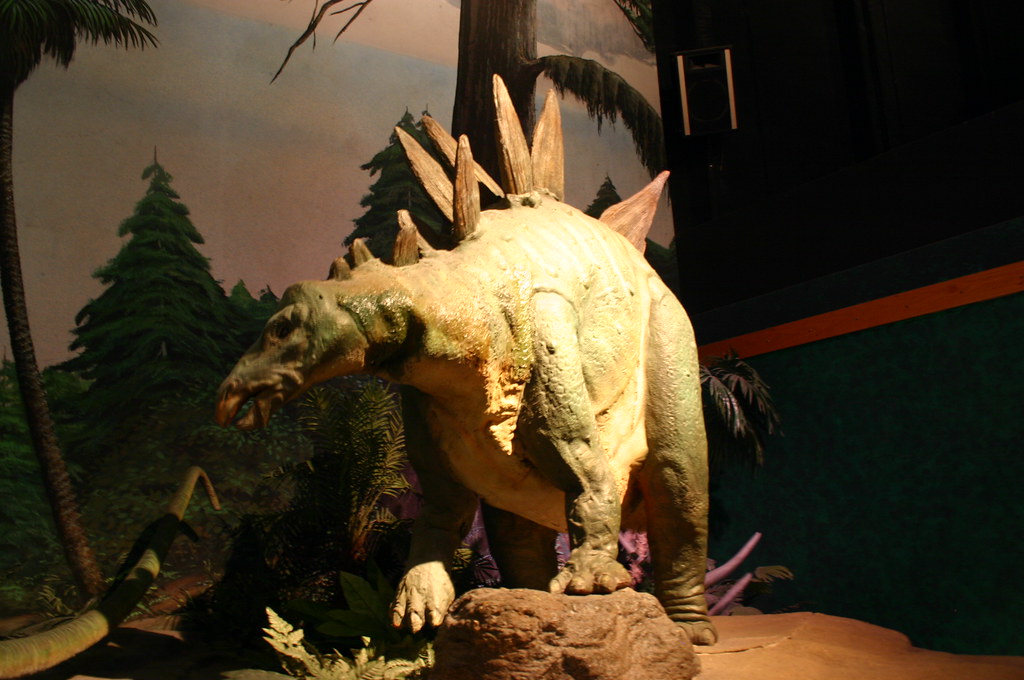
As scientific techniques became more sophisticated in the 1970s, researchers discovered something remarkable about the internal structure of Stegosaurus plates. As palaeontologists employed more sophisticated techniques to study these plates, it was revealed that they were quite thin with lots of blood vessels running through them. This discovery led to one of the most enduring theories about plate function.
It is suggested that the plates along the arched back and tail of Stegosaurus served an important thermoregulatory function as forced convection “fins.” Wind tunnel experiments on finned models, internal heat conduction calculations, and direct observations of the morphology and internal structure of stegosaur plates support this hypothesis, demonstrating the comparative effectiveness of the plates as heat dissipaters, controllable through input blood flow rate, temperature, and body orientation (with respect to wind).
The theory made intuitive sense. Presuming that Stegosaurus was an ecothermic animal–that is, had a body temperature determined by the surrounding environment–the plates could have helped the dinosaur heat up by turning broadside in the morning and shed heat by turning toward the sun during midday. In other words, they would have acted as radiators to help the dinosaur cool off when too hot, and as “solar panels” to absorb more sunlight over a greater surface area to help warm the dinosaur when it was too cold.
Blood Vessels Reveal Complex Internal Architecture
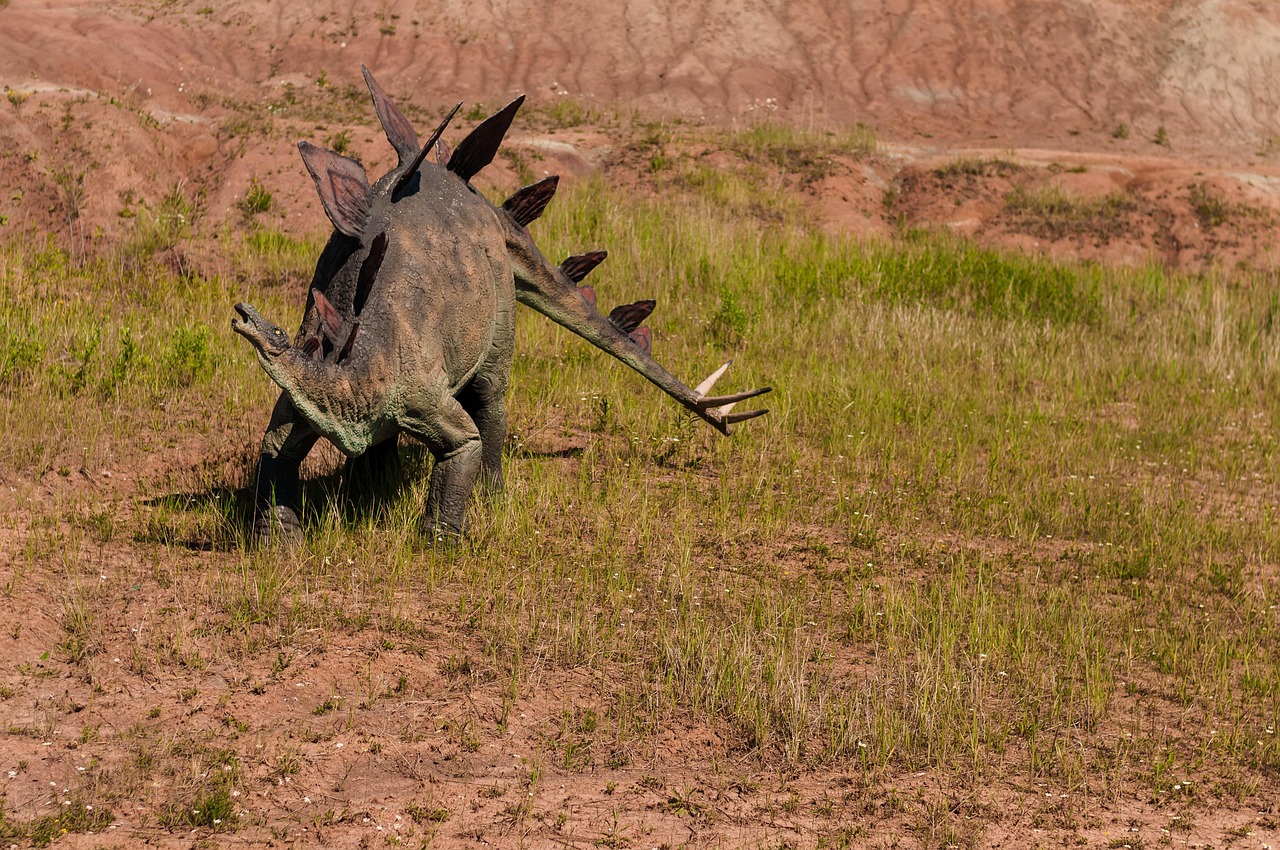
Modern technology has allowed scientists to peer inside Stegosaurus plates in unprecedented detail. Multiple large openings in the Stegosaurus plate base lead to a linear, mesiodistally oriented vestibule, which in turn apically sends off multiply branching “pipes”. The pipes are best developed in the basal half of the plate, and communicate with cancellous regions (some of which presumably were vascular spaces) throughout the plate interior.
These blood vessels created an intricate network throughout each plate. Its 17 plates, called scutes, were made of a bony material called osteoderms but were not solid; they had lattice-like structures and blood vessels throughout. The extensive remodelling seen in trabecular and cortical bone of the plate interior indicates that blood was reaching bone cells from somewhere, and the internal vascular system described in this paper seems a plausible candidate for at least part of the necessary flow.
You might think this vascular network supports the thermoregulation theory, but the reality is more complex. Histological thin sections of the plates show their outer layer is engulfed with channels for blood vessels and nerves, which may have enabled them to act as solar panels and heat dumps, to help control metabolism. However, the dense vascularisation may have simply been used to help the sheath that once covered the bony plate – made of keratin, the same stuff as our fingernails – grow rapidly or even change colour, which would be useful for display.
Thermoregulation Theory Faces Serious Challenges
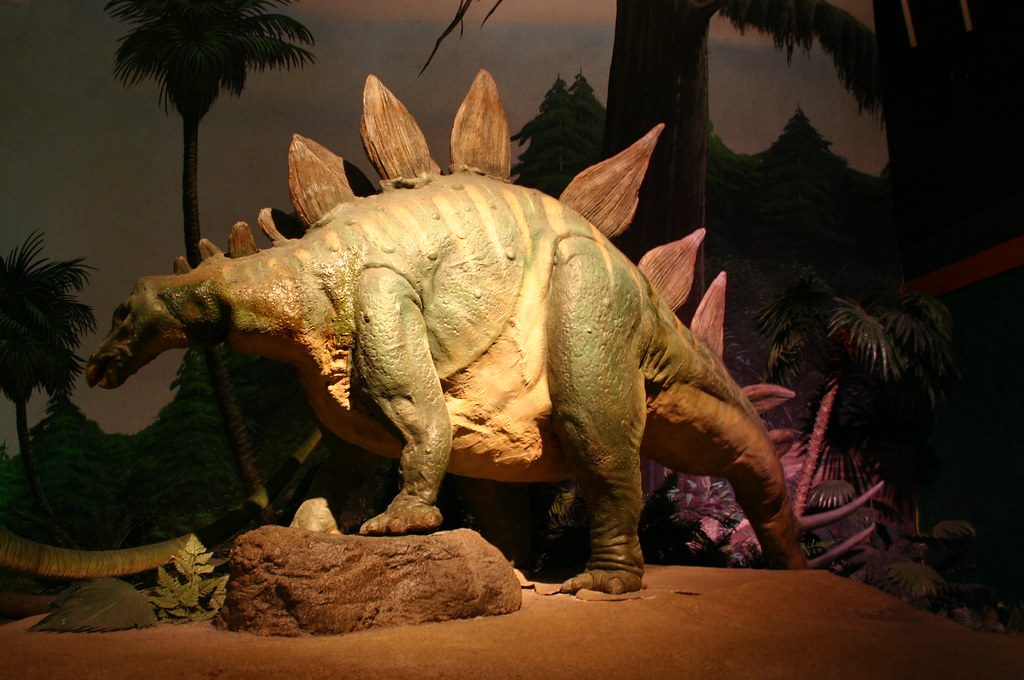
While the blood vessel discovery initially supported the thermoregulation hypothesis, subsequent research revealed significant problems with this explanation. Carpenter (1998) noted that, were the plates really specialised thermoregulatory organs, they would most likely be ubiquitous across Stegosauria. They aren’t: Stegosaurus-sized stegosaurs inhabiting similar environments to Stegosaurus typically had smaller, differently shaped plates.
While stegosaur plates might have played some passive role in regulating body temperature, they concluded, there was no indication that Stegosaurus plates evolved for that reason, or even were principally used as thermoregulatory equipment. However, some additional research has demonstrated that while this temperature regulation theory was possible, it probably isn’t why the stegosaurus evolved the plates in the first place and it also likely didn’t have much of a significant effect.
The variation among different stegosaur species proved particularly damaging to the thermoregulation theory. Plating among different stegosaurs varied: some forms apparently had parallel rather than alternating plates, and some, such as Kentrurosaurus, had plates along the front half of the back and spikes along the back half and tail. These variations cast doubt on the hypothesis of a strong thermoregulatory function for the plates of Stegosaurus, because such structures were not optimized in all stegosaurs for collecting or releasing heat.
The Display Theory Emerges as Front Runner

As evidence mounted against both the defense and thermoregulation theories, paleontologists began focusing on a third possibility: visual display. Carpenter’s favoured hypothesis was that the plates functioned primarily in visual display, and that it was this which had driven the evolution of their size and shape. This theory gained momentum as researchers examined the remarkable variation in plate forms across different stegosaur species.
Stegosaurs vary widely in the size, shape and distribution of their plates, which hints that they may have been used as display structures, to signify species membership, attract mates, or intimidate rivals. Unlike functional structures that should remain relatively consistent across related species, display structures often show dramatic variation. Instead, much like the horns of ceratopsid dinosaurs, the plates and spikes of stegosaurs varied greatly between species. This suggests that visual display was driving the evolution of these structures.
The size and positioning of the plates support this interpretation. The plates’ large size suggests that they may have served to increase the apparent height of the animal, either to intimidate enemies or to impress other members of the same species in some form of sexual display. The largest plates, located over the back and hips, are the size of coffee tables. These massive structures would have been impossible for other dinosaurs to ignore.
The Color-Changing Billboard Hypothesis

One of the most fascinating aspects of the display theory involves the possibility that Stegosaurus plates could change color. The vascular system of the plates have been theorized to have played a role in threat displaying as Stegosaurus could have pumped blood into them, causing them to “blush” and give a colorful, red warning.
This color-changing capability would have been remarkable to witness. Another theory is that the plates could “blush”, filling up with blood; the now-red plates could be used to attract a mate, or scare enemies. Some paleontologists think they may have been brightly colored. Other stegosaurs might have found these features very attractive. Much like modern bird plumage.
However, there’s some uncertainty about how this color display would have worked. However, the stegosaur plates were covered in horn rather than skin. As for the colour of Stegosaurus plates, when they were not being flushed with blood, nobody knows. The keratin covering might have influenced how any color changes appeared, but the exact mechanism remains speculative.
Sexual Dimorphism Provides New Evidence

In 2015, a groundbreaking study provided compelling evidence that Stegosaurus plates served as sexual displays. The wide plates, which were 45 percent larger in surface area, likely served as “billboard” displays males used to attract females, similar to the plumes of the male peacock. Beyond the implications for Stegosaurus, the research establishes that sexual dimorphism – in which males and females of a species have distinct physical forms – could exist in non-avian dinosaurs.
The research focused on Stegosaurus mjosi specimens found in Montana. Wide morph plates are 45% larger in maximum surface area than tall morph plates, and an energetics perspective would assign the wide morph as male. The larger wide morph plates were probably under sexual selection like male bovid horns and functioned to create a broad, continuous display surface along the animal’s back, like a billboard.
As males typically invest more in their ornamentation, the larger, wide plates likely came from males. These broad plates would have provided a great display surface to attract mates. Meanwhile, the tall, narrow plates belonged to females, who would have needed the pointier plates to defend themselves against predators. This sexual dimorphism provides strong evidence that plates played a crucial role in mate selection.
The Species Recognition Alternative
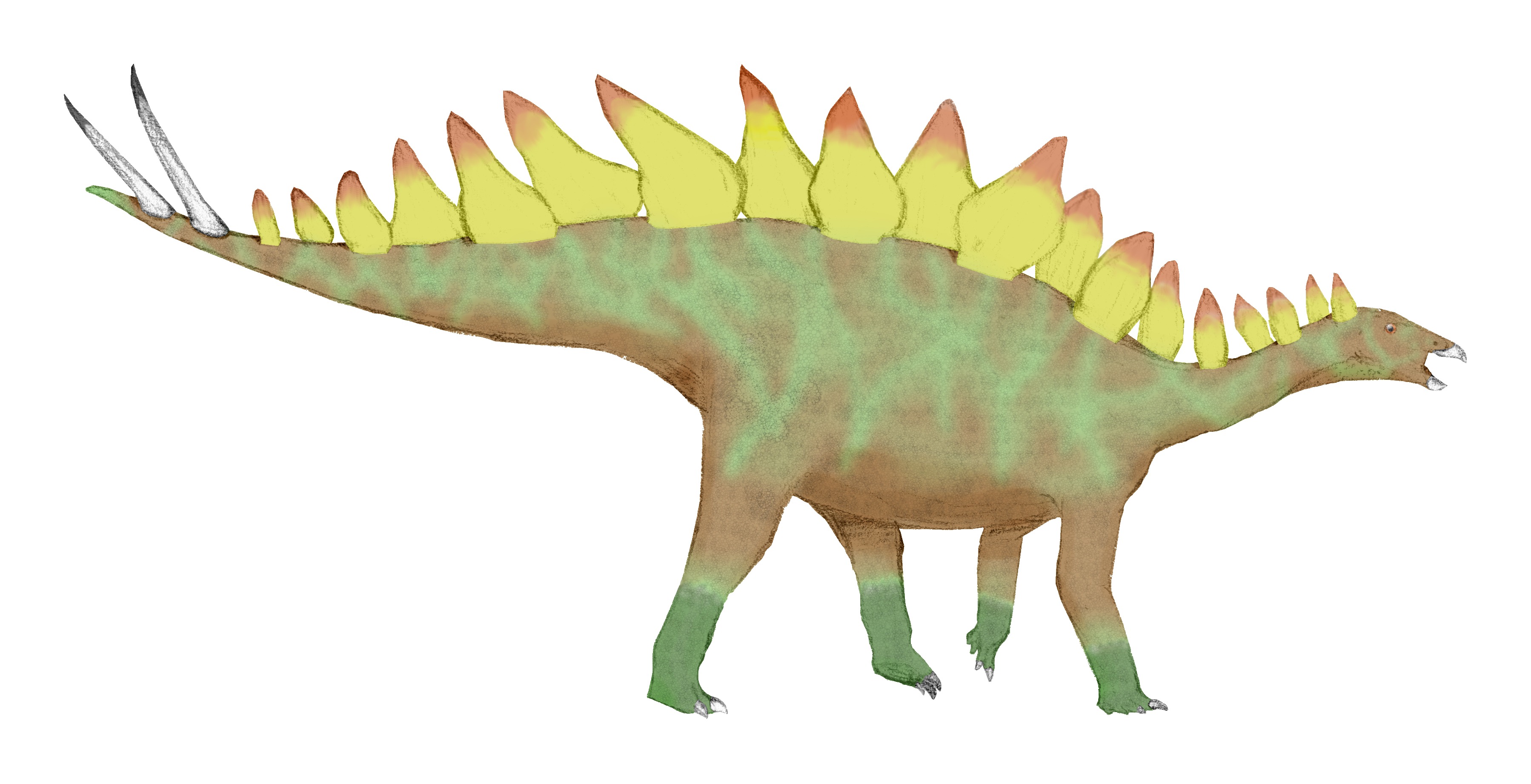
Some researchers have proposed that Stegosaurus plates primarily served for species recognition rather than sexual display. The team’s analysis of stegosaur plates lends support to a growing consensus among paleontologists that the weird adornments of many dinosaurs – the horns of triceratops, the helmet-like domes of the pachycephalosaurs, and the crests of the duck-billed hadrosaurs – likely served no function other than to differentiate species, akin to birds’ colorful feather ornamentation.
This theory suggests that plates helped individual dinosaurs identify members of their own species in crowded ecosystems. This analysis did not find proof of sexual dimorphism, so mating displays were not discussed, but the authors felt that by process of elimination the evidence pointed toward a species-recognition function for the plates. Many modern animals have such mechanisms to ensure mates of the same species.
However, this explanation faces challenges. Given the distinctive bauplan of stegosaurs relative to potential sympatric dinosaurs, it is unlikely that individuals would struggle to identify conspecifics simply because they lacked dorsal plates and tail spikes. Or perhaps different plate shapes and sizes were just used by the different stegosaur species to tell one other apart. The debate between sexual selection and species recognition continues, though evidence increasingly favors the sexual display interpretation.
The Modern Consensus and Future Research

Today, the scientific consensus leans heavily toward display functions for Stegosaurus plates. At present, it appears that the impressive bony fins on the back of Stegosaurus evolved as display structures. Today, it is generally agreed that their spiked tails were most likely used for defense against predators, while their plates may have been used primarily for display, and secondarily for thermoregulatory functions.
The evidence supporting this conclusion continues to accumulate. A more recent study, published 2010 in the Swiss Journal of Geosciences, concluded that the plates may have played a passive role in managing body temperature because of their large size and extensive blood vessels (similar to the way a toucan’s large bill naturally radiates body heat), but that wasn’t their primary function. Instead, Stegosaurus likely used its plates for display purposes.
Although there is no firm answer, it seems display and perhaps thermoregulation are more likely functions than defence. Future research will likely focus on refining our understanding of how these displays functioned and whether the sexual dimorphism observed in one species extends to others. The mystery of Stegosaurus plates demonstrates how scientific understanding evolves as new evidence emerges and analytical techniques improve.
What do you think about these remarkable dinosaur billboards? Tell us in the comments.


