You’ve probably seen it in countless books, movies, and museum displays. The Stegosaurus stands there with those massive diamond-shaped plates running down its back and those menacing spikes jutting from its tail. For over a century, we’ve assumed we understood what all that armor was for. Defense, right? Protection against hungry predators prowling the Late Jurassic landscape.
Well, here’s the thing. Science has a funny way of flipping our assumptions upside down. Recent discoveries have revealed that those iconic spikes might have been doing a whole lot more than just fending off attacks. From heated debates about temperature control to theories involving flashy mating displays, the purpose behind Stegosaurus’s most recognizable features has become one of paleontology’s most fascinating puzzles. Let’s dive into what makes this dinosaur so much more complex than you might think.
The Weapon That Got Its Name From a Comic Strip
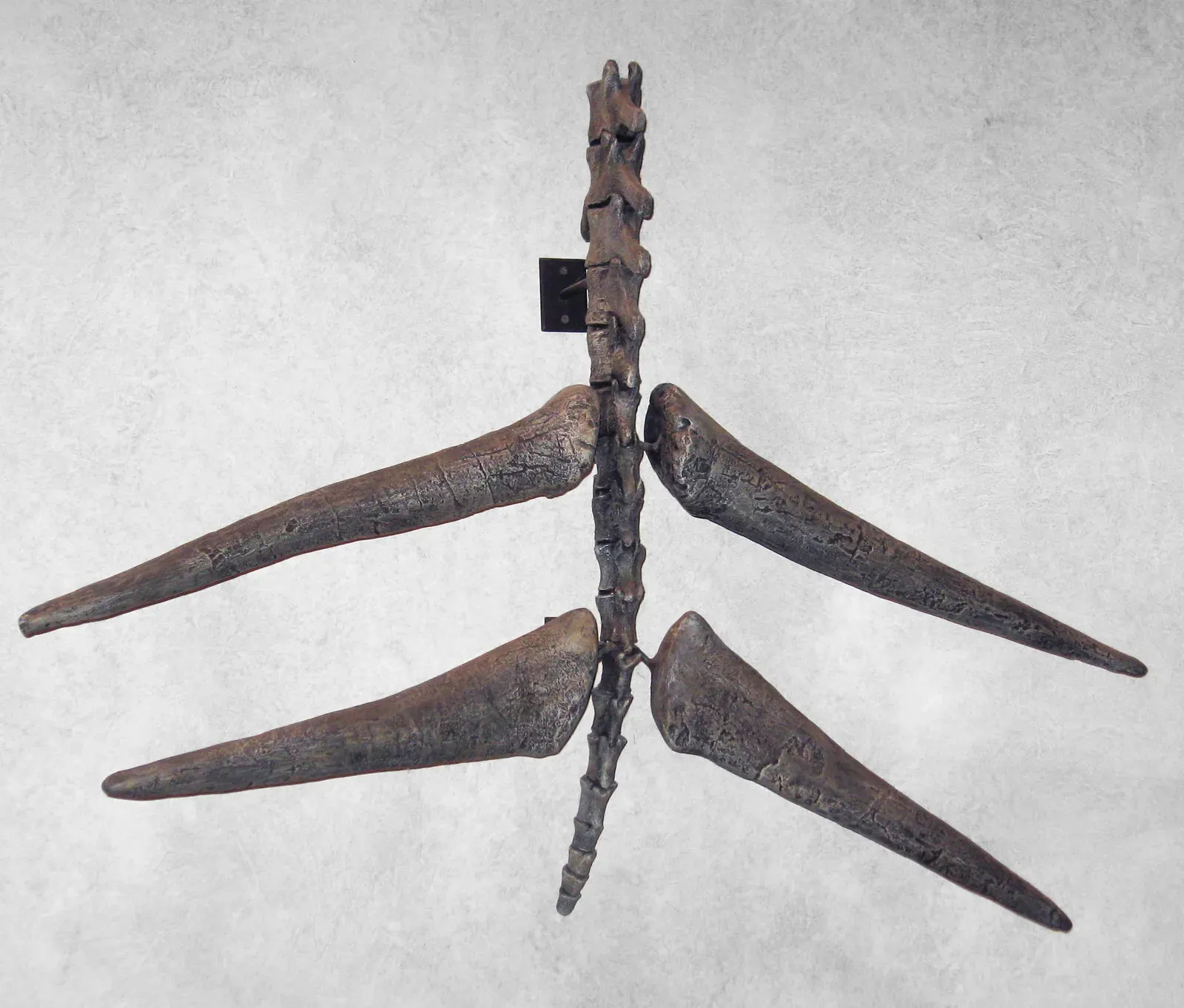
The term “thagomizer” was coined by Gary Larson in 1982 as a joke in his comic strip The Far Side, depicting a caveman lecturer explaining that the spikes were named after “the late Thag Simmons.” What started as humor became scientific terminology. Paleontologist Kenneth Carpenter used the term when describing a fossil at the Society of Vertebrate Paleontology Annual Meeting in 1993, and it stuck.
There’s something refreshingly human about scientists embracing a cartoonist’s joke. These spikes measured approximately 60 to 90 centimeters in length, making them formidable weapons indeed. Today, you’ll find the term “thagomizer” in peer-reviewed papers, museum displays, and textbooks worldwide, proving that science doesn’t always have to be stuffy.
Battle Scars Tell Ancient Stories
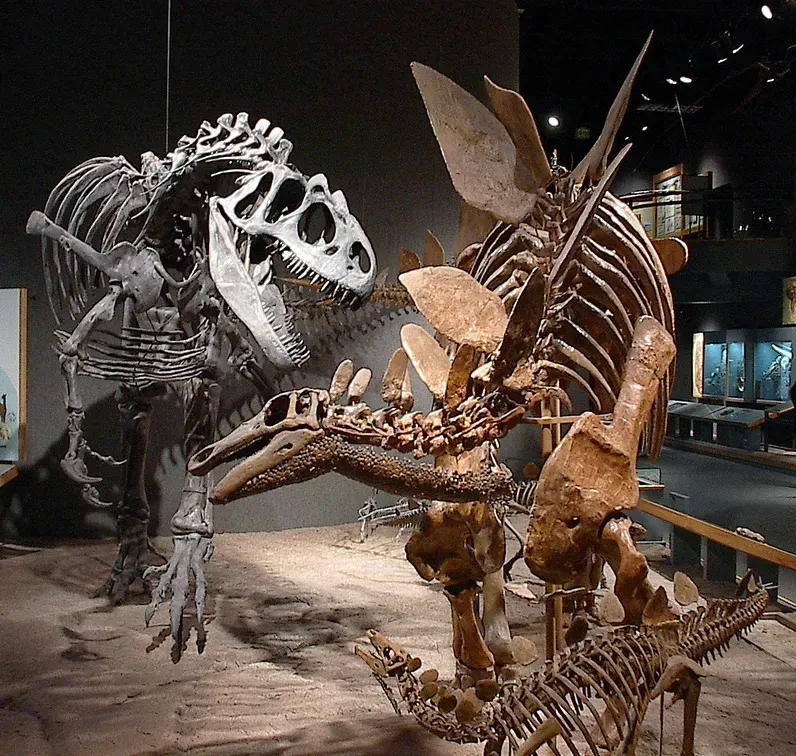
Out of 51 examined spikes, about ten percent had broken tips with remodeled bone, and Stegosaurus were clearly losing the sharp ends of their spikes and surviving for long enough afterward for the bone to start to heal. That’s pretty compelling evidence these weren’t just for show. Imagine a roughly 150 million-year-old Stegosaurus limping away from a fight, nursing a broken tail spike that would eventually heal over.
Even more dramatic is the smoking gun evidence. There is evidence for a defense function in the form of an Allosaurus tail vertebra with a partially healed puncture wound that fits a Stegosaurus tail spike. Let’s be real, finding a healed puncture wound on a predator’s bone that perfectly matches your suspect’s weapon is about as close to CSI Jurassic as paleontology gets.
Flexible Tails and Swiveling Bodies
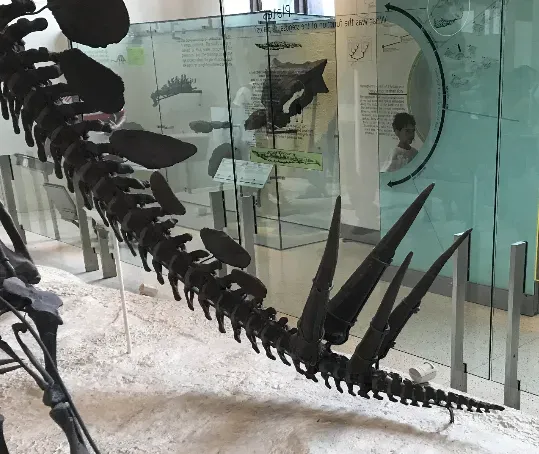
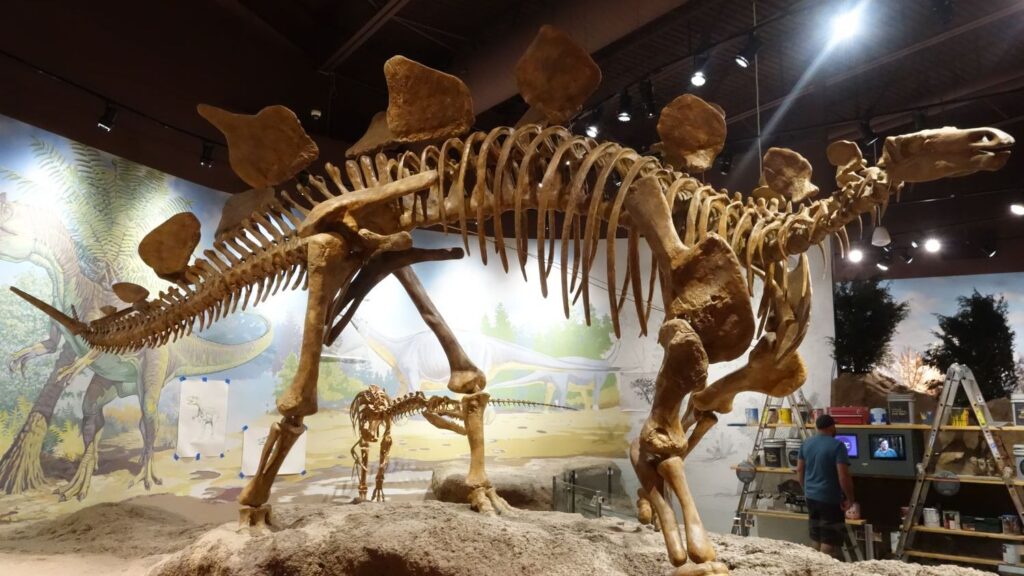
Here’s where the physics gets interesting. Robert Bakker noted that the stegosaur tail was much more flexible than those of other ornithischian dinosaurs because it lacked ossified tendons. Without those stiffening structures, Stegosaurus could whip its tail around with surprising agility. Think of it like the difference between swinging a rigid pole versus a flexible whip.
Stegosaurus could have maneuvered its rear easily by keeping its large hindlimbs stationary and pushing off with its very powerfully muscled but short forelimbs, allowing it to swivel deftly to deal with attack. Picture this plant-eating dinosaur pivoting on its massive back legs, using those strong front limbs to spin around and face an approaching Allosaurus. The spikes would most likely slash open wounds if the attacking Allosaurus was standing in parallel, but Stegosaurus certainly had enough swing to deal out some heavy damage, though the problem was driving in its spikes with so much force that they might break.
Those Puzzling Plates on Its Back
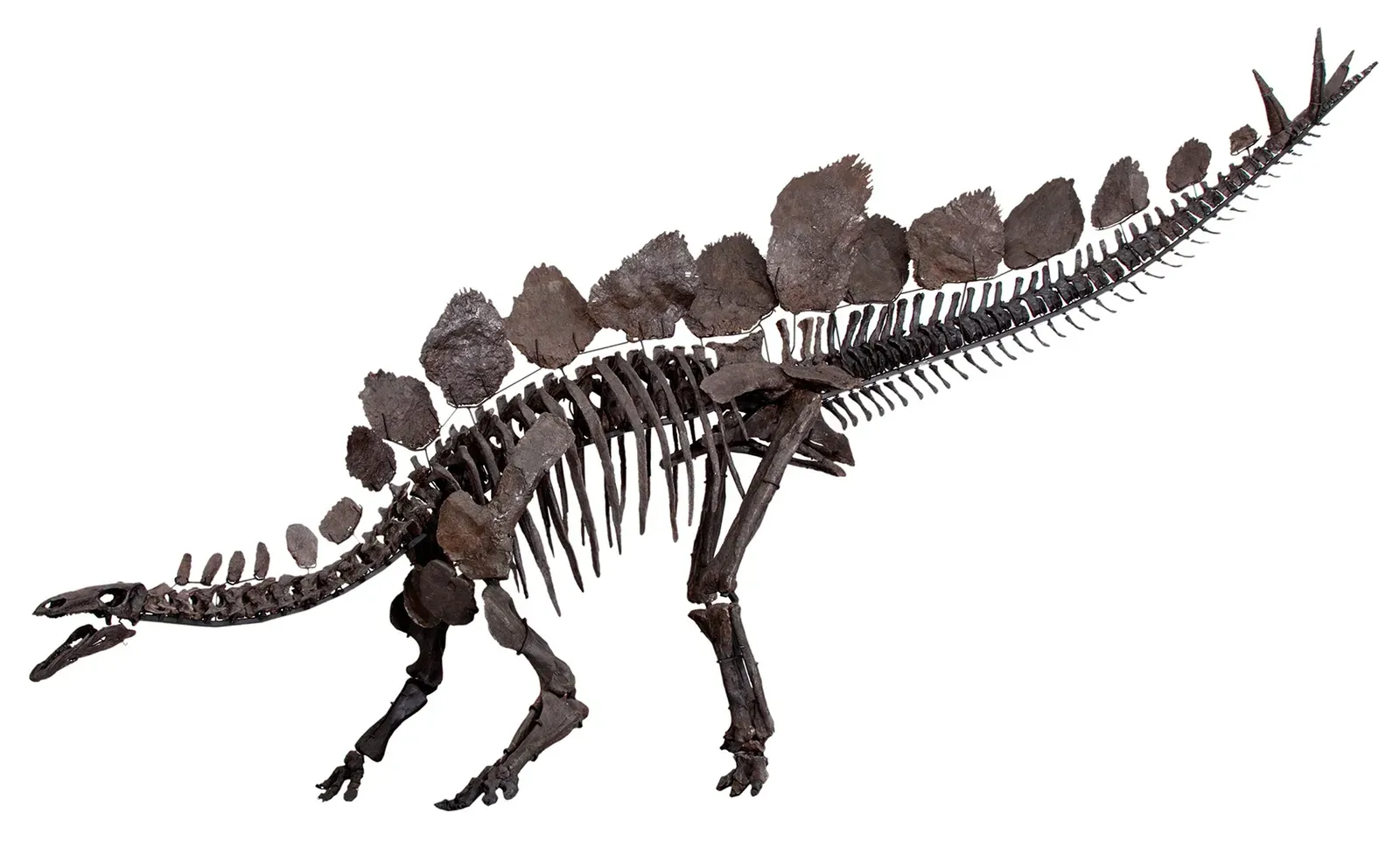
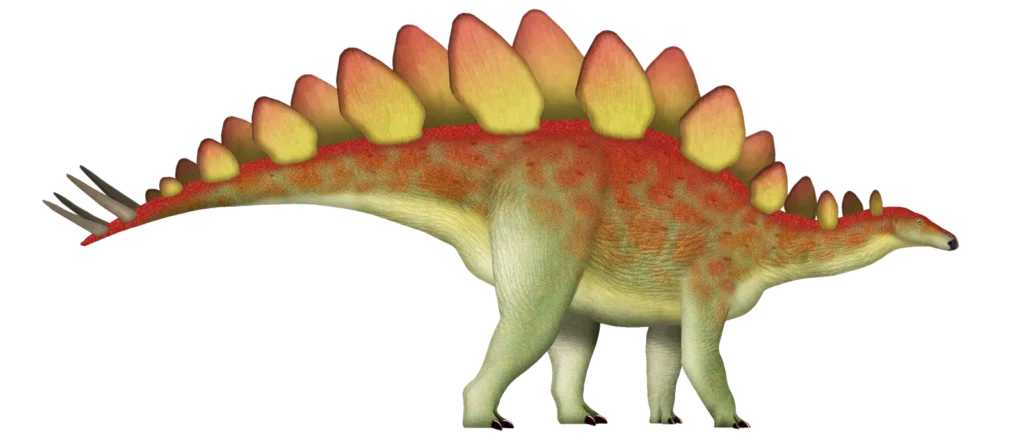
The plates are where things get really complicated. Today, it is generally agreed that their spiked tails were most likely used for defense against predators, while their plates may have been used primarily for display, and secondarily for thermoregulatory functions. Notice the careful wording there. “May have been” and “secondarily” suggest scientists aren’t entirely convinced.
The plates had blood vessels running through grooves, and extreme vascularization of the outer layer of bone was seen as evidence that the plates acted as thermoregulatory devices. Early researchers were excited by this discovery. Imagine Stegosaurus using those plates like biological radiators, standing in the breeze to cool down on hot Jurassic afternoons. The theory was elegant and seemed to make perfect sense.
The Thermoregulation Theory Gets Challenged
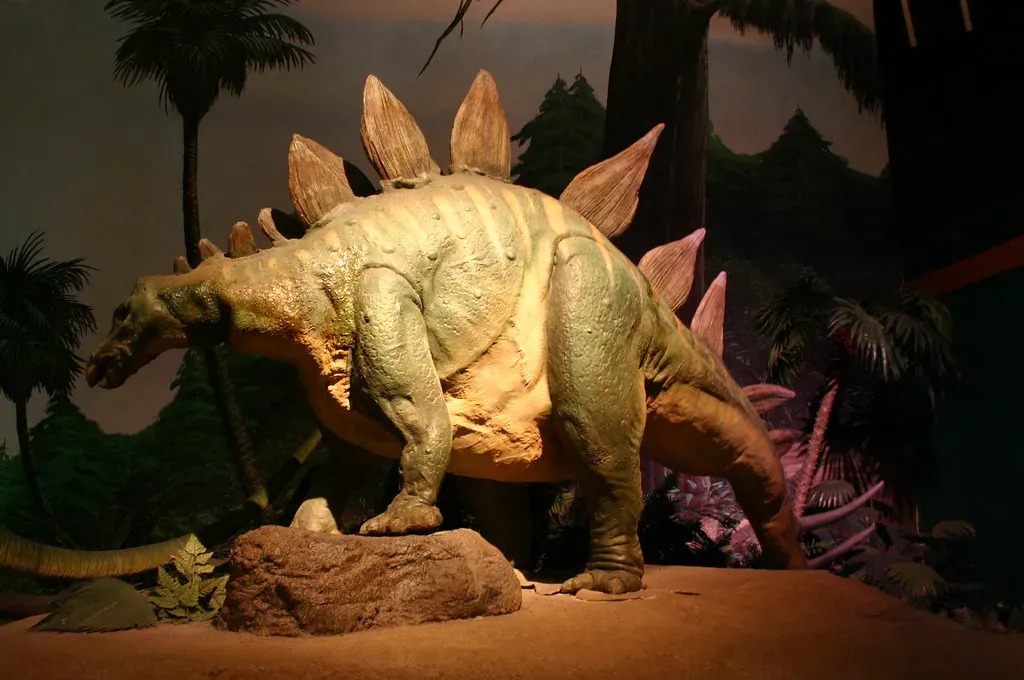
Then came the pushback. A 2005 study by Russell Main and collaborators couldn’t find any evidence that the structures were used to radiate heat, and if stegosaurs truly required such radiators, it’s surprising that Stegosaurus seems unique in its plate arrangement. If temperature control was so critical, why didn’t all related species evolve similar solutions?
If plates were really used to regulate body temperature, you’d expect to see the same arrangement in many closely related species, but instead the plates and spikes of stegosaurs varied greatly between species. Other stegosaurs had smaller plates or more spike-like structures that wouldn’t have been nearly as effective for cooling. It’s hard to say for sure, but this variation suggests something else was driving their evolution.
Display Structures for Mating and Intimidation
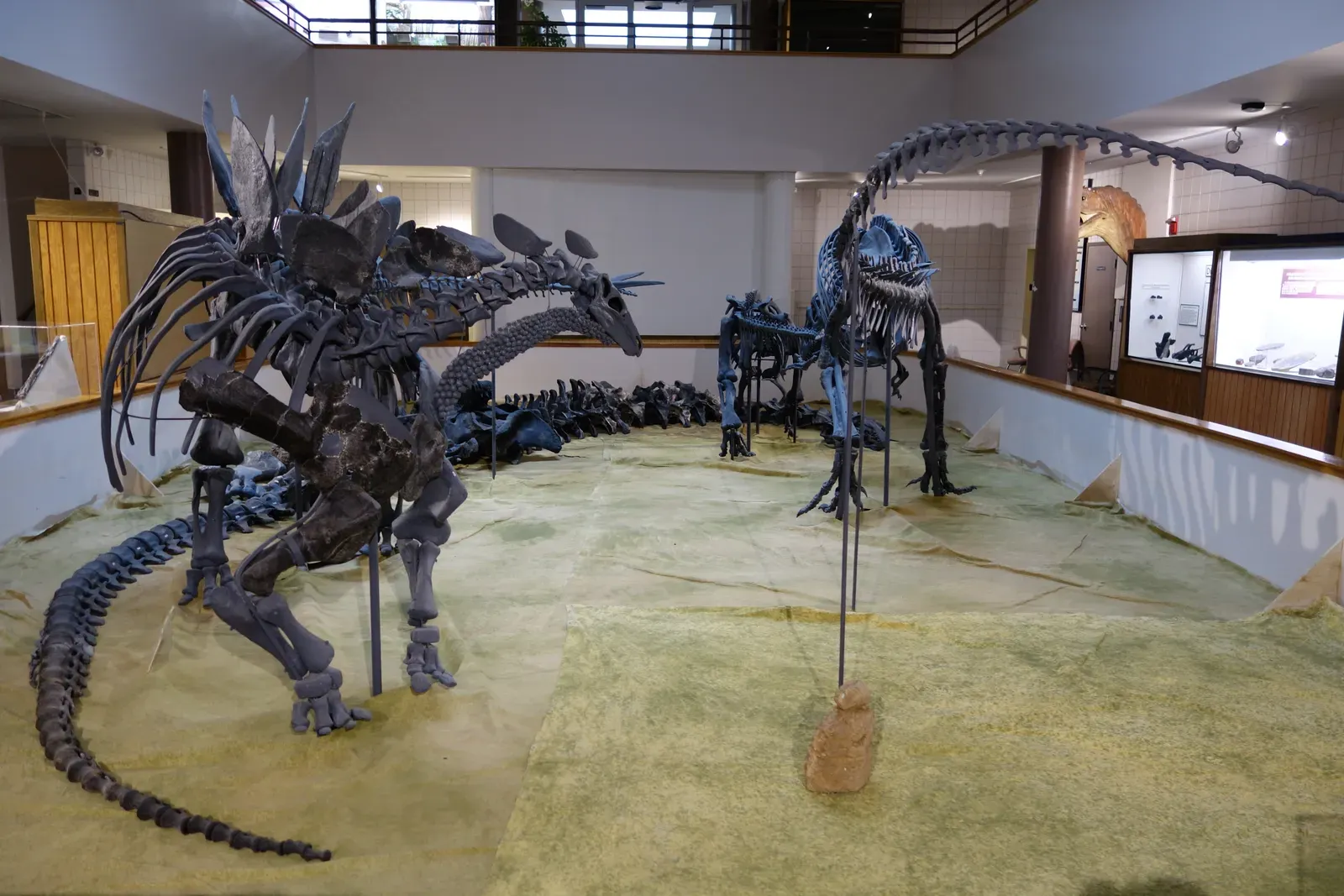
Visual display was driving the evolution of these structures, and being recognized as a member of a particular species, or displaying an individual’s maturity and vigor during mating season, probably drove the divergence in form among stegosaur ornaments. Think of peacock tails or deer antlers in the modern world. They’re not particularly practical, yet they evolved because they attracted mates.
Stegosaurus likely used its plates for display purposes, showing off, species recognition, attracting mates, according to paleontologist Kenneth Carpenter. The plates might have even changed color by pumping blood through those extensive vascular networks. Picture a Stegosaurus flushing its plates bright red during mating season or when confronted by a rival. Honestly, that’s a far more captivating image than a simple walking radiator.
Could They Have Served Multiple Purposes?
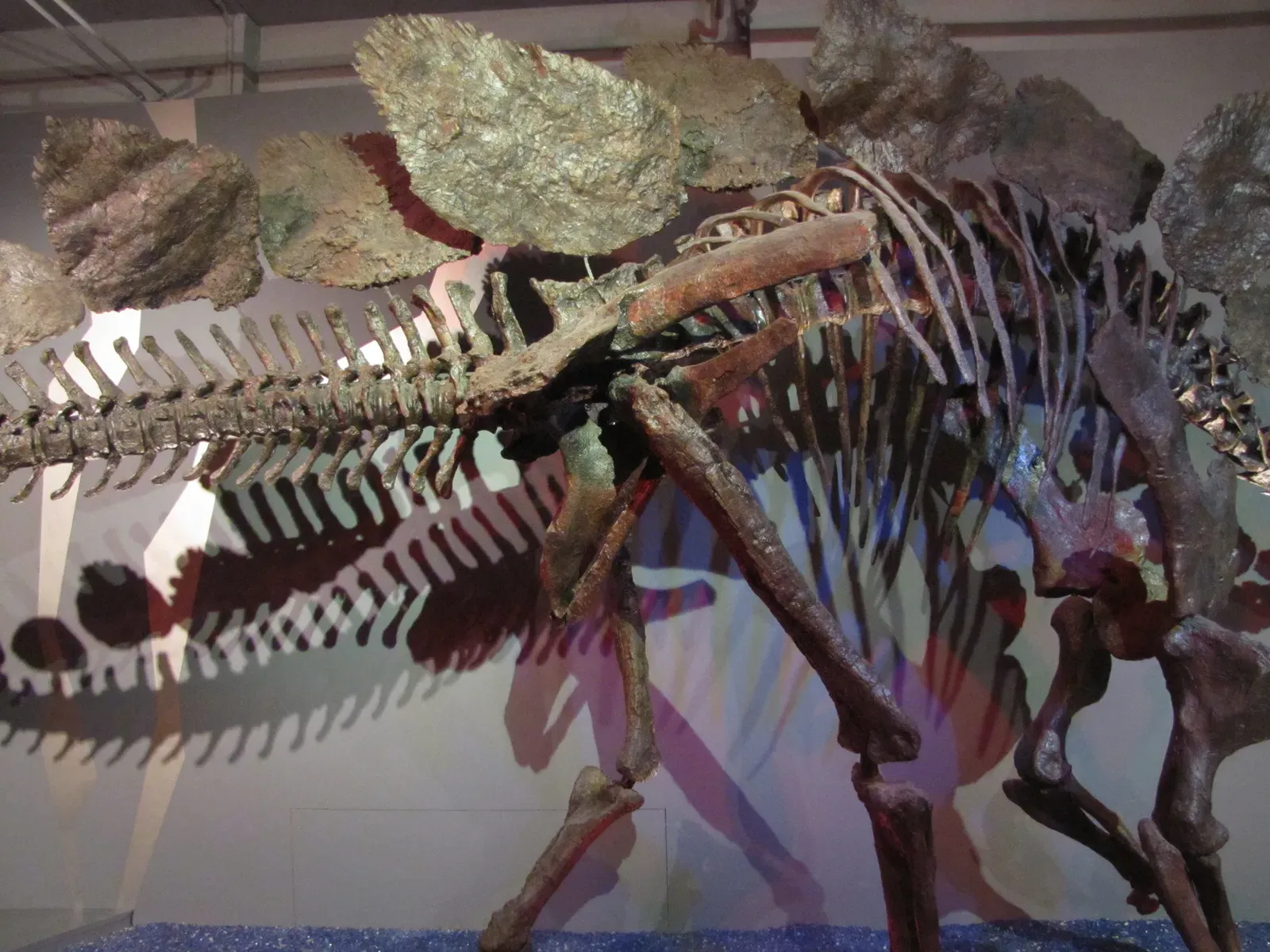
Modern paleontology increasingly favors the idea that Stegosaurus plates served multiple functions simultaneously, and the plates’ rich blood supply could have supported both thermoregulation and display functions, changing color through blood vessel dilation while simultaneously managing body temperature. Evolution doesn’t usually create single-purpose tools when multi-functional ones offer better survival advantages.
The plates were covered in a keratin sheath which would have strengthened the plate as a whole and provided it with sharp cutting edges. That keratin covering, similar to what forms your fingernails, could have made the plates more intimidating and perhaps even marginally useful for defense. Osteoderms adapted for defense in earlier thyreophorans likely became exapted for sexual display and intra-sex combat, and sexual selection may have initiated the differentiation of plates from the terminal thagomizer.
What Modern Research Tells Us Today
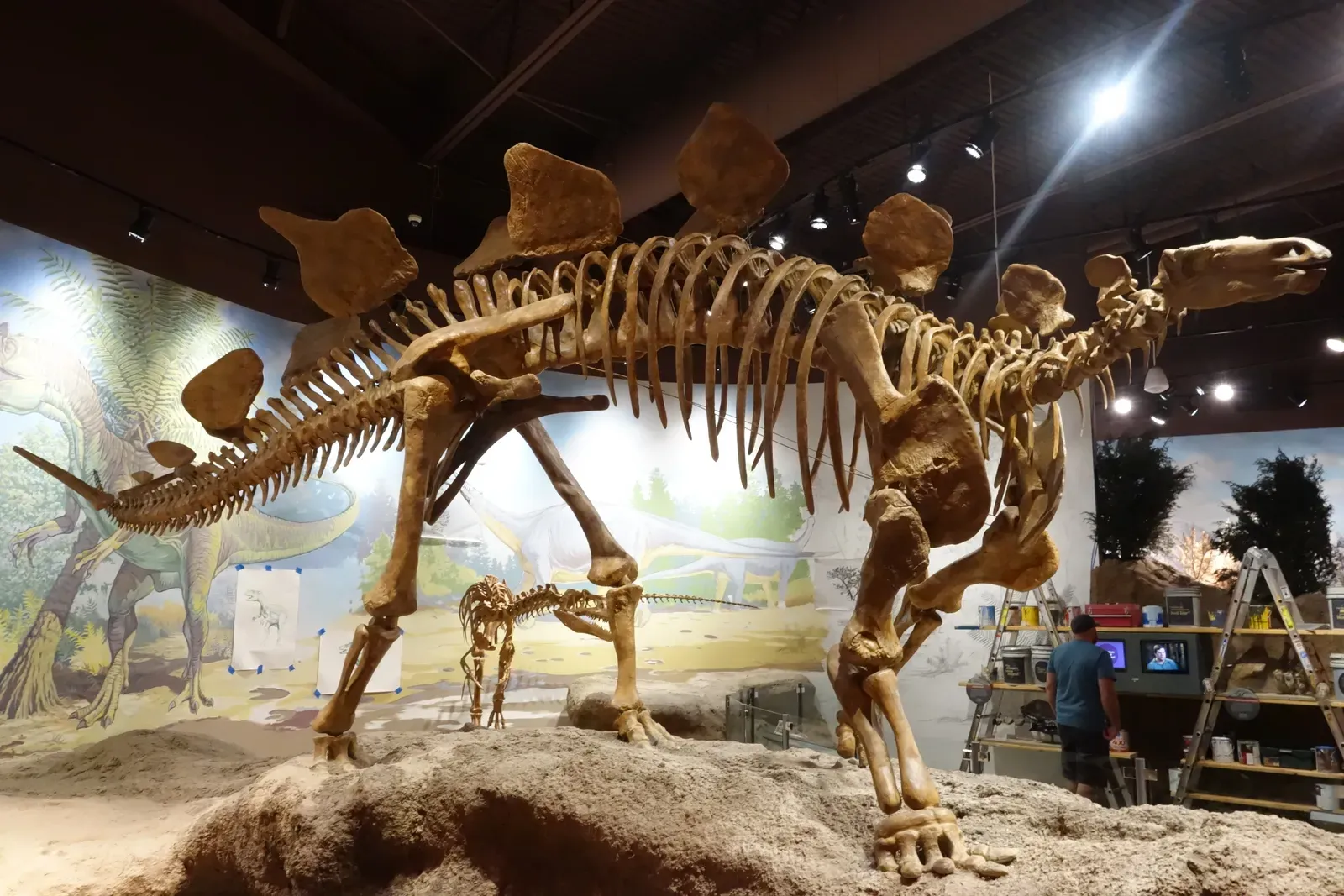
Looking at the evidence gathered over decades, we’re left with a nuanced picture. The most likely primary plate function is thought to be visual display, with the large plates increasing the perceived size of Stegosaurus either to intimidate predators and rivals or to impress potential mates, while the thagomizer on its tail actually does seem to have been a weapon. The distinction matters because it reshapes our understanding of how these dinosaurs lived.
Pathologies on stegosaur caudal vertebrae and tail spikes are consistent with not just predator-prey interactions but also intraspecific combat. That means Stegosaurus might have been fighting each other, possibly over territory or mates. The plates could have helped them size up potential rivals without resorting to violence. Those tail spikes, meanwhile, were the real deal when push came to shove.
The story of Stegosaurus’s spikes and plates reminds us that nature rarely does things for just one reason. Those imposing structures were likely badges of health and maturity, potential temperature regulators on particularly hot or cold days, intimidation displays for predators and rivals, and when absolutely necessary, devastating weapons. The thagomizer could leave an Allosaurus limping with infected wounds, while the plates announced to the world that this was a healthy, mature individual not to be trifled with. Evolution crafted a Swiss Army knife of adaptations, each structure serving the animal in multiple ways throughout its life. What other assumptions about prehistoric life might future discoveries overturn? What do you think was the primary purpose of those famous plates?