In the vast timeline of Earth’s history, few geological features have played as significant a role in shaping life as Pangaea, the supercontinent that once dominated our planet. This massive landmass, existing approximately 335 to 175 million years ago, created the stage upon which dinosaurs would evolve, thrive, and diversify. Pangaea’s existence fundamentally shaped dinosaur evolution, migration patterns, and ultimately their global distribution. Understanding this ancient supercontinent provides crucial context for how dinosaurs became the dominant terrestrial vertebrates for over 160 million years and why certain dinosaur species appeared where they did. This exploration of Pangaea reveals not just the physical landscape dinosaurs inhabited, but how Earth’s shifting geography influenced their evolutionary journey.
The Formation of Pangaea: A Continental Collision

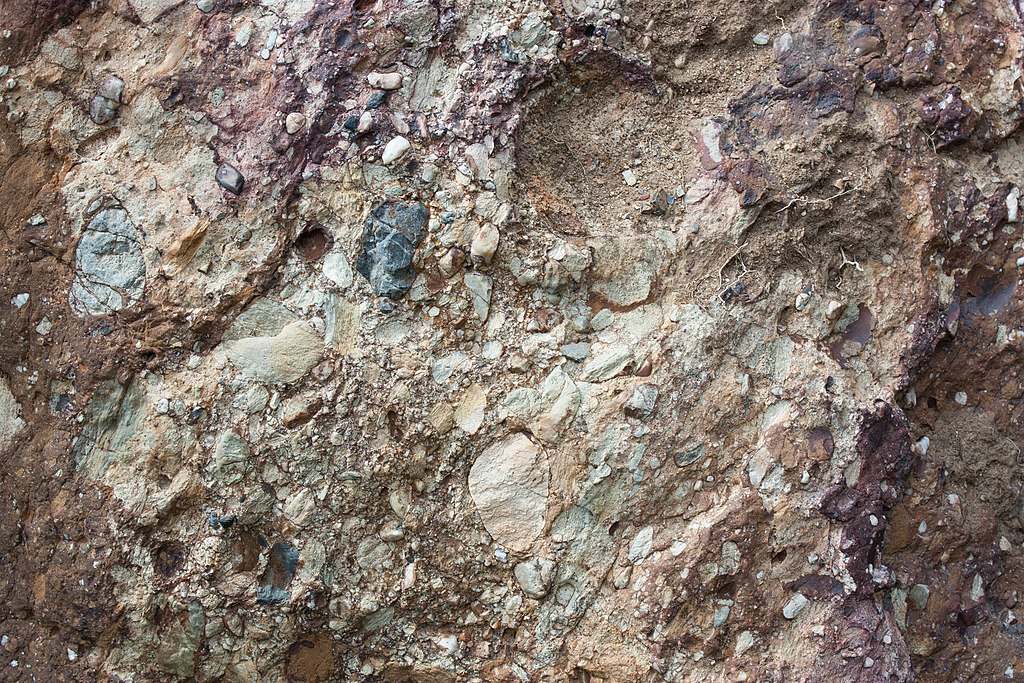
Pangaea formed through a process that geologists call continental drift, whereby the Earth’s crustal plates slowly move and interact with one another over millions of years. Beginning around 335 million years ago, previously separate landmasses began colliding and fusing together, driven by convection currents in the Earth’s mantle. This monumental geological process reached its peak around 300-270 million years ago, when virtually all of Earth’s continental crust had assembled into a single, massive supercontinent. The formation created the massive Panthalassic Ocean (a precursor to the Pacific) on one side and the smaller Tethys Ocean on the other. Mountain ranges formed at collision zones, including the Appalachian Mountains in North America and the Ural Mountains separating Europe from Asia, evidence still visible today of this ancient continental assembly.
Life Before Pangaea: Setting the Stage for Dinosaurs
Before Pangaea’s complete formation, Earth was inhabited by a diverse array of primitive amphibians, early reptiles, and massive insects, but no dinosaurs had yet evolved. The Carboniferous period (359-299 million years ago) saw vast swampy forests dominated by giant club mosses, horsetails, and primitive conifers, creating the coal deposits we mine today. Early tetrapods—four-limbed vertebrates that had recently evolved from fish—were diversifying but remained relatively primitive compared to later forms. The subsequent Permian period witnessed the emergence of more advanced synapsids (ancestors of mammals) and sauropsids (ancestors of reptiles, birds, and dinosaurs), setting the evolutionary stage. This pre-dinosaur world experienced dramatic shifts in ecosystems as formerly separated continental biotas collided with the formation of Pangaea, creating intense competition and new evolutionary pressures that would ultimately contribute to the rise of dinosaurs.
The Great Permian Extinction: Clearing the Evolutionary Slate
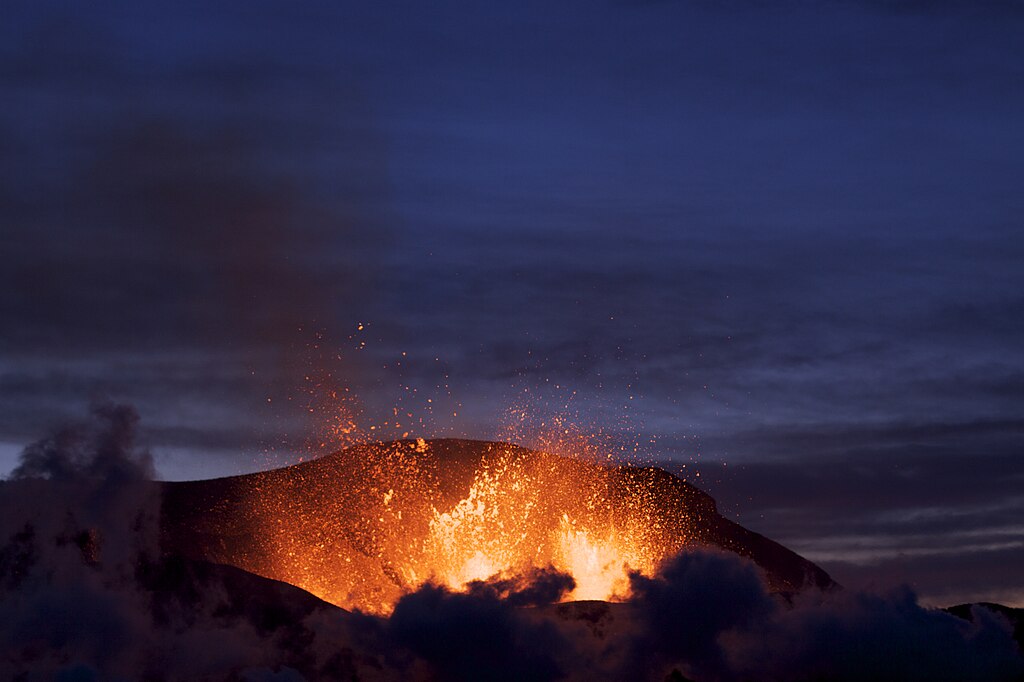
Approximately 252 million years ago, at the boundary between the Permian and Triassic periods, Earth experienced its most devastating mass extinction, eliminating about 96% of marine species and 70% of terrestrial vertebrate species. This catastrophic event, often called “The Great Dying,” coincided with the time when Pangaea was fully formed. Massive volcanic eruptions in what is now Siberia released enormous quantities of greenhouse gases, causing severe global warming, ocean acidification, and widespread anoxic conditions in the seas. The unified geography of Pangaea likely exacerbated these effects, as the single continent created more extreme continental climates with vast deserts and severe seasonal temperature fluctuations. This mass extinction effectively cleared the ecological slate, eliminating dominant terrestrial species like the sail-backed Dimetrodon and other large synapsids, creating vacant ecological niches that would soon be filled by dinosaur ancestors and other reptilian groups in the early Triassic period.
The Dawn of Dinosaurs: Early Evolution on Pangaea
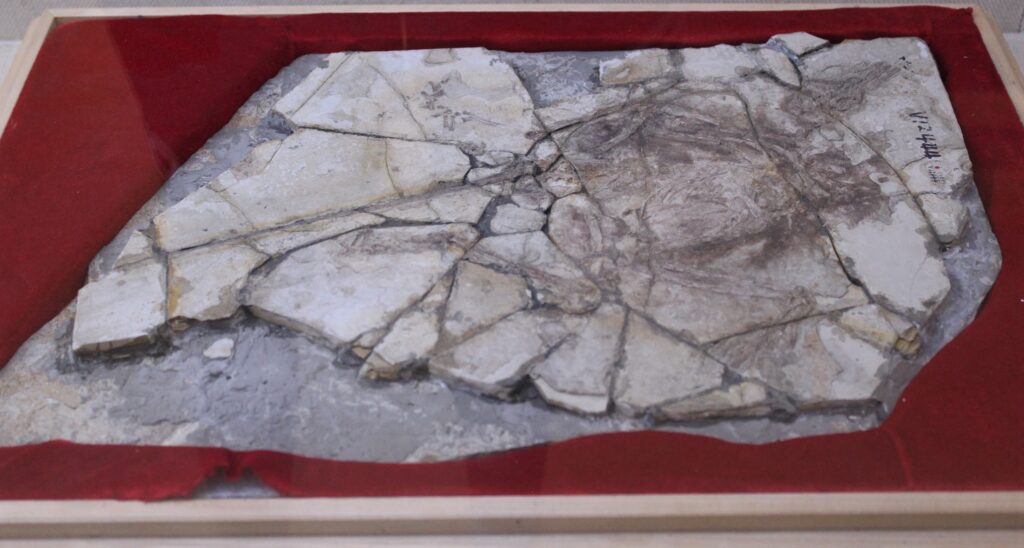
The first true dinosaurs emerged during the Late Triassic period, approximately 230 million years ago, when Pangaea was still intact. These early dinosaurs evolved from archosaur ancestors that had survived the Permian extinction and began to diversify into various lineages. Fossils of early dinosaurs like Eoraptor and Herrerasaurus from South America reveal small, bipedal predators that were just beginning to develop the characteristics that would later define the dinosaur lineage. The unified landmass of Pangaea meant that once dinosaurs evolved, they could potentially spread throughout the world without oceanic barriers to prevent their migration. This geographical unity helped facilitate the relatively rapid distribution of early dinosaur species across what would become separate continents. Interestingly, dinosaurs did not immediately dominate after their appearance but shared Pangaea with many other reptile groups like pseudosuchians (crocodile relatives) and therapsids (mammal ancestors) for millions of years before eventually becoming the dominant large land animals.
Climate Zones of Pangaea: Shaping Dinosaur Habitats

Pangaea’s vast size created extreme climate conditions that profoundly influenced dinosaur evolution and distribution. The supercontinent’s interior experienced harsh continental climates with scorching summers and frigid winters, as it was far removed from the moderating influence of oceans. A massive desert called the Central Pangaean Mountains dominated the equatorial region, creating an inhospitable barrier that may have led to the development of distinct northern and southern dinosaur faunas. Coastal regions enjoyed more moderate conditions, becoming biodiversity hotspots where many early dinosaur fossils have been discovered. The northern regions (future North America and Eurasia) experienced seasonal temperate climates, while the southern portions (future South America, Africa, Australia, and Antarctica) ranged from temperate to polar conditions. These varied environments created selection pressures that drove dinosaur adaptations to specific ecological niches, explaining why certain dinosaur groups thrived in particular regions of the supercontinent.
The Breakup Begins: Early Dinosaur Provincialism

Around 175 million years ago, during the Middle Jurassic period, Pangaea began its slow fragmentation, first splitting into two major landmasses: Laurasia in the north (comprising modern North America, Europe, and Asia) and Gondwana in the south (consisting of modern South America, Africa, India, Australia, and Antarctica). This initial breakup created new barriers to dinosaur migration and began the process of dinosaur provincialism, where isolated populations evolved distinct characteristics in response to their separate environments. Dinosaur fossils from this period begin to show regional differences that would become more pronounced over time. The rift between what would become North America and Africa created the early Atlantic Ocean, establishing a growing water barrier that increasingly separated dinosaur populations. Despite this fragmentation, land bridges periodically connected certain continents, allowing intermittent faunal exchanges that complicated the evolutionary picture and created the complex patterns of dinosaur distribution that paleontologists study today.
Gondwana’s Dinosaurs: Southern Hemisphere Specialists

The southern supercontinent of Gondwana hosted several unique dinosaur lineages that evolved in isolation after Pangaea’s initial breakup. Perhaps most distinctive were the titanosaurs, a group of massive sauropods that became the dominant herbivores across much of Gondwana, with spectacular examples like Argentinosaurus from South America and Paralititan from Africa reaching lengths of over 30 meters. Abelisaurid theropods, characterized by their shortened arms and ornate skull features, replaced tyrannosaurs as the apex predators in these southern regions. In what would become Australia and Antarctica, polar dinosaurs evolved special adaptations to survive in environments that experienced months of darkness each year, including possible enhanced vision and potentially even forms of thermoregulation that helped them cope with colder temperatures. The fossil record reveals that these Gondwanan dinosaurs developed increasingly distinctive features over time as their isolation from northern counterparts continued, demonstrating how Pangaea’s breakup directly influenced dinosaur evolution through geographical separation.
Laurasia’s Dinosaurs: Northern Hemisphere Developments

In the northern landmass of Laurasia, dinosaurs evolved along different trajectories than their southern counterparts after Pangaea’s fragmentation. The tyrannosaurs rose to prominence here, eventually evolving into the iconic Tyrannosaurus rex and related species that dominated late Cretaceous ecosystems in North America and Asia. Hadrosaurs (duck-billed dinosaurs) and ceratopsians (horned dinosaurs) diversified extensively across Laurasia, becoming the predominant large herbivores with remarkable adaptations for processing plant material. The fossil record shows greater exchange between North American and Asian dinosaur faunas than with their southern relatives, suggesting intermittent land connections were maintained even as the continents drifted apart. This northern assemblage of dinosaurs developed distinctive social behaviors evidenced by extensive bone beds indicating herd living, particularly among hadrosaurs and ceratopsians, possibly in response to the specific ecological pressures they faced. These regional evolutionary trajectories demonstrate how Pangaea’s breakup channeled dinosaur evolution in different directions across separated landmasses.
Dinosaur Migration Routes: Pangaean Highways

During Pangaea’s existence, dinosaurs enjoyed unprecedented freedom of movement across what would eventually become separate continents, using migration corridors that would later be severed by expanding oceans. Fossil evidence shows that similar dinosaur species inhabited regions that are now thousands of miles apart, separated by vast oceans. For example, the early sauropodomorph Plateosaurus has been found in what is now Europe, Greenland, and possibly North America, indicating its ability to range widely across northern Pangaea. As the supercontinent began fragmenting, land bridges remained crucial migration corridors that allowed dinosaur exchanges between certain regions longer than others. One notable example is the connection between western North America and eastern Asia that persisted well into the Cretaceous period, explaining the similarities between dinosaur faunas in these regions. These migration routes significantly influenced dinosaur biogeography, and their progressive elimination as Pangaea broke apart created the increasingly distinct dinosaur faunas that characterized the later Mesozoic era.
Island Gigantism and Dwarfism: Evolution in Isolated Regions
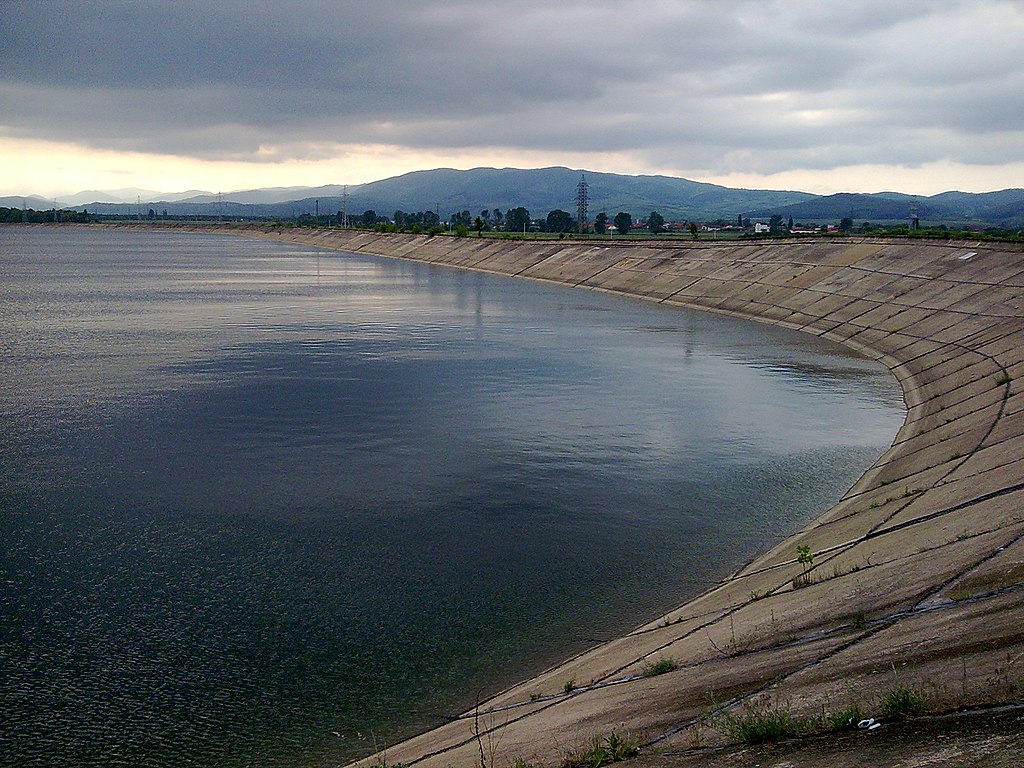
As Pangaea fragmented, newly formed islands and isolated continental regions became natural laboratories for unique evolutionary processes, including the phenomena of island gigantism and dwarfism among dinosaur populations. On smaller landmasses with limited resources, some dinosaur lineages experienced dwarfism, evolving smaller body sizes to survive within constraints. A famous example is the dwarf sauropods discovered on what was the European archipelago during the Late Cretaceous, where dinosaurs like Magyarosaurus reached only a fraction of the size of their mainland relatives. Conversely, some isolated dinosaur populations exhibited island gigantism when freed from certain predatory pressures or competition. The process of Pangaean fragmentation created numerous opportunities for these evolutionary experiments as dinosaur populations became stranded on landmasses of varying sizes. These insular evolutionary patterns provide fascinating glimpses into how dinosaurs adapted to changing geographical circumstances and demonstrate the profound influence of Pangaea’s breakup on dinosaur evolution through isolation and adaptation to new environmental contexts.
Pangaea’s Legacy in the Fossil Record
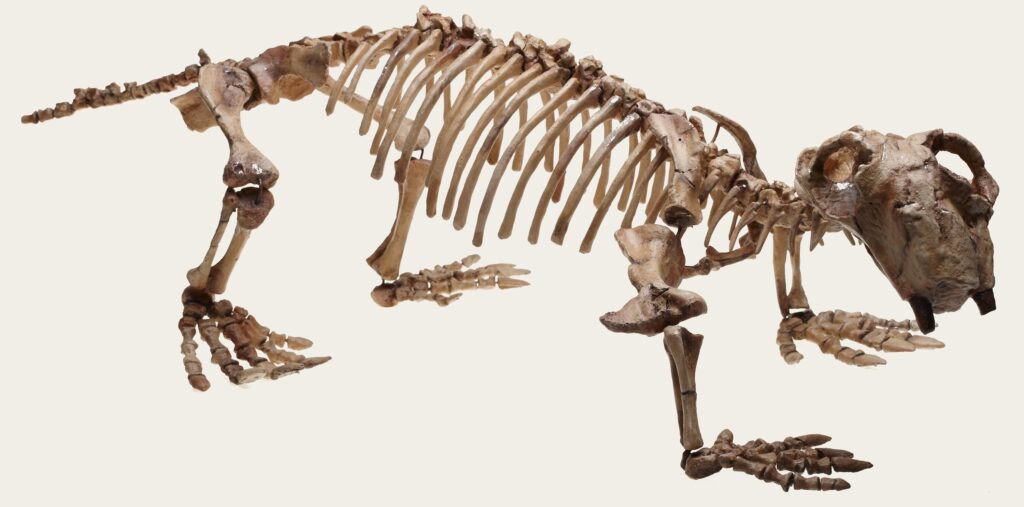
The existence and subsequent breakup of Pangaea left indelible marks in the fossil record that paleontologists study today to reconstruct dinosaur evolution and distribution. Nearly identical fossils found on continents now separated by thousands of miles of ocean provide compelling evidence of both Pangaea’s existence and its importance to dinosaur dispersal. For example, the Triassic cynodont Cynognathus and the seed fern Glossopteris have been discovered on multiple southern continents, confirming their former connection. The progressive differentiation of dinosaur faunas through time, from relatively uniform early Jurassic assemblages to highly distinct late Cretaceous communities, tracks the fragmentation of the supercontinent and the increasing isolation of dinosaur populations. Transitional fossil sites that show the gradual replacement of cosmopolitan dinosaur faunas with endemic lineages provide crucial data points for dating continental separations. Modern paleobiogeographical studies of dinosaur fossils serve as important tests for geological reconstructions of continental drift, demonstrating the intertwined nature of Earth’s physical and biological evolution during the Mesozoic Era.
The Final Fragmentation: Late Cretaceous Continental Arrangement
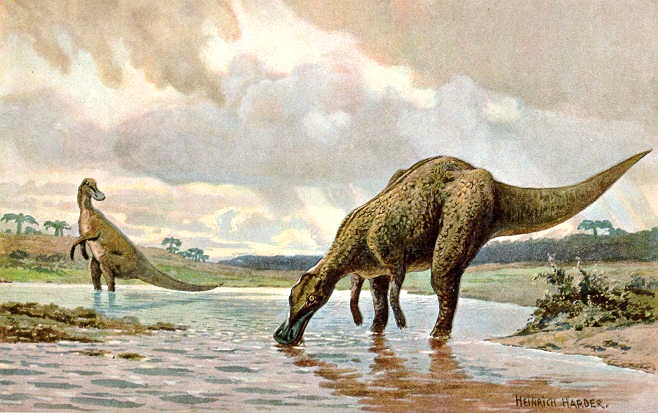
By the Late Cretaceous period, approximately 80-66 million years ago, Pangaea’s breakup had progressed significantly, with continents approaching their modern positions and dinosaur faunas showing marked regional distinctions. North America had separated from Europe but maintained some connection to Asia, explaining why tyrannosaurs and hadrosaurs dominated both regions. South America and Africa had drifted apart, allowing unique dinosaur lineages to evolve in isolation, such as the unusual spinosaurid Spinosaurus in Africa and the horned abelisaurid Carnotaurus in South America. India had broken away as an island continent drifting northward, with its own distinctive dinosaur fauna that included titanosaurs like Isisaurus. Australia and Antarctica remained connected but were increasingly isolated from other landmasses, developing their own unique high-latitude dinosaur communities adapted to polar conditions. This continental fragmentation created the biogeographical pattern seen in the final dinosaur assemblages before the Cretaceous-Paleogene extinction event, providing crucial context for understanding the dinosaur fossils discovered on different continents today.
Beyond the Dinosaurs: Pangaea’s Influence on Modern Biogeography

The legacy of Pangaea extends well beyond the dinosaur era, influencing the distribution of modern organisms through evolutionary patterns established during the supercontinent’s existence and breakup. When mammals rose to dominance after the dinosaurs’ extinction, they inherited a world shaped by Pangaean fragmentation, with continental positions that largely determined which mammal groups could evolve where. The distinctive marsupial-dominated fauna of Australia, for instance, results directly from that continent’s early isolation during Pangaea’s breakup, before placental mammals could reach it in significant numbers. Similar Pangaean inheritance can be seen in plant distributions, with certain ancient plant families showing disjunct distributions across continents that were once connected. Modern biogeographers use these distribution patterns as evidence to reconstruct ancient continental connections and separations. Even human evolution and migration were ultimately influenced by the continental arrangement we inherited from Pangaea’s final configuration, demonstrating how this ancient supercontinent’s existence continues to shape biodiversity patterns across our planet today.
Conclusion
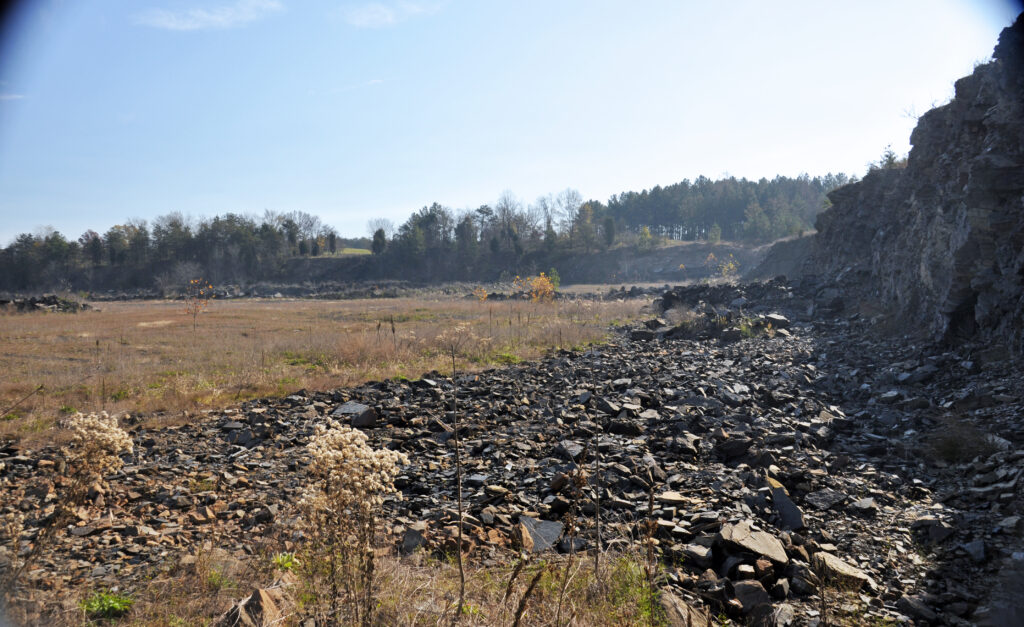
The story of Pangaea is inseparable from the story of dinosaurs. This massive supercontinent provided the stage upon which dinosaurs first evolved, the pathways along which they spread globally, and the fragmented landscapes that drove their diversification into countless specialized forms. As Pangaea broke apart over millions of years, dinosaur evolution responded to new geographical barriers and opportunities, creating the rich tapestry of dinosaur species we uncover in the fossil record today. Understanding Pangaea helps explain why certain dinosaur groups appeared where they did, why some continents share similar dinosaur faunas while others hosted entirely different species, and how geographical isolation drove the remarkable diversity of these magnificent creatures. The supercontinent’s legacy continues in our modern world, not just in the distribution of continents we see today, but in the evolutionary history of all life on Earth—a lasting reminder of how profoundly Earth’s physical geography shapes biological evolution.