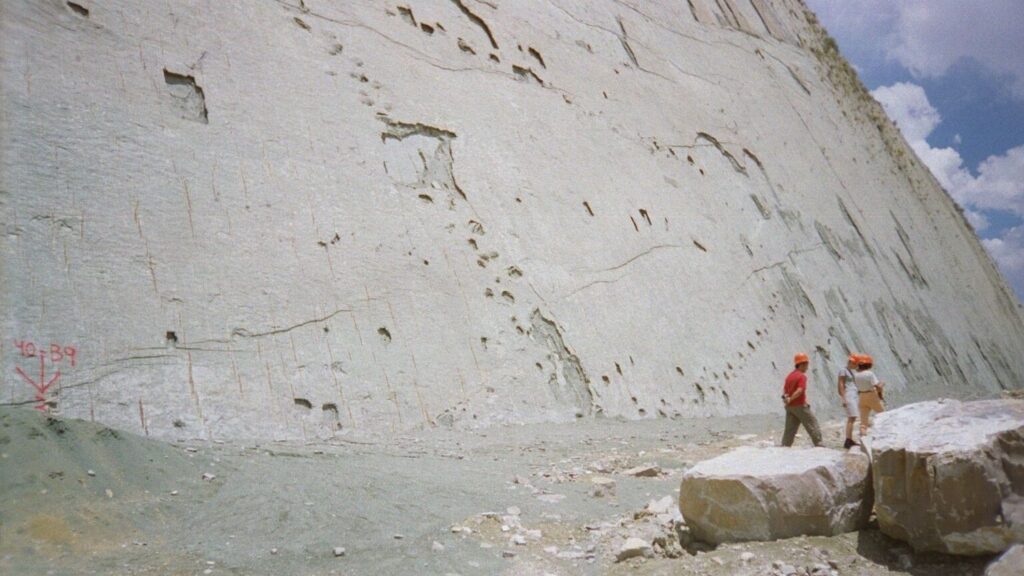
In the summer of 1990, a remarkable discovery in the badlands of South Dakota set the stage for one of paleontology’s most notorious legal battles. Sue, the largest and most complete Tyrannosaurus rex skeleton ever found, became the center of a complex ownership dispute that would reshape museum acquisition practices, fossil collection ethics, and the relationship between academic institutions, commercial fossil hunters, and indigenous land rights. This magnificent prehistoric titan triggered a decade-long conflict involving the FBI, tribal authorities, commercial fossil hunters, and prestigious museums, ultimately selling for an unprecedented $8.36 million. The story of Sue the T-rex illuminates not just dinosaur science but also the complicated human politics surrounding the ownership of natural history.
The Momentous Discovery
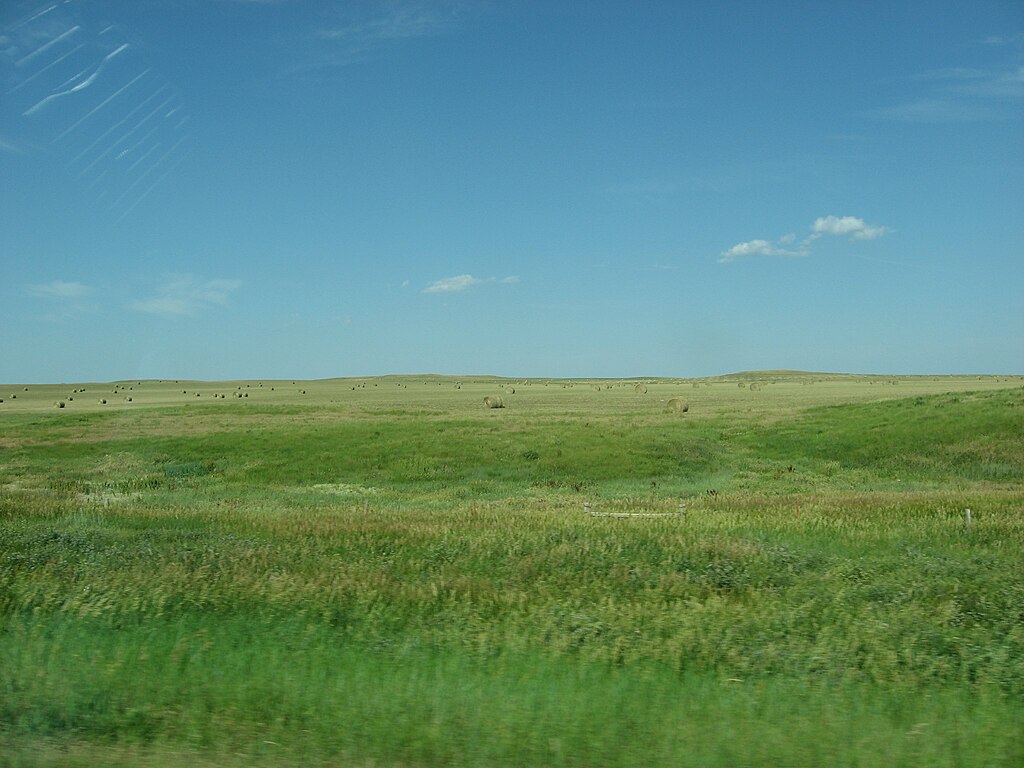
On August 12, 1990, commercial fossil hunter Sue Hendrickson was exploring the Cheyenne River Indian Reservation in western South Dakota when she noticed several vertebrae protruding from a cliff face. This chance discovery during a tire repair stop would prove to be paleontological gold. The team from the Black Hills Institute of Geological Research, led by Peter Larson, spent the next seventeen days carefully excavating what would become the most complete T. rex skeleton ever found, with over 90% of its bones intact. They named the specimen “Sue” after its discoverer, not yet realizing that this magnificent 67-million-year-old fossil would soon become the center of an unprecedented legal storm. The extraordinary preservation of Sue—including detailed skull structure, intact teeth, and even fossilized skin impressions—instantly marked the specimen as scientifically invaluable.
The Black Hills Institute’s Initial Claim
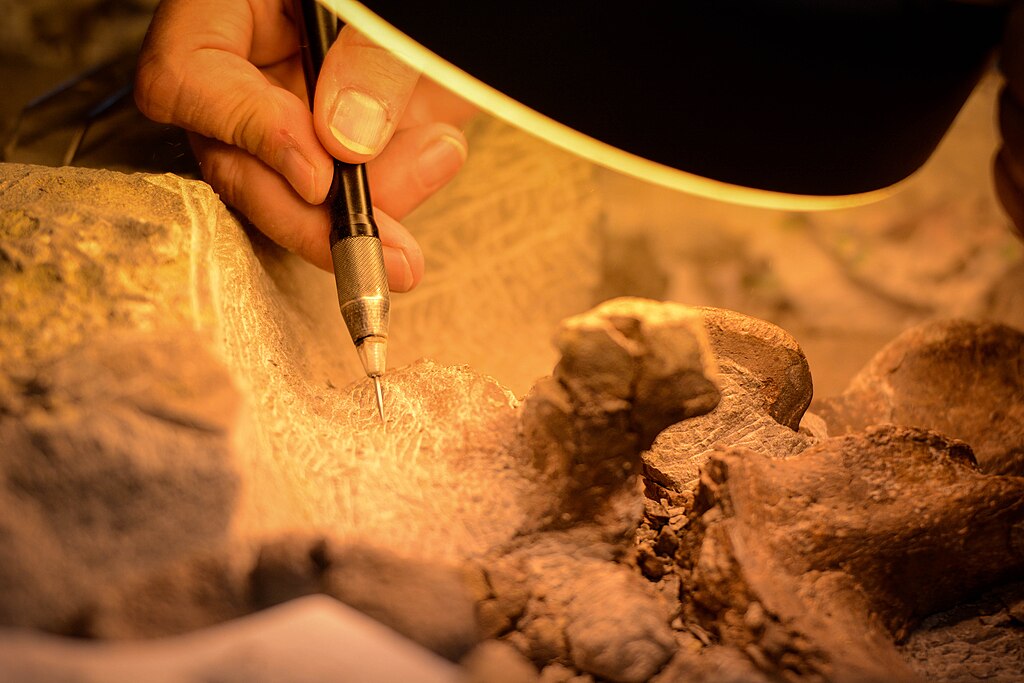
Peter Larson and his commercial paleontology company, the Black Hills Institute of Geological Research, believed they had legally obtained rights to the fossil. They had paid $5,000 to Maurice Williams, the landowner on whose property Sue was discovered, for the right to excavate and keep the specimen. The Institute immediately began the painstaking process of preparing the fossil, setting up shop in an old converted gymnasium in Hill City, South Dakota, where the public could view the ongoing work. Their intention was to create a natural history museum in Hill City with Sue as its centerpiece, bringing educational opportunities and tourism to the small town. For nearly two years, Larson and his team meticulously cleaned and cataloged the bones, conducting preliminary research and making the specimen accessible to visiting scientists and the public alike, creating what they viewed as a community asset rather than a private collection item.
The Dramatic Federal Raid

On May 14, 1992, the peaceful scientific work on Sue was violently disrupted when FBI agents, National Guard troops, and tribal police descended on the Black Hills Institute in a dramatic raid. Armed personnel surrounded the building while agents seized the T-rex bones, along with field notes, business records, and other fossils. The bones were packed into wooden crates and transported away on flatbed trucks as local residents watched in shock and protest. This unprecedented government action against a paleontological institution stunned the scientific community. The raid was initially justified under antiquities laws, though the legal basis would later shift repeatedly. For many Hill City residents and paleontology enthusiasts, the government’s heavy-handed approach seemed disproportionate to any possible regulatory violations, especially given the Institute’s open-door policy and transparent work on the specimen up to that point.
The Complex Land Ownership Question
At the heart of the legal battle was a complex question of land jurisdiction and ownership rights. Though Maurice Williams had accepted payment for the fossil, his land was technically held in trust by the U.S. government as part of the Cheyenne River Sioux Reservation. Under federal law, trust land cannot be sold or have its resources transferred without government approval. The situation was further complicated by tribal claims that fossils found on reservation land should remain under indigenous control as cultural and natural heritage. The case raised profound questions about who owns natural history—the landowner, the finder, the indigenous people whose ancestral lands yielded the discovery, or the government that administers the territory. These questions extended beyond mere property rights to touch on scientific access, cultural heritage preservation, and the ethical stewardship of irreplaceable natural specimens.
The Cheyenne River Sioux Tribe’s Position

The Cheyenne River Sioux Tribe asserted significant claims to Sue, arguing that fossils represented cultural patrimony and natural resources that belonged to the tribe collectively. Their position emphasized that paleontological specimens found on reservation lands should remain under tribal control or at least require tribal authorization for removal and sale. Tribal representatives expressed concern that valuable cultural and scientific assets were being removed from indigenous lands without proper consultation or compensation. The tribe’s involvement highlighted growing awareness of indigenous rights regarding archaeological and paleontological discoveries. Their perspective challenged the traditional paradigm in which Western scientific institutions and collectors had historically claimed fossils with little regard for indigenous territorial claims or cultural connections to the land. For the Cheyenne River Sioux, Sue represented not just a dinosaur but a question of sovereignty and self-determination in managing their natural resources.
The Legal Battle Unfolds

The legal proceedings around Sue’s ownership stretched across multiple years and jurisdictions, creating a tangled web of claims and counterclaims. Initially, the government pursued charges against the Black Hills Institute for allegedly violating antiquities laws and customs regulations. However, the case evolved to focus primarily on the question of whether Maurice Williams had the legal right to sell the fossil at all, given his land’s trust status. The South Dakota Supreme Court ultimately ruled that Sue belonged to Williams as the trust land beneficiary, not to the Black Hills Institute. This ruling was upheld by the U.S. Supreme Court when they declined to hear the Institute’s appeal. The prolonged legal battle drained resources from all parties involved and kept Sue’s bones in storage for years, inaccessible to both scientists and the public, effectively putting paleontological research on hold while lawyers argued over property rights.
Sue Goes to Auction

After the courts determined that Maurice Williams was Sue’s legal owner, he decided to sell the specimen through Sotheby’s auction house in New York. On October 4, 1997, Sue became the most expensive fossil ever sold when the Field Museum of Chicago, with financial backing from McDonald’s and Disney, purchased the T. rex for an astounding $8.36 million. The auction itself lasted less than ten minutes but represented a watershed moment in fossil valuation. Many paleontologists expressed concern that the unprecedented price would accelerate the commercialization of fossils, potentially putting important specimens beyond the reach of scientific institutions. The high-profile sale also raised ethical questions about the private ownership of scientifically significant natural history specimens. For Maurice Williams, who received the proceeds, the auction represented vindication after years of legal struggles, while for the Black Hills Institute, it marked the final loss of a specimen they had discovered, excavated, and championed.
Sue’s Scientific Significance

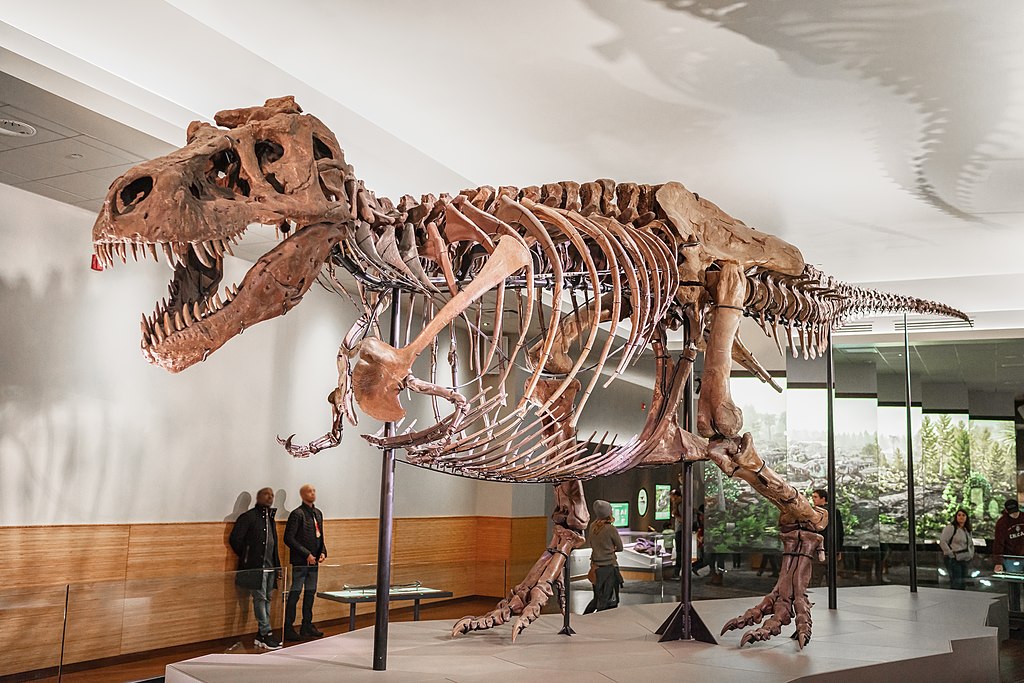
Beyond the ownership controversy, Sue represents an extraordinary scientific treasure. The skeleton’s completeness—over 90% intact—makes it invaluable for understanding T-rex anatomy and development. Scientists determined that Sue was approximately 28 years old at death, making this specimen one of the oldest T-rex individuals known, and providing crucial data about maximum lifespan and late-life development in these apex predators. The skeleton shows evidence of numerous injuries and infections that had healed during life, including broken ribs, an infected jaw, and arthritis, offering unprecedented insights into dinosaur pathology and recovery processes. Sue’s skull, weighing over 600 pounds and exquisitely preserved, has allowed researchers to study brain case structure, sensory capabilities, and bite mechanics with unprecedented detail. The specimen continues to yield new scientific discoveries decades after its excavation, including recent findings about the function of the tiny forelimbs that had puzzled paleontologists for generations.
The Field Museum Preparation
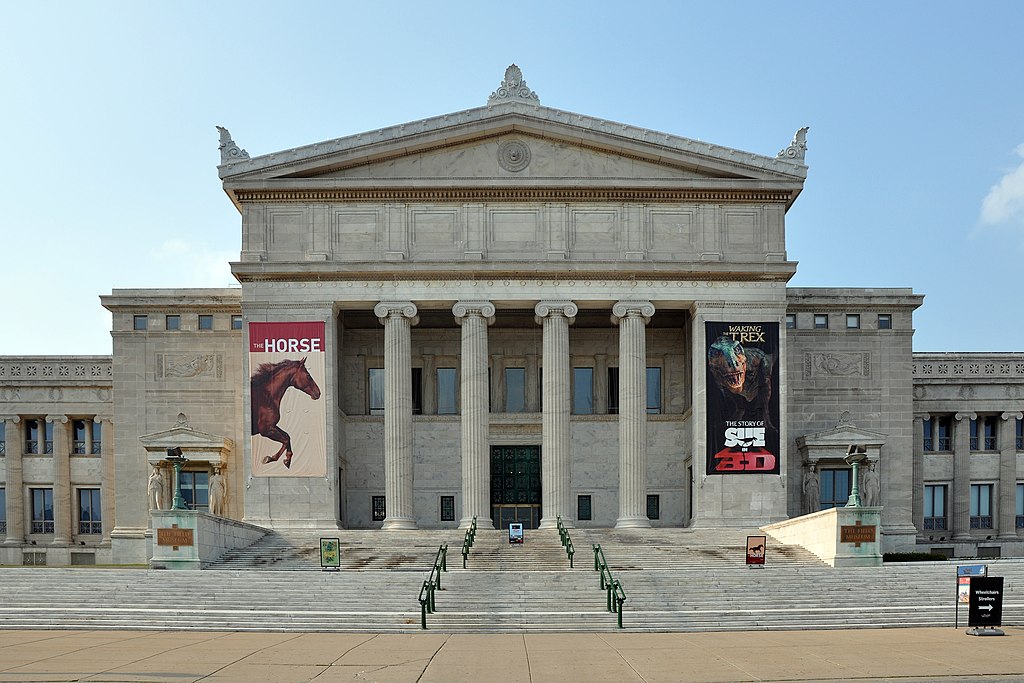
Once acquired by Chicago’s Field Museum, Sue underwent more than 30,000 hours of meticulous preparation work before being unveiled to the public. Museum preparators carefully removed the remaining rock matrix from each bone, stabilized fragile areas, and thoroughly documented every aspect of the specimen. The skull, too heavy to mount with the skeleton, was displayed separately in a specially designed case that allowed visitors to view it from all angles while a lightweight replica took its place on the mounted skeleton. The museum created an elaborate exhibition space specifically designed to showcase Sue, with dramatic lighting and informational displays that contextualized the specimen within Cretaceous ecosystems. When Sue was finally unveiled on May 17, 2000, the exhibition immediately became the museum’s central attraction, drawing record visitor numbers. The Field Museum’s approach represented a commitment to making this scientifically priceless specimen accessible to both researchers and the general public while preserving it for future generations.
The Impact on Commercial Paleontology

The Sue controversy fundamentally altered the landscape of commercial fossil collecting in America. Many commercial collectors, who had previously operated in a relatively unregulated environment, suddenly found themselves under increased scrutiny from federal agencies. The high-profile nature of the case brought attention to the often murky legal territory surrounding fossil collection on various categories of land, leading to stricter enforcement of existing regulations. The astronomical price commanded by Sue at auction also dramatically changed market dynamics, driving up fossil prices across the board and intensifying competition for prime specimens. Many academic paleontologists grew increasingly concerned that important scientific specimens were being lost to private collectors willing to pay premium prices. However, commercial collectors argued that without their expertise and financial incentives, many fossils would remain undiscovered or would erode away before academic institutions could locate and excavate them.
Changes in Museum Acquisition Practices
The Sue case catalyzed significant changes in how museums approach fossil acquisition and provenance documentation. Major natural history museums became considerably more cautious about accepting specimens without clear, uncontested ownership histories. Many institutions developed explicit policies requiring thorough documentation of a specimen’s discovery location, excavation permits, landowner agreements, and export licenses if applicable. Some museums began partnering directly with commercial collectors to ensure important specimens would remain in the public domain, creating new collaborative models that bridged the traditional divide between academic and commercial paleontology. The Field Museum itself established new protocols for acquisition that included thorough legal review and explicit attention to ethical considerations regarding indigenous land rights. The American Alliance of Museums and similar organizations developed stronger guidelines around fossil acquisition that emphasized both legal compliance and ethical stewardship, acknowledging that legal ownership does not always align perfectly with ethical best practices.
Legacy for Indigenous Rights

The Sue controversy highlighted the often-overlooked rights of indigenous communities regarding paleontological discoveries on tribal lands. In the aftermath of the case, many tribes developed their own protocols and permit systems for scientific research conducted within their territories. The Cheyenne River Sioux Tribe established more explicit policies regarding fossils found on reservation land, ensuring tribal authorities would be involved in decisions about excavation and disposition. Some tribes created partnerships with museums and universities that guaranteed shared access to specimens and research opportunities for tribal members. The increased awareness of indigenous perspectives has led to more inclusive approaches in paleontology, with some research projects now incorporating traditional knowledge alongside conventional scientific methods. While progress remains uneven, the Sue case marked a turning point in recognizing that indigenous communities have legitimate interests in both the scientific and cultural aspects of paleontological discoveries within their ancestral territories.
Sue’s Continuing Story
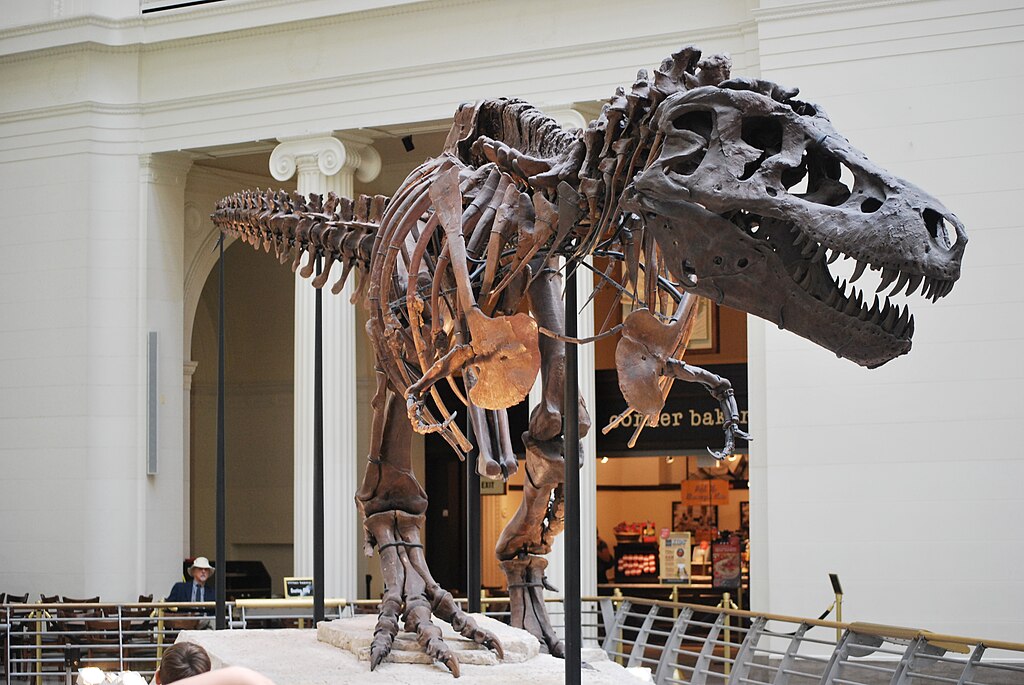
Sue’s journey didn’t end with the Field Museum installation, as the specimen continues to evolve as both a scientific resource and cultural icon. In 2018, the Field Museum completely reimagined Sue’s exhibition, moving the T-rex to a dedicated space that better reflects current scientific understanding of the Cretaceous period. The new installation incorporates cutting-edge research on Sue’s anatomy, posture, and environment, demonstrating how scientific knowledge evolves through continued study. Sue has become a global ambassador for paleontology, with a significant social media presence maintained by the Field Museum that makes this ancient predator accessible to audiences worldwide. The skeleton remains a crucial research subject, with scientists still making discoveries through advanced scanning technologies and comparative analyses not available when Sue was first excavated. Most significantly, Sue stands as a reminder of how a single fossil can transform our understanding not just of prehistoric life but also of the complex intersection of science, law, commerce, and culture in determining who owns the past.
Conclusion

The saga of Sue the T-rex transcends the boundaries of paleontology to touch on fundamental questions about ownership, knowledge, and heritage. From a chance discovery in the South Dakota badlands to becoming the centerpiece of one of the world’s premier natural history museums, Sue’s journey reflects the evolution of fossil collecting from an unregulated frontier activity to a complex field balancing scientific, commercial, governmental, and indigenous interests. The legal battles over this magnificent specimen permanently altered how fossils are collected, sold, and studied, establishing precedents that continue to shape paleontology today. Perhaps most importantly, Sue reminds us that even our most ancient natural treasures exist within contemporary human contexts, where questions of rights, responsibilities, and relationships must be navigated with as much care as the delicate bones themselves.