There is something deeply human about staring at a dinosaur bone and wondering what the creature that carried it actually looked like. You wonder how it moved, what sounds it made, whether it was a tender parent or a ruthless killing machine. Paleontologists have been chasing those answers for centuries, but it took the rise of extraordinary filmmaking technology to make the prehistoric world feel genuinely real for the rest of us.
Dinosaur documentaries have gone through a remarkable transformation. From grainy stop-motion models of the early television era to the jaw-dropping, photorealistic CGI of today, the genre has grown into one of the most immersive corners of natural history storytelling. Some of these productions are pure spectacle with little scientific backbone. Others are quietly extraordinary, built on genuine paleontological rigor and a fierce respect for the fossil record. Let’s dive into the five that truly deliver on both fronts.
1. Prehistoric Planet (2022 – Present, Apple TV+): The Gold Standard of Dinosaur Storytelling
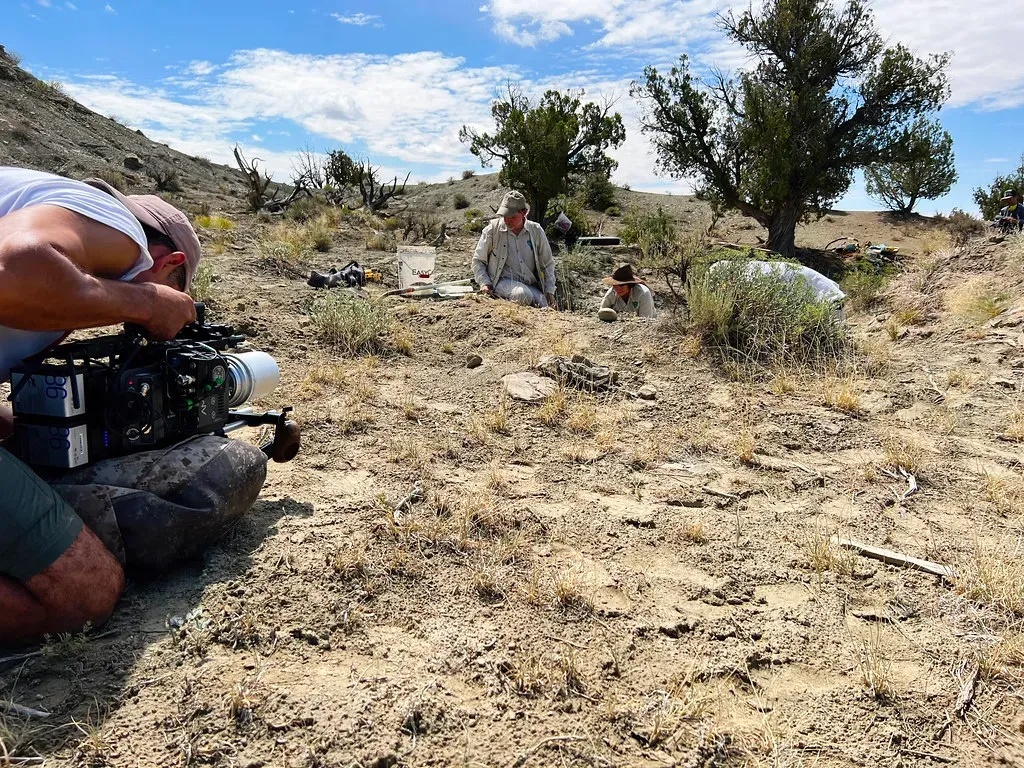
Honestly, if you have not seen Prehistoric Planet yet, stop reading and go watch it. I mean that. Prehistoric Planet is currently the most scientifically accurate dinosaur documentary available to audiences, and that claim holds up firmly even by 2026 standards. It is the highest-profile dinosaur-focused documentary series produced by the BBC since Planet Dinosaur in 2011, and its nature documentary-styled format is similar to the highly successful Walking with Dinosaurs from 1999.
Prehistoric Planet combines award-winning wildlife filmmaking, the latest paleontology learnings, and state-of-the-art technology to unveil the spectacular habitats and inhabitants of ancient Earth for a one-of-a-kind immersive experience. What makes it so special is the level of scientific oversight baked into every single frame. Palaeozoologist Darren Naish served as the lead consultant for the depictions of prehistoric life in the series, and he was involved from the earliest stages of production. His main aim was to reveal an absolutely modern, up-to-date view of dinosaurs and the other animals of their time, portraying them as live animals.
The VFX team created a lengthy list of dinosaurs and prehistoric life, including some not believed to have ever been depicted onscreen before, such as Kaikaifilu, a seagoing lizard equipped with flippers and a tail fin, and Qianzhousaurus, a long-snouted Asian tyrannosaur sometimes referred to as Pinocchio rex. The series has already grown into a multi-season phenomenon. A third season titled Prehistoric Planet: Ice Age, narrated by Tom Hiddleston and focusing on Pleistocene megafauna, was released in 2025. Few documentaries of any kind evolve with this level of ambition and care.
2. Walking with Dinosaurs (1999, BBC): The One That Started It All
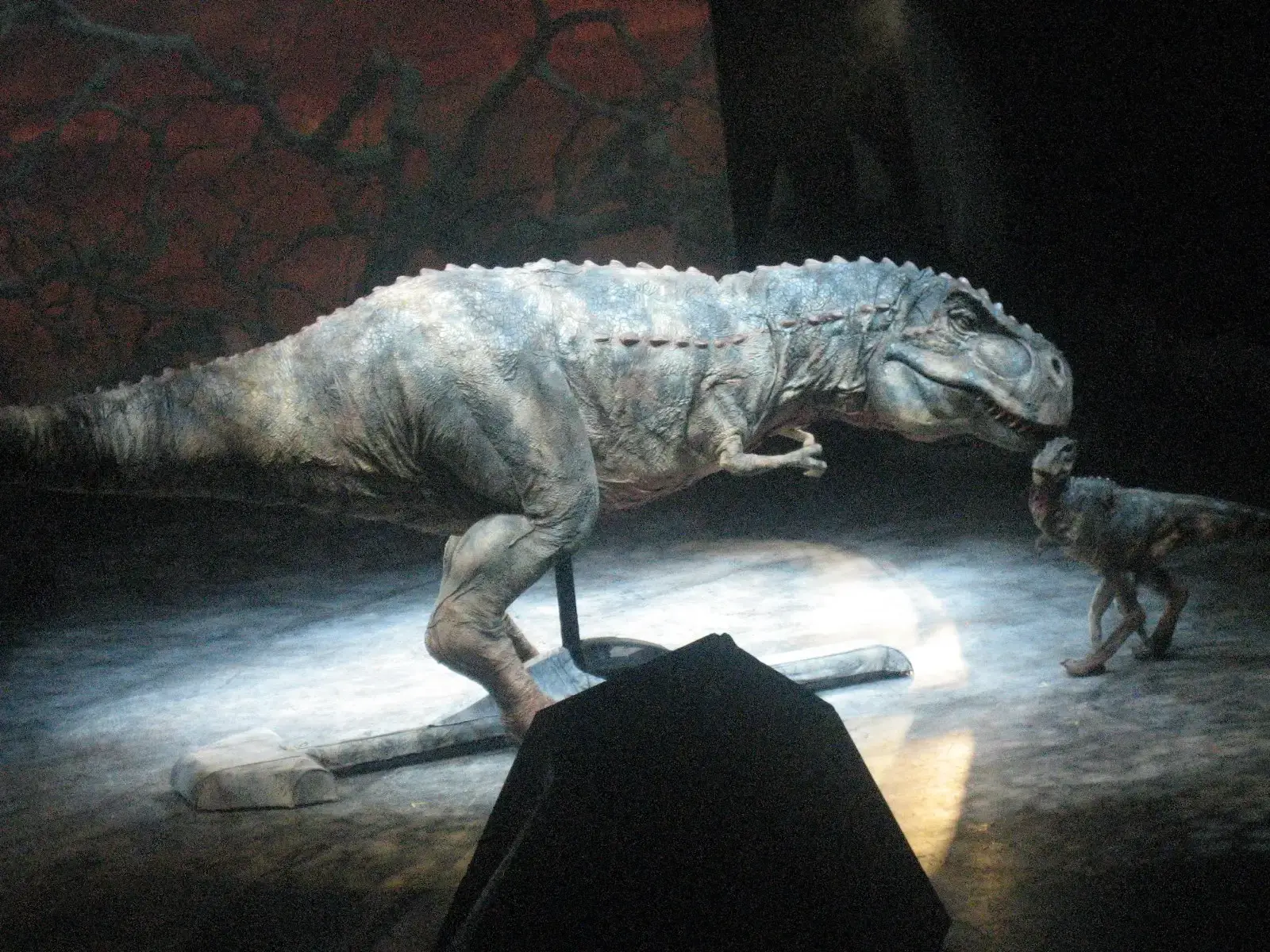
Here is the thing about Walking with Dinosaurs. You have to understand just how revolutionary it was in its time to properly appreciate why it still deserves a place on this list. Walking with Dinosaurs is a 1999 six-part nature documentary television miniseries created by Tim Haines and produced by the BBC Science Unit, envisioned as the first “Natural History of Dinosaurs,” depicting dinosaurs and other Mesozoic animals as living animals in the style of a traditional nature documentary. Nobody had ever seen anything quite like it.
Walking with Dinosaurs recreated extinct species through the combined use of computer-generated imagery and animatronics that were incorporated with live action footage shot at various locations, techniques inspired by the film Jurassic Park. The ambition behind it was staggering. The Guinness Book of World Records reported that Walking with Dinosaurs was the most expensive documentary series per minute ever made. Think of it like the moon landing of nature documentaries. The technology was pushed to its absolute edge. The series won two BAFTAs for Innovation and Best Original Television Music and earned six Primetime Emmy Award nominations, winning for Outstanding Animated Program, Outstanding Special Visual Effects, and Outstanding Achievement in Non-Fiction Programming.
You should also know that the show is somewhat outdated today by modern paleontological standards. Over 20 years later, the first series still holds up pretty well, despite new discoveries changing what was thought to be known at the time. If it were made today the dinosaurs would probably have many more feathers, the velociraptors in particular. Still, dinosaurs presented as just animals doing their thing without scientists popping up to explain stuff was one of the best things Walking with Dinosaurs could have done. It remains a landmark achievement in the history of documentary filmmaking.
3. Planet Dinosaur (2011, BBC): Where Science Takes Center Stage
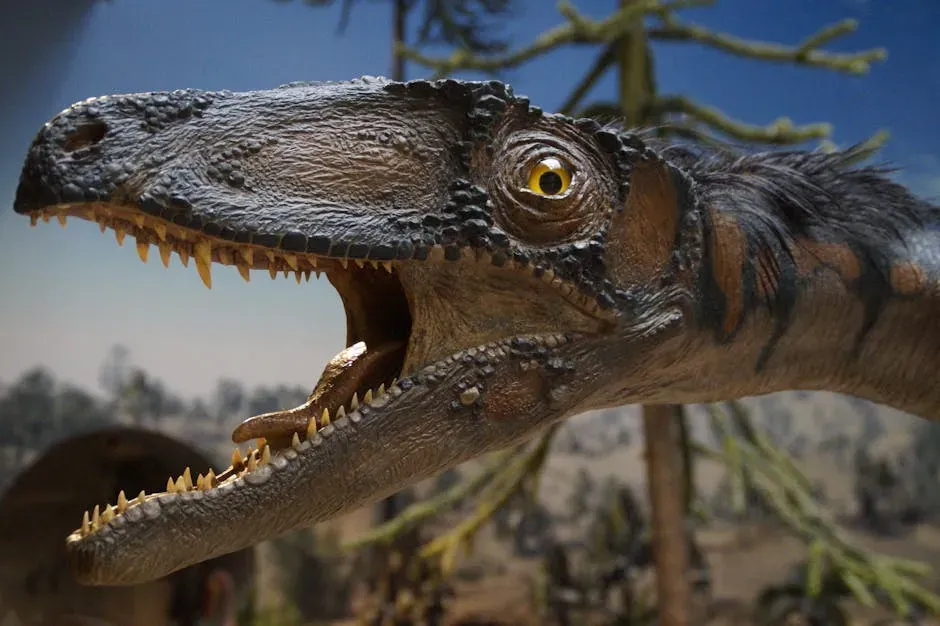
If Walking with Dinosaurs lit the flame, Planet Dinosaur came along a decade later to feed it new fuel. Planet Dinosaur tells the stories of the biggest, deadliest, and weirdest creatures ever to walk the Earth, using the latest fossil evidence and immersive computer graphics. What separates it from its predecessor is an almost philosophical commitment to transparency about the science. Much of the series’ plot is based on scientific discoveries made since Walking with Dinosaurs, with episodes frequently stopping the action to show fossil evidence and the assumptions based on them.
There are more than 50 different prehistoric species featured, and they and their environments were created entirely as computer-generated images, for around a third of the production cost that was needed a decade earlier for Walking with Dinosaurs. You might expect that to mean a visual downgrade, but honestly the results are surprisingly strong. More dinosaurs have been discovered in the last two decades than in the previous 200 years, and this series uses the latest CGI and cutting-edge research to reveal the deadly secrets of these new giants. Think of Planet Dinosaur as the researcher’s version of a dinosaur documentary. It trusts you to handle the science, and that respect for your intelligence is refreshing.
4. When Dinosaurs Roamed America (2001, Discovery Channel): The Underrated Gem
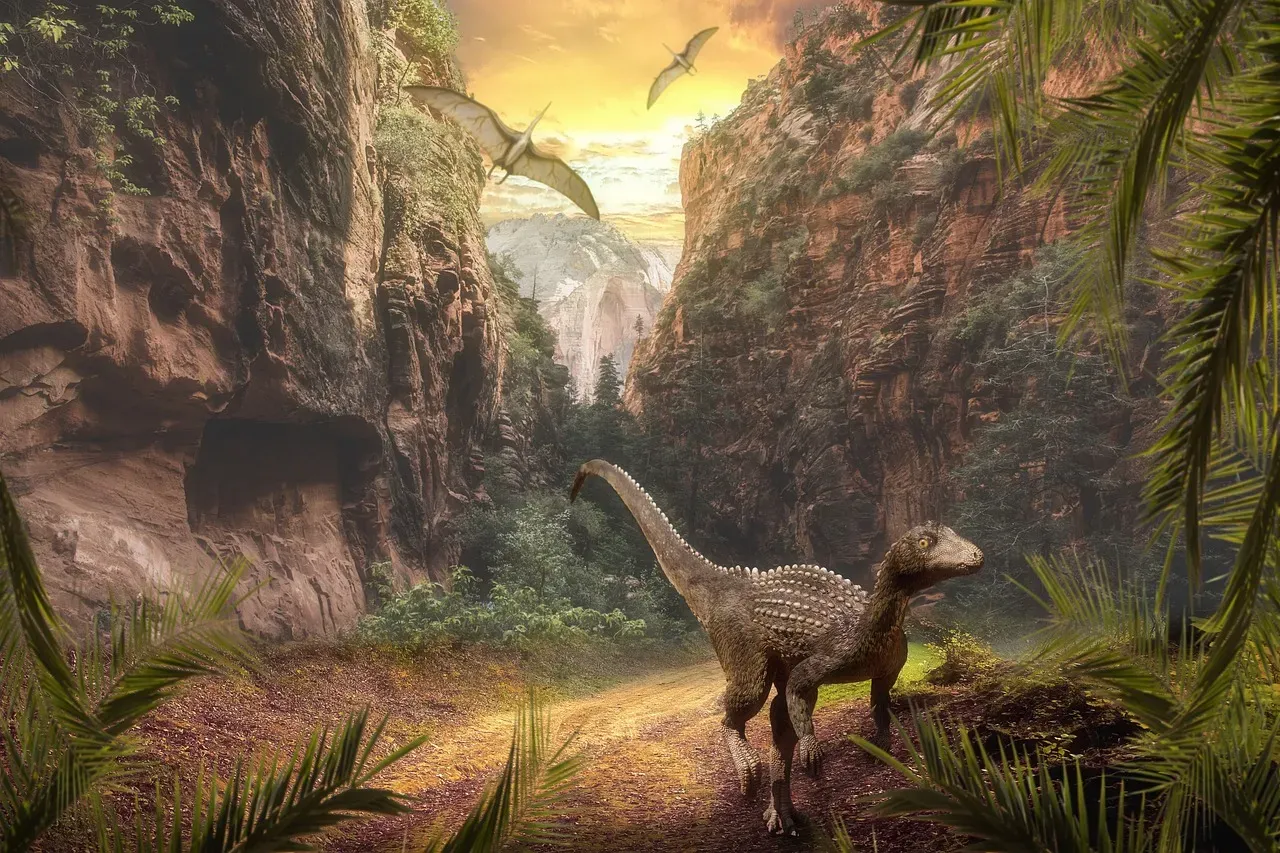
Let’s be real. When Dinosaurs Roamed America does not get nearly enough credit. It premiered at a time when the BBC’s Walking with Dinosaurs was already dominating the conversation, and it never quite got the same level of global recognition despite doing something genuinely bold and progressive for its era. When Dinosaurs Roamed America is a two-hour American television program produced in the style of a traditional nature documentary that first aired on the Discovery Channel on July 15, 2001, featuring the reign of non-avian dinosaurs in America over the course of more than 160 million years through five different segments.
Here is what makes this one stand out in a crowd of similar productions. Unlike Walking with Dinosaurs, the show’s creatures are almost entirely composed of computer-generated imagery, and it is also one of the first documentaries to depict dromaeosaurs and therizinosaurs with nearly full coats of feathers. That was a genuinely forward-thinking choice for 2001. Information is mainly presented through paleoenvironmental narratives, with CGI dinosaurs and other terrestrial animals interacting in live-action landscapes, with each narrative supplemented by cutaways to paleontologist interviews or digital skeletons demonstrating anatomical features. It is a documentary that respects your curiosity about actual scientific evidence rather than just wowing you with action sequences.
5. The Ballad of Big Al (2000, BBC): Prehistoric Storytelling at Its Most Personal
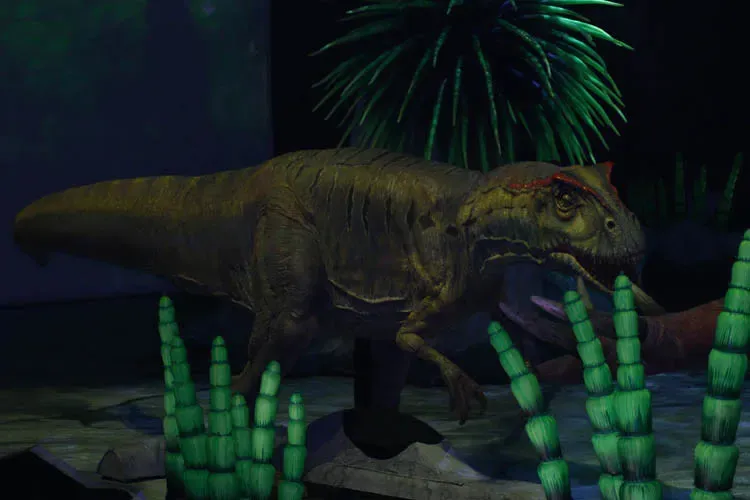
There is something about The Ballad of Big Al that hits you differently from every other dinosaur documentary out there. You are not watching a parade of species or a greatest-hits reel of the Mesozoic era. You are following one individual animal through its entire life, and somehow that makes all the difference in the world. It is a two-episode series narrating the life of Big Al, an Allosaurus. It starts with the display of Big Al’s bones at the University of Wyoming and the showing of Big Al’s ghost moving around the laboratory before doing a flashback to narrate the birth, life, and death of Big Al.
This documentary aimed at making learning fun by showing the descriptive features of an Allosaurus in motion picture, making the dinosaurs live as similar as possible to documentaries of existing animals. It grounded an ancient creature in something deeply relatable: vulnerability, struggle, and the simple act of trying to survive. This film is a good dinosaur documentary with an 8.1/10 rating on IMDb, and it also won two Emmy Awards in 2001. In a genre where scale and spectacle often dominate, The Ballad of Big Al proves that intimacy is its own kind of superpower. It is hard to say for sure, but this might be the most emotionally affecting dinosaur documentary ever made.
Conclusion: These Five Films Changed How You See Deep Time
Taken together, these five documentaries represent something remarkable: the ongoing, passionate effort to close the gap between us and a world that vanished 66 million years ago. Each one reflects the science of its era while pushing the boundaries of visual storytelling in its own way. From the epic scope of Prehistoric Planet to the intimate heartbreak of Big Al’s short life, they prove that the prehistoric world is not just a classroom subject. It is one of the most compelling stories ever told.
What is most exciting, though, is that we are still in the middle of this story. We are living through a golden age of paleontology that is transforming our understanding of dinosaurs, with around 50 new species being identified every year as science reveals extraordinary new details about dinosaur biology and behavior. Every new fossil discovery has the potential to rewrite what these documentaries showed you. The version of the T. rex you watch today may look quite different from the one a documentary made a decade from now will depict. That thought alone should keep you watching.
Which of these five documentaries surprised you the most? Drop your thoughts in the comments below.