
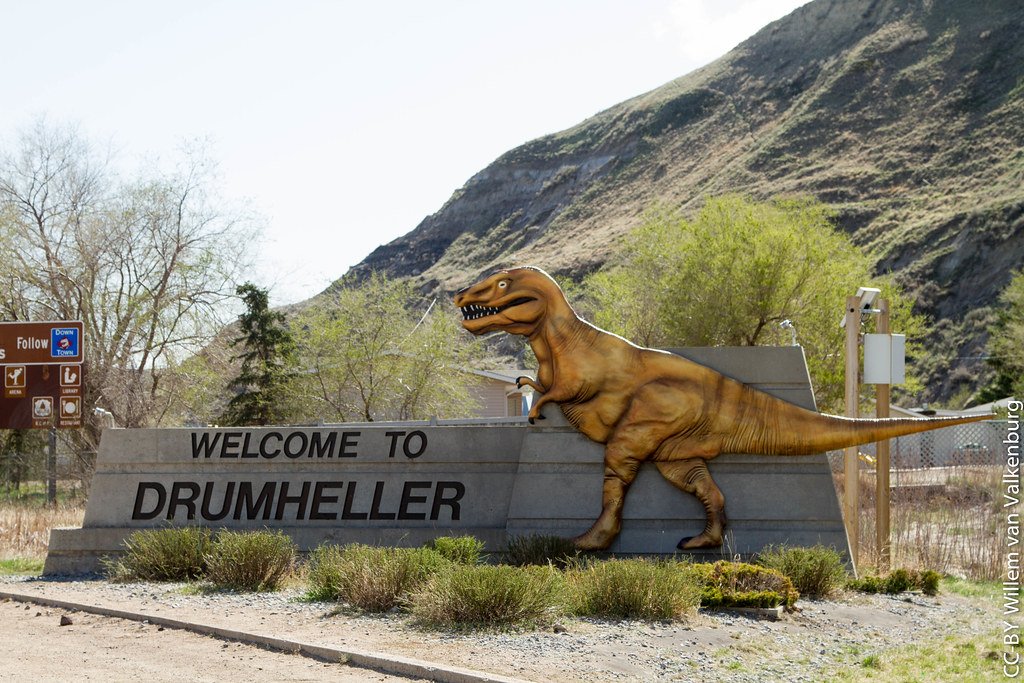
You probably picture dinosaurs living in some distant, almost mythical landscape – not in a quiet Canadian town with a main street, a hockey rink, and a grocery store. Yet tucked into the eroded badlands of eastern Alberta, the town of Drumheller literally sits inside one of the richest dinosaur fossil regions ever discovered. The ground around it has coughed up an astonishing variety of dinosaur bones, teeth, eggs, and tracks, enough to fill world‑class museums and still leave more waiting just beneath the surface. And here’s the wild part: outside of Canada and hardcore dinosaur fans, most people have never even heard of Drumheller. While places like Jurassic Coast or the Gobi Desert grab headlines, this modest town and its surrounding valleys quietly hold what scientists consider the greatest concentration of Late Cretaceous dinosaur fossils found on Earth, especially once you include nearby Dinosaur Provincial Park, whose specimens mostly end up in Drumheller’s Royal Tyrrell Museum. It is, in a very real sense, a small town built in the middle of a fossil gold mine that just happens to be made of dinosaurs.
A Small Town Sitting in a Fossil Superhighway
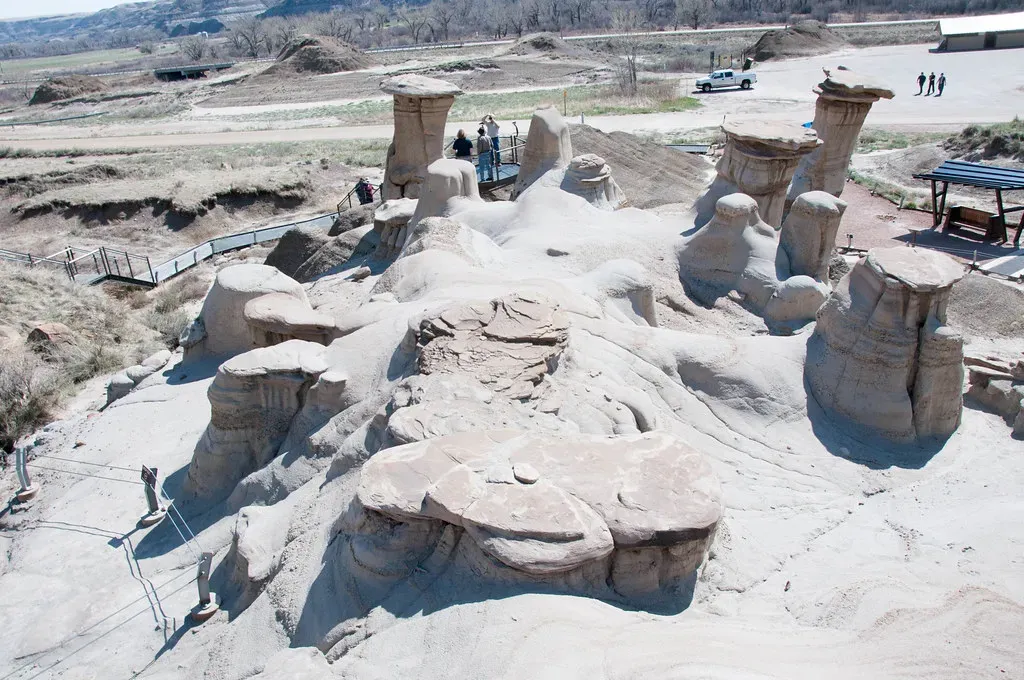
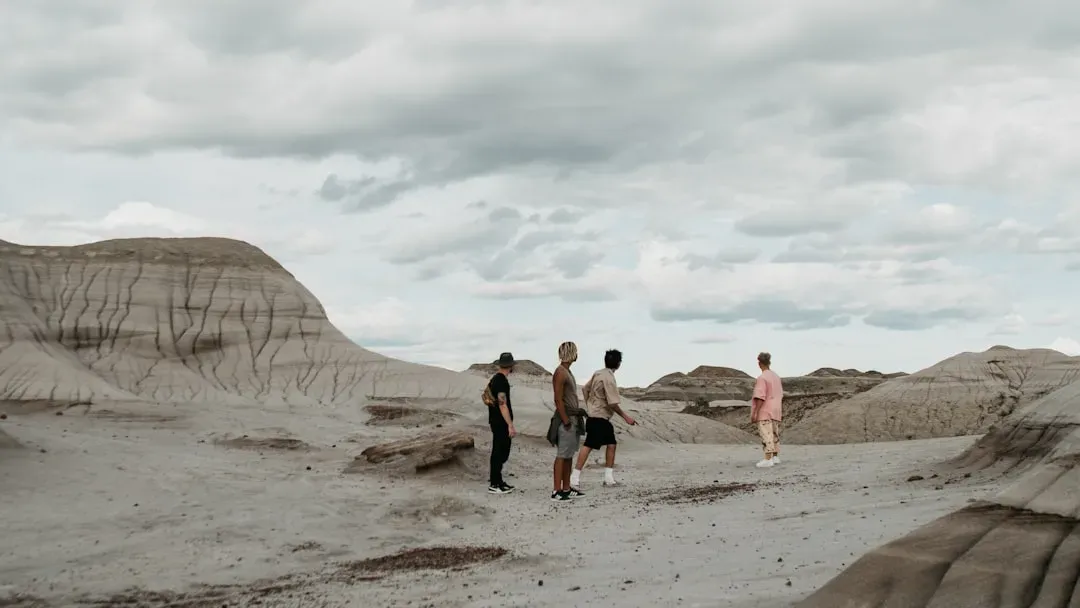
Drumheller itself looks like a typical prairie town until you drive down into the Red Deer River valley and feel the landscape suddenly fall away. Within a few minutes, the flat farmland gives way to steep cliffs, banded rock, and strange hoodoos that look like melted castles. Those layers are not just pretty scenery; they are slices of time, exposing rocks laid down around seventy to seventy‑five million years ago, when this spot was a lush coastal plain at the edge of a warm inland sea.
That combination of ancient floodplains and modern erosion is exactly what makes the valley so special for fossils. Sediment buried the bodies of dinosaurs, turtles, fish, and plants quickly and repeatedly, then, millions of years later, wind and water carved deep coulees into the soft rock, peeling it back like pages of a book. The result is an unusually long, continuous stretch of fossil‑bearing rocks that runs through and around Drumheller, dense enough that locals half‑joke you can trip over prehistory on a casual hike.
Dinosaur Provincial Park: The Engine Behind Drumheller’s Dinosaur Fame
About a two‑hour drive southeast of Drumheller lies Dinosaur Provincial Park, a UNESCO World Heritage Site that scientists widely describe as the most abundant and diverse dinosaur locality of its age ever found. More than half of all known dinosaur species from Canada have come from that one park, and its bonebeds record everything from tiny lizards to massive horned dinosaurs locked in chaotic tangles of skeletons. The phrase “greatest concentration of Late Cretaceous dinosaur fossils on Earth” is not marketing fluff here; it comes straight from formal heritage assessments and geological surveys.
What does that have to do with Drumheller? Almost everything. The Royal Tyrrell Museum in Drumheller is where the bulk of those fossils are studied, curated, and displayed, making the town the beating heart of this entire fossil region. In practice, the “Drumheller area” that paleontologists talk about is really a broader badlands system that includes Dinosaur Provincial Park and other nearby exposures. It is a bit like calling Silicon Valley just one town; technically imprecise, but everyone understands the wider ecosystem that makes it powerful.
Why This Patch of Earth Became a Dinosaur Graveyard
So why here and not, say, the fields outside Paris or the suburbs of Chicago? During the Late Cretaceous, this part of Alberta sat near the shore of the Western Interior Seaway, a shallow inland ocean that split North America in two. Rivers carried mud, sand, and the remains of animals down to that coastal plain, burying them in layers of sediment that hardened into rock. Periodic floods and storms would have drowned herds, washed carcasses downstream, and concentrated bones in low‑lying areas that became today’s bonebeds.
Fast‑forward tens of millions of years, and glaciers scraped off some of that cover while meltwater rivers carved out the Red Deer valley and the badlands around Drumheller. That erosion exposed an almost perfect cross‑section of those old floodplains. For paleontologists, it is like someone dug hundreds of trenches through the right‑age rocks and then left them open, neatly labeled by their position in the cliffs. When researchers say this is one of the most productive fossil zones on Earth, they are really talking about that magical combination: the right environment to bury life quickly back then, and the right erosion to reveal it now.
The Royal Tyrrell Museum: A Global Dinosaur Powerhouse in a Town of 7,000
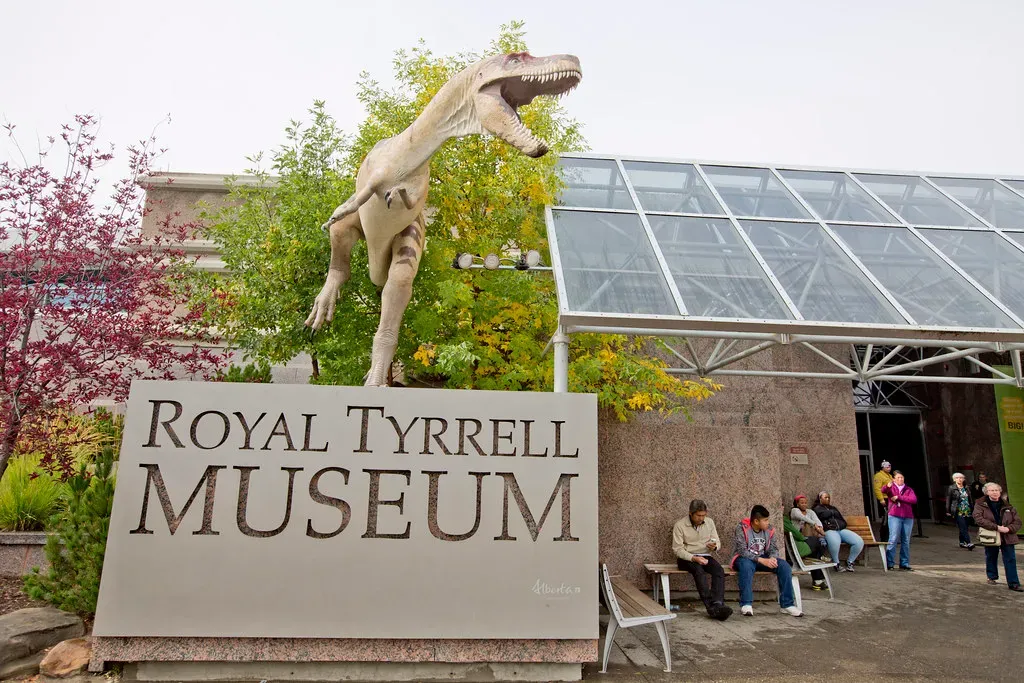
Drive just a few minutes out of Drumheller and you reach the Royal Tyrrell Museum of Palaeontology, a building that feels almost too big for the surrounding town. It is Canada’s only museum devoted entirely to paleontology and holds one of the largest dinosaur fossil collections on the planet, with well over a hundred thousand cataloged specimens and hundreds of scientifically “type‑defining” fossils. To put it bluntly, this is not a cute local museum with a couple of plastic skeletons; this is where researchers from around the world come to study Alberta’s fossil treasure trove.
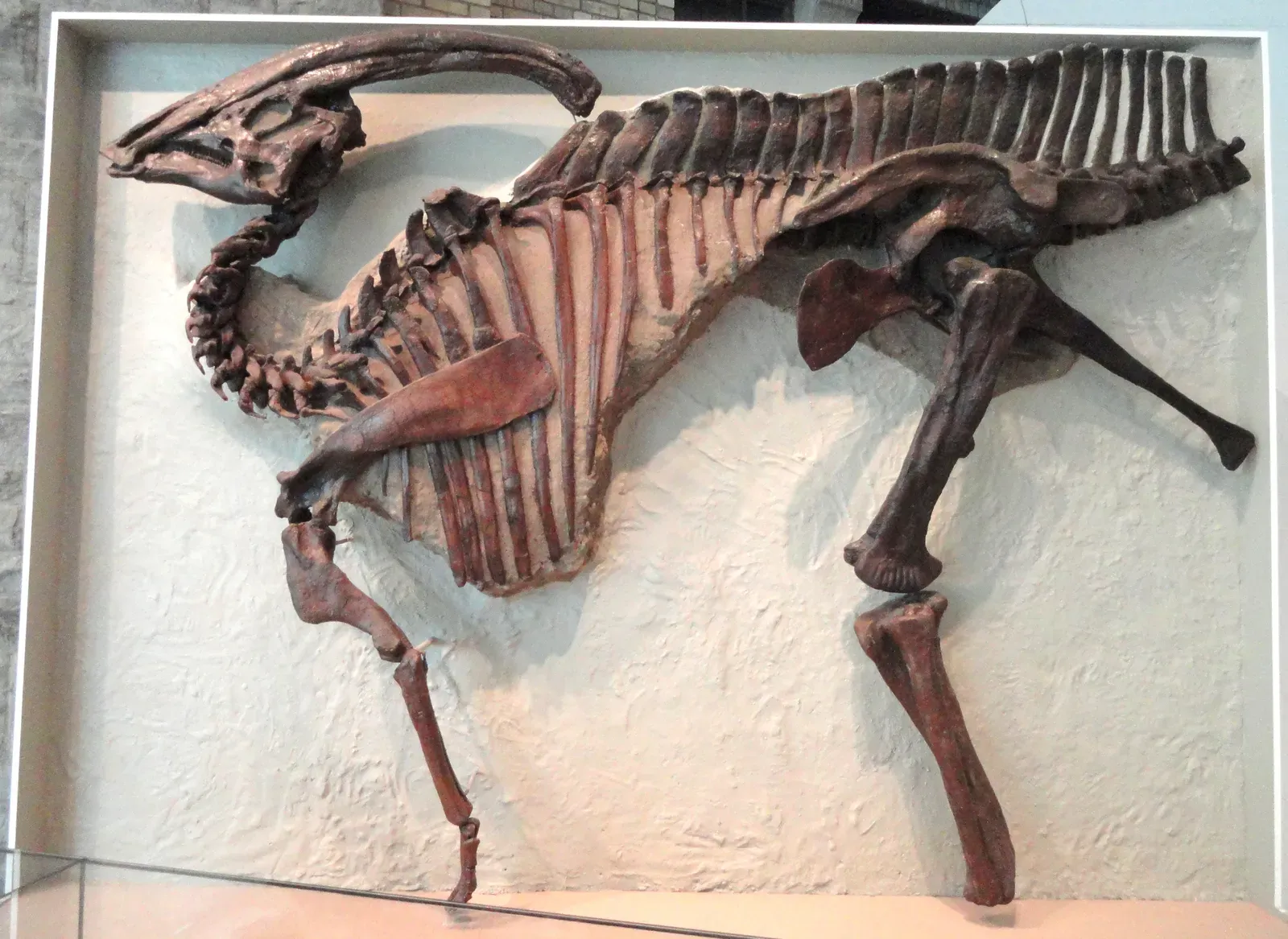
Inside, you walk past fully articulated skeletons of iconic species discovered in the region: duck‑billed hadrosaurs, horned dinosaurs, tyrannosaur relatives, armored ankylosaurs, and delicate feather‑bearing animals that hint at the bird‑dinosaur transition. Many of these fossils were dug from sites within a day’s drive of the museum, and a surprising number from within the broader Drumheller valley itself. I remember my first visit there and realizing that the hills I had just driven through were, quite literally, the source of the skulls and skeletons towering above me; it felt like standing in the loading dock of deep time.
A Working Landscape Where People Still Find New Dinosaurs
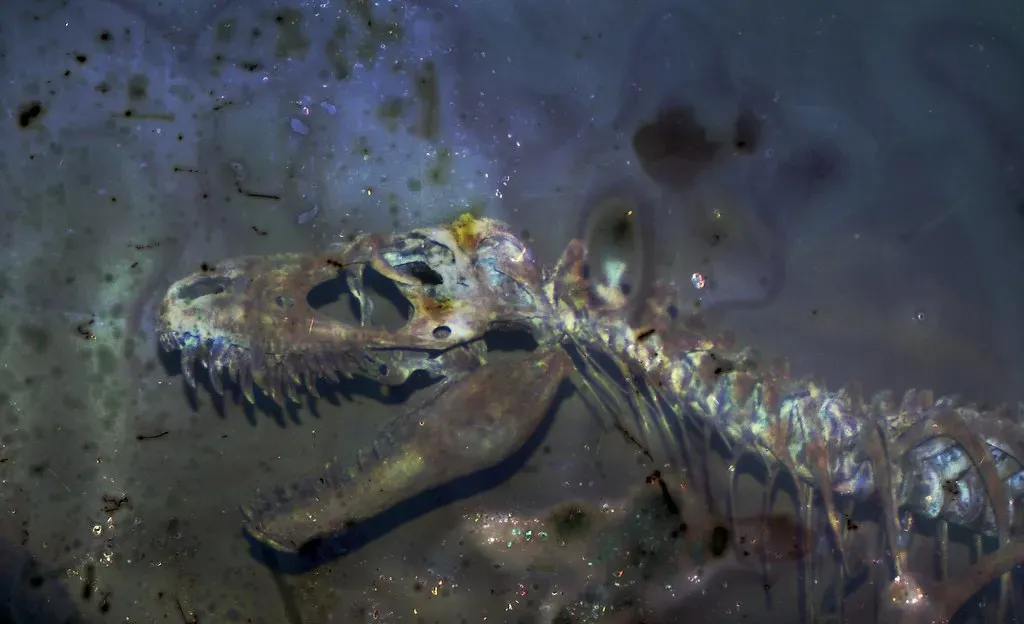
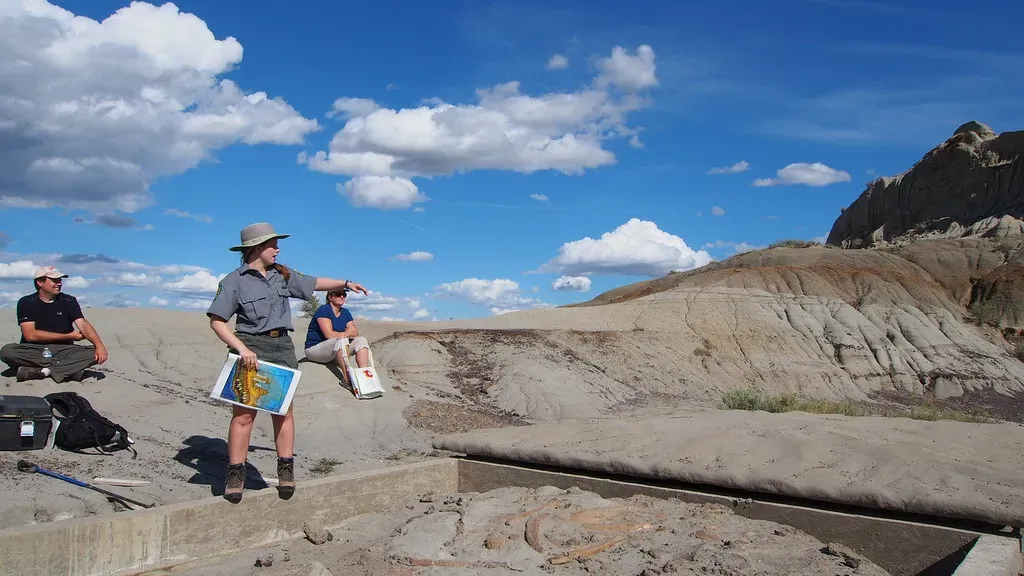
Unlike some fossil localities that were heavily collected a century ago and then essentially “finished,” the Drumheller region continues to produce new finds every year. The badlands erode fast; a heavy rain season can strip fresh rock from a slope and suddenly reveal the edge of a bone or a tooth. Field crews from the Royal Tyrrell and universities still spend their summers walking these valleys, flagging new specimens, and reopening forgotten quarries with GPS, old field notes, and a bit of detective work.
Every so often, a discovery is so spectacular that it stops people in their tracks: a nearly complete tyrannosaur relative, an exquisitely preserved armored dinosaur from a nearby mine, or a dense concentration of horned dinosaur bones that hints at mass death events. Even ordinary visitors sometimes spot fossils while hiking, though strict laws in Alberta mean you cannot just pocket anything you see. There is a real tension in standing there, staring at a vertebra weathering out of a hillside, knowing you are one of the first humans to see it, and that the proper thing to do is leave it for the scientists.
Drumheller’s Split Personality: Coal Town Meets Dinosaur Capital
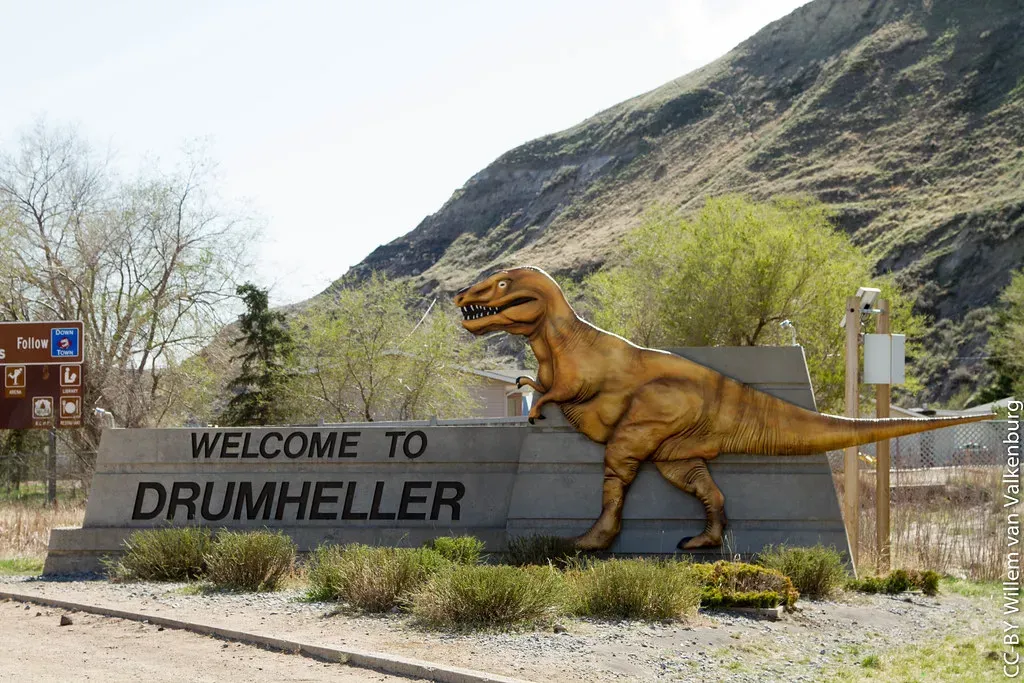
What makes Drumheller so strangely compelling is that it is not a purpose‑built science outpost; it is a former coal town that reinvented itself around dinosaurs. For much of the twentieth century, the valley was dotted with coal mines, and families settled here for the work, not the fossils. Only when the coal industry declined and the scale of the region’s paleontological riches became widely recognized did the town lean hard into its new identity, from the giant roadside dinosaur statue to the dino murals on shopfronts.
That mix of blue‑collar history and cutting‑edge science gives Drumheller a grounded, lived‑in feel that many tourist towns lack. On one street you might pass a researcher grabbing coffee with dusty field gear still in the truck, while a few doors down a mechanic is talking about hockey, not hadrosaurs. To me, that’s part of the charm: this is not a theme park built on top of fossils, it is a real community that just happens to sit atop one of the world’s great windows into the age of dinosaurs.
Why Most People Still Have Never Heard of It
If this region is so mind‑blowingly important, why is it not as famous as the Gobi Desert, Hell Creek, or the Jurassic Coast? Part of the answer is that Drumheller does not sit on a major global tourist circuit. It is about an hour and a half from Calgary, surrounded by prairie and farmland, and it is easy for international visitors to fly in, head straight to the Rockies, and never once dip into the badlands. Another factor is that the scientific story here is dense and multi‑layered: dozens of formations, hundreds of species, complex inland sea geology. It is harder to boil that down into a neat, single headline for the casual traveler.
There is also a quiet Canadian modesty at play. Alberta has done a decent job promoting “dinosaur country,” but it has not hammered the global media with loud claims the way some destinations do. Instead, the story has mostly spread through science circles, niche travel pieces, and word of mouth from people who stumble upon this place and leave slightly stunned. In my view, that under‑the‑radar status is both a blessing and a missed opportunity: it keeps the valley from being overwhelmed by crowds, but it means the average person who loves dinosaurs has no idea that one of the planet’s greatest fossil zones is hiding in a town they have never heard of.
Visiting the Deep Past Without Breaking the Future
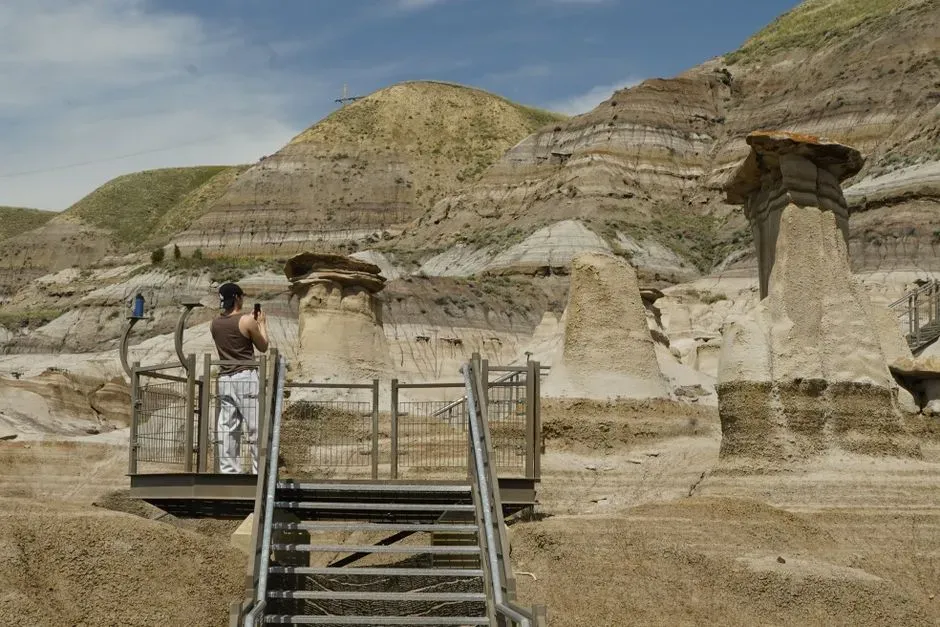
Standing in the Drumheller badlands, it is impossible not to feel how fragile both deep time and the modern landscape are. A single careless boot can knock a fossil loose from a delicate outcrop, and at the same time, climate change and land use are slowly reshaping the very processes that expose new material. Alberta has tried to walk a fine line: encouraging tourism, allowing people to feel that electric thrill of walking among fossils, yet enforcing strict protection of vertebrate remains and working with landowners and industry to report finds rather than destroy them.
The ethical question is simple but uncomfortable: how do we keep digging into the past without carelessly sacrificing the present? Drumheller’s answer so far has been to lean heavily on education and community pride. The more locals see their valley as a globally significant scientific resource rather than just a backdrop, the more pressure there is to treat it with respect. I think that is the only sustainable way forward for a place like this: not locking it away, not turning it into a fossil theme park, but treating it like a shared, living archive that everyone is responsible for.
Conclusion: A World‑Class Fossil Zone Hiding in Plain Sight
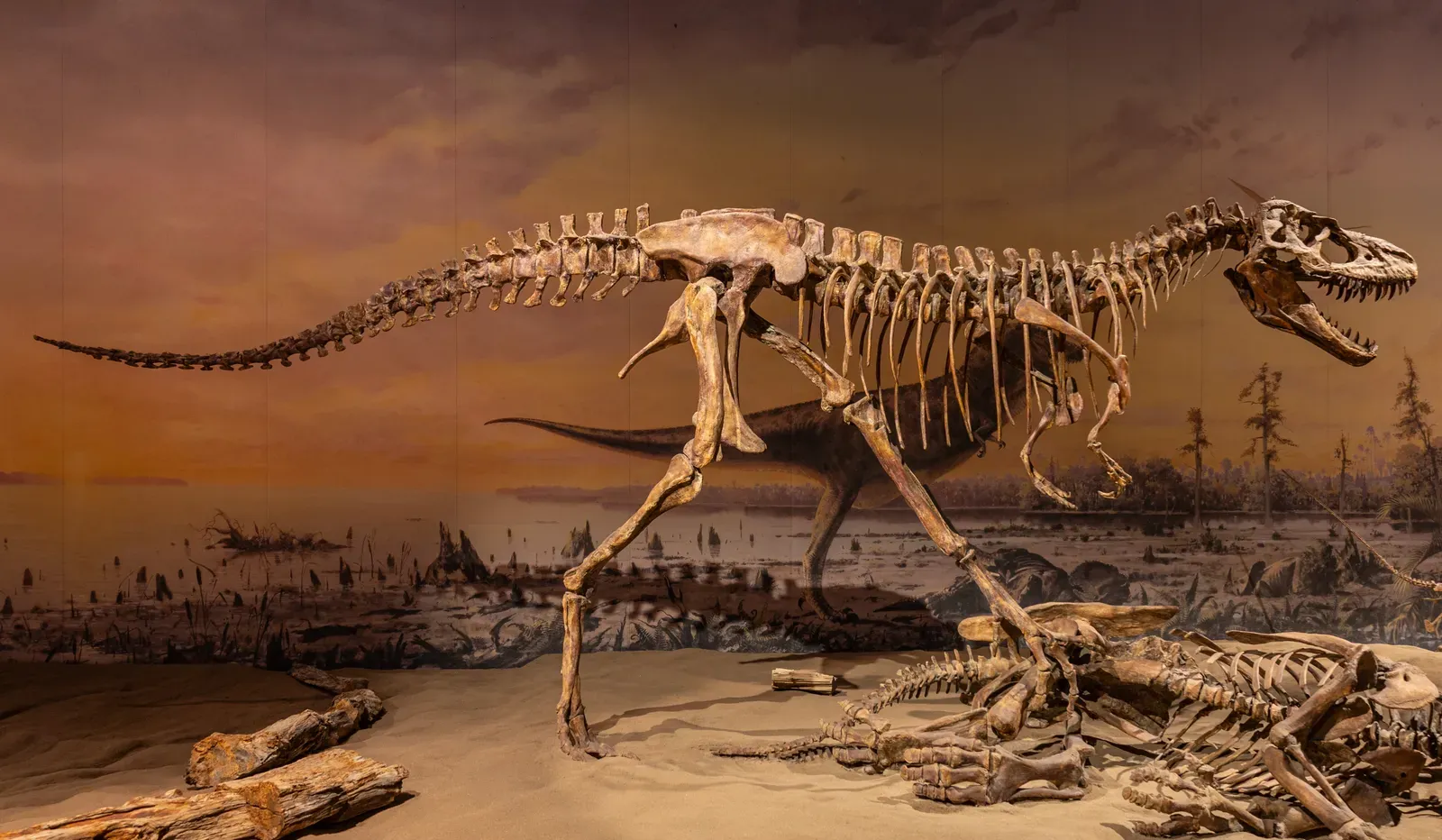
When you step back and look at the full picture, the claim that Drumheller sits inside one of the most productive dinosaur fossil zones on Earth is not an exaggeration; if anything, it is underselling the story. Between the ridiculous density of fossils in the surrounding badlands, the record‑breaking productivity of nearby Dinosaur Provincial Park, and the sheer scale of the collections and research centered at the Royal Tyrrell Museum, this corner of Alberta is arguably the single best place on the planet to trace the lives and deaths of Late Cretaceous dinosaurs. The fact that most people have never heard of it says more about how we tell travel stories than about the science itself.
Personally, I think that ignorance is a quiet scandal. We live in a world where dinosaur toys fill store shelves and blockbuster movies rake in billions, yet a real dinosaur graveyard of global importance hums along in a small Canadian town, largely invisible to the wider public. Maybe that is exactly why Drumheller feels so powerful when you finally go: it is not a brand you have been sold, it is a shock of reality that you have to experience to believe. Next time you daydream about visiting the age of dinosaurs, will you still picture some vague fantasy world, or will you think of a dusty valley in Alberta where the deep past is literally falling out of the hills at your feet?