Picture a world with no polar ice, a single landmass as far as the eye can see, and the smell of volcanic sulfur still hanging in the prehistoric air. Long before tyrannosaurs thundered across forests or sauropods stretched their necks above ancient canopies, there was a quieter, stranger chapter in Earth’s biography. The Triassic Period was that chapter. Roughly 250 million years ago, life was clawing its way back from the worst catastrophe this planet has ever suffered, and in doing so, it set the stage for something truly extraordinary.
What followed was not just survival. It was reinvention. The Triassic was a time of change, a transition from a world dominated by mammal-like reptiles to one ruled by dinosaurs. That shift was not quick or clean, and honestly, it involved far more drama than most people realize. Let’s dive in.
A World Born from Catastrophe: The Permian Extinction That Started It All
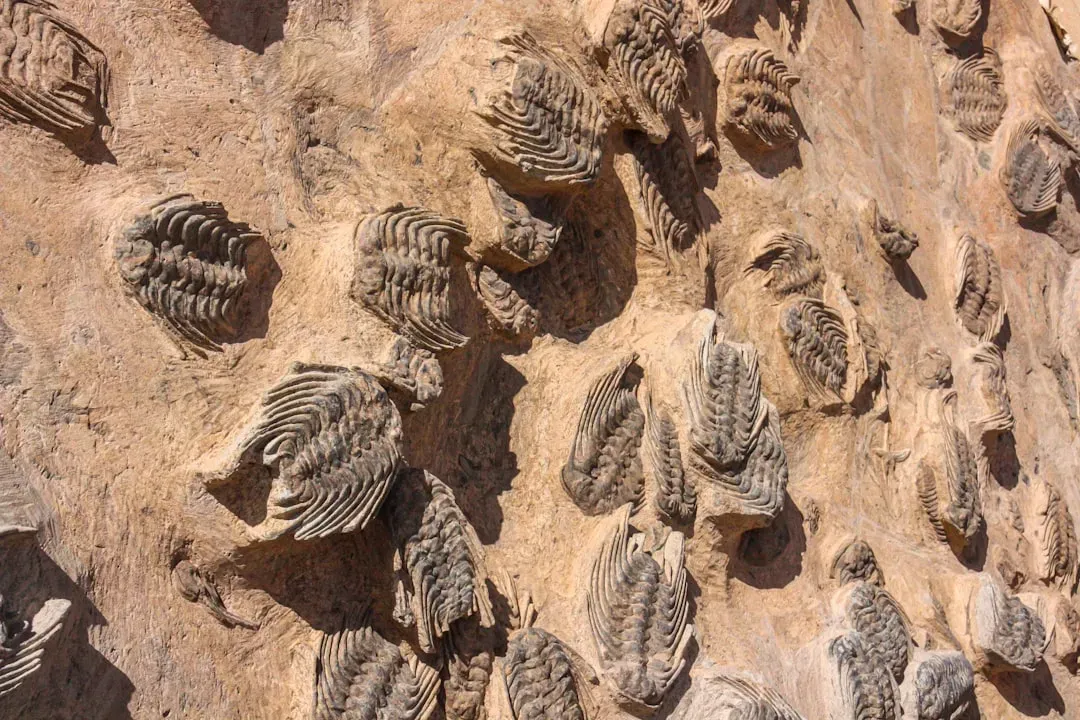
You cannot talk about the Triassic without first talking about the apocalypse that opened the door to it. The Permian-Triassic extinction event, also known as the Great Dying, took place roughly 252 million years ago and was one of the most significant events in the history of our planet. Think of it as a reset button pressed so hard it nearly broke the machine entirely.
It is Earth’s most severe known extinction event, with the extinction of 57% of biological families, 62% of genera, roughly four out of every five marine species, and 70% of terrestrial vertebrate species. Scientists have suggested that the extinction event consisted of a combination of immense volcanic eruptions, extreme fluctuations in Earth’s climate, and a lack of oxygen in the atmosphere and oceans. Entire populations of plants, reptiles, fish, insects, and mammal-like creatures died in the event. The survivors who crawled into the Triassic inherited a barren, eerily empty world.
Pangaea: The One-Continent World and Its Scorching Climate
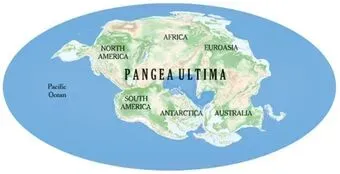
If you had dropped into the early Triassic, you would have found a landscape almost unrecognizable. At the beginning of the Triassic, virtually all the major landmasses of the world were collected into the supercontinent of Pangea. There were no separate continents as we know them today. It was just one enormous, continent-wide slab of land.
The climate of the Triassic Period was influenced by Pangea, its centralized position straddling the equator, and the geologic activity associated with its breakup. Generally speaking, the continents were of high elevation compared to sea level, and the sea level did not change drastically during the period. Due to the low sea level, flooding of the continents to form shallow seas did not occur. Much of the inland area was isolated from the cooling and moist effects of the ocean. The result was a globally arid and dry climate, though regions near the coast most likely experienced seasonal monsoons. Carbon dioxide levels were about three times higher than today. Harsh? Absolutely. Lifeless? Far from it.
Life Crawls Back: The Slow and Surprising Recovery of Ecosystems
Here is where things get genuinely fascinating. How does life come back after losing nearly everything? Slowly, unevenly, and with some unexpected moves. Some scientists estimate that it took 10 million years, until the Middle Triassic, due to the severity of the extinction for true ecosystem recovery to take hold. Yet pockets of life bounced back far sooner than that.
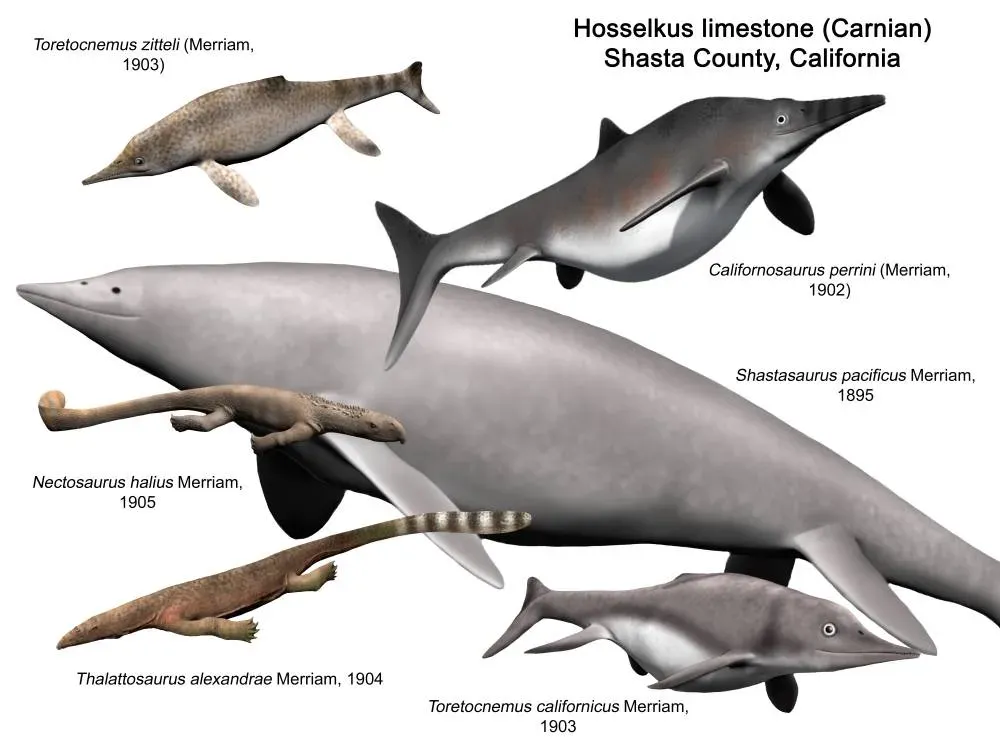
The first types of organisms to emerge in the oceans, it seems, were animals at the top of the marine food chain. Known as nekton, these kinds of animals included free-swimming predators like the dolphin-like ichthyosaurs and coiled cephalopods known as ammonoids. On land, the story was different. Ecosystems were destroyed worldwide, communities were restructured, and organisms were left struggling to recover. Disaster taxa, such as Lystrosaurus, insinuated themselves into almost every corner of the sparsely populated landscape in the earliest Triassic. Life, it seems, finds a way. Even a brutally inefficient way.
Before the Dinosaurs: The Archosaurs Who Ruled First
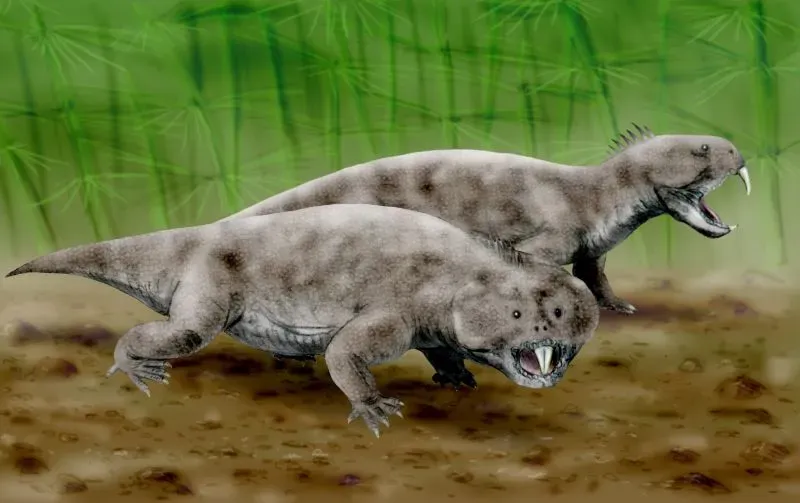
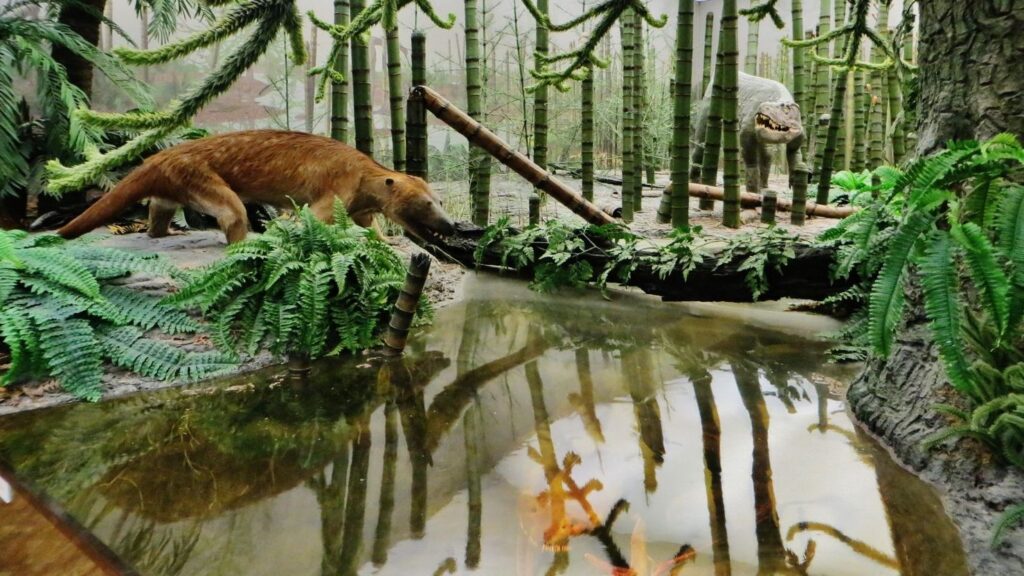
It would be easy to assume that dinosaurs simply walked into the Triassic and immediately took over. That is not even close to what happened. When dinosaurs appeared, they were not the dominant terrestrial animals. The terrestrial habitats were occupied by various types of archosauromorphs and therapsids, like cynodonts and rhynchosaurs. Their main competitors were the pseudosuchians, such as aetosaurs, ornithosuchids and rauisuchians, which were more successful than the dinosaurs.
Pseudosuchians were far more ecologically dominant in the Triassic, including large herbivores such as aetosaurs, large carnivores known as rauisuchians, and the first crocodylomorphs. The park’s Triassic dinosaurs were “supporting players” in an ecosystem dominated by crocodile-like phytosaurs, armored aetosaurs, and giant amphibians. If you were placing bets back then on which group would inherit the Earth, you probably would not have picked the scrappy little dinosaurs lurking in the margins.
The First Dinosaurs: Small, Scrappy, and Just Getting Started
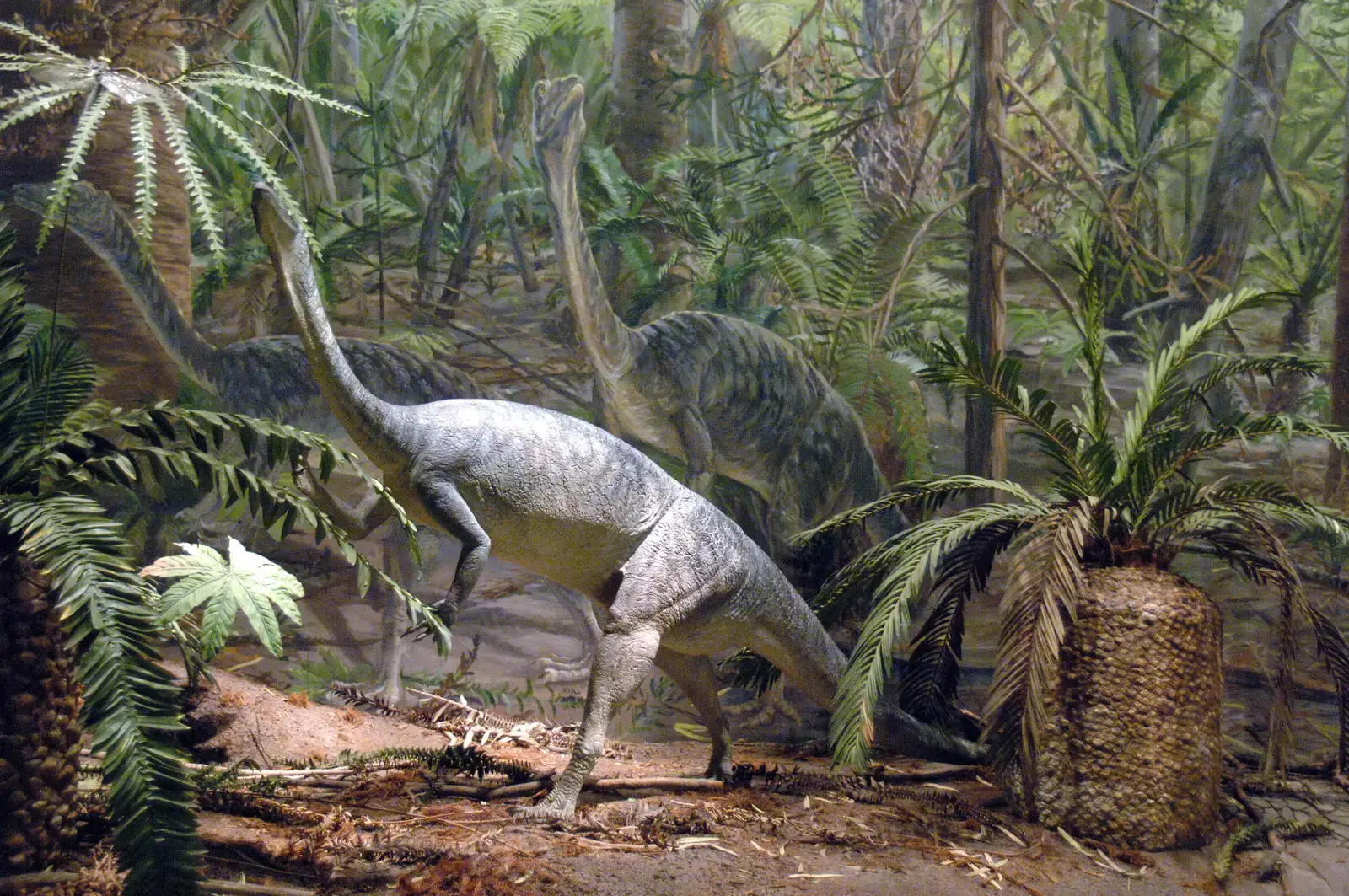
They first appeared during the Triassic period, between 243 and 233 million years ago, although the exact origin and timing of the evolution of dinosaurs is a subject of active research. I think that uncertainty is part of what makes paleontology so compelling. We are still filling in the gaps. It was around 240 million years ago that the first dinosaurs appear in the fossil record. These dinosaurs were small, bipedal creatures that would have darted across the variable landscape.
The oldest dinosaur fossils known from substantial remains date to the Carnian epoch of the Triassic period and have been found primarily in the Ischigualasto and Santa Maria Formations of Argentina and Brazil, and the Pebbly Arkose Formation of Zimbabwe. Triassic dinosaurs evolved in the Carnian and include early sauropodomorphs and theropods. Most Triassic dinosaurs were small predators and only a few were common, such as Coelophysis, which was 1 to 2 metres long. Small, yes. Insignificant? That would turn out to be the understatement of all geological time.
Life in the Triassic Seas: Reptiles, Reefs, and Ancient Oceans
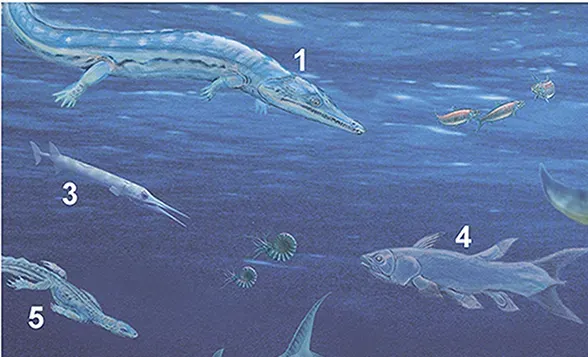
While early dinosaurs scurried through Pangaea’s dusty interior, the oceans were quietly staging their own dramatic comeback. These included the Sauropterygia, which featured pachypleurosaurs and nothosaurs, both common during the Middle Triassic, especially in the Tethys region, placodonts, the earliest known herbivorous marine reptile Atopodentatus, and the first plesiosaurs. The seas were filling up with characters that would have looked utterly alien to us today.
By the mid-Triassic, the ichthyosaurs were dominant in the oceans. One genus, Shonisaurus, measured more than 50 feet long and probably weighed close to 30 tons. The mid- to late Triassic period shows the first development of modern stony corals and a time of modest reef building activity in the shallower waters of the Tethys near the coasts of Pangaea. The oceans, in other words, were just as interesting as the land, and arguably a lot more crowded.
The First Mammals and the Triassic’s Quietest Revolution
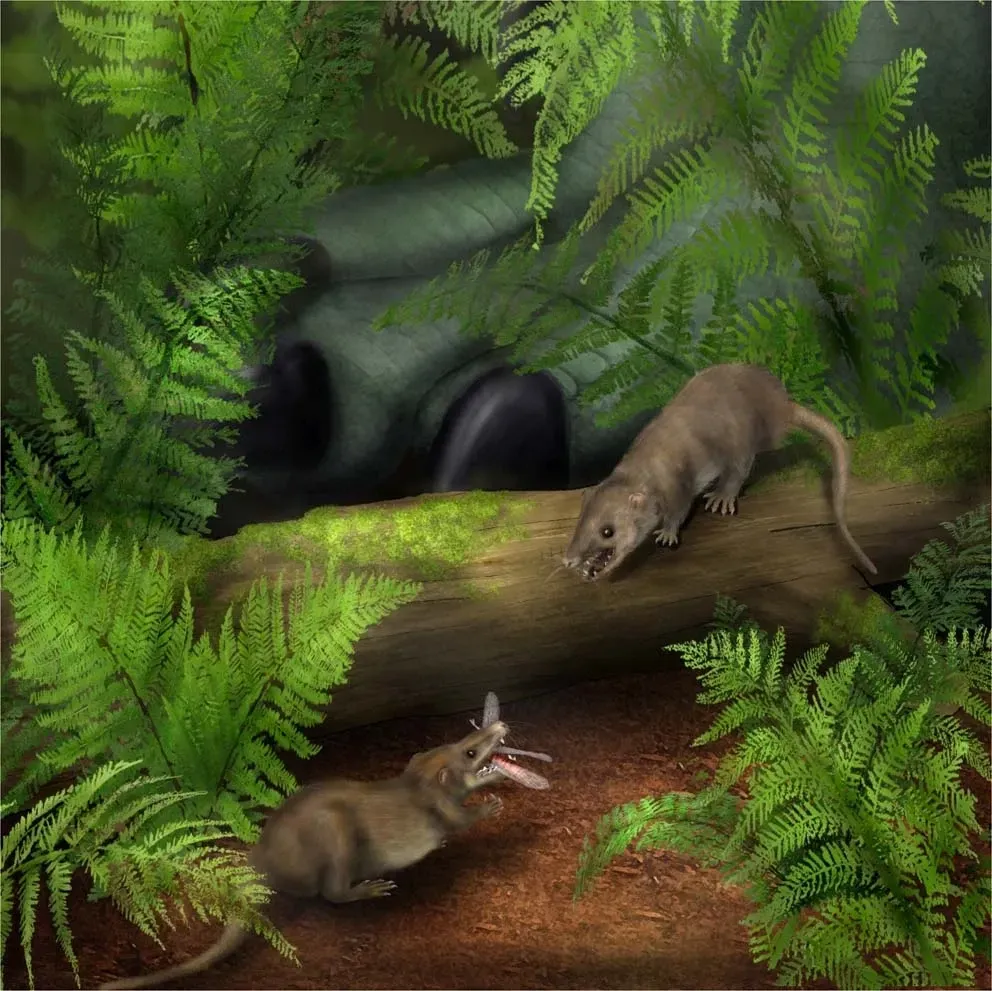
Here is something most people overlook when they think about the Triassic. It was not just the age of early dinosaurs. It was also the age when your very distant ancestors first appeared. The end of the Triassic saw the appearance of the first mammals, tiny, fur-bearing, shrewlike animals derived from reptiles. Not exactly glamorous, but history-making nonetheless.
Early mammals of the late Triassic and early Jurassic were very small, rarely more than a few inches in length. They were mainly herbivores or insectivores and therefore were not in direct competition with the archosaurs or later dinosaurs. Many of them were probably at least partially arboreal and nocturnal as well. This “Triassic Takeover” may have contributed to the evolution of mammals by forcing the surviving therapsids and their mammaliform successors to live as small, mainly nocturnal insectivores. It is a strange irony that the group which eventually came to rule the planet was, during the Triassic, essentially hiding in the bushes.
The End-Triassic Extinction: Destruction That Crowned the Dinosaurs
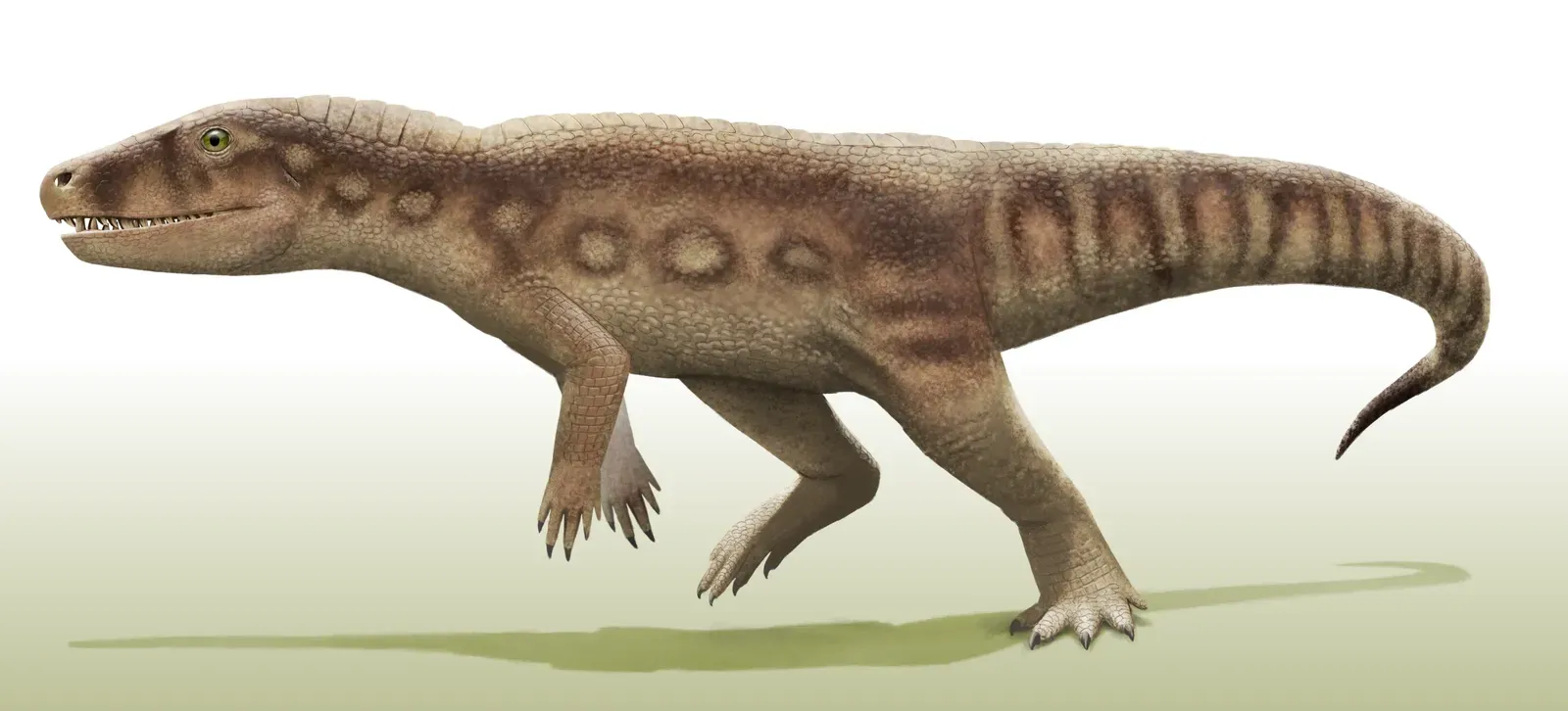
The Triassic ended precisely the way it began: with catastrophe. The end of the period was marked by yet another major mass extinction, the Triassic-Jurassic extinction event, that wiped out many groups, including most pseudosuchians, and allowed dinosaurs to assume dominance in the Jurassic. This was the crucial turning point that so many people miss when they talk about dinosaur dominance.
It was accompanied by huge volcanic eruptions that occurred as the supercontinent Pangaea began to break apart about 202 to 191 million years ago, forming the Central Atlantic magmatic province. These extinctions within the Triassic and at its end allowed the dinosaurs to expand into many niches that had become unoccupied. Dinosaurs became increasingly dominant, abundant and diverse, and remained that way for the next 150 million years. The dinosaurs did not win the Triassic through outright superiority. They won it, at least partly, because everything else was wiped out around them. Nature, it turns out, rewards persistence more than perfection.
Conclusion: The Triassic, a Forgotten Giant of Prehistoric Time
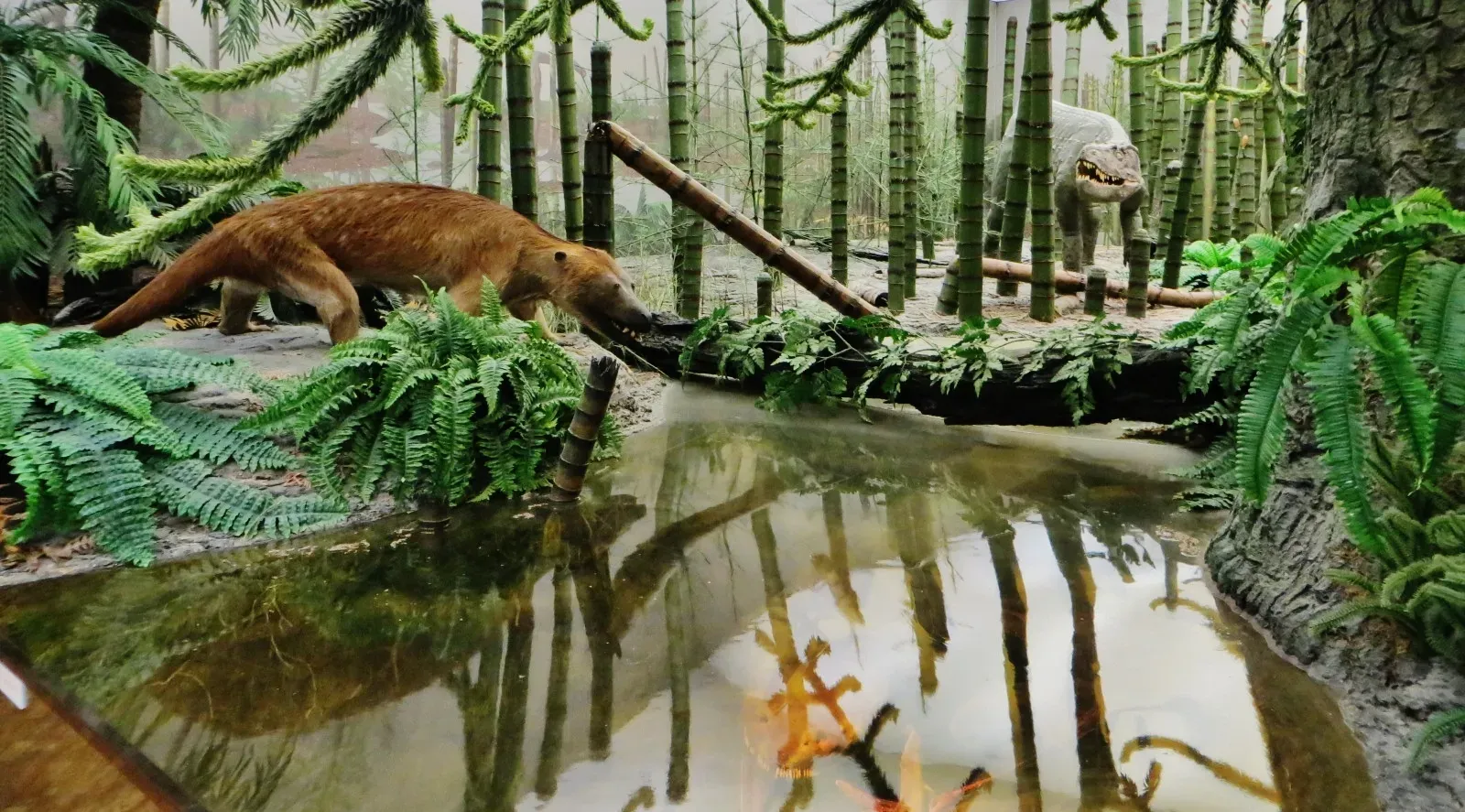
The Triassic Period rarely gets the same breathless attention as the Jurassic or the Cretaceous, and honestly, that feels like a missed opportunity. The Triassic Period was a time of great change. Bookended by extinctions, this era saw huge shifts in the diversity and dominance of life on Earth, ushering in the appearance of many well-known groups of animals that would go on to rule the planet for tens of millions of years.
It gave us the first dinosaurs, the first mammals, the first modern marine reptiles, and the breakup of the world’s last supercontinent. Think of the Triassic less as a prelude and more as the opening act that made everything else possible. Most modern faunas, including turtles, lizards, and mammals, took their first steps during the Triassic. Without it, the natural world as you know it simply would not exist.
The next time you look at a bird, a crocodile, or even a lizard basking on a rock, you are looking at a living echo of the Triassic. The question is: does knowing that change the way you see the creatures sharing this planet with you?