Picture a time when the world was slowly healing from its greatest catastrophe. The continents were fused together into one massive landmass, deserts stretched across vast interiors, and life was cautiously reclaiming what had been lost. This was the Triassic Period, a time roughly spanning from 252 to 201 million years ago, when something extraordinary happened. In this strange, recovering world, the first dinosaurs appeared.
You might imagine dinosaurs suddenly dominating every landscape, but the truth is more subtle. These early pioneers were actually quite small and unassuming. The Triassic was their testing ground, the stage where they began an evolutionary experiment that would eventually lead to their reign. Let’s explore how this remarkable chapter of Earth’s history unfolded.
Rising from the Ashes: The Great Dying’s Aftermath
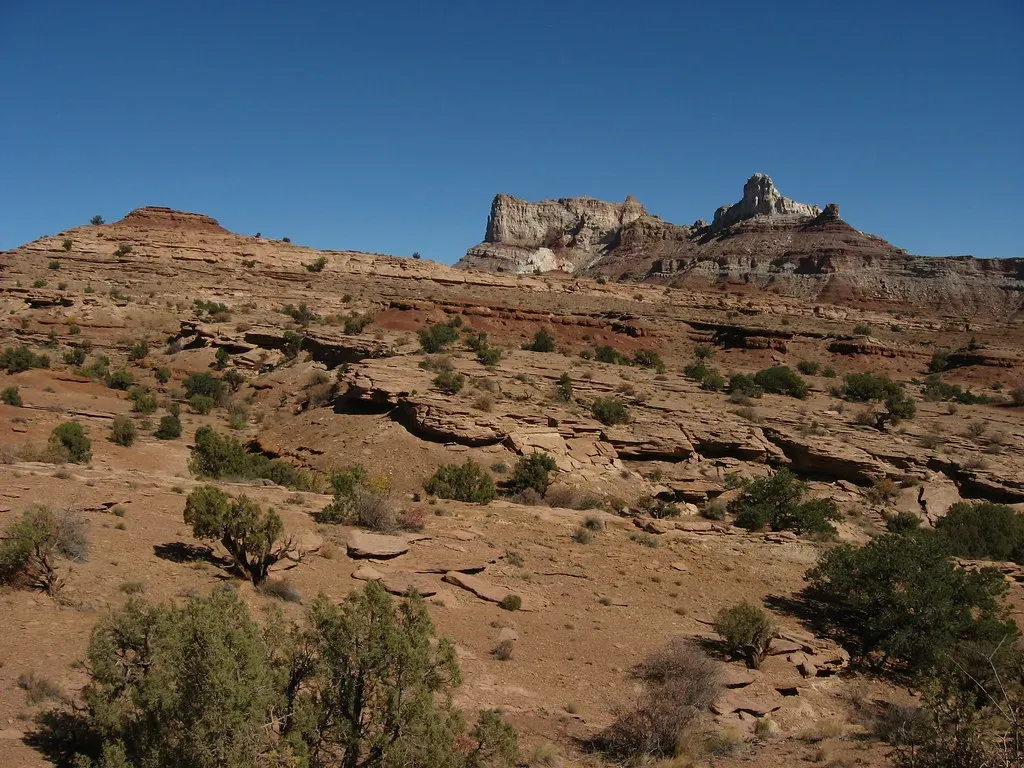
The Triassic Period began after the Permian-Triassic extinction event, also known as the Great Dying, which took place roughly 252 million years ago. Think about this for a moment. More than 90 percent of Earth’s species had been wiped out, making it the most devastating extinction event in our planet’s history. The cause remains debated, though scientists point to massive volcanic eruptions in what is now Siberia, the release of methane from ocean depths, sea level changes, or possibly a combination of these factors.
By some estimates, it may have taken up to 10 million years for the planet to recover from the devastation. The earliest Triassic landscapes were eerily quiet, with ecosystems stripped bare. The first few million years of the Triassic is marked by an absence of coal deposits, thought to be related to the mass extinction and the time it took for the recovery of plants. Imagine a world waiting in silence, gradually rebuilding what had been lost.
Pangaea: One Supercontinent, Extreme Climates
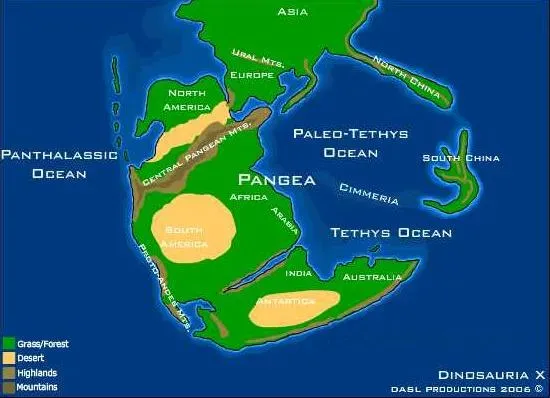
At the beginning of the Triassic, virtually all the major landmasses of the world were collected into the supercontinent of Pangaea. This massive C-shaped landmass stretched from pole to pole. The sheer size of Pangaea created climatic conditions unlike anything we experience today.
The global climate during the Triassic was mostly hot and dry, with deserts spanning much of Pangaea’s interior. Pangaea’s large size limited the moderating effect of the global ocean, creating a highly seasonal continental climate with very hot summers and cool winters, and the strong contrast triggered intense cross-equatorial monsoons. No polar ice existed, and temperature differences between the Equator and the poles would have been less extreme than today. Life clustered near the coasts where moisture was more plentiful, while the interior remained largely inhospitable.
The Slow Return of Life
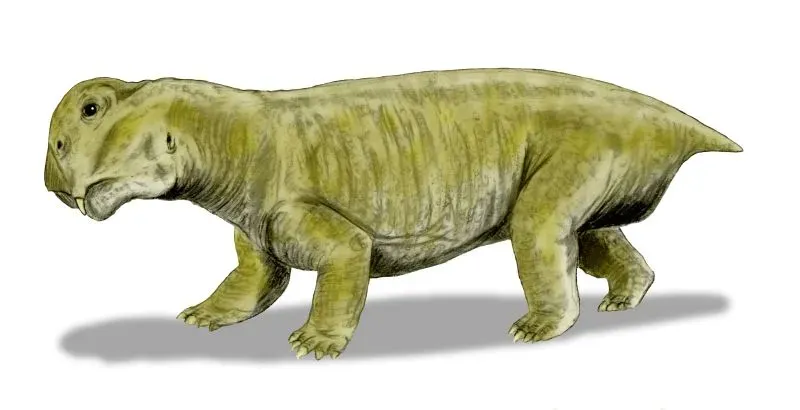
Recovery wasn’t quick or straightforward. Early Triassic terrestrial ecosystems were clearly dominated by a small number of genera, most notably the dicynodont Lystrosaurus, which accounted for approximately 90 percent of terrestrial vertebrates. These disaster taxa, as scientists call them, were hardy generalists that filled empty ecological niches.
Honestly, it’s quite remarkable how life persisted. During the early Triassic the world was still dominated by mammal-like reptiles, but there was an increasingly important archosaurian component, and by the end of the Middle Triassic, the synapsids were in decline while a diverse range of archosaurs had appeared. The stage was being set for something new. The old rulers were fading, and a different kind of creature was waiting in the wings.
The First Dinosaurs Emerge
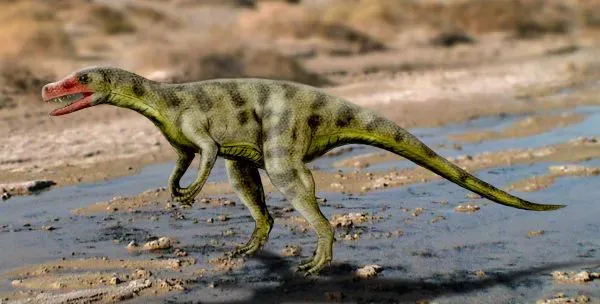
It was around 240 million years ago that the first dinosaurs appear in the fossil record. Let’s be real: these weren’t the giants we typically picture. These dinosaurs were small, bipedal creatures that would have darted across the variable landscape.
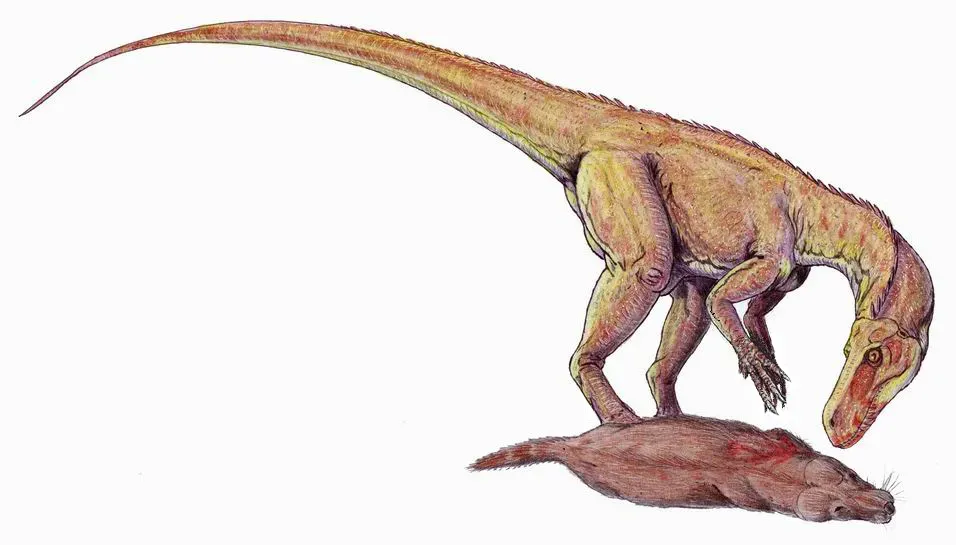
The oldest dinosaur fossils known from substantial remains date to the Carnian epoch of the Triassic period and have been found primarily in the Ischigualasto and Santa Maria Formations of Argentina and Brazil, including the early saurischian Eoraptor and the herrerasaurids Herrerasaurus and Sanjuansaurus. These creatures were evolutionary experiments, testing designs that would later prove spectacularly successful. Early dinosaurs were bipedal, swift-moving, and relatively small compared with later Mesozoic forms, though some like Plateosaurus reached lengths of about 8 meters.
A World Shared with Strange Creatures
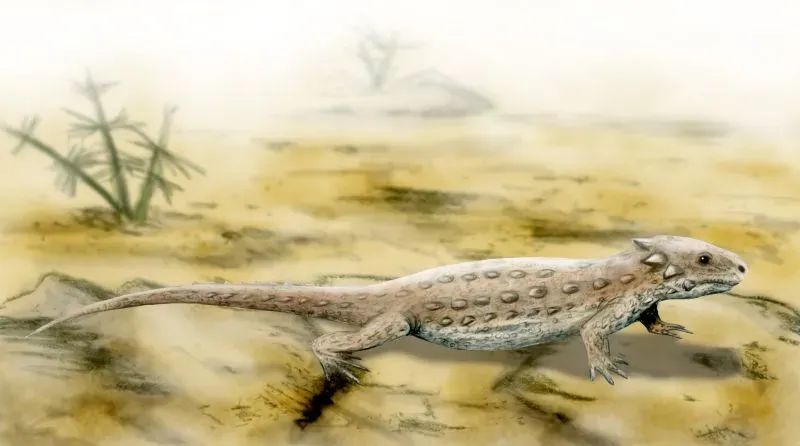
The Triassic wasn’t a world dominated by dinosaurs. Far from it. There were a lot of weird groups of Triassic archosaurs at this time, such as aetosaurs, large armoured animals which looked a bit like some of the armoured dinosaurs that appeared much later. Phytosaurs were a particularly common group which prospered during the Late Triassic, long-snouted and semiaquatic predators resembling living crocodiles and probably hunting fish and small reptiles around the water’s edge.
Herrerasaurus remains appear to have been the most common among the carnivores of the Ischigualasto Formation, and it lived alongside other early dinosaurs like Eoraptor, as well as rhynchosaurs, cynodonts, dicynodonts, pseudosuchians, and temnospondyls. The Triassic landscape was crowded with competition, and dinosaurs were just one group among many trying to survive.
Life in the Triassic Seas
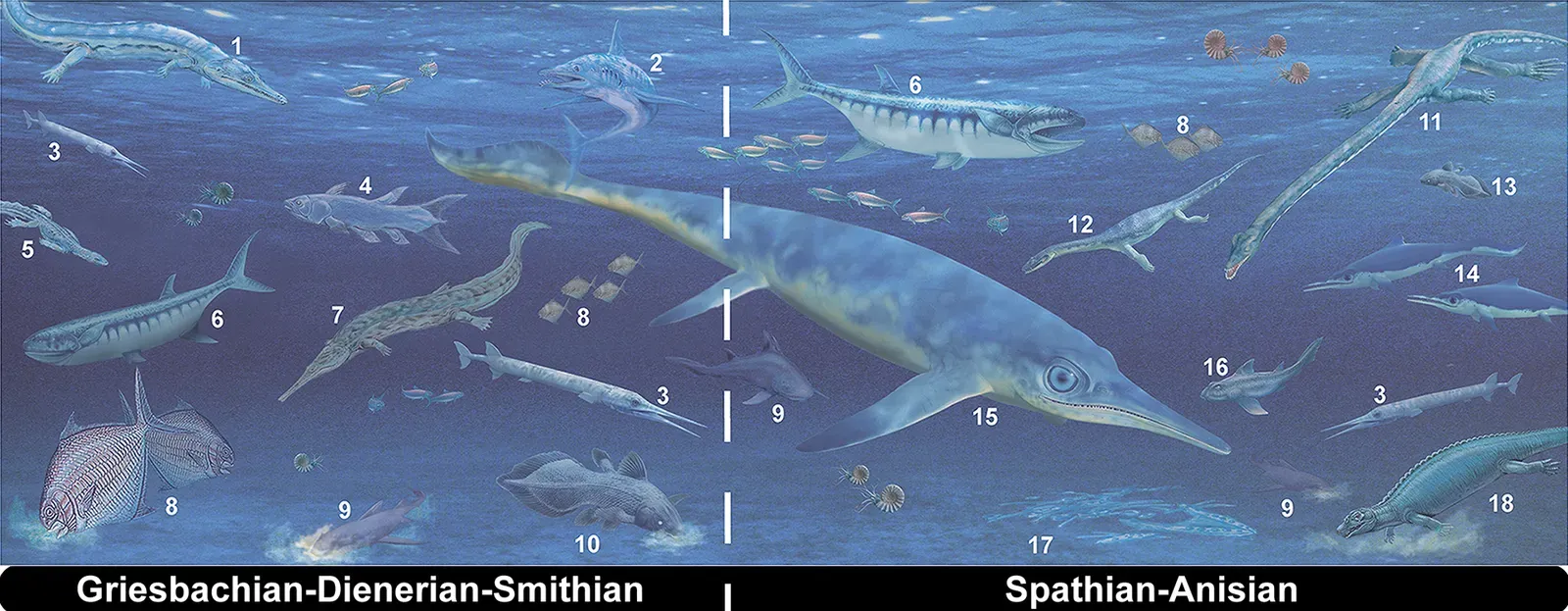
While dinosaurs were finding their footing on land, the oceans underwent their own dramatic transformation. The highly successful ichthyopterygians appeared in Early Triassic seas and soon diversified, with some achieving very large body masses by the Middle Triassic. Giant reptiles such as the dolphin-shaped ichthyosaurs and the long-necked and paddle-finned plesiosaurs preyed on fish and ancient squid.
The oceans teemed with coiled-shelled ammonites, mollusks, and sea urchins that survived the Permian extinction and were quickly diversifying, while the first corals appeared. The recovery in the seas mirrored what was happening on land: life was bouncing back, filling niches, experimenting with new body plans and survival strategies.
Forests, Ferns, and Ancient Flora
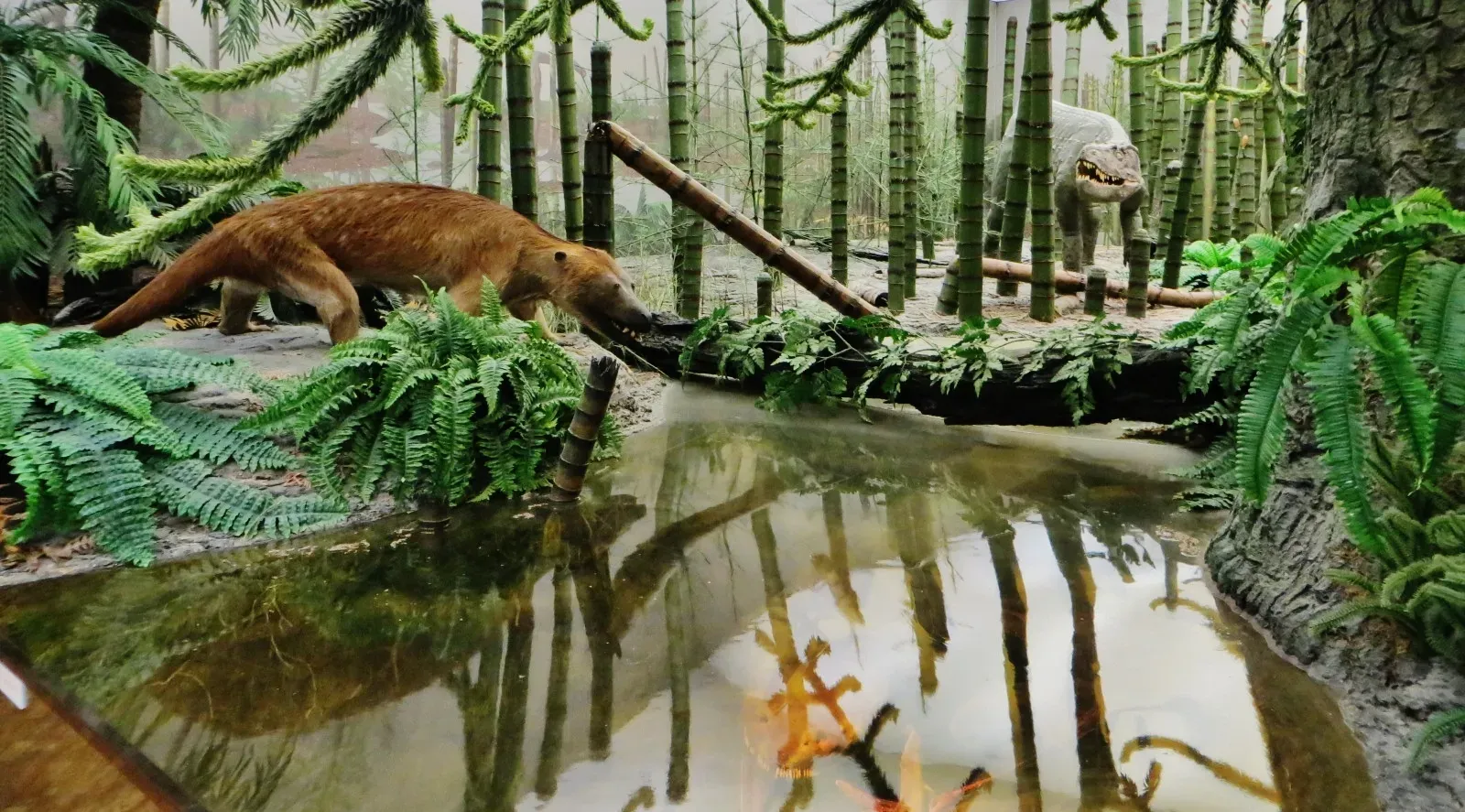
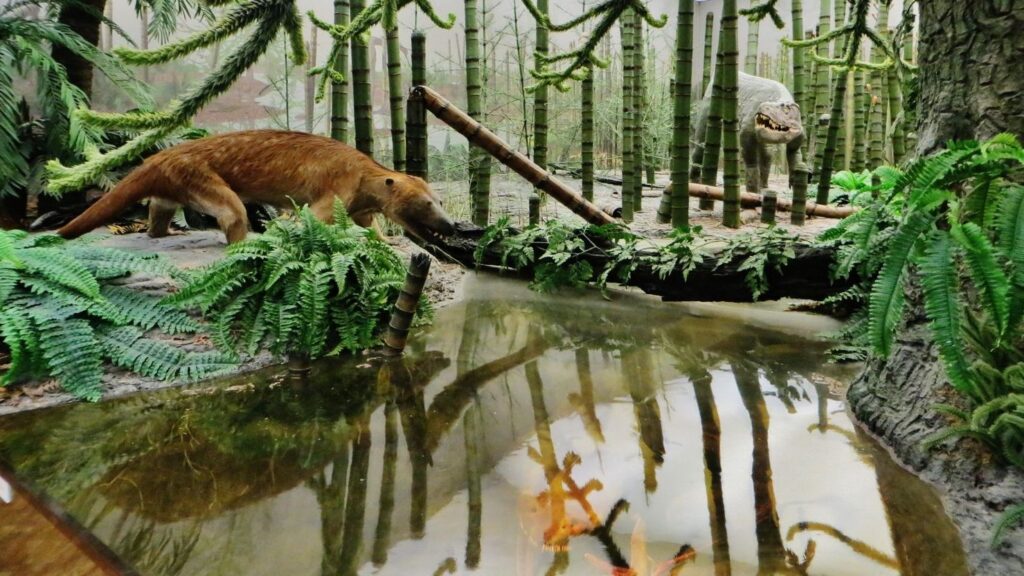
The Triassic landscape wasn’t barren, though it took time for plant life to fully recover. The environment was dominated by conifers, ferns and a now-extinct group of plants known as the seed ferns, or the Pteridospermatopsids. The paleoenvironment of the Ischigualasto Formation was a volcanically active floodplain covered by forests and subject to strong seasonal rainfalls, with a moist and warm climate featuring vegetation of ferns, horsetails, and giant conifers forming lowland forests along the banks of rivers.
These ancient forests provided shelter and food for the creatures that inhabited them. It’s hard to say for sure, but the variety of plant life must have created diverse microhabitats where different species could coexist and evolve.
The End-Triassic Extinction: Opening Doors for Dinosaurs
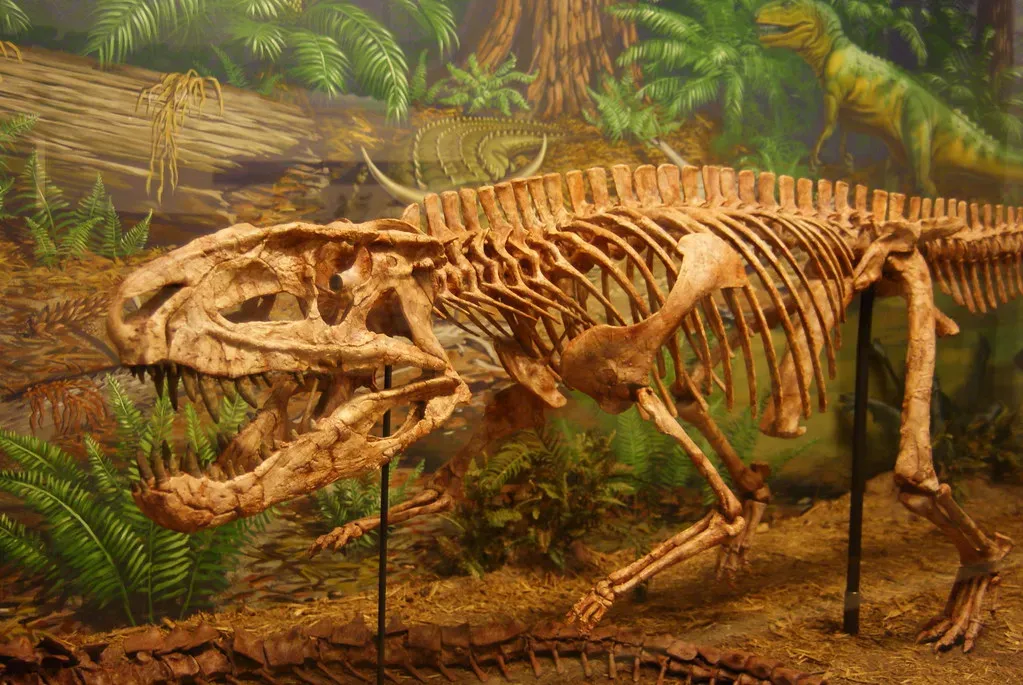
The climate started to change so that by 201.3 million years ago, Earth experienced another mass extinction event, and the causes are still not entirely understood, though what is now the Atlantic Ocean experienced massive volcanic activity. This massive extinction decimated 76 percent of marine and terrestrial species, marking the end of the Triassic period and the onset of the Jurassic.
All Triassic archosaurs, apart from dinosaurs, pterosaurs and crocodiles, went extinct, opening up many of the environments that the archosaurs had occupied and paving the way for the surviving dinosaurs to take their place. This is the thing that really changed everything. Many authorities maintain that the end-Triassic mass extinction on land opened ecological niches that were filled relatively quickly by dinosaurs, and it is thought that this event was the key moment that allowed dinosaurs to become the dominant land animals on Earth. The Triassic had been their apprenticeship, and the Jurassic would become their stage.
Conclusion
The Triassic Period was a time of recovery, experimentation, and transformation. From the ashes of the Great Dying emerged a world where dinosaurs took their first tentative steps. They started small, competing with strange archosaurs and mammal-like reptiles in a world of extremes: scorching deserts, monsoon-drenched coasts, and recovering ecosystems. It wasn’t until the end-Triassic extinction cleared the stage that dinosaurs could truly flourish.
This period teaches us something profound about resilience and opportunity. Life doesn’t simply bounce back from catastrophe; it transforms, adapts, and sometimes creates entirely new forms that will shape the future. The dinosaurs’ humble beginnings in the Triassic would lead to their dominance for more than 135 million years. What other hidden potential might exist in our world today, waiting for its moment? What do you think?