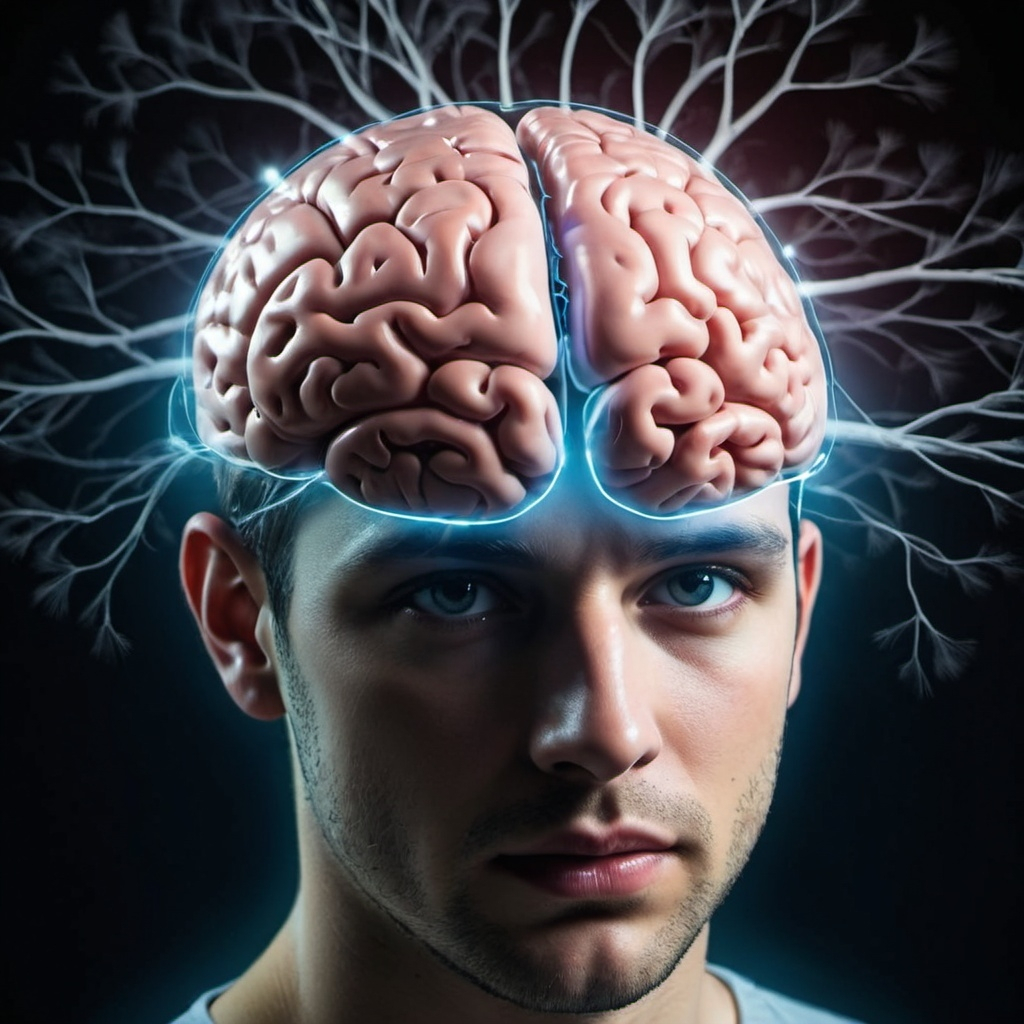
You’ve probably heard someone described as smart because they scored high on an IQ test. Maybe you’ve even taken one yourself. For decades, we’ve relied on these standardized assessments to measure human intelligence, creating a neat numerical value that supposedly captures the essence of our mental abilities. Yet here’s something that might surprise you: those numbers might not tell the whole story about what truly makes someone intelligent.
Think about the people around you who seem to navigate life with remarkable ease. They’re not necessarily the ones who memorized the most facts or solved puzzles fastest in school. Instead, they’re the ones who thrive when plans fall apart, who switch gears smoothly when circumstances shift, who learn from mistakes and apply those lessons in completely new situations. That quality? It’s called adaptability, and it might just be the real measure of intelligence.
Why IQ Tests Fall Short in Capturing Real Intelligence

IQ tests predominantly focus on analytical and problem solving skills while overlooking crucial aspects like creativity, emotional intelligence, practical wisdom, and social understanding. Let’s be real, these assessments were designed roughly about a century ago, created in an era when education looked vastly different than it does now. Research from the Brain and Mind Institute revealed that IQ tests are poor indicators of intelligence, finding no single quotient could measure intelligence across their comprehensive evaluation.
The problem runs deeper than just narrow focus. Many IQ tests carry inherent cultural bias, being frequently based on Western educational standards and cultural norms, potentially disadvantaging individuals from diverse backgrounds. You might excel at spatial reasoning or emotional perception but score lower on verbal tasks shaped by specific cultural experiences. Does that make you less intelligent? Hardly.
Adaptability Quotient: The Intelligence Metric for Modern Times
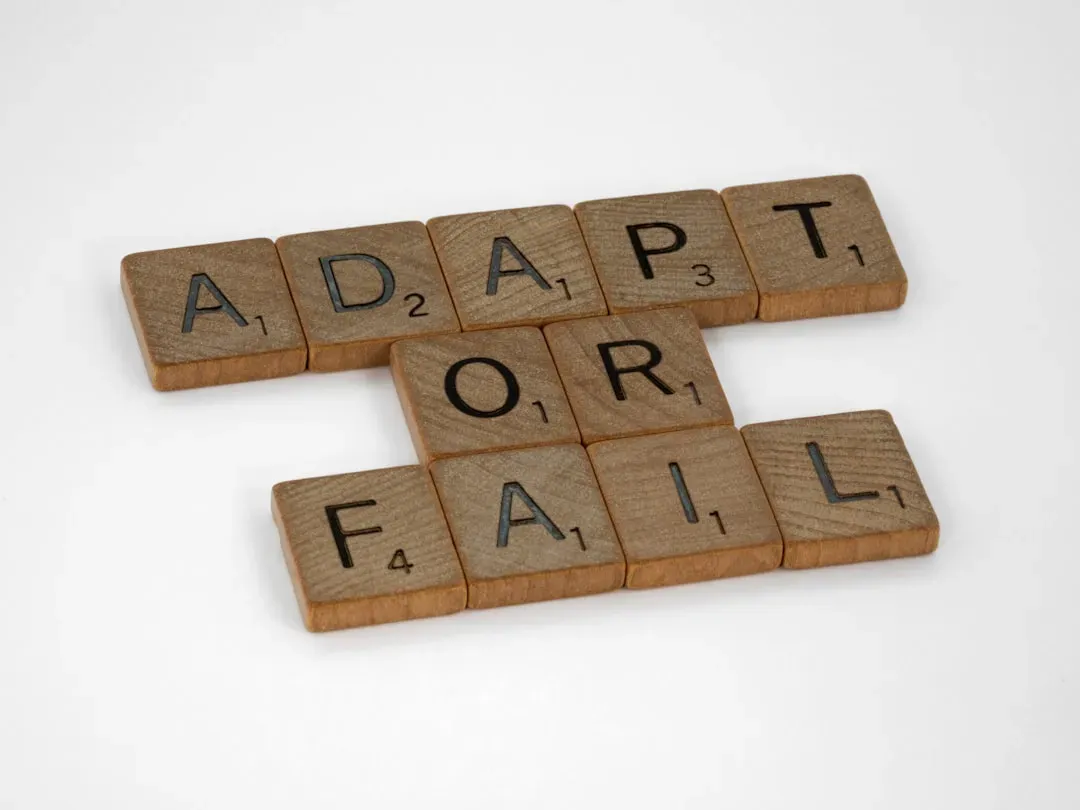
Enter the concept of Adaptability Quotient, or AQ. AQ measures how quickly individuals learn, unlearn, and reapply knowledge in changing environments, predicting long term career and company resilience. Unlike IQ, which essentially captures a snapshot of specific cognitive abilities, AQ reflects something more dynamic and practical.
AQ is described as a better predictor of future success than IQ or EQ in a rapidly changing world. Think about it from your own experience. The colleague who successfully navigated remote work during sudden lockdowns, the friend who pivoted careers when their industry shifted, the student who adjusted learning strategies based on feedback. AQ is a trainable skill rather than a fixed trait, with practice in areas like mindset, resilience, and unlearning allowing individuals to significantly raise their adaptability levels.
Your Brain’s Built-in Flexibility System
Cognitive flexibility is defined as the ability to adapt to changes in the environment by switching task sets, responses, or strategies, permitting appropriate adjustment of thoughts and behaviours in response to changing environmental demands. Recent neuroscience research reveals something fascinating about how your brain achieves this.
Research found that the brain excels at learning because it reuses modular cognitive blocks across many tasks, with the prefrontal cortex assembling these blocks to create new behaviors, explaining why humans learn quickly while AI models often forget old skills. Your brain doesn’t start from scratch every time you face a new challenge. Instead, it combines existing knowledge modules like building blocks, creating novel solutions by recombining familiar patterns. This neural recycling makes you remarkably efficient at adapting.
Large scale functional brain networks encompassing lateral and orbital frontoparietal, midcingulo insular and frontostriatal regions support flexibility across the lifespan. These networks work together to help you shift attention, update strategies, and respond to feedback.
The Multidimensional Nature of Human Intelligence
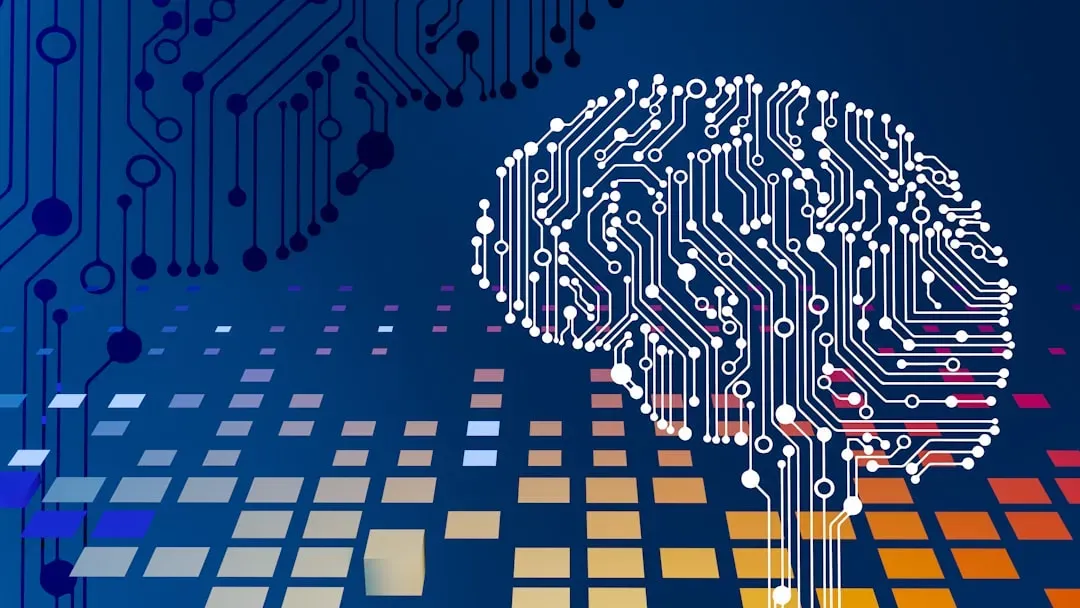
Human intelligence is multidimensional, fusing analytical reasoning, creativity, adaptability, emotional depth, and ethical awareness, integrating mind, body, and culture. You demonstrate intelligence when you read a room and adjust your communication style. You show it when you find creative solutions to problems nobody anticipated. You display it when you recognize patterns across completely different domains.
Intelligence is the ability to learn from experience and to adapt to, shape, and select environments. Notice how adaptation sits at the core of this definition. Intelligence isn’t static knowledge stored in your brain like files on a computer. It’s an active, dynamic process of engagement with the world around you.
Consider the hunter gatherer who reads weather patterns and animal behavior, the surgeon who adjusts technique based on unexpected complications, or the teacher who modifies lesson plans when students struggle with specific concepts. Each demonstrates profound intelligence despite potentially scoring differently on standardized tests.
Adaptability in Action: Real World Applications

Change is exponential in today’s digital world, with artificial intelligence rewriting job market rules, climate change demanding new lifestyles and policies, and even social norms and communication styles evolving faster than ever before. You’ve probably experienced this acceleration yourself. The software you use at work updates constantly. Communication shifted from emails to instant messages to video calls seemingly overnight.
Those who resist change are often left behind not because they aren’t smart but because they lack the mental flexibility to pivot, while companies that embrace change, anticipate it, and evolve ahead of the curve thrive. Remember Blockbuster? They had the infrastructure, the customer base, the brand recognition. What they lacked was adaptability when streaming emerged.
Companies can’t afford to hire solely based on how well someone fits a job description, with adaptability becoming a new must have skill, while emotional intelligence offers something AI cannot replicate. Your ability to adjust strategies, learn new systems, and apply knowledge across contexts becomes increasingly valuable.
Training Your Adaptability Like a Muscle
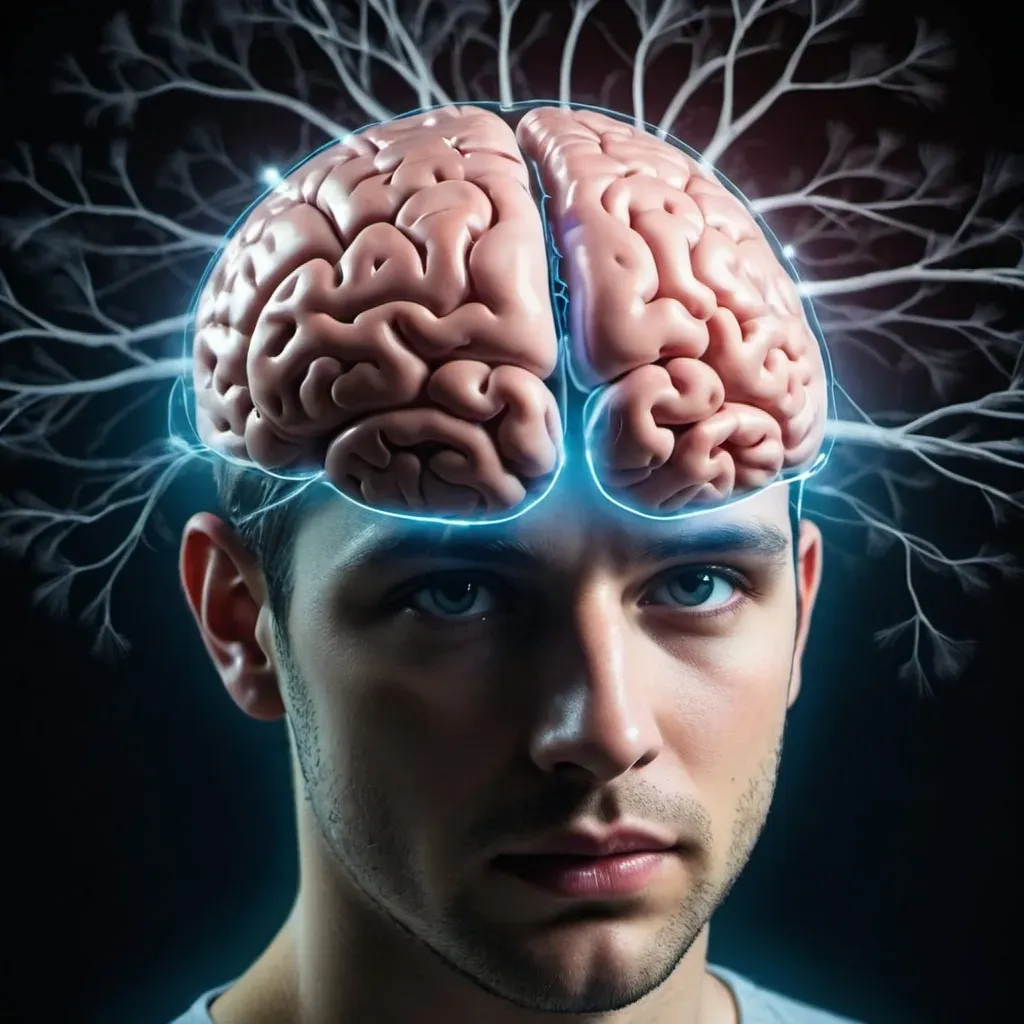
Here’s genuinely encouraging news: you can improve your adaptability. Through structured reflection, mentorship, and upskilling programmes, individuals can significantly boost adaptability over time. Unlike IQ, which remains relatively stable throughout your adult life, AQ responds to deliberate practice and experience.
Attention is fundamental to learning, reasoning, and problem solving, with recent research showing that strengthening attention can enhance cognitive control, leading to better learning outcomes and greater adaptability to complex tasks. Start by noticing when you’re stuck in rigid thinking patterns. Challenge yourself to generate multiple solutions rather than settling for the first idea. Seek out unfamiliar situations that force you to adjust.
Cognitive flexibility represents the ability to adapt one’s thinking and behavior in response to changing environmental demands, being multifaceted and involving skills including attentional shifting, strategy updating, response to feedback, reversal learning, exploration, and task switching. Practice these component skills deliberately. When plans fail, resist frustration and instead ask what alternative approaches might work.
The Cultural Context of Intelligence

High IQ people of our society would and do look pretty stupid in contexts of other cultures placing premium on hunting, gathering, ice fishing, spatial navigation, or other skills, suggesting cultural hubris in treating IQ based skills as fundamental. Intelligence always exists within a context. What counts as smart behavior in one setting might be irrelevant or even counterproductive in another.
Intelligence is multifaceted, with a nation’s average IQ not capturing individual potential nor accounting for creativity, adaptability, and emotional depth. You might struggle with abstract mathematical reasoning but excel at reading social dynamics, understanding mechanical systems, or creating artistic works that move people. Each represents genuine intelligence.
The mistake lies in treating one narrow slice of cognitive ability as if it represents the whole picture. Acts considered to be adaptively intelligent differ across cultures, with external validation of intelligence tests drawing upon culturally valued criteria.
Why Changing Your Mind Shows Intelligence
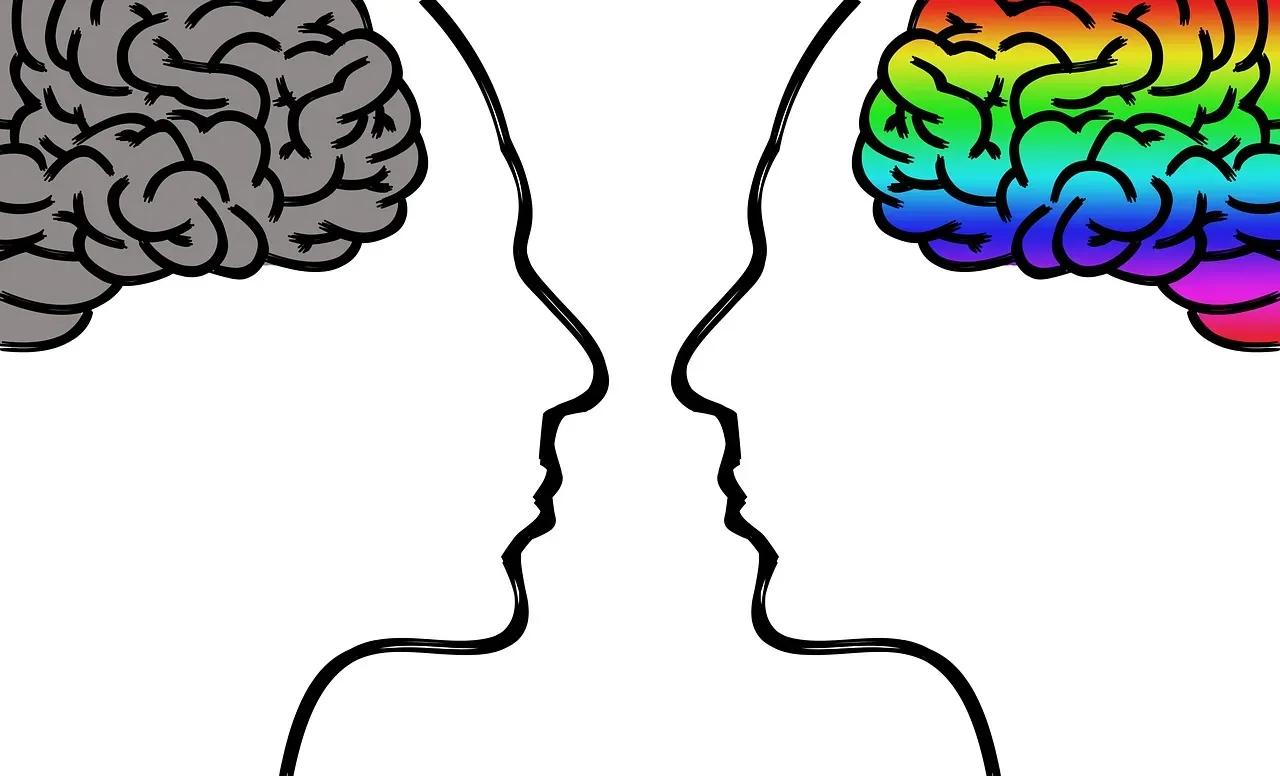
Changing one’s mind isn’t weakness or indecision but requires intellectual humility to admit new evidence shifted your perspective, courage to abandon outdated beliefs or strategies, and intelligence to realize that staying still in a moving world leads to falling behind. You demonstrate adaptability when you update your opinions based on new information.
Adaptability also fuels creativity, resilience, and empathy, traits increasingly recognized as essential forms of intelligence in both leadership and everyday life. Think about leaders you respect. They likely adjust their approaches based on team feedback, pivot strategies when data suggests different directions, and modify communication styles for different audiences. This flexibility stems from intelligence, not from lack of conviction.
Rigid thinking feels safe because it’s predictable. Yet in a world characterized by constant change, flexibility becomes the ultimate survival skill. You preserve energy and reduce stress by adapting smoothly rather than fighting every shift.
The Future Belongs to Adaptive Thinkers
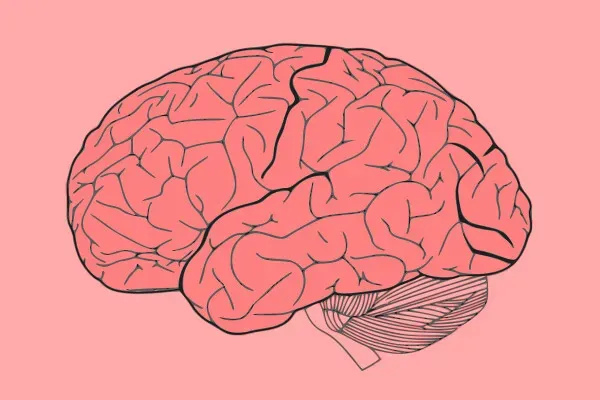
Intelligence is moving from static measurement to adaptive performance, shifting from what you know to how fast you can relearn. The half life of technical knowledge keeps shrinking. Programming languages evolve, medical treatments advance, business strategies transform. Your ability to continuously learn and adjust outweighs whatever facts you memorized years ago.
Adaptability is a distinguishing feature of the human species, with humans thriving as hunter gatherers, farmers, and urbanites. You inherit this remarkable capacity for adaptation. Your ancestors survived ice ages, migrations across continents, and countless environmental challenges through flexibility rather than fixed behaviors.
The human brain repeatedly reuses the same cognitive blocks across different situations, combining and recombining them to form new patterns of behavior, explaining why the brain is flexible. You’re built for adaptability at a fundamental neurological level.
Conclusion: Redefining What Smart Really Means

The next time someone mentions intelligence, resist the impulse to think solely about test scores or academic achievements. True intelligence manifests in how you respond when life throws unexpected challenges your way, how you learn from failures and apply those lessons elsewhere, how you recognize when old strategies no longer serve you and develop new ones.
While intelligence is often equated with knowledge, IQ scores, or academic achievements, true intelligence lies in flexibility rather than just facts. You demonstrate intelligence every time you adjust to new circumstances, update your thinking based on fresh information, or apply knowledge from one domain to solve problems in another. That’s the kind of intelligence that matters in real life, the kind that helps you thrive regardless of what challenges emerge.
Adaptability isn’t just another trait to add to the list. It’s the foundation that makes all other cognitive abilities useful in an unpredictable world. So which would you rather have: a high score on a century old test, or the flexibility to learn, grow, and succeed no matter what tomorrow brings?