Picture yourself floating in the open ocean, peering down into clear blue water. Below you, something longer than two city buses combined glides through the depths. It is not a whale. It is not a submarine. It is a living, breathing reptile that ruled the prehistoric seas with terrifying authority. You might think you have a decent understanding of how big ancient creatures were – after all, you have seen museum skeletons and movie monsters. Honestly, you have not even scratched the surface.
The ancient oceans were not just teeming with life. They were dominated by creatures so enormous and so ferocious that modern apex predators like great white sharks and orcas would have looked like appetizers. Let’s dive into what science has actually revealed, because the reality is wilder than any blockbuster film ever dared to show you.
Ichthyosaurs: The Undisputed Champions of Ocean Size
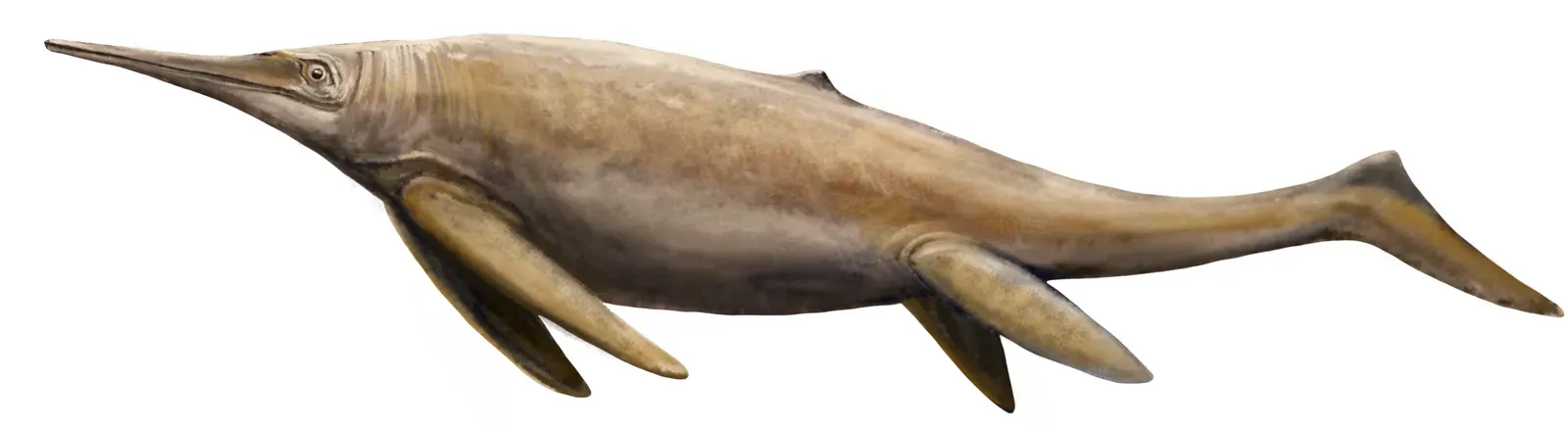
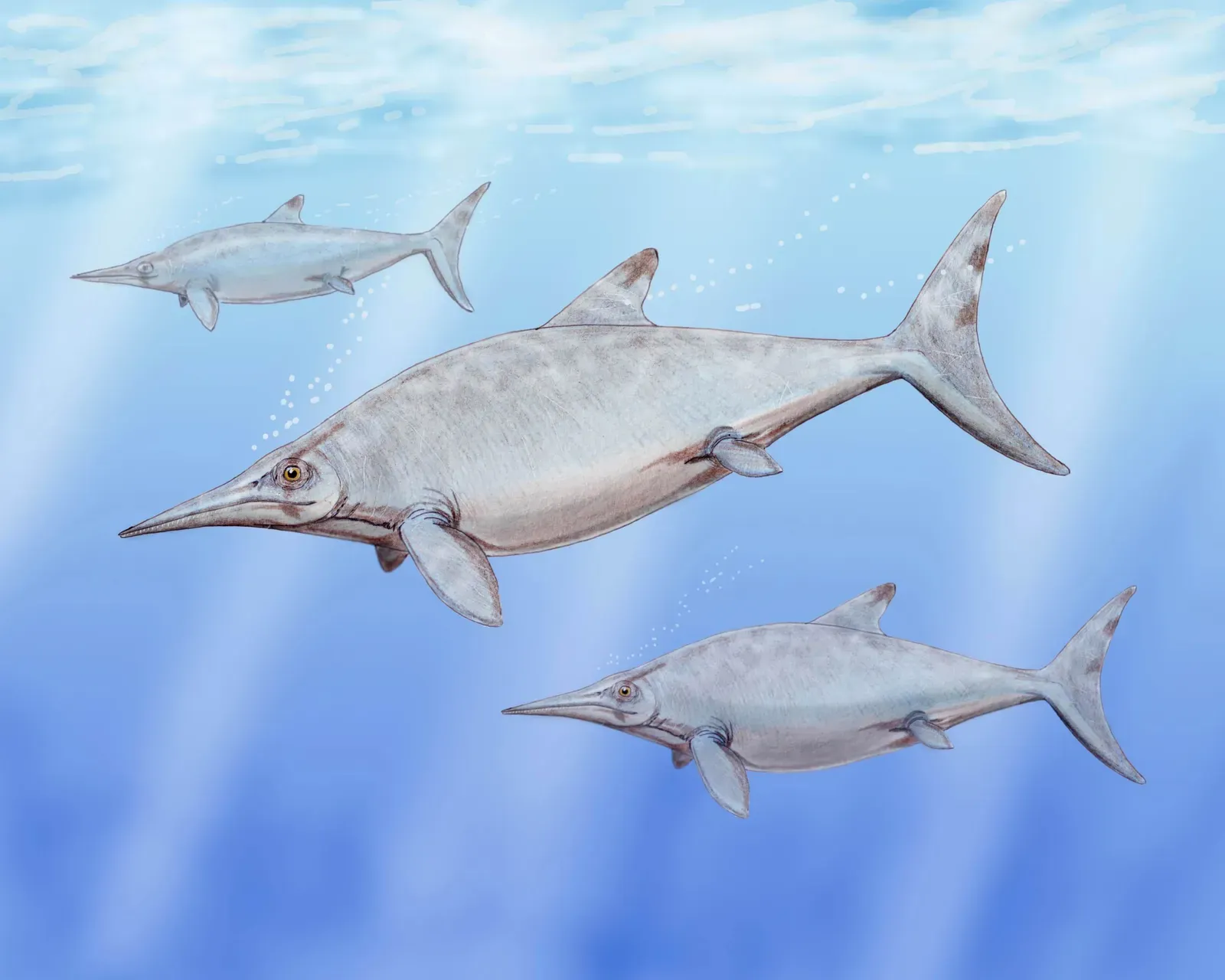
You might know the blue whale as the largest animal to ever exist on Earth, and that is mostly true today. However, there was a time when reptiles matched and possibly even exceeded it in sheer length. The largest marine reptiles ever to live on Earth were shastasaurid ichthyosaurs of the Late Triassic period, dating back roughly 237 to 201 million years ago. Think about that for a moment. Long before whales, long before modern sharks, reptiles had already conquered the size game in spectacular fashion.
The fossilized remains of several species of these dolphin-like ocean giants indicate that they could have grown in excess of 20 meters long, and perhaps up to 25 meters, on a par with the average length of a blue whale, the largest ever marine mammal and the largest animal alive today. You are reading that correctly. A reptile. The same class of animal as today’s garden lizards. Matching a blue whale in length. The sheer audacity of evolution is staggering.
Ichthyotitan Severnensis: The Record-Breaker Hidden on a British Beach
Here is a story that will genuinely floor you. In May 2020, an eleven-year-old girl named Ruby Reynolds and her father Justin took a casual trip to a beach in Somerset, England, to hunt for fossils. Ruby and her father would later discover that they had just chanced upon part of the largest marine reptile ever found, a giant ichthyosaur from 202 million years ago, near the end of the Triassic Period. Not a paleontologist. Not a funded research expedition. A kid and her dad on a day out.
A newly described species of ichthyosaur is likely the largest species of marine reptile ever to be formally described, according to a study published in the open-access journal PLOS ONE. Over the past few years, researcher Dean Lomax and his team discovered and pieced together individual fragments of an ichthyosaur jawbone from the Westbury Mudstone Formation in Somerset, UK. Even more mind-blowing? Bone histology studies showed the reptile was likely still growing at the time of its death, meaning an adult may have been even larger than a blue whale. You are looking at a creature whose full-grown size science has not yet fully grasped.
How Ichthyosaurs Evolved to Gigantic Proportions at Breathtaking Speed
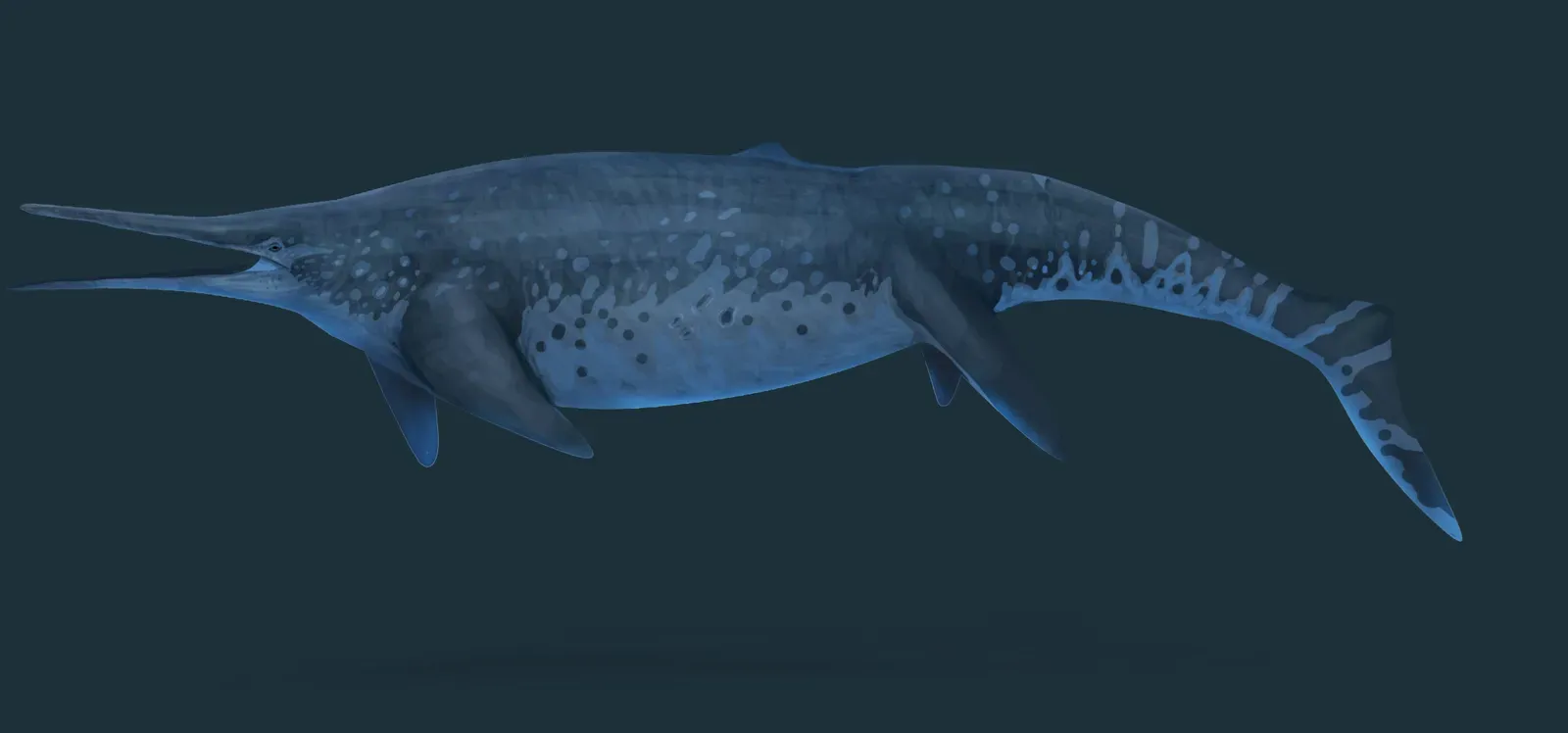
Ichthyosaurs are a group of marine reptiles which emerged around 250 million years ago during the Early Triassic Period. While dinosaurs roamed on land, ichthyosaurs became one of the ocean’s top predators. What truly staggers scientists is not just how large they got, but how fast they got there. In evolutionary terms, it happened almost overnight. Imagine going from a land animal to the ocean’s undisputed giant in just a few million years. It is like a sports car going from zero to highway speed in the blink of an eye.
Ichthyosaurs were the first tetrapods, or four-limbed vertebrates, to reach truly gigantic sizes. They also appear to have evolved very rapidly, with individuals that reached up to 17 meters long emerging just a few million years after the group first appeared. Later, at the very end of the Triassic, things got even more extreme. Within a few million years, some ichthyosaurs had evolved to reach at least 15 meters long, and by the Late Triassic, the largest ichthyosaurs had evolved, including the newly described Ichthyotitan severnensis. You are witnessing evolution operating at full throttle.
Mosasaurs: The Sea Monsters That Actually Existed
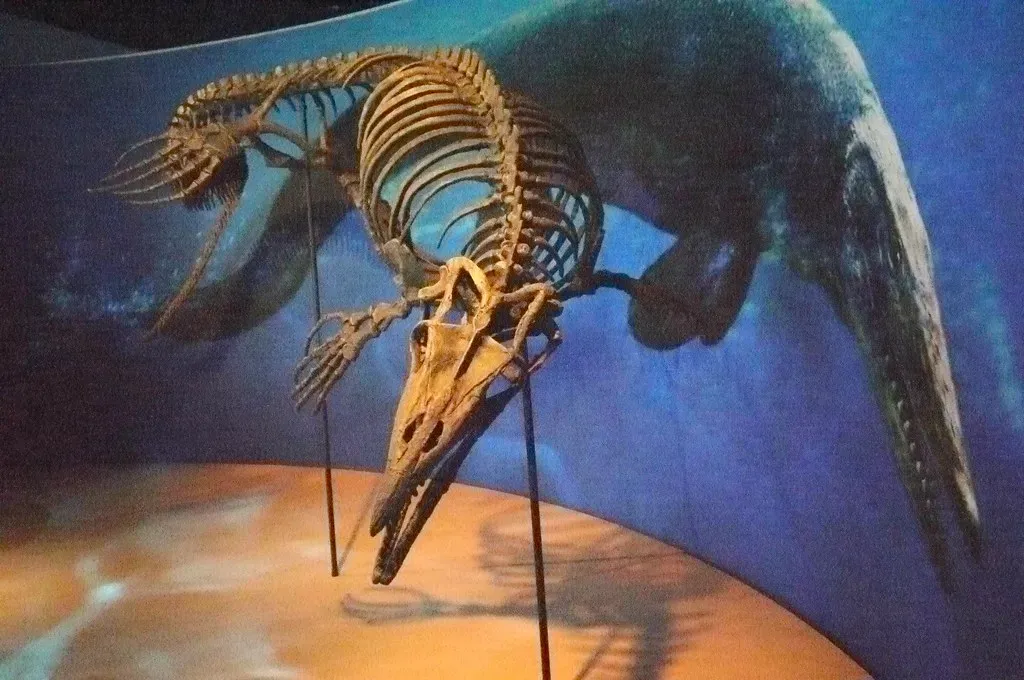
You have seen them in movies. The enormous water-dwelling predator that makes a dramatic appearance and swallows something enormous whole. Here is the thing – the real animal was every bit as terrifying as the Hollywood version, just slightly different in design. During the last 20 million years of the Cretaceous period, with the extinction of the ichthyosaurs and pliosaurs, mosasaurids became the dominant marine predators. They themselves became extinct as a result of the mass extinction event at the end of the Cretaceous period, about 66 million years ago.
The most striking feature of Mosasaurus was its formidable jaws, armed with rows of sharp, conical teeth ideal for grasping and tearing prey. With a skull featuring a powerful bite force, it could effortlessly dispatch large marine creatures, including fish, turtles, and even other marine reptiles. Its ability to open its jaws wide enabled it to swallow prey whole, making it a fearsome predator of the ancient seas. You would not want to accidentally encounter one of those during a swim. The tissue structure of Mosasaurus bones suggests it had a metabolic rate much higher than modern squamates, and it was likely endothermic, maintaining a constant body temperature independent of the external environment. A warm-blooded, enormous, fast-moving sea lizard. Genuinely terrifying.
Pliosaurs: Short Necks, Massive Heads, and a Bite That Defined an Era
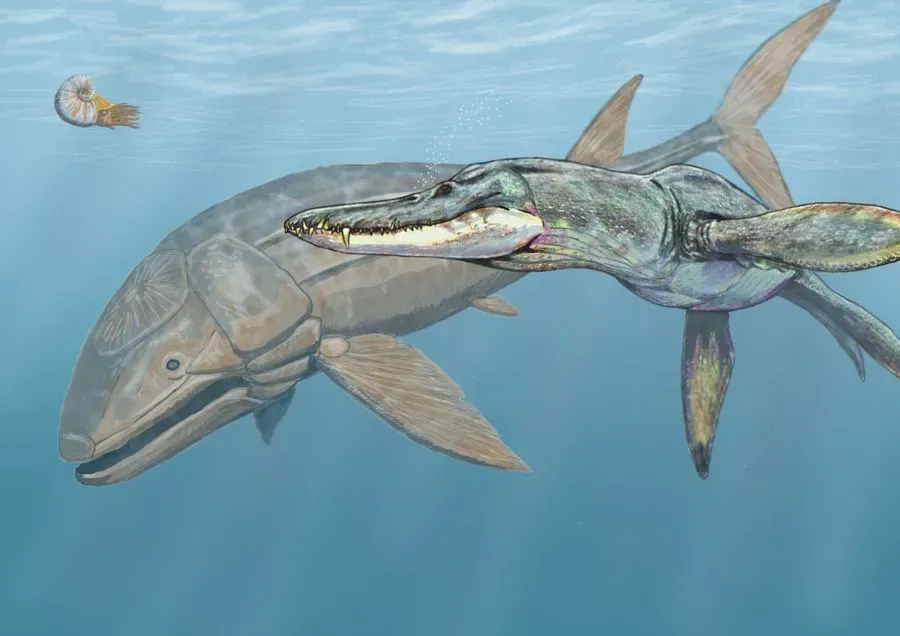
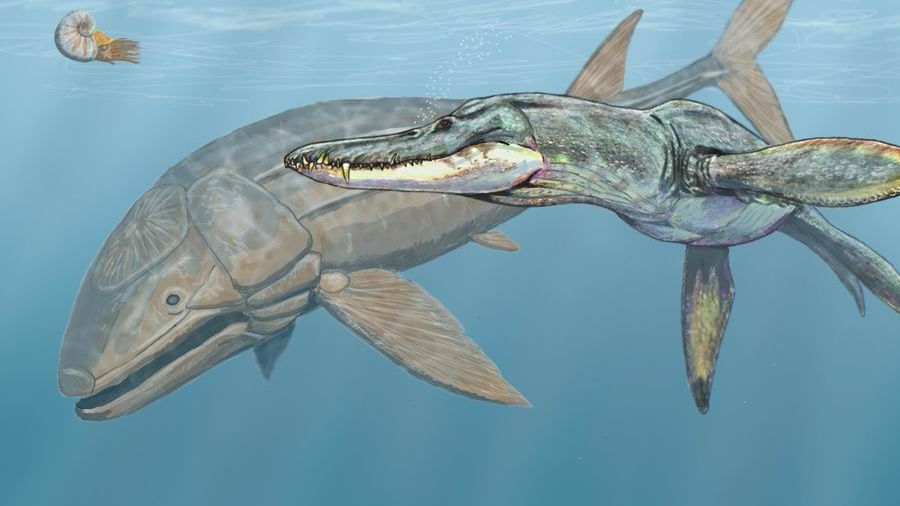
You want to talk about fearsome? Let’s get into pliosaurs. While their long-necked plesiosaur cousins often get more popular attention, pliosaurs were the bruisers of the ancient ocean, built like a cross between a crocodile and a killer whale. Thalassophonean pliosaurs looked like a cross between a crocodile and a whale, with short necks, huge heads, large, paddle-shaped flippers, and powerful, hydrodynamic bodies. They were the largest members of Plesiosauria, reaching lengths of more than 11 meters. They were also the largest marine reptiles for the majority of their existence, ruling the world’s oceans as apex predators for more than 80 million years.
For more than 80 million years, the pliosaurs were the apex predators of the world’s oceans, feasting on all manner of prey from large fish to other marine reptiles, including their close cousins the plesiosaurs. There is also fossilized gut content evidence showing that some pliosaurs scavenged dinosaur carcasses that had washed out to sea. So even the land creatures were not entirely safe. Liopleurodon, one of the most famous pliosaurs, had a bite force estimated at 30,000 newtons, enough to crush bones and shells. For reference, that rivals some of the strongest bite forces ever measured in the fossil record. Unreal.
Plesiosaurs: Long-Necked Legends with a Surprising Range of Sizes
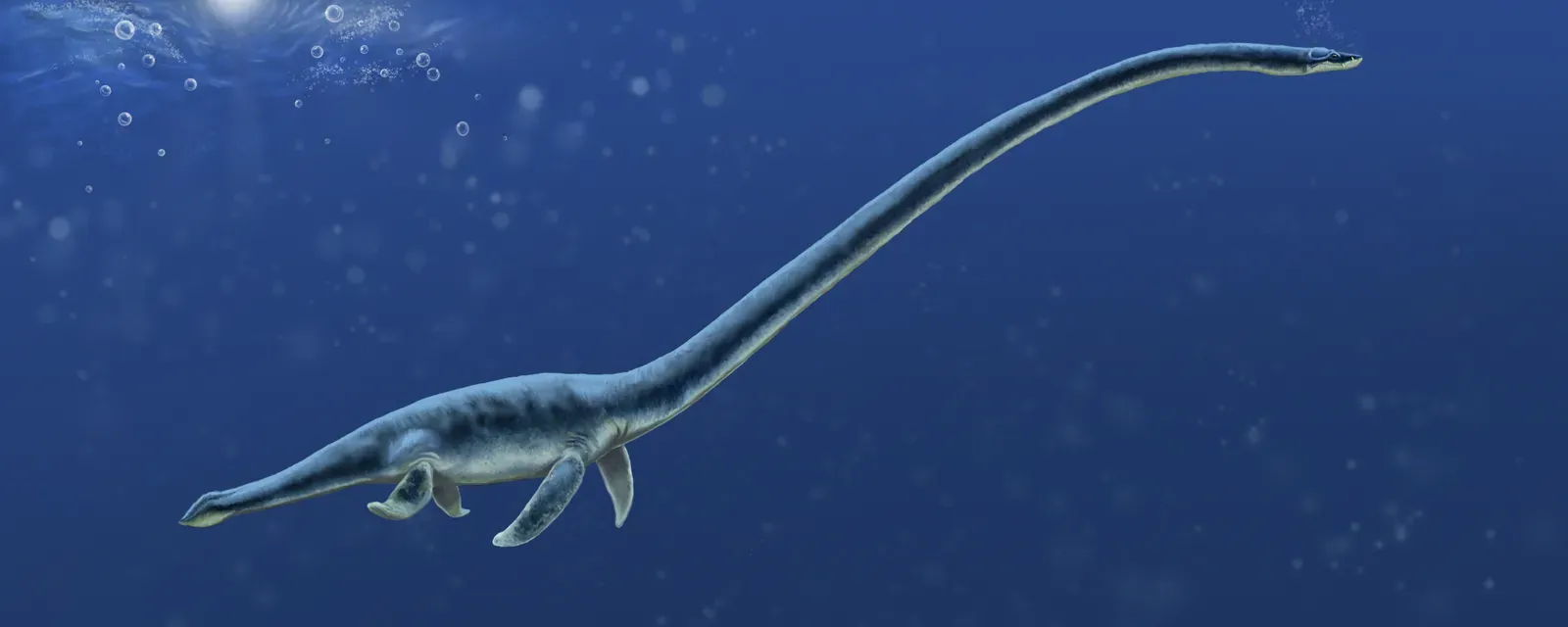
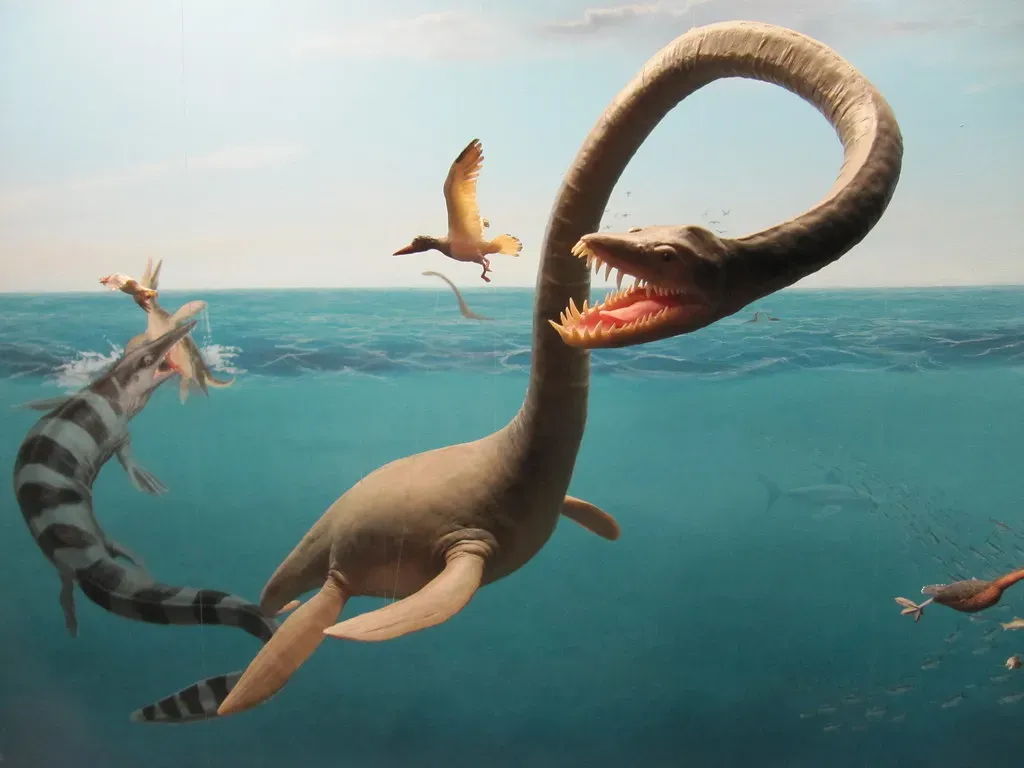
You have almost certainly seen the classic silhouette – that impossibly long neck, tiny head, compact body, and four powerful flippers. Plesiosaurs are icons of the prehistoric world, and honestly, they earned that status. They lived alongside dinosaurs, yet they were not dinosaurs at all. Instead, they ruled the oceans for over 135 million years, surviving multiple extinction events and diversifying into one of the most successful groups of marine reptiles in Earth’s history.
In general, plesiosaurians varied in adult length from between 1.5 meters to about 15 meters. The group thus contained some of the largest marine apex predators in the fossil record, roughly equalling the longest ichthyosaurs in size. Some of them took things to an almost absurd evolutionary extreme. Later in the Early Cretaceous, the Elasmosauridae appeared, among the longest plesiosaurs, reaching up to fifteen meters in length due to very long necks containing as many as 76 vertebrae, more than any other known vertebrate. Seventy-six neck vertebrae. You have seven. That is the kind of fact that makes you stop and think for a moment.
An Ocean Food Chain More Complex Than Anything Alive Today
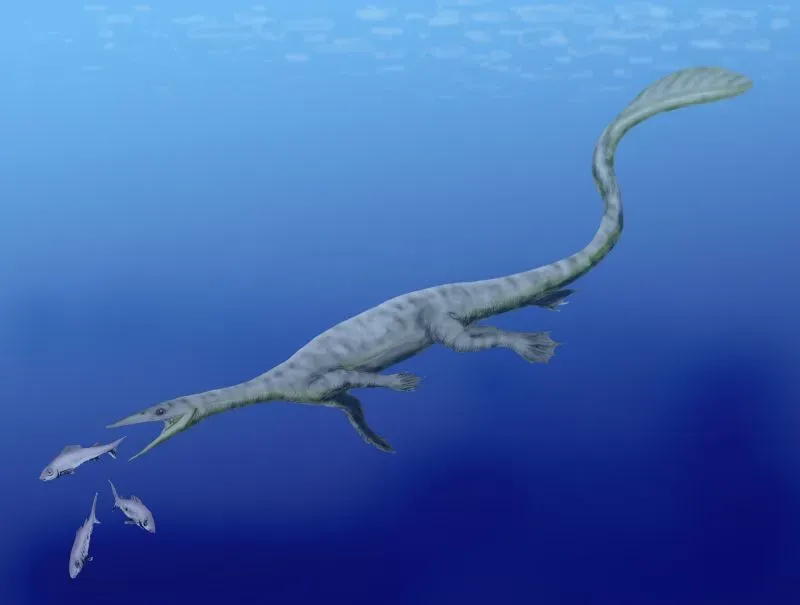
It is easy to think of the prehistoric ocean as simply a place where big things ate smaller things. The reality was far more layered and intricate. Ancient oceans once hosted super-predators so powerful they occupied a higher food-chain level than any animal alive today. Around 130 million years ago, the ocean’s most dominant hunters held far more power than any marine predator alive today. Recent research from McGill University reveals that during the Cretaceous period, some sea creatures sat at the very top of an extraordinarily complex food chain, surpassing modern standards of ecological dominance.
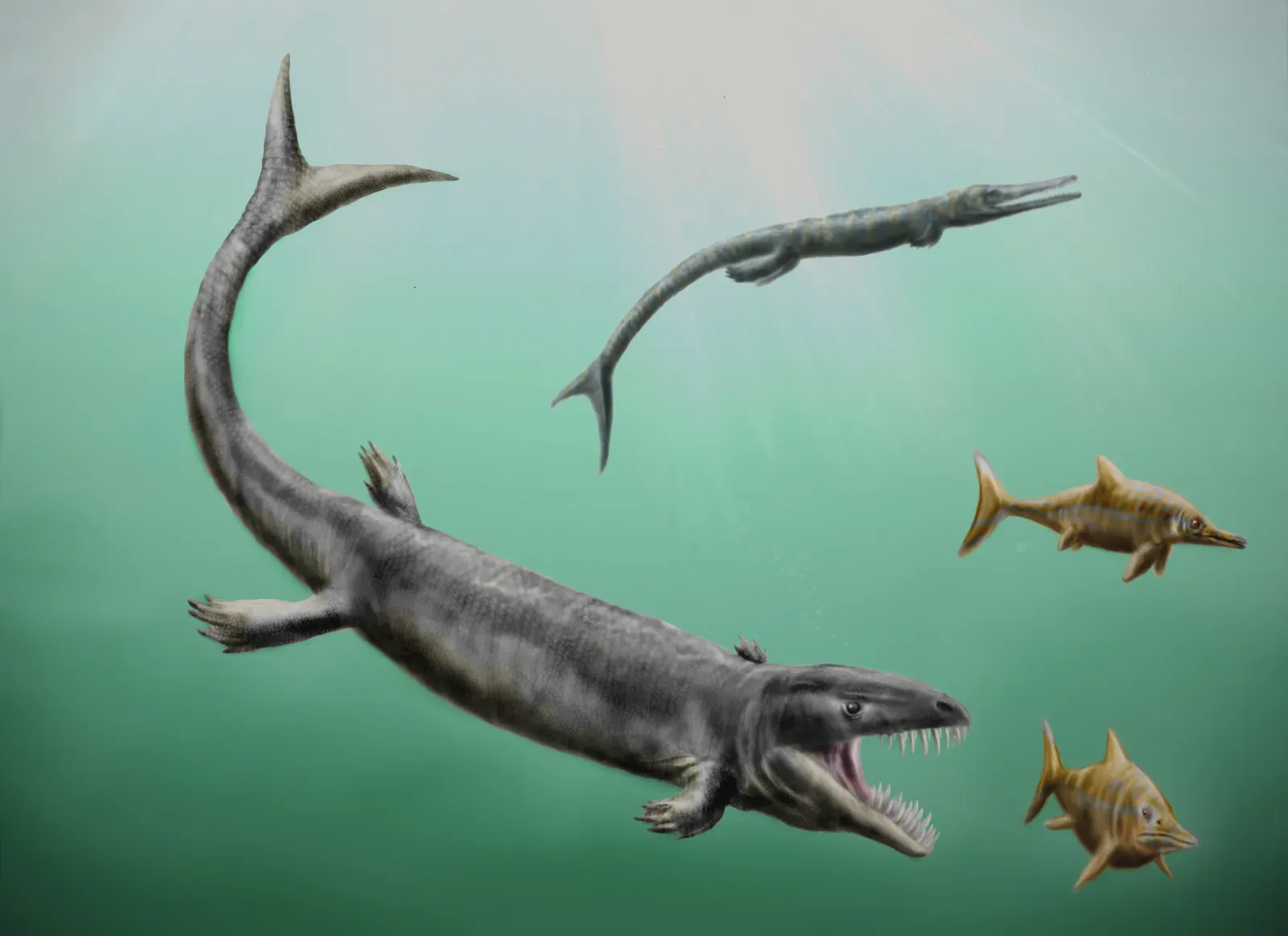
The fossil record suggests that early ichthyosaurs were among the Mesozoic era’s first “megapredators,” or large animals that prey on other large animals. Scientists even found direct fossilized evidence of one marine reptile inside the stomach of another. In one unique fossil, the smaller creature in an ichthyosaur’s belly was a thalattosaur, an ancient marine reptile with a long, skinny body. When paleontologist Ryosuke Motani realized there was a nearly complete torso from a 13-foot-long thalattosaur bulging from inside the 16-foot-long ichthyosaur’s stomach, he knew his team was onto something groundbreaking. A prehistoric meal frozen in time, preserved for hundreds of millions of years.
The Extinction Events That Ended Their Reign and Changed Everything
So what happened to all these extraordinary animals? How does a creature the size of a blue whale simply vanish from the oceans? The answer involves cascading environmental catastrophe. Scientists believe that the giant ichthyosaurs disappeared during an ocean acidification event that occurred around 200 million years ago, and surviving ichthyosaurs never grew to such gargantuan sizes again before vanishing 94 million years ago. One environmental crisis wiped out the biggest marine reptiles the world has ever known, permanently. No species ever recovered those dimensions.
Atmospheric carbon dioxide soared and ocean circulation faltered. Vast parts of the ocean floor became anoxic, deprived of oxygen, making life impossible for many marine species. Nutrients like sulphur and iron were thrown out of balance. These shifts cascaded throughout the food web. Extreme climate destabilized the entire marine ecosystem, especially at the top where large predators thrived. Eventually, mosasaurs surged in diversity and size, becoming the new apex predators, only for them too to meet their end at the great extinction event 66 million years ago that closed the age of the dinosaurs. Every empire falls. Even the most spectacular ones the ocean has ever seen.
Conclusion
You could spend a lifetime studying ancient marine reptiles and still find something new to astonish you. These were not cartoon monsters or Hollywood inventions – they were real, scientifically documented animals that dominated Earth’s oceans for hundreds of millions of years. They evolved faster than almost any group before them, grew to sizes that rival the largest animals alive today, and built food chains more complex than anything you can observe in the modern sea.
The next time you stand at a beach and look out at the horizon, consider what once moved through those waters. Enormous, breathtaking, and utterly unstoppable – until they weren’t. That fragility, combined with their majesty, is what makes them so compelling. What does it say about our own oceans, and our own era, that the giants are long gone? That is a question worth sitting with for a while.