You’ve probably seen dinosaur fossils at museums and imagined what it must have been like when colossal reptiles roamed the earth. Still, something even more fascinating happened much closer to our own time. While humans were already walking this planet, North America was home to creatures so massive they’d make even the most hardened adventurer think twice about stepping outside. We’re talking about animals that dwarfed today’s bears, wolves, and beavers in ways that seem almost impossible.
These weren’t ancient lizards from millions of years ago. These were mammals, living alongside early human settlers, just over ten thousand years back. Let’s be real, the sheer size of these Ice Age giants is enough to make you wonder how our ancestors survived at all.
Woolly Mammoths Towered Higher Than Your House
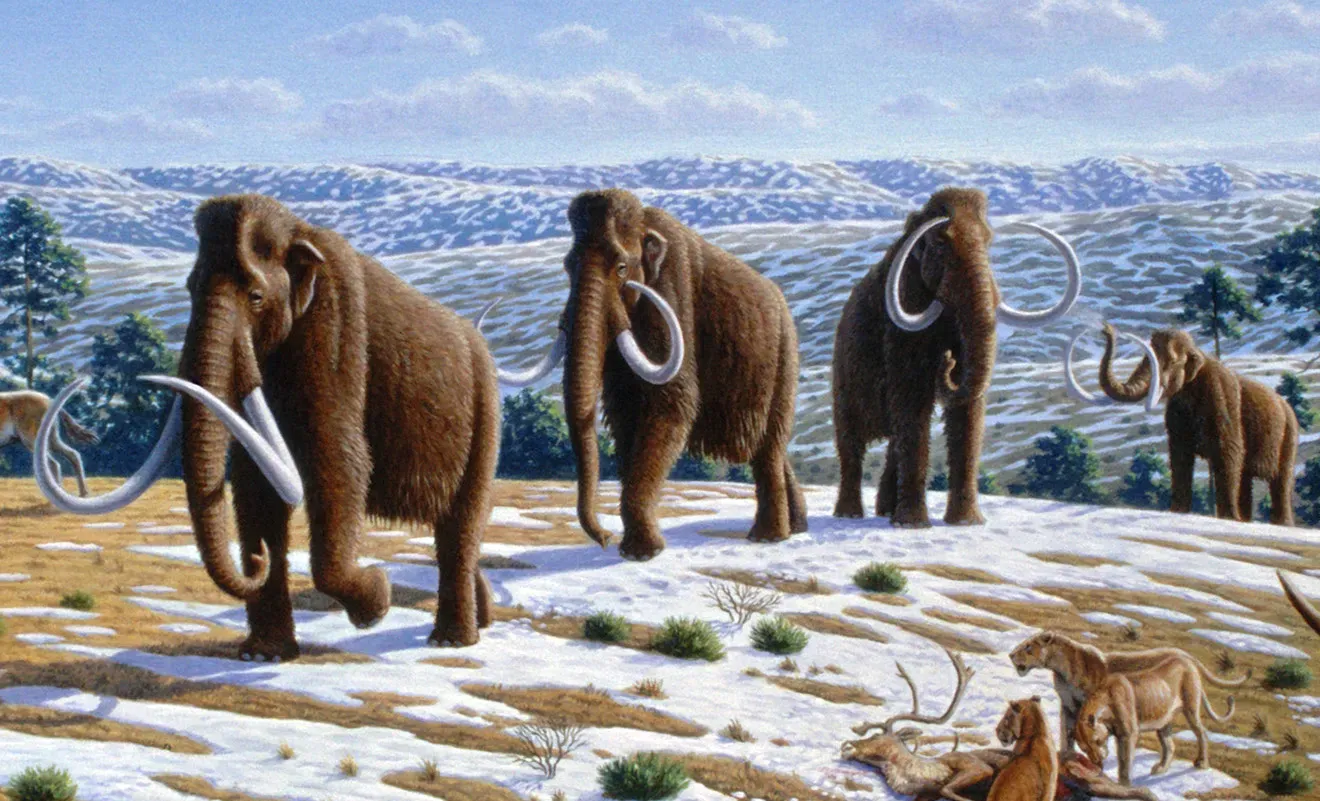
Standing 12 feet tall at the shoulders and weighing six to eight tons, the woolly mammoth grazed the northern steppes of Ice Age North America using its colossal, 15-foot curved tusks to dig under the snow for food and defend itself against predators. That’s right, you read that correctly. Imagine an elephant, then add a few more tons and some tusks as long as a small car. These weren’t creatures you’d casually encounter on a Sunday stroll through prehistoric prairies.
What really grabs my attention is the timeline. Nearly all mammoths and mastodons were wiped out in the great megafauna extinction 10,000 years ago, but archeologists have dug up remains showing that lone bands of mammoths still roamed arctic islands as recently as 4,500 years ago, with mammoths living down to the time when the Egyptians were building the pyramids. Think about that for a second. While ancient civilizations were constructing one of the world’s wonders, these woolly giants were still trudging across frozen tundra somewhere in the far north.
Giant Ground Sloths Were Nothing Like Today’s Lazy Tree Dwellers
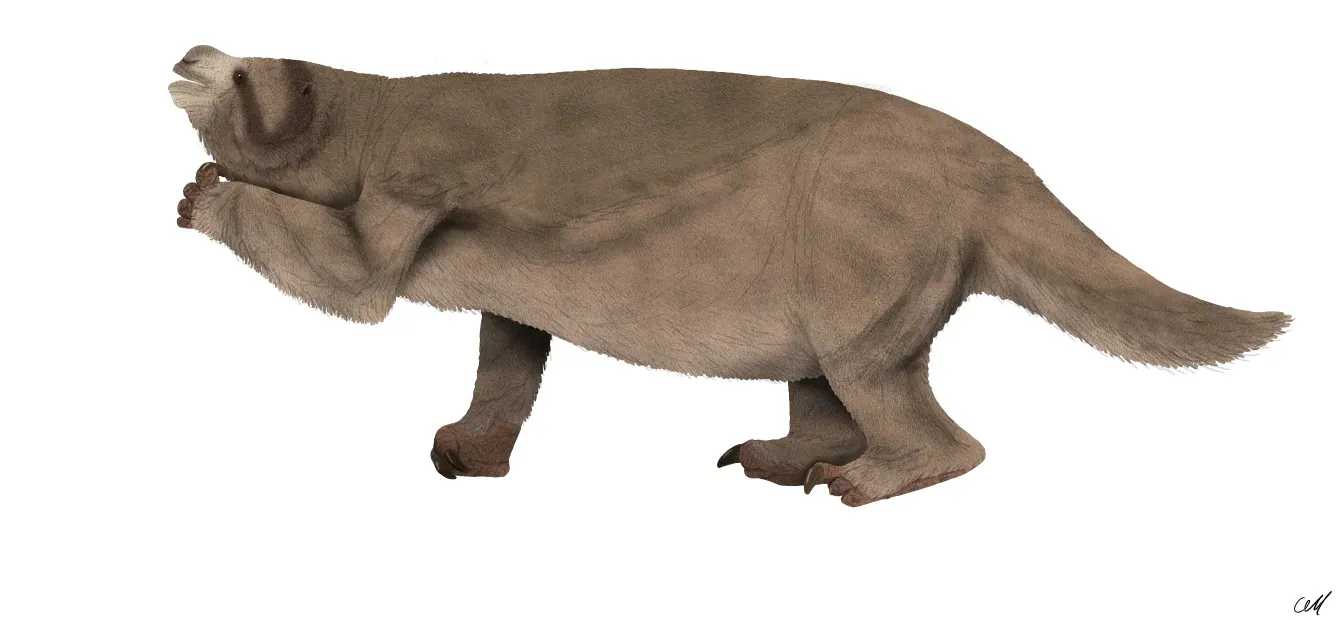
The giant ground sloths of the late Pleistocene were bear-sized herbivores that stood 12 feet on their hind legs and weighed up to 3,000 pounds. If you’re picturing the slow, sleepy tree sloths we see in nature documentaries, erase that image immediately. These beasts were enormous, stocky, and built like tanks. Some species, particularly Megatherium and Eremotherium, reached even more staggering proportions.
The group includes the heavily built Megatherium and Eremotherium, which are the largest known ground sloths, thought to have had body masses of 3.5-4 tons. The largest of the ground sloths found in the Lowcountry during the Pleistocene, Eremotherium stood roughly 4.5 meters tall (almost 15 feet) and weighed over 3 metric tons. Honestly, it’s hard to say for sure, but I think encountering one of these would’ve been absolutely terrifying. They had massive claws, too, probably used for stripping branches or defending themselves from predators desperate enough to take them on.
Short-Faced Bears Made Modern Grizzlies Look Timid
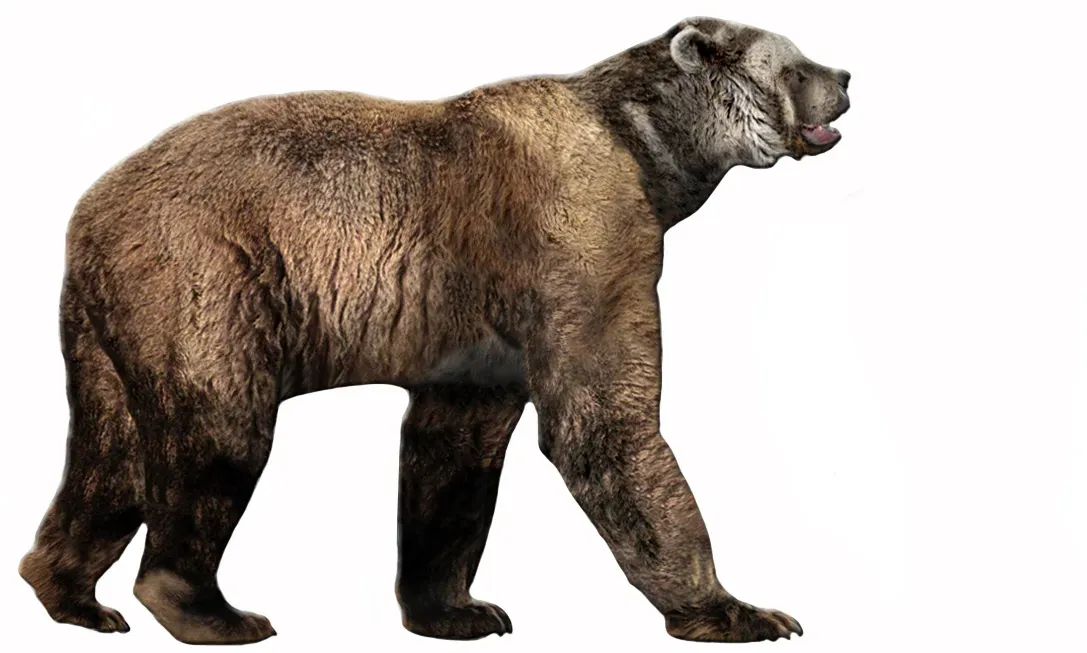
Here’s the thing about the giant short-faced bear: it wasn’t just big, it was the biggest carnivorous mammal to ever roam North America. The giant short-faced bear (Arctodus simus) was the largest carnivorous mammal to ever roam North America, standing on its hind legs, an adult giant short-faced bear boasted a vertical reach of more than 14 feet. Picture a creature that could look into a second-story window without breaking a sweat.
The most striking difference between modern North American bears and the giant short-faced bear were its long, lean and muscular legs, which has given rise to the idea that it was a ‘cursorial’ predator, meaning that it ran after prey. Unlike the hulking, lumbering bears we know today, this monster was built for speed and endurance. It could chase you down across open terrain, and there wouldn’t be much you could do about it. The very thought sends a shiver down my spine.
Saber-Toothed Cats Had Fangs as Long as Kitchen Knives
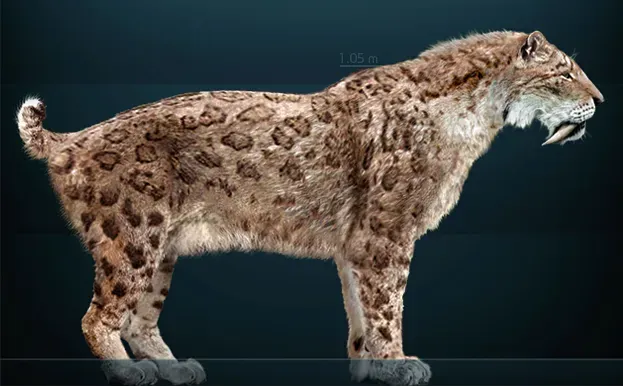
You’ve probably heard of saber-toothed tigers, though they weren’t really tigers at all. It was a big feline, weighing around 350 to 620 pounds (160 to 280 kg) and measuring an average of about 5.75 feet (1.75 meters) from its rump to its snout, not including its tail. They were closer in size to modern African lions but far more robust in build. What made them legendary, though, were those teeth.
Its blade-like, serrated canine teeth, or sabers, were impressively big, at nearly 7 inches (18 centimeters) long. Those fangs weren’t just for show. They were precision tools designed to slice through the soft tissues of prey, like throats and underbellies. Unlike modern big cats that rely on suffocation, saber-toothed cats caused their victims to bleed out slowly. It’s a brutal hunting strategy, and honestly, one that makes these cats seem even more formidable than any predator alive today.
Dire Wolves Were Bulkier and More Ferocious Than Fantasy Versions
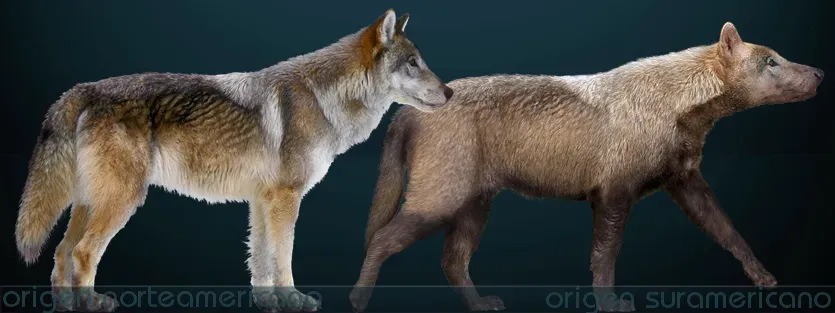
If you know dire wolves from popular TV shows, you might think they’re just oversized gray wolves. You’d be partially right, but the real animals were far more interesting. Scientific estimates place the average dire wolf weight between 110 and 150 pounds (50 to 68 kilograms), and in terms of height, the dire wolf stood at an average of about 30 inches (76 centimeters) at the shoulder. They were stockier, heavier, and more muscular than their modern cousins.
The skull was proportionally broader, heavier, and more massive than that of a typical wolf, providing a wide base for powerful jaw muscles, resulting in an enhanced bite force, optimized for bone-crushing. These weren’t just pack hunters that went after deer or elk. Horses were important prey; sloth, mastodon, bison and camel were less common prey. Imagine a wolf capable of taking down an Ice Age horse or even contributing to hunts targeting young mastodons. That’s the kind of apex predator we’re talking about.
American Lions Were Larger Than African Lions Ever Were
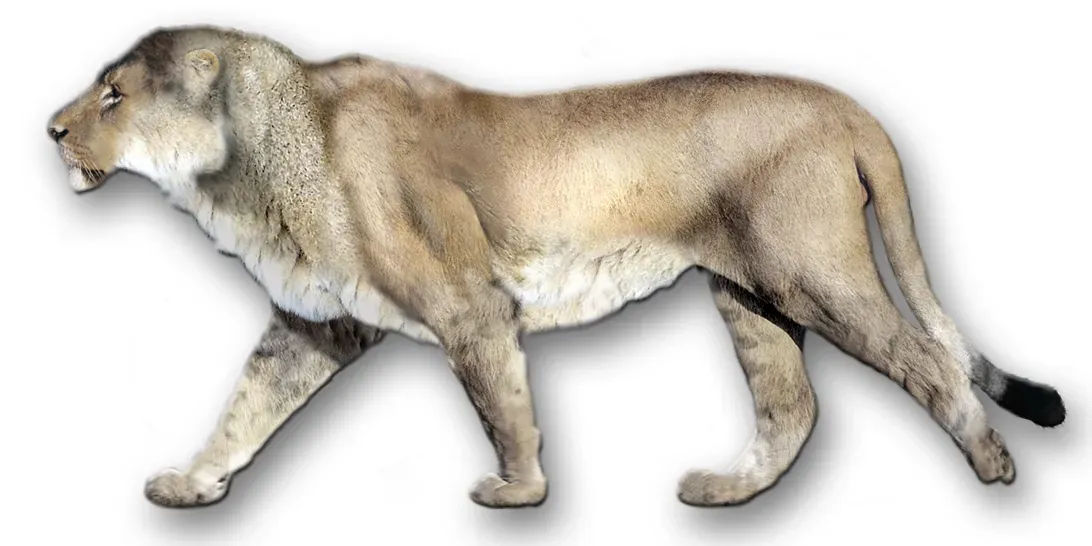
When you think of lions, you probably imagine the African savanna. Yet North America had its own version, and it was bigger. The American lion, scientifically known as Panthera atrox, was one of the largest cats ever to exist. Isotope analysis of bone collagen extracted from La Brea specimens provides evidence that the dire wolf, Smilodon, and the American lion (Panthera atrox) competed for the same prey.
While exact weight estimates vary, most researchers believe these lions were considerably heavier than their modern African relatives. They hunted large herbivores in forested and mixed environments, using stealth and power to bring down prey. The cats, including saber-toothed cats, American lions and cougars, hunted prey that preferred forests, while it was the dire wolves that seemed to specialize on open-country feeders like bison and horses. This division of hunting territory likely helped these massive predators coexist without driving each other to extinction through direct competition.
Giant Beavers Were as Large as Black Bears
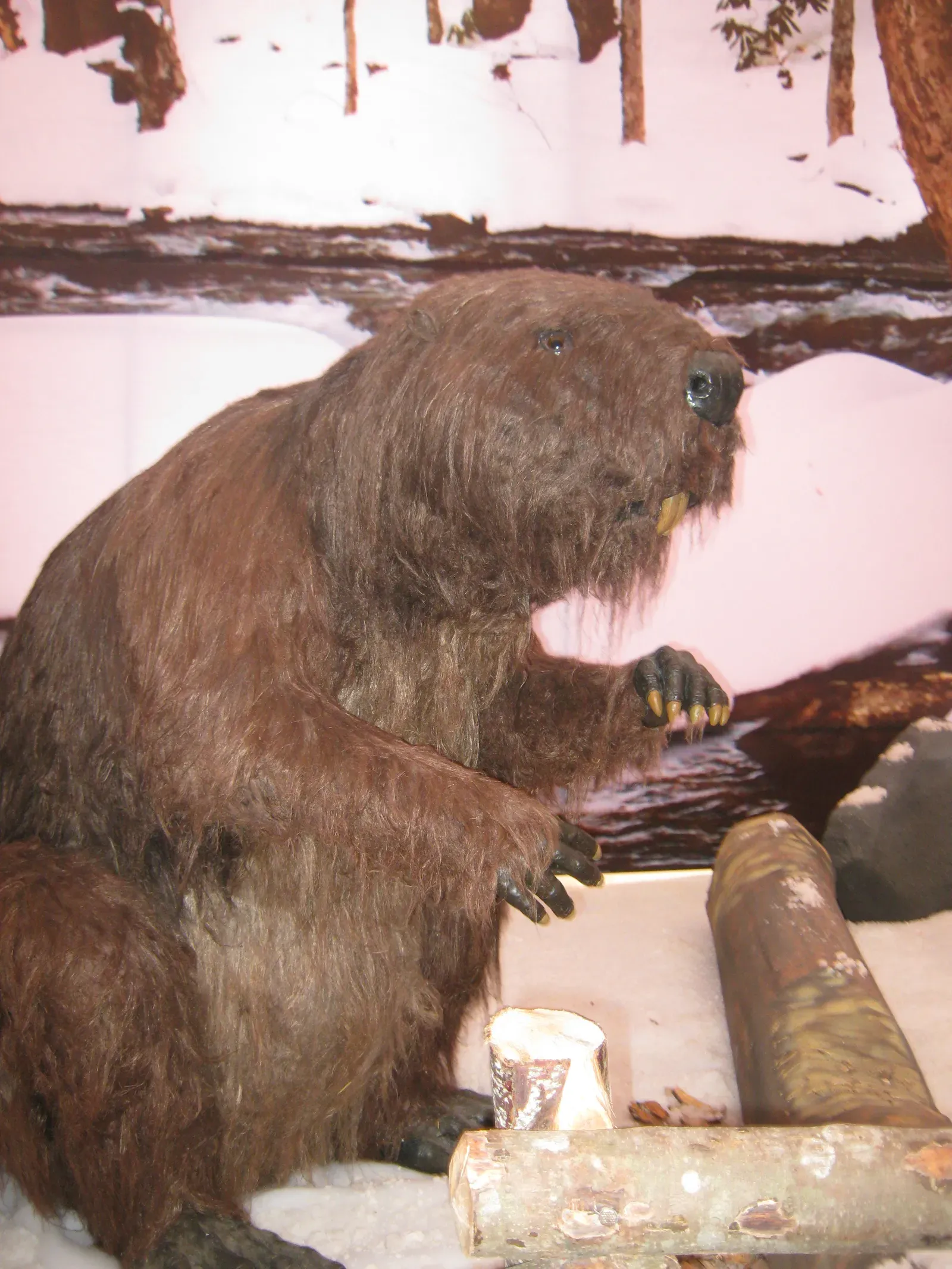
Let’s shift gears to something unexpected: beavers. Not the industrious little dam builders we know today, but rodents the size of modern bears. Giant beavers could grow to more than 2 m long, not including their tail, and could weigh in excess of 100 kg. Their tail could reach 65 cm long, but was proportionally narrower than a modern beaver’s. That’s roughly the dimensions and weight of a full-grown black bear.
Their front incisors were extremely large (up to 15 cm [6 in] long), had numerous thin grooves on their front surfaces, and were tapered to blunt, rounded points, rather than wide sharp edges. Unlike modern beavers, these teeth weren’t suited for cutting down trees. Stable isotopes suggest that Castoroides probably predominantly consumed submerged aquatic plants, rather than the woody diet of living beavers. They were more like aquatic lawn mowers, grazing on underwater vegetation in the wetlands and lakes that dotted prehistoric North America.
Bison With Ten-Foot Hornspreads Dominated the Plains
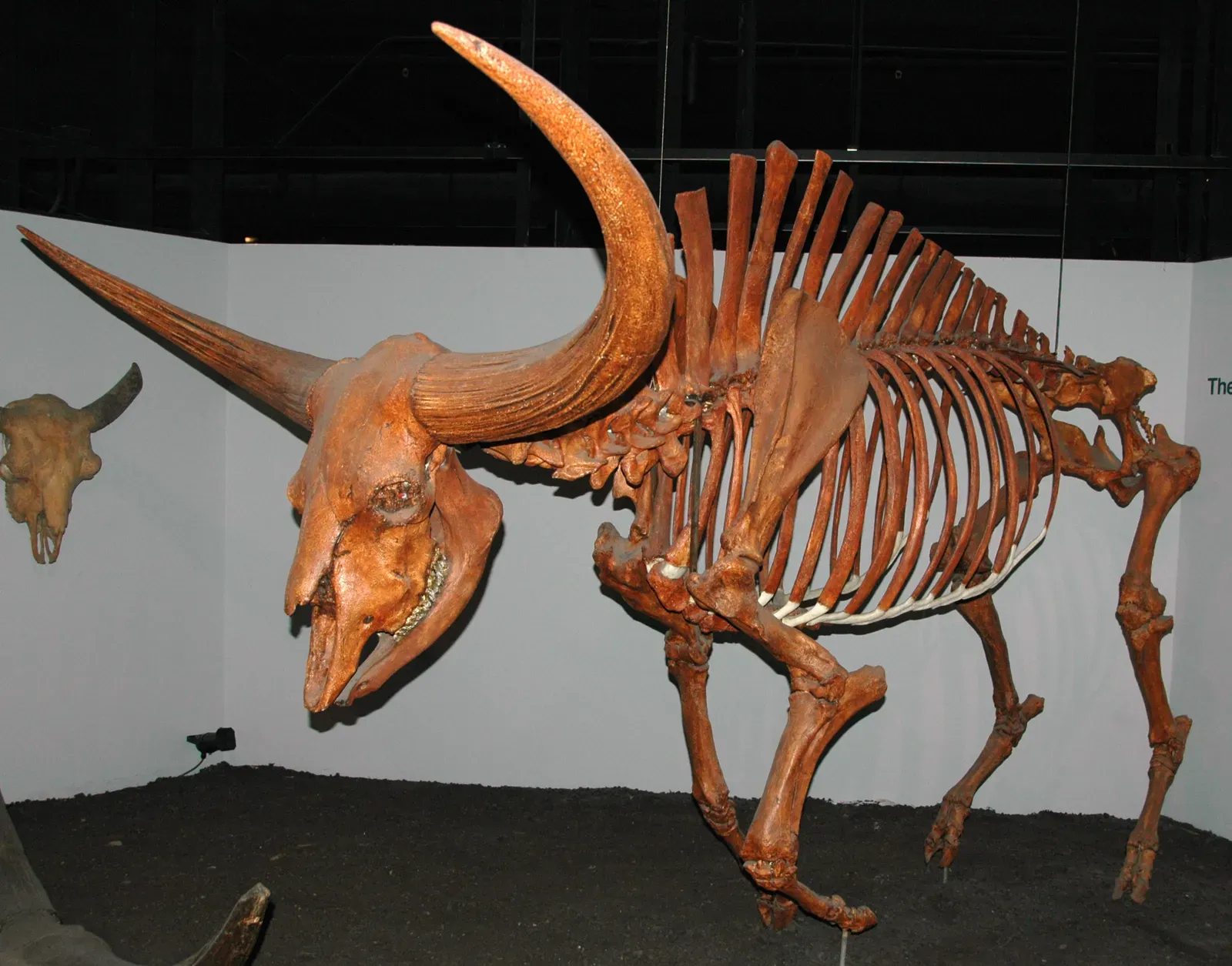
Today’s American bison are already impressive animals, weighing over a ton and standing taller than most humans. Ice Age bison, however, took size to an entirely different level. The giant longhorn bison of the Pleistocene weighed in at 1,800 pounds with horns many times the size of the plains bison we see today. Some species, like Bison latifrons, had horns that could span more than ten feet from tip to tip.
Can you imagine a herd of these creatures thundering across the grasslands? The ground would have trembled under their weight. These weren’t skittish prey animals either. With massive horns and sheer bulk, they could defend themselves against nearly any predator. Even dire wolves and saber-toothed cats would have had to coordinate carefully to bring down a healthy adult. The scale of these animals really puts modern wildlife into perspective.
What Happened to All These Giants?
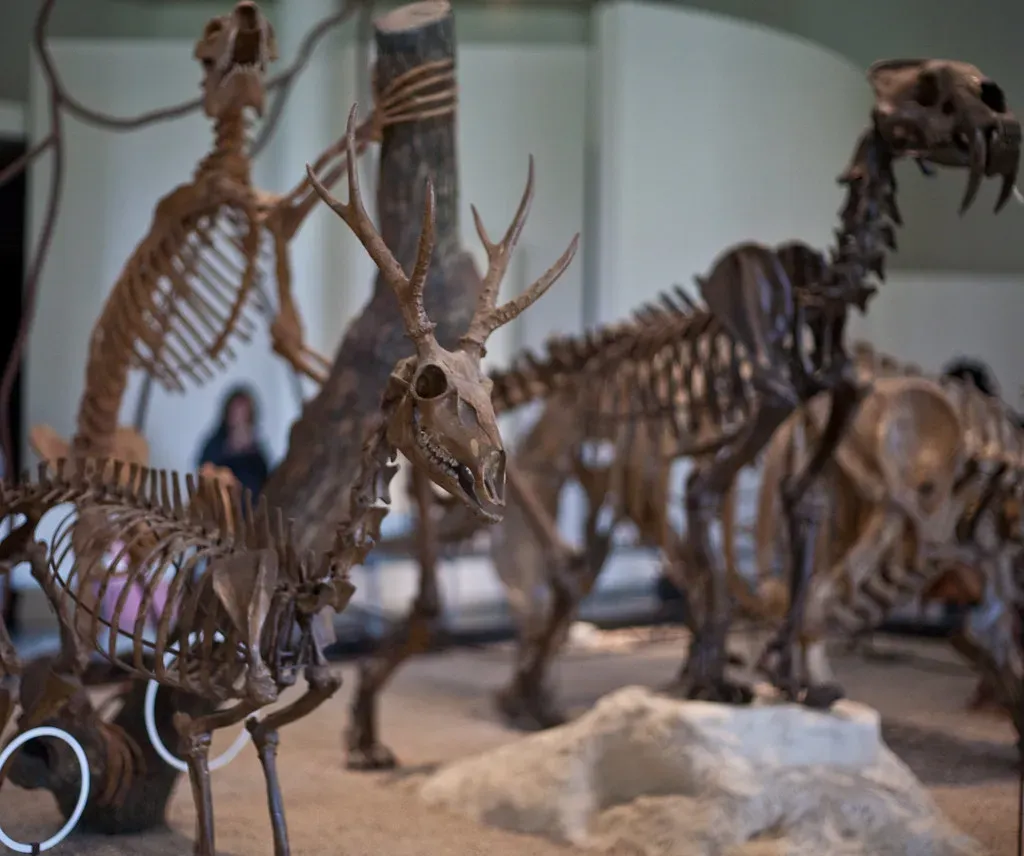
So where did they all go? Creatures heavier than 100 pounds (45 kilograms) went extinct about 10,000 years ago, with rapid warming periods called interstadials and, to a lesser degree, ice-age people who hunted animals responsible for the disappearance of the continent’s megafauna. The debate over what caused this mass extinction continues to this day. Some researchers point to climate change at the end of the last Ice Age. Others argue that human hunters played a significant role.
Most current research suggests the extinctions were likely caused by a combination of both factors, with human pressure exacerbating the stress of a changing climate. It’s fascinating and a little sobering to realize that these incredible animals vanished so recently. If circumstances had been different, you might have been able to visit a nature preserve to see a living mammoth or watch giant ground sloths lumbering through a zoo enclosure. Instead, all we have are bones, fossils, and our imaginations to reconstruct their astonishing scale.
Did you expect creatures this massive to have lived so recently? What do you think about it? Tell us in the comments.