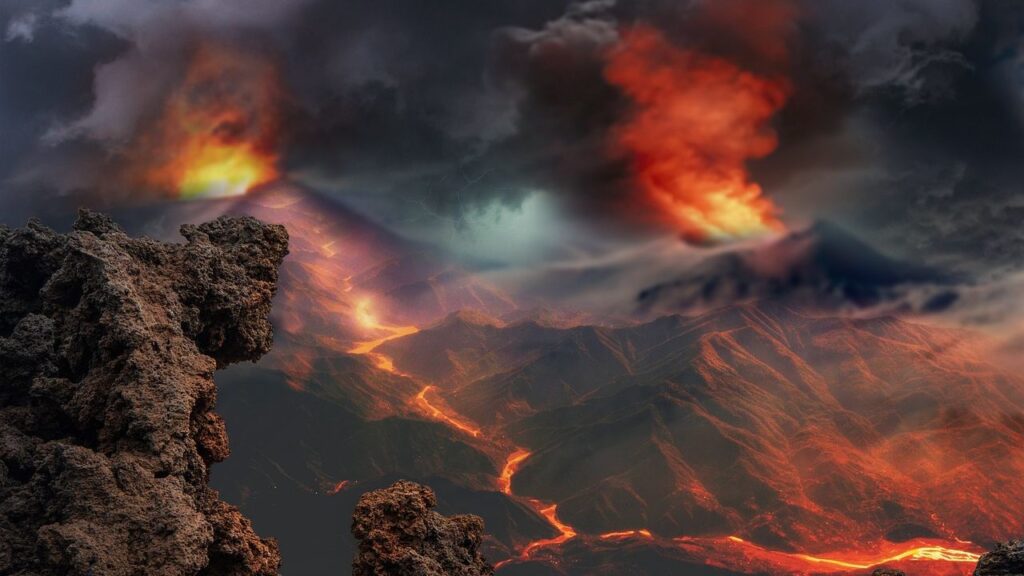
Picture a mountain blowing its top so violently that the sound travels around the entire planet multiple times. Now multiply that by a thousand. Then hold that level of violence not for a day, not for a decade, but for hundreds of thousands of years. That is the kind of scale we’re talking about when geologists dig into Earth’s most catastrophic prehistoric volcanic episodes. These weren’t just eruptions. They were planetary resets.
Most people think of volcanoes as dramatic, singular events – the kind you see on the news when a cone explodes and lava rolls down the slope. The truth buried in the geological record is far more unsettling, and far more fascinating. From supervolcanoes that nearly wiped out all of humanity to lava floods that buried half a continent, the story of prehistoric volcanism is one of the most gripping chapters in all of Earth’s history. Let’s dive in.
The Volcanic Explosivity Index: How Scientists Measure the Unimaginable
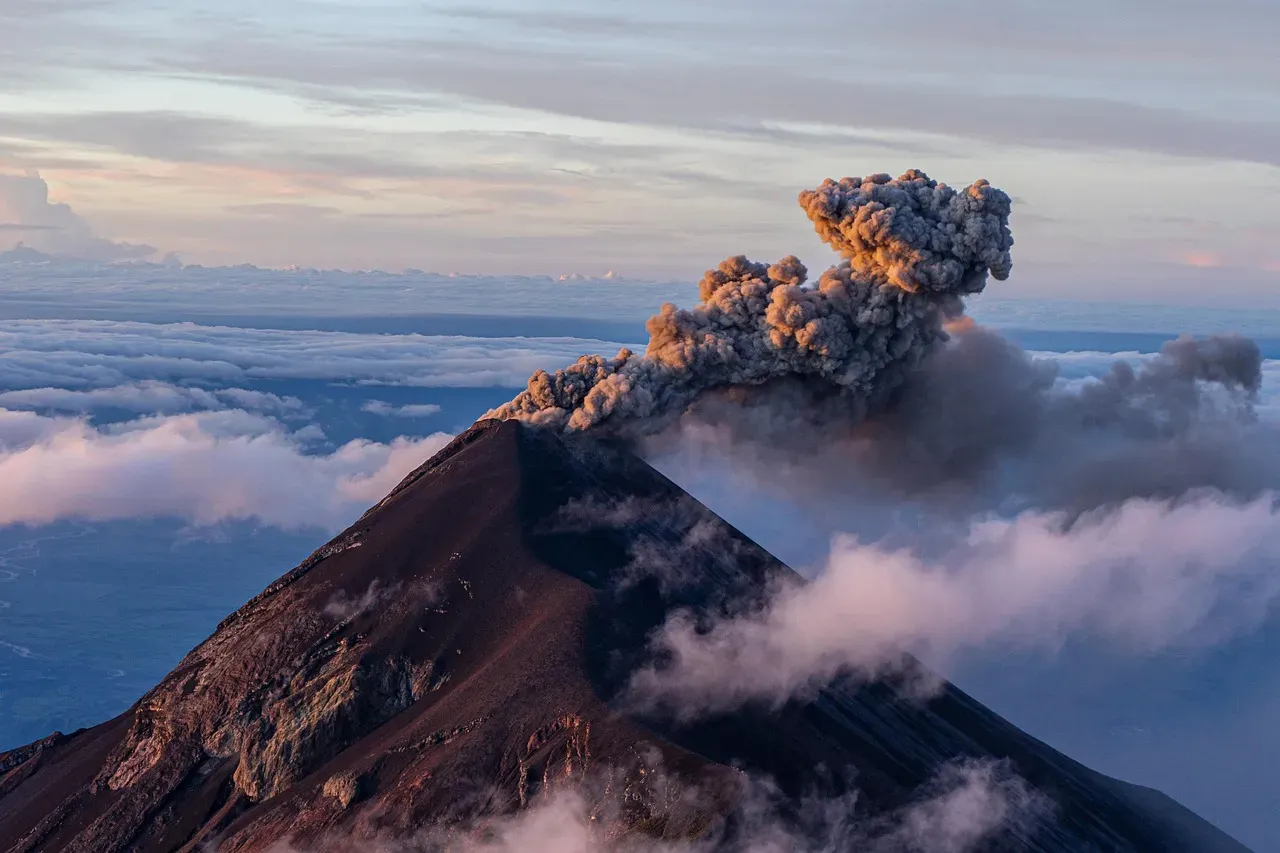
Before you can appreciate what these ancient eruptions actually did to the planet, you need to understand how scientists even try to measure them. The power of volcanic eruptions is measured using the Volcanic Explosivity Index, or VEI, a classification system developed in the 1980s that is similar to the magnitude scale for earthquakes. The scale goes from 1 to 8, and each succeeding VEI is ten times greater than the last. Think of it like the Richter scale for volcanoes, except that going from a 7 to an 8 isn’t a small step – it’s a leap into a completely different category of destruction.
The magnitude and intensity of explosive eruptions is expressed in the Volcanic Explosivity Index, which is a scale that goes from 0 for effusive, nonexplosive activity such as Hawaiian eruptions, all the way to 8 for apocalyptic super-eruptions such as occurred at Yellowstone Caldera. Here’s the thing – the biggest eruptions in recorded human history barely make it to a 7 on this scale. The prehistoric giants we are about to explore sat comfortably at the very top. That alone should tell you everything you need to know about the gap between what humans have witnessed and what Earth has actually experienced.
The Lake Toba Supervolcano: When Humans Nearly Disappeared
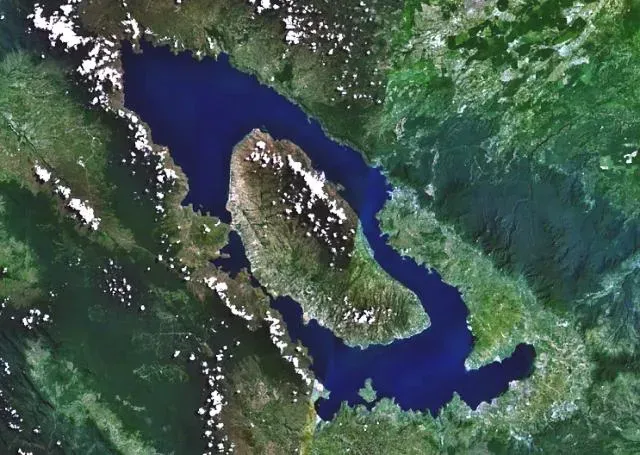
Honestly, this one never stops being shocking no matter how many times you read about it. Toba was the biggest eruption since modern humans appeared on Earth, and it came very close to wiping out people, along with many other animals, altogether. The Toba eruption was one of the greatest geological catastrophes ever to strike our planet. It was larger than any volcanic eruption in the previous 28 million years, and hundreds to thousands of times larger than later eruptions such as Tambora, Krakatau, and Mount Saint Helens.
Eruptions the size of that at Lake Toba 74,000 years ago, at least 2,800 cubic kilometres, or the Yellowstone eruption 640,000 years ago, around 1,000 cubic kilometres, occur worldwide every 50,000 to 100,000 years. What is particularly haunting is the genetic evidence. Several studies have found similarly timed bottlenecks in the genes of human lice and of the gut bacterium Helicobacter pylori; according to these organisms’ molecular clocks, both bottlenecks date back to the time of Toba. The molecular clocks of a number of other animals, including tigers and pandas, indicate that they too passed through a bottleneck around that time. You, reading this right now, are almost certainly a descendant of the tiny group of humans who somehow survived that event.
The Siberian Traps: Earth’s Deadliest Volcanic Event
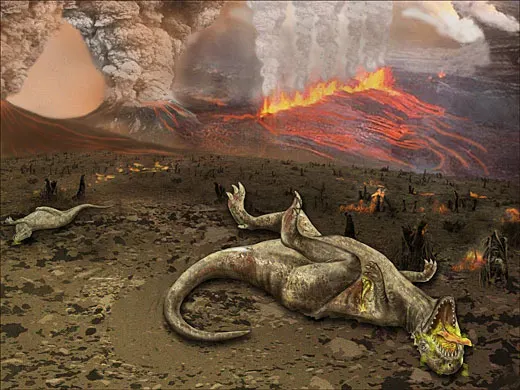
If you thought Toba was bad, allow the Siberian Traps to properly redefine your idea of catastrophe. The massive eruptive event that formed the Siberian Traps is one of the largest known volcanic events in the last 500 million years. The eruptions continued for roughly two million years and spanned the Permian–Triassic boundary, which occurred around 251.9 million years ago. Two million years. Let that sink in. For context, anatomically modern humans have only existed for roughly 300,000 years.
The Siberian Traps are believed to be the primary cause of the Permian–Triassic extinction event, the most severe extinction event in the geologic record. Around 252 million years ago, life on Earth collapsed in spectacular and unprecedented fashion. The so-called end-Permian mass extinction, more commonly known as the “Great Dying,” remains the most severe extinction event in Earth’s history. The emission of large magnitudes of carbon dioxide, sulfur dioxide, halogens and metals by the eruptions led to global warming, oceanic anoxia, oceanic acidification, ozone reduction, acid rain and metal poisoning, triggering major extinctions in terrestrial and marine ecosystems. It was, to put it plainly, a complete ecological collapse caused by fire coming from below.
The Deccan Traps and the End of the Dinosaurs
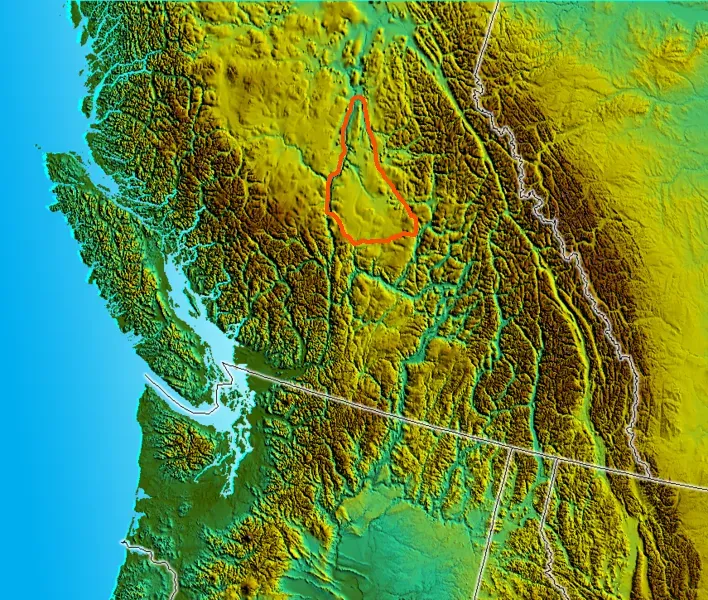
Here is where things get genuinely controversial, and I think that is what makes this topic so endlessly compelling. We all grew up learning that a single asteroid killed the dinosaurs. The truth is messier and more interesting. Western India is home to the Deccan Traps, a huge rugged plateau that formed when molten lava solidified and turned to rock. The Deccan Traps date back to around 66 million years ago, when magma from deep inside Earth erupted to the surface. In some parts of the Deccan Traps, the volcanic layers are more than two kilometers thick, making this the second-largest volcanic eruption ever on land.
Based on their analysis, researchers determined that the eruption began 250,000 years before the asteroid strike and continued for 500,000 years after the giant impact, spewing a total of 1.5 million square kilometers of lava. The immense and long-lasting volcanism may have released dangerous levels of volatile chemicals into the air, poisoning the atmosphere and oceans. The Deccan Traps had been erupting for roughly 300,000 years before the Chicxulub asteroid. During their nearly one million years of eruptions, the Traps are estimated to have pumped up to 10.4 trillion tons of carbon dioxide and 9.3 trillion tons of sulfur into the atmosphere. So the dinosaurs may have already been living in a slowly deteriorating world before the asteroid delivered its final blow. Not a comforting thought.
Flood Basalts and the Creation of Large Igneous Provinces
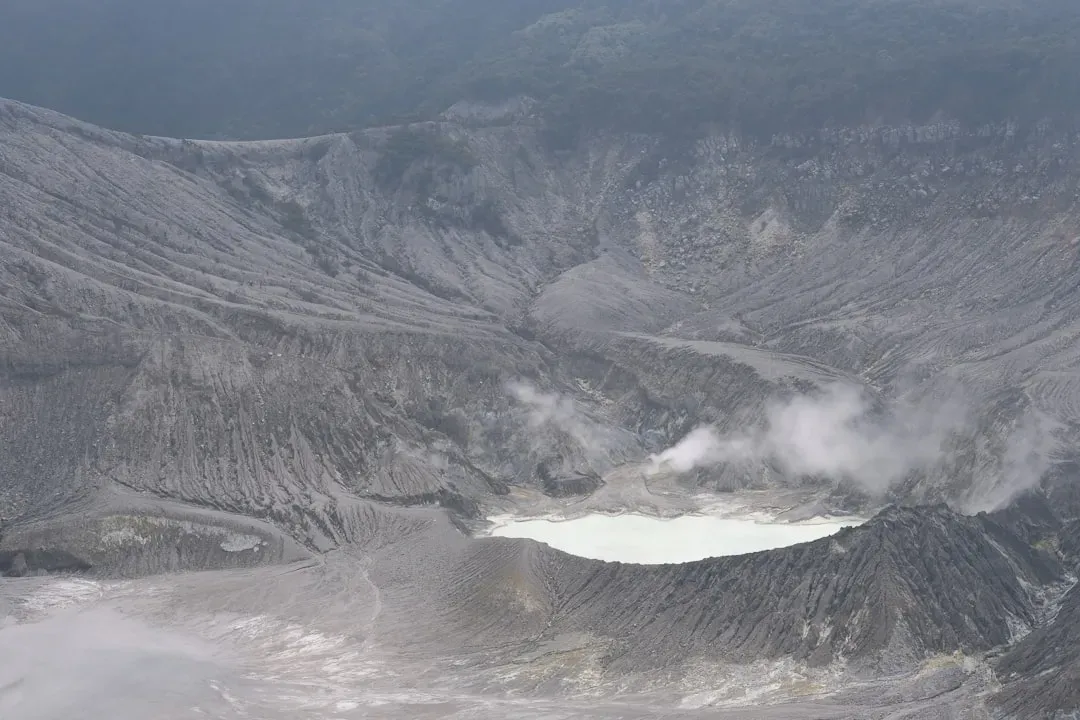
Most people picture a volcano as a cone-shaped mountain. Flood basalt eruptions are something else entirely – they are more like the ground itself cracking open and bleeding lava across entire continents. Highly active periods of volcanism in what are called large igneous provinces have produced huge oceanic plateaus and flood basalts in the past. These can comprise hundreds of large eruptions, producing millions of cubic kilometers of lava in total. No large eruptions of flood basalts have occurred in human history, the most recent having occurred over 10 million years ago.
Large igneous provinces are often associated with the breakup of supercontinents such as Pangea in the geologic record, and may have contributed to a number of mass extinctions. Think of it like the planet tearing itself apart at the seams, with each seam bleeding molten rock for hundreds of thousands of years. The Siberian Traps are the largest exposed continental flood-basalt deposit in the world, even though they have been undergoing weathering for about 250 million years and are partly buried by younger sedimentary rock. Layers of basalt stack up to 3 kilometers thick in some places. Three kilometers of solid lava, piled up like geological sediment, is what a flood basalt leaves behind. That is not an eruption. That is a geological transformation.
Volcanic Winters: When Eruptions Dimmed the Sun
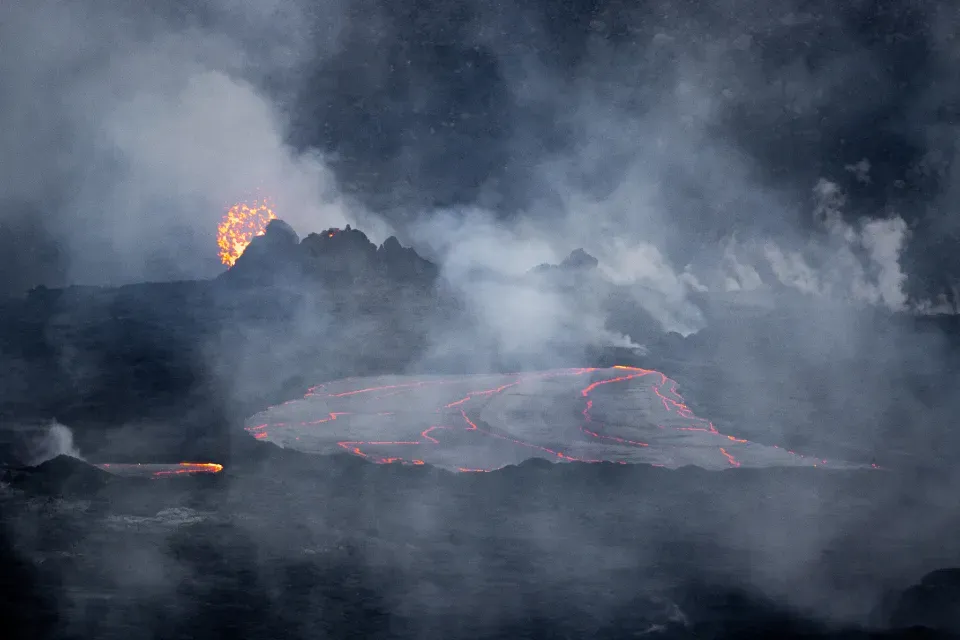
One of the most recurring and underrated consequences of massive prehistoric eruptions is what geologists call volcanic winter. When volcanoes erupt, they inject large amounts of sulfur dioxide into the upper atmosphere. These combine with oxygen and water to form sulfate aerosols, which shield the Earth’s surface from incoming solar radiation and cause cooler temperatures for as long as two years after an eruption. Now imagine that process not for two years, but for decades or even centuries during the largest prehistoric events.
Research shows that 15 of the 16 coldest summers recorded between 500 BC and 1,000 AD followed large volcanic eruptions, with four of the coldest occurring shortly after the largest volcanic events found on record. Throughout human history, large volcanic eruptions have affected the year-to-year variability of the Earth’s climate and even triggered crop failures and famines. These events may also have contributed to disease pandemics and the decline of agriculture-based societies. It is hard to say for sure exactly how cold the worst prehistoric volcanic winters got, but evidence from deep ice cores paints a picture of prolonged agricultural and ecological collapse on a scale that makes modern climate events look almost tame by comparison.
The La Garita Caldera: The Most Violent Eruption Ever Recorded in Geological History
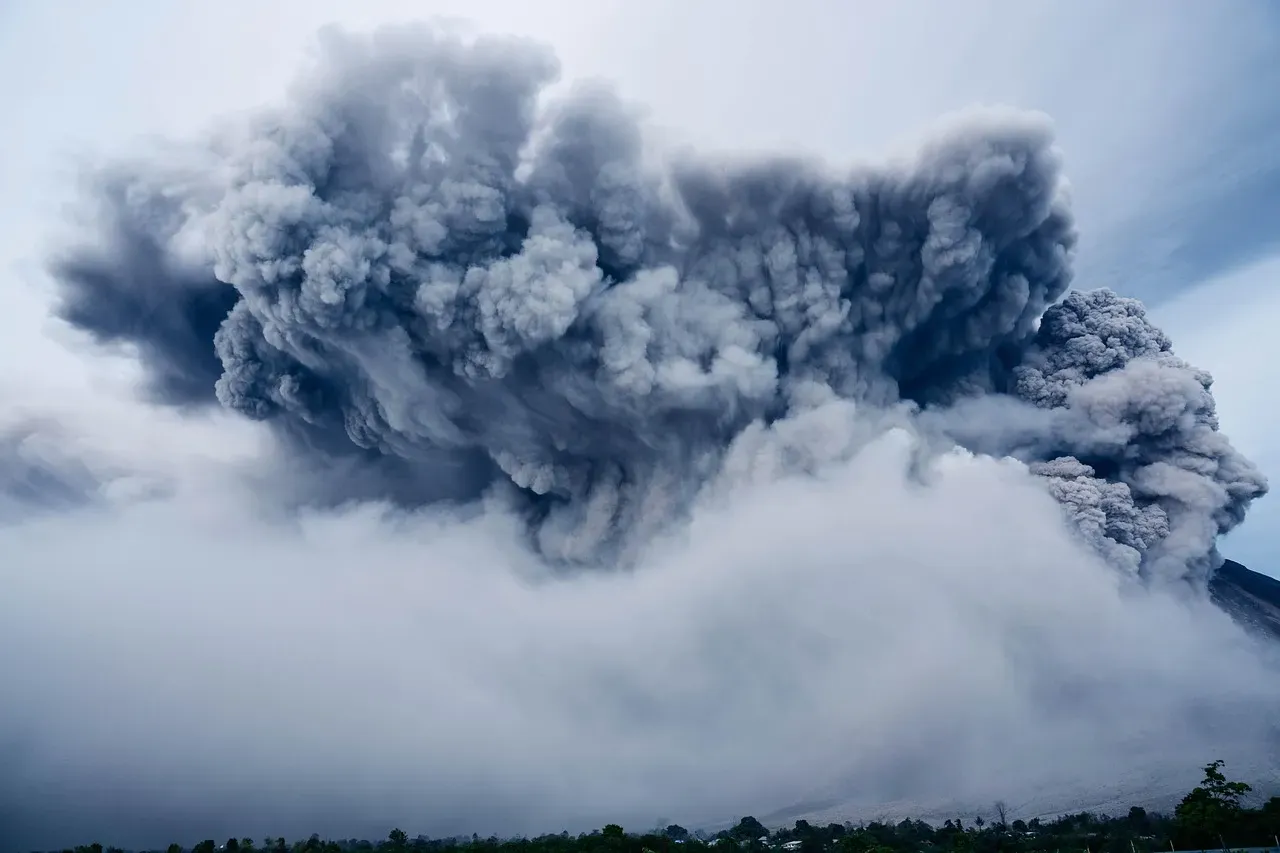
If there is a throne at the top of Earth’s volcanic hierarchy, it belongs to something most people have never heard of. The most violent eruption registered in history was that in the La Garita Caldera in the United States. It occurred 2.1 million years ago and formed a 35 by 75 kilometer crater, drastically changing the climate on Earth. Let’s be real – that is a crater bigger than many small countries, carved in a single explosive event. To put it in perspective, the entire urban area of Los Angeles could fit inside that caldera with room to spare.
A supervolcanic eruption that occurred 466 million years ago erupted in one of the largest explosive volcanic eruptions known in Earth’s history, with a volume of ejecta at around 2,000 to 12,000 cubic kilometers. Even events of that extraordinary magnitude fall in the shadow of the La Garita event, which sits at the absolute ceiling of what Earth’s crust is apparently capable of producing. While many eruptions only pose dangers to the immediately surrounding area, Earth’s largest eruptions can have a major regional or even global impact, with some affecting the climate and contributing to mass extinctions. The La Garita Caldera is the clearest geological reminder that the planet we call home is, beneath its calm surface, a fundamentally violent machine.
What the Ice Cores and Tree Rings Tell You About Prehistoric Volcanic Chaos
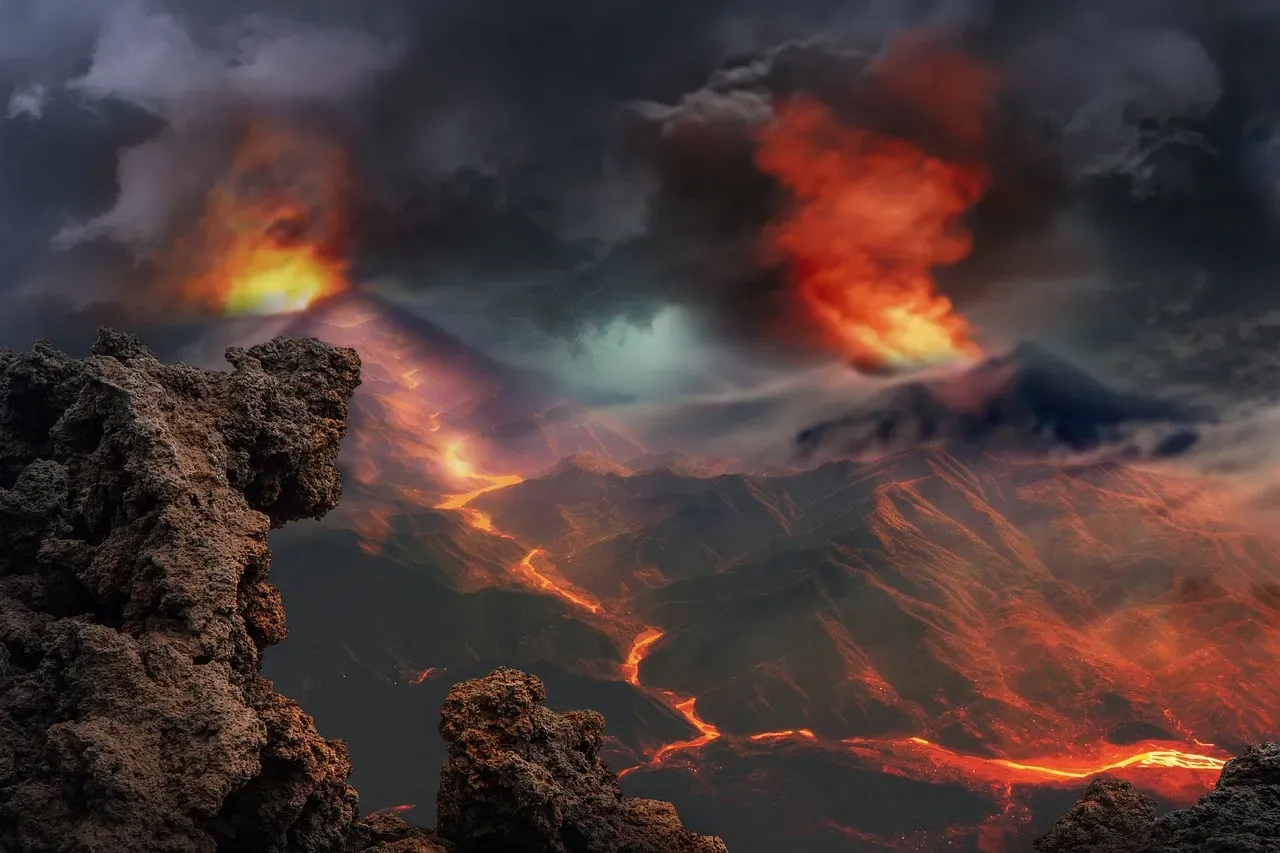
One of the most remarkable things about modern geology is that you don’t have to guess at what these eruptions did to the atmosphere. The evidence is locked inside ancient ice and the growth rings of trees that were alive when the sky turned strange. Volcanic eruptions impact climate through the injection of large amounts of ash and sulfur gas into the atmosphere. This gas is converted to sulfate aerosols, which reflect solar radiation in the stratosphere, decreasing the amount of solar radiation reaching the Earth’s surface. The primary result is a cooling of the Earth’s surface.
Volcanic sulfate is mixed and transported within the stratosphere, and eventually travels downward into the troposphere, where it is finally deposited to the surface of the Earth. Sulfate deposition over the ice sheets is preserved in annually accumulating ice layers, allowing for reconstruction of the magnitude and timing of past volcanic events with the help of ice cores. Researchers have used these ice core records alongside tree ring data to reconstruct a surprisingly precise timeline of volcanic disruption stretching back thousands of years. New findings resolved a long-standing debate regarding the causes of one of the most severe climate crises in recent human history, starting with an 18-month mystery cloud observed in the Mediterranean region beginning in March 536 AD. Data shows this was caused by a large eruption in the high latitudes of the Northern Hemisphere. The initial cooling was intensified when a second volcano erupted only four years later. In the aftermath, the Northern Hemisphere experienced exceptionally cold summers. This pattern persisted for almost fifteen years, with subsequent crop failures and famines, likely contributing to the outbreak of the Justinian plague. The volcanic fingerprint is everywhere, if you know how to read it.
Conclusion: A Planet That Rewrites Itself in Fire
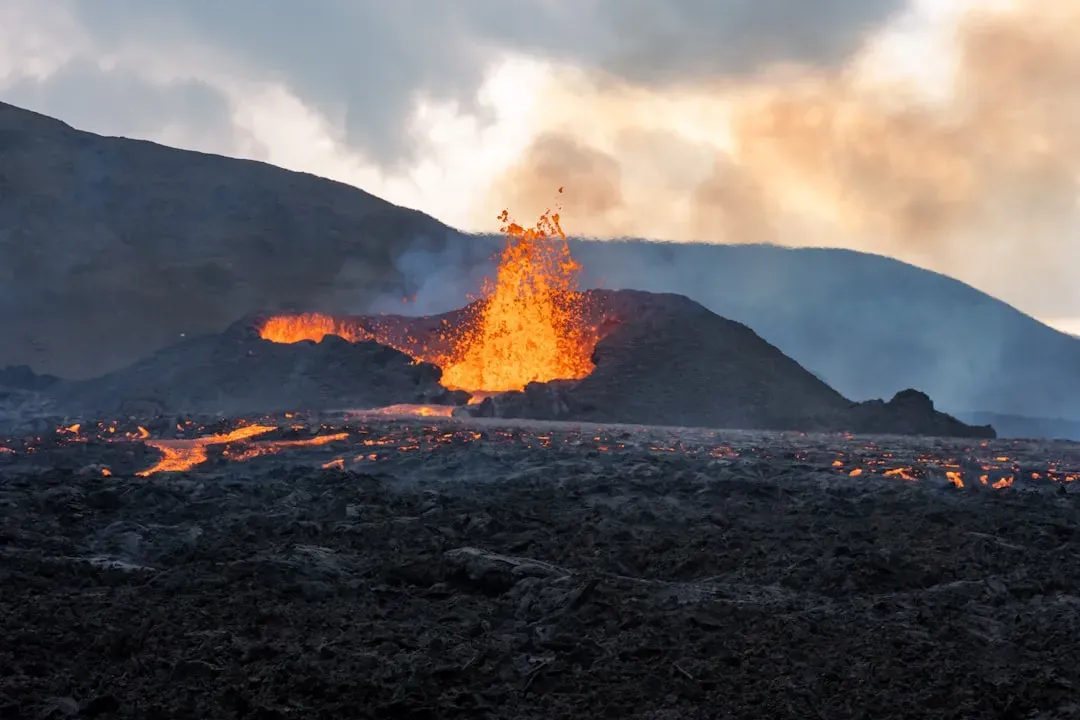
What you take away from all of this depends on whether you find the story terrifying or awe-inspiring. Honestly, it is both. The Earth has reset itself multiple times through eruptions of a scale so immense that no human civilization, no technology, and no amount of preparation would have made any meaningful difference. These were planetary-level events, and they shaped everything you see around you – the continents, the atmosphere, the very diversity of life on Earth.
The rock record does not lie. From the genetic echo of Toba in your own DNA to the kilometers of solidified lava stacked across Siberia and India, the evidence of prehistoric volcanism is written into the bones of the planet itself. There have probably been many such eruptions during Earth’s history beyond those already known. Erosion and plate tectonics have taken their toll, and many eruptions have not left enough evidence for geologists to establish their size. In other words, the most violent chapters of Earth’s story may still be buried, waiting to be discovered. Does it change how you think about the ground beneath your feet?