You’ve seen the reconstructed skeletons in museums, towering over you like ancient monuments to a lost world. Yet even those massive displays fail to capture just how absurdly enormous sauropods truly were. We’re talking about creatures that stretched the physical limits of what terrestrial biology could support, animals so massive that scientists still debate whether they could have existed at all under normal circumstances.
Picture this: you’re standing next to an African elephant, already one of the most imposing animals alive today. Now imagine something nearly ten times heavier, with a neck longer than a school bus. That’s the reality of sauropods, and honestly, the more you learn about them, the more impossible they seem. How did their hearts pump blood to heads held stories above the ground? How did bones support weights that would crush modern mammals? The answers involve some of the most remarkable biological engineering evolution has ever produced, adaptations so specialized that they’ve never been replicated since these giants vanished. Let’s dive into the extraordinary world where physics met biology and somehow, against all odds, worked.
The Weight Champions of Land
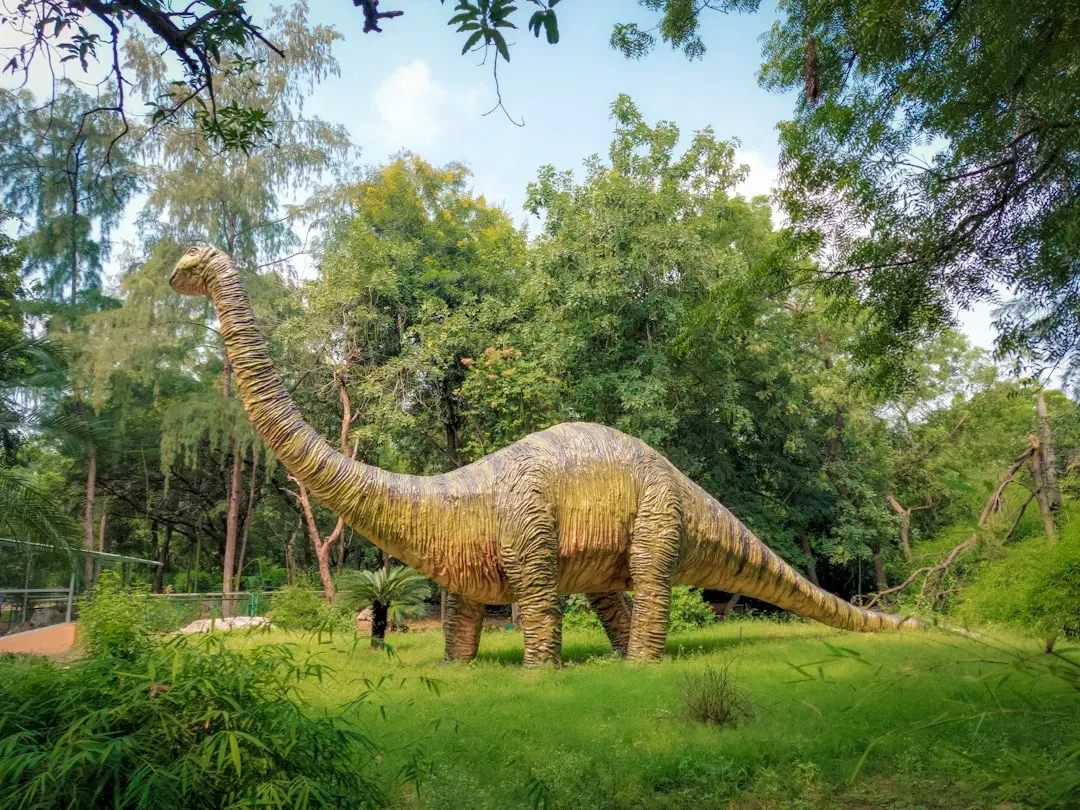
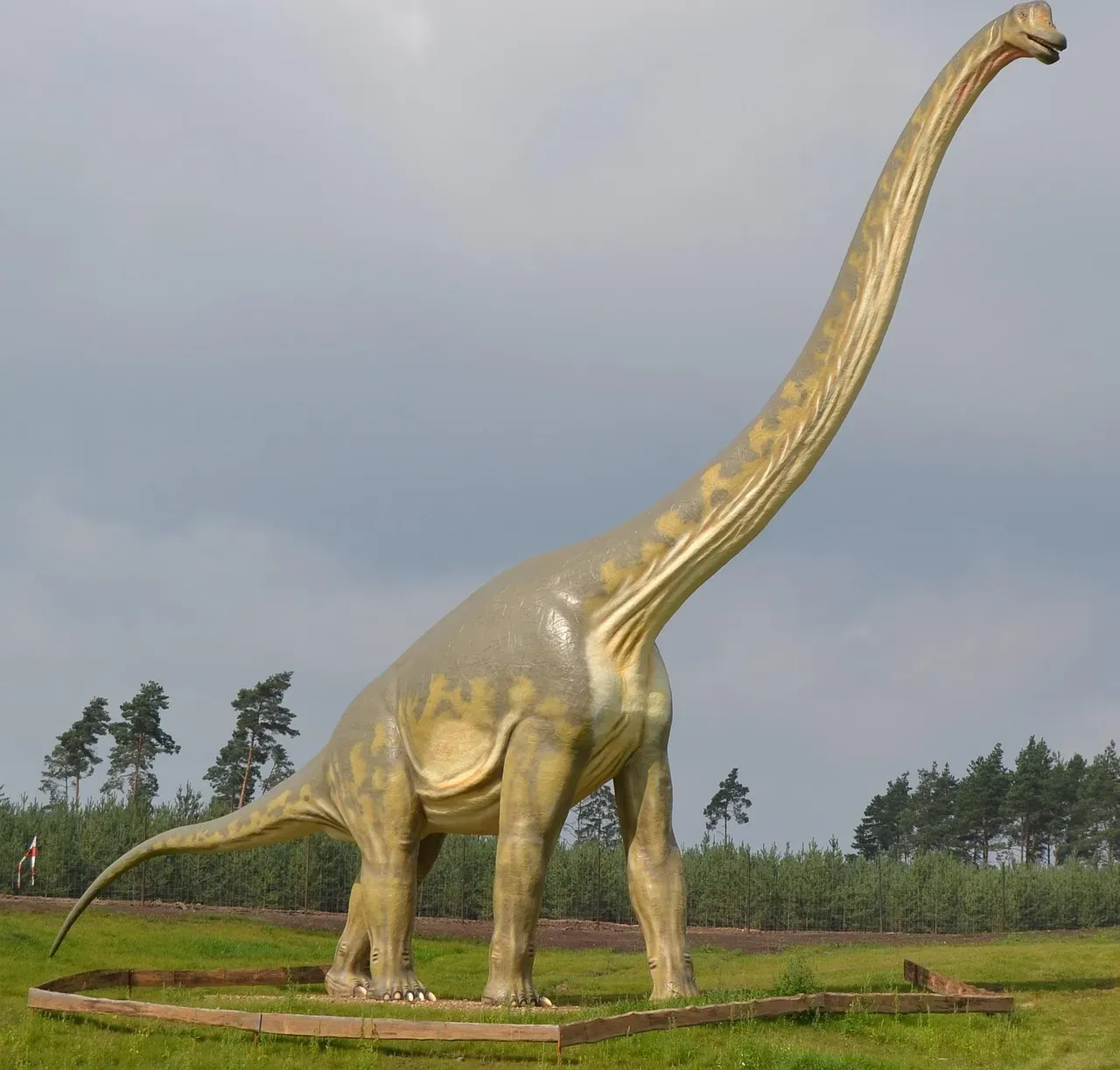
The largest sauropods, particularly Argentinosaurus, likely tipped the scales at somewhere between sixty-five and seventy-five tons. Patagotitan, another contender for the heavyweight title, probably weighed somewhere in the range of fifty to seventy-seven tons depending on which estimation method researchers use. To put that in perspective, you’d need to stack roughly ten African elephants on top of each other to match just one of these dinosaurs.
The sheer mass of these animals raises an immediate question: how did they even move? Biomechanical studies of Argentinosaurus revealed that the animal could walk at a maximum speed of about two meters per second, given the tremendous weight and the strain its joints could bear. That’s roughly four and a half miles per hour, a leisurely human walking pace. Imagine the ground trembling as forty tons of dinosaur lumbered past at the speed of your morning stroll. The numbers alone are staggering, yet these creatures weren’t just surviving – they were thriving for over one hundred million years.
Air-Filled Architecture: The Secret Lightweight Design
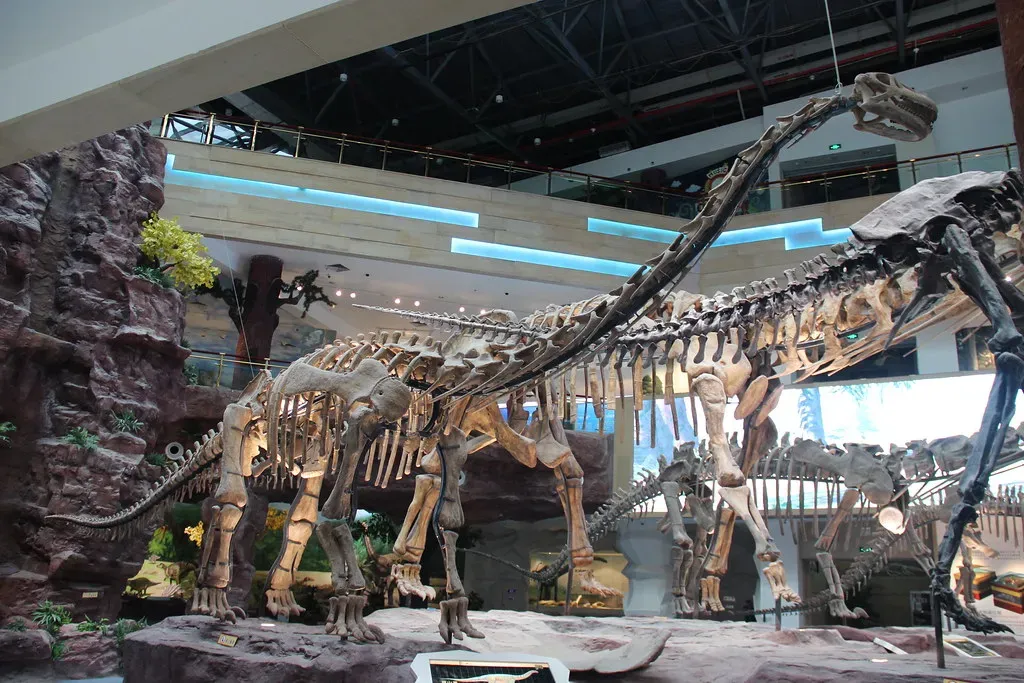
Here’s where things get wild. Sauropods possessed pneumatic, hollow bones filled with air, and some vertebrae consisted of roughly sixty percent air by volume. It’s counterintuitive, right? The largest land animals ever needed lighter skeletons, not denser ones. One vertebra from Sauroposeidon, measuring four and a half feet long, was surprisingly light and could reach up to ninety percent air by volume.
These hollow spaces were connected to an air sac system that not only lightened the skeleton but also increased airflow through the trachea, helping the creatures breathe in enough air. Think of it like nature’s version of aircraft construction, where engineers use honeycomb structures and hollow beams to maximize strength while minimizing weight. The extensive pneumatization resulted from an avian-style respiratory system that lowered the cost of breathing, reduced specific gravity, and may have helped remove excess body heat. Without this brilliant evolutionary hack, sauropods would have collapsed under their own mass long before reaching adult size.
The Neck Paradox: Engineering Marvels Reaching for the Sky
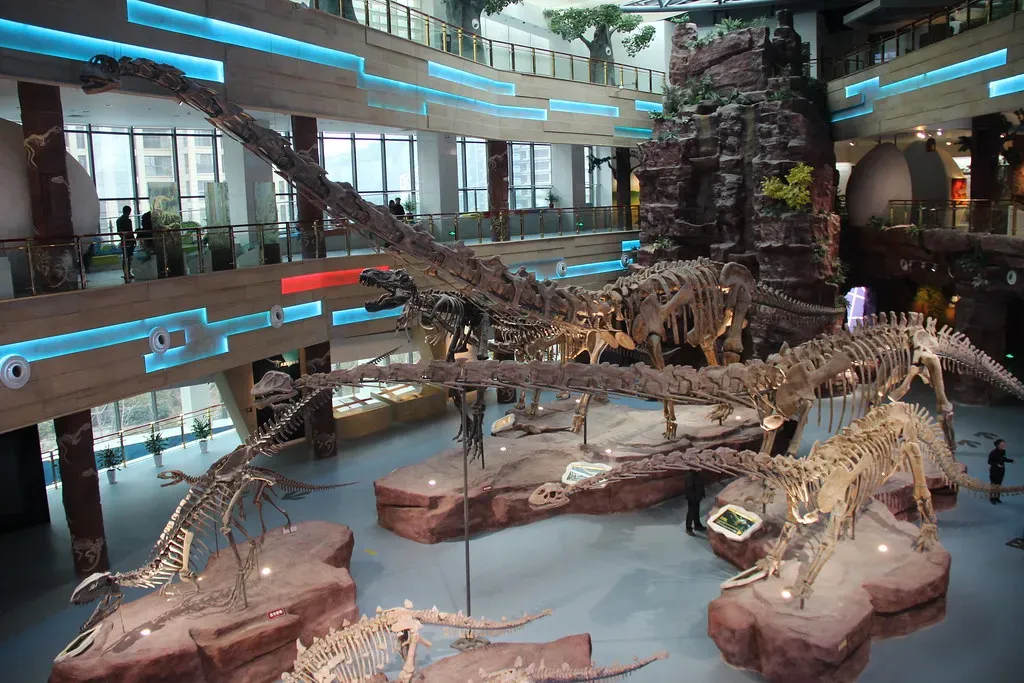
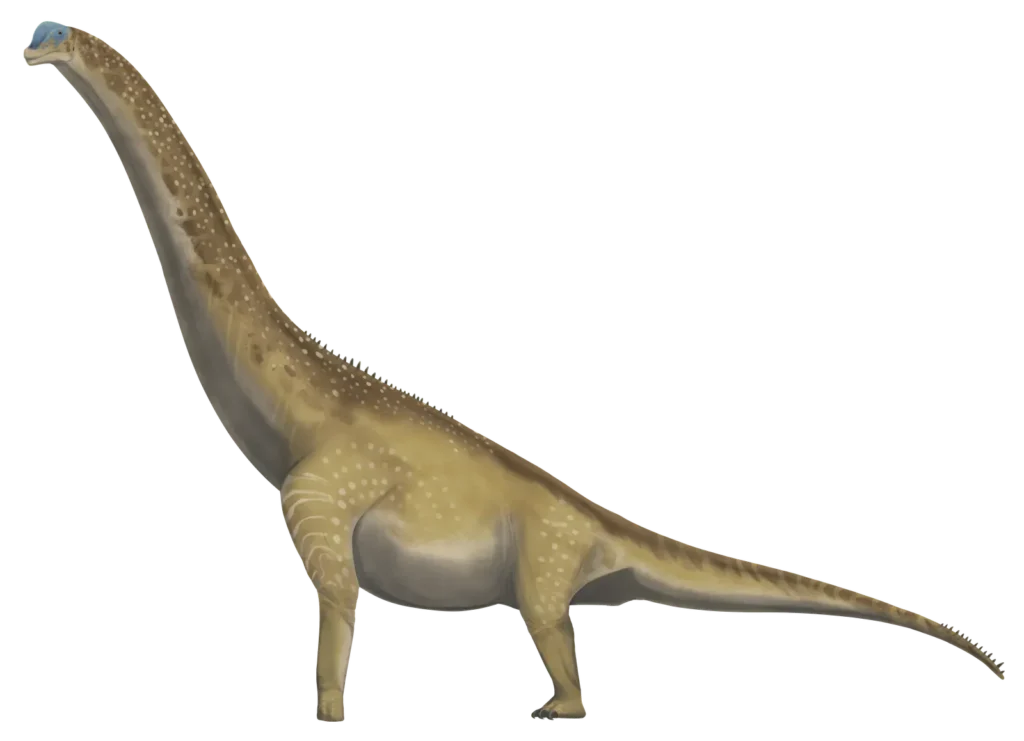
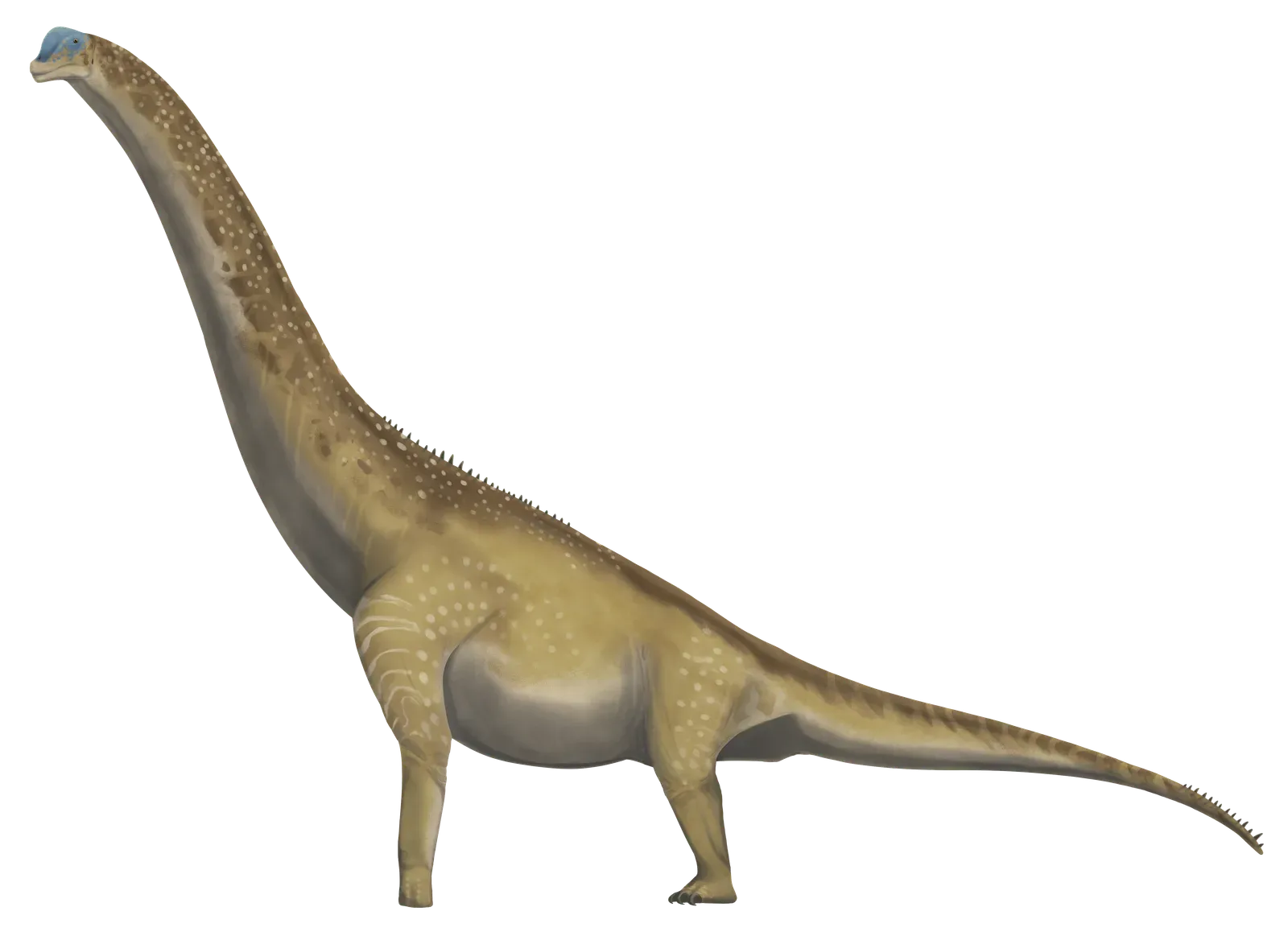
Sauropod necks stretched over fifteen meters in some species, with certain specimens like Mamenchisaurus sporting necks exceeding fourteen meters in length. That’s longer than a standard city bus, extended horizontally in front of these animals. Let’s be real – this seems physically impossible.
The exceptionally long neck was only possible because of the small head and the extensive pneumatization of the axial skeleton, which lightened the entire structure. The neck vertebrae were remarkably light for their size, featuring thin walls and hollow interiors, much like modern bird bones, with internal struts providing reinforcement similar to airplane wings. Each vertebra fit into the next like a ball and socket joint, allowing considerable flexibility while maintaining structural integrity. It’s one thing to build a long crane; it’s quite another to build one that’s alive, needs to eat, and must support itself without external framework.
Blood Pressure Battles: Pumping Against the Ultimate Resistance
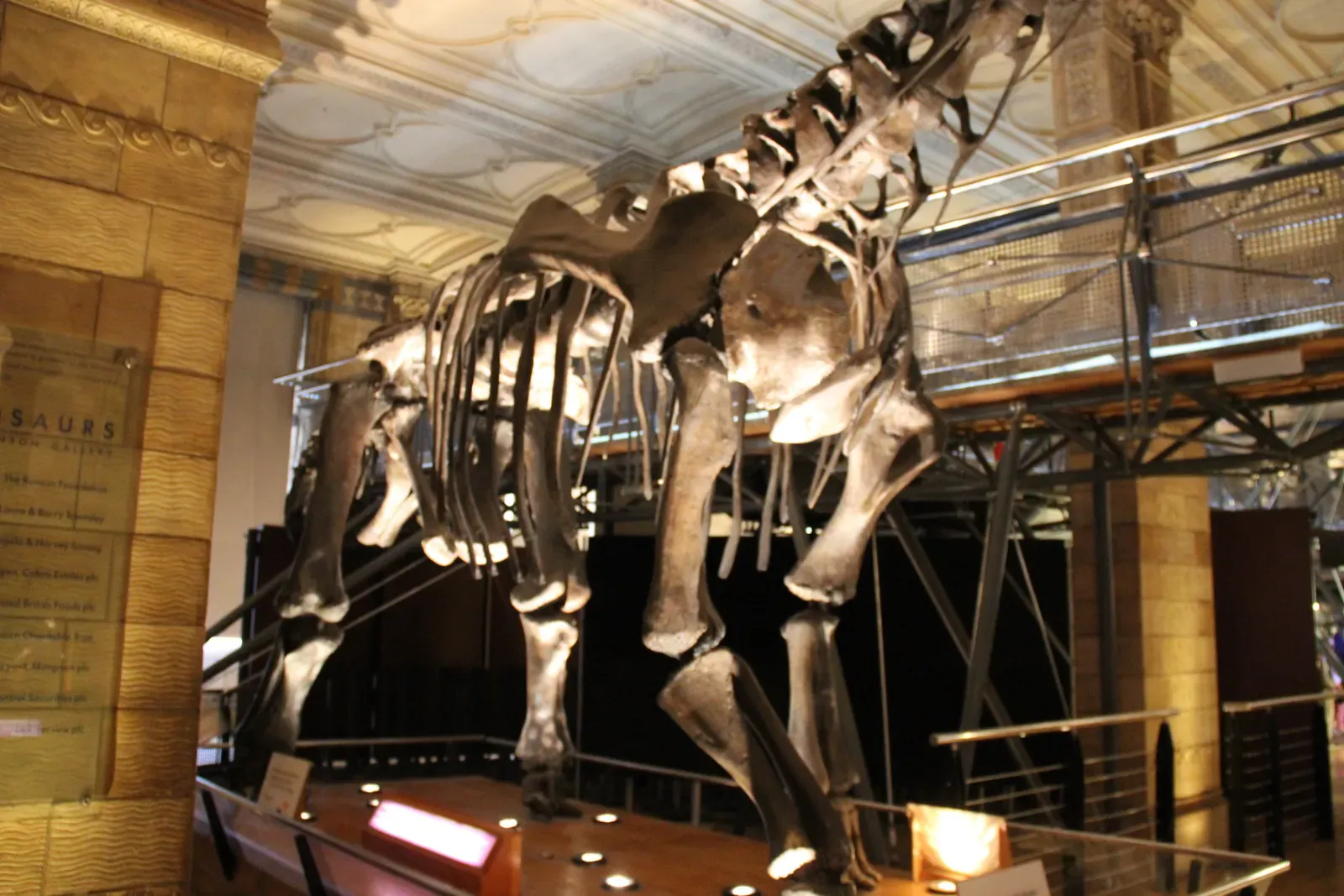
Now we hit perhaps the most mind-bending challenge. If sauropods held their necks upright, they would have required systemic arterial blood pressures reaching seven hundred millimeters of mercury at the heart, and their left ventricles would have weighed fifteen times those of similarly sized whales. For context, human blood pressure averages around one hundred twenty over eighty. We’re talking about pressures that would rupture the circulatory systems of virtually any living animal today.
Researchers calculated that the left ventricle of a Barosaurus heart alone would have weighed two tons, roughly fifteen times heavier than the left ventricle of an equally long fin whale. An animal producing such extreme pressure would show cardiac work rates seven and a half times higher than normal, requiring the sauropod to expend nearly half its total energy just to circulate blood. This creates a fascinating problem: either these animals kept their necks relatively horizontal most of the time, or they possessed cardiovascular adaptations we haven’t yet discovered in the fossil record.
Feeding Strategies: Vacuum Cleaners or High Browsers?
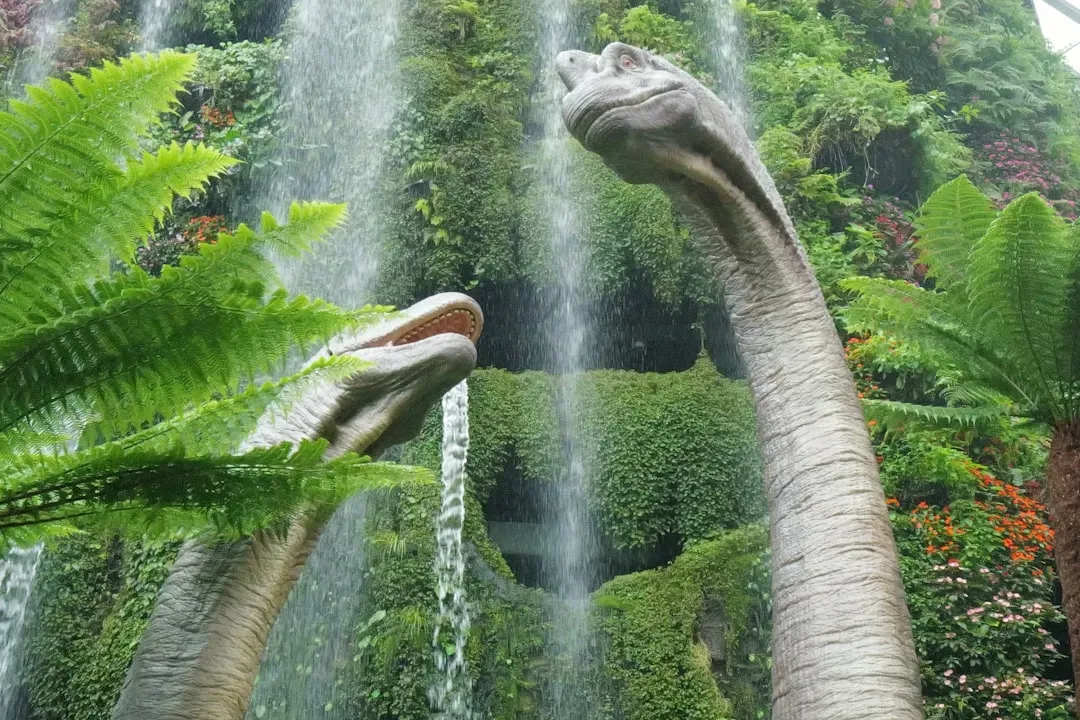
Early studies of Apatosaurus and Diplodocus suggested these animals held their necks in a slightly declined neutral position, which would make them ground feeders rather than browsers of tall vegetation. Yet this doesn’t make sense for all sauropods. Some species like Euhelopus and Brachiosaurus have been found to anatomically favor holding their necks at vertical angles, despite the seemingly impossible energy requirements.
Having such a long reach allowed these animals access to vast amounts of food without needing to move their massive bodies too much, and computer simulations revealed that Apatosaurus could reach unexpectedly low, even below ground level. Picture a thirty-ton animal standing at the edge of a lake, its neck descending like a periscope in reverse to graze on aquatic vegetation. Different sauropod species showed considerable variation in body size, dentition, and feeding behavior, suggesting that niche partitioning allowed multiple species to coexist without direct competition. Some swept their necks side to side like living lawn mowers, while others may have specialized in high browsing despite the physiological costs.
The Small Head Advantage: Less Is Definitely More
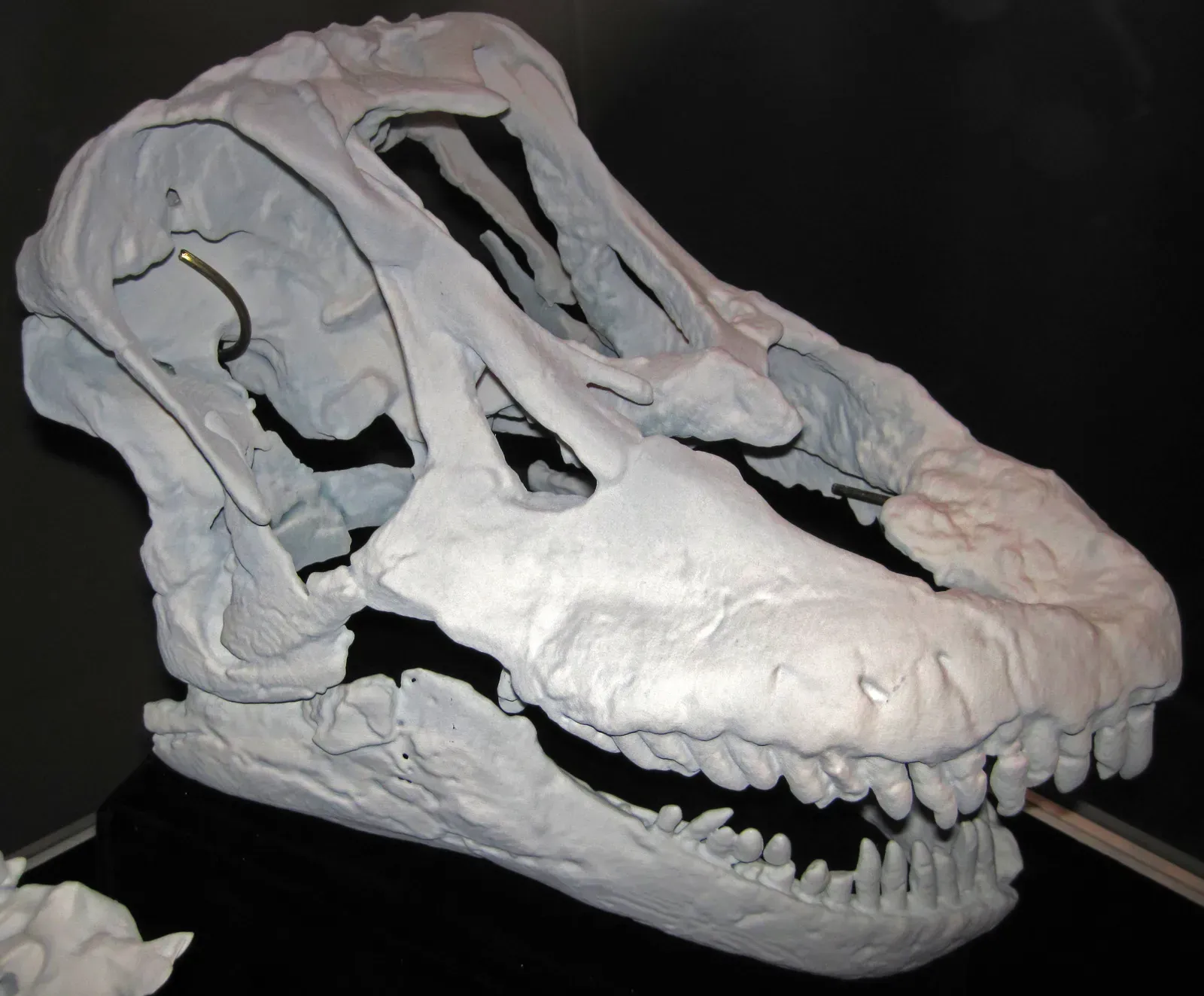
Sauropods had remarkably small heads because they ingested food without chewing it, and both mastication and a gastric mill would have limited food intake rate. It’s actually brilliant when you think about it. Why waste energy maintaining a massive skull full of grinding teeth when you can just swallow vegetation whole and let your gut do the processing?
Their gastrointestinal systems compensated for the lack of particle reduction with long retention times, even at high uptake rates. This meant food sat fermenting in their digestive systems for extended periods, breaking down slowly but efficiently. A smaller head meant less weight at the end of that impossibly long neck, reducing the structural stress and making the whole contraption feasible. Because food was ingested without mastication, the small head became possible, contributing to the overall body plan that enabled gigantism. Every component of sauropod anatomy worked together in an integrated system where changing one element would cascade through the entire design.
The Foot Solution: Cushioning Titanic Steps
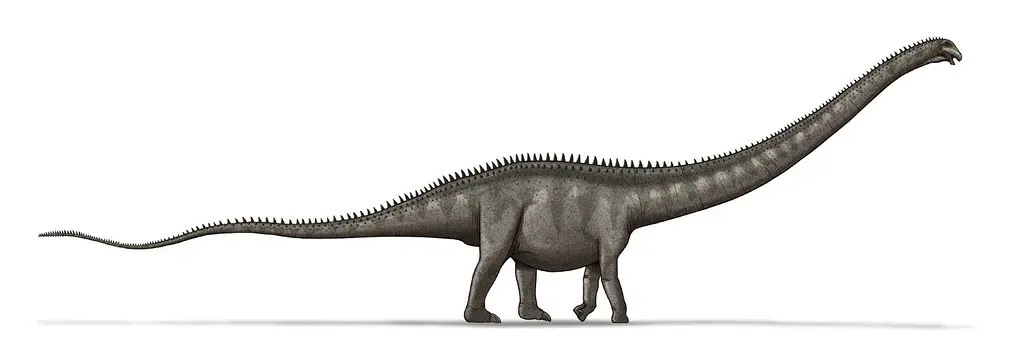
Withstanding the forces associated with their immense size represents one of the most challenging biomechanical scenarios in the evolution of terrestrial tetrapods. When you weigh as much as a loaded semi-truck, every footstep becomes a potential disaster. Studies found that none of the skeletal models could maintain bone stresses within safe limits without a soft tissue pad, which reduced bone stresses by combining the advantages of a functionally plantigrade foot with the ancestral digitigrade condition.
The acquisition of a developed soft tissue pad by the Late Triassic to Early Jurassic may represent one of the key adaptations for the evolution of the gigantism that became emblematic of these dinosaurs. Think of it as nature’s shock absorbers, massive cushions beneath their feet distributing weight across a larger surface area. As mammals became larger through evolutionary history, they acquired more upright foot postures and developed enlarged pads of adipose and fibrous connective tissue. Sauropods followed a remarkably similar path, evolving comparable solutions to the same fundamental physics problem.
Metabolic Mysteries: Hot, Cold, or Something In Between?
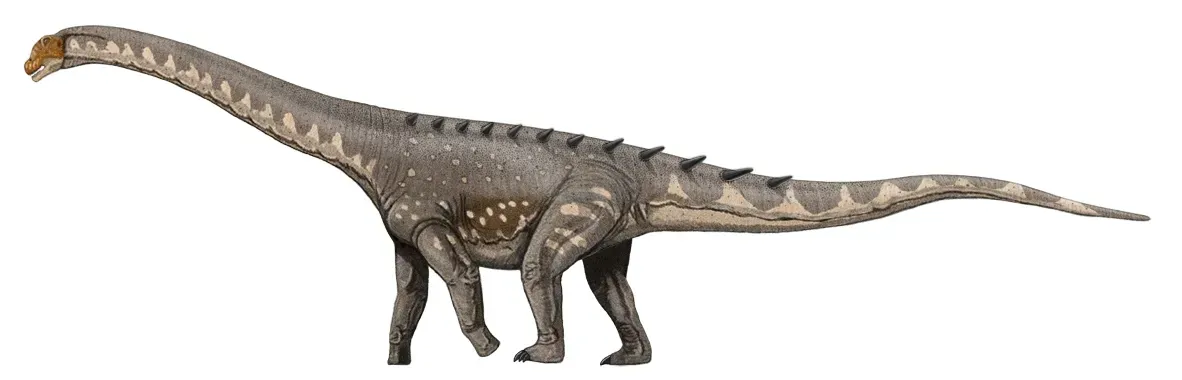
Sauropods inherited a high basal metabolic rate from their ancestors, which was required to fuel the high growth rates necessary for multi-ton animals to survive to reproductive maturity. Here’s the thing though – the debate rages on about whether they maintained that high metabolism throughout adulthood or slowed down as they reached massive sizes.
Diverse lines of evidence suggest the giant sauropods were probably warm-blooded and metabolically active when young, but slowed their metabolism as they approached adult size, which diminished the load on the circulatory system. It’s a clever compromise between the advantages of endothermy and the crushing energy demands it creates at enormous body sizes. Respiratory systems with bird-like air sacs may have sustained higher activity levels than mammals of similar size could achieve, and the rapid airflow would have provided an effective cooling mechanism essential for large active animals. The metabolism question matters because it affects estimates of everything from heart size to food requirements to population densities.
Why Gravity Didn’t Stop Them: The Complete Package
By externalizing birth and development through egg-laying, sauropods sidestepped the costs and risks that constrain mammal size, though air sacs and laying eggs allowed but did not drive their gigantism. It wasn’t one trick that made sauropods possible; it was dozens of coordinated adaptations working in concert. They didn’t grow so large because of reduced gravity, greater oxygen content, or food overabundance, as researchers have conclusively demonstrated.
Mechanical and biological constraints like nerve impulse travel time might have prevented them from becoming even larger, and the fact that the largest dinosaur contenders all top out around one hundred to one hundred ten feet in length might indicate they were reaching anatomical ceilings. There appears to be a hard limit to how large a land animal can become before physics wins. Every system – skeletal, cardiovascular, respiratory, digestive – had to be optimized simultaneously. Remove any one adaptation and the entire edifice of gigantism collapses. That’s what makes sauropods so remarkable: they found the absolute edge of what biology could achieve on land and held that position for a geological epoch.
Conclusion: Giants That Shouldn’t Have Existed But Did
Sauropods represent evolution’s most audacious experiment in scaling up terrestrial life. They deployed hollow bones filled with air, impossibly long necks, miniature heads, specialized feet, and potentially variable metabolisms to achieve sizes that still seem fictional. The cardiovascular challenges alone should have been insurmountable, yet these animals persisted for over a hundred million years across every continent.
What’s truly humbling is realizing we still don’t have all the answers. How exactly did their hearts work? What was their typical neck posture throughout the day? Were they genuinely warm-blooded giants or something metabolically unique? Every new fossil discovery and biomechanical study reveals another layer of complexity, another brilliant adaptation we’d overlooked. These weren’t lumbering, dim-witted creatures barely clinging to existence – they were finely tuned biological machines that conquered their environments through sheer specialized excellence. What do you think was their most impressive adaptation? The engineering problems they solved put modern technology to shame.