Picture yourself face to face with a creature whose jaws could swallow you and your friend standing side by side. Its teeth are the size of your hand, each one a dagger designed to shred through bone. This isn’t science fiction. This was reality for countless marine creatures millions of years ago when the megalodon ruled every ocean on Earth.
Scientists continue to uncover jaw-dropping revelations about this ancient predator, and honestly, each discovery makes the creature seem even more terrifying than we imagined. Recent findings have completely transformed what we thought we knew about how this apex hunter lived, fed, and dominated prehistoric seas.
A Leviathan of Unimaginable Proportions
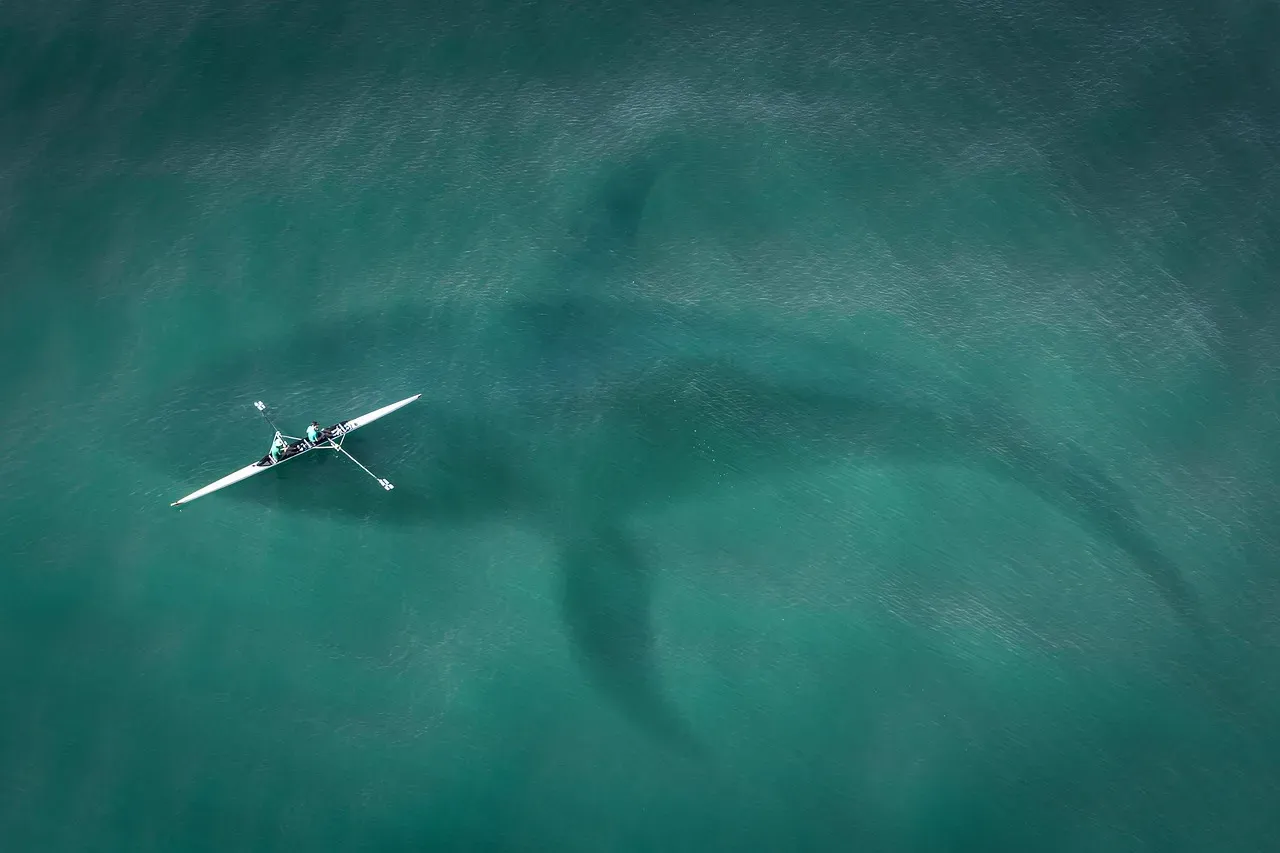
Otodus megalodon was the largest predatory fish in Earth’s history, measuring up to 24 meters and longer than a truck with a trailer while weighing almost twice as much. Let’s be real, that’s roughly the length of two school buses placed end to end. The sheer magnitude of this creature defies comprehension when you compare it to modern sharks.
The largest megalodons reached roughly 60 feet in length and attained perhaps up to 50 tons, while females were on average larger at about 44 to 56 feet and males were about 34 to 47 feet. Recent studies have pushed these estimates even further. By examining megalodon’s vertebral column and comparing it to over 100 species of living and extinct sharks, researchers determined more accurate proportions, suggesting the prehistoric predator may have reached about 80 feet.
Bite Force That Shattered Records and Bones
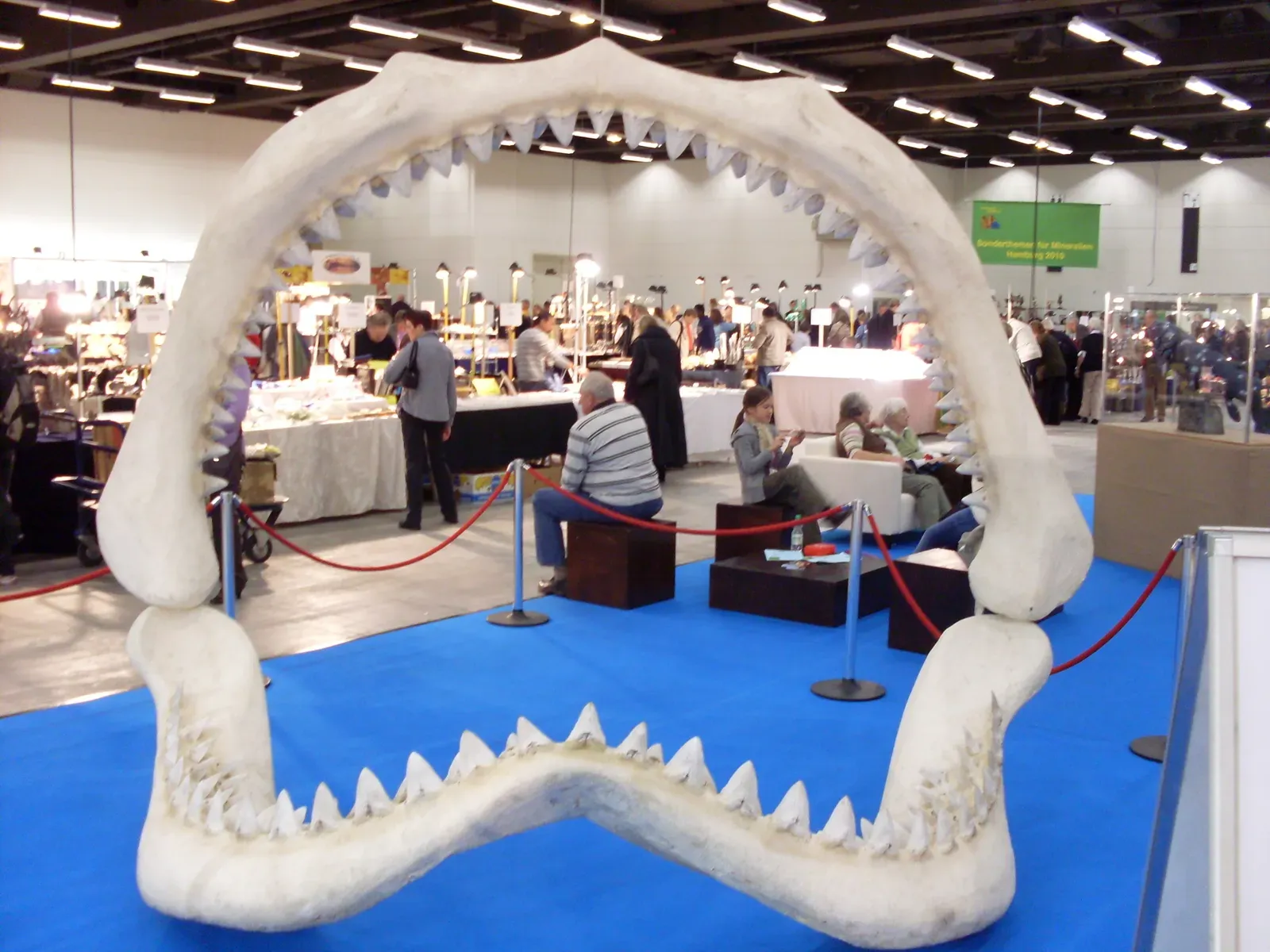
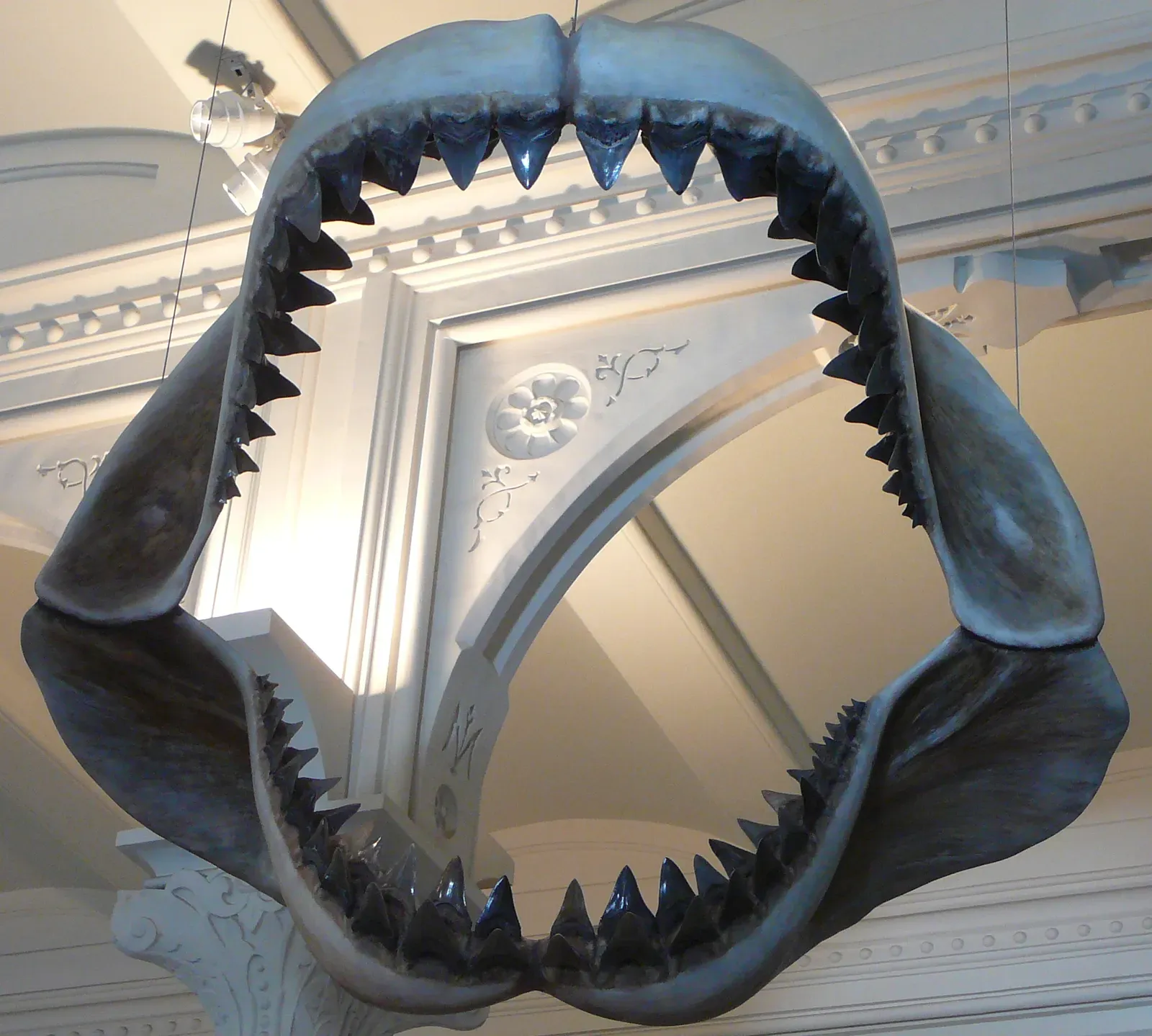
Their large jaws could exert a bite force of up to 108,500 to 182,200 newtons. To put that in perspective, that’s roughly three times stronger than a Tyrannosaurus rex and ten times more powerful than a modern great white shark. The megalodon possessed the most powerful bite of any creature that has ever existed.
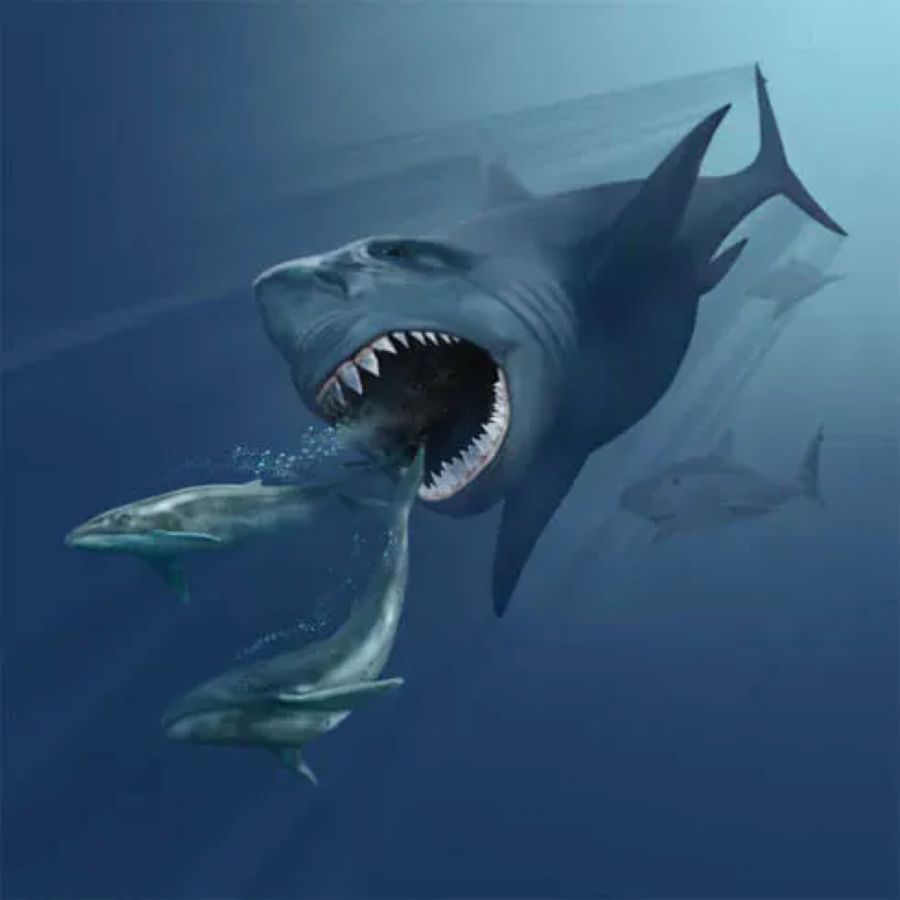
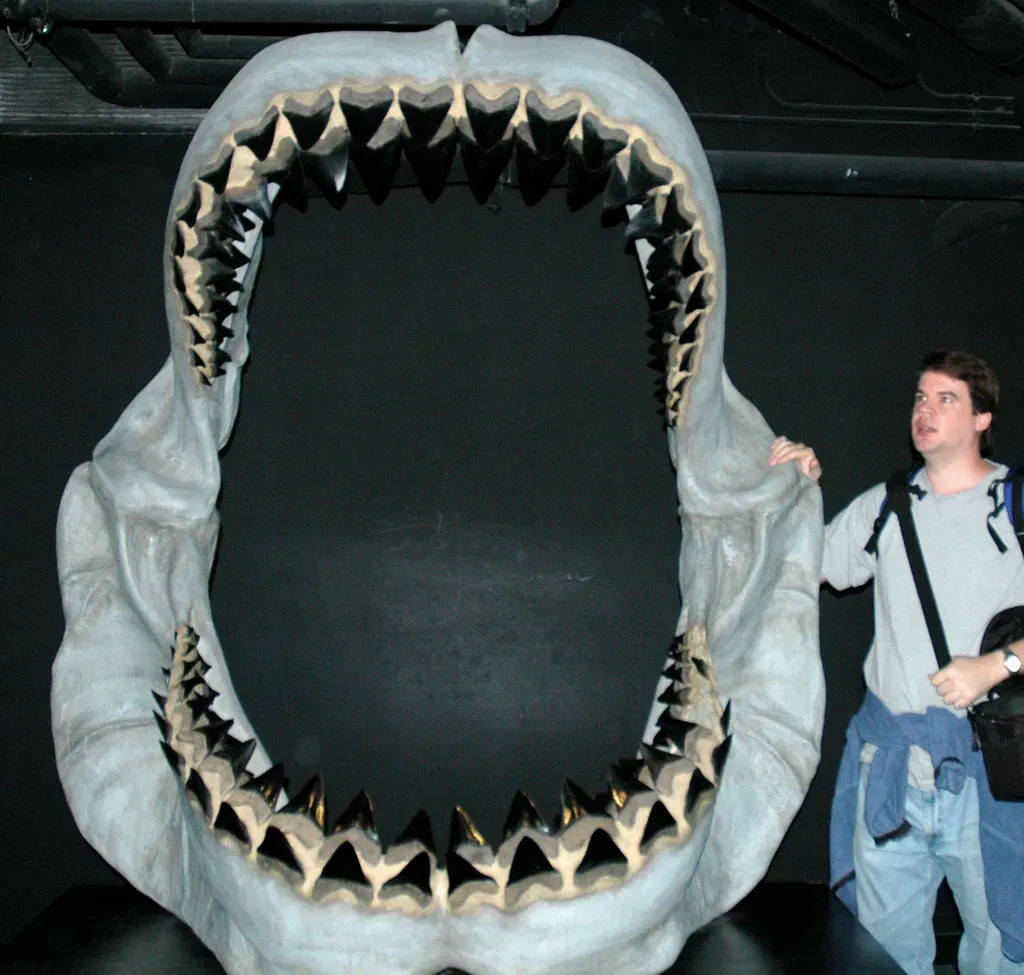
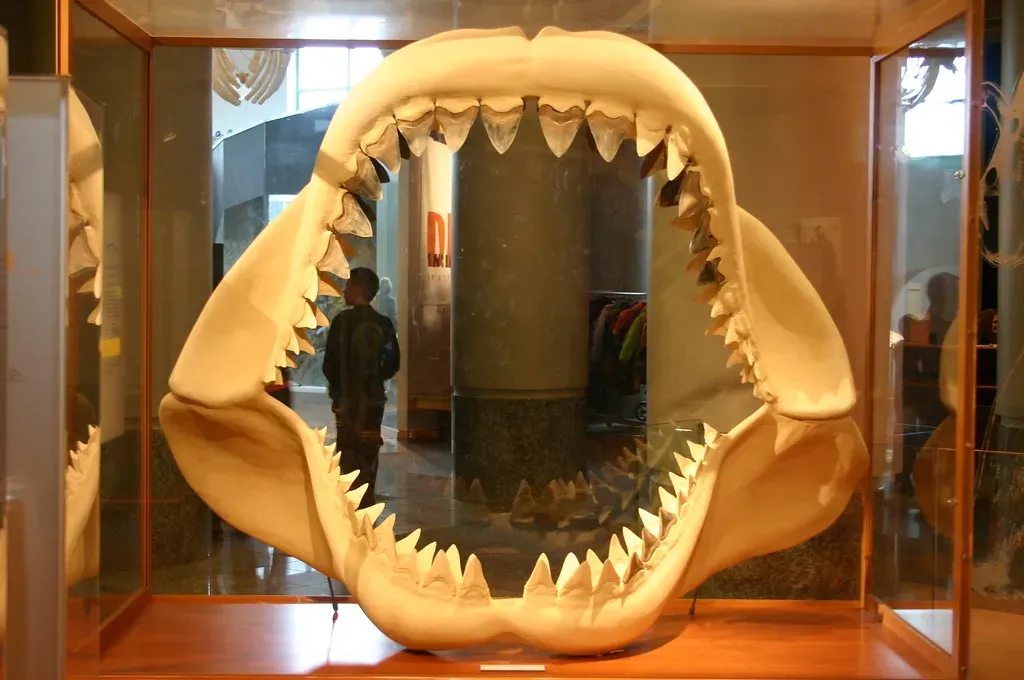
Embedded in its jaws were triangular teeth the size of a hand, and its bite had the force of an industrial hydraulic press. Megalodon had over 250 teeth in its jaws spanning 5 rows, and it is possible that large individuals had jaws spanning roughly 2 meters across. Here’s the thing though: megalodons constantly replaced their teeth throughout their lives, cycling through thousands of razor-sharp implements of destruction.
Surgical Precision in Savage Attacks
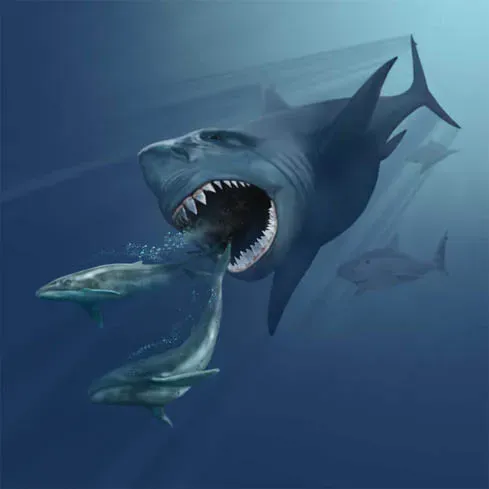
You might think a creature this massive simply bludgeoned its way through prey, but the evidence reveals shocking sophistication. Unlike great whites which target the underbelly of their prey, megalodon probably targeted the heart and lungs, with their thick teeth adapted for biting through tough bone. This hunting strategy shows calculated violence rather than random aggression.
Attack patterns could differ for prey of different sizes, with fossil remains of some small cetaceans suggesting they were rammed with great force from below before being killed and eaten. The megalodon wasn’t just strong. It was smart. It adapted its approach depending on what it was hunting, employing different techniques for different prey species.
An Unexpectedly Versatile Menu
Megalodon partook of a much broader range of prey than previously assumed. For decades, scientists believed these giants exclusively hunted whales, but recent zinc isotope analysis of fossil teeth has completely upended that theory. Megalodon was flexible enough to feed on marine mammals and large fish from the top of the food pyramid as well as lower levels, depending on availability.
According to estimates, it required around 100,000 kilocalories per day. That’s an absolutely staggering energy requirement. To meet this demand, megalodons had to be opportunistic, not picky. Our study tends rather to draw a picture of megalodon as an ecologically versatile generalist. This flexibility likely contributed to its success as a global superpredator for millions of years.
Not Built Like a Great White After All
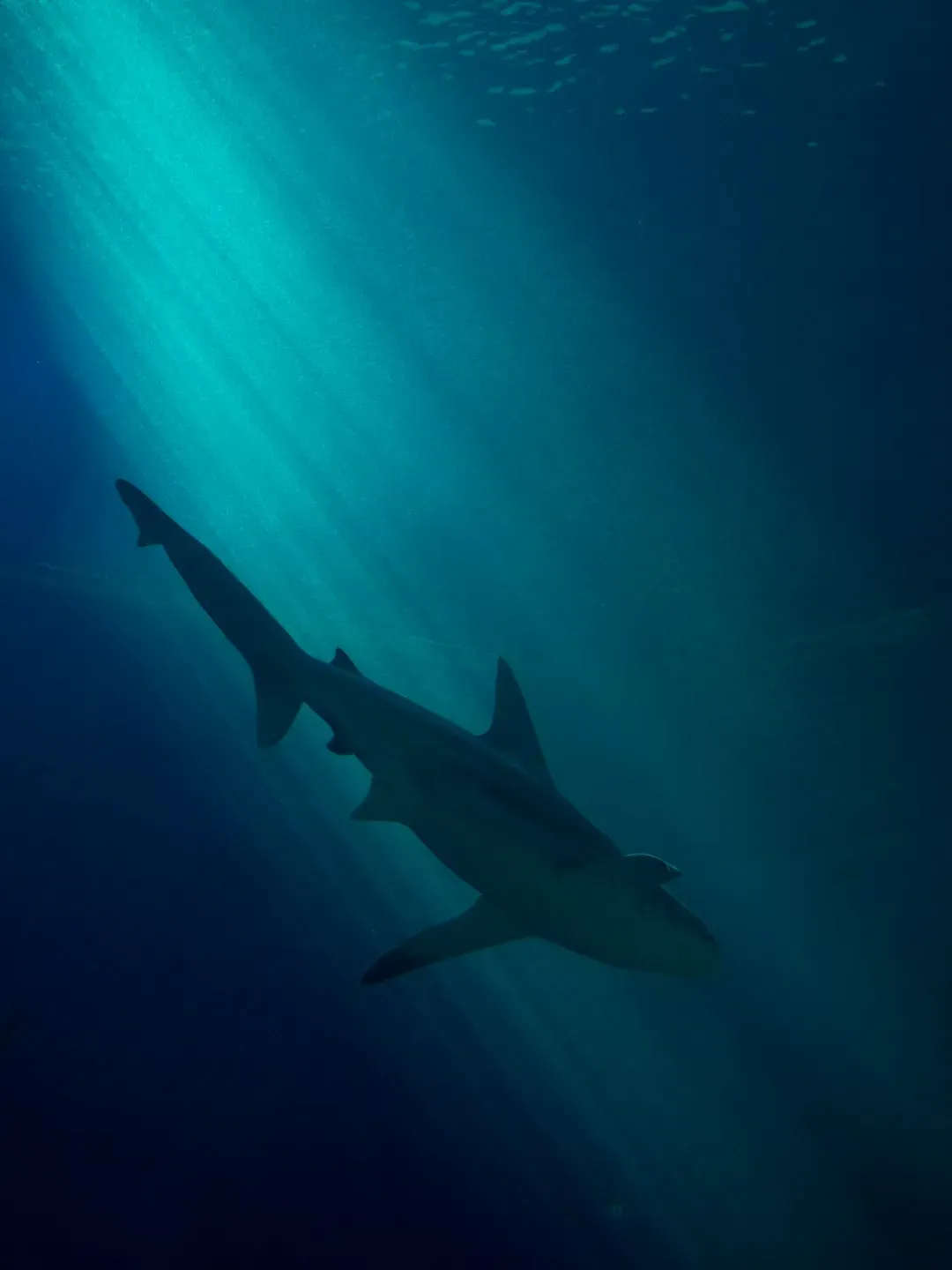
It was still a giant predatory shark, but the results strongly suggest that the Megalodon was not merely a larger version of the modern great white shark. This revelation has fundamentally changed how scientists visualize this creature. Instead of the stocky, barrel-chested build we see in great whites, megalodons had a more elongated, streamlined body.
The prehistoric hunter had a much longer body closer in shape to a lemon shark or even a large whale, and unlike the great white, lemon sharks have a more elongated body. This leaner profile would have given megalodon advantages in swimming efficiency and digestive capacity. The shark likely swam at moderate speeds with the ability to burst forward when attacking prey, given its sheer size and energy demands made constant high-speed swimming inefficient.
Born Ready to Dominate
As a newborn, a megalodon could have been nearly 13 feet long, roughly the size of an adult great white shark. Think about that for a moment. These creatures emerged into the world already larger than one of today’s most feared predators. It is entirely possible that megalodon pups were already taking down marine mammals shortly after being born.
Despite being fierce predators, a new study suggests that megalodons were pretty good parents and raised their young in nurseries. Fossil evidence suggests that millions of years ago regions had shallow shorelines, warm water and flourishing marine life, which would have made perfect places for baby sharks to thrive, and given the collection of baby teeth and the geography of the area, scientists determined that megalodon nurseries must have existed there.
A Transoceanic Reign of Terror
An adult megalodon could cruise at faster absolute speeds than any shark species today and fully consume prey the size of modern apex predators, with a dietary preference for large prey potentially enabling it to minimize competition and providing a constant source of energy to fuel prolonged migrations without further feeding. The megalodon could travel long distances and was capable of eating whole prey of up to 8 meters long, notably the size of modern killer whales.
Eating a single 8-meter-long whale may have allowed the shark to swim thousands of miles across oceans without eating again for two months. This ability to gorge and then travel immense distances without feeding made megalodons truly global predators. They weren’t confined to specific hunting grounds. They owned every warm water habitat across the planet.
The megalodon represents nature at its most extreme. For millions of years, no creature in the ocean was safe from this superpredator. Its combination of size, power, intelligence, and adaptability made it perhaps the most successful marine hunter ever to exist. The fact that something this formidable once prowled our oceans really puts our place in nature into perspective, doesn’t it? What do you think you would have done if you had been swimming in those ancient seas?