Imagine stumbling across the bones of a creature so enormous, so alien to everything you’ve ever seen, that you struggle to believe the Earth was ever home to such a thing. That’s not a scene from a science-fiction novel. It’s exactly what happened in the mid-1800s, when two extraordinary fossil discoveries shook the foundations of science and forever changed how humanity understood life on this planet.
The story isn’t simple. It stretches across two continents, involves quarry workers, amateur geologists, and some of the most brilliant scientific minds of the 19th century. There are moments of triumph, episodes of baffling neglect, and a twist that took over 160 years to fully resolve. Strap in, because this is one of the most fascinating origin stories in all of natural history. Let’s dive in.
A World Without Dinosaurs: What Science Believed Before 1858
Here’s the thing – before the mid-1800s, the very concept of a dinosaur barely existed. Dinosaurs have become such a huge part of modern culture that it’s surprising to many people that their discovery didn’t happen until around 1824, and the word “dinosaur” itself was only coined by Richard Owen in 1842. Before that name existed, fossilized bones were occasionally found but explained away as the remains of dragons, biblical giants, or simply enormous lizards.
Before dinosaurs were properly identified, their fossils had been uncovered from time to time, but these were attributed to the remains of dragons and giants. When the first dinosaurs were identified, it was from fragments rather than complete skeletons, which resulted in some reconstructions that look very odd to modern eyes. Think of it like trying to reconstruct a car using only a steering wheel and one tire. Scientists were working almost completely in the dark.
James Harrison and the Cliffs of Dorset: Where It All Began
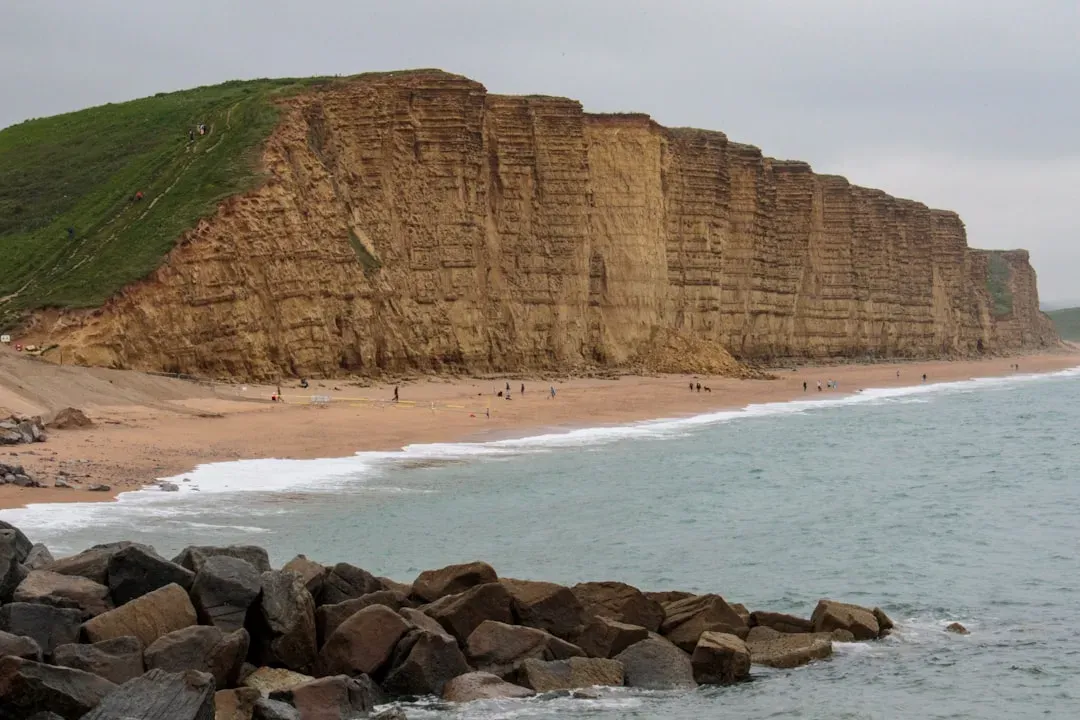
During the 1850s, quarry owner James Harrison of Charmouth, West Dorset, England found fossils from the cliffs of Black Ven between Charmouth and Lyme Regis, that were quarried, possibly for raw material for the manufacture of cement. Harrison wasn’t a scientist. He was a practical man doing practical work. The bones he found were, at first, just an inconvenient curiosity mixed in with the limestone he was pulling from the cliffs.
These fossils, initially quarried possibly for cement manufacturing, included fragmentary limb bones, which Harrison, along with collector Henry Norris, sent to Professor Richard Owen of the British Museum in London. Owen encouraged Harrison to look for more specimens in order to clarify matters, and within a year, Harrison had recovered a near-complete skeleton of one animal. It was, without exaggeration, the find of the century.
Scelidosaurus: The First Complete Dinosaur Skeleton Ever Found
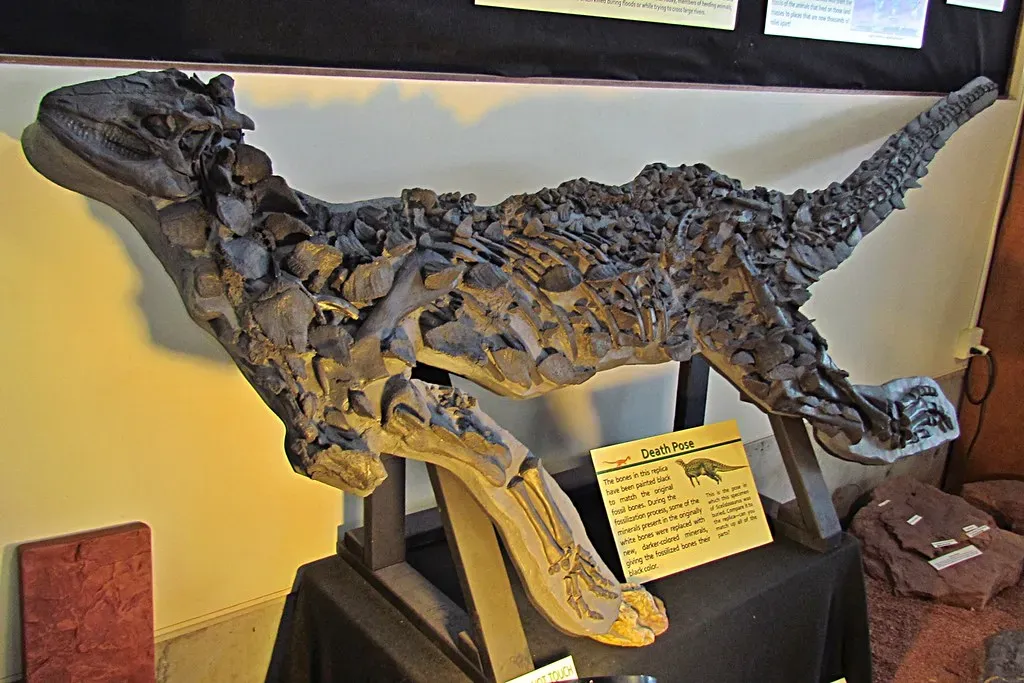
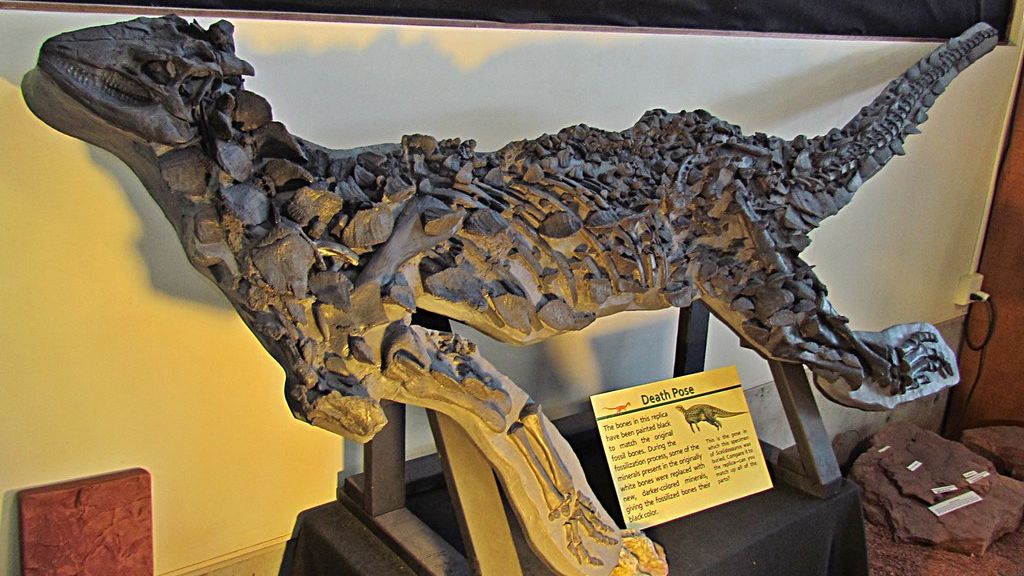
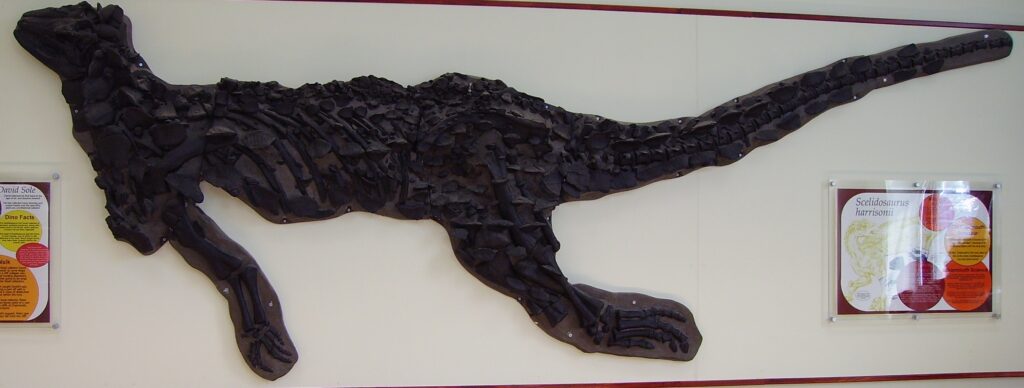
When the bones of the early armoured dinosaur Scelidosaurus were unearthed in 1858 in west Dorset, England, they comprised the first complete dinosaur skeleton ever identified. The creature had been preserved in what geologists call the Blue Lias formation, a layer of ancient seafloor rock that would turn out to be an extraordinary natural archive. The rocks in which this dinosaur’s bones were fossilised, known as ‘Blue Lias’ on Dorset’s Jurassic Coast, are around 193 million years old, close to the dawn of the Age of Dinosaurs.
Until that moment, dinosaurs had only been known from teeth and a few scattered bones, so their structure and appearance had been entirely speculative. Scelidosaurus changed all of that in one extraordinary sweep. Scelidosaurus was about 4 metres long, and was a largely quadrupedal animal, feeding on low scrubby plants. It was armoured from head to tail, covered in bony plates and spikes that made it look, honestly, like nature’s own medieval knight.
Richard Owen’s Baffling Neglect of a Historic Treasure
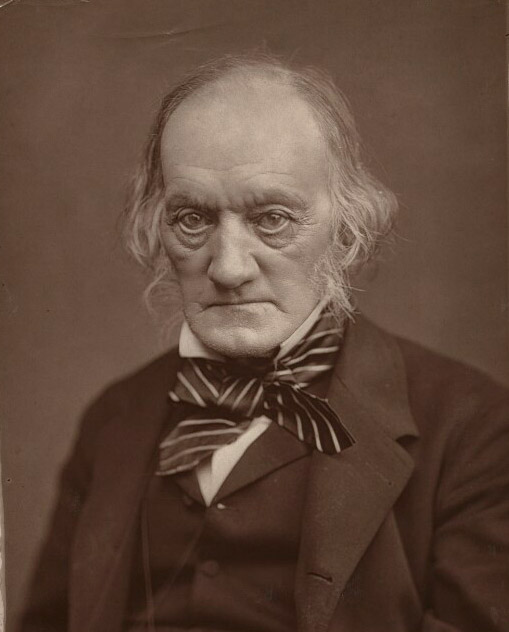
You’d think that receiving the world’s first complete dinosaur skeleton would inspire the most thorough scientific investigation imaginable. Sadly, that’s not what happened. Owen published two short papers on its anatomy, but many details were left unrecorded. He did not reconstruct the animal as it might have appeared in life and made no attempt to understand its relationship to other known dinosaurs of the time. In short, he effectively ‘re-buried’ it in the literature, and so it remained: known, yet obscure and misunderstood.
British palaeontologist David Norman has stressed how remarkable it is that Owen, who previously had argued that dinosaurs were active quadrupedal animals, largely neglected Scelidosaurus, though it could serve as a prime example of this hypothesis. Norman explained this by Owen’s excessive workload in this period, including several administrative functions, polemics with fellow scientists, and the study of a large number of even more interesting newly discovered extinct animals, such as Archaeopteryx. The skeleton ended up in storage, where it would sit for more than 150 years.
Haddonfield, New Jersey: A Second Landmark Discovery in the Same Year
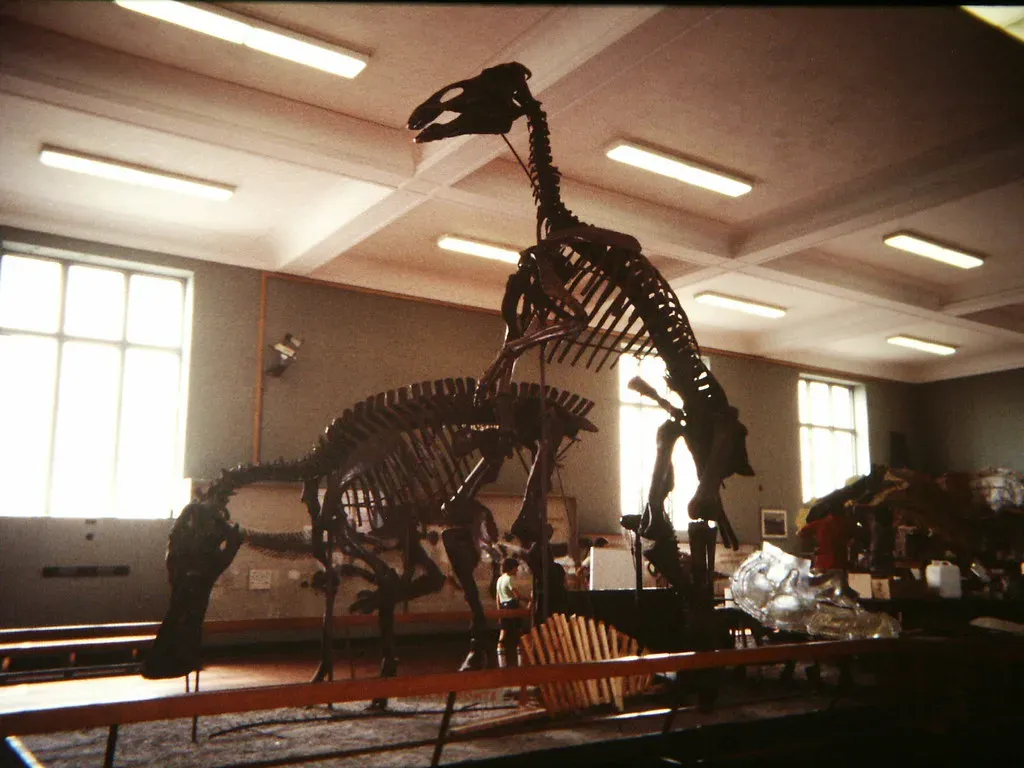
Here’s something that will genuinely surprise you. In the very same year that Scelidosaurus was uncovered in England, something equally remarkable was happening across the Atlantic Ocean. In the late 1830s, a farmer named John Estaugh Hopkins was digging in a marl pit in Haddonfield, New Jersey, where he began finding large bones of an unidentified creature. He did not think too much of it and even gave some bones away to curious visitors. That’s right. He gave away pieces of one of the most important fossil discoveries in history to people wandering past.
More than 20 years later in 1858, William Parker Foulke, a lawyer and amateur geologist, joined Hopkins for dinner at his home. Hopkins showed him the strange bones he had found 20 years earlier and with his permission, Foulke began an excavation. He invited his friend, Philadelphia anatomist and founder of vertebrate paleontology, Dr. Joseph Leidy, to join him. Together they retrieved a nearly complete dinosaur skeleton with only the skull missing. They measured the femur at an astonishing length of 4 feet and estimated that Hadrosaurus foulkii must have been at least 25 feet long. That is roughly the length of a city bus.
The Scientific Revolution That Followed and the Legacy That Endures
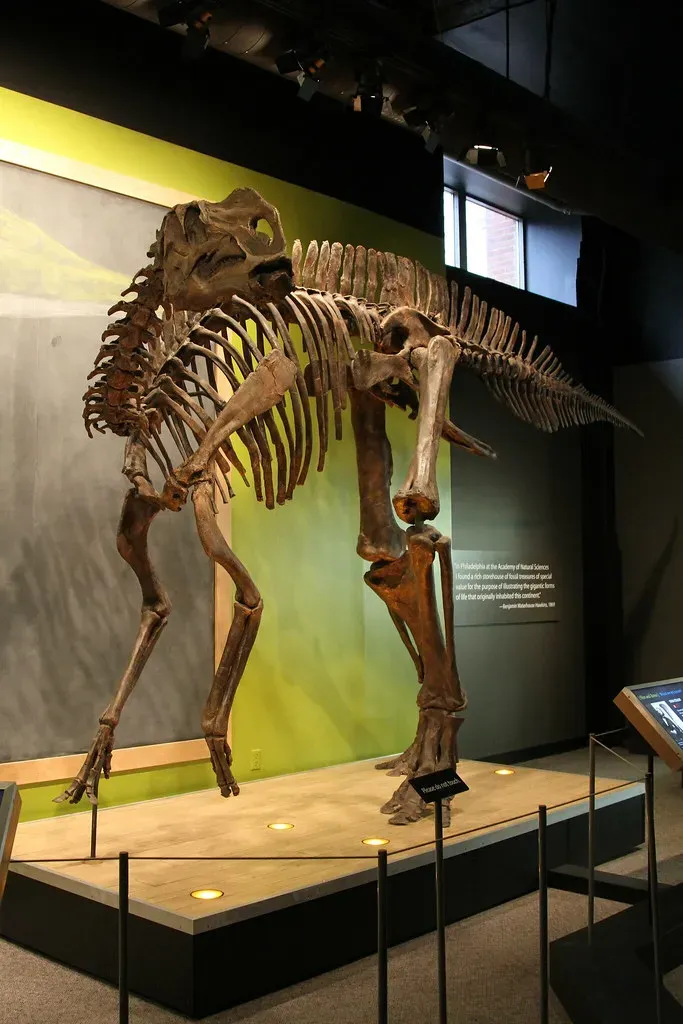
This discovery of a 25-foot, eight-ton, duck-billed, herbivorous saurian, which stood as high as ten feet at the hips, was so unexpected and unusual that it startled the scientific thinking of the day and led to a revision of many conventional ideas as to the physical structure and life habits of prehistoric reptiles, providing a great stimulus to the study of dinosaurs which, until then, were relatively unknown outside the scientific community. Think of it as the moment dinosaurs went from being an academic niche to a public sensation.
Foulke’s Hadrosaurus gave scientists a far better understanding of what the ruling reptiles actually looked like, including the fact that many of them were bipedal. The find also helped cement paleontology as a formal science rather than a hobby of upper-class collectors and naturalists. In 1868, Hadrosaurus foulkii was the first dinosaur skeleton ever mounted for public display at the Academy of Natural Sciences in Philadelphia. Meanwhile, Scelidosaurus finally received its full scientific due when Dr. David Norman from the University of Cambridge’s Department of Earth Sciences devoted much of his time in recent years to preparing a detailed description and biological analysis of Scelidosaurus, completing a project more than 150 years in the making.
Conclusion: The Bones That Changed Everything
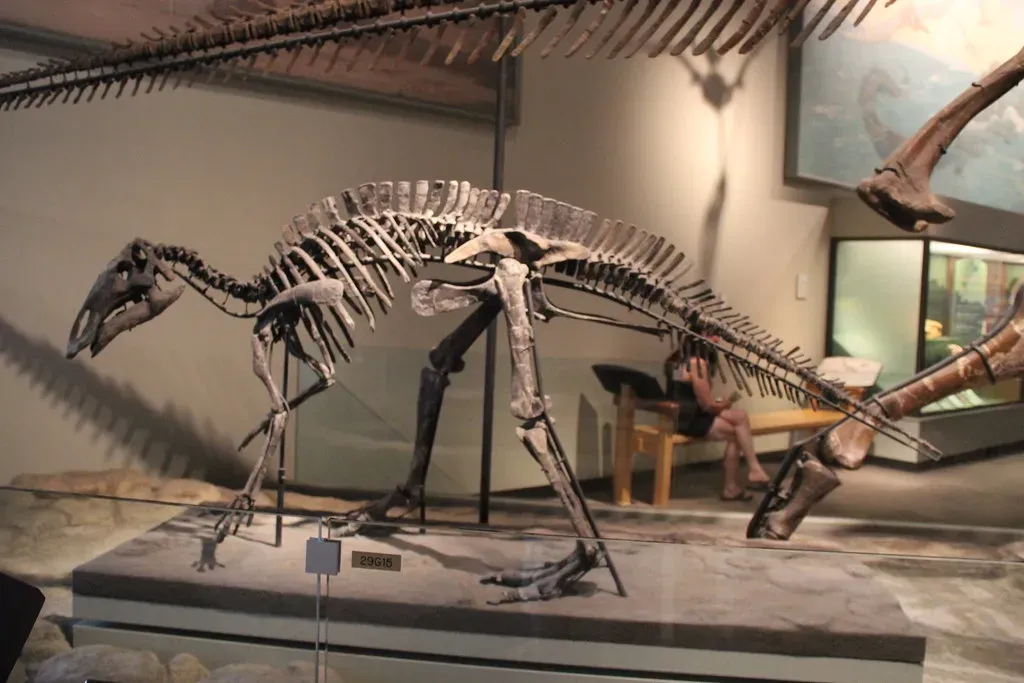
The year 1858 turned out to be one of the most astonishing twelve months in the history of science. Two continents. Two extraordinary skeletons. And yet the full implications of both discoveries took well over a century to be properly understood and appreciated. One was publicly celebrated and mounted for all the world to see. The other sat quietly in a museum storeroom, waiting patiently for someone to pay it the attention it deserved.
What is deeply humbling about this story is how much of history depends on chance. A quarryman looking for cement material. A farmer digging in a muddy pit. An amateur geologist invited to dinner. These were not grand expeditions funded by governments. They were ordinary moments that accidentally unlocked extraordinary secrets. The next time you walk past a rocky hillside or a muddy field, it might be worth pausing for a moment. You never know what 190 million years of history might be sitting just beneath your feet.
So here’s something to think about: two of the most important dinosaur discoveries in history happened in the same year, and one of them was almost completely ignored for over 150 years. What other discoveries might be sitting neglected in a museum drawer somewhere right now, waiting for their moment? What do you think? Share your thoughts in the comments below.