Have you ever wondered how dinosaurs managed to inhabit every corner of our planet, from steamy tropical forests to icy polar regions? The story sounds almost impossible. Gigantic creatures weighing tons somehow wandered across lands that would later become separated by vast oceans.
Yet the fossil evidence is undeniable. Paleontologists have unearthed dinosaur remains on all seven continents, including frozen Antarctica. This global domination didn’t happen overnight, nor was it a simple migration story. It’s a tale woven through millions of years of shifting continents, dramatic climate changes, and evolutionary opportunism that reveals just how adaptable these ancient reptiles truly were.
When the World Was One Giant Landmass
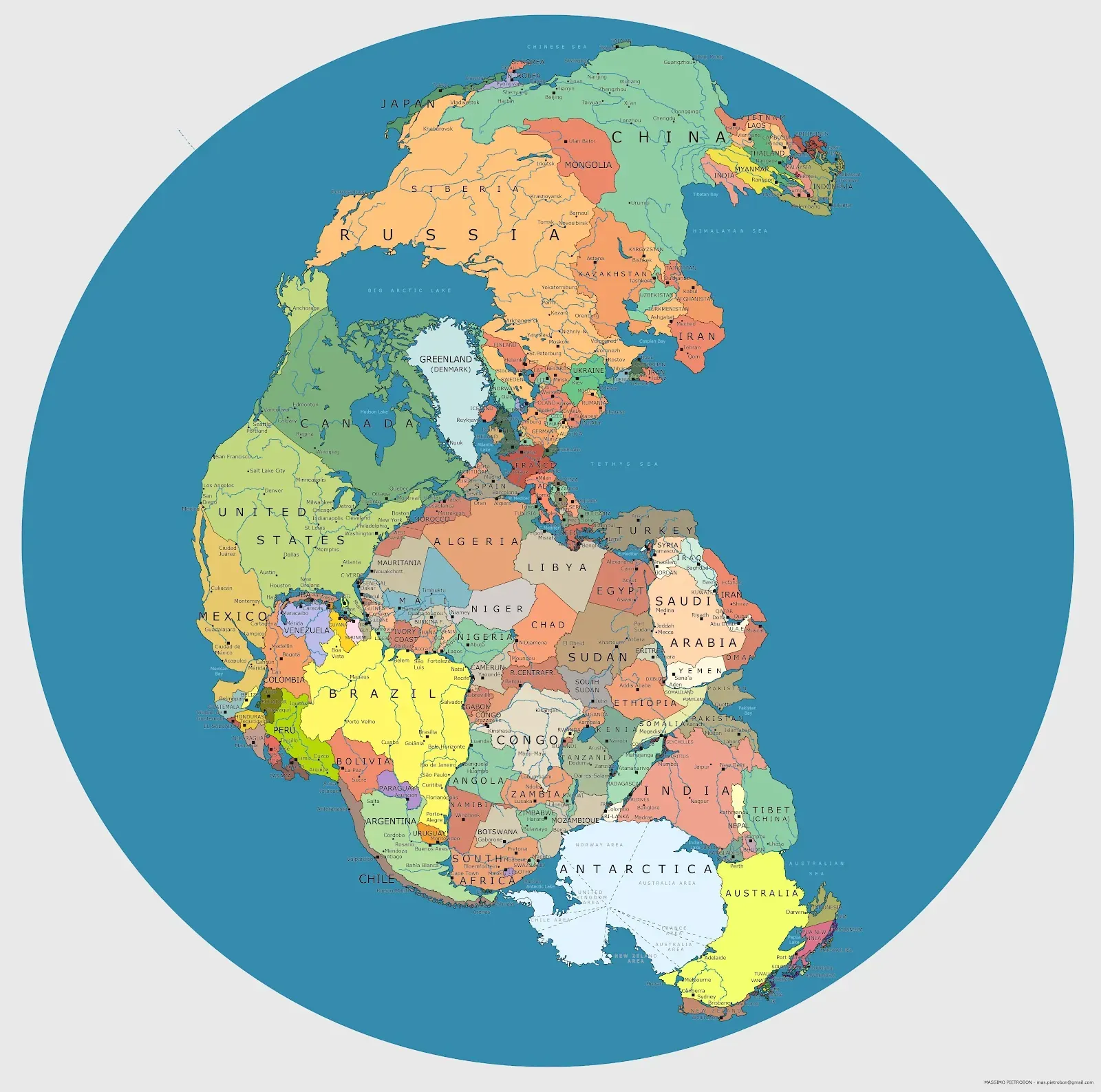
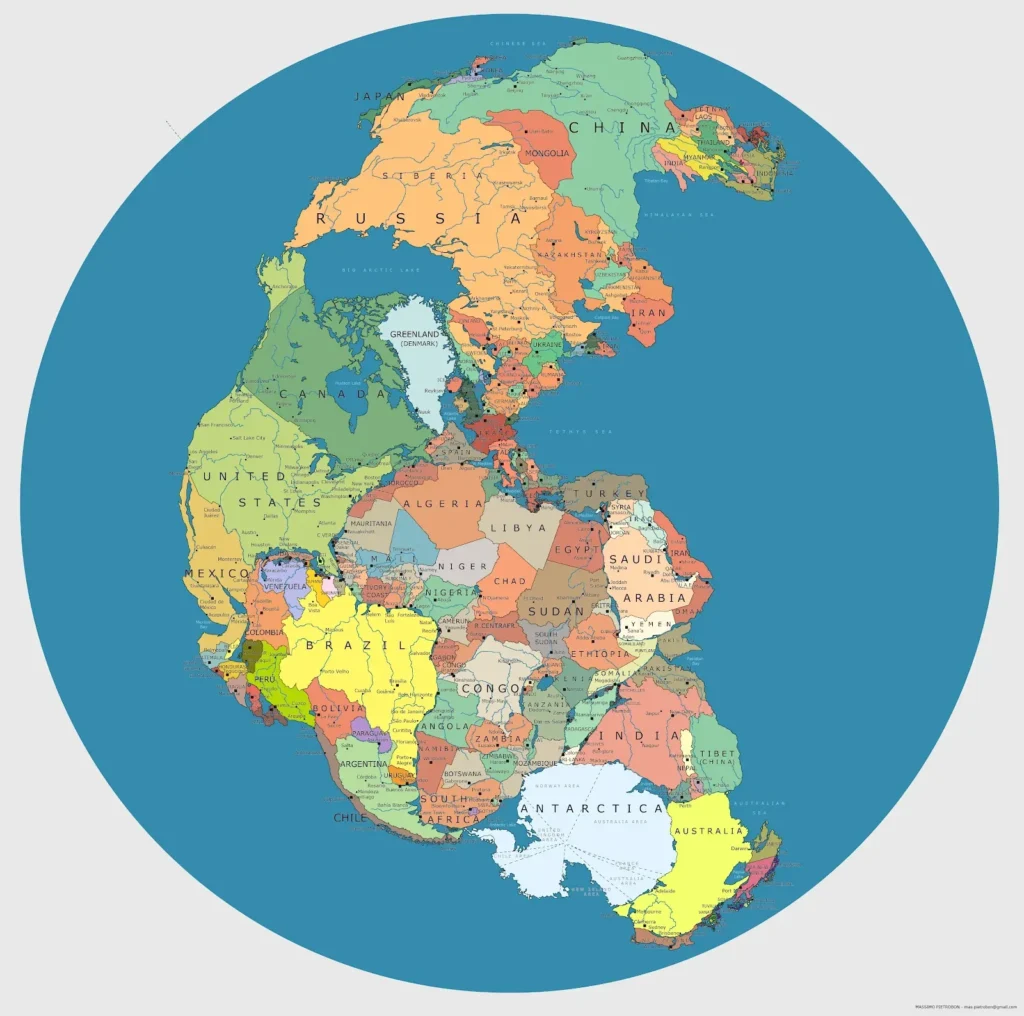
At the beginning of the age of dinosaurs during the Triassic Period, about 230 million years ago, the continents were arranged together as a single supercontinent called Pangea. Imagine walking from what would become North America straight through to Africa without ever encountering an ocean. This was the world into which the first dinosaurs emerged.
Pangaea stretched from pole to pole, creating a single massive landmass surrounded by the vast Panthalassa Ocean, which meant that early dinosaurs could theoretically walk from the Arctic to Antarctica without ever encountering a significant water barrier. The interior of this supercontinent was harsh, dominated by scorching deserts and extreme temperature swings. Coastal regions offered more hospitable conditions where life flourished.
The Climate Barriers That Controlled Early Dinosaur Distribution
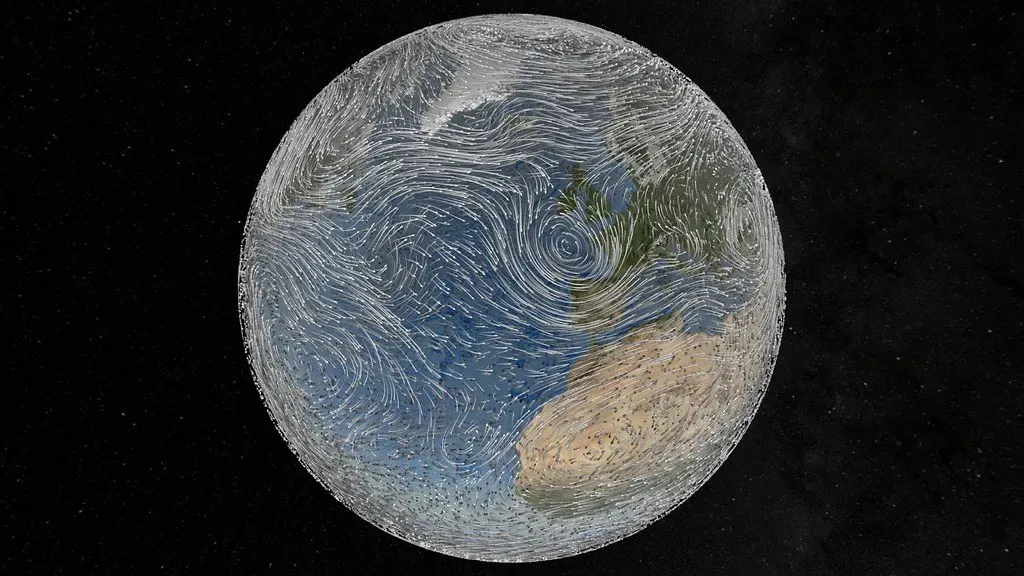
Here’s the thing: just because dinosaurs could potentially walk anywhere doesn’t mean they did. Researchers suggest that since the dispersal of the first dinosaurs was linked to climate barriers, for a long time, those gigantic animals remained confined to the climate zones that suited them, and they didn’t spread throughout Pangaea. Think of it like invisible walls made of weather patterns rather than geography.
Climate, possibly related to latitude, controlled the distributions of some reptile species, and only the carnivorous dinosaurs found the North American climate to be hospitable during the Late Triassic. The sauropodomorphs and ornithischians, despite having the ability to reach North America, simply couldn’t thrive there. Temperature bands, rainfall patterns, and seasonal extremes acted as gatekeepers, determining which dinosaurs could live where.
South America: The Likely Birthplace of Dinosaurs
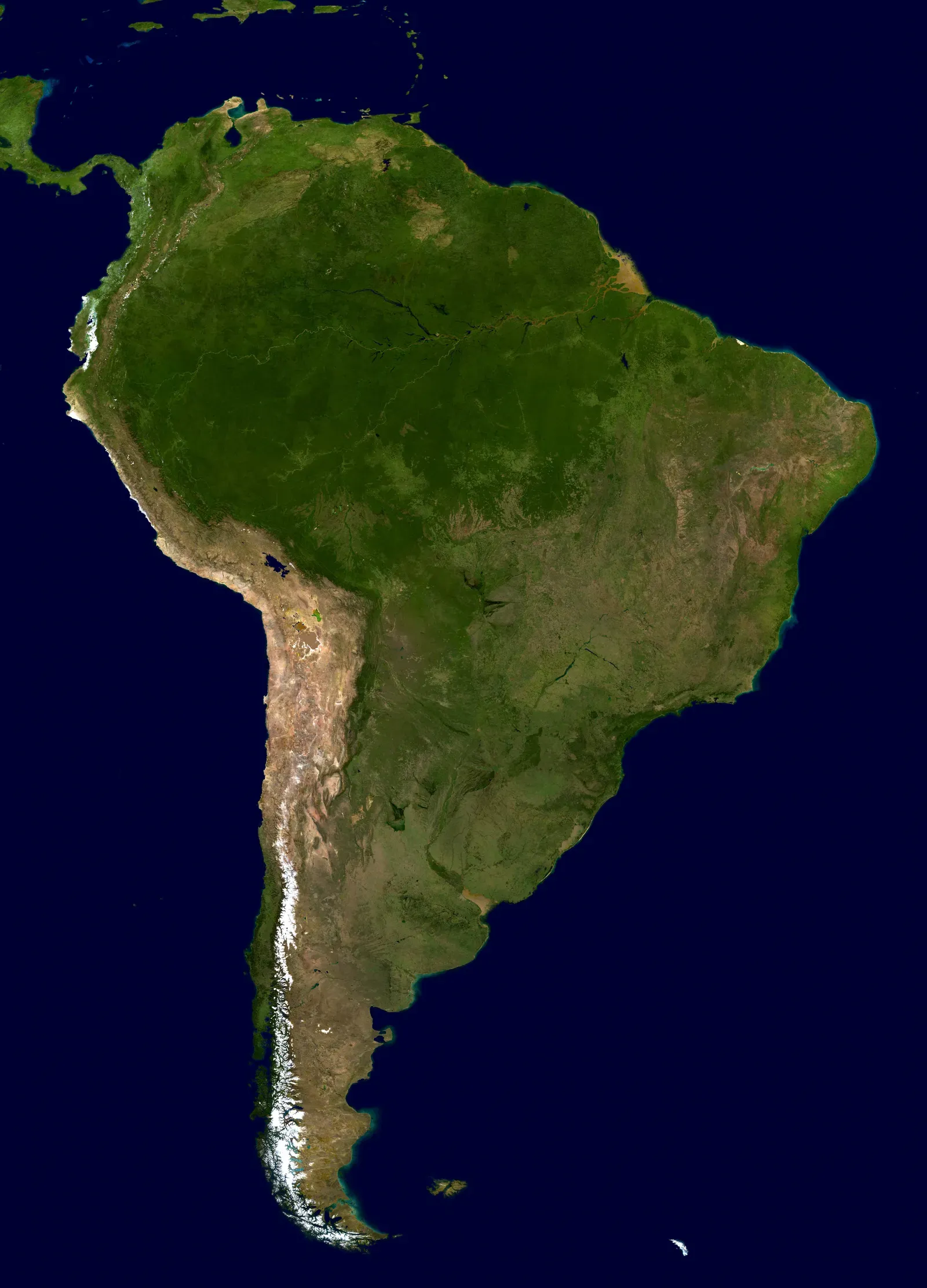
Based on analysis of relationships among early dinosaurs, researchers hypothesize that dinosaurs originated in a part of Pangea that is now South America, diverging into theropods, sauropodomorphs and ornithischians, and then dispersed more than 220 million years ago across parts of Pangea. This South American origin story emerged from careful study of fossil relationships and evolutionary patterns.
When paleontologists discovered Tawa hallae in New Mexico, something fascinating emerged. The research team found three distinct carnivorous dinosaurs in Late Triassic beds, and when they analyzed the evolutionary relationships of these dinosaurs, they discovered that they were only distantly related, and that each species had close relatives in South America. Each carnivorous species had migrated separately from South America rather than evolving from a common local ancestor.
The Great Breakup Begins
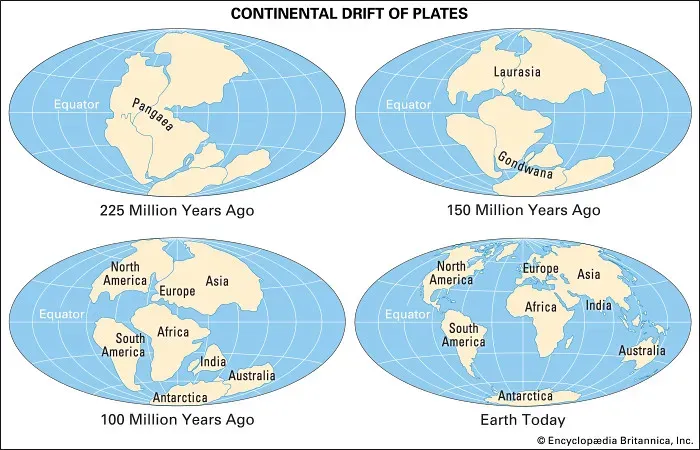
Pangea began to break up toward the end of the Triassic, first along the boundary between North America and Africa. Around 200 million years ago, deep within Earth’s mantle, powerful forces started pulling the supercontinent apart. This wasn’t a sudden catastrophic split but rather an agonizingly slow process spanning tens of millions of years.
Volcanic activity intensified along what would become the Atlantic Ocean’s mid-ocean ridge, creating a narrow seaway between North America and Northwest Africa, and as the rift expanded, it gradually separated Europe from North America and began isolating different dinosaur populations for the first time in their evolutionary history. The early Atlantic was more like a large lake initially, but it widened relentlessly over geological time.
Climate Revolution Opens New Dinosaur Highways
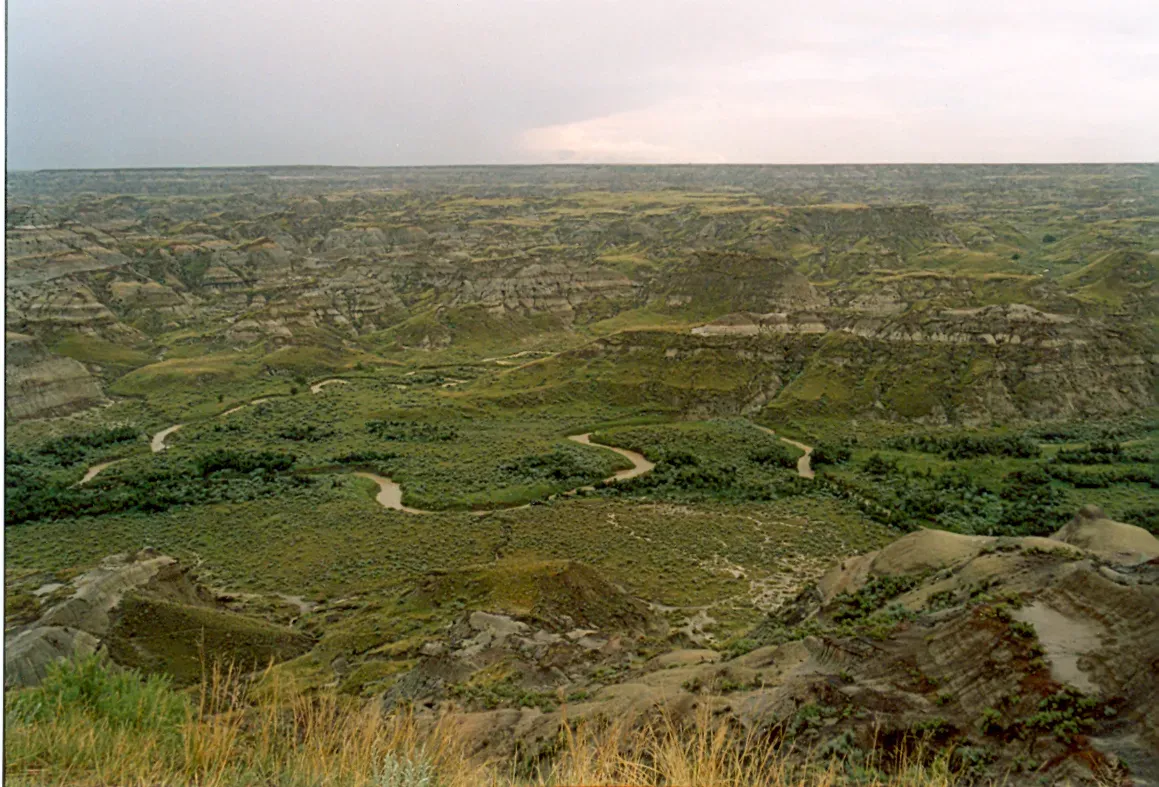
Something remarkable happened around 214 million years ago. Researchers theorize that plummeting CO2 levels and sauropodomorph migration are linked, suggesting that milder levels of CO2 may have helped to remove climatic barriers that had limited the sauropodomorphs to South America. The atmosphere itself changed, rewriting the rules of where dinosaurs could survive.
When CO2 levels dipped between 215 to 212 million years ago, the tropical regions may have become more mild, and the arid regions could have become less dry, with certain passageways developing, such as along rivers or lakes, that would have helped sustain the herbivores along the way to Greenland. These green corridors acted like ancient highways, allowing massive long-necked sauropodomorphs to complete an incredible 6,500-mile journey from South America all the way to Greenland.
Different Dinosaurs Traveled at Different Speeds
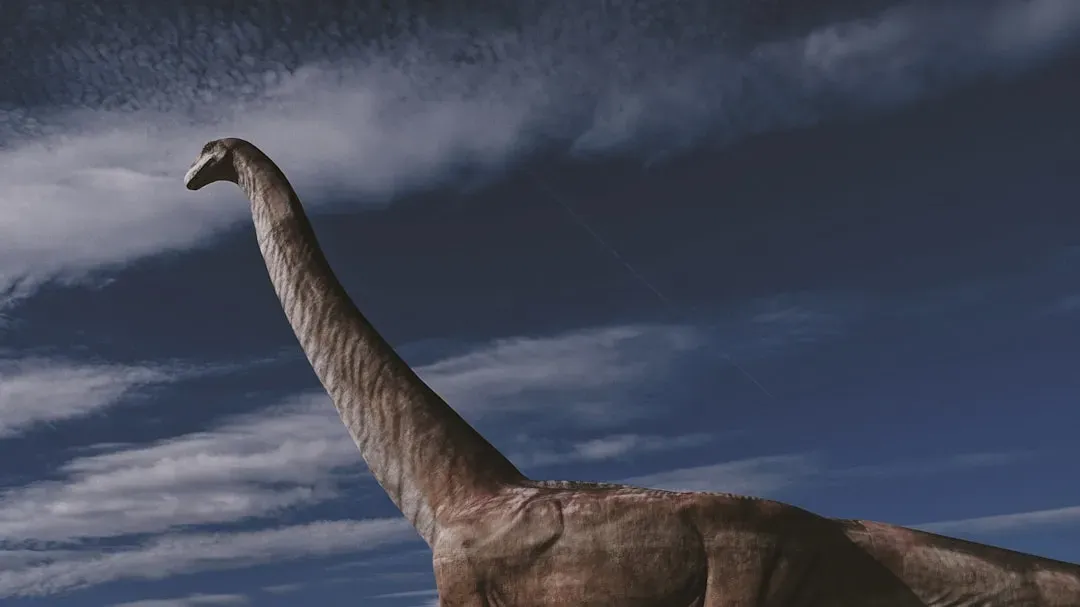
Sauropodomorphs tend to be less mobile, particularly compared to theropods, as these were really big animals, and probably less likely to swim, and less likely to be able to get across sea waves than some of the other smaller dinosaurs. Size mattered enormously when it came to migration capabilities. The giant long-necked plant-eaters needed continuous land bridges and couldn’t risk water crossings.
Carnivorous theropods, being smaller and more agile, proved far more adventurous. Even though the migration of dinosaur groups slows down as continents separated, it doesn’t completely stop, and dinosaurs may have been able to move across continents, and between islands, by the formation of temporary land bridges, which could have formed because of fluctuating sea levels during the Cretaceous era. Sea levels rose and fell like tides over millions of years, occasionally revealing pathways between landmasses.
Antarctica: The Unexpected Dinosaur Corridor
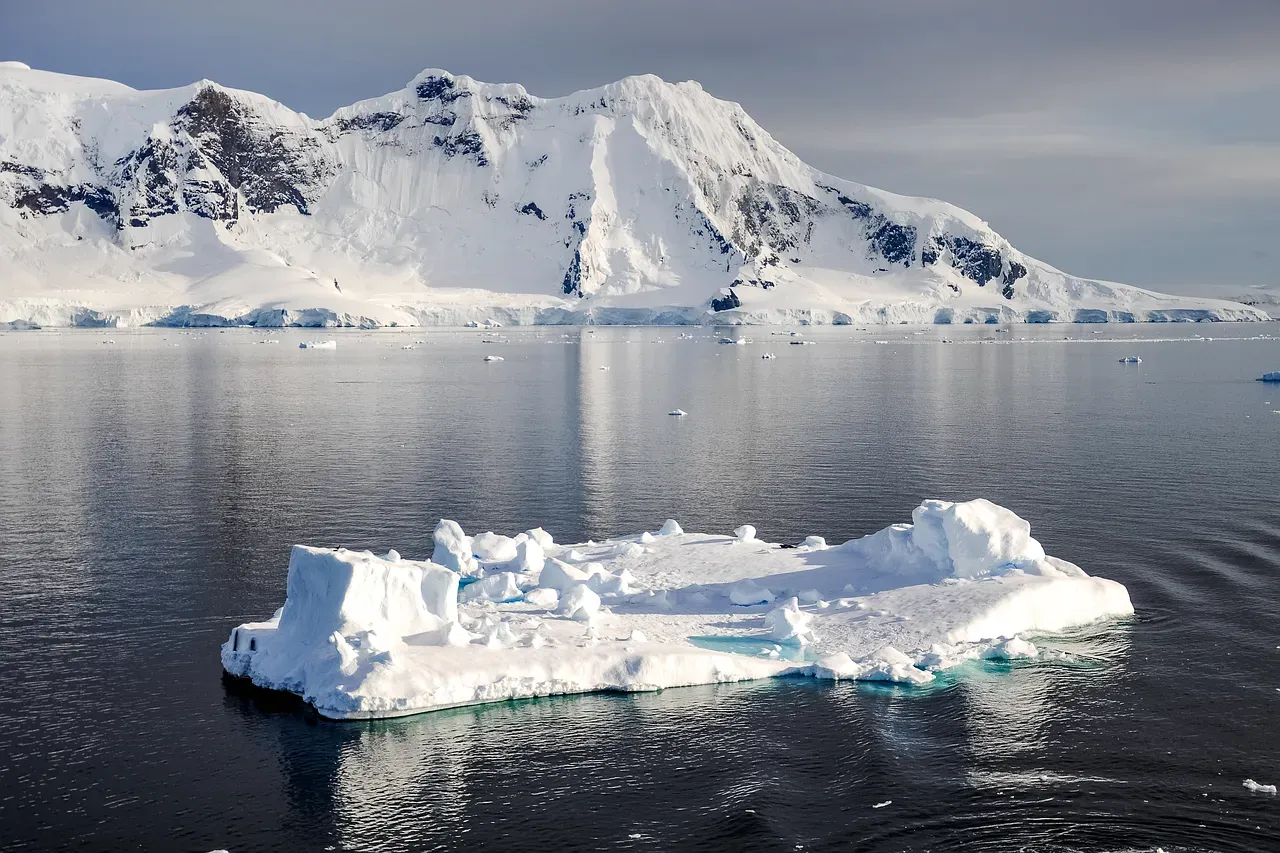
Let’s be real, when you think Antarctica, you picture penguins and ice sheets, not dinosaurs. Yet Antarctica served as a crucial land bridge connecting southern continents. The first-ever near-complete sauropod skull found in Australia is remarkably similar to fossils from South America, which suggests that dinosaurs roamed across ice-free Antarctica.
Two dinosaurs have been found from the Jurassic Period in Antarctica, the aptly named plant-eating Glacialisaurus and the 21-foot-long crested meat-eater Cryolophosaurus, and during the Jurassic Period, some 190 million years ago, Antarctica was much closer to the equator. The continent wasn’t always frozen. Forests extended to the South Pole, and temperatures averaged between 11 and 25 degrees Fahrenheit warmer than current temperatures during parts of the Cretaceous.
Continental Isolation Creates Dinosaur Diversity
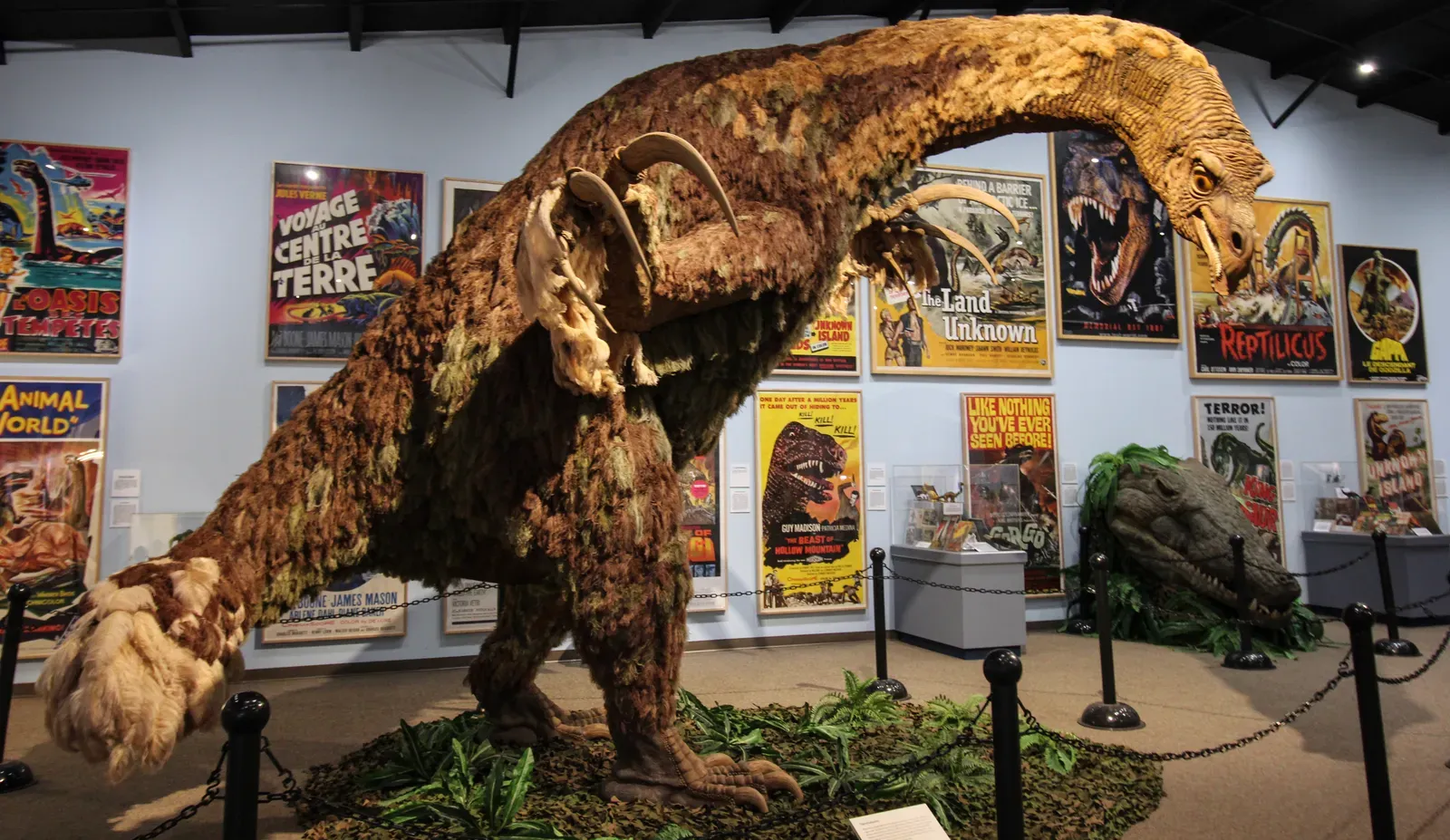
During the Cretaceous the land separated further into some of the continents we recognise today, although in different positions, which meant that dinosaurs evolved independently in different parts of the world, becoming more diverse. Geographic isolation became evolution’s laboratory, driving rapid diversification.
Gondwana held a very different dinosaurian fauna, with most predators being abelisaurids and carcharodontosaurids, and titanosaurs being among the dominant herbivores. Meanwhile, in the northern landmasses, tyrannosaurs, hadrosaurs, and ceratopsians flourished. Each separated continent developed its own unique cast of dinosaur characters, shaped by local environments and isolated gene pools. The same evolutionary pressures that once allowed dinosaurs to spread everywhere now pushed them to become dramatically different from their distant cousins.
The Legacy of a Global Conquest
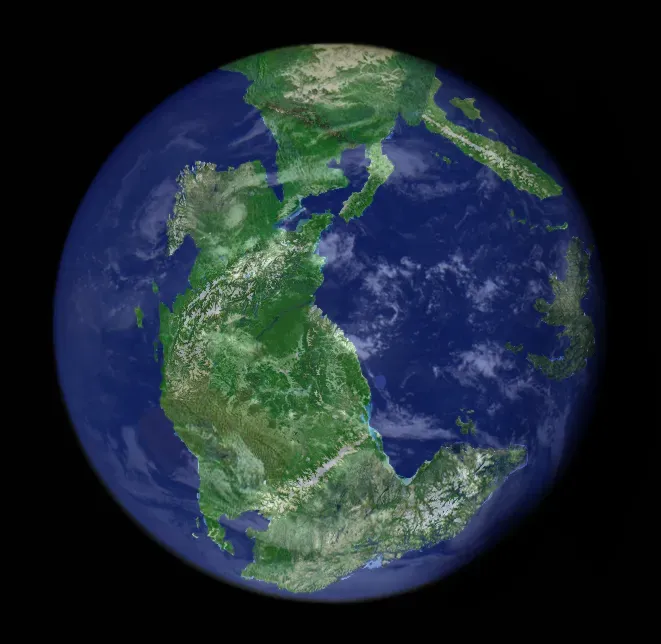
During the 165 million years of dinosaur existence, the supercontinent Pangea slowly broke apart. By the time their reign ended 66 million years ago, dinosaurs had truly conquered every continent through a combination of timing, adaptability, and geological fortune. They started their journey when continents were united, spread during brief windows when climate allowed, and diversified when isolation demanded it.
Dinosaurs inhabited every continent, and were even found in cold polar latitudes. From scorching deserts to polar forests, from tropical islands to continental interiors, dinosaurs proved they could adapt to virtually any environment Earth offered. Their fossils now tell a story millions of years in the making, revealing how these remarkable creatures used shifting continents as highways to global domination. What do you think enabled their incredible success? Share your thoughts in the comments.